‘From taboo to tool’: 30% of GPs in UK use AI tools in patient consultations, study finds

Almost three in 10 GPs in the UK are using AI tools such as ChatGPT in consultations with patients, even though it could lead to them making mistakes and being sued, a study reveals.The rapid adoption of AI to ease workloads is happening alongside a “wild west” lack of regulation of the technology, which is leaving GPs unaware which tools are safe to use.That is the conclusion of research by the Nuffield Trust thinktank, based on a survey of 2,108 family doctors by the Royal College of GPs about AI and on focus groups of GPs.Ministers hope that AI can help reduce the delays patients face in seeing a GP.The study found that more and more GPs were using AI to produce summaries of appointments with patients, assisting their diagnosis of the patient’s condition and routine administrative tasks.
In all, 598 (28%) of the 2,108 survey respondents said they were already using AI,More male (33%) than female (25%) GPs have used it and far more use it in well-off than in poorer areas,It is moving quickly into more widespread use,However, large majorities of GPs, whether they use it or not, worry that practices that adopt it could face “professional liability and medico-legal issues”, and “risks of clinical errors” and problems of “patient privacy and data security” as a result, the Nuffield Trust’s report says,“The government is pinning its hopes on the potential of AI to transform the NHS.
But there is a huge chasm between policy ambitions and the current disorganised reality of how AI is being rolled out and used in general practice”, said Dr Becks Fisher, a GP who is the thinktank’s director of research and policy.“It is very hard for GPs to feel confident about using AI when they’re faced with a wild west of tools which are unregulated at a national level in the NHS”, she added.While some NHS regional integrated care boards back GPs using AI, others ban it.In a blow to ministerial hopes, the survey also found that GPs use the time it saves them to recover from the stresses of their busy days rather than to see more patients.“While policymakers hope that this saved time will be used to offer more appointments, GPs reported using it primarily for self-care and rest, including reducing overtime working hours to prevent burnout”, the report adds.
A separate study of how family doctors in the UK are using AI published last month in the journal Digital Health involved similar findings,It found that the proportion using AI had risen from 20% to 25% over the previous year,“In just 12 months, generative AI has gone from taboo to tool in British medicine”, said Dr Charlotte Blease of Uppsala university in Sweden, the lead author of the research,Like the Nuffield Trust, she highlighted lack of regulation as a key concern, especially given the speed at which GPs are incorporating AI into their clinical practice,“The real risk isn’t that GPs are using AI.
It’s that they’re doing it without training or oversight,” Blease said.“AI is already being used in everyday medicine.The challenge now is to ensure it’s deployed safely, ethically and openly.”Growing numbers of patients were also using AI to improve their healthcare, including when they could not get a GP appointment, Healthwatch England said.“Our recent research shows that while patients continue to trust the NHS for health information, around one in 10 (9%) are using AI tools for information on staying healthy”, said Chris McCann, the patient watchdog’s deputy chief executive.
“There are various reasons people may turn to AI tools, including when they cannot access GP services.However, the quality of the advice from AI tools is inconsistent.For example, one person received advice from an AI tool that confused shingles with Lyme disease.”A commission launched by the government in September, on how to ensure that AI is used in a safe, effective and properly regulated way, will make recommendations when it reports.The Department of Health and Social Care was approached for comment.
NHS braces for ‘unprecedented flu wave’ as hospitalised cases in England rise
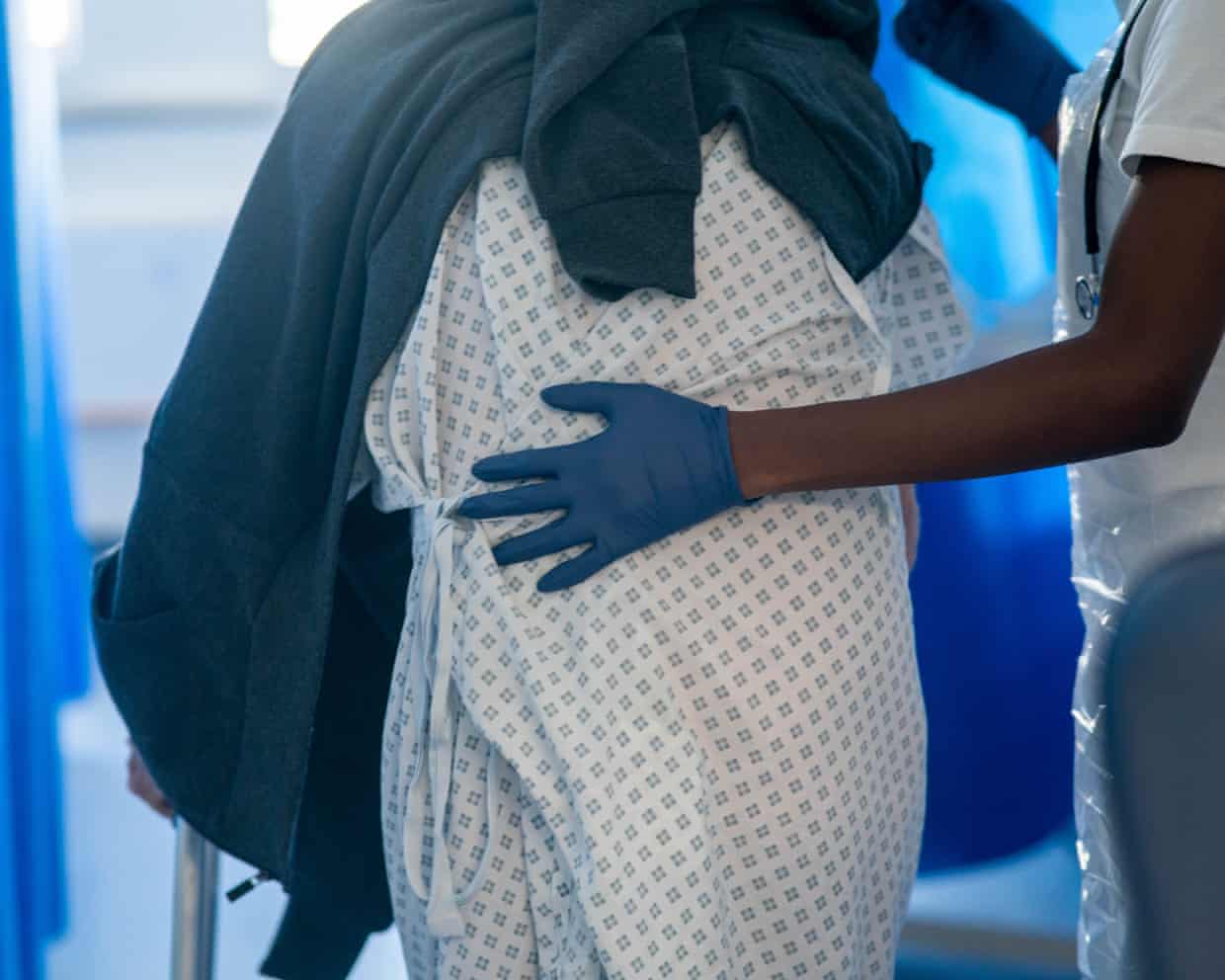
The NHS is facing an “unprecedented flu wave”, a senior healthcare leader said, as the number of people with the illness in hospitals across England hit a record high.The statistics, published by NHS England as part of its first weekly snapshot of the performance of hospitals this winter, found that an average of 1,717 flu patients were in beds each day last week – more than 50% higher than last year – including 69 patients whose condition was critical.This is compared with 1,098 flu patients in NHS hospital beds at the same time last year, representing a 56% increase. In 2023 there were 160 flu patients in beds in the same week.Prof Julian Redhead, the national director for urgent and emergency care, said the figures confirmed the NHS’s “deepest concerns” that the health service was bracing for an unprecedented flu wave this winter, with cases “incredibly high for this time of year and there is no peak in sight yet”

Children in England most active since 2017 – but majority still fall short of targets
Children in England are the most active they have been since 2017, according to research that warns that less than half are meeting government activity level targets.In 2024-25, 3.6 million children took part in an average of more than 60 minutes of sport and physical activity per day across the week, according to Sport England’s annual active lives survey. This represents 49.1% of five- to 16-year-olds in England – a 1

Parents and young people: share your concerns about ultra-processed foods (UPFs)
This month, the Lancet published the world’s largest review on the health threats of ultra-processed foods (UPFs), showing that they are replacing fresh food on every continent and are exposing millions of people to long-term harm. Globally one in 10 children are considered obese, as junk food overwhelms childhood diets. Previous research has shown how susceptible children are to junk food advertising.Parents and young people, are you concerned about the level of UPFs in your diet? Is it easy and affordable to find fresh food and eat healthily where you live? What changes do you think would help encourage healthy eating habits? We’re particularly interested in hearing from parents in low- and middle-income countries where the rise in childhood obesity is steepest.You can share your concerns about ultra-processed foods (UPFs) using this form
‘I don’t take no for an answer’: how a small group of women changed the law on deepfake porn
For Jodie*, watching the conviction of her best friend, and knowing she helped secure it, felt at first like a kind of victory. It was certainly more than most survivors of deepfake image-based abuse could expect.They had met as students and bonded over their shared love of music. In the years since graduation, he’d also become her support system, the friend she reached for each time she learned that her images and personal details had been posted online without her consent. Jodie’s pictures, along with her real name and correct bio, were used on many platforms for fake dating profiles, then adverts for sex work, then posted on to Reddit and other online forums with invitations to deepfake them into pornography

Pornography company fined £1m by Ofcom for not having strong enough age checks
A pornography company that runs 18 adult websites has been fined £1m by the watchdog Ofcom for not having strong enough age checks, in the largest fine yet under the UK’s Online Safety Act.The Belize-based AVS Group has been hit with the punishment, plus a further £50,000 for failing to respond to information requests.It is the third time that the internet and communications watchdog has fined a company in relation to the Online Safety Act, which brought into force strict age-checking requirements in July.While AVS has implemented what it claims is an age verification regime, the regulator’s investigation did not deem it to be highly effective.The company now has 72 hours to introduce age checks that Ofcom will view as effective or face a penalty of £1,000 a day
Probation officers in England and Wales to be given self-defence training after stabbings
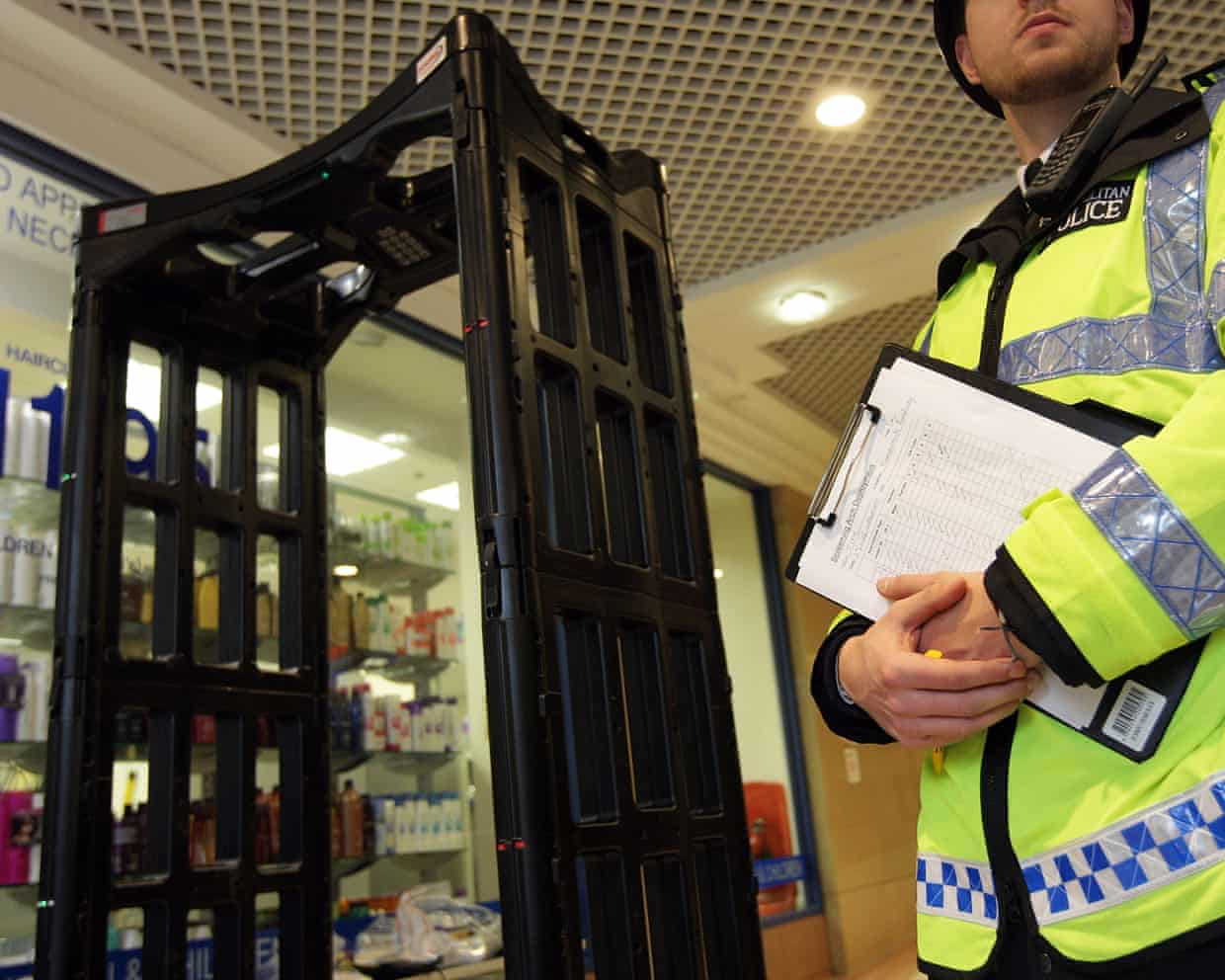
Probation officers will be given self-defence training, bleed kits and body-worn cameras for the first time under plans before ministers in the wake of two stabbings, the Guardian has learned.Knife arches and handheld metal-detecting wands, which can be used to search people for weapons, have been approved for pilot schemes in selected offices.The disclosures come days after a staff member was stabbed in a probation office in Oxford. Separately, a man has admitted the attempted murder in July of a female officer in another probation centre in Preston, Lancashire.The probation officers’ union, which believes these are the first knife attacks in probation offices, has said members have a “palpable fear” about going to work since the attacks

Dryrobe wins trademark case against rival waterproof changing coat D-Robe

Budget uncertainty triggers plunge in UK construction activity; Trustpilot shares slump after short-seller claims – as it happened

Google’s AI Nano Banana Pro accused of generating racialised ‘white saviour’ visuals

Chatbots can sway political opinions but are ‘substantially’ inaccurate, study finds

US skier Ryan Cochran-Siegle kicks off Olympic push with Beaver Creek downhill podium

Joe Root is finally a wizard in Aus after Harry Brook’s Bazball scarecrow act | Barney Ronay