How ICE is using facial recognition in Minnesota
Immigration enforcement agents across the US are increasingly relying on a new smartphone app with facial recognition technology.The app is named Mobile Fortify.Simply pointing a phone’s camera at their intended target and scanning the person’s face allows Mobile Fortify to pull data on an individual from multiple federal and state databases, some of which federal courts have deemed too inaccurate for arrest warrants.The US Department of Homeland Security has used Mobile Fortify to scan faces and fingerprints in the field more than 100,000 times, according to a lawsuit brought by Illinois and Chicago against the federal agency, earlier this month.That’s a drastic shift from immigration enforcement’s earlier use of facial recognition technology, which was otherwise limited largely to investigations and ports of entry and exit, legal experts say.
The app’s existence was first uncovered last summer by 404 Media, through leaked emails.404 Media also reported, in October, about internal DHS documents that say people cannot refuse to be scanned by Mobile Fortify.“Here we have ICE using this technology in exactly the confluence of conditions that lead to the highest false match rates,” says Nathan Freed Wessler, deputy director of the ACLU’s speech, privacy and technology project.“A false result from this technology can turn somebody’s life totally upside down.” The larger implications for democracy are chilling, too, he notes: “ICE is effectively trying to create a biometric checkpoint society.
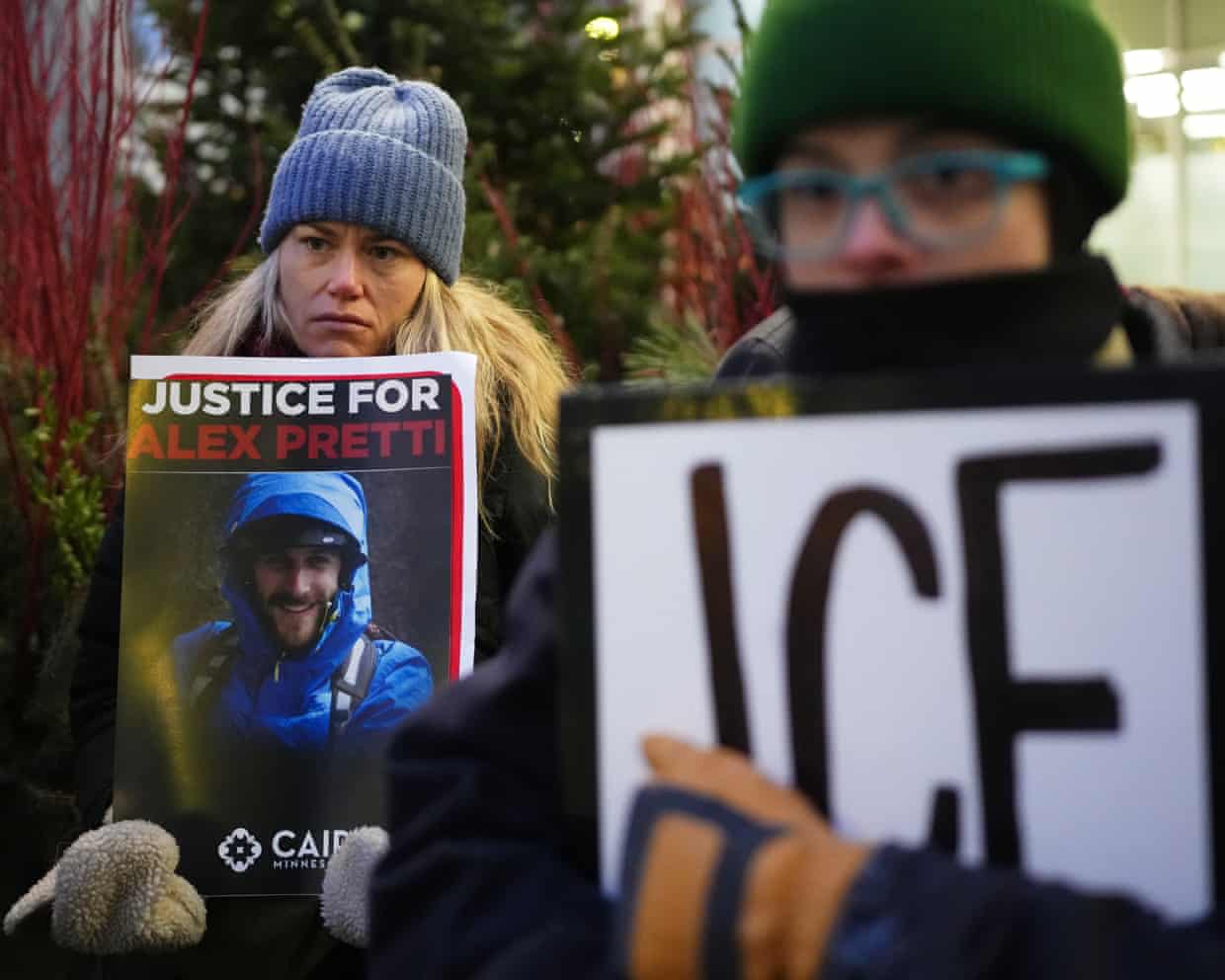
”Use of the app has inspired backlash on the streets, in courts, and on Capitol Hill.Protesters are using a variety of tactics to fight back.They include recording masked agents, using burner phones and donated dashboard cameras, according to the Washington Post.Underpinning resistance to ICE’s use of facial recognition are doubts about the technology’s efficacy.Research has uncovered higher error rates in identifying women and people of color than for scans of white faces.
ICE’s use of the technology is often occurring in intense and fast-moving situations, which makes misidentification more likely.Those being scanned may be people of color.They could be turning away from officers because they don’t want to be identified.The lighting could be poor.The Illinois lawsuit against the DHS takes particular issue with the federal agency’s use of Mobile Fortify and argued that the app goes far beyond what Congress allows with regards to the collection of biometric data.
The complaint cited several examples in which federal agents appeared to take photos or scans of US citizens across Illinois without their consent,Democratic lawmakers in Congress introduced a bill on 15 January that would outright ban the homeland security department from using Mobile Fortify or similar apps, except for identification at points of entry,This follows a September letter, sent by senators to ICE, asking for more information about the app and declaring that “even when accurate, this type of on-demand surveillance threatens the privacy and free speech rights of everyone in the United States”,The DHS said in a statement that Mobile Fortify does not violate constitutional rights or compromise privacy,“It operates with a deliberately high matching threshold and queries only limited CBP immigration datasets.
The application does not access open-source material, scrape social media, or rely on publicly available data,” a spokesperson said.According to 404 Media, the app’s database consists of some 200m images.“Mobile Fortify has not been blocked, restricted, or curtailed by the courts or by legal guidance.It is lawfully used nationwide in accordance with all applicable legal authorities.”Observers, experts, and at least one congressman have said federal immigration agents frequently do not ask for consent to scan a person’s face – and may dismiss other documentation that contradicts this data.
ICE has been documented using biometrics as a definitive determination of someone’s citizenship in the absence of identification.This means that ICE is not required to conduct additional vetting of facial scans or checks to avoid a misidentification.404 Media reported earlier this month that Mobile Fortify misidentified a detained woman during an immigration raid; the app came up with two different and incorrect names.“Facial recognition – to the extent it should be used at all – is really supposed to be a starting point,” says Jake Laperruque, deputy director of the security and surveillance project at the Center for Democracy & Technology (CDT).“If you treat this as an endpoint – as a definitive ID – you’re going to have errors, and you’re going to end up arresting and jailing people that are not actually who the machine says it is.
”Laperruque says that even police departments across the country have pushed back against an over-reliance on facial recognition, treating it as a lead, at most.At least 15 states are cautious about using it all, and have laws limiting police’s use of the technology.In 2019, San Francisco became the first major US city to ban facial recognition technology by police and all other local government agencies.The DHS issued a directive in September 2023 requiring that the bureau test the technology for unintended bias and offer US citizens the choice to opt out of scans not conducted by law enforcement.That directive appeared to be rescinded in February last year.
ICE’s stops – whether they involve face-scanning or not – have been subject to litigation as well,They have often been referred to as “Kavanaugh stops” after the supreme court justice wrote in a concurring opinion that Hispanic residents’ “apparent ethnicity” can be a “relevant factor” for ICE to stop them and demand for proof of citizenship,The ACLU sued the Trump administration earlier this month, accusing federal immigration authorities of racial profiling and unlawful arrests,
‘It could be a shoe or a stick’: Sajid Javid on being beaten by his father, petty crime – and turning his life around
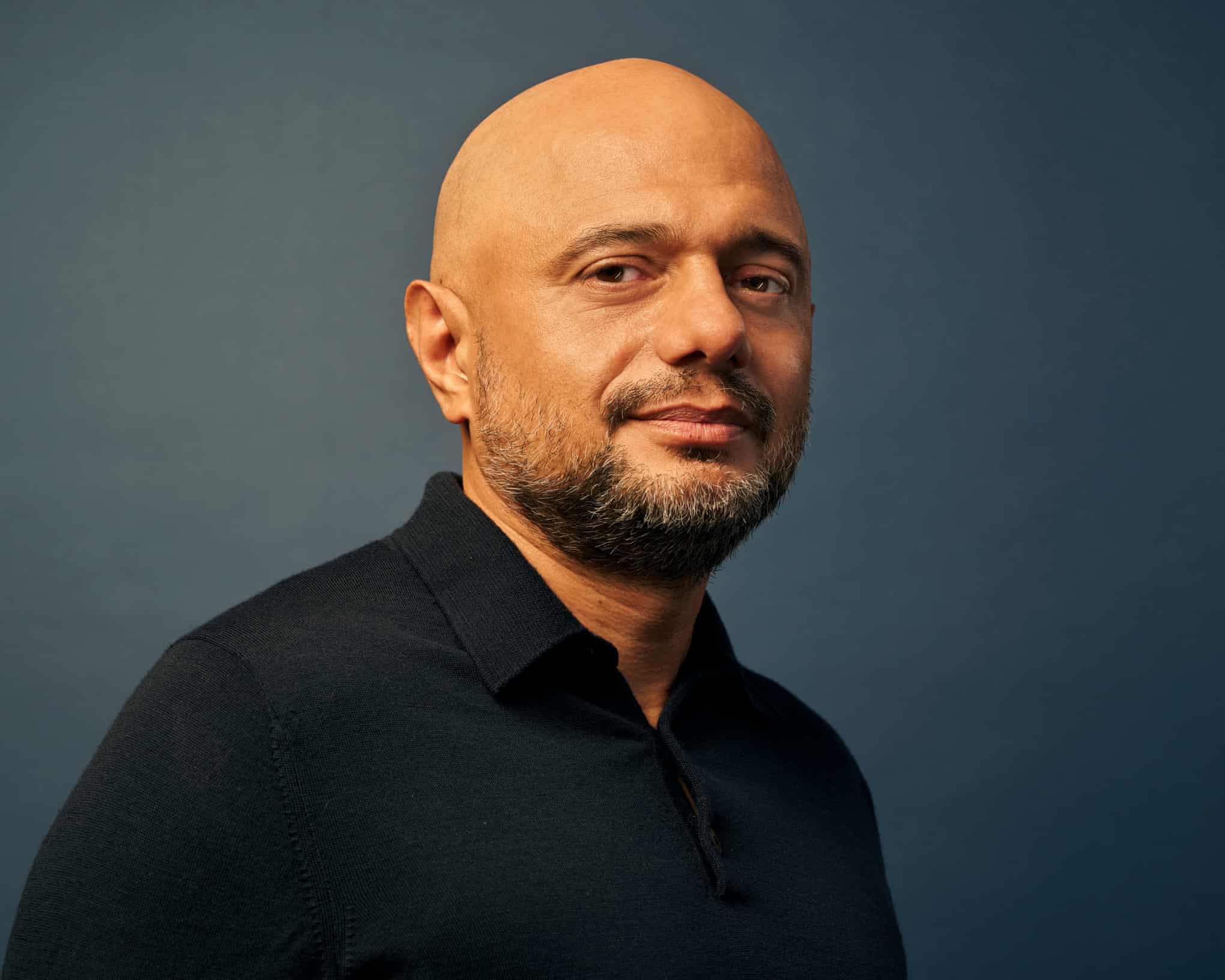
As a young teenager, Javid and his brother were caught stealing from slot machines, arrested and held in a cell. His future hung in the balance. How did he get from there to the top of UK politics?In 2019, when Sajid Javid was home secretary, he spoke about growing up on “the most dangerous street in Britain” and said how easy it would have been to fall into a life of crime. Fortunately, he said, he managed to avoid trouble. But it turns out that Javid was being a little economical with the truth
Burnham will try again for Westminster return but declines offer of seat in 2027
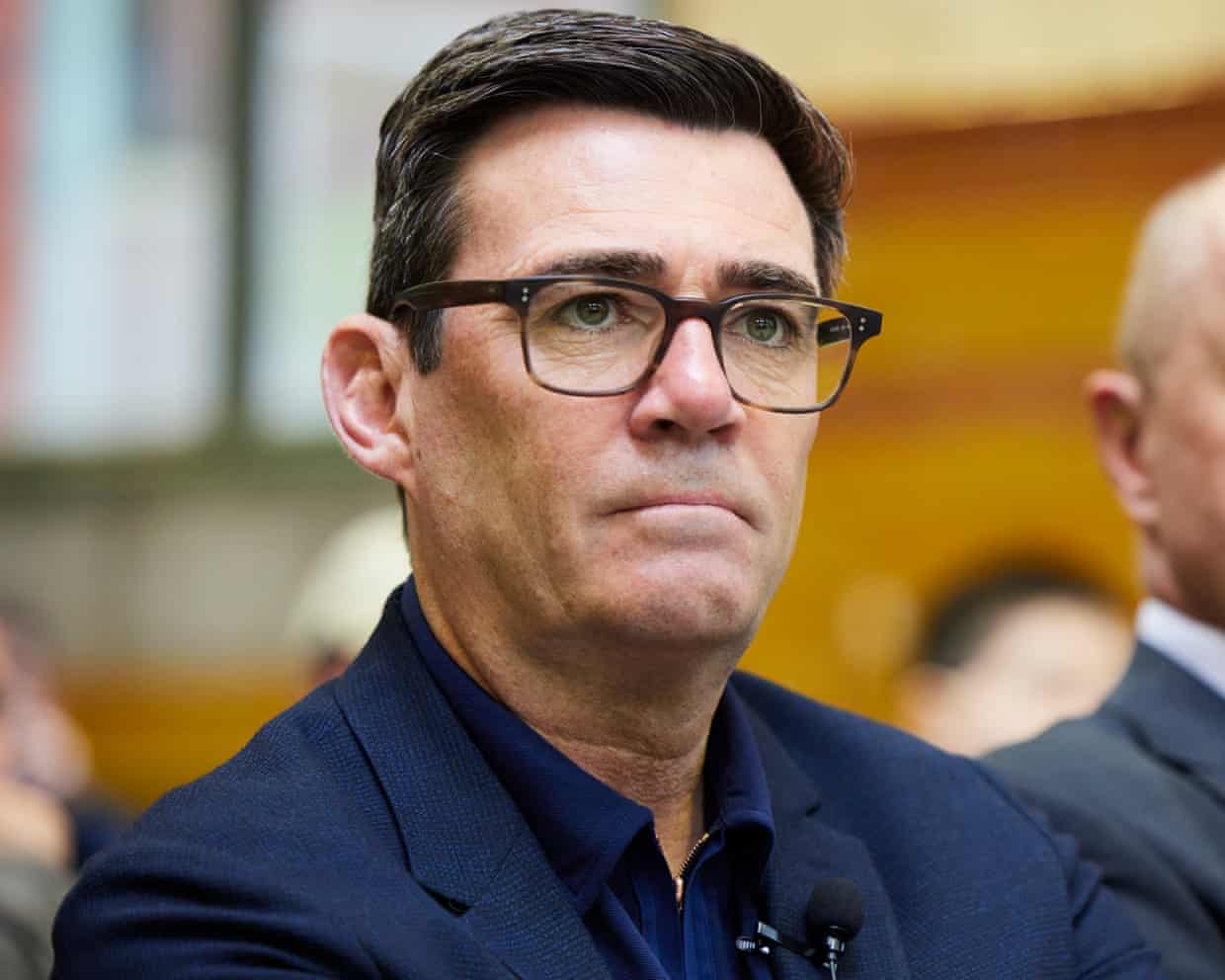
Andy Burnham has not given up hopes of returning to Westminster and will try again, allies say, but would need to be convinced that Keir Starmer would not try to block him again before running.The Greater Manchester mayor’s hopes of an imminent return to parliament appeared remote, however, as No 10 sources suggested that relations between the two men were at a low ebb and played down chances of a rapprochement.As the leadership tried to defuse the anger, Starmer himself defended the decision to prevent Burnham running in the Gorton and Denton byelection next month, a move that triggered a backlash against the prime minister from sections of his own party.Starmer is understood to have offered to support Burnham running for another seat in the north-west of England in 2027, nearer the end of his mayoralty, by which time the voting system would have changed in Labour’s favour and the party would be able to line up a strong replacement.However, the proposal was not accepted and the prime minister’s allies have since suggested that Burnham’s publicly angry response to being blocked may mean that even a tentative deal will not come to pass
Tories criticised over claim Braverman defected to Reform after ‘mental health’ issues
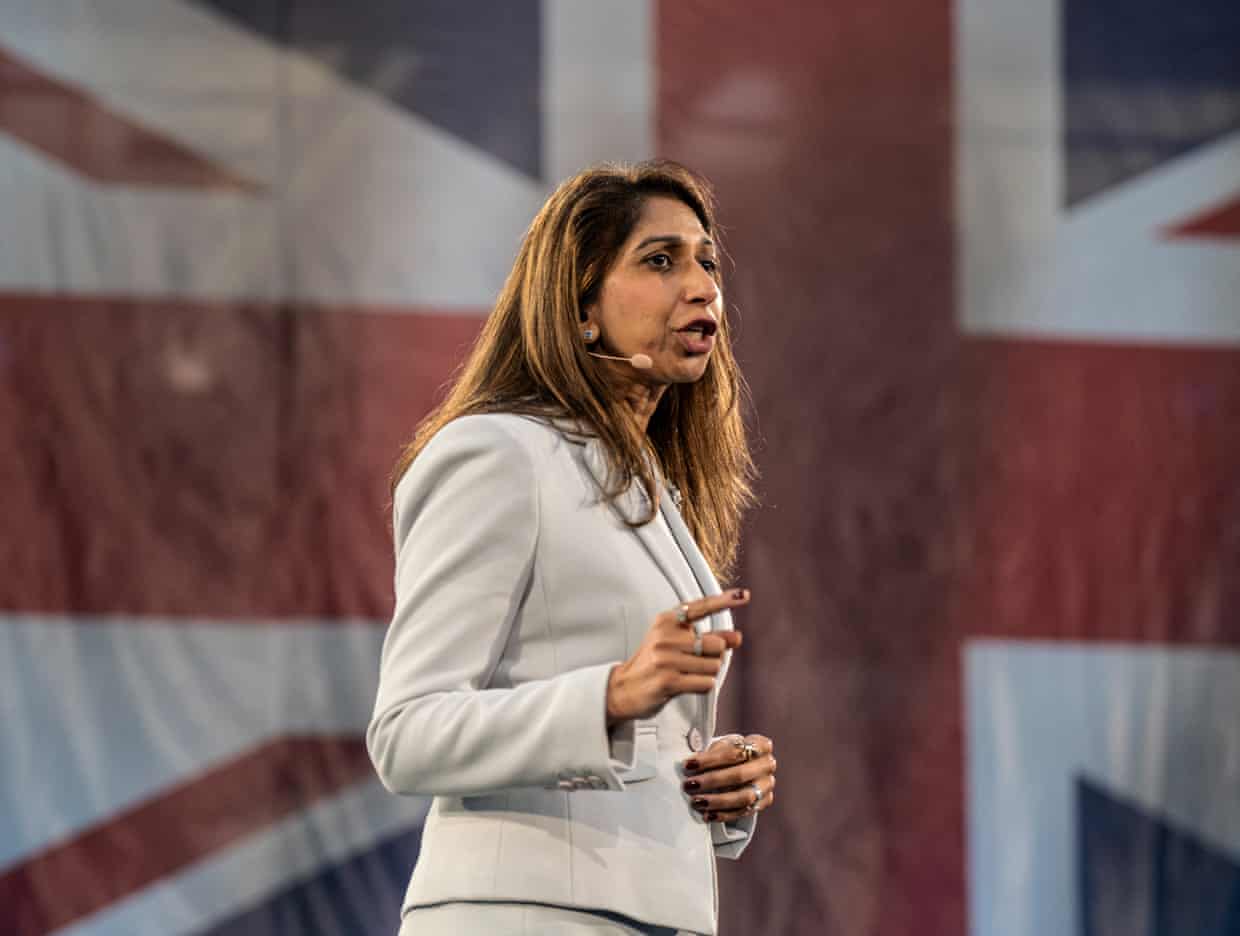
The Conservatives are facing a backlash after claiming that Suella Braverman defected to Reform UK after “mental health” issues, as the former home secretary finally joined Nigel Farage’s party after months of denials.Braverman, who was sacked from the cabinet by both Liz Truss and Rishi Sunak, became the third sitting Conservative MP to defect in little over a week. She immediately went on the attack against her former party.At a press conference after her defection, Braverman said she had felt “politically homeless” for the last two years and that too many Tory promises to the country – including on Brexit and immigration – “lie in tatters”.Her critics immediately pointed out that as Brexit minister, home secretary and attorney general under the Tories she had played a major role in the success, or otherwise, of those policy areas
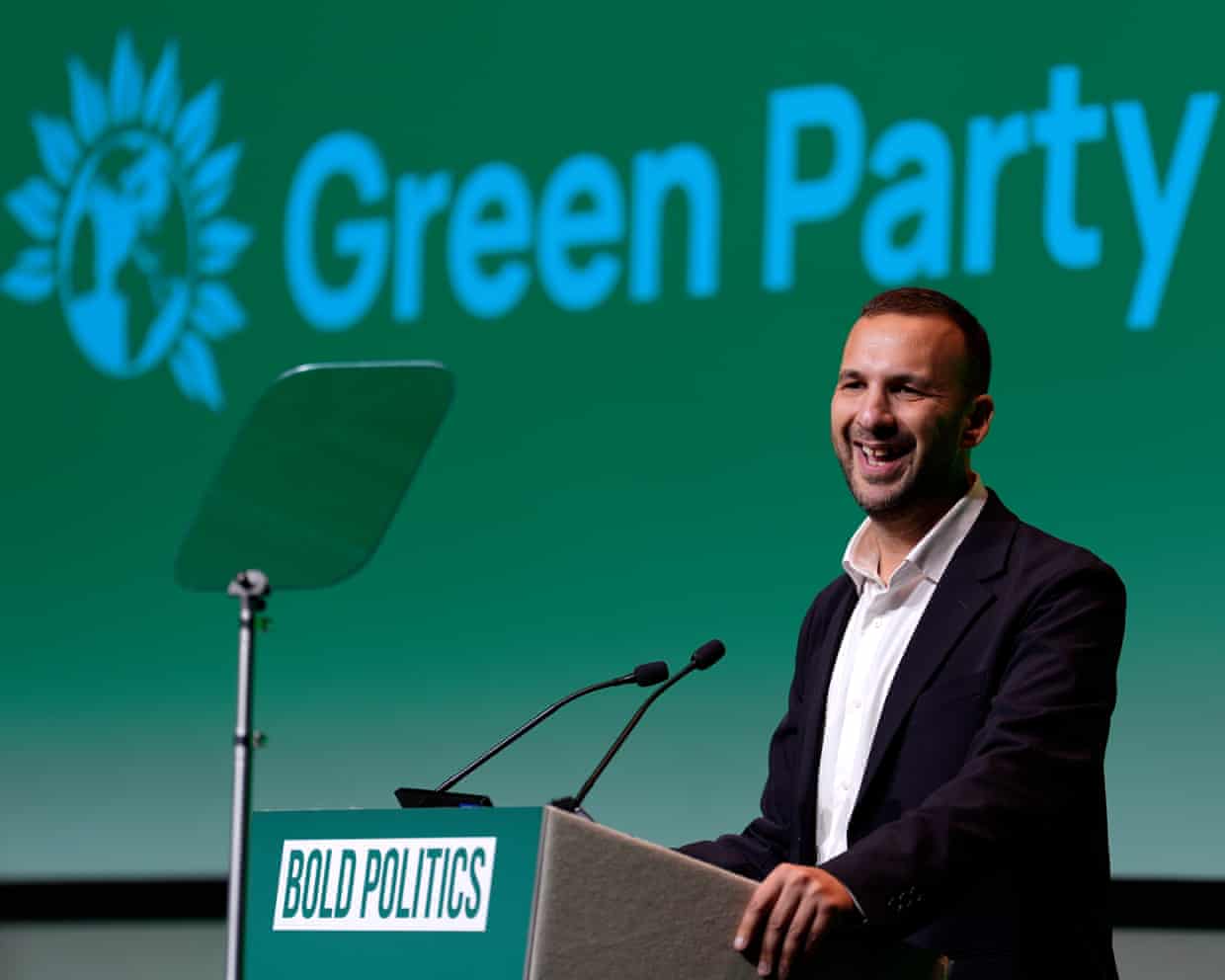
Greens launch major push for Gorton and Denton after Burnham blocked
The Greens are set to stage an all-out fight to win the upcoming Gorton and Denton byelection, with officials in the party arguing they have a real chance of victory after Andy Burnham was barred from applying to be the Labour candidate.The Greens came third in the seat in the general election, nearly 14,000 votes behind Andrew Gwynne, the sitting MP who stepped down last week. But they plan to flood the constituency with activists in the hope of persuading locals they are the party more likely to defeat Reform UK.While it is up to the local Greens to decide a candidate, it is expected that they could field Hannah Spencer, leader of the Green group on Trafford council, who stood against Burnham in the 2024 Greater Manchester mayoral election.Defeat to the Greens, or a sufficiently high Green vote to allow a Reform win, would be a major blow to Keir Starmer, as well as significant embarrassment after he moved to ensure Burnham, the Greater Manchester mayor, could not stand
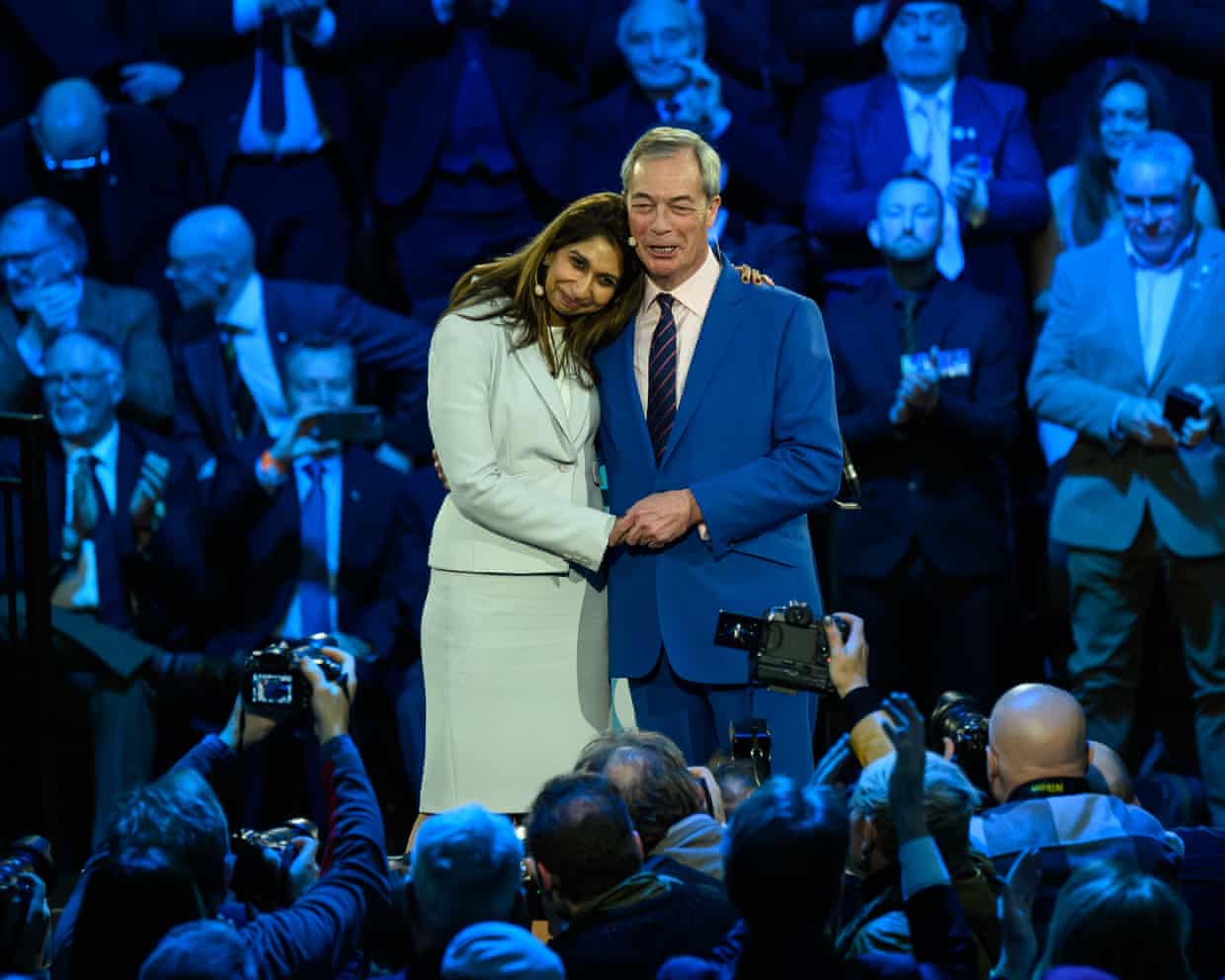
Tories withdraw ‘mental health’ briefing about Suella Braverman after former Tory home secretary joins Reform – UK politics live
Suella Braverman has defected to Reform UK, the third sitting Conservative MP to join Nigel Farage’s party in little more than a week.Keir Starmer has defended Labour’s decision to block Andy Burnham from standing for parliament, a move which has triggered a major backlash against the prime minister from sections of his own party.Reform UK would slash what it calls “highly dubious” environmental protection measures to help fund a £2bn cut to income tax in Scotland if it won May’s Holyrood elections, the party has said.Jenny Chapman, the development minister, has is drawing up plans to scrap the UK’s aid watchdog, prompting concerns that the government is attempting to escape scrutiny while implementing “brutal” cuts.For a full list of all the stories covered on the blog today, do scroll through the list of key event headlines near the top of the blog
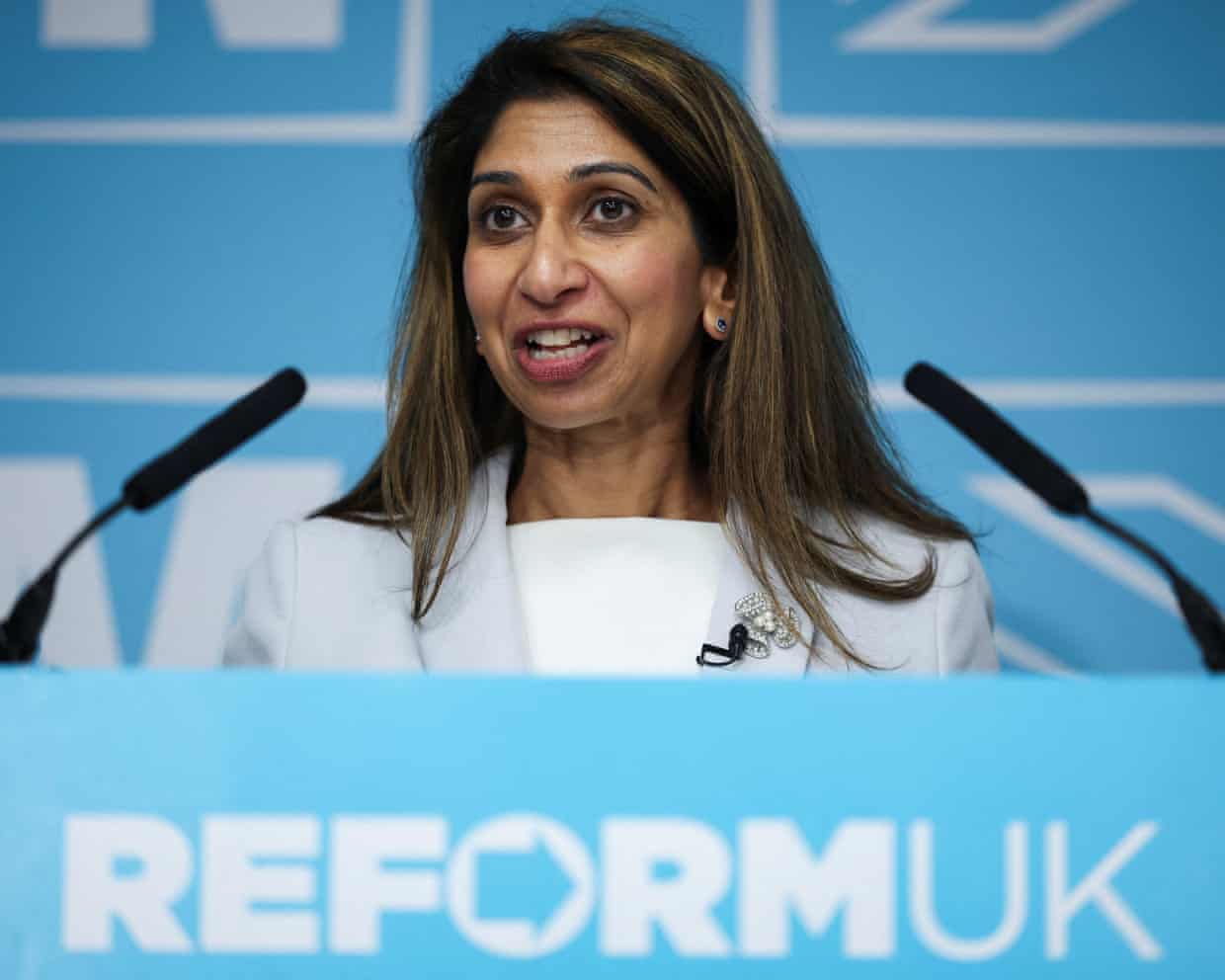
Tories say mental health claim about Suella Braverman was ‘sent out in error’
The Conservatives have withdrawn a claim that Suella Braverman’s defection to Reform UK on Monday was connected to her mental health after criticism from across the political spectrum.Earlier, in an official statement it now says was “sent out in error”, the party said: “It was always a matter of when, not if, Suella would defect. The Conservatives did all we could to look after Suella’s mental health, but she was clearly very unhappy.”The statement was shared with journalists by a Conservative party spokesperson and swiftly condemned by MPs, peers and mental health charities for its brutality and indiscretion, as well as for trivialising and weaponising mental health struggles.Speaking to GB News after the statement was released, Nigel Evans, a former Conservative MP, said it was an “absolute disgrace” and “completely underhand”
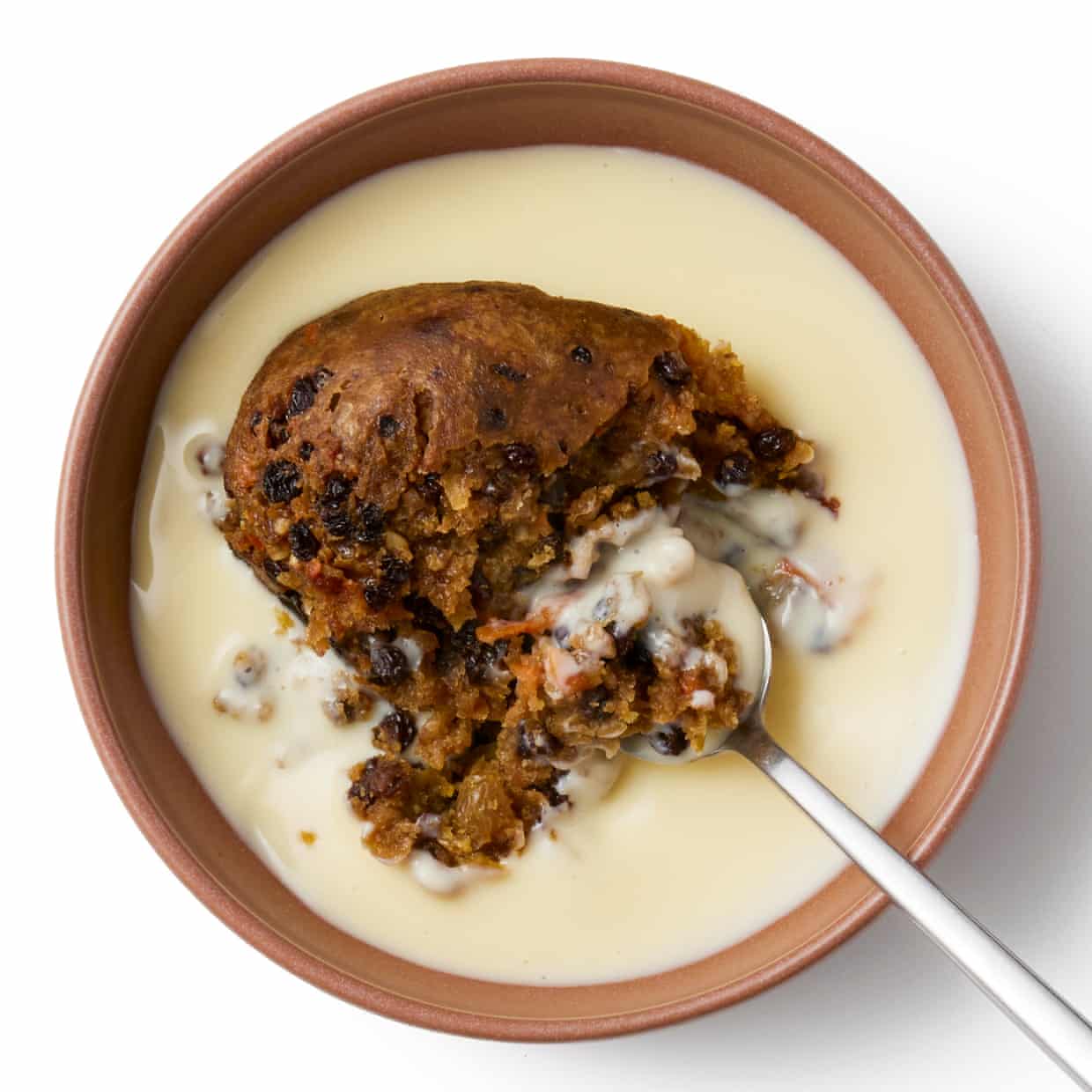
How to make a clootie dumpling – recipe | Felicity Cloake's Masterclass

Tin Roof Cafe, Maldon, Essex: ‘Come for topsoil, stay for the shortbread’ – review

Ignore the snobbery and get into blended whisky

Helen Goh’s recipe for Breton butter cake with marmalade | The sweet spot

Gordon Ramsay says tax changes will make restaurants ‘lambs to the slaughter’

No more sad sandwiches and soggy salads: here’s how to make a proper packed lunch