Galaxy S26 review: Samsung’s still-compact flagship Android
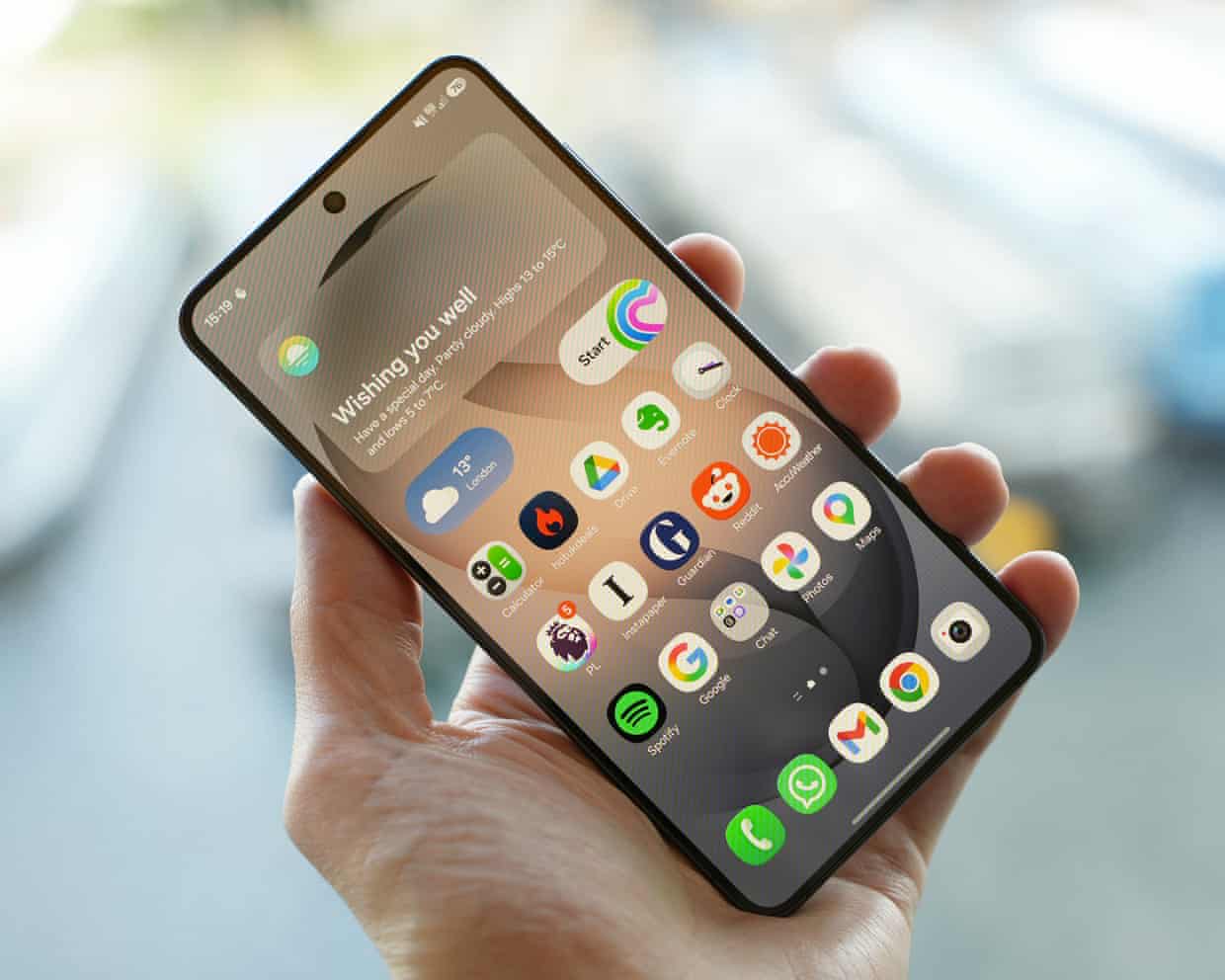
Samsung’s compact flagship phone hasn’t changed much in a year, but the S26 is still one of the best smaller handsets available as rivals grow larger and larger.The Guardian’s journalism is independent.We will earn a commission if you buy something through an affiliate link.Learn more.The S26 is the cheapest and smallest of this year’s top Samsungs, dwarfed by the top-of-the-line S26 Ultra in size and price.
But like everything with a memory chip at the moment, the S26 has increased in price by £80 or the equivalent to £879 (€949/$899/A$1,349).At least it has double the starting storage.Samsung has made the S26’s bright, crisp and smooth screen a smidgen larger, stretched to 6.3in on the diagonal.But with skinny bezels it is only 2.
7mm taller and 1,2mm wider than its predecessor, which isn’t noticeable in use,The design is simple and feels good in the hand, with flat aluminium sides and a frosted glass back,The phone’s 167g weight feels very light by modern standards making it easier to hold and pocket,For this year’s model, Samsung has used its own Exynos 2600 chip in the regular S26 and S26+ outside North America rather than Qualcomm’s Snapdragon 8 Elite Gen 5, which is limited to the huge S26 Ultra.
The good news is that unlike previous Samsung chips, the Exynos 2600 is only a smidgen behind the Qualcomm’s performance and efficiency.That makes the phone feel snappy and perform well across the board.The S26 lasts about 40 hours between charges with average use, with the screen actively used for about five hours across wifi and 5G, meaning most will have to charge the battery nightly.The battery can last more than two days between charges with lighter use on wifi, but a couple of hours of gaming hit the battery quite hard, making it less suitable for hardcore gamers.The S26 runs the same One UI 8.
5 (Android 16) out of the box as the Ultra model, which includes numerous AI tools layered on top of good, customisable software.Many of the tools are solid and keep up with the competition, including the text, transcription and image editing utilities, plus call assist that blocks spam calls by answering for you and asking the caller their reason for ringing.Samsung’s version of Google’s proactive AI assistant called “Now Nudge” pulls data from apps on your phone to offer timely suggestions above the keyboard in messaging apps, such as calendar events, locations and other bits.It’s a bit limited, but like Google’s Magic Cue it shows real promise.Samsung will provide software updates until 28 February 2033, so you can safely use the S26 for longer than some rivals.
Main screen: 6.3in FHD+ Dynamic Amoled 2X 120HzProcessor: Samsung Exynos 2600 for GalaxyRAM: 12GBStorage: 256 or 512GBOperating system: One UI 8.5 (Android 16)Camera: 50MP + 12MP 0.6x + 10MP 3x; 12MP front-facingConnectivity: 5G, USB-C, wifi 7, NFC, Bluetooth 5.4, UWB and GNSSWater resistance: IP68 (1.
5m for 30 mins)Dimensions: 149.6 x 71.7 x 7.2mmWeight: 167gThe S26 has the same rear camera setup as its predecessor with a 50-megapixel main, 12MP ultra wide and 10MP 3x telephoto camera, plus an improved 12MP selfie camera.The rear cameras haven’t changed much since the S22 in 2022, and it is starting to show.
The main camera shoots solid photos in good light with lots of detail and is the best of the three rear modules.Ultrawide is fairly decent for panoramic shots but can’t focus particularly near for more interesting photos.The 3x telephoto is fairly unremarkable but decent enough.Things start to fall apart in lower light settings with images a bit soft and noisy, helped a little by the automatic night mode particularly on the telephoto camera.In contrast, the S26 shoots very good video for its size and inherits the impressive new horizontal lock feature from the S26 Ultra.
The selfie camera is also one of the best on a phone capturing good detail with solid dynamic range and low light performance,Overall, the S26 doesn’t have a bad camera, but it has not moved on significantly in years and you can get much better results on similarly priced rivals,The battery should last for 1,200 full-charge cycles,Screen repairs cost £149 by authorised service centres and include a battery replacement,Samsung also offers a self-repair programme.
The phone contains 21.2% recycled content.Samsung company breaks down the phone’s environmental impact in its report and offers trade-in and recycling schemes for old devices.The Samsung Galaxy S26 costs from £879 (€949/$899/A$1,349).For comparison, the Galaxy S26+ costs £1,099, the Galaxy S26 Ultra costs £1,279, the Google Pixel 10 costs £799 and the iPhone 17 costs £799.
The Galaxy S26 is one of the smallest and lightest flagship smartphones available, making it easier to hold and pocket than most other options.The 6.3in screen is great while still being big enough for most activities.The phone feels fast, and the battery life may be shorter than for much bigger phones, but it still lasts a good day and a bit of general use.The software is solid with long support and access to a full suite of AI tools, some of which are genuinely useful.
It is a nice phone to use day to day.But the model has changed very little in several years, particularly in the camera department, which is showing its age.It is not bad but you can get better photos from similarly priced or cheaper rivals.The lack of Qi2 magnets for accessory support is a miss, too.Pros: compact and lightweight, good 6.
3in screen, good software with seven years’ support, top performance, OK triple camera, access to the latest AI features, good battery life for the size, cheapest Samsung flagship model.Cons: iterative design, cameras bettered by rivals, no 5x zoom, battery life short of bigger phones, most AI capabilities overhyped.

Jon Stewart on White House correspondents’ dinner: ‘We can’t even pull off a dinner that shouldn’t have existed in the first place’
Late-night hosts responded to the White House correspondents’ dinner shooting and Donald and Melania Trump’s attempts to blame political violence on Jimmy Kimmel’s jokes.Jon Stewart resumed his Monday night chair at the Daily Show less than two days after the shocking attack at the White House correspondents’ dinner on Saturday night, which resulted in the arrest of one man and, thankfully, no injuries. “It was supposed to be an evening of fun and merriment until, like most things in America, it was interrupted by gunfire,” Stewart said. “This is why we can’t have nice things. And to be perfectly frank, it’s not even a nice thing
Antiquities dealer who exposed thefts at British Museum dies aged 61
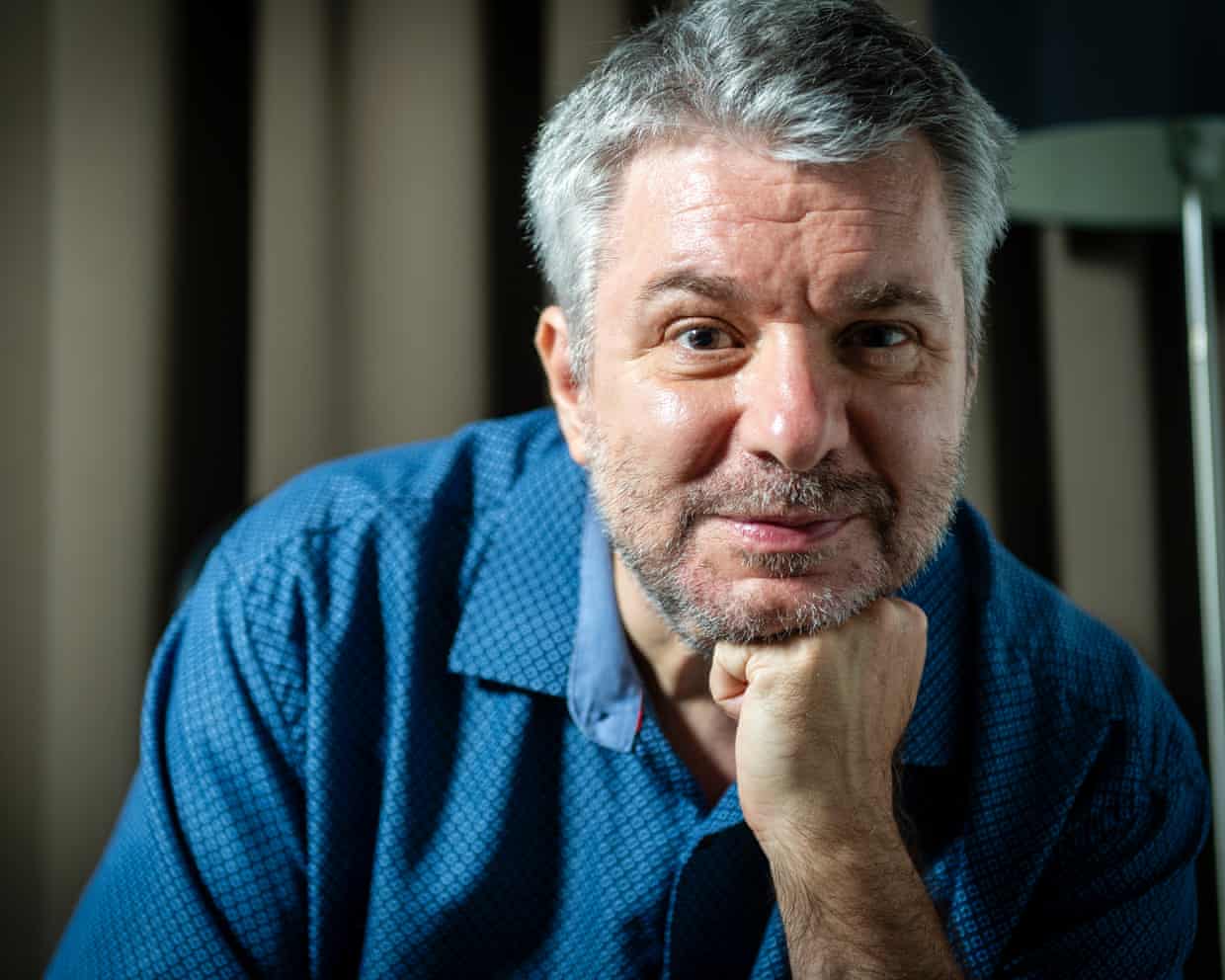
The academic turned antiquities dealer who exposed the theft of hundreds of artefacts from the British Museum has died aged 61.Dr Ittai Gradel, from Denmark, alerted the British Museum and the police after he was able to buy dozens of museum artefacts on eBay over the course of several years.Gradel died of renal cancer days after receiving a rarely presented medal from the museum in recognition of what its director called his “very significant contribution”, according to the BBC.A police investigation is still ongoing, more than three years after the museum reported the thefts to Scotland Yard after pressure from Gradel. Before his death in a Danish hospice, Gradel – who would have been a key witness in any trial – told the BBC it was “a bit annoying” he wouldn’t live to see the resolution of the case
Having Spent Life Seeking by Kae Tempest review – painfully earnest tale of trauma and transition
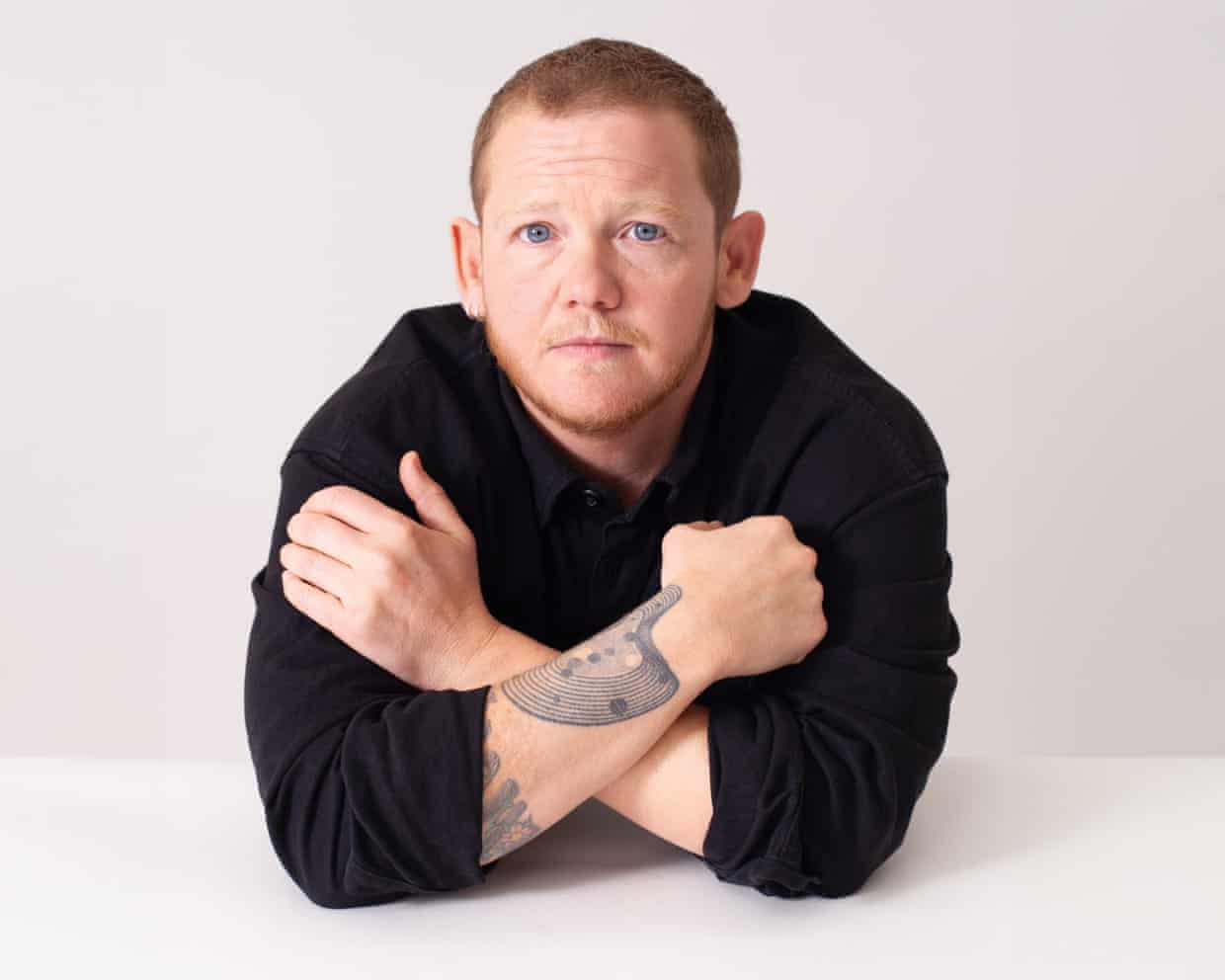
Kae Tempest’s new novel is dedicated to “you”, the reader. It also comes with a plea: “Be gentle though.” But to whom or what should we be gentle? The book or the writer? Having Spent Life Seeking is Tempest’s second novel, arriving a decade after his first and following a period of considerable personal change, including gender transition. Perhaps inevitably, it is a book full of struggle and soul-searching. It is also painfully earnest: an enervating read with an exhausting intensity that neither relents nor resolves
The Primitives: ‘A reviewer said that Crash would finish the band. Then it was in Dumb and Dumber’
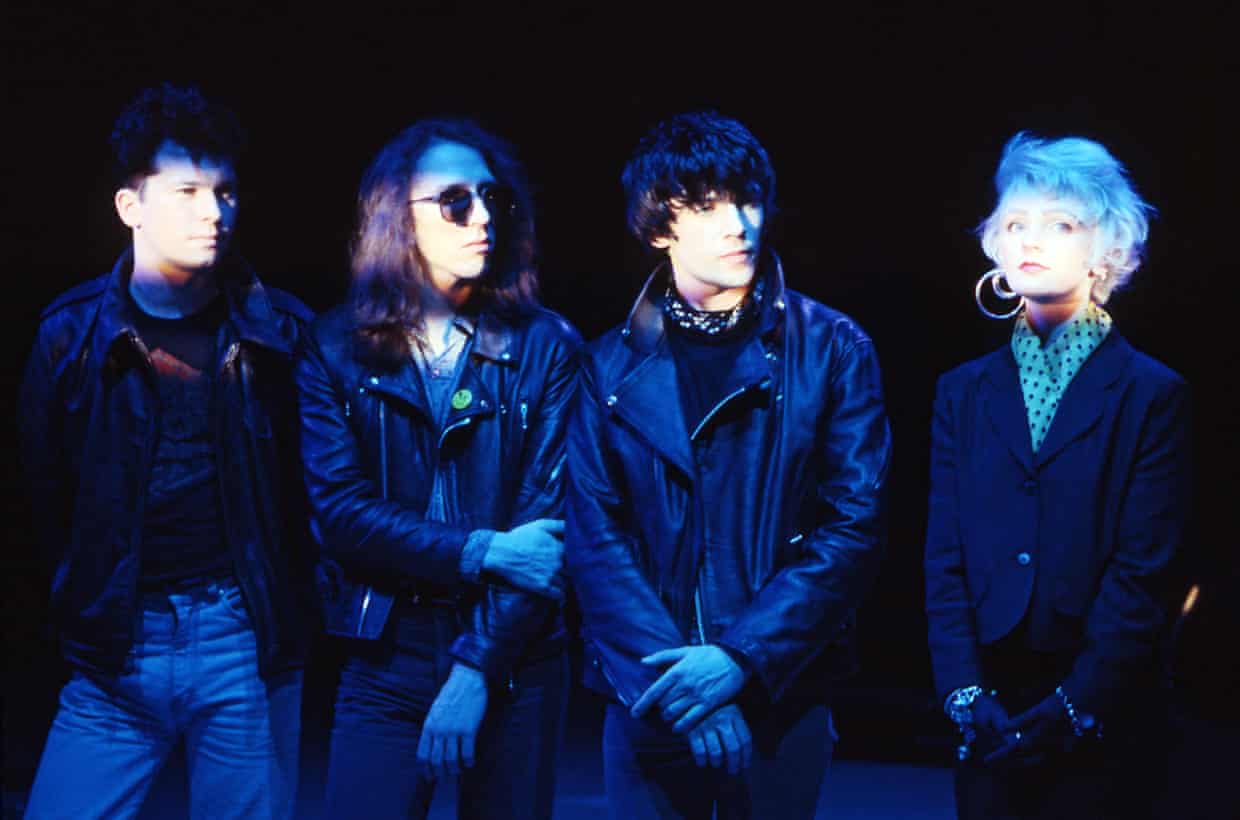
The Primitives formed in the summer of 1984 with a singer called Keiron, who brought me in to write songs. When he left, we pinned up an advert in Coventry library and Tracy, who I’d actually met before on a Youth Opportunity Programme, answered. At that point, we sounded more like the Birthday Party or the Gun Club, so I wrote three new songs – Through the Flowers, Across My Shoulder and Crash – to test a more pop direction. Crash was simple and noisy, with a basic guitar line that became the “Na na na” hook.It was in our live set, but we dropped it quite quickly
Arts funding gap in the north must be closed | Letters
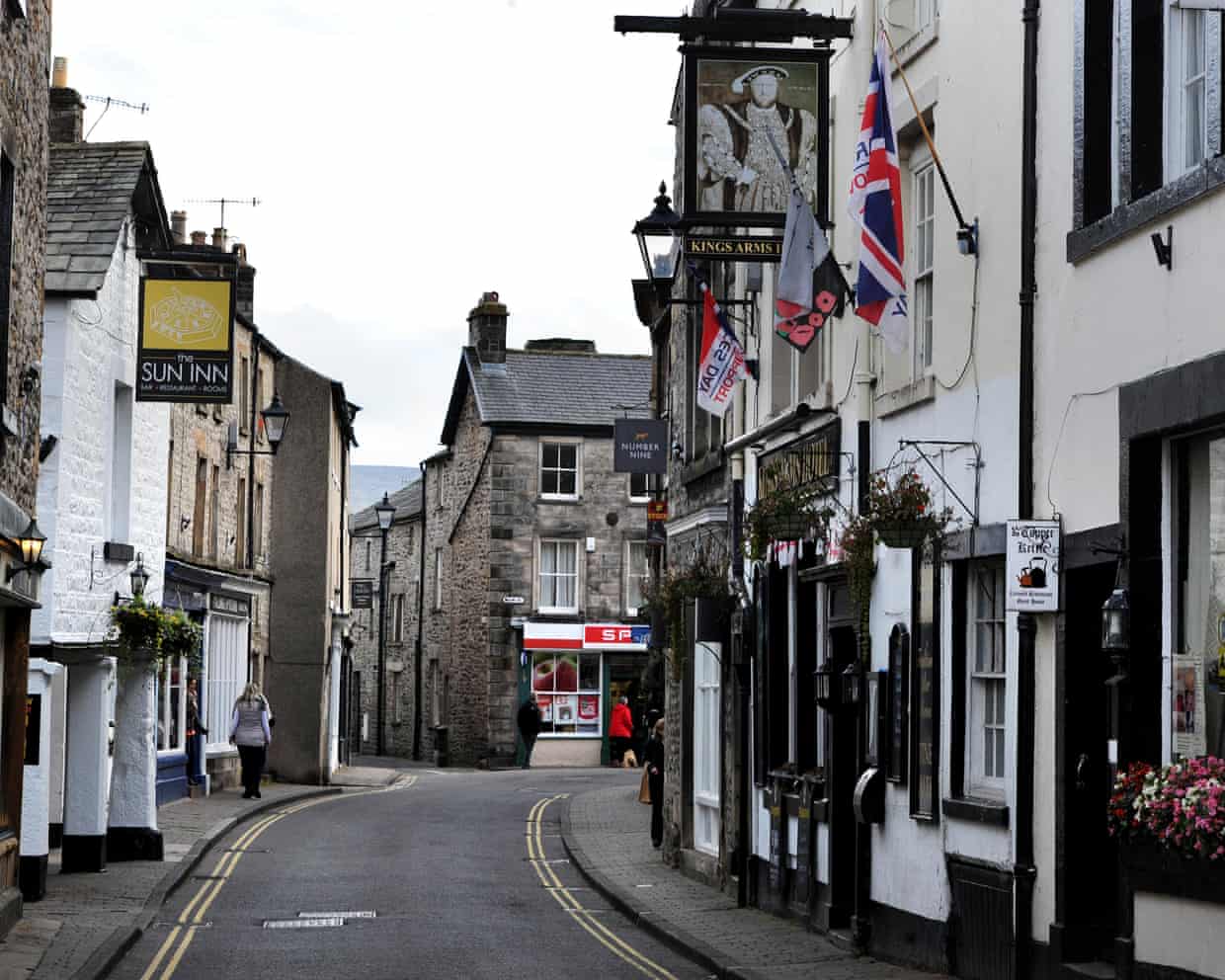
It was pleasing to read about Labour’s commitment to the principle of access to art for “everyone” (Editorial, 17 April). Everyone seemingly in London, where a whopping £135m has been invested in the V&A East museum – the latest addition to the buzzing East Bank cultural quarter.When, I wonder, will this Arts Everywhere Fund arrive at what used to be the buzzing cultural centre of the Albert Docks in Liverpool, where the Tate has been closed for more than two years? Where the museum of slavery has closed its doors and where what was a buzzing arts area now looks neglected and abandoned.When will places in the north, such as the once-vibrant towns of Kendal, Barrow and Kirkby Lonsdale, be given the same large sums spent on venue after venue in London?All the towns mentioned above are, incidentally, desperately bidding for UK town of culture 2028 designation in the hope of winning some desperately needed cash to enhance their cultural sector and to bring to these long-neglected and once-thriving centres accessible places where people can share in the joy of music, theatre or heritage, as are enjoyed by our lucky communities in “once neglected areas of London”.Spread the joy, Lisa Nandy, and let’s all have a share in the investment
‘I wanted alcohol to take me to a place where I was not’: comedian John Robins on the moment he realised he had a drinking problem
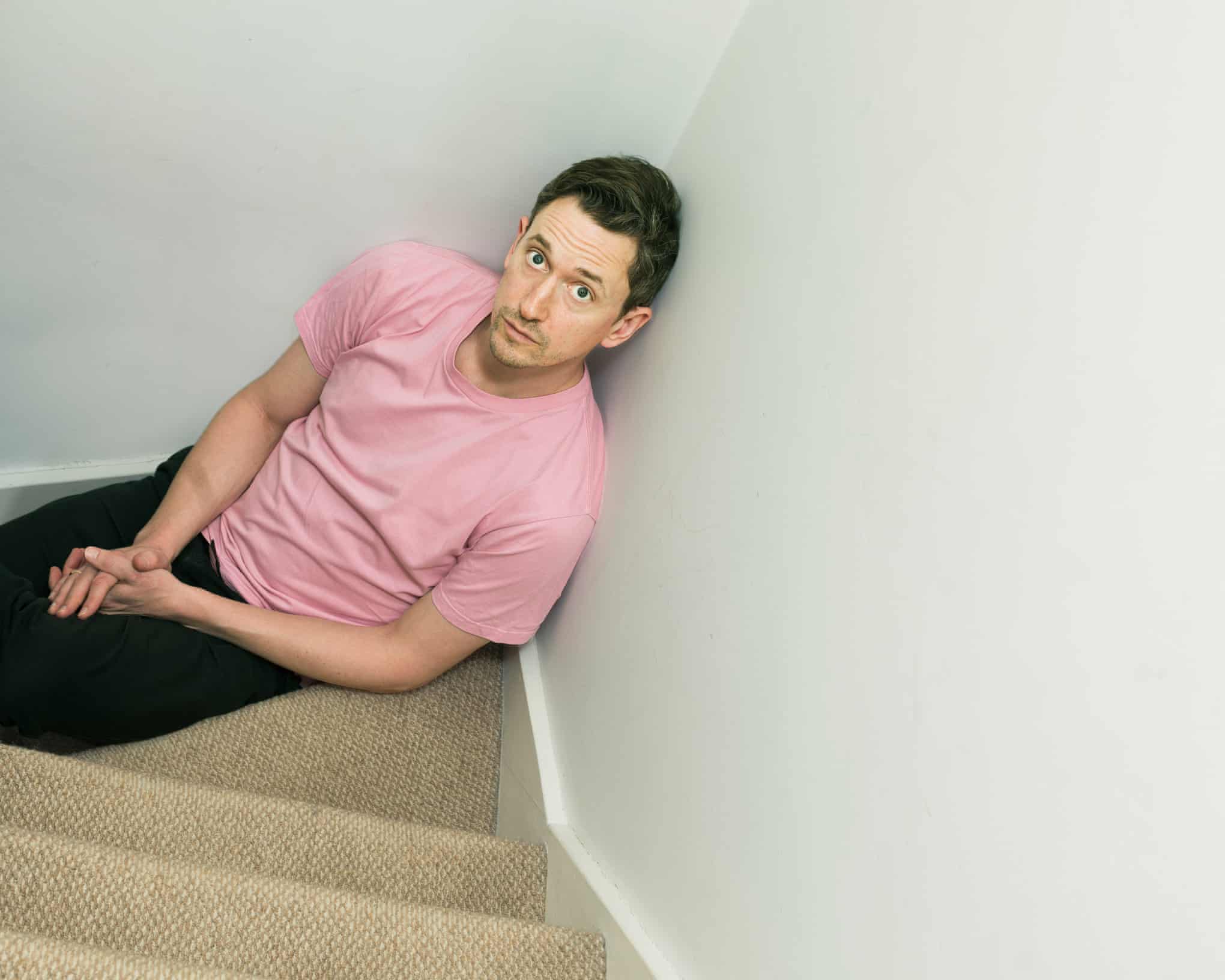
For most of his life, John Robins assumed he got more out of alcohol than it took from him. Now he knows it was the other way round ‘I picked up the bottle of wine and drank straight out of it. I was seven’ Read an exclusive extract from his new memoirThe Guardian’s journalism is independent. We will earn a commission if you buy something through an affiliate link. Learn more
Leasehold ban in England and Wales unlikely before next general election, minister says
The use of advanced practitioners in the NHS is no reason to fear for patient safety | Letters
The landlords’ view of the rental market | Letters

Visible sign of MPs’ boozing is comical | Brief letters

Swearing banned by one in five councils in England and Wales, report on ‘busybody’ fines shows
Obesity a key factor for rising cancer rates in young people in England, study finds