Pupils in England are losing their thinking skills because of AI, survey suggests

Pupils using artificial intelligence are losing their capacity for critical thinking, according to a survey of secondary school teachers in England.Two-thirds said they had observed the decline among children who they also said no longer felt the need to spell because of voice-to-text technology.“Students are losing core skills – thinking, creativity, writing, even how to have a conversation,” one teacher told the National Education Union poll.“AI is destroying what ‘learning’ – problem-solving, critical thinking and collaborative effort – is,” said another.A third anonymous contributor added: “Children no longer feel the need to spell as voice-to-text replaces knowledge.
”The government has called for a digital revolution involving AI in schools, and in January announced plans to develop AI tutoring tools to provide one-to-one learning support for up to 450,000 disadvantaged pupils.Bridget Phillipson, the education secretary, said at the time: “AI tutoring tools have the potential to transform access to tailored support for young people, taking tutoring from a privilege of the lucky few, to every child who needs it – so all children can achieve and thrive.”Of the 9,000 state school teachers polled by the NEU, which is holding its conference in Brighton, 49% said they opposed the government’s plan for AI tutors, with just 14% in agreement.They worry that it will be used to cut costs and undermine the value of teaching skills.“Students who need tutors often need more than academic support.
AI will not give them that,” said one respondent,“Students will not be motivated by an AI tutor,” said another, while a third said: “Disadvantaged students need human interaction for tutoring rather than AI so that social skills can be enhanced and social isolation reduced,”Although teachers are sceptical about pupils using AI and complain about it aiding cheating in exams and homework, some admit they increasingly rely on it to do their jobs,As many as 76% use AI for day-to-day work, a significant increase from 53% last year,In the main, it is being used to create resources (61%), plan lessons (41%) and do admin (38%).
Just 7% are using AI tools for marking.However, 49% of schools lack any policies governing the use of AI either by staff or students and 66% have no policy specifically for students.“Staff are not trained to use it properly, but are using it and it’s producing sub-standard slop,” was one comment in the new poll.Another said: “If used correctly, AI can be a valuable educational tool; regulation and guidance is needed, and training and policies should be in place in every school for staff and students.”The NEU’s general secretary, Daniel Kebede, said: “Students must be able to think for themselves.
This is at the heart of learning, but our survey shows a reliance on AI is having an effect on students’ ability to think critically.“The profession is far from convinced that AI tutors are a magic bullet for closing opportunity gaps for disadvantaged students.The government is taking a risk in rolling out AI tutoring before its impacts are properly understood.”A government spokesperson said: “Our mission is to break the link between background and success, and the introduction of AI tutoring tools can help make that a reality – expanding the tailored support that is often only available to a privileged few to every child who needs it.“No technology should replace the foundations of core knowledge and disciplinary thinking that prepares pupils for later life.
But we also have to prepare children for a digitally enabled world.That’s why our schools white paper sets out a clear plan to ensure AI is used safely, critically and responsibly – so every young person can achieve and thrive.”

‘From high flyer to dead parrot’: former billion-dollar eco-shoe brand Allbirds sold for $39m
Allbirds, the San Francisco sustainable trainer brand once valued at more than $4bn, is being sold for just $39m (£29.6m) after global demand for its wool-based footwear failed to materialise.American Exchange Group, the owner of a string of brands including the fashion label Ed Hardy and the accessories maker Born, is snapping up the struggling company once touted as the future of footwear.Allbirds listed on the US stock market in 2021, but its shares have since tumbled by more than 99%, leaving it valued at just over $20m.In its early years, the brand enjoyed rapid success, and in the first two years since its official launch in March 2016, Allbirds sold more than 1m pairs of its original merino wool trainers

‘If he’d stayed on the golf course, we’d be in a better place’: experts on Trump’s tariffs, one year on
Before Donald Trump declared “liberation day” on 2 April 2025 and shocked the world by raising import tariffs on nearly every country the US did business with, he had spent almost three months causing chaos in Washington.The wholesale slashing of government jobs under Doge (the “department of government efficiency”) and the defunding of US aid agencies had shown White House watchers that the US president was in a hurry to upset institutions he considered profligate or useless.Investors quickly understood that chaos was an essential tool in Trump’s armoury. Almost as soon as he was inaugurated, there was a steady decline in the value of the dollar against other currencies. Investors sold assets denominated in dollars and bought assets elsewhere: Europe, Asia, South America

Secondhand clothes sales forecast to hit $289bn as AI helps shoppers find deals
Secondhand clothing sales are forecast to surge 12% this year to $289bn (£217bn) and continue to step up, as AI and social media influencers help shoppers find the items they want.The rise of sites such as Vinted, Depop, Vestige and ThredUp is expected to power an average 9% annual growth over the next five years to reach $393bn, twice the pace of the overall clothing market.The prediction came in ThredUp’s annual resale report, which uses research from market analysts GlobalData. In 2021 the market was worth just $141bn, less than half this year’s expected total.Brands such as Dr Martens, Zara and Mulberry have begun selling their own secondhand items or repairing and reviving used items as demand booms
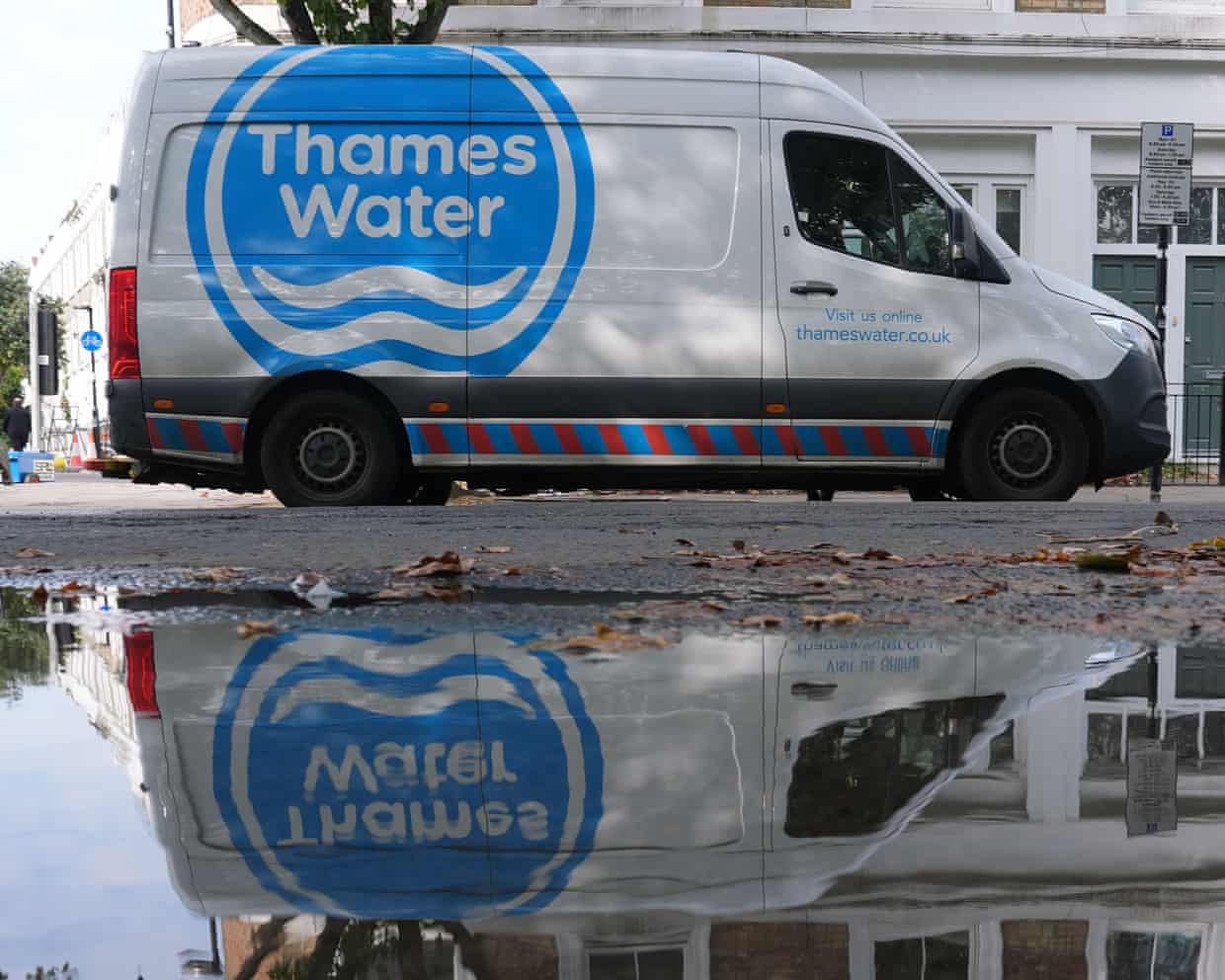
Thames Water ‘close to deal that would spare it new Ofwat fines until 2030’
Thames Water is said to be close to a deal with its regulator that would allow the company to avoid new fines for four years, as long as it commits to investing in the business.The controversial offer, reported by the Financial Times, has been put forward by creditors who are hoping to save the struggling utility from being temporarily renationalised.Thames has been trying to stave off financial collapse for more than two years, after building up a £17.6bn debt pile in the decades after its privatisation. Bosses tried to sell the company last year but faced embarrassment when their preferred bidder, KKR, pulled out of the deal at the last minute

Larva lamped: Colin the Caterpillar loses to eight lookalikes in cake taste test
After a busy 35 years as a British party favourite, not to mention a bruising court battle with an alleged copycat, you might think Colin the Caterpillar had earned his place at the top.But the “original” chocolate caterpillar cake has now been labelled the worst, bested by lookalikes in a taste test.In a contest against eight supermarket rivals including Cecil, Charlie and Wiggles, Colin came bottom with a score of 64%.Almost half (44%) of the 75-strong panel of cake-testers assembled by the consumer champion Which? complained Colin’s sponge was “too dry”. By contrast, the Waitrose progeny Cecil triumphed with 78% and was awarded a coveted “best buy” gong
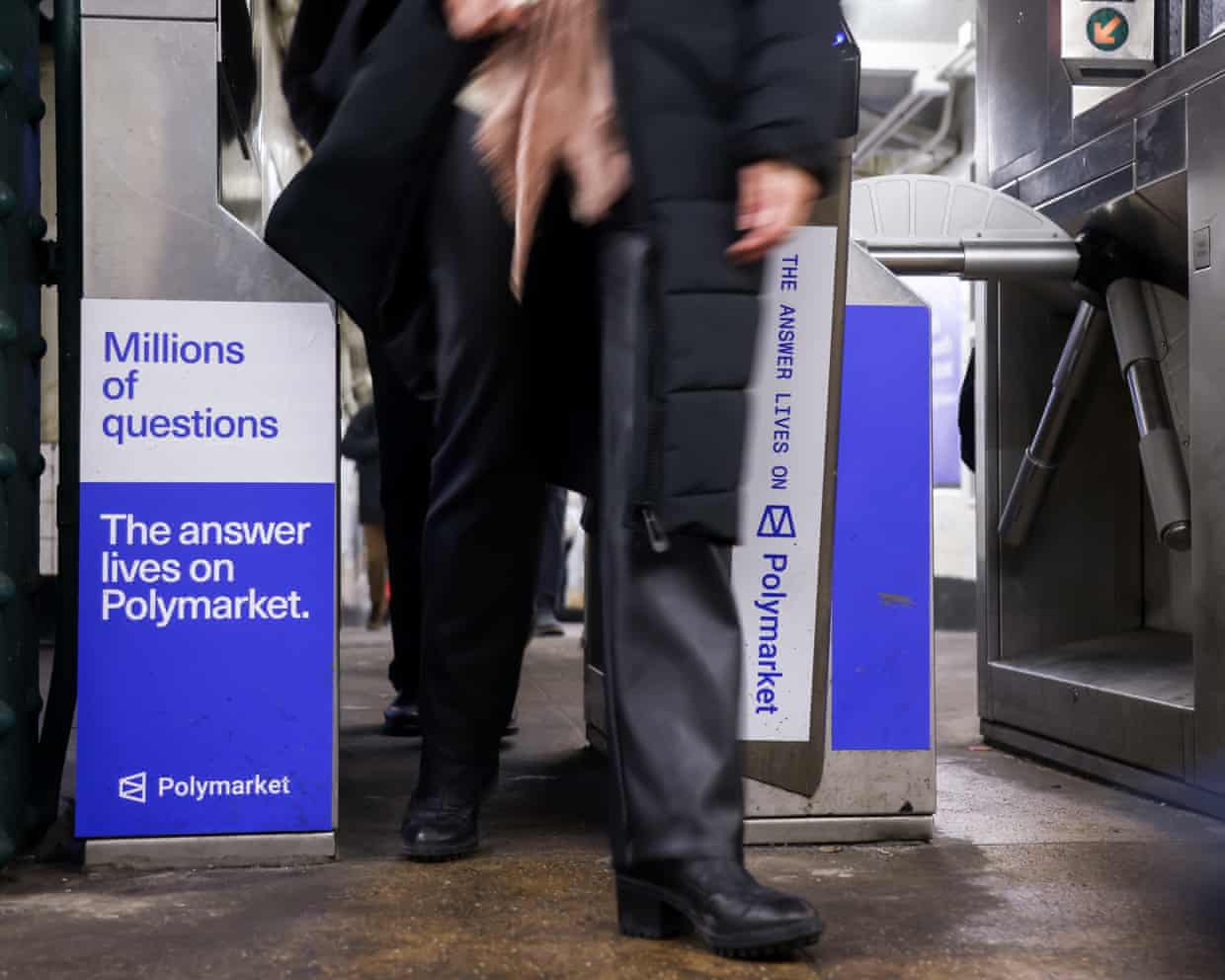
Polymarket and other prediction platforms driving oil market, traders say
Online betting platforms are directly driving the global oil market as they increasingly rely on anonymous prediction markets to determine multimillion-dollar trades, energy traders have warned.Market experts have said that datafeeds from prediction platforms such as Polymarket are being used to create the algorithms that influence trading in the global Brent crude futures market.The “widespread” use of Polymarket in oil futures trading has emerged amid concerns that anonymous account holders may be using insider knowledge to place bets.Energy traders have raised concerns that the platform could also be used to influence pricing in the global oil market.One energy trader said Polymarket had become the best predictor of the oil market’s direction since the US-Israel war with Iran triggered a global oil crisis, making it an essential part of the algorithms used to determine trades

‘People need hope’: Greens court voters in battle for north-east council seats
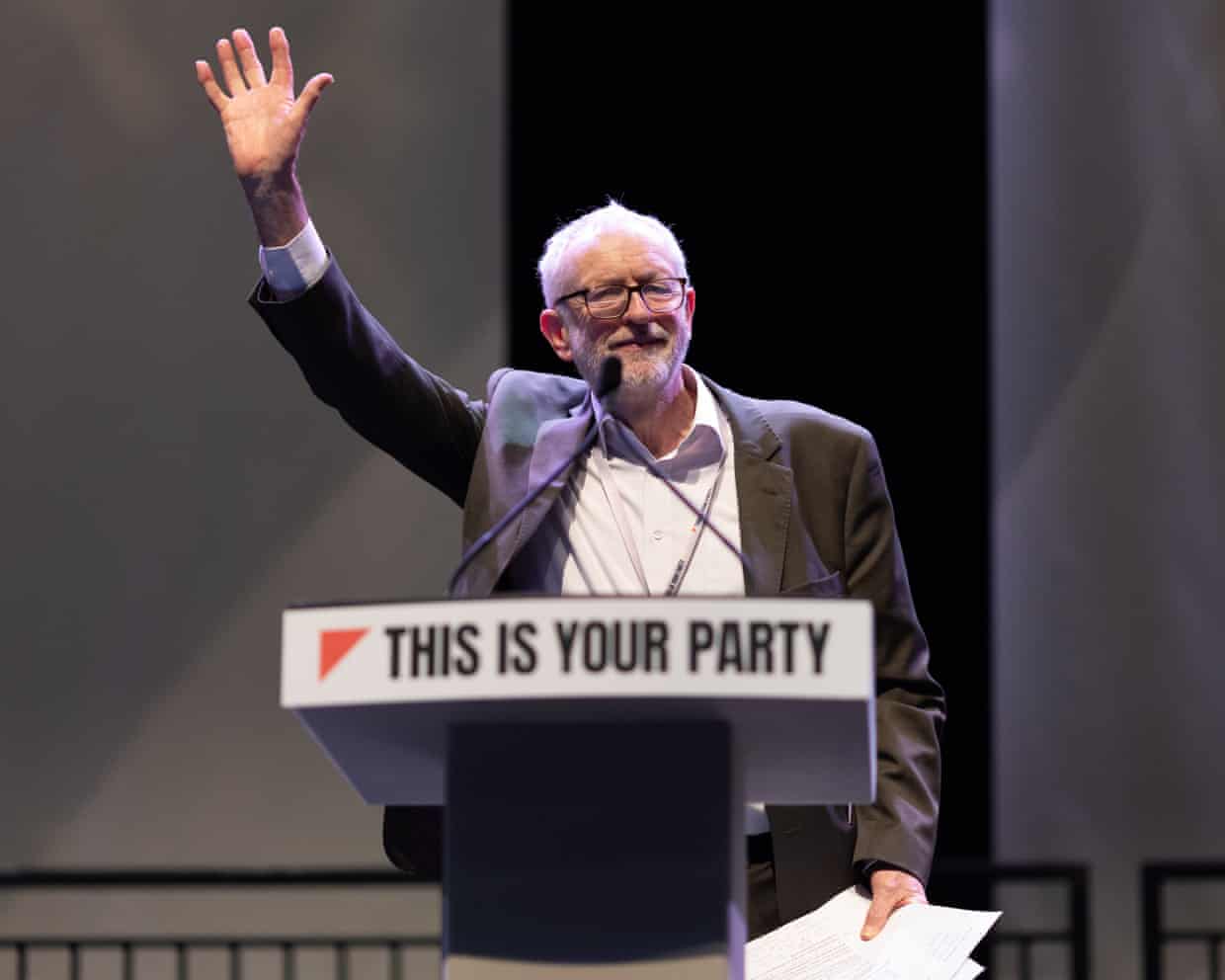
Your Party to focus local election efforts on backing independent candidates

Starmer calls for ‘ambitious’ new UK-EU ties as Trump threatens to quit Nato

Reeves criticises Trump for starting Iran war with no ‘clear plan’ to get out of it – as it happened
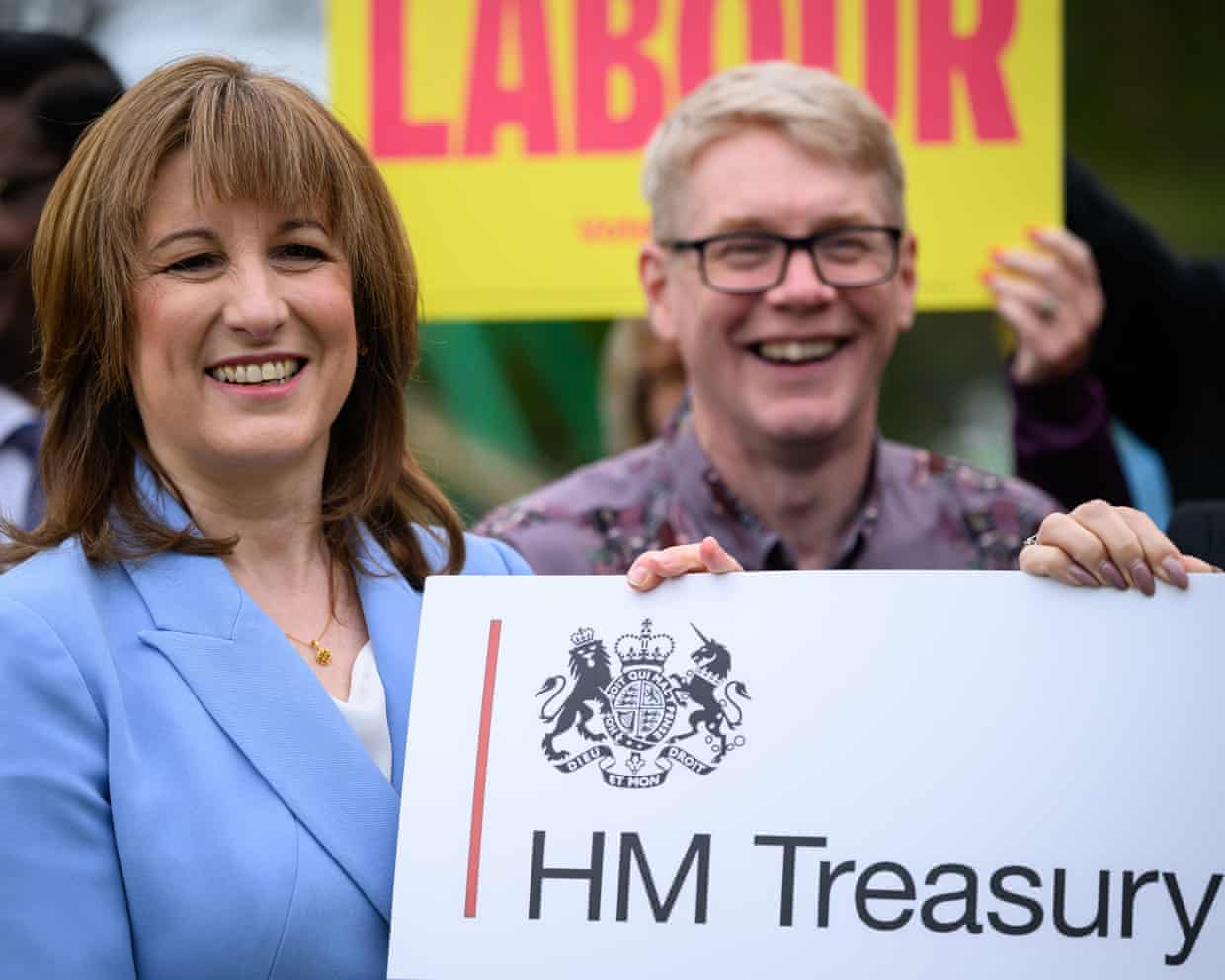
Energy crisis: why ‘keep calm but cut down’ may be a better message for Labour

Nigel Farage’s biggest problem? Donald Trump