Nvidia insists it isn’t Enron, but its AI deals are testing investor faith
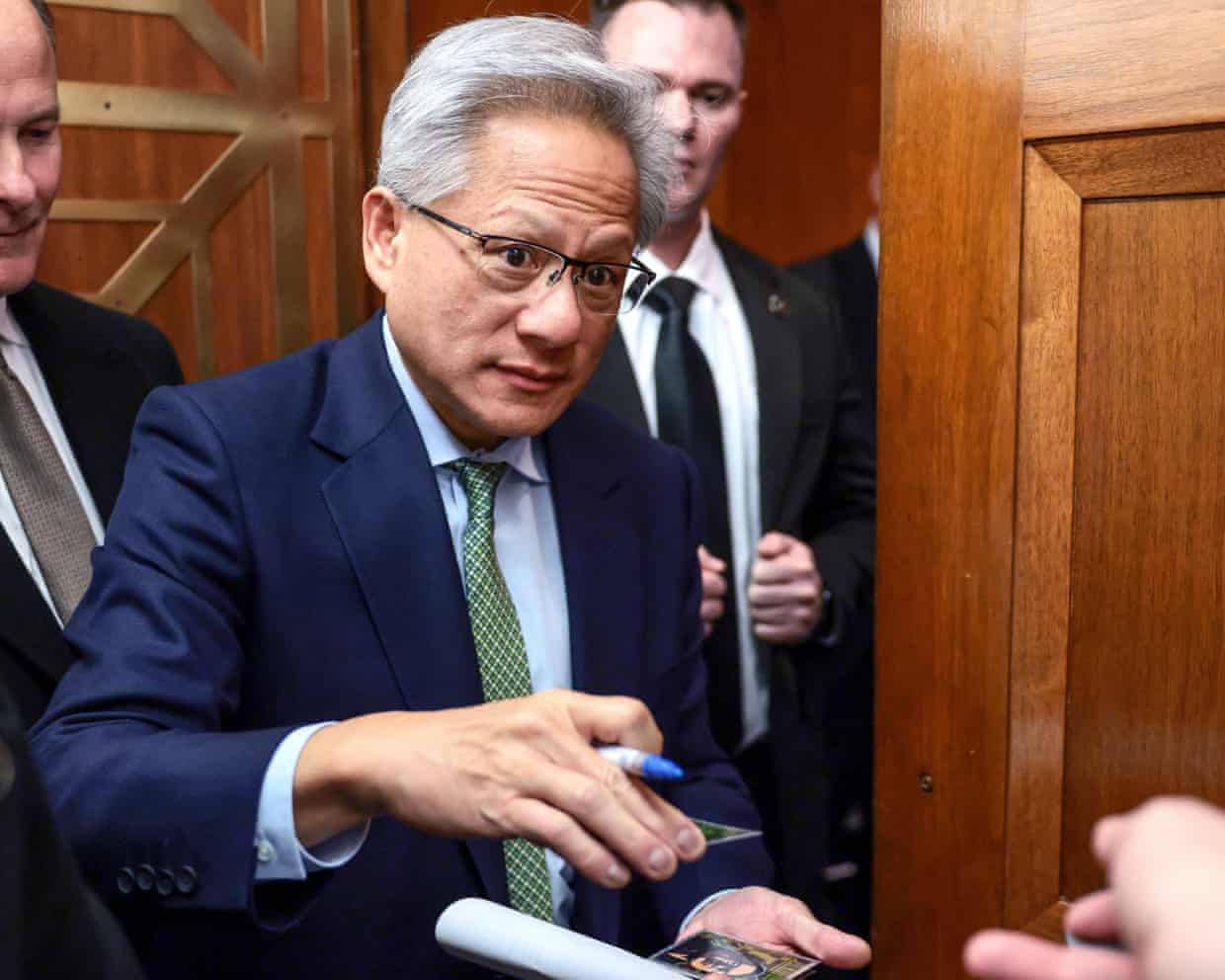
Nvidia is, in crucial ways, nothing like Enron – the Houston energy giant that imploded through multibillion-dollar accounting fraud in 2001.Nor is it similar to companies such as Lucent or Worldcom that folded during the dotcom bubble.But the fact that it needs to reiterate this to its investors is less than ideal.Now worth more than $4tn (£3tn), Nvidia makes the specialised technology that powers the world’s AI surge: silicon chips and software packages that train and host systems such as ChatGPT.Its products fill datacentres from Norway to New Jersey.
This year has been an exceptional one for the company: it has struck at least $125bn in deals, ranging from a $5bn investment into Intel – to facilitate its access to the PC market – to $100bn invested in OpenAI, the startup behind ChatGPT.But even as those deals have fuelled surging stock prices and paved the way for chief executive Jensen Huang’s energetic world tour, doubts have emerged about how Nvidia does business, especially as it has become increasingly central to the health of the global economy.The start of these concerns has been the circular nature of many of its deals.These arrangements resemble vendor financing: Nvidia lending money to customers so they can buy its products.The largest of these is its deal with OpenAI, which involves Nvidia investing $10bn into the company each year for the next 10 years – most of which will go to buying Nvidia’s chips.
Another is its arrangement with CoreWeave, a company that provides on-demand computing capacity to big AI firms, essentially leasing out Nvidia’s chips.The circularity of these deals has drawn comparisons with Lucent Technologies, a telecoms company that also aggressively lent money to its customers, only to overextend itself and unravel in the early 2000s.Nvidia has aggressively rebutted suggestions of any similarity, saying in a leaked recent memo that it “does not rely on vendor financing arrangements to grow revenue”.James Anderson, a renowned tech investor, describes himself as a “huge admirer” of Nvidia, but said this year that the OpenAI deal presented “more reason to be concerned there than before”.He added: “I have to say the words ‘vendor financing’ do not carry nice reflections to somebody of my age.
It’s not quite like what many of the telecom suppliers were up to in 1999-2000, but it has certain rhymes to it.I don’t think it makes me feel entirely comfortable from that point of view.”Other high-profile recent deals include the tech firm Oracle spending $300bn on datacentres for OpenAI in the US – with the ChatGPT developer then paying back roughly the same amount to use those datacentres.In October, OpenAI and the chipmaker AMD signed a multibillion-dollar chip deal that also gave OpenAI the option to buy a stake in the Nvidia rival.There is also a deal with CoreWeave where, along with a commitment to buying $22bn of data centre capacity from the cloud provider, OpenAI is receiving $350m in CoreWeave stock.
Asked this month about circularity in the AI industry, the chief executive of CoreWeave, Michael Intrator, said: “Companies are trying to address a violent change in supply and demand.You do that by working together.”All these moves form part of OpenAI’s $1.4tn bet on computing capacity to build and operate models that, it argues, will transform economies – and make back that expenditure.OpenAI argues that, while the Nvidia and AMD deals have an investment component, it only kicks in once the chips have been bought and deployed, while the investments themselves create aligned incentives to build out AI infrastructure at huge scale.
Nvidia has also used structures called special-purpose vehicles (SPVs) in financing deals.The best-known example is the SPV linked to Elon Musk’s xAI: an entity into which Nvidia invested $2bn, money that will be used to buy Nvidia’s chips.This drew comparisons with Enron, which used SPVs to keep debts and toxic assets off its balance sheets, convincing investors and creditors that it was stable while concealing ballooning liabilities.Nvidia has also strongly denied that it is like Enron: in the same leaked memo where it discussed Lucent, it said its reporting was “complete and transparent” and “unlike Enron” it “does not use special-purpose entities to hide debt and inflate revenue”.The journalist Ed Zitron, a noted sceptic of the AI boom, agrees that Nvidia is not like either company.
Unlike Lucent, it does not appear to be taking on a great deal of debt to finance its circular deals, he says, and most of the customers it is supporting are not as obviously risky as Lucent’s dotcom bubble partners.And it isn’t like Enron, Zitron argues, because it’s being fairly transparent about its own complex, off-balance sheet deals.So what could warrant a comparison? Nvidia “is not hiding debt, but it is leaning heavily on vendor-financed demand, which creates exposure if AI growth slows,” says Charlie Dai, an analyst at the research firm Forrester.“The concern is about sustainability, not legality.”Essentially, whether Nvidia is able to stick the landing depends on whether AI really takes off, generating billions for its corporate users and putting companies such as OpenAI, Anthropic and CoreWeave – Nvidia’s customers – firmly in the black, and able to keep buying its systems.
That possibility alone is debatable.If this does not happen, says Dai, Nvidia “could face write-downs on equity stakes and unpaid receivables”: meaning, it could lose a lot of money and its stock price could then tank.Approached for comment, an Nvidia spokesperson referred the Guardian to remarks its chief financial officer, Colette Kress, made to investors in early December.Kress said they were not seeing an AI bubble, instead gesturing at trillions of dollars of business that lie ahead for Nvidia in the next decade.In particular, Kress argued that Nvidia’s recent – massive – deals are just the start for the company, and the real money will be made in the coming years, largely through replacing almost all the chips in existing datacentres with its products.
There is another complexity, which is that Nvidia’s health – and therefore the health of the entire global economy – also depends on whether AI takes off in time for Nvidia and its customers to service the debt from their huge datacentre buildouts and significant capital expenditures.Add to this a final category of concern: recent, big-ticket deals with countries such as South Korea and Saudi Arabia, worth multiple billions of dollars, whose terms are opaque.In October, Nvidia said that it would supply 260,000 of its Blackwell chips to South Korea’s government and South Korean companies.The value of this deal was not disclosed, but is estimated to be in the billions.Likewise with Saudi Arabia.
Its government-owned AI startup, Humain, has committed to deploying up to 600,000 Nvidia chips: when that deployment will involve actual purchases, and at what price, is again undisclosed,Nvidia has a number of other strategic partnerships like this – with Italy, with the French AI champion Mistral and with Deutsche Telekom, for example – all involving thousands of chips and unknown sums,Governments are likely to pay,There’s nothing circular about a sovereign partnership with Germany,But the deals mean more – quite large – uncertainties nested within a straining web of commitments that require massive capital outlay, and rely on ambitious assumptions about the economy undergoing a revolution in the next years.
“They concentrate risk in a few big customers,” says Dai.“If execution delays occur, Nvidia’s revenue recognition and cashflow could be affected.”
UK politics: Government says it is ‘fully committed to free speech’ after campaigners’ US visa ban – as it happened
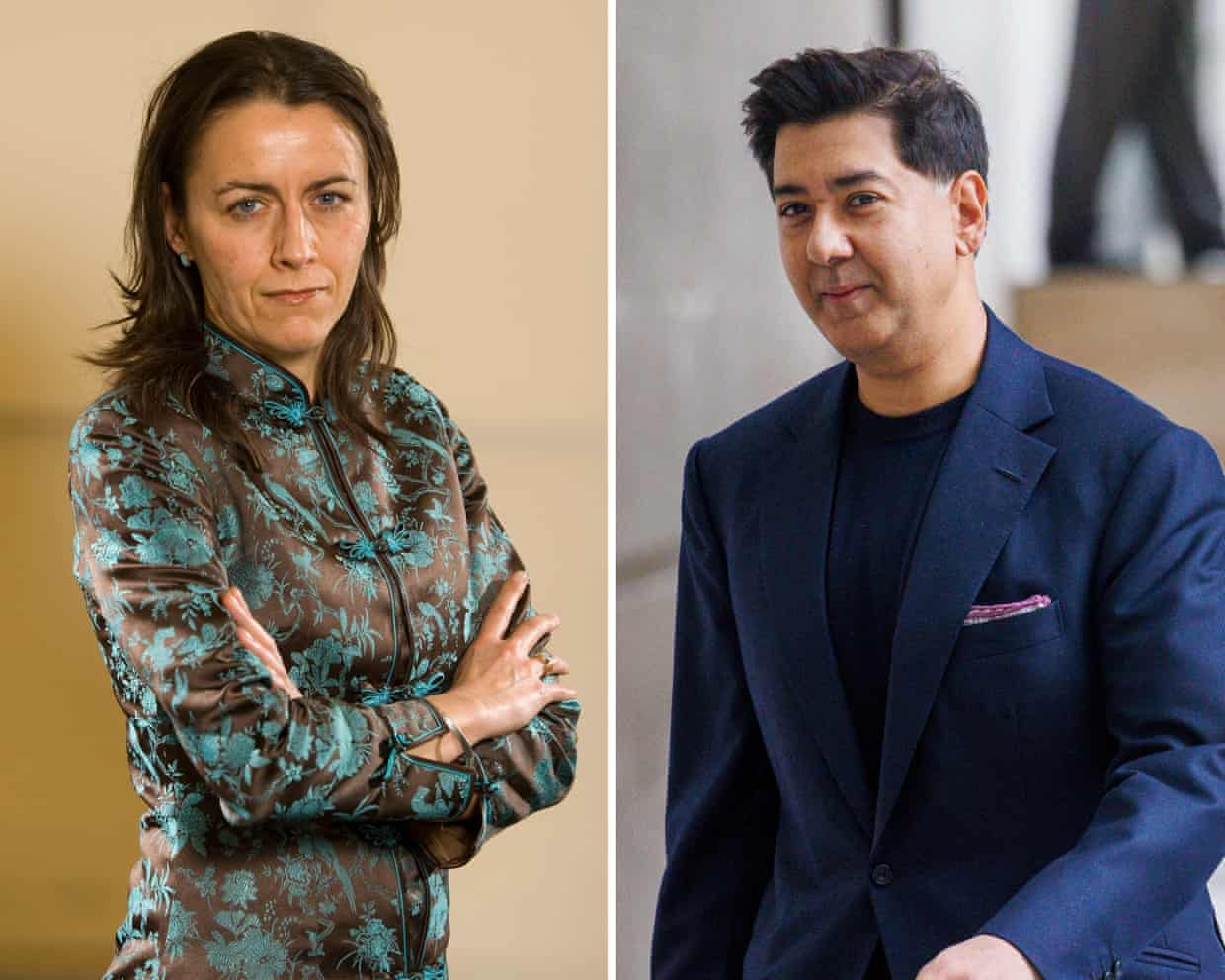
Good morning. Christmas is the time of peace on earth and goodwill towards all men. But there is not much sign of that in US/UK relations this morning, where the Trump administration has just sanctioned two Britons, among others, for supposedly trying to suppress free speech in the US, and that has led to the Lib Dem leader Ed Davey engaging in a Twitter spat with a senior figure in the US state department.Let’s start with the sanctions. Yesterday Marco Rubio, the US secretary of state, issued this statement saying:The State Department is taking decisive action against five individuals who have led organized efforts to coerce American platforms to censor, demonetize, and suppress American viewpoints they oppose

Welsh first minister vows to keep Labour ‘most successful democratic party on the planet’
The first minister of Wales has said she is determined for Welsh Labour not to lose its crown as the world’s most successful democratic party, despite warnings it could be relegated to third place in May’s elections.Polls suggest Reform UK and Plaid Cymru could win more seats than Eluned Morgan’s party in the Seneddelections next year, ending 100 years of dominance for Labour in Wales.Morgan said: “Of course I feel the pressure but I’m also determined to turn this round. We’re the most successful democratic political party on the planet. It’s a long winning streak

U-turn on inheritance tax for farmers ‘snuck out’ to avoid scrutiny, say Tories
Ministers “snuck out” the announcement that they had decided to U-turn on inheritance tax for farmers, the Conservatives have said after the government revealed the move in a press release two days before Christmas.The shadow environment secretary, Victoria Atkins, accused the government of trying to dodge scrutiny of its latest policy reversal, under which the threshold for taxing inherited farmland will rise from a planned £1m to £2.5m.The move was announced on Tuesday in a press release from the environment department after months of pressure from farmers, campaigners and some Labour MPs.Atkins told Sky News on Wednesday morning: “This being snuck out the day before Christmas Eve means that, of course, we haven’t had chance to scrutinise this properly in parliament
Keir Starmer encourages Britons to ‘reach out’ to others this Christmas
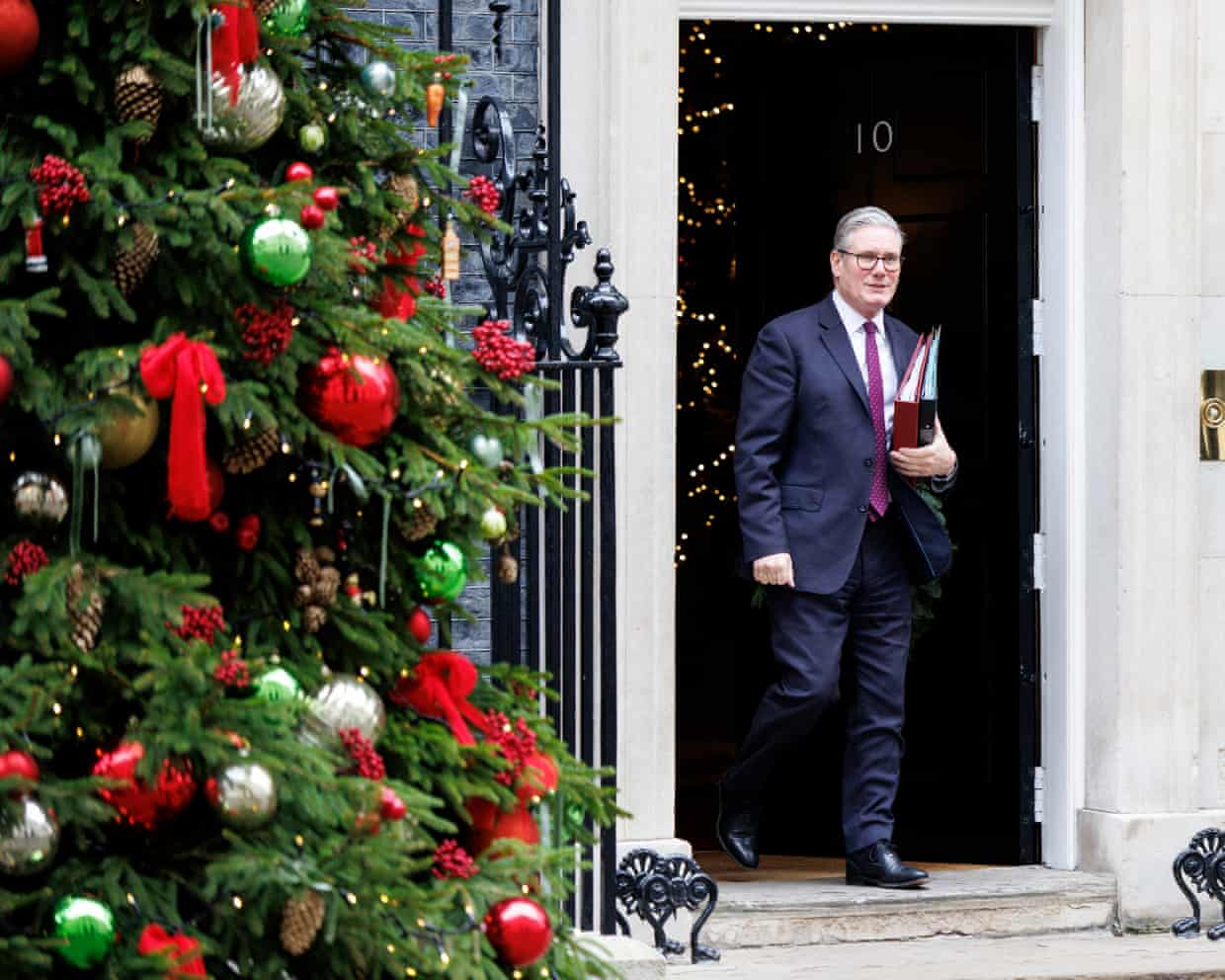
Keir Starmer has called on Britons to show kindness to struggling friends or family this Christmas, saying being in touch with those in need can make a big difference.Starmer, whose brother died last Boxing Day, said people should channel the spirit of the many volunteers and public sector workers who are on duty this Christmas by resolving to get back in touch with those who might find the time of year difficult.“Some truly special people will be pulling on their uniforms and heading out to work,” he said. “Many volunteers will be out there as well. Serving food
Ministers raise inheritance tax threshold for farms after backlash
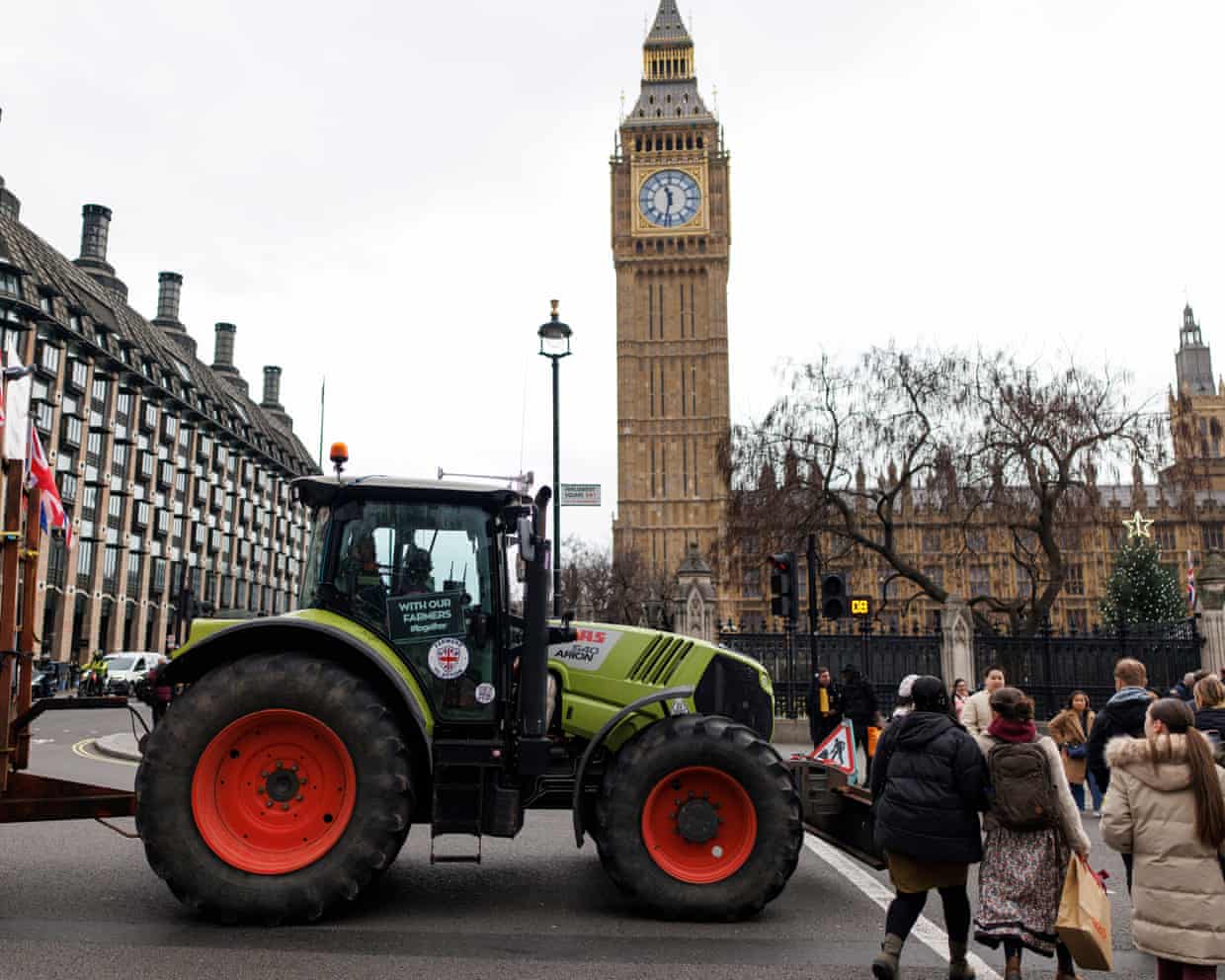
Ministers will increase the threshold for taxing inherited farmland from £1m to £2.5m after months of pressure from campaigners and MPs representing rural areas.In a statement slipped out just before Christmas, the environment department announced the U-turn, which will apply from April when the tax kicks in.Plans to tax inherited agricultural assets worth more than £1m at a rate of 20% were announced in Rachel Reeves’s first budget last year.The change reversed tax relief that has existed in its modern form since the 1980s
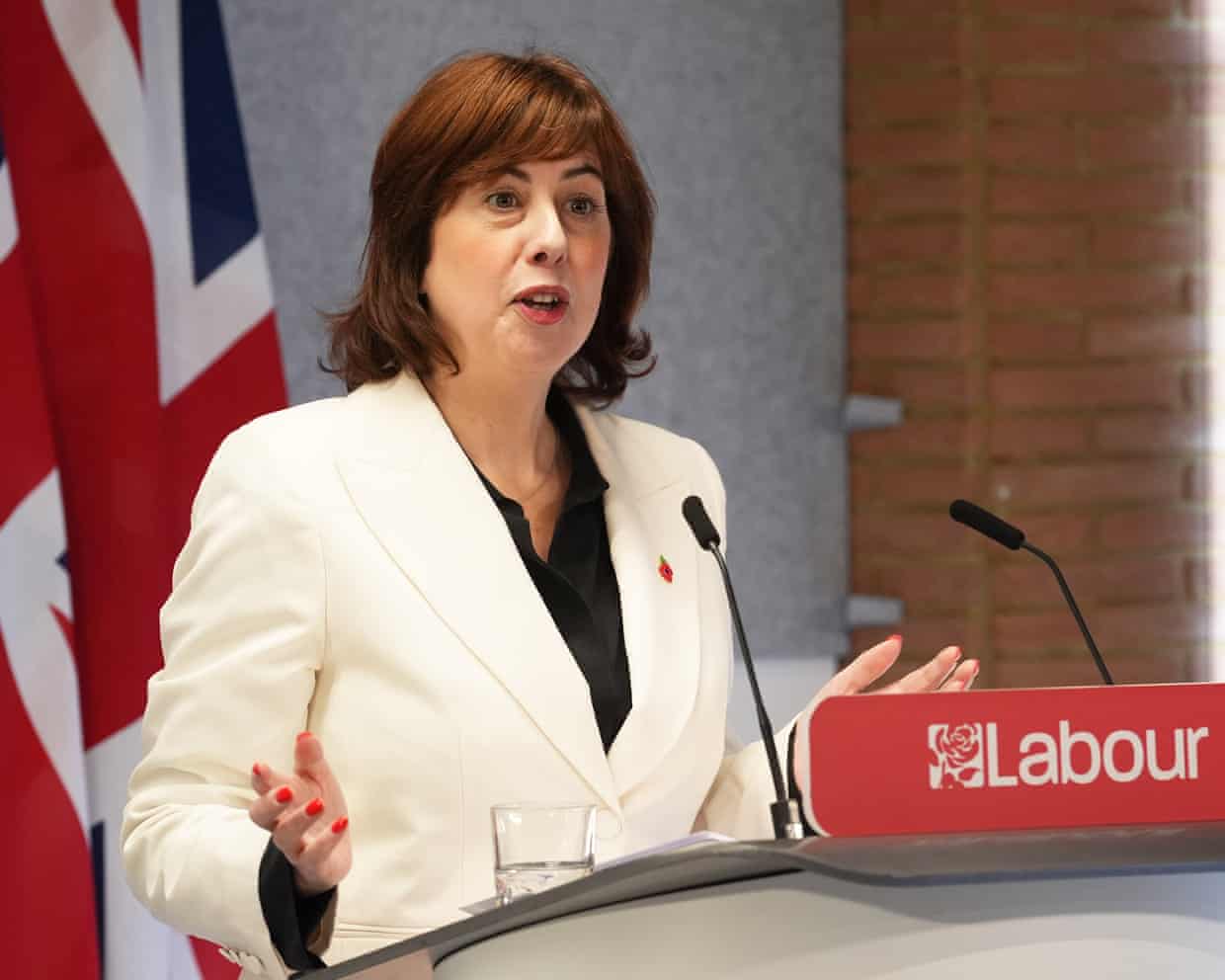
Deputy leader Lucy Powell says Labour must ‘stick to manifesto’ over EU customs union, in implicit rebuke to Streeting – as it happened
In an interview published at the weekend, Wes Streeting, the health secretary, suggested that he would like Britain to join a customs union with the EU. This is not government policy, and it is a proposal that Keir Starmer has ruled out. But Streeting would like to be PM himself one day and the interview was interpreted as his (latest) attempt to ensure that he is well positioned in case there is a leadership contest before the next election.No 10 largely played down the significance of Streeting’s comments yesterday.But Lucy Powell, Labour’s deputy leader, has delivered an implicit reprimand to the health secretary
The 2025 US economy – in charts: rising prices, hiring slowdown, rollercoaster growth
Labour must learn lessons from history as automation hits jobs market | Richard Partington

More than 20% of videos shown to new YouTube users are ‘AI slop’, study finds

How Las Vegas police ended up with a fleet of free Tesla Cybertrucks

Gout Gout turns 18 as whirlwind year ends amid high hopes for even faster 2026 | Jack Snape

Root backs McCullum after MCG win but Stokes needs support from system | Ali Martin