Harry Redknapp eyes King George glory in ‘Champions League’ of racing

FA Cup-winning manager and former King of the Jungle has live hopes of landing the big Boxing Day prize at Kempton with Jukebox ManHe has been a professional footballer, an FA Cup-winning manager and the King of the Jungle over the storied course of the past 60 years, but as Harry Redknapp talked about The Jukebox Man, his King George VI Chase contender, at Ben Pauling’s stable last week, he was the East End kid whose nan was a bookie’s runner and would be astonished to see where life and luck have taken her grandson.“She wouldn’t believe it,” Redknapp says, suddenly back in Poplar in the 1950s.“It’s a far cry from the East End of London, [when she was] getting slung in the back of a police van every other day for collecting the bets.“People forget there were no betting shops, betting was totally illegal, so the only way you could have a bet was through an illegal bookmaker.Cyril the paperboy, he wasn’t a boy, he was about 70, but everyone still called him the paperboy.
He was the bookmaker, my nan would take the bets and Cyril would take them and pay out the next day.“Three tuppenny doubles and a tuppenny treble, that was the standard bet, and the only way you got the results was sitting round the radio at six o’clock at night.They’d call the results out and she’d scribble them down so she knew who’d won and who’d lost.”There is a distinct sense that Redknapp still can’t quite believe it himself.He is not a celebrity racehorse owner, dabbling in the game until something else takes their fancy.
He is a racehorse owner who happens to be a celebrity, a lifelong fan who has done the hard yards in ownership for the past 40 years, swallowed the disappointments and bounced back for more.He now has a horse that is good enough to line up for one of the most famous steeplechases in the calendar.Arkle, Wayward Lad, Desert Orchid and Kauto Star are among the chasing legends on the King George’s roll of honour and even in what is being seen as the strongest field for years The Jukebox Man is a live 6-1 shot.“I’ve loved the racing all my life, really,” Redknapp says, “but [in the 50s and 60s] going racing wasn’t something we ever did.As a player at West Ham, we were full of punters, all boys out of the same area from within six or seven miles of the ground probably, and most of us loved a bet, but it was dog racing.
“We’d go to Walthamstow on a Friday night and Hackney Wick.We’d all be into it, but horse racing was another world away from us in east London.It was only when I went to Bournemouth [in the late 1980s] that I got involved in my first horse.There were seven of us, I think, in the syndicate, a couple of vice-presidents and one of the directors.We all put in a grand each and bought a horse with David Elsworth, Slick Cherry.
”Desert Orchid, perhaps the greatest King George legend of all, was among Slick Cherry’s stable companions,While her 6-1 success – after plenty of support – in a Windsor maiden in July 1990 went unnoticed at the time, Redknapp’s ownership career was off and running,There have been dozens of runners in his colours since then, on the Flat and over jumps, and enough good days among the let-downs to keep Redknapp firmly on the hook,The best moment – so far – was a win for Shakem Up’Arry at last year’s Cheltenham festival, which made The Jukebox Man’s narrow defeat at the meeting 24 hours later after leading over the final flight a little easier to bear,“I do lay in bed dreaming about him jumping the last at Kempton, taking it up and going clear,” Redknapp says, “but not the day he jumped the last at Cheltenham five lengths clear and the horse he’d gone away from suddenly started to close the gap.
“I don’t know how I’d have felt if Shakem Up’Arry hadn’t won the day before,It was like being two up going into extra time, the fourth official’s put up three minutes and suddenly, bang, bang, the dream’s gone,”Sandra, Redknapp’s wife, who joined him on the visit to Pauling’s west-country yard, has long since learned to live with her husband’s hobby,“I think sometimes he doesn’t tell me [when he buys another horse],I’ll say, ‘when did you buy that one, then?’ and he’ll say ‘oooh, ages ago …”Harry recalls her reaction to a recent report on The Jukebox Man.
“A guy on the TV said, ‘Harry Redknapp, he keeps buying horses and he never buys a bad one’, and Sandra fell off the settee laughing.We’ve got a list as long as your arm so when you get a good one you’ve got to enjoy it.”Sandra will make a rare trip to the races on Friday to watch The Jukebox Man attempt to repeat his Grade One win over the King George distance in a novice chase on Boxing Day 12 months ago.“It’s like going into the Champions League,” Redknapp says.“You look at the teams that are still in it and you think, my God, but you still think you’ve got a chance and you’re dreaming that you could go all the way and win it.
“He’s not favourite, but he goes there with a chance, and if he’s improving like Ben thinks he is he’s got a real chance,”

‘For the first time, she could tell people who she was’: Ireland’s gender recognition decade
Soon after Ireland passed its Gender Recognition Act in 2015, Kevin Humphreys, a Labour politician, visited a residential home for senior citizens – where an older woman thanked him for the new law.It was Humphreys who, as the minister of state for social protection 10 years ago, guided through the legislation that has meant transgender people in Ireland can apply to have their lived gender legally recognised by the state through a simple self-certification process.“She was around 80,” Humphreys recalls, “and for the first time she was able to tell her friends and family she was transgender. She told me the relief she felt to be accepted by her own community, and by the state, in the last few years of her life.”“We were very fortunate in Ireland that we were able to do the legislation in an era of openness and progressive discussion,” he says

Prosecutions for strangulation in England and Wales increase sixfold in three years
The number of suspects charged for strangulation and suffocation in England and Wales has increased almost sixfold in the three years since the offence was first introduced, Crown Prosecution Service data has revealed.Brought in under the Domestic Abuse Act, which came into force in 2022, the legislation closed a gap in the existing law, giving courts much greater sentencing powers.Kate Brown, the CPS’s lead prosecutor for domestic abuse, said that previously there had been “a lot of cases for which it didn’t seem like we had the right offence”, and the new legislation marked “a significant shift in recognising the serious nature of the offence”.“There were some thoughts that it might not be necessary and that the act of strangulation or suffocation could be covered by other offences,” she said, but added that the options previously open to prosecutors “didn’t really hit the mark in terms of the seriousness, because strangulation is a really serious offence”.Suffocation and strangulation carries a maximum sentence of five years’ imprisonment, whereas previously, except for the most serious cases which could be charged as grievous bodily harm or attempted murder, prosecutors were having to charge offenders with common assault, which carries a much lesser maximum sentence of six months

Britons reported to be drinking less, as data shows consumption at record low
People in Britain are drinking less alcohol than in previous years, according to reports.The average UK adult consumed 10.2 alcoholic drinks a week last year, the lowest figure since data collection began in 1990 and a decline of more than a quarter from the peak of 14 two decades ago, according to figures published in the FT from research company IWSR.However, total abstention is not on the rise despite the decline in consumption, which suggests more moderate drinking habits have driven the trend.“The population is ageing and older consumers physiologically can’t drink as much,” Marten Lodewijks, the IWSR president, told the newspaper

Resident doctors say they will resume talks to avoid further strikes with ‘can-do spirit’
Resident doctors have said they will approach talks with Wes Streeting with a “can-do spirit” to avoid further strikes in the new year, as their five-day action ended on Monday morning.The British Medical Association called on the health secretary to come to the table with the same “constructive” attitude, saying the tone of 11th-hour talks before their stoppage had been encouraging but too late to avoid the strike in England.Streeting also signalled his determination to get back to the talks, saying he did “not want to see a single day of industrial action in the NHS in 2026”, and that he would “be doing everything I can to make this a reality”.“My door remains open, as it always has done, and I’m determined to resume discussions with the BMA in the new year to put an end to these damaging cycles of disruption,” he said.Streeting and Keir Starmer have taken a tough line towards the strike, with the prime minister saying it was “beyond belief” that it should go ahead when the flu-hit NHS was facing its worst crisis since Covid

One in eight of 14- to 17-year-olds in Great Britain say they have used nicotine pouches
One in eight teenagers aged 14 to 17 have used nicotine pouches, a survey has found, adding to health experts’ concern about their growing popularity.Users hold the small sachets, which look like mini-teabags and are often flavoured, in their mouths to enjoy the release of the nicotine they contain. They are also known as “snus”.Unlike smoking the pouches do not raise the risk of cancer, but they have caused alarm because of the fear that users could become addicted to nicotine and suffer mouth and dental problems.A survey of 500 teenagers aged 14 to 17 in England, Scotland and Wales found that 13% have used a nicotine pouch, of whom 30% said they did so at least once a week

Starmer has no coherent social mobility plan, says top government adviser
Keir Starmer has no coherent strategy to tackle entrenched inequalities harming the life chances of millions of people, the government’s social mobility commissioner has said.A report warned last week that young adults in Britain’s former industrial heartlands were being left behind as a result of failed or abandoned promises by successive governments.The Social Mobility Commission (SMC), a government advisory body, said big cities such as Manchester, Edinburgh and Bristol were starting to thrive but that opportunities were “overconcentrated”.In a Guardian interview, the commission’s chair, Alun Francis, urged Starmer to outline a bold vision to tackle “the defining social mobility challenge of our generation”.He said: “We have a government that talks quite a lot about social mobility, but mainly about individuals – often about [the] social mobility of themselves or their colleagues … But what we don’t have is a coherent approach to social mobility as a useful concept that you can build a strategy around
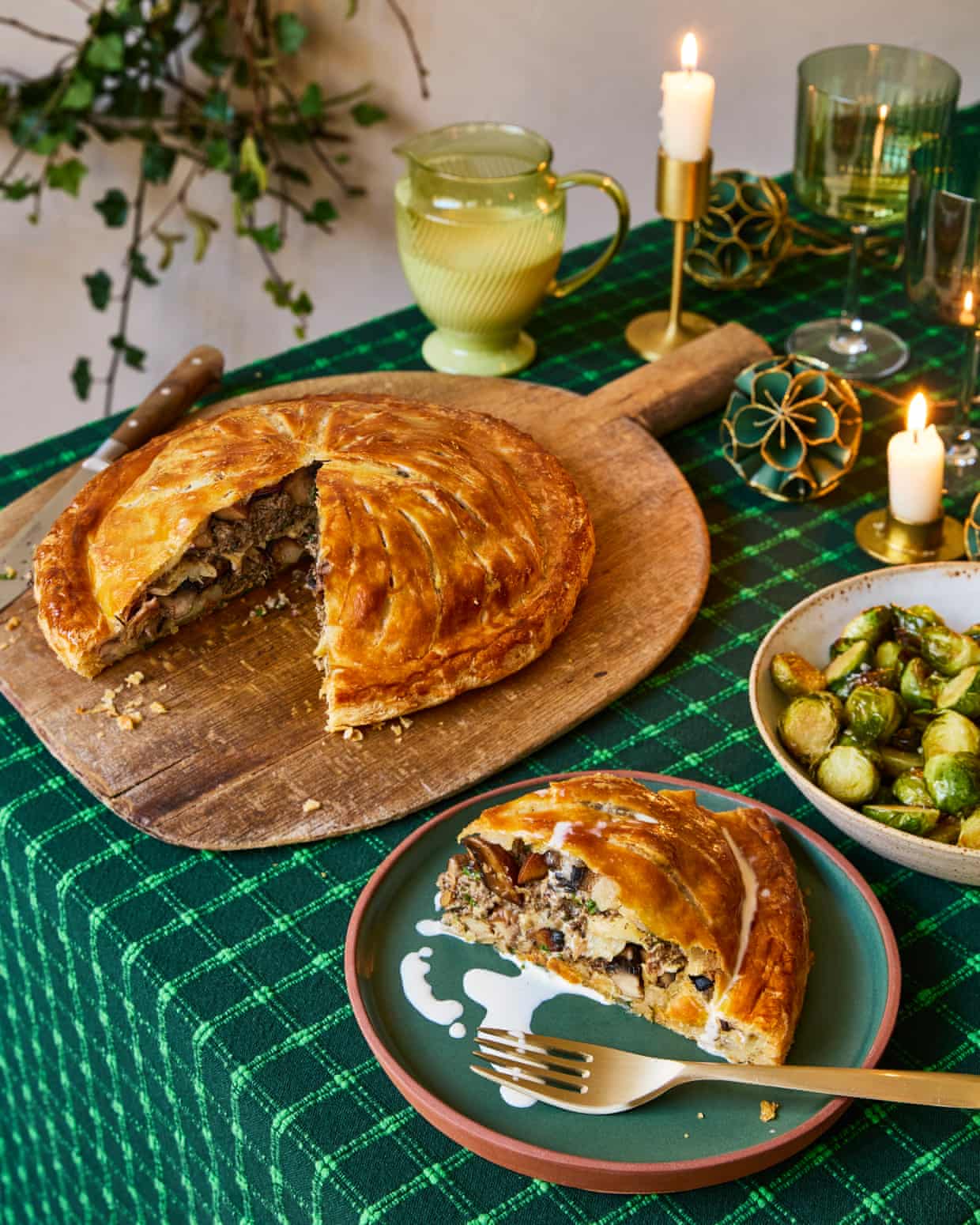
A meat-free Christmas: Chantelle Nicholson’s French mushroom pie, caramelised pear pud and more

10 of the best Australian sparkling wines for every budget
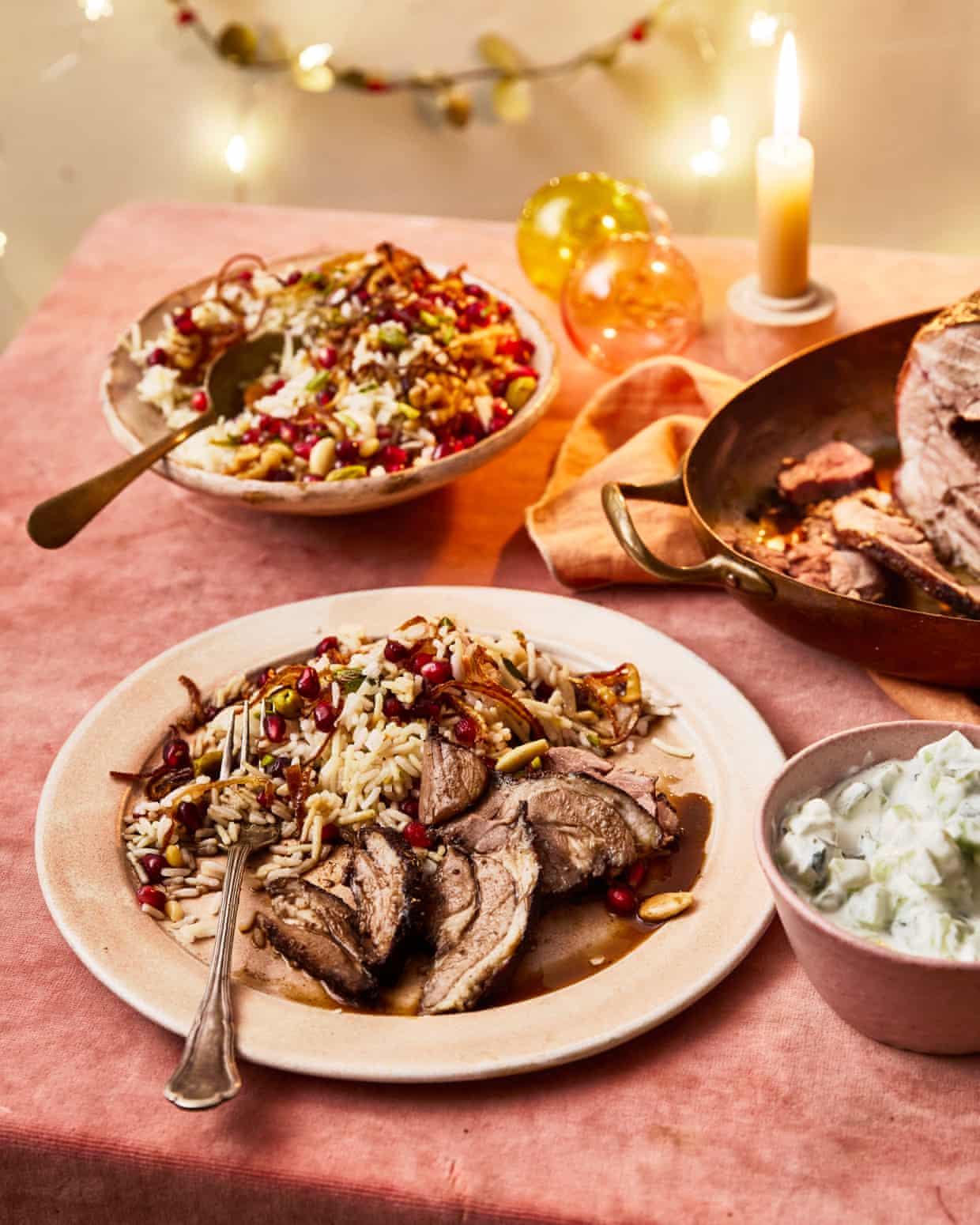
Cosmopolitan Christmas: Stosie Madi’s French-African-Lebanese Christmas lunch – recipes
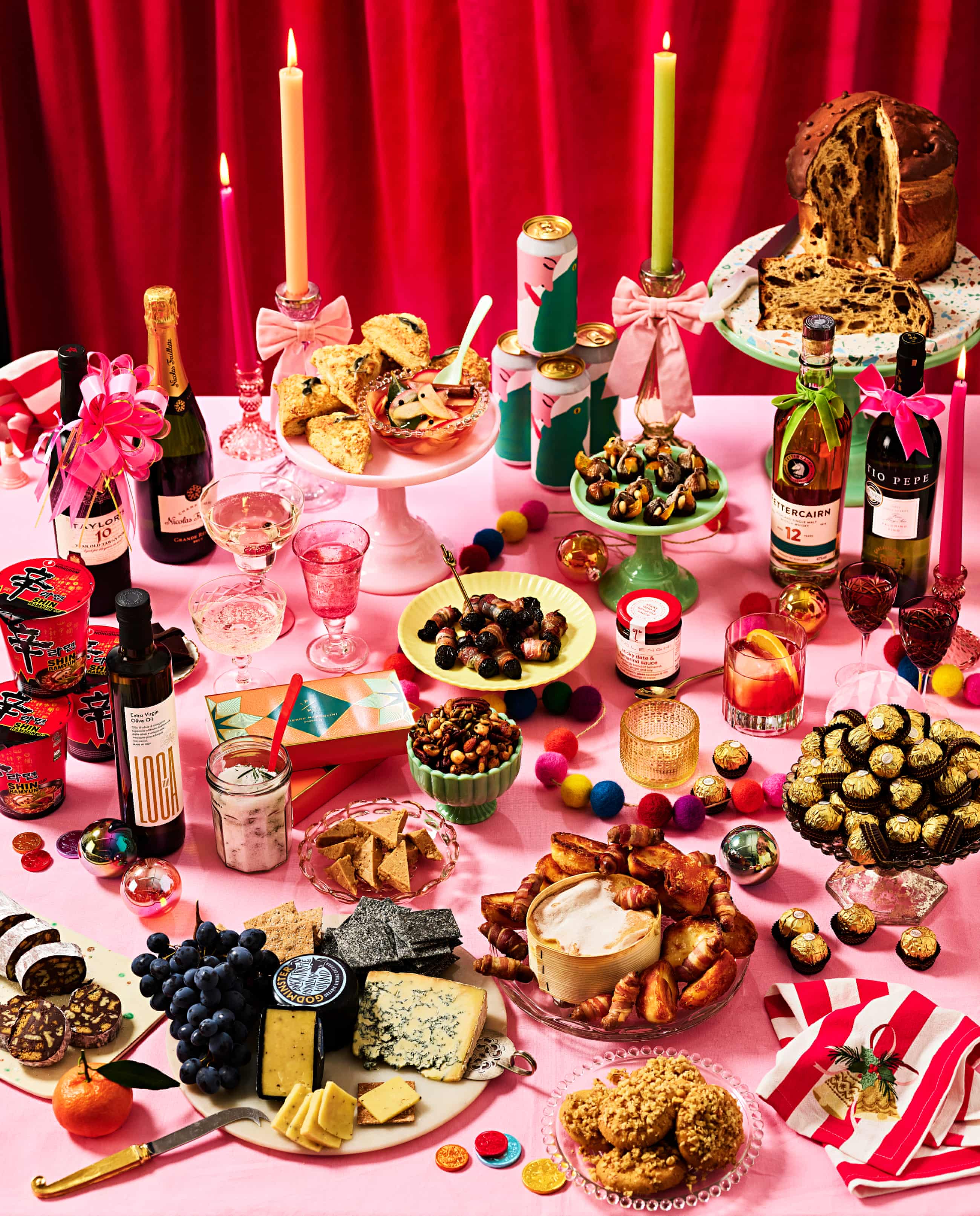
From a showstopping pavlova to a £7 sherry: what top chefs bring to Christmas dinner
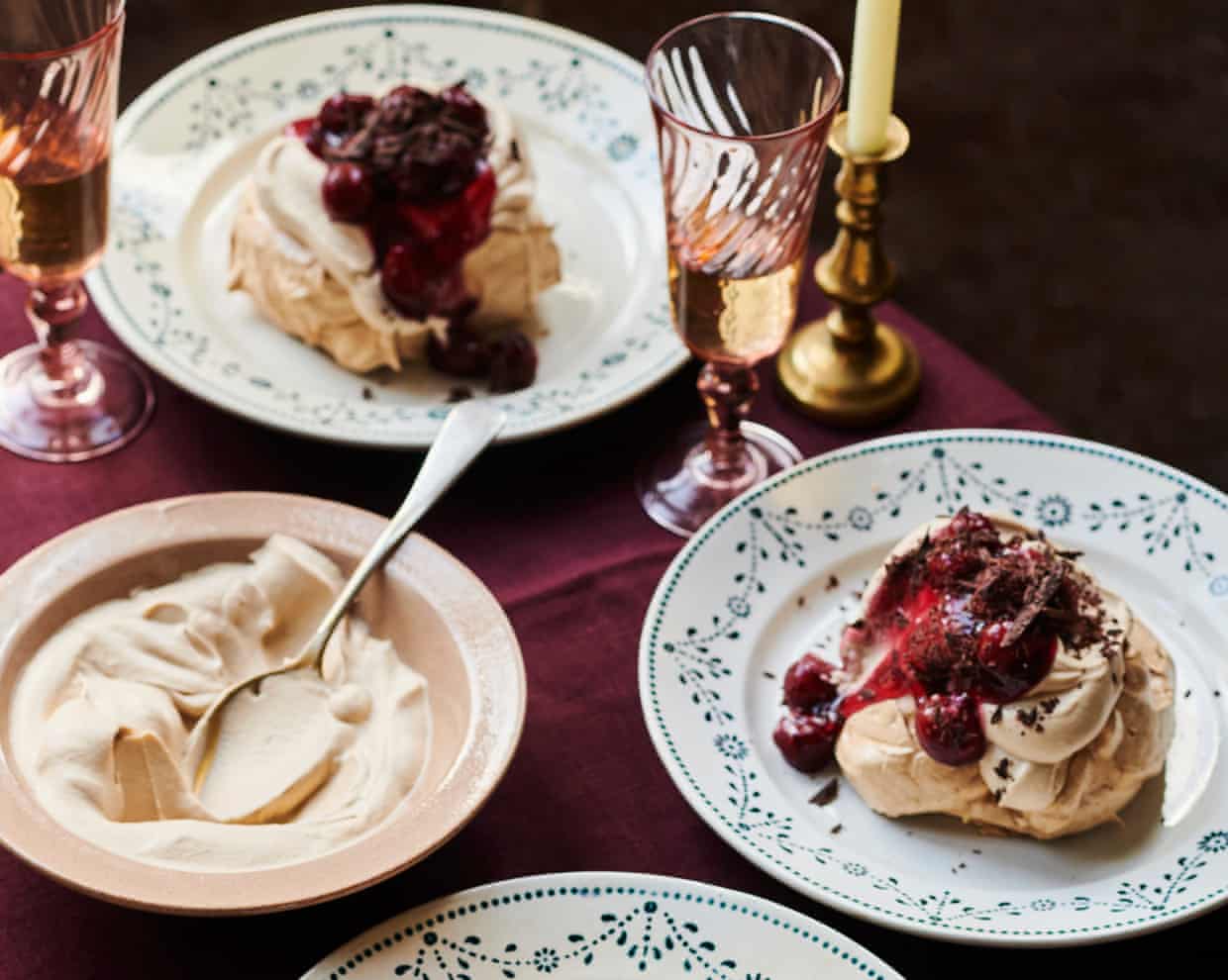
A fresh take on wine pairings for Christmas dessert

How to eat, drink and be merry – while pregnant – at Christmas