Attempts to stop prison drone drug deliveries hampered by crumbling Victorian walls
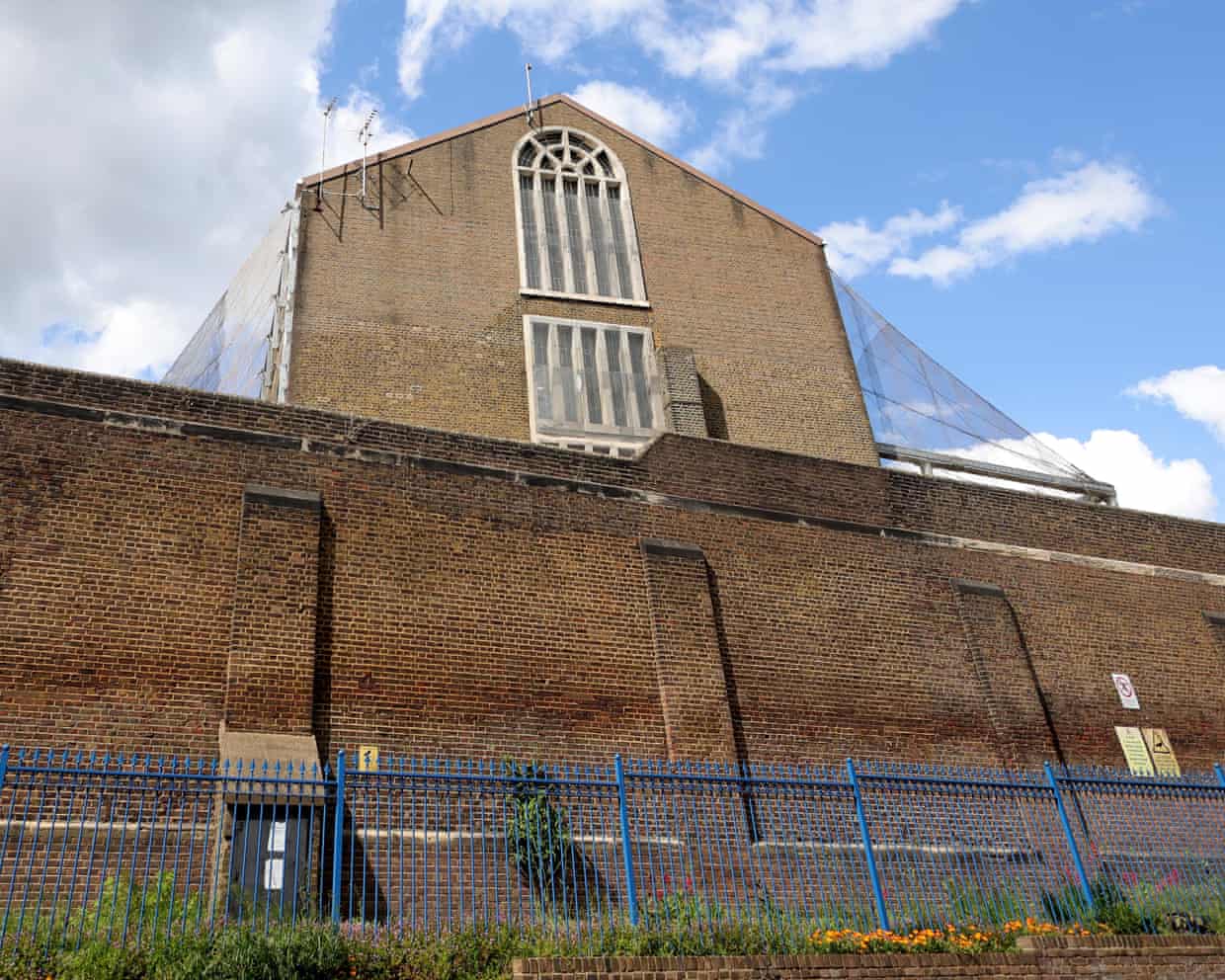
Weak and crumbling walls in Victorian prisons are hampering attempts to halt drones from delivering drugs and weapons to inmates.Plans to install tougher netting and window grilles to stop drones from entering have been hampered because the walls have been unable to take the extra weight, prison governors said.Recent attempts to fix anti-drone netting at HMP Pentonville, the Victorian prison in north London, were stalled after they found that the bricks were too soft, sources have said.Charlie Taylor, the chief inspector of prisons for England and Wales, said last month that the Prison Service had “ceded the airspace above many of our prisons to serious organised crime”, resulting in a “national security threat”.The number of incidents at prisons involving drones has risen by more than 1,000% over four years, with gang members able to fly packages carried by drones direct to cell windows.
The packages are then retrieved by inmates with a hook.Their use has become so ubiquitous that inspectors have found packages weighing more than 15kg, delivering goods such as weight loss and hair loss drugs, anabolic steroids and fast food.Nets can be fixed to walls to catch the drones by snagging their propellers, while fixed window grilles can be used to stop prisoners from pulling packages into their cells.But Tom Wheatley, the president of the Prison Governors Association, said measures to stop drones were not being introduced quickly enough and faced structural problems.“Physical measures such as netting, wires and grilles are the preferred option for preventing contraband getting into prisons.
They make it almost impossible,” he said.“In some prisons, there are concerns that such measures put extra weight on the walls and the weight can be too much for the buildings.”HMP Pentonville, a category B prison which holds about 1,200 inmates, is undergoing a significant overhaul after Taylor issued an urgent notification in July.Some netting was installed across the exercise yard several years ago.But plans to install stronger mesh across other parts of the prison were stalled, senior sources said, after engineers found that the walls could not hold it at the necessary tension.
An industry insider blamed the softness of ‘London stock brick’ which was used to build the prison in 1842,“Not only are the yellowy bricks soft, but the mortar between them is very old,It is very difficult to fix ropes and meshes as a result,” they said,“To get over the problem, you have to design steel brackets and support that share the load, and that can be difficult to do in such restricted places,It is not an easy task,.
”The number of drone incursions recorded by prisons rose from 138 in the year to March 2021 to 1,712 in the year to March 2025,This does not include drone drops that were not detected by jails,A gang that used drones to smuggle drugs into Pentonville and other London prisons was jailed in March,Ministers are hoping to roll out more anti-drone netting across prisons,David Lammy, the justice secretary, visited the Ukrainian military in January to discuss how to adapt battlefield tactics to combat drone use in jails.
Inspectors called for an overhaul of security in Victorian prisons in 2024 after it emerged that inmates in HMP Winchester managed to dig through cell walls using plastic cutlery.The government has promised to invest £10m on anti-drone measures.A Prison Service spokesperson denied that some prison walls were too weak to support anti-drone measures such as nets.“All improvements to prison security are tailored to individual jails, following detailed structural assessments to ensure they are safe and effective,” they said.“We have invested over £40m to fund a range of physical security enhancements.
These improved measures will boost safety, combat the influx of drone activity and clamp down on suspected wrongdoing behind bars,”
Stock markets are wobbling, but £10bn cash bids at fat premiums can still happen
It was a bad day for the FTSE 100 index on Tuesday – down 1.4% – but the puzzle in many quarters is why share prices haven’t fallen further since the start of the US-Israel war on Iran. The index is still up by a couple of percentage points since new year, which is not a bet most would have made at the time if they had been told an inflationary energy price shock lay around the corner.An absence of Iran-related corporate profits warnings partly explains the relative resilience, even if those usually take a while to arrive. So, too, the fact that the Footsie is overpopulated with overseas earners for whom the US economy, which isn’t suffering Europe’s soaring natural gas prices, matters more than their home market
UK electric car sales leap ‘could be hit by Iran war inflation and energy price rises’
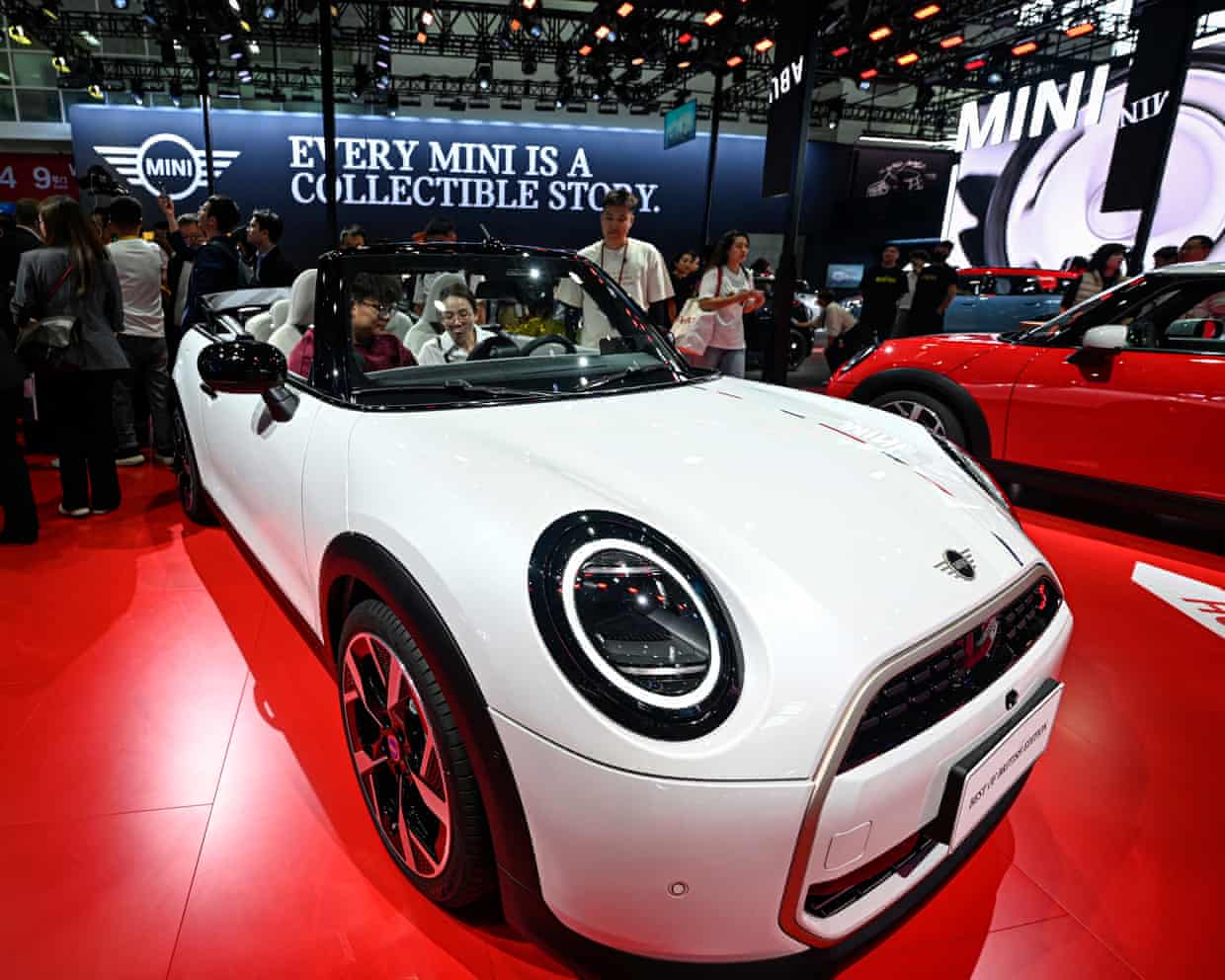
A recent jump in electric car sales in the UK is likely to be “tempered” by worries over rising inflation and energy prices caused by the Iran war, a leading industry body has warned.New car sales in the UK rose by 24% year on year to 149,247 in April, according to the Society of Motor Manufacturers and Traders (SMMT).The trade body said battery electric vehicle (BEV) sales jumped by 59.1% last month and the two millionth electric car had been registered. They accounted for more than a quarter (26
‘There is a good deal of fear’: what would a Labour leadership challenge mean for bond markets?
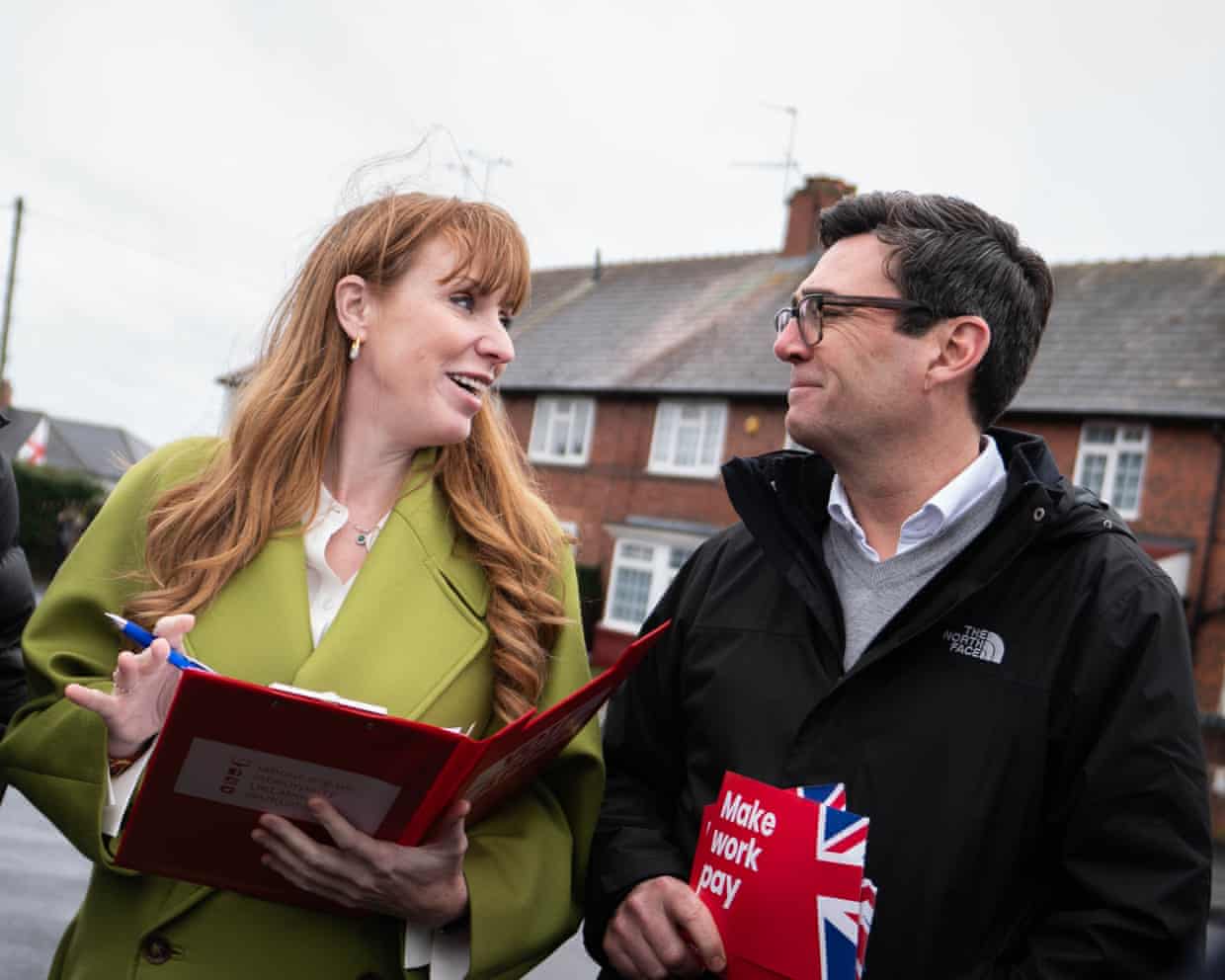
Who calls the shots on the bin collections in Sunderland, potholes in Hackney, or schools in Cardiff is not normally of interest to City traders in the multitrillion-pound sovereign bond market.But for those dealing in UK government debt, Thursday’s local and devolved government elections are significantly more important than usual, amid speculation that a dire showing for Keir Starmer’s Labour party could topple him as prime minister.“Usually local elections should not be a market relevant event, but this has indeed become one,” said Sanjay Raja, the chief UK economist at Deutsche Bank.“Mainly as the repercussions, not just from a leadership challenge, but also any changes to fiscal policy and any pressure on fiscal rules the chancellor had signed up to. That is what the market is really signed up to

Thousands of Just Eat couriers launch legal action to improve workers’ rights
More than 7,000 Just Eat couriers are taking legal action against the food delivery company in an attempt to gain better employment rights including the minimum wage and holiday pay.The employment tribunal, which begins on Tuesday and is set to run until 2 June, will determine if the couriers are classed as workers, a status that comes with improved rights, or self-employed independent contractors.Judgment is expected later in 2026.Just Eat dismissed about 1,700 couriers in the UK in 2023 when it returned to a gig economy model and scrapped an experiment that offered guaranteed minimum pay, sick pay and holiday pay in six cities in the UK and Europe.Under its “Scoober” experiment, couriers who Just Eat said handled less than 5% of UK orders at the time and also worked set shifts, were provided with e-bikes or e-mopeds and had the option to operate from a central hub, where they could pick up equipment and take breaks
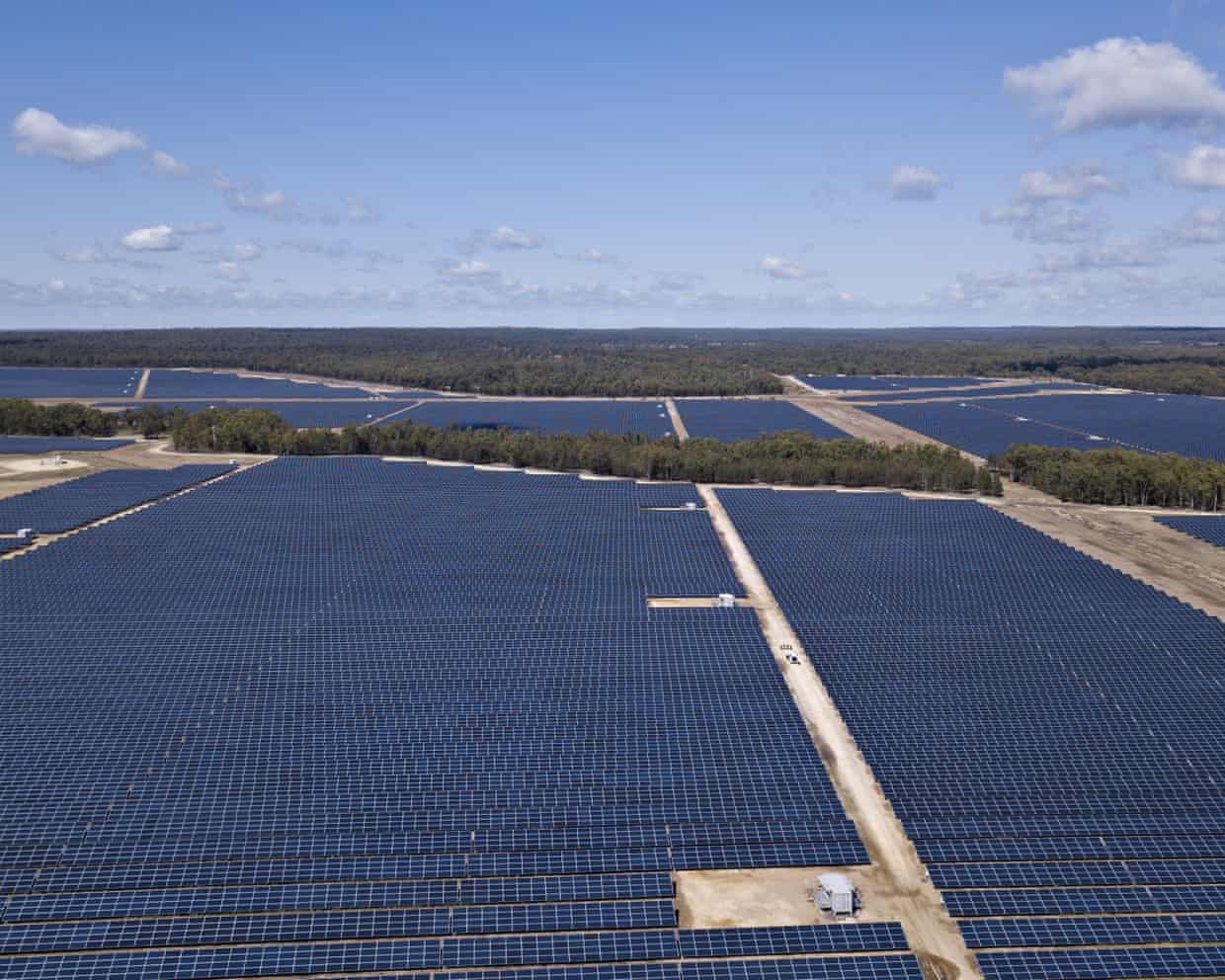
Our national energy transition is a rare opportunity to enrich and reward Australian workers | Thom Woodroofe
Norway, where both of my daughters were born, was not an exceptionally prosperous nation before 1969. That changed when they struck oil in the North Sea that year. In Norway, each child is now born with a national inheritance that individually runs into the hundreds of thousands of dollars, and collectively now stands at over US$2tn dollars. This is thanks to a far-sighted government decision to establish a sovereign wealth fund (colloquially known as “the oil fund”) that now controls the equivalent of 1.5% of all shares in the world’s listed companies
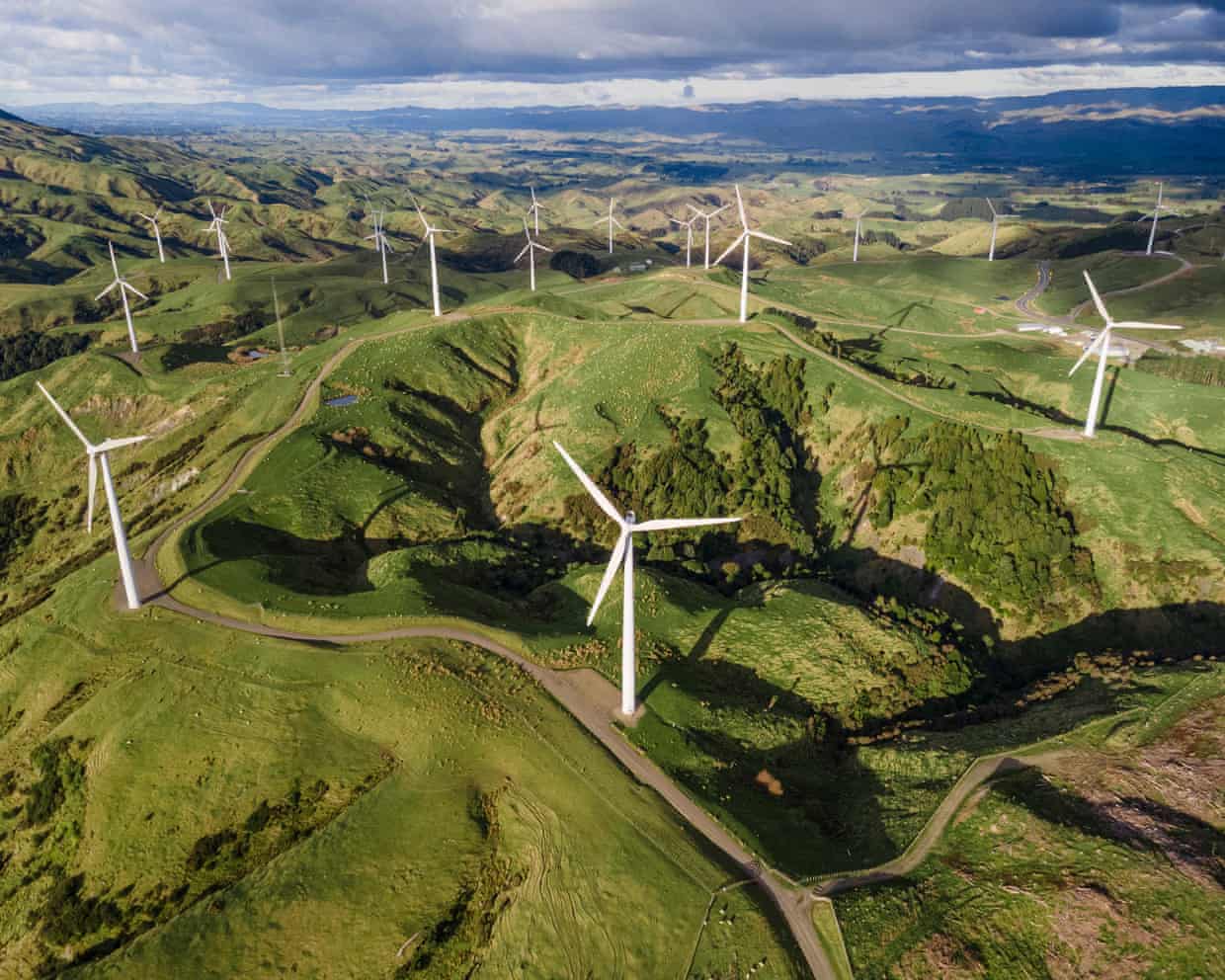
Trump may not be a fan of clean energy but Iran war is accelerating global shift from oil and gas | Heather Stewart
Operation Epic Fury has thus far achieved none of Donald Trump’s war aims, but it may well accelerate the global transition towards the clean energy he loves to hate.Last week brought the latest exchange of verbal blows in the standoff over the strait of Hormuz. Iran was “choking like a stuffed pig” on the oil it was unable to export because of the US blockade, Trump claimed.From Tehran, the supreme leader shot back that foreigners who “maliciously covet” the waterway “have no place there except at the bottom of its waters”. To the rest of the world, the exchange raised the spectre of a prolonged impasse
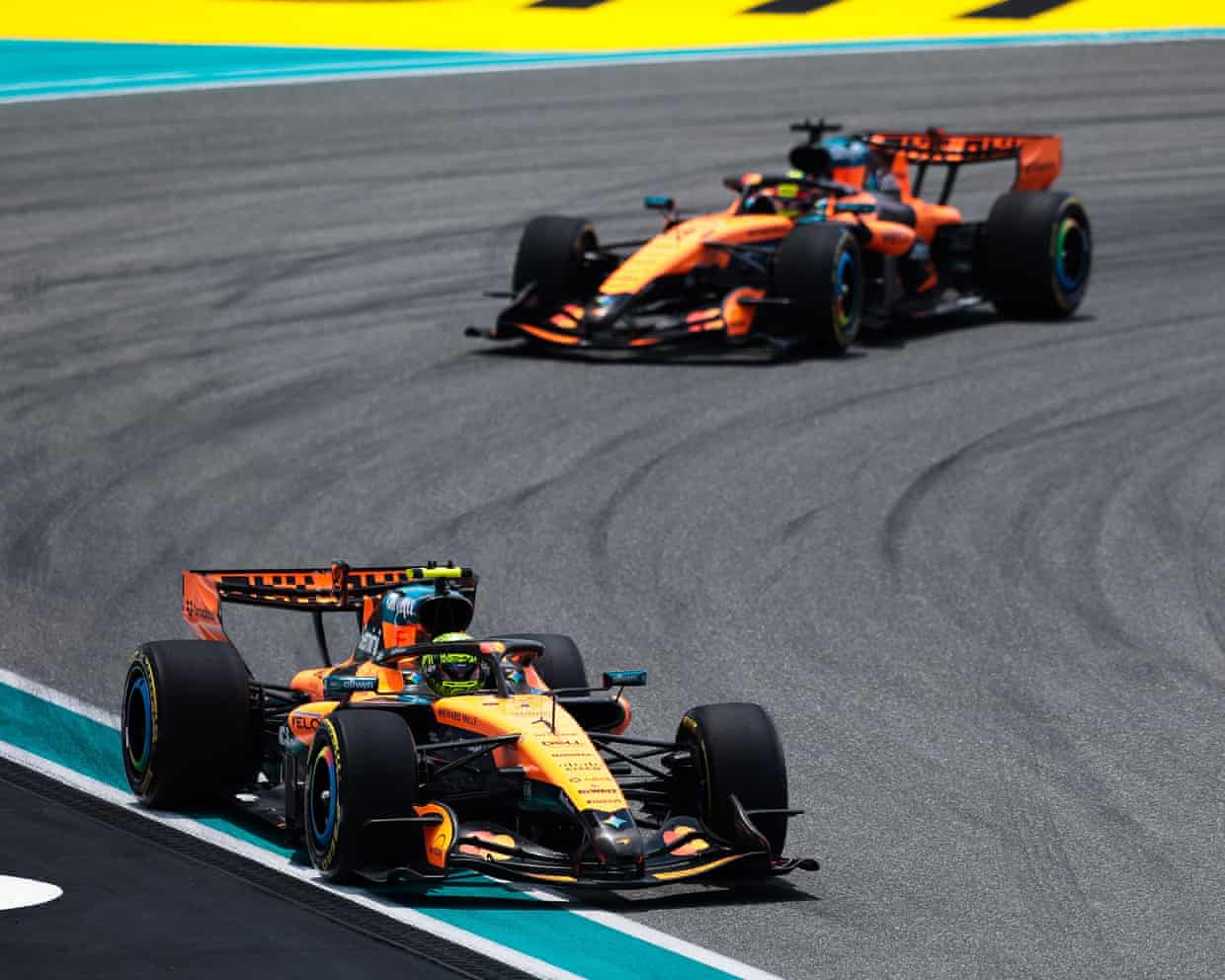
‘Get rid of the battery’: F1 under increasing pressure to make more changes to engine rules

Relay team grab bronze at worlds on another red letter day for Australian athletics
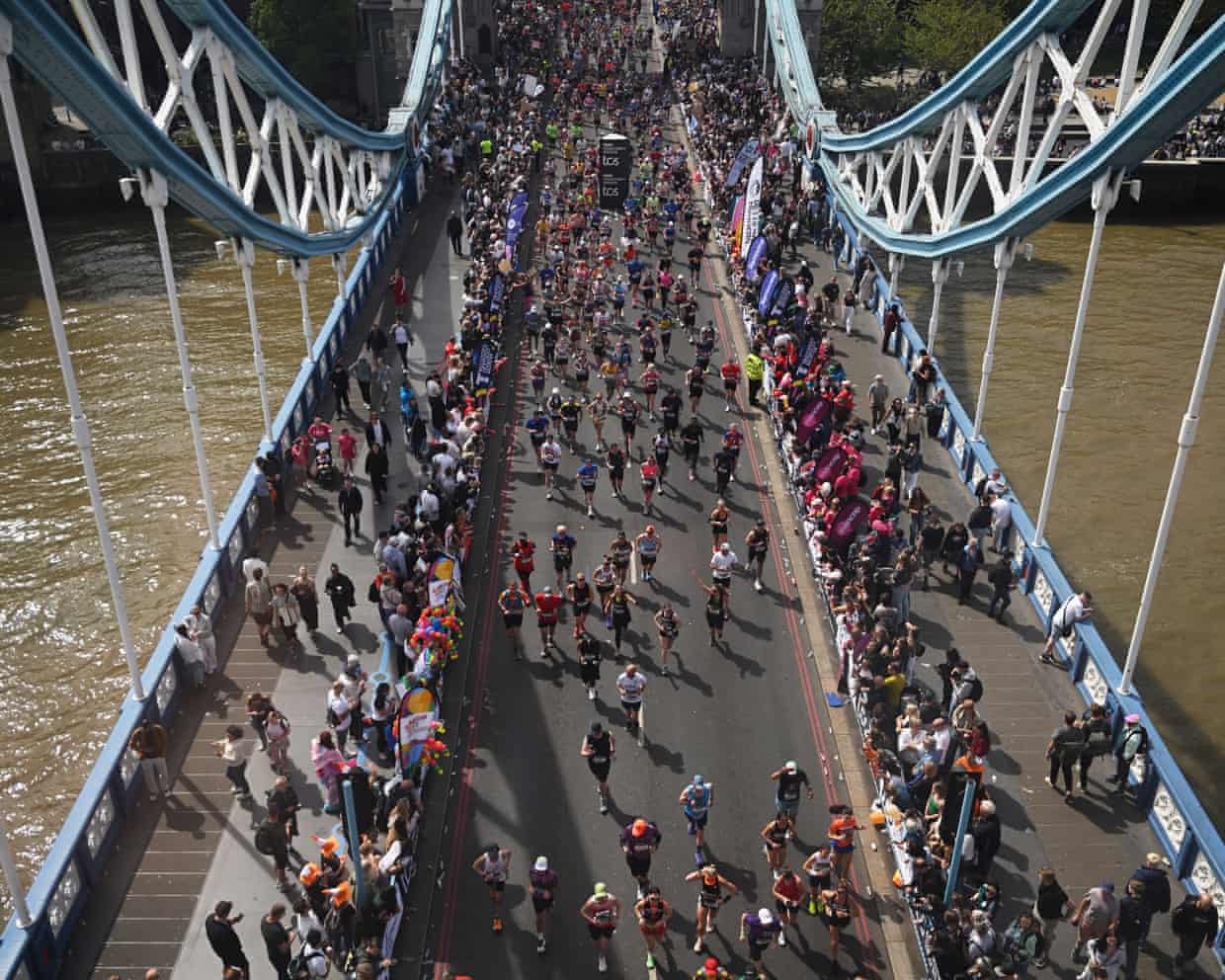
London Marathon sets record after 1.8% of UK adult population applies for 2027 race
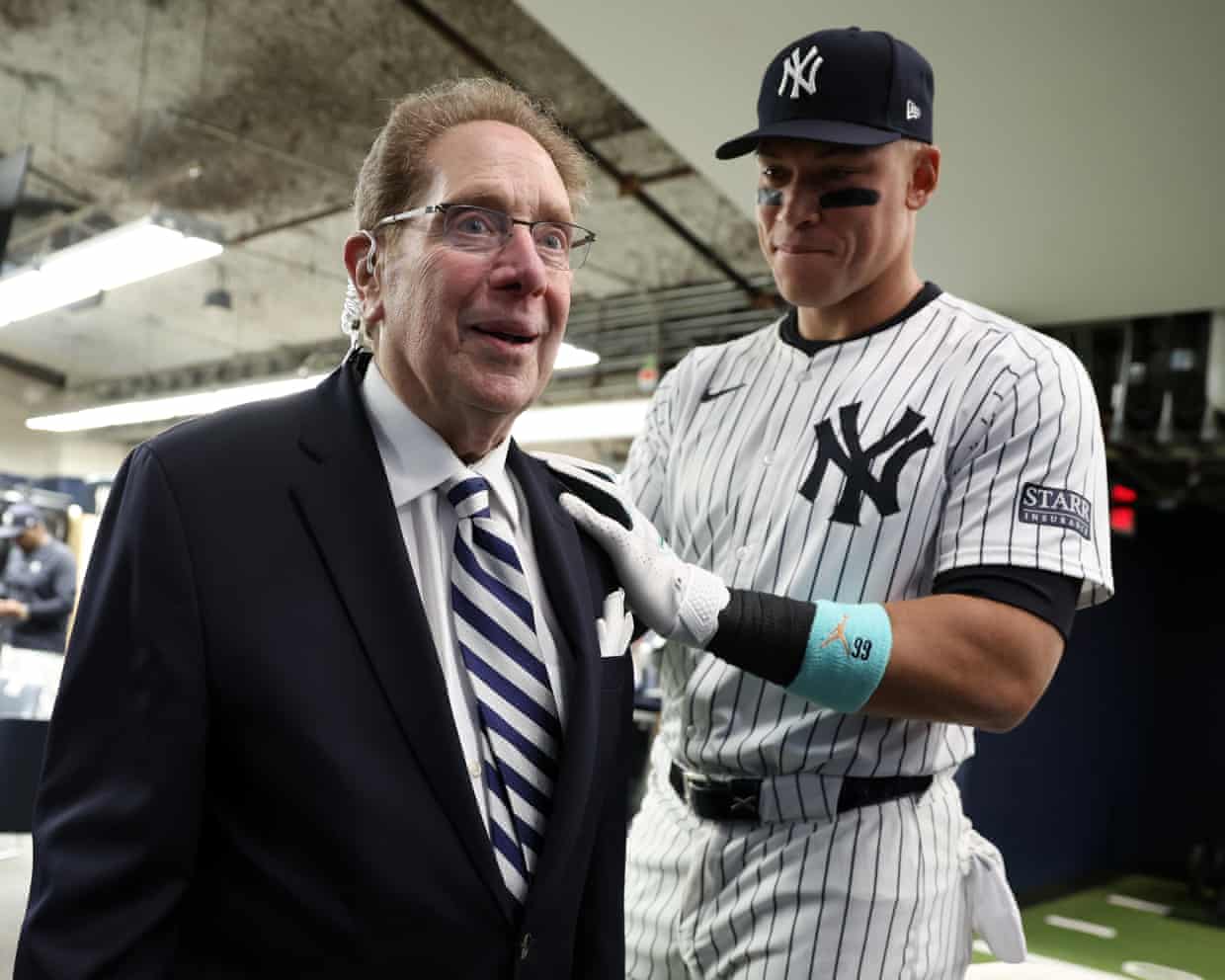
John Sterling, beloved voice of Yankees for 36 seasons, dies at 87
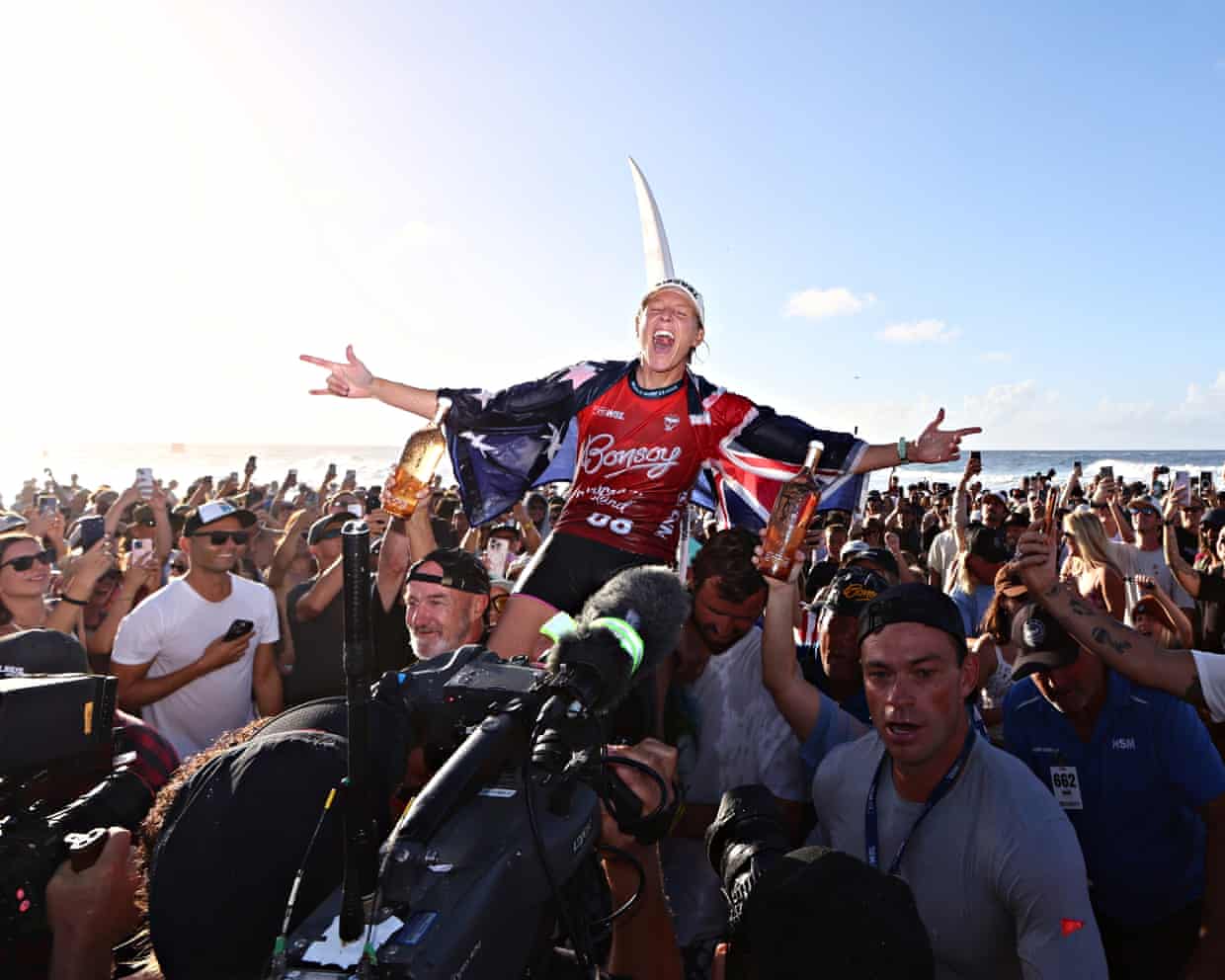
Steph Gilmore sparks bedlam on Gold Coast as surf great rolls back years with WSL win

‘A missing generation’: why are there are no female head coaches in Women’s Six Nations?