Rukmini Iyer’s quick and easy recipe for cheesy polenta with tomatoes, butter beans and pesto | Quick and easy

I love polenta, but very often forget about it in favour of pasta or rice.However, for those transitional spring evenings, it’s perfect comfort food: warm, filling, and cooks in under two minutes when you buy quick-cook.But the very best thing about making a pan of polenta is that with barely any extra effort, it’ll give you the basis for a meal the next day.Try pouring half of it into a tray – studded with olives, or with extra cheddar stirred through, perhaps – and chill overnight.The next day, cut it into squares, chips, or even star shapes, and fry until crisp – a cook once, eat twice win.
Prep 10 min Cook 25 min Serves 21½ tbsp olive oil 2 garlic cloves, peeled and grated250g cherry tomatoes, halved1 x 570g jar butter beans, drained and rinsed400ml vegetable stock 100g quick-cook polenta (the dry, coarse kind, not the vacuum-packed blocks) 40g parmesan (vegetarian if need be), gratedFlaky sea salt, to tasteJuice of ½ lemon Fresh basil pesto, shop-bought or homemade, to serve1 handful toasted pine nuts, to servePut the oil in a large frying pan on a low heat, then add the garlic and fry for a minute.Add the tomatoes, turn up the heat to medium, and let them soften, stirring occasionally, for five minutes.Stir in the butter beans, cover the pan and cook for a further five minutes.Give it a final stir, then turn off the heat and cover again.Pour the stock into a large saucepan, bring to a boil, then pour in the polenta, whisking as you go.
Whisk furiously for one and a half minutes, until the polenta thickens, then turn off the heat and stir in the parmesan, salt and lemon juice – the texture should be flowing like lava, rather than stiff, so stir through a splash more stock to loosen, if need be.Taste and add more salt and lemon juice, if required, then serve immediately in wide bowls, with the tomato and butter bean mixture piled on top and the pesto and pine nuts dotted around.

UK government borrowing costs rise as Starmer ‘fails to reassure bond markets’ – business live
UK government borrowing costs are creeping a little higher after a morning of rising political jitters.The yield, or interest rate, on UK 30-year bonds is now up 8 basis points (0.08 of a percentage point) at 5.65%, up from 5.57% on Friday night
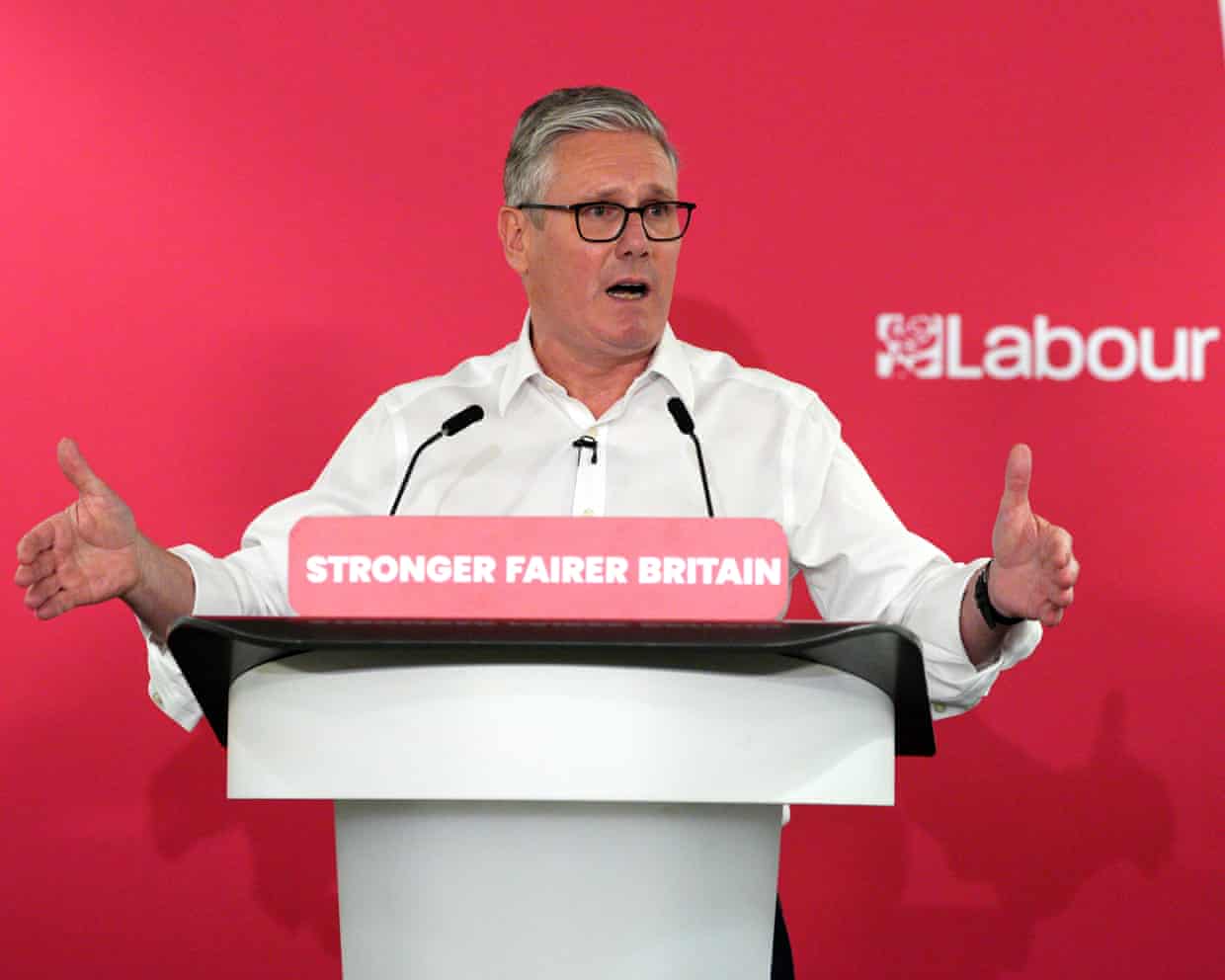
UK borrowing costs rise as Starmer speech fails to dispel investor ‘jitters’
The cost of government borrowing has crept higher as Keir Starmer’s crucial speech failed to dispel investor “jitters” in the bond markets over political instability combined with fears of rising inflation.The yield, effectively the interest rate, on the benchmark 10-year UK government bonds (known as gilts) rose eight basis points (or 0.08 of a percentage point) to 5% on Monday.The yield on 30-year gilts rose 9.3 basis points to 5

AI-powered hacking has exploded into industrial-scale threat, Google says
In just three months, AI-powered hacking has gone from a nascent problem to an industrial-scale threat, according to a report from Google.The findings from Google’s threat intelligence group add to an intensifying, global discussion about how the newest AI models are extremely adept at coding – and becoming extremely powerful tools for exploiting vulnerabilities in a broad array of software systems.It finds that criminal groups, as well as state-linked actors from China, North Korea and Russia, appear to be widely using commercial models – including Gemini, Claude and tools from OpenAI – to refine and scale up attacks.“There’s a misconception that the AI vulnerability race is imminent. The reality is that it’s already begun,” said John Hultquist, the group’s chief analyst

Mistaking AI behaviour for conscious being | Letter
Richard Dawkins’ reflections on AI consciousness are striking – not because they show that machines have crossed some hidden threshold into inner life, but because they reveal how readily we can be persuaded that they have (Richard Dawkins concludes AI is conscious, even if it doesn’t know it, 5 May).Many will recognise the experience: a system that responds with fluency, humour and apparent understanding. At some point, simulation starts to feel like presence. But that shift tells us more about human cognition than machine consciousness. The error is a category one

Notts v Surrey, Glamorgan beat Somerset, Yorkshire thrashed: county cricket – live
What a great warmup for Duckett. Gets there with a quickstep and lofted drive for four off Rory Burns, 308 balls, 23 fours, one six. Burns and Jamie Smith behind the stumps join in the applause and, shortly afterwards, they all shake hands.Trent Bridge: Nottinghamshire 415 and 414-4 DRAW with Surrey 449Nottinghamshire 13pts, Surrey 13ptsWell dug in Northants for taking this into the final session. George Scrimshaw not only spoiled Zak Chappell’s hattrick, he’s now blocked out 14 balls
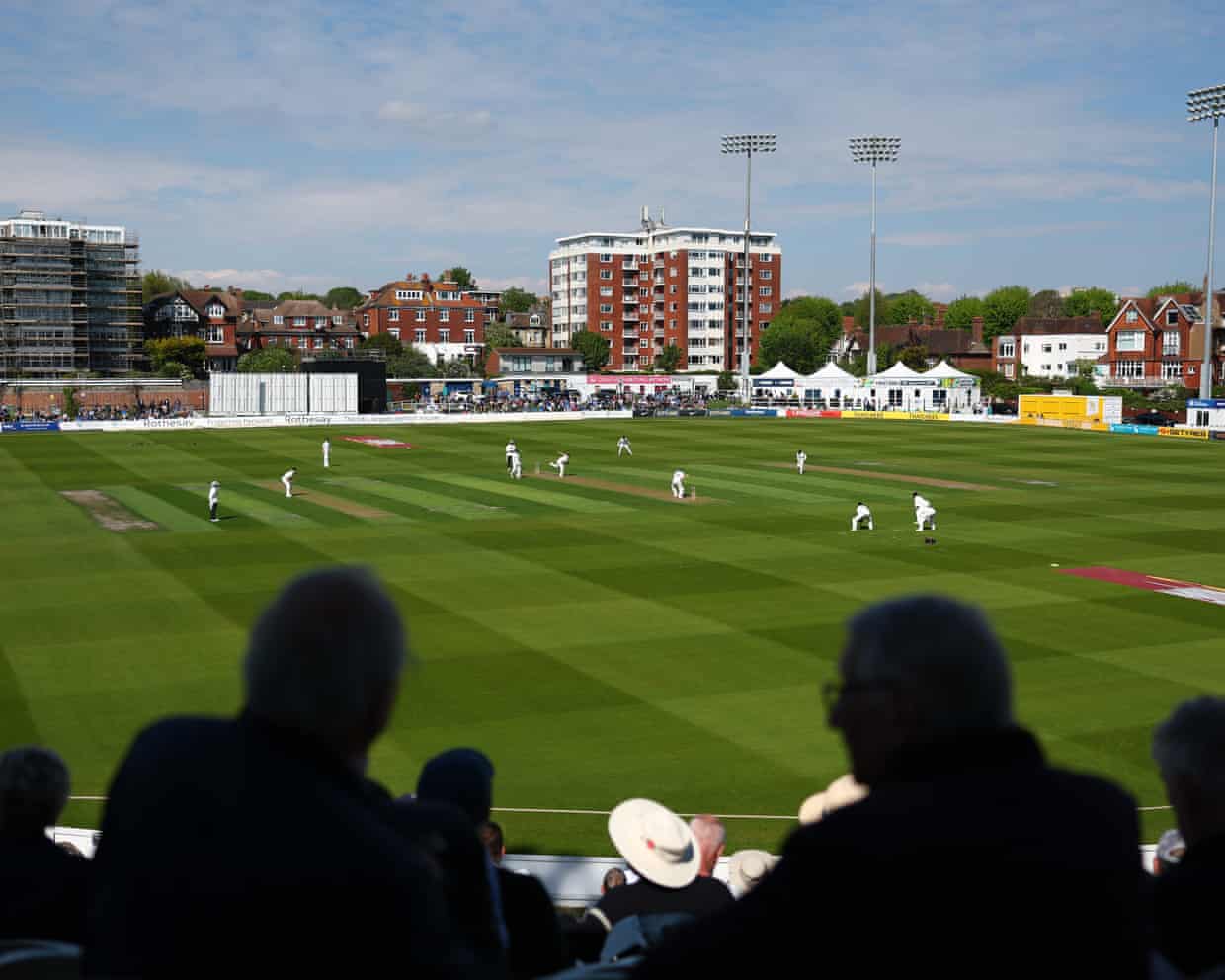
Counties face points deductions for financial losses under strict new ECB rules
Cricket counties will face automatic points deductions for making repeated losses under strict new financial rules that will be introduced next season.The Guardian has learned that the England and Wales Cricket Board is planning to bring in its own version of football’s profit and sustainability rules underpinned by points deductions in a shadow form next year to give counties time to adjust, before fixed punishments for clubs that fail to break even are introduced in 2028.The proposed new rules are understood to be similar to the financial framework operated by the Premier League and EFL, whose clubs are limited to making losses of £105m and £39m respectively over a rolling three-year period.The Premier League is dropping PSR next season in favour of new regulations that will cap player spending to 85% of a club’s football revenues, but the EFL’s profit and sustainability limits will remain in place.Under the ECB’s version of PSR, counties would be required to show they are running profitable businesses over a four-year period, with fixed tariffs in place for those that consistently lose money

Democrats are playing with fire in trying to reclaim tax cuts from Republicans

Oil prices climb after Trump dismisses Iran’s response to peace plan
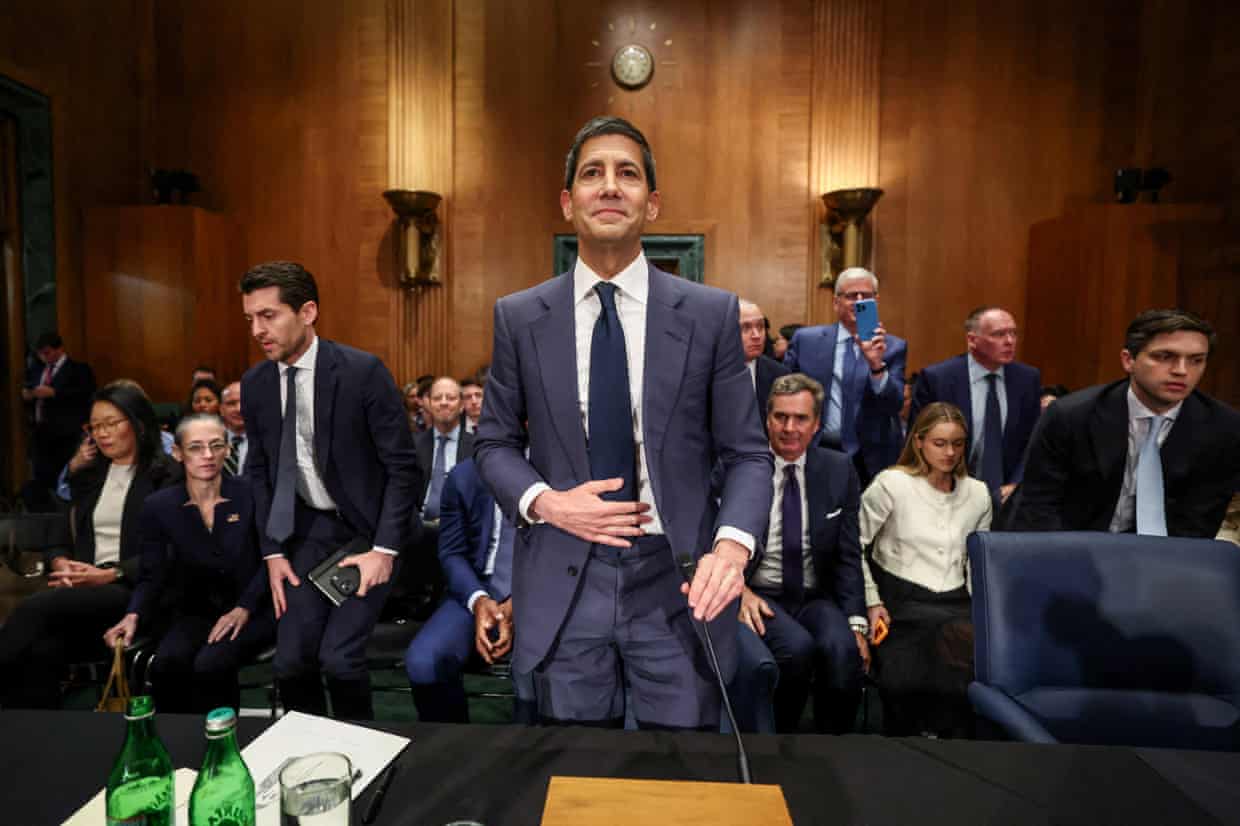
US Senate expected to confirm Kevin Warsh as next Federal Reserve chair

UK households bracing for new cost of living crisis, report finds

Delayed Great British Railways’ first station to open at Cambridge South in June

Full nationalisation of British Steel expected in king’s speech