How we can improve food security in Britain | Letters
Although I agree with George Monbiot’s analysis of the serious risks that we face from a breakdown in the UK food supply chain, there are two important points we need to recognise (We’re letting big corporations gamble with our lives,Act now, or the food could run out, 25 March),First, we must seek to increase food production on UK farms because this has been falling for several decades,Food self-sufficiency in the UK fell from 78% in 1984 to 62% in 2024,The decline is largely due to the loss of farmland to non-farming use: buildings, roads and railways, conservation and wildlife schemes, solar farms and recreation.
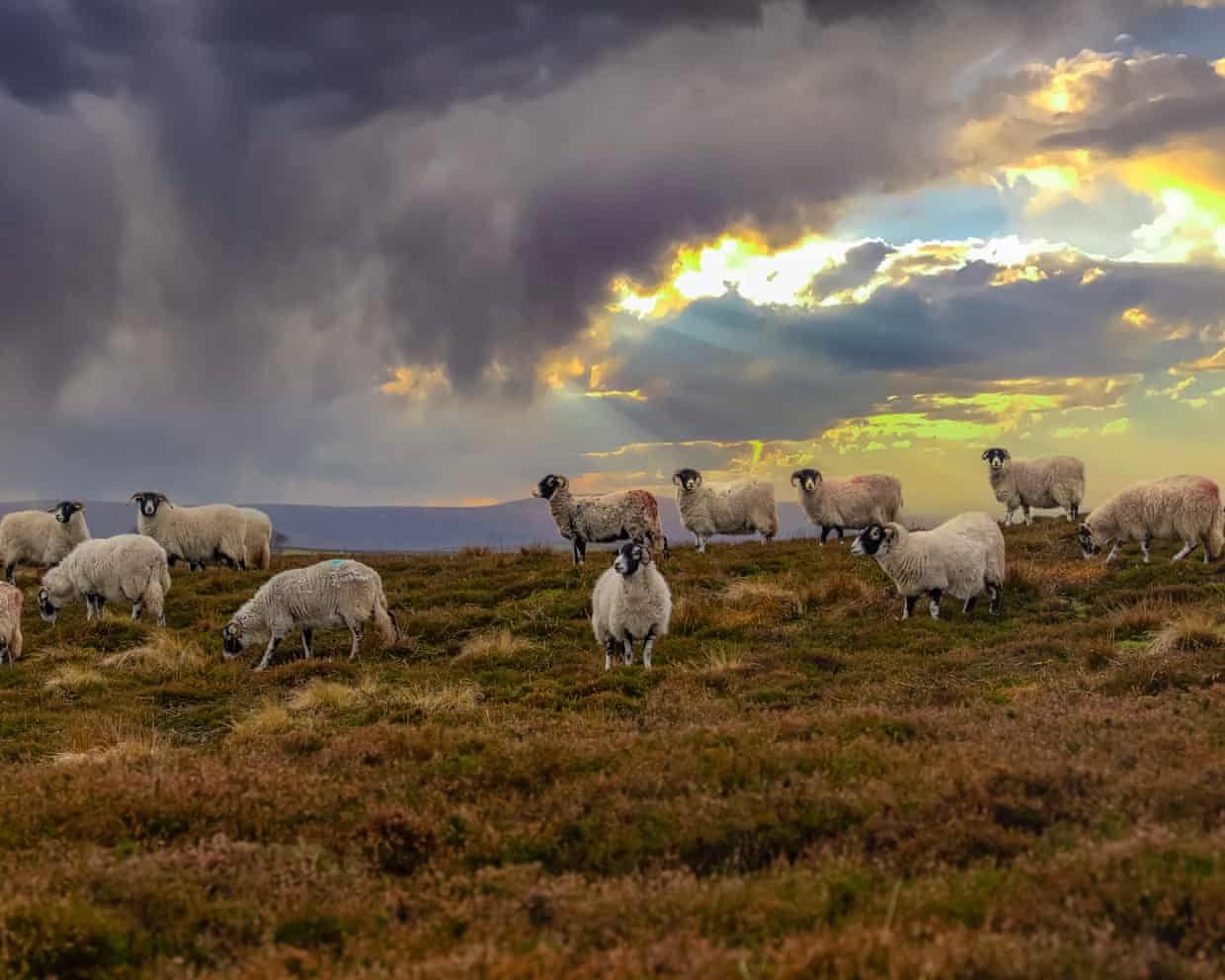
We need to plan for a scenario where imported food may not be readily available.Second, while we must encourage a more plant-based diet for health and environmental reasons, it is wrong to believe that this necessarily uses less land and resources than cow and sheep meat.Beef cattle and sheep are raised in the UK extensively on both improved and semi-natural grassland and mountain heath and bog.This land category makes up 38% of UK land area.This receives little fertiliser and no chemicals, and animals are fed around 80% on grazed and conserved grass.
Very little of this land could be used for any other type of cropping.We simply cannot afford to waste this food production resource that has little commercial alternative value.Richard HarveyOakham, Rutland I share George Monbiot’s concern about food supplies, but don’t lose hope – we can change things even as individuals.I would like to pass on the advice I was given many years ago: use your “loaf” when shopping and cooking.This means try to ensure that all your food ticks at least one of these boxes: local, organic, animal-friendly, fairtrade.
Grow what you can – it’s surprising what even a small garden can produce.Use seasonal products and support local ventures.Organic farmers avoid the use of synthetic fertilisers and the goods are better for us too, as is a diet with little or no meat.Fairtrade products benefit small producers that are already feeling the impact of the illegal war.And please, cook what you can rather than buying readymade meals.
Joy WebbPenistone, South Yorkshire Have an opinion on anything you’ve read in the Guardian today? Please email us your letter and it will be considered for publication in our letters section,
‘It feels like they’re pulling figures out of the sky’: UK pet owners welcome crackdown on vet fees
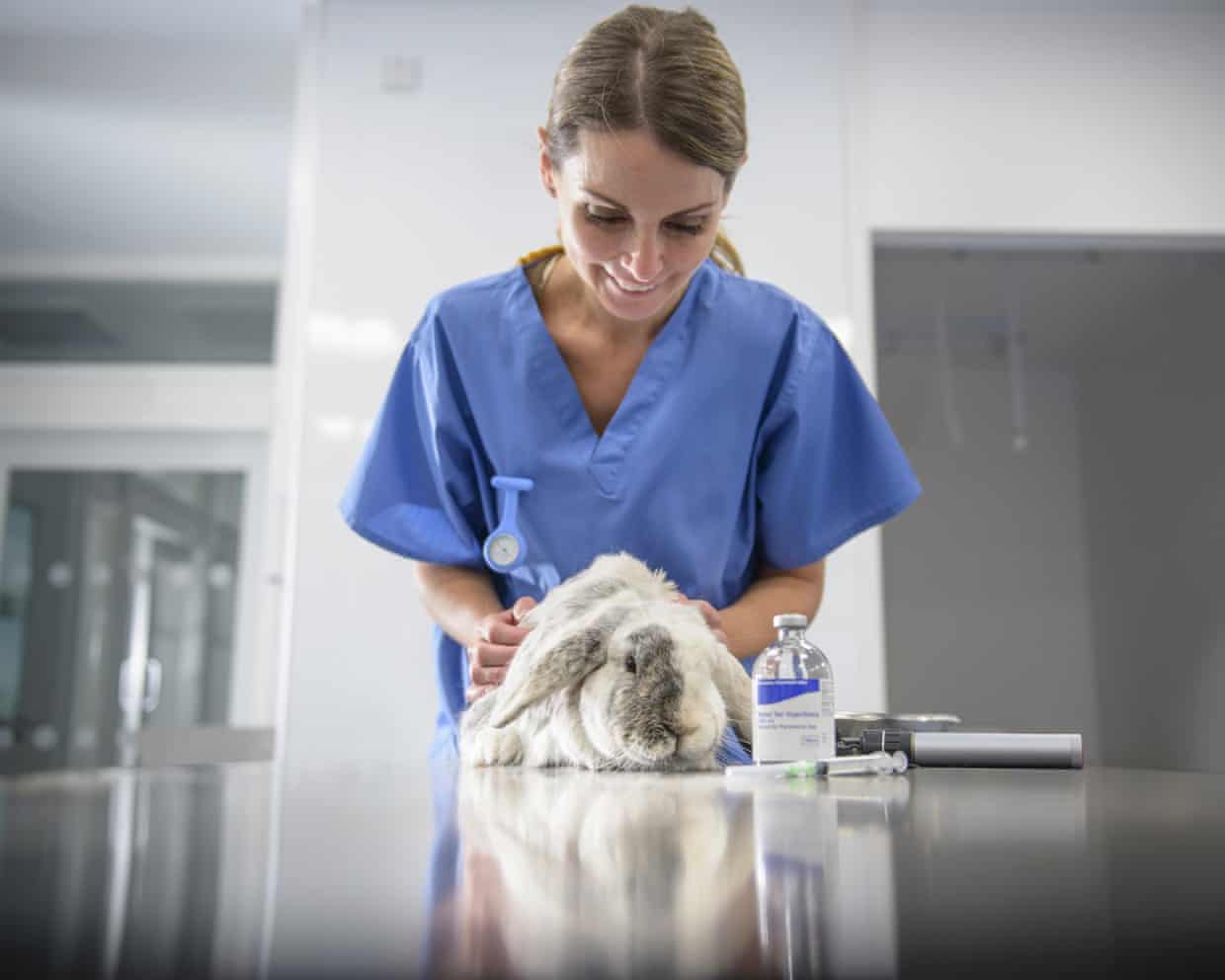
The UK’s competition watchdog has ordered vets to cap written prescription fees at £21, and practices will have to publish price lists in a crackdown on rising fees.The Competition and Markets Authority also said a costcomparison website would be introduced to increase competition and drive down costs.These are just some of the measures due to come into force later this year.The Guardian spoke to pet owners in the UK about their experiences with vet bills. Many felt prices had increased so much that they were becoming difficult to afford

Hundreds of North Sea licences granted by Conservatives have ‘so far produced only 36 days worth of gas’
Hundreds of licences granted for new oil and gas projects in the North Sea under the Conservatives have so far produced only 36 days’ worth of gas, according to analysis.Research by the energy consultancy Voar and the campaign group Uplift found that between 2010 and 2024, the government handed out hundreds of new North Sea oil and gas licences in seven licensing rounds.This led to 20 new and relicensed fields that have the potential, over their lifetime, to produce enough gas to supply the UK for only six months. To date they have produced the equivalent of 36 days of extra gas.The findings cast doubt on claims by Reform UK and the Conservatives that new drilling licences in the North Sea would help to reduce energy bills and boost the UK’s energy security

UK ‘weeks away’ from medicine shortages if Iran war continues, experts say
Britain is “a few weeks away” from medicine shortages ranging from painkillers to cancer treatment if the Iran war continues, according to experts, while drug prices could also rise.The conflict has disrupted the supply of a myriad of crucial raw materials, including oil, gas, crop fertiliser and helium – and health essentials could be next.David Weeks, the Texas-based director of supply chain risk management at the analytics group Moody’s, said: “It’s the perfect storm. We have the conflict in the Gulf that caused the strait of Hormuz to shut down, and India is known as the pharmacy of the world. They produce a lot of the generic [off-patent] drugs and APIs [active pharmaceutical ingredients]

Wall Street hits six-month low and Dow falls into correction as Trump ‘appears to lose his grip on markets’ – as it happened
The US stock market has dropped to its lowest level since last September, as analysts warn that president Trump may be losing his grip on the markets.The S&P 500 index has dropped by 0.8% today to 6,425 points, adding to Thursday’s 1.75% fall on the benchmark US stock market index.The tech-focused Nasdaq index is down 1%, also at a six-month low
Lloyds bank faces £66m court battle with car loan customers
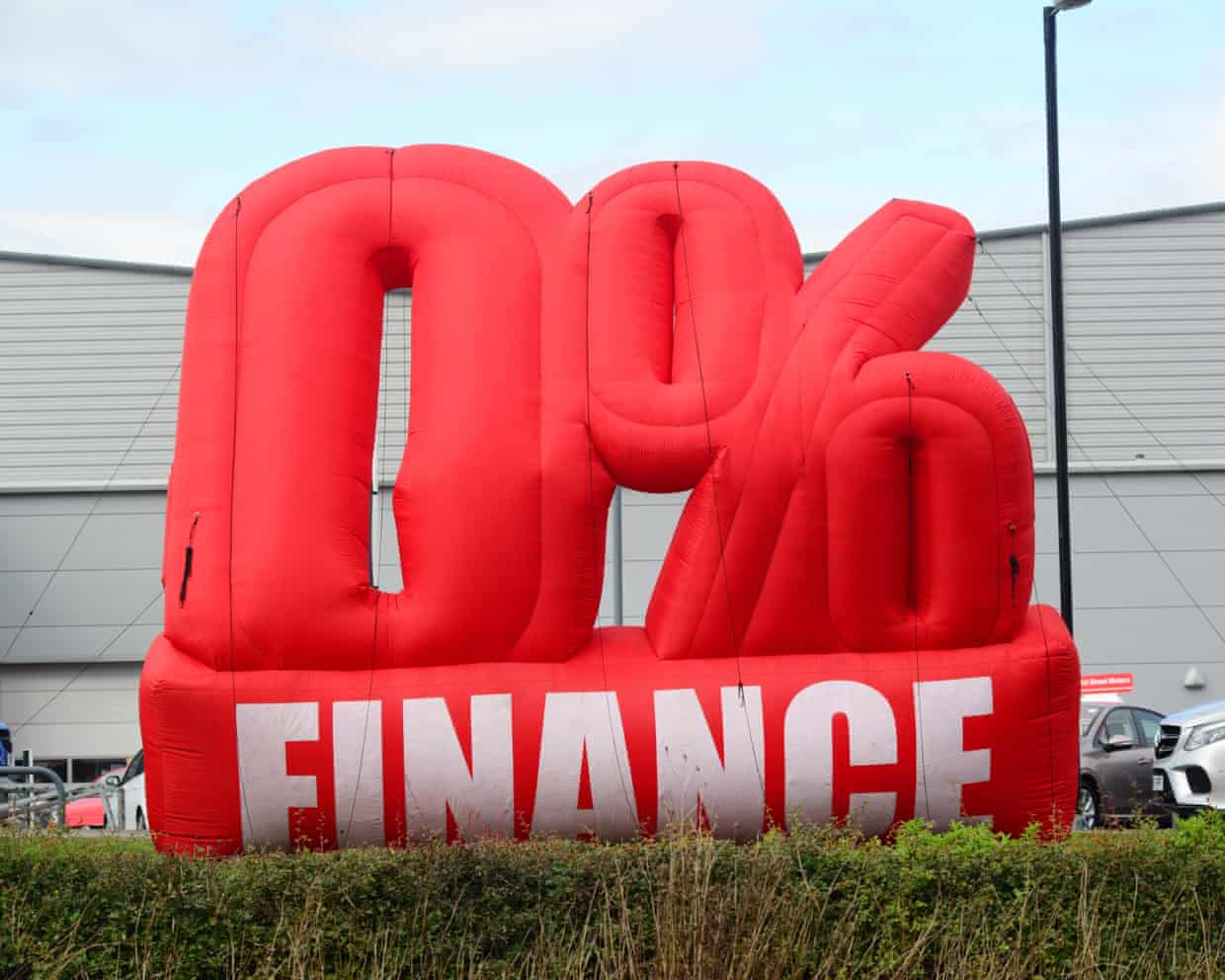
Lloyds Banking Group is facing a court battle with 30,000 aggrieved car loan customers who are to abandon the City regulator’s official redress scheme amid fears it will shortchange consumers and favour lenders.The claims law firm Courmacs Legal is planning to file a £66m omnibus claim on behalf of borrowers who believe they were financially harmed by car loan contracts set up by Lloyds’ motor finance arm, Black Horse.The grievances are part of a much wider car loans commission scandal, in which drivers were overcharged for their loans due to unfair commission arrangements between lenders and car dealers.However, the omnibus case, which is expected to be filed in the coming weeks, means consumers are deciding to pre-emptively waive their rights to the Financial Conduct Authority’s (FCA) estimated £11bn compensation scheme, even before the final details are due to be set out on Monday. That is despite claims law firms such as Courmacs taking a 28% cut of any potential payout
UK government borrowing costs hit 5% as Iran war fuels bond market sell-off
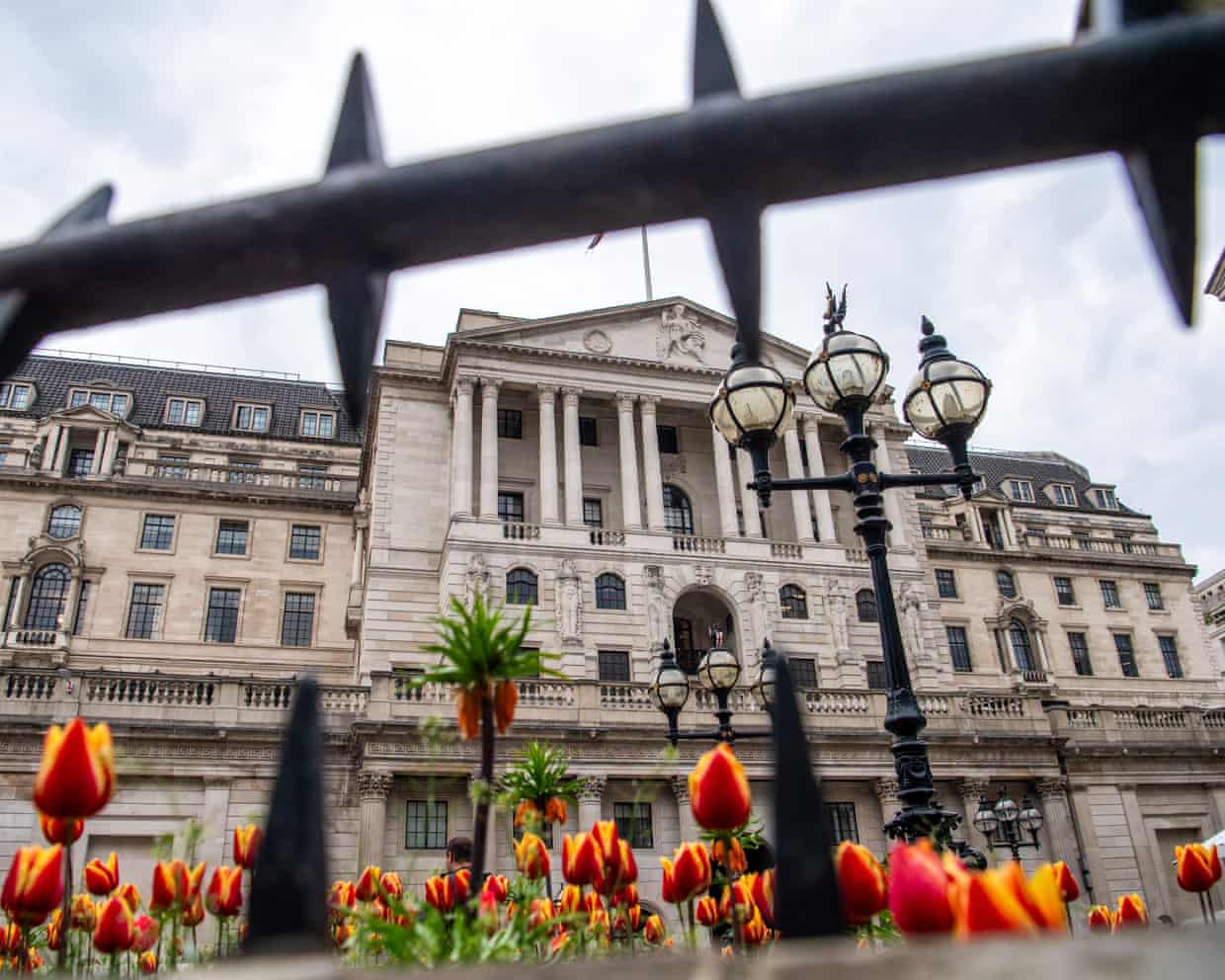
UK government borrowing costs have risen above 5% amid an intensifying global bond market sell-off fuelled by the Iran war.The yield – or interest rate – on 10-year debt hit its highest level since the 2008 financial crisis, rising 13 basis points to 5.081%, as investors acted on concerns about the economic fallout from the conflict.Borrowing costs also rose for the US and eurozone governments, underscoring growing turbulence in the global financial system after Donald Trump’s extension of a deadline for a peace deal failed to soothe jittery investors.Financial markets worldwide slumped on Friday, extending falls seen since the outbreak of the war, with losses in London and across major US and EU trading hubs
Ready to order? 10 rules for UK’s restaurant diners

Is foraging really feasible to feed myself?

Benjamina Ebuehi’s recipe for lemon lamington cake | The sweet spot

Aperitivo or dinner? Portuguese whites are always right

From basil to pistachio and peas – in praise of pesto, whichever way you make it

Anything but eggs – the best chocolate for Easter