Just the tonic: why it’s more than a mixer
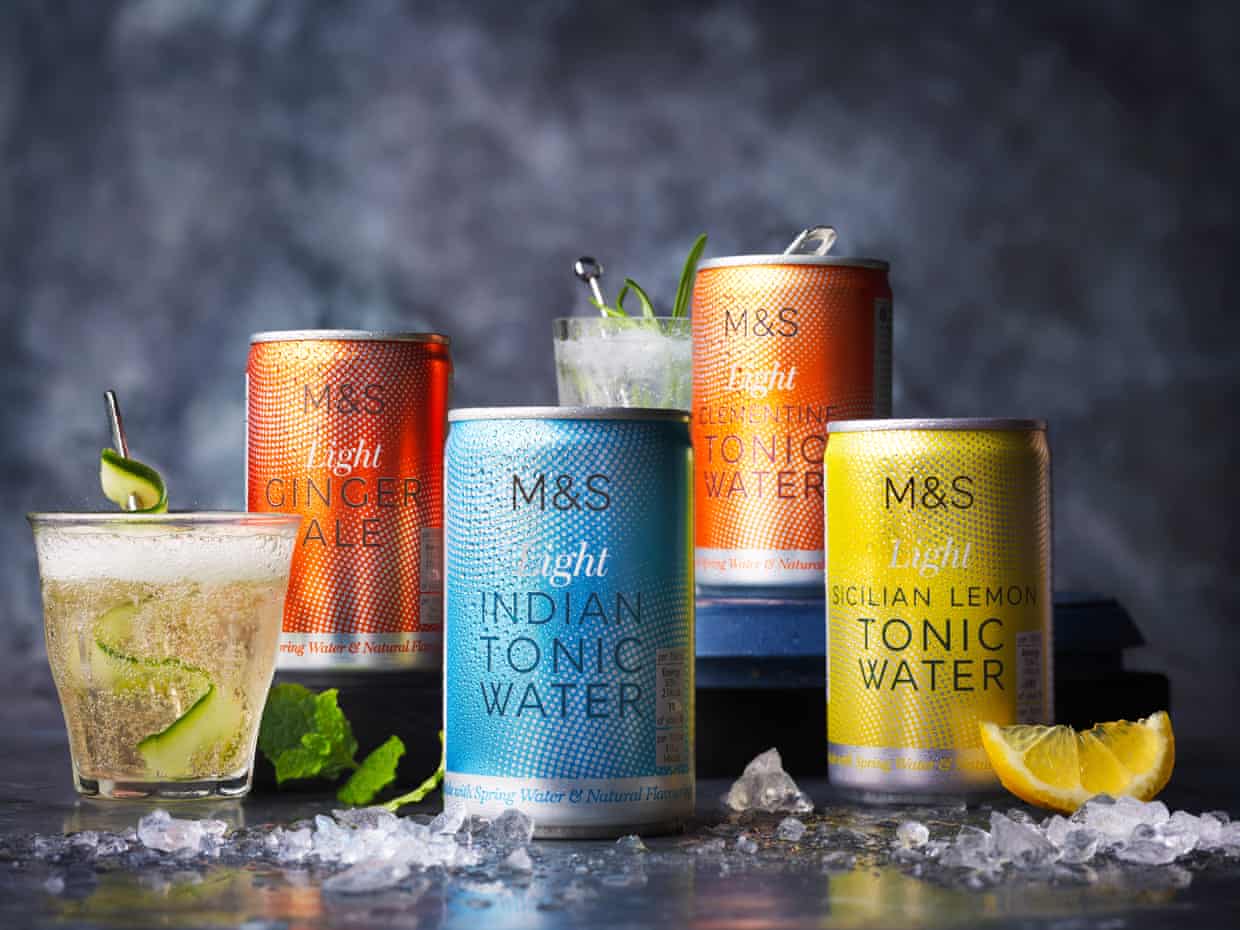
If a tonic is something that “makes you feel stronger and happier”, my tonics come in the form of good wine, bad chocolate and an ageing whippet called Ernie,Recently, though, I’ve found myself craving the OG tonic – tonic water – which started life as a malaria treatment in the age of the British empire,The Guardian’s journalism is independent,We will earn a commission if you buy something through an affiliate link,Learn more.
In the 17th century, Jesuit missionaries brought quinine, a bitter compound found in the bark of American cinchona trees, to Europe.They knew that indigenous people had been using it to treat fevers, and by the 1700s it was routinely being used as an antimalarial in tropical colonies.But there was a snag: quinine is unpalatable.To offset its impossible bitterness, it was combined with water and sugar to make a drink that enabled those stationed in the tropics to self-medicate every day.By the Victorian times, that self-medication had taken on a different aspect; not only had tonic water become fizzy, but it was routinely combined with gin for a drink now emblematic of the British Raj.
So tonic water is nothing new,But it is having a moment, and partly because collectively we have acquired a taste for bitter drinks,The Waitrose Food and Drink Report 2025/2026 heralded tonic as “the new gin”, acknowledging that it now comes in a plethora of flavour profiles – each with different “notes”, as people might talk about the profiles of different gins – and also that it is increasingly consumed on its own, without any gin at all,I can vouch for this latter point,Not being much of a gin drinker (I can’t explain it), G&Ts have always been a bit lost on me, but neat tonic has become my thirst-quencher of choice.
Or, perhaps, with Campari/vermouth/dry sherry/a few drops of bitters.Tonic is more grown-up than lemonade, more interesting than fizzy water, and there is something chic about cracking open your own mini tinny.Format is important, though, and I’m sure this is another reason for tonic water 2.0.Small, single-serve cans popularised by market leader Fever-Tree make for a fresher, fizzier drink.
Generally speaking, I have a taste for lighter tonics (i,e,those with less sugar) because I enjoy the bitterness,I’m not sure there’s much between them, but I’m a stickler for semantics, and prefer to be identified as a drinker of “light” rather than “slimline” or, worse, “skinny” tonics, which are patronisingly marketed towards women,And then there are sweet, flavoured numbers, a far cry from the bitter tonics which have won my heart.
Grapefruit and rosemary (London Essence ), pink citrus (Artisan) and rhubarb and raspberry (Fever-Tree)...I do love San Pellegrino’s more complex Oakwood Tonic, though: a tonic of a tonic if ever there was one.Schweppes Indian Tonic Water £6.
35 for 12 x 150ml, Sainsbury’s.The original T to the G in Britain’s favourite sundowner.Double Dutch Skinny Tonic Water £3.90 for 6 x 150ml, Ocado.An excellent light tonic, neat or mixed.
Fever-Tree Mediterranean Tonic Water £5,35 for 8 x 150ml, Waitrose,A superior mixer for balmy evenings,Whiff of lemon thyme and rosemary,San Pellegrino Oakwood Tonic £3.
90 for 4 x 200ml, Ocado.Hints of oak bark accompany quinine – said to enhance a gin, but I love this solo.
Andy Simpson, the unluckiest England rugby player in history, finally gets his Test cap
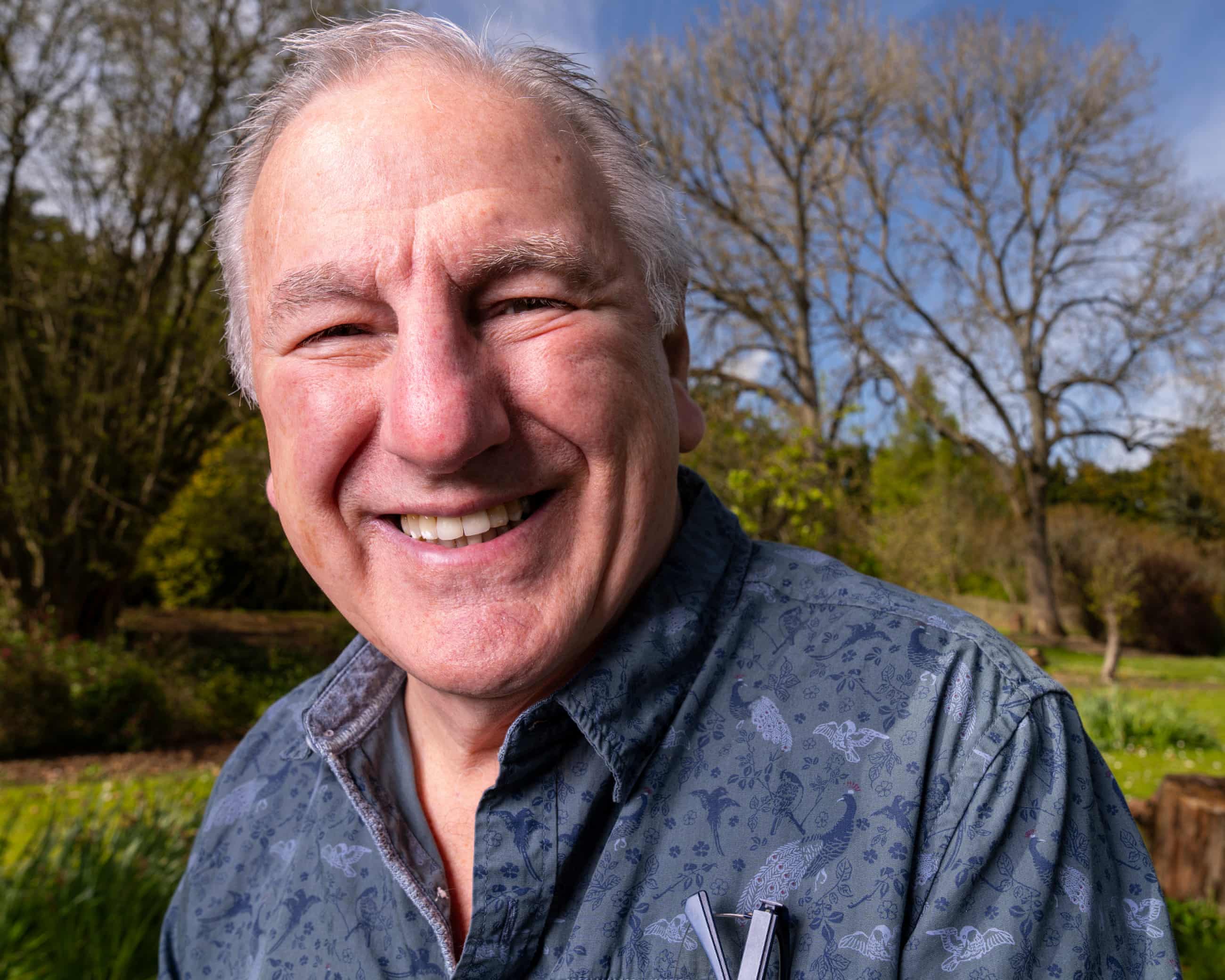
Longsuffering hooker, who warmed bench for 21 Tests and lost part of a thumb, is getting RFU recognition at lastInitially, Andy Simpson thought it was a Saturday morning wind-up. Someone from the Rugby Football Union museum was phoning to tell him that, at the age of 71, he was finally a capped England player. Given he had retired without featuring in an officially recognised Test – “the first thing you think is: ‘Who’s taking the mickey here?’” – his scepticism was understandable.But no, it was totally legit. Simpson is among 47 former players now basking in a warm, rosy glow that had previously eluded them
Will revival of Crystal Palace’s ‘hallowed turf’ create more athletics history?
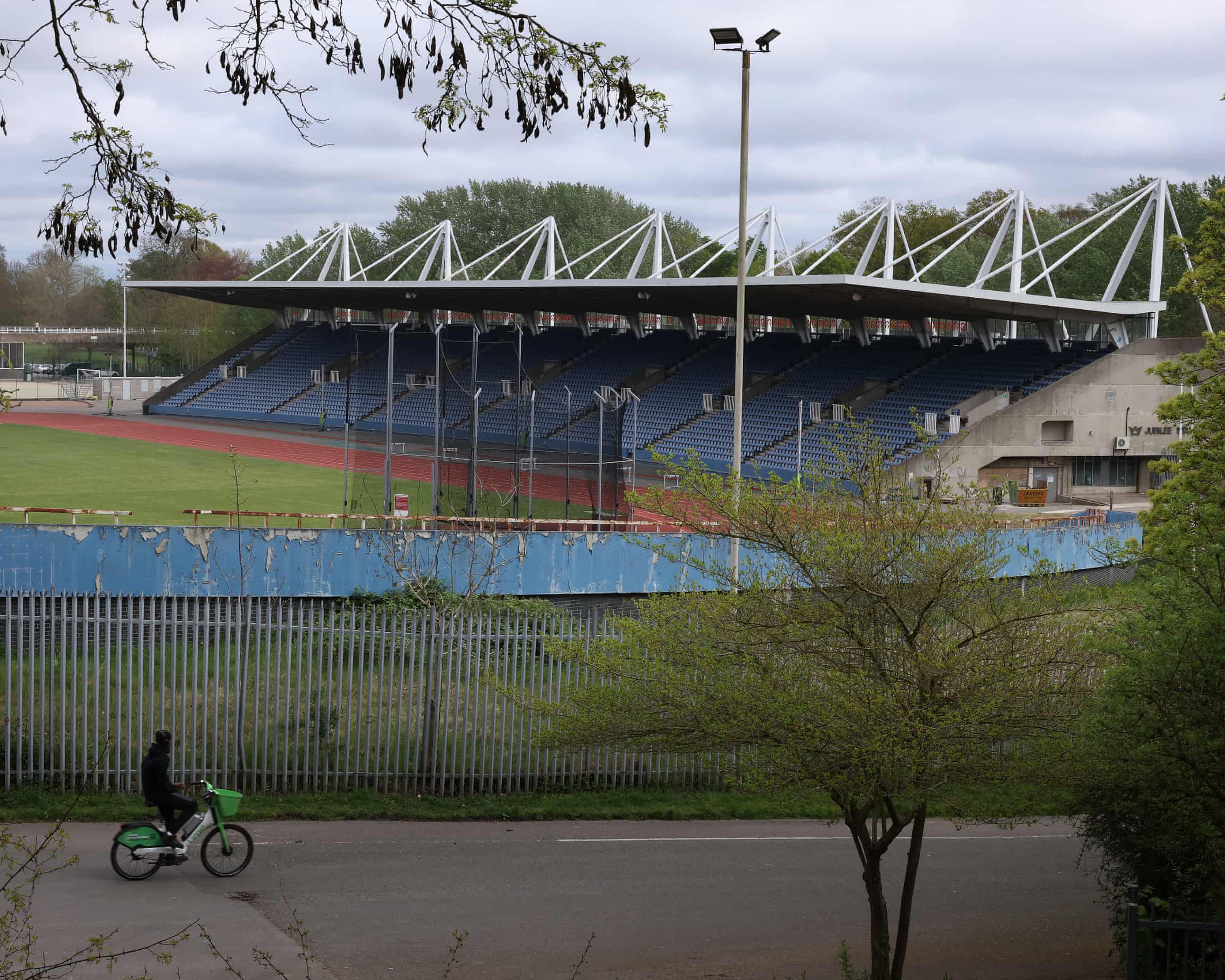
Redevelopment of the National Sports Centre would be a boost to locals and those who have fought for its return“There were trees growing out of the main stand and on the indoor track and no one was doing anything about it,” says John Powell of the groundswell of despair at a crumbling Crystal Palace barely a couple of years after the Olympics were hosted to acclaim on the other side of London.A month before Sir Mo Farah secured his second gold of London 2012 on Super Saturday, he had swept to victory in the 5,000m when Crystal Palace hosted its final London Grand Prix. But that summer’s Games appeared to signal the beginning of the end for the venue that had been the home of British athletics for the previous two decades and beyond.It was not only the stadium where Dave Bedford set his 10,000m world record in 1973 and Steve Backley threw the javelin more than 90m in 1990 that had fallen into disrepair. Pretty much everyone who used the Grade II-listed sports centre that was built in 1964 was complaining it was in desperate need of renovation after years of neglect

The secret is out as Wests Tigers threaten to end 15-year NRL finals drought | Jack Snape
They are the story of the young NRL season, a team that has risen to second place – equal first on points – and demonstrated both grit and flair during a winning run that threatens to end a 15-year finals wait.The secret is out for these reconstituted, red-hot Wests Tigers. Just don’t call it a revival.“I don’t know if there’s a secret, I don’t know if it’s a revival either,” says Api Koroisau, trying to keep a lid on long-suffering fans’ growing excitement. “We’re, sort of, just out there playing week to week and, yeah, trying to play some good footy
LIV Golf meeting in New York fuels speculation over rebel tour’s future
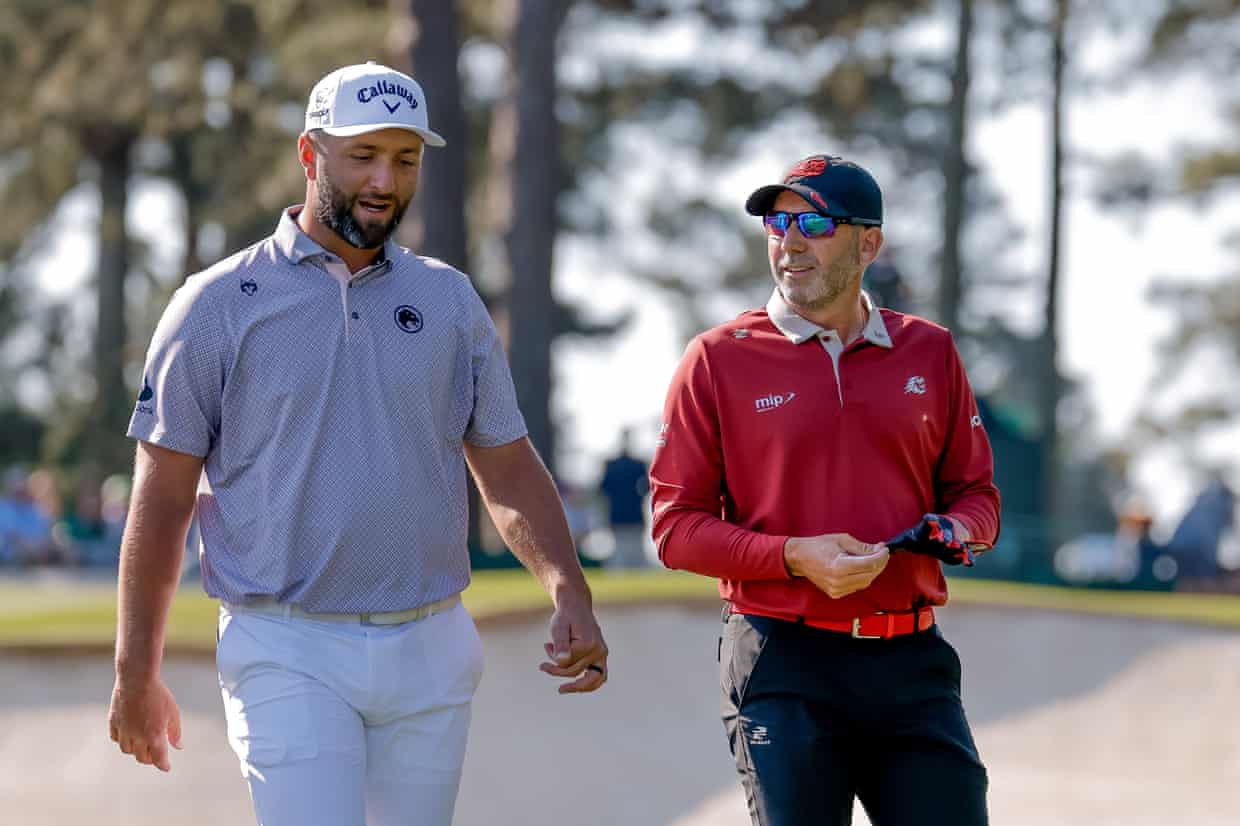
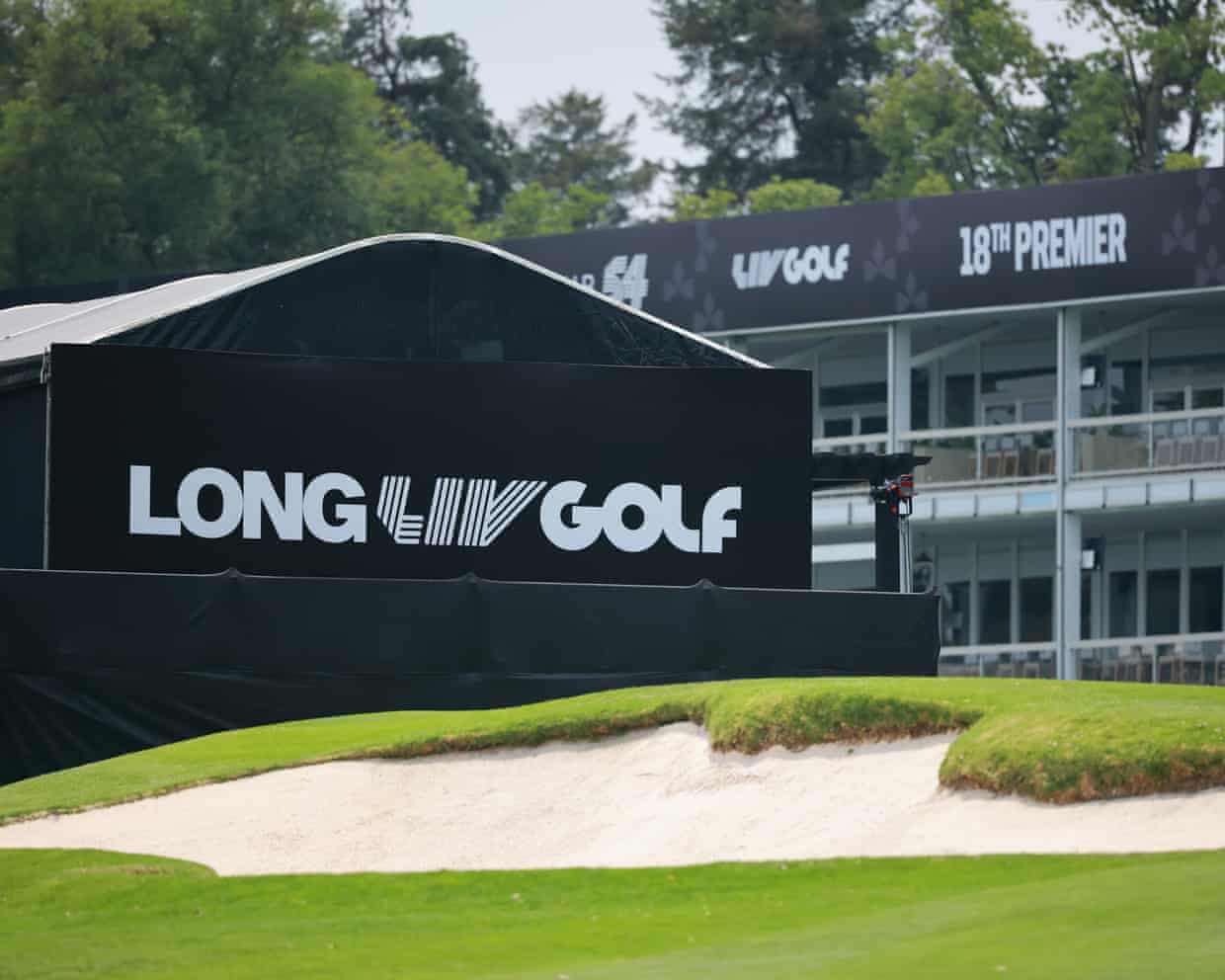
The future of LIV Golf is in doubt, with Saudi Arabia’s Public Investment Fund preparing to cut funding for the $5bn rebel tour.LIV executives were late arriving at the tour event in Mexico City this week after being called up to a meeting in New York, with uncertainty over the immediate future first emerging at the Masters in Augusta last weekend. Rumours that LIV could even be shut down had begun to circulate on social media on Tuesday evening, with officials from the tour declining to respond.The sixth event of LIV’s fifth season City will go ahead as planned on Thursday in Mexico, but it has been overshadowed by widespread reports that PIF plans to withdraw the tour’s funding. LIV has been under pressure for some time due to its inability to agree a merger with the PGA Tour three years after signing a so-called “framework agreement,” with that standoff compounded by PIF’s desire to cut costs
Sir Craig Reedie obituary
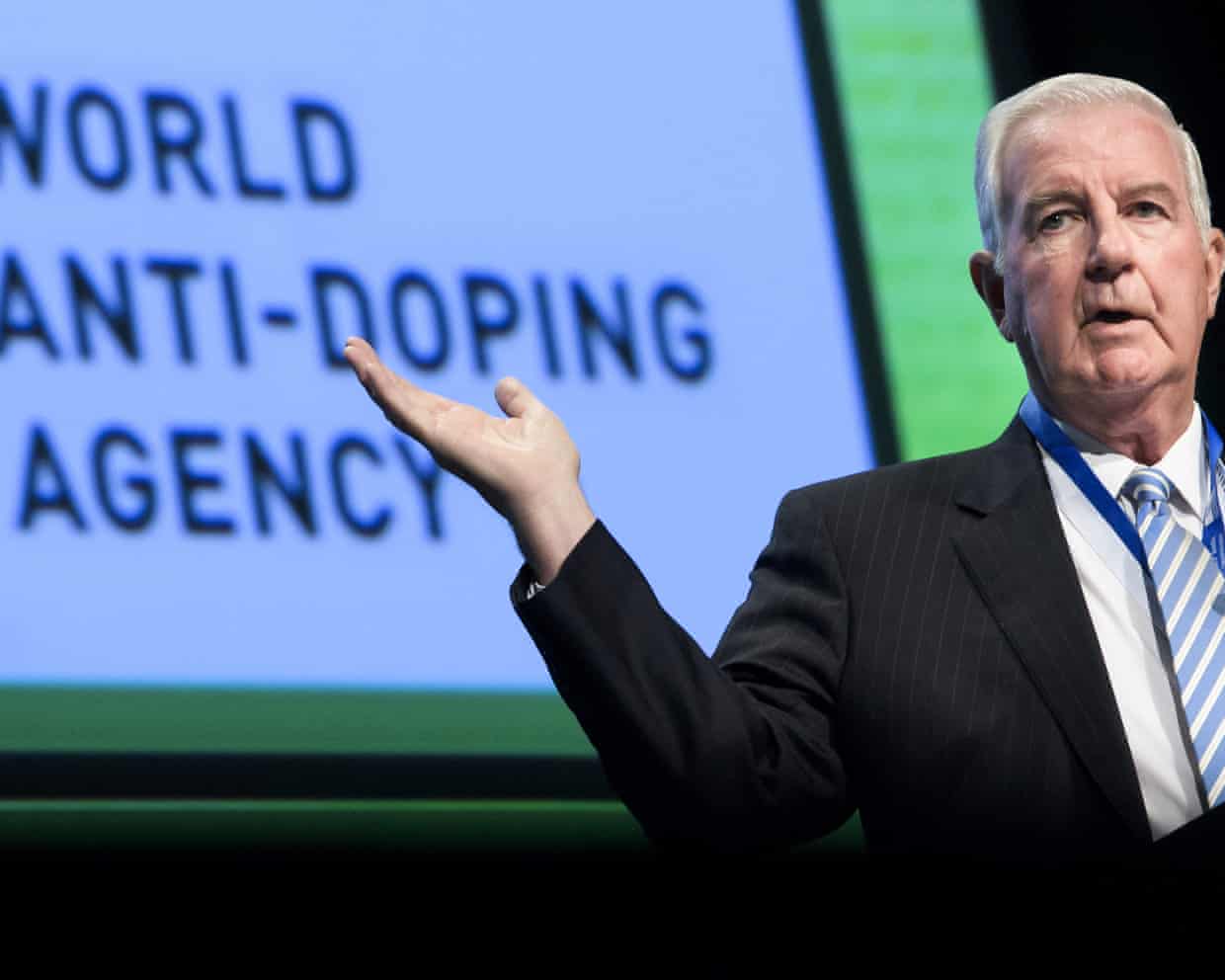
Sir Craig Reedie, who has died aged 84, was a key figure in London’s successful bid to stage the 2012 Olympics. As a member of the London Organising Committee for the Olympic Games from 2005 to 2013, he formed a brilliantly effective campaign partnership with Sebastian Coe, the bid leader, doing much crucial work behind the scenes, first by helping to win the support of British politicians and then by marshalling the all-important votes of Olympic delegates who would determine where the Games would go.Coe, to whom Reedie was a long-time mentor, was under no illusion that without the older man’s diplomatic skills and influential presence within the Olympic and Paralympic movement, which he had developed earlier as chair of the British Olympic Association (BOA), London might never have won the right to host the 2012 Games.Reedie chaired the BOA between 1992 and 2005, and from 1994 was also a member of the International Olympic Committee (IOC), ultimately serving as its vice-president from 2012 to 2016. A passionate advocate of drug-free competition (“there’s no point in any of it if the sport is not clean”), he became a founder board member of the World Anti-Doping Agency (Wada) in 2000, rising to be its president from 2014 to 2019, and a thorn in the side of those who tried to gain advantage by taking performance enhancing substances
Unhappy Verstappen ‘has to be listened to’ over new rules, says F1 chief Domenicali
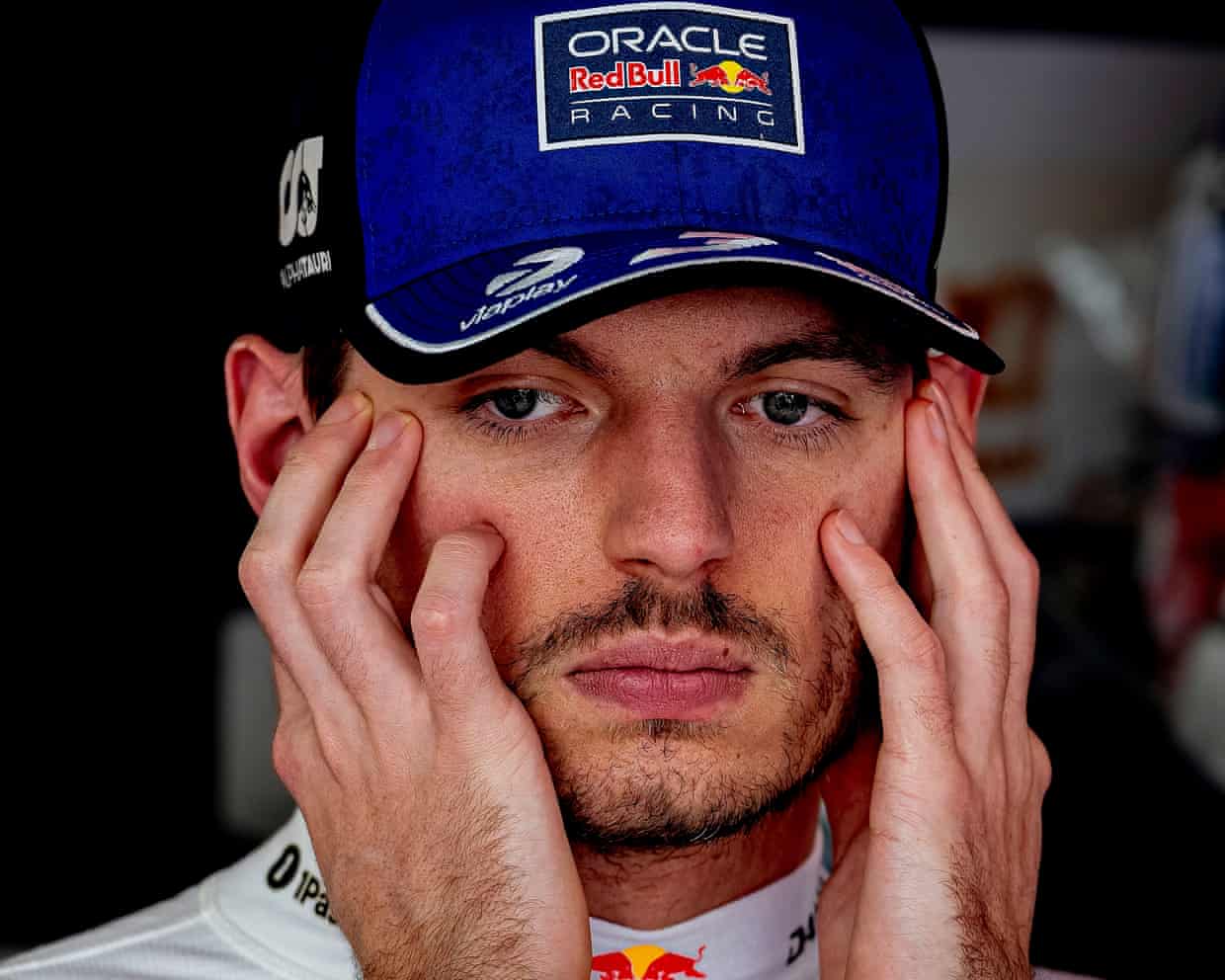
Formula One must listen to Max Verstappen’s grievances about the sport’s new regulations and their effects on racing, according to F1’s CEO, Stefano Domenicali. His intervention comes as key players hold meetings to consider adjusting the rules for the remainder of the season.Verstappen has been outspoken in his dissatisfaction with the new formula and the part energy management now plays in preventing being able to race flat-out. The four-time champion is not alone in his feelings with other drivers also critical of the deployment and recharging of electrical energy.Verstappen, one of F1’s biggest names, has been so disenchanted, however, that he has repeatedly suggested he is considering his future in F1 and Domenicali confirmed he had been speaking to the Dutchman and other drivers about their concerns

Metro Bank boss handed record £2.6m after slashing 1,000 jobs

Europe has ‘maybe 6 weeks of jet fuel left,’ energy agency head warns – business live

NAACP lawsuit accuses Elon Musk’s xAI of polluting Black neighborhoods near Memphis

Fisa surveillance vote sparks fierce debate as Congress splits on warrantless monitoring

Gout Gout may be bigger than Cathy Freeman, but he alone is not athletics’ elixir
LIV Golf insists season will go ahead ‘at full throttle’ amid doubts over future