U-turn on pubs has not solved the government’s mess on business rates | Nils Pratley
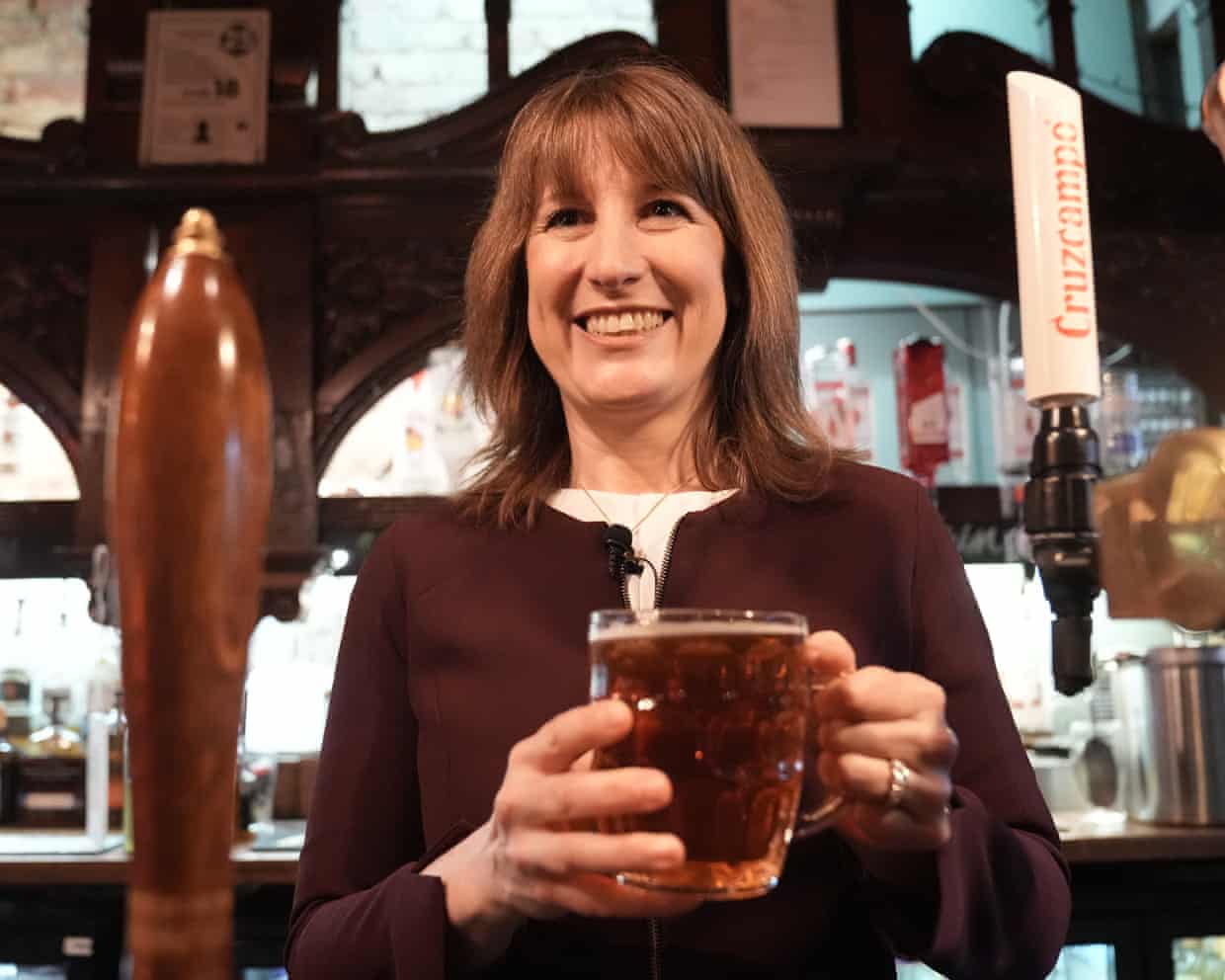
Will the chancellor’s inevitable U-turn on business rates for pubs be enough to quieten the developing riot behind the taps? Possibly, a bit.After two months of damaging headlines, Rachel Reeves has granted pubs a 15% discount on bills, worth £1,650 on average in the next tax year, then a two-year freeze in real terms, with the promise of a change in methodology in time for the next revaluation in 2029.Live music venues get the same deal.The package is not insignificant, especially as it was the year-three escalation in bills that was causing the most angst.Yet it would be a mistake to think the government’s troubles on business rates end there.
First, and most significantly, the rest of the hospitality industry got nothing extra in Tuesday’s announcement beyond a similar pledge to rethink valuation methods for hotels in future,Those restaurants, cafes and hotels represent six out of seven of the 3,5m jobs in the overall hospitality sector, and some figures cited by the employers’ trade body, Hospitality UK, for average increases in business rates over the next three years were truly exceptional – try 115% for a hotel in England,If dire warnings about closures and job losses are correct, Reeves may have to suffer the embarrassment of fiddling again with business rates in her autumn budget,Second, this saga will intensify the complaint from one corner of the business world that the government is interested only in the eight “high-growth” sectors within its modern industrial strategy and that everybody outside the tent is an afterthought.
Certainly, the Treasury seems to have failed to anticipate the cries of outrage from the hospitality sector.Perhaps it didn’t model the impacts in sufficient detail.Reeves managed to annoy everybody by boasting about creating the “lowest rates since 1991” when she was referring solely to the so-called multiplier applied to rateable values, which is only one of three critical inputs into the formula.The multiplier reduction was genuine but was overwhelmed in many cases by increases in rateable values themselves from depressed pandemic levels, plus the withdrawal of temporary Covid-era relief.We can probably agree that Covid support had to go at some point, but you can’t blame publicans and restaurateurs for being interested in their overall bills rather than the calculation mechanics and tapers.
The backdrop, after all, is increases in other fixed costs in recent years – energy, wages, employers’ national insurance contributions after the 2024 budget, and so on.Those separate cost pressures are the reason why this row exploded out of all proportion to the significance of business rates themselves.The Treasury should have seen it coming.MPs should look into how the shambles happened.Then there’s the fact that Labour, in its manifesto, promised to replace the whole business rates system on the grounds that the current set-up “disincentivises investment, creates uncertainty and places an undue burden on our high streets”.
In office, however, it has continued with the current structure with adjustments aimed at helping smaller premises.The tweaks may be well intentioned but they do not add up to the promised switch to a fairer regime.In the government’s defence, it inherited a mess from successive Tory governments that opted for sticking-plaster fixes, as Mel Stride, the shadow chancellor, would do better to admit.Change is also technically hard: business rates raise serious money (a projected £37bn in 2026-27) that central and local government needs.Every revaluation in the three-yearly cycle causes aggro of some form – outcomes too often feel arbitrary.
But the solution is to model sector-by-sector impacts precisely, spot problems before they arise, avoid overselling the changes you are making and recognise the wider trading environment.Better still, get on and do the fundamental reform you promised.

‘Wake up to the risks of AI, they are almost here,’ Anthropic boss warns
Humanity is entering a phase of artificial intelligence development that will “test who we are as a species”, the boss of the AI startup Anthropic has said, arguing that the world needs to “wake up” to the risks.Dario Amodei, a co-founder and the chief executive of the company behind the hit chatbot Claude, voiced his fears in a 19,000-word essay titled “The adolescence of technology”.Describing the arrival of highly powerful AI systems as potentially imminent, he wrote: “I believe we are entering a rite of passage, both turbulent and inevitable, which will test who we are as a species.”Amodei added: “Humanity is about to be handed almost unimaginable power, and it is deeply unclear whether our social, political, and technological systems possess the maturity to wield it.”The tech entrepreneur, whose company is reportedly worth $350bn (£255bn), said his essay was an attempt to “jolt people awake” because the world needed to “wake up” to the need for action on AI safety
Tech giants head to landmark US trial over social media addiction claims
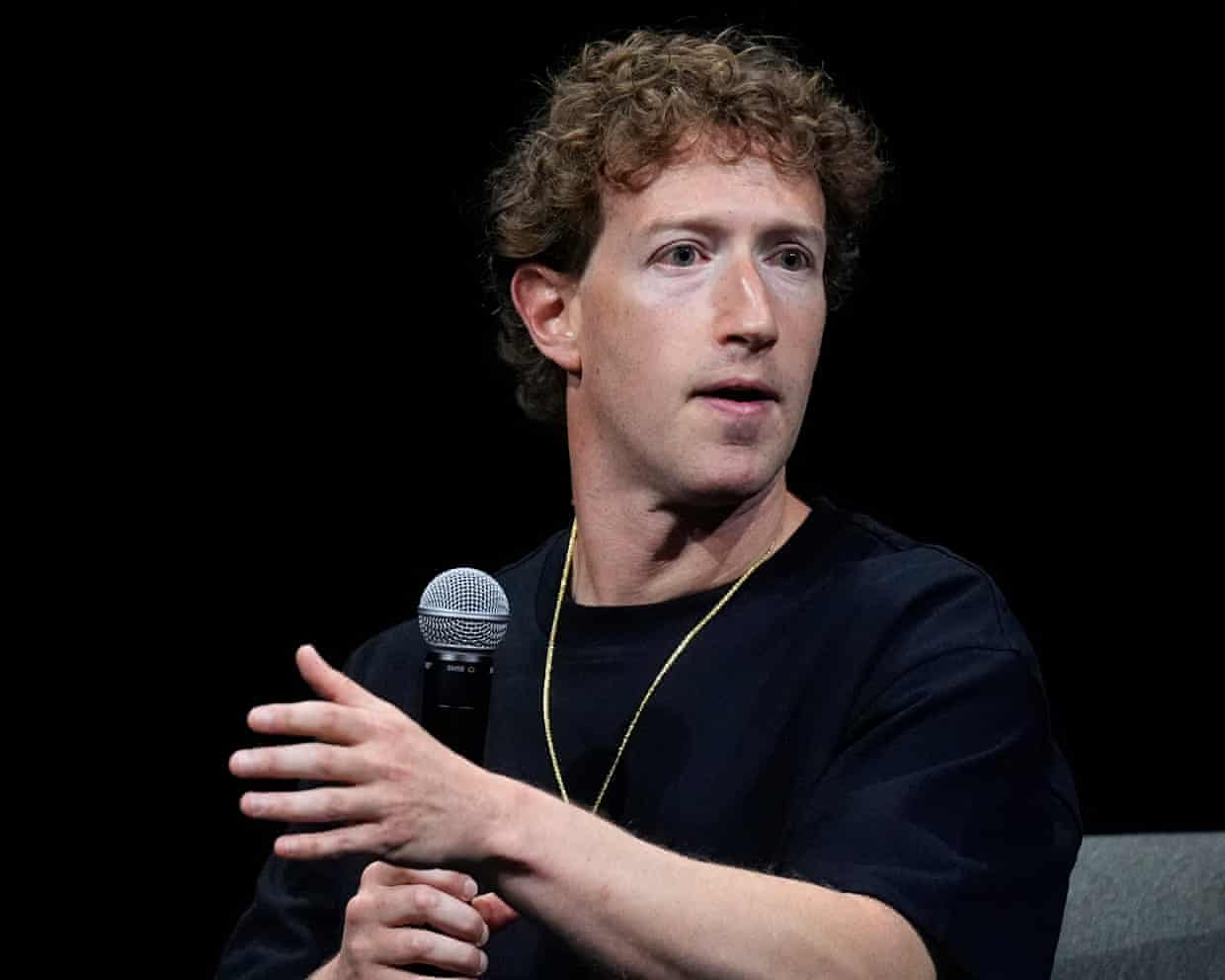
For the first time, a huge group of parents, teens and school districts is taking on the world’s most powerful social media companies in open court, accusing the tech giants of intentionally designing their products to be addictive. The blockbuster legal proceedings may see multiple CEOs, including Meta’s Mark Zuckerberg, face harsh questioning.A long-awaited series of trials kicks off in Los Angeles superior court on Tuesday, in which hundreds of US families will allege that Meta, Snap, TikTok and YouTube’s platforms harm children. Once young people are hooked, the plaintiffs allege, they fall prey to depression, eating disorders, self-harm and other mental health issues. Approximately 1,600 plaintiffs are included in the proceedings, involving more than 350 families and 250 school districts
California governor Gavin Newsom accuses TikTok of suppressing content critical of Trump
California governor Gavin Newsom has accused TikTok of suppressing content critical of president Donald Trump, as he launched a review of the platform’s content moderation practices to determine if they violated state law, even as the platform blamed a systems failure for the issues.The step comes after TikTok’s Chinese owner, ByteDance, said last week it had finalised a deal to set up a majority US-owned joint venture that will secure US data, to avoid a US ban on the short video app used by more than 200 million Americans.“Following TikTok’s sale to a Trump-aligned business group, our office has received reports, and independently confirmed instances, of suppressed content critical of President Trump,” Newsom’s office said on X on Monday, without elaborating.“Gavin Newsom is launching a review of this conduct and is calling on the California Department of Justice to determine whether it violates California law,” it added.In response, a representative for the the joint venture for TikTok in the US pointed to a prior statement that blamed a data centre power outage, adding, “It would be inaccurate to report that this is anything but the technical issues we’ve transparently confirmed

Georgia leads push to ban datacenters used to power America’s AI boom
Lawmakers in several states are exploring passing laws that would put statewide bans in place on building new datacenters as the issue of the power-hungry facilities has moved to the center of economic and environmental concerns in the US.In Georgia a state lawmaker has introduced a bill proposing what could become the first statewide moratorium on new datacenters in America. The bill is one of at least three statewide moratoriums on datacenters introduced in state legislatures in the last week as Maryland and Oklahoma lawmakers are also considering similar measures.But it is Georgia that is quickly becoming ground zero in the fight against untrammelled growth of datacenters – which are notorious for using huge amounts of energy and water – as they power the emerging industry of artificial intelligence.The Georgia bill seeks to halt all such projects until March of next year “to allow state, county and municipal-level officials time to set necessary policies for regulating datacenters … which permanently alter the landscape of our state”, said bill sponsor and state Democratic legislator Ruwa Romman
EU launches inquiry into X over sexually explicit images made by Grok AI
The European Commission has launched an investigation into Elon Musk’s X over the production of sexually explicit images and the spreading of possible child sexual abuse material by the platform’s AI chatbot, Grok.The formal inquiry, launched on Monday, also extends an investigation into X’s recommender systems, algorithms that help users discover new content.Grok has sparked international outrage by allowing users to digitally strip women and children and put them into provocative poses. Grok AI generated about 3m sexualised images in less than two weeks, including 23,000 that appeared to depict children, according to researchers at the Center for Countering Digital Hate.The commission said its investigation would “assess whether the company properly assessed and mitigated risks” stemming from Grok’s functionalities in the EU, including risks on the sharing of illegal content such as manipulated sexually explicit images and “content that may amount to” child sexual abuse material

UK maker of AI avatars nearly doubles valuation to $4bn after funding round
A British AI startup that makes realistic video avatars has almost doubled its valuation to $4bn (£3bn), in a boost for the UK technology sector.Synthesia was valued at $2.1bn last year and moved into new offices in central London, marking the moment with a ceremony attended by the Sadiq Khan, the city’s mayor, and Peter Kyle, then technology secretary.On Monday, it announced its latest funding round, led by an existing investor, Google Ventures, had raised $200m and valued the British company at $4bn. Google Ventures is the search firm’s venture capital arm

‘She was a bitch in the best possible way’: the life and mysterious death of drag queen Heklina

‘I don’t go around telling people I love the Spice Girls’: Mo Gilligan’s honest playlist

The Guide #227: A brain-melting sci-fi movie marathon, curated by Britain’s best cult film-maker

My cultural awakening: A Queen song helped me break free from communist Cuba
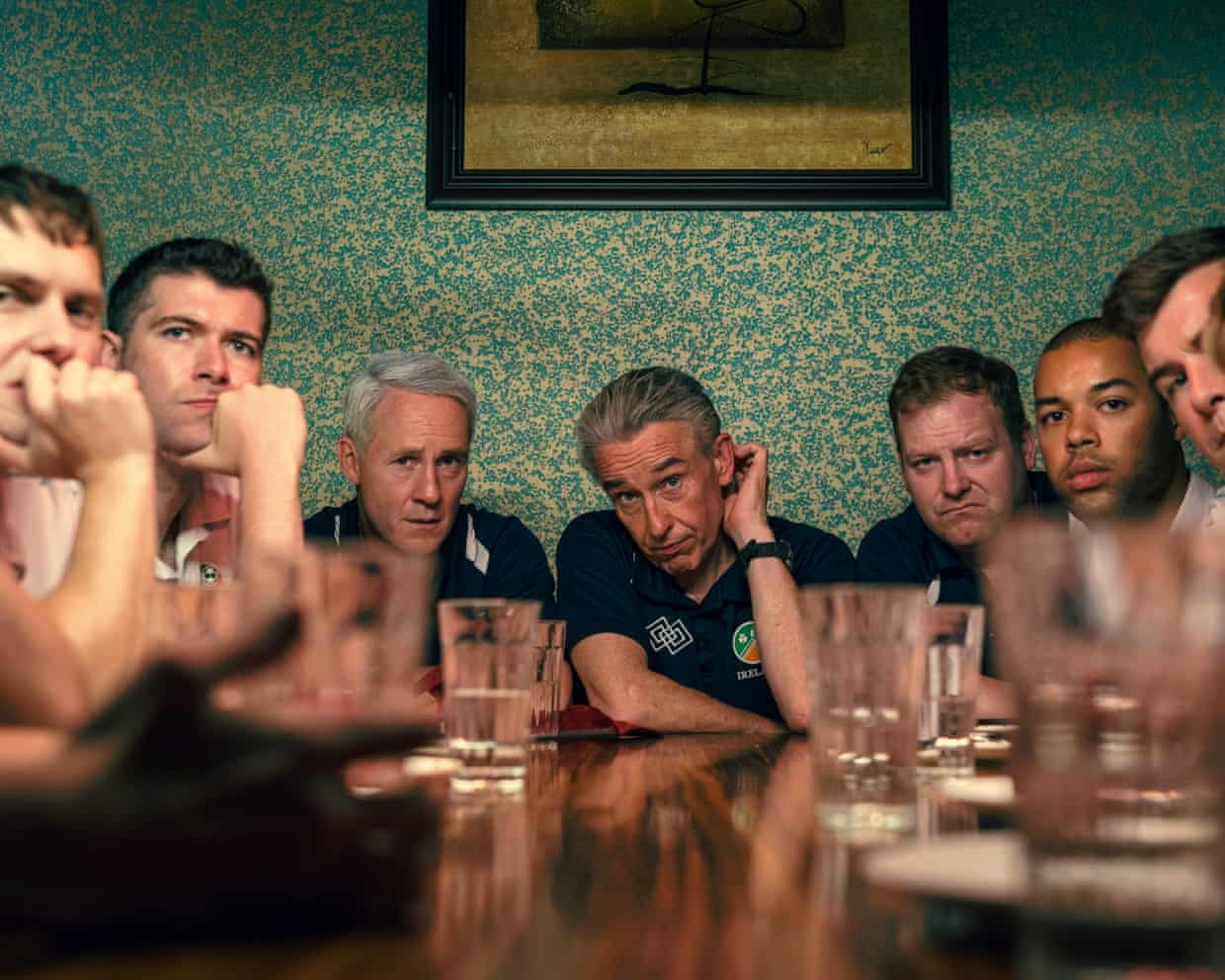
From Saipan to Take That: your complete entertainment guide to the week ahead

Tell us your UK town of culture nomination