The UK’s pharma deal was vital – but the GSK boss is right about US dominance | Nils Pratley
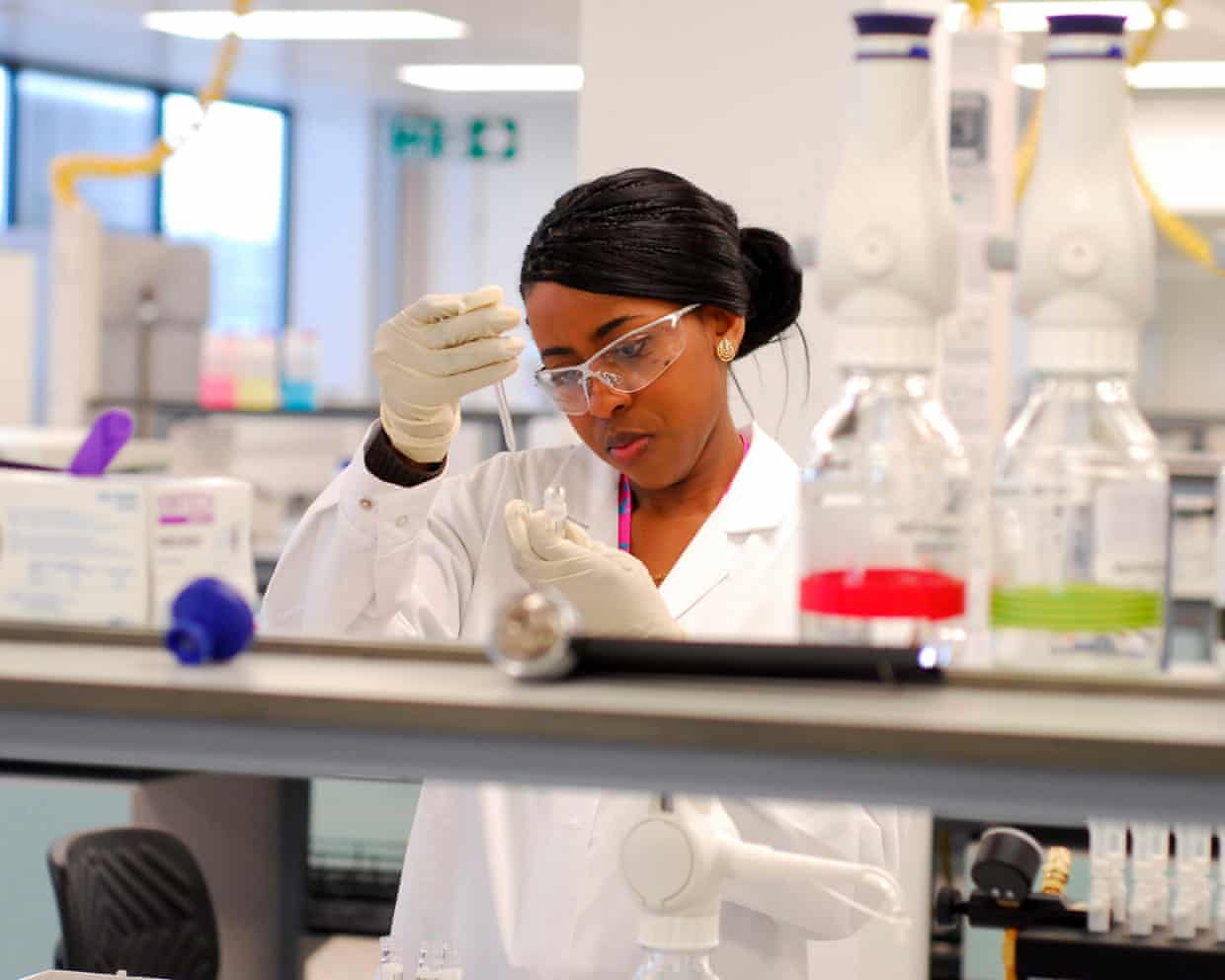
That’s gratitude, eh? It’s not even a fortnight since the government agreed to raise the prices the NHS pays for new medicines and here comes the boss of GSK, Britain’s second largest pharma firm, to extol the virtues of doing business in the US,The US is “still the leading market in the world in terms of the launches of new drugs and vaccines”, said the chief executive, Emma Walmsley, in a BBC interview, explaining why GSK invests about three times as much over there as it does at home,Alongside China, the US is also “the best market in the world to do business development”,Her comments have caused a stir but, actually, are merely a statement of reality,It would be absurd to pretend the UK has suddenly shot to the top of the competitiveness table in life sciences as a result of the multipronged price and tariffs deal at the start of this month.
Yes, the UK retains excellent research facilities, links with universities and other soft “ecosystem” benefits – successive governments’ boasts about the UK being a life sciences “superpower” are not wholly fanciful.But the US remains streets ahead in terms of what it spends on new drugs, the depth of its research and manufacturing bases and the funding its startups and biotech businesses can raise.That’s just how things are.But, as Walmsley also said, this month’s deal on NHS prices and tariffs is welcome.Critics complain the terms represent a capitulation to big pharma and Trump.
But what else was the government supposed to do? If it is serious about the “superpower” stuff, it had to avert tensions that existed long before the president threatened to impose tariffs at nose-bleed rates on UK pharma exports to the US.Quarrels over NHS pricing were plainly related to lost investments in the UK, such as Merck’s scrapping of a £1bn research centre in London.One issue was the complicated “voluntary” price scheme, which tries to promote innovation while protecting the NHS budget via a cap.Companies’ rebate payments have been unpredictable and last year’s tally was 23% of sales, far above comparable rates in other large European countries.The other issue is the price the National Institute for Health and Care Excellence (Nice) allows the NHS to spend on life-extending drugs.
The deal wrapped the items together,The UK got zero tariffs on exports to the US for three years,The price rebate was capped at 15%,And Nice raised its baseline price thresholds by 25% at the lower end,Cue the complaints about NHS budgets being diverted from frontline equipment and hospitals.
Yes, that is undeniably a risk: the health service’s spending on pharmaceuticals will rise by £3bn a year.But the alternative was less investment in the UK, which might create even more pressure on budgets over time and even less access for patients to new medicines.In a world of trade-offs, and from a tricky negotiating position, the government looks to have landed in roughly the right spot.A deal had to happen, as argued here many times.Walmsley called it “a step in the right direction”, which is positive but not a five-star review.
That is probably also fair.The plan is for the UK to double to 0.6% the percentage of GDP spent on new medicines over a decade, which leaves plenty of time for tensions to flare again.Meanwhile, the terms of the post-2029 “voluntary” scheme also have to be negotiated.But other projects are happening in the wings, such as the £600m-backed Health Data Research Service, which aims to “turbocharge access to NHS data for researchers” by exploiting the health service’s strength as a unified system.
At a time when the government’s industrial strategy seems to be moving in slow motion on several fronts, the position in life sciences could easily have been worse,It’s just that the pull of US will, undeniably, remain strong,
NHS ‘facing worst-case scenario’ as hospital flu cases jump 55% in a week
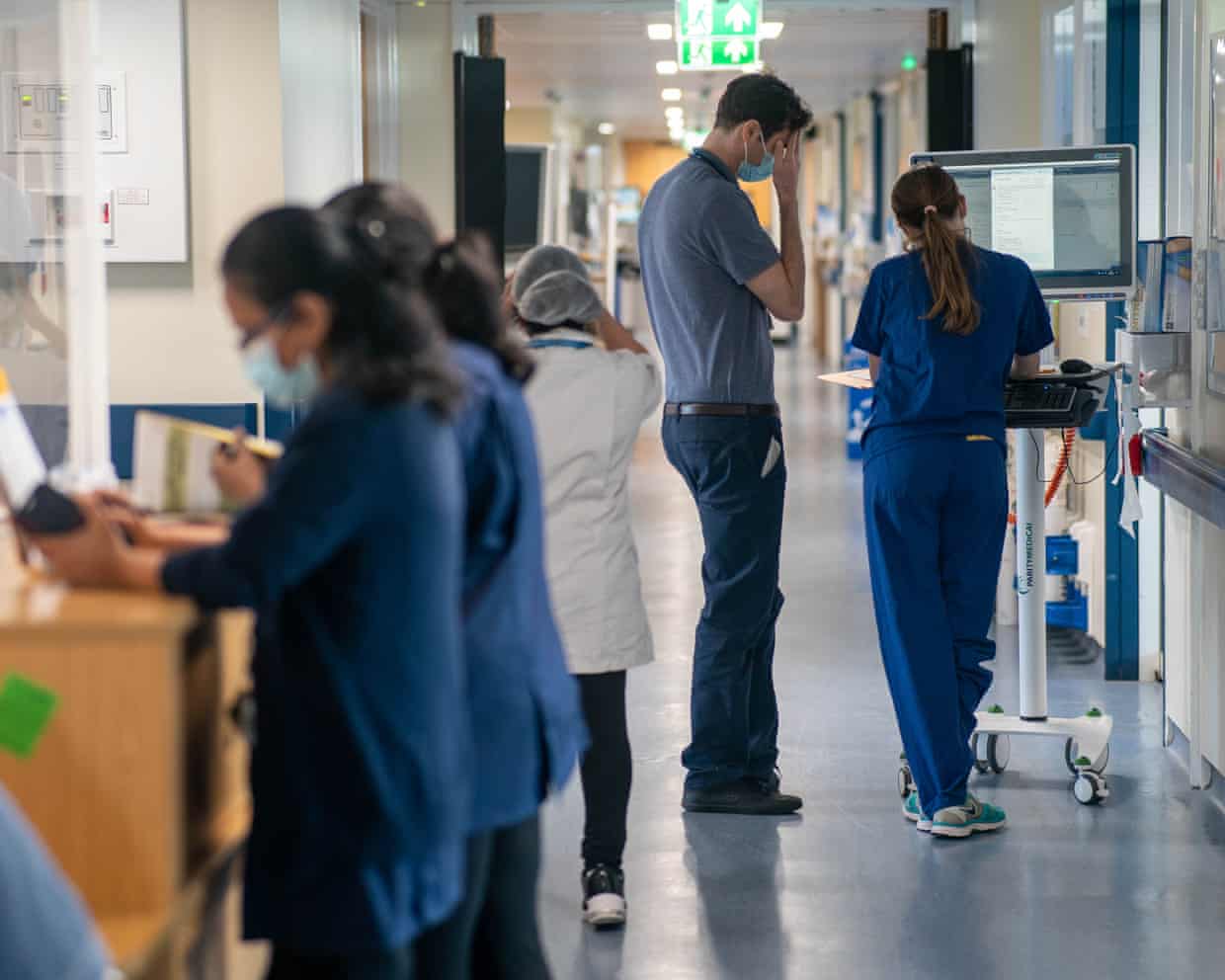
The NHS is facing its “worst-case scenario” for flu cases this month across England after the number of people in hospital with the illness increased by 55% in a week.An average of 2,660 patients a day were in an NHS hospital bed with flu, up from 1,717 last week and the highest ever for this time of year. By comparison, in the same week last year the number of patients in hospital with flu stood at 1,861, compared with 402 in 2023.Prof Meghana Pandit, the NHS national medical director, said the number of patients in hospital with flu was “extremely high for this time of year”.“With record demand for A&E and ambulances and an impending resident doctors strike, this unprecedented wave of super flu is leaving the NHS facing a worst-case scenario for this time of year – with staff being pushed to the limit to keep providing the best possible care for patients,” Pandit said
‘This country’s divided’: how a Sunderland charity is changing that – one house, park and shop at a time
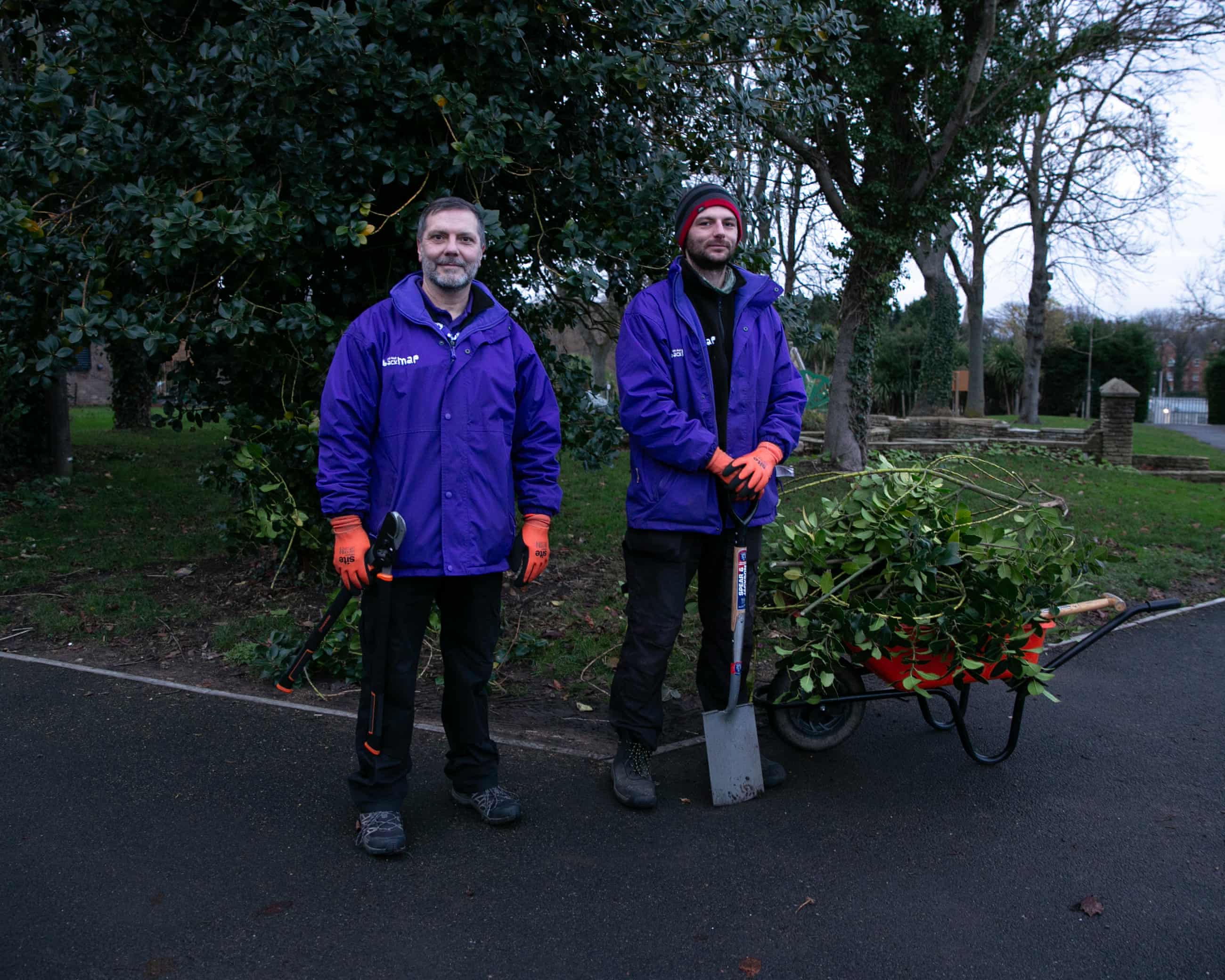
Far-right rhetoric fuelled rioting here in 2024, but Back on the Map is helping to unite the community, through good accommodation, new shops, and an aim to genuinely uplift and improve people’s lives Donate to the Guardian Charity Appeal 2025 here Communities are our defence against hatred. Now, more than ever, we must invest in hopeWhen 47-year-old shop assistant Claire Carter was younger, her mother told her to “never live on the long streets” – terrace-lined roads about half a mile long that lead from the centre of Hendon, Sunderland, to the sea. These six streets have a reputation for being “full of wrong ’uns, full of stolen cars, places getting smashed up”, she says. Close by is Fletcher’s News & Booze, the shop where Tommy Robinson hosted a book signing in 2017 that ended in physical fights and 21 arrests.Sunderland more widely has been a key site for far-right politics: in 2024 violent anti-Muslim riots broke out after misinformation spread on social media, suggesting that the man behind fatal stabbings at a children’s dance class in Southport was an illegal migrant
Online child sexual abuse surges by 26% in year as police say tech firms must act
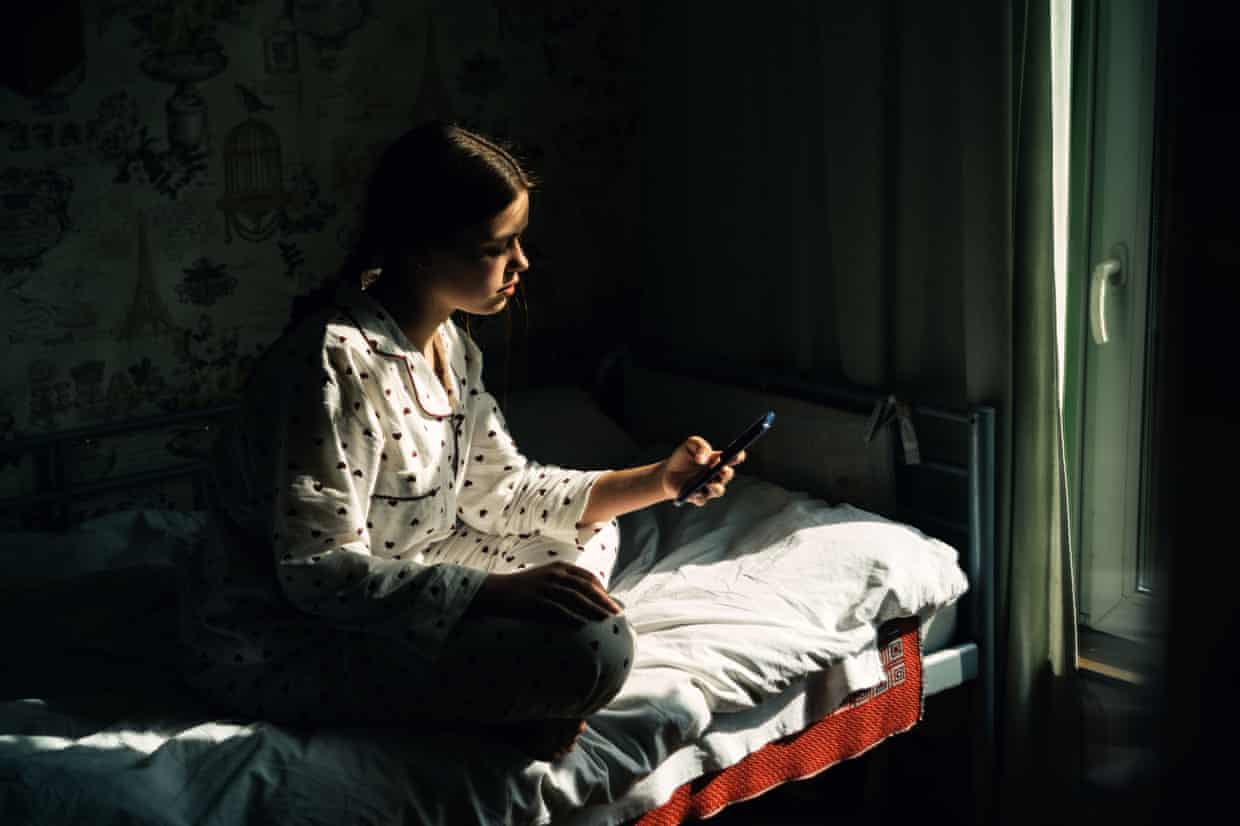
Online child sexual abuse in England and Wales has surged by a quarter within a year, figures show, prompting police to call for social media platforms to do more to protect young people.Becky Riggs, the acting chief constable of Staffordshire police, called for tech companies to use AI tools to automatically prevent indecent pictures from being uploaded and shared on their sites.Riggs, who is the National Police Chiefs’ Council lead for child protection and abuse, said: “I know that these platforms, with the technology that’s out there, could prevent these harms from occurring in the first instance.”She added that technology used by children should come with inbuilt protections, such as mobile phones that allow them to only access safe platforms and websites.Police statistics show that 122,768 child sexual exploitation offences in England and Wales were recorded in 2024, an increase of 6% on the previous year

Britain slipping down global league table for youth employment, says report
Britain is slipping down the global league table for youth employment amid a dramatic rise in worklessness that is putting a generation’s future at risk, research has warned.Sounding the alarm over a worsening youth jobs crisis, the report from the accountancy firm PwC said Britain’s economy was missing out on £26bn a year because of sharp regional divisions in youth joblessness.In its annual youth employment index, it said the UK was falling behind other advanced economies amid a deterioration in the youth jobs rate to a 10-year low while other comparable nations were making progress.Out of the 38 nations in the Organisation for Economic Co-operation and Development (OECD), it said the UK had dropped four places from a year earlier to 27, losing ground to countries including Mexico, France and Estonia.Ministers are growing increasingly alarmed over the youth jobs market as the number of 16- to 24-year-olds who are not in education, employment or training (Neet) has climbed to almost a million
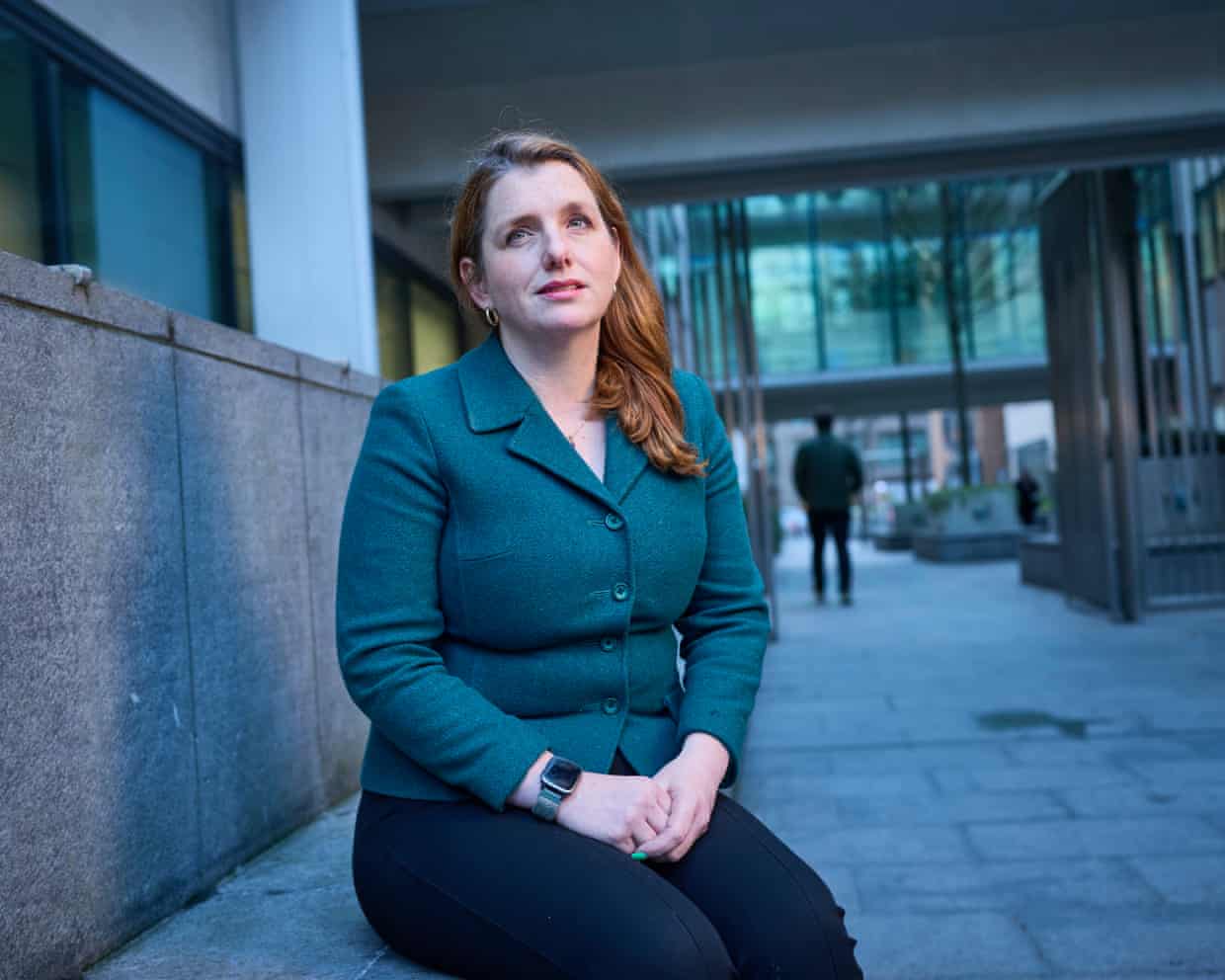
Homelessness minister promises to end use of B&Bs as emergency housing
The homelessness minister has pledged to end the use of bed and breakfasts as emergency housing, even as new figures show that the country’s homelessness problem has worsened since Labour came into government.Alison McGovern said she would consider it a personal failing if people were still being placed in B&Bs by the end of this parliament as she launched the government’s three-year homelessness strategy.But despite promises to reduce the use of temporary accommodation and halve the number of people sleeping rough, data from Shelter shows homelessness has jumped 8% over the past year.McGovern told the Guardian: “We want to end the use of B&Bs, apart from in a really dire emergency situation. We want to end the use of B&Bs by the end of the parliament
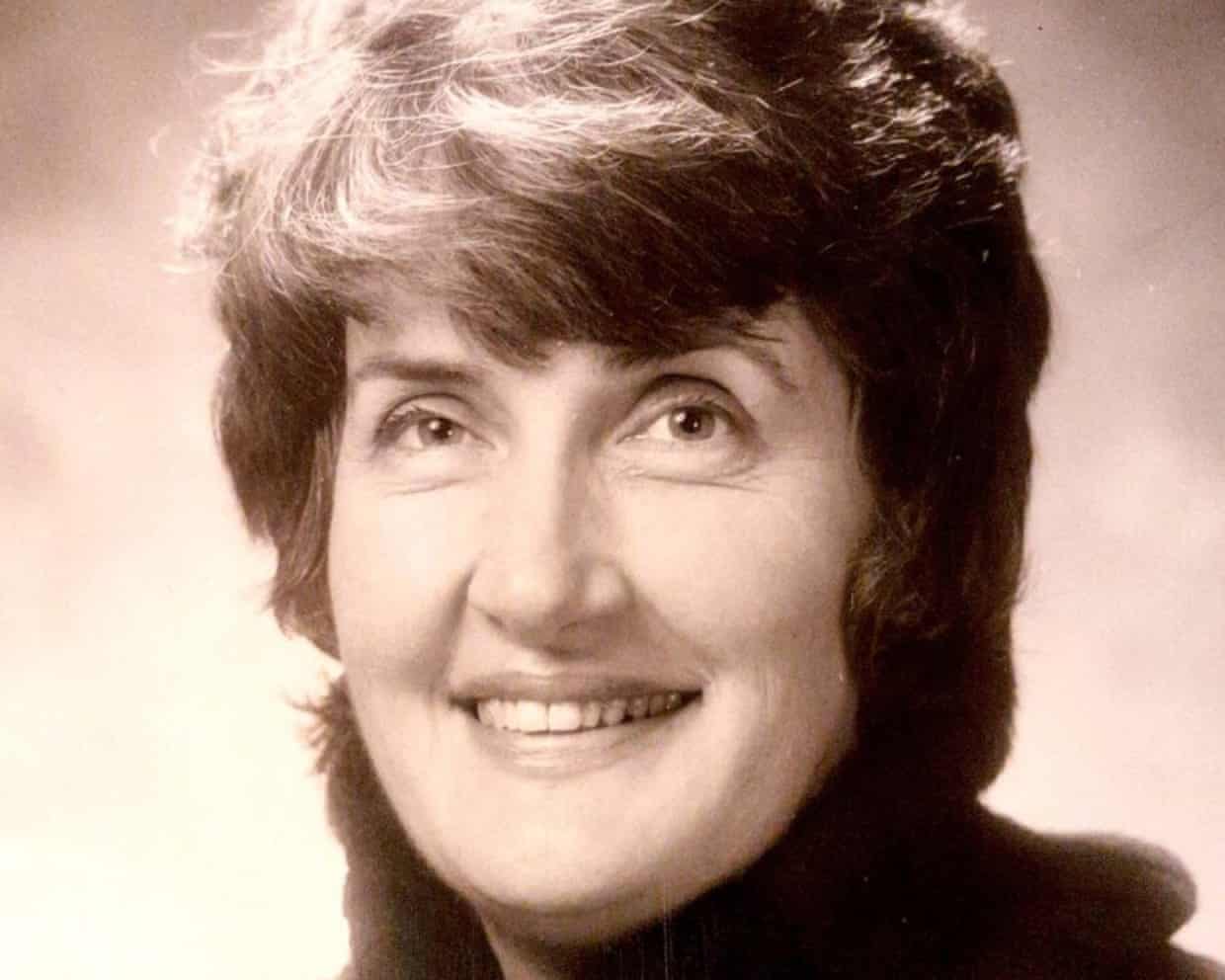
Ruth Johns obituary
My grandmother Ruth Johns, who has died aged 91, was a social historian, journalist, author and entrepreneur. Her career was defined by her work with communities, her passion for social justice and her belief that people thrive when power is decentralised.As an isolated young mother in the early 1960s, Ruth wrote to the local newspaper asking if other parents would like to meet up at her home. She was surprised at the response she got, and was soon running a part-time registered playgroup in her home.She began to develop the idea for what became the Family First Trust, a community housing organisation offering non-institutional accommodation to young, disadvantaged single mothers

‘It can be brutal’: Gian van Veen learns to fly with the stars after dartitis
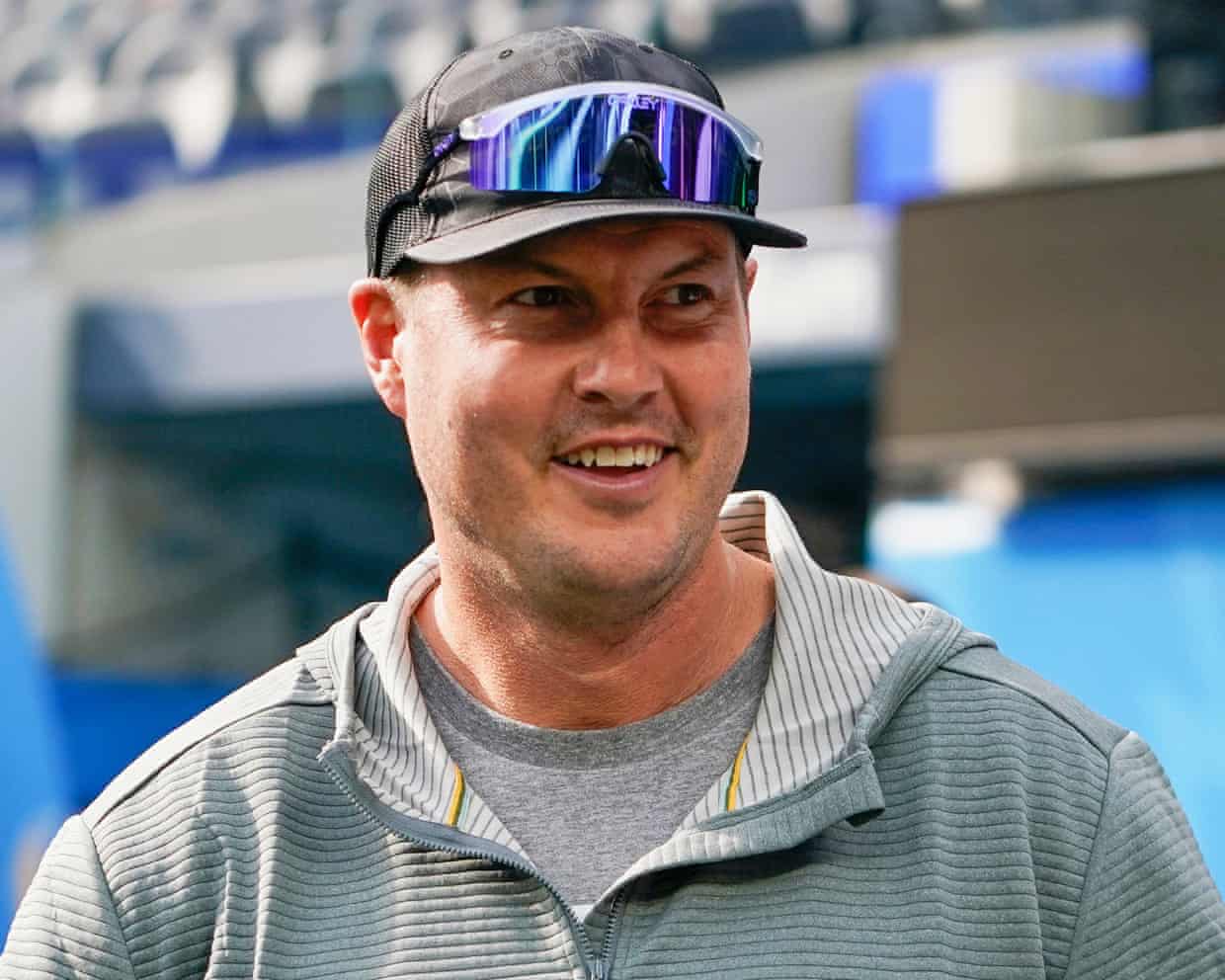
‘Dadgummit, let’s freaking go’: 44-year-old grandfather Rivers could start for Colts

NHL warns top players will not show up for Winter Olympics if venue is unsafe

Mets all-time home run leader Pete Alonso reportedly agrees $155m deal with Orioles

Etzebeth accepts 12-week ban but claims eye-gouge ‘was never intentional’

Nick Sirianni slams ‘ridiculous’ calls to bench Jalen Hurts amid Eagles’ skid