
Pipeline of new drugs to fight superbugs is ‘worryingly thin’, experts warn
The pipeline of new drugs to fight superbugs remains “worryingly thin” and has shrunk by 35% in the last five years, experts have warned, predicting the annual number of deaths linked to drug-resistant infections globally will double to 8 million by 2050.The number of projects from large pharma companies has shrunk by 35% over the past five years, from 92 to 60 medicines in development, according to a report from the Access to Medicine Foundation (AMF), a Netherlands-based non-profit group, and the Wellcome Trust.“Overall, however, the R&D pipeline remains worryingly thin, and industry investment has lost momentum,” said Jayasree K Iyer, the chief executive of AMF. She described drug resistance as the biggest single threat to healthcare worldwide.More than 1 million people die each year directly from drug resistant infections but they contribute to 4 million deaths worldwide a year

Oil prices fall and stocks rebound after Trump says Iran war could end ‘very soon’
Oil prices have tumbled from four-year highs, capping an extraordinary 24 hours in global markets and prompting global stocks to rebound after Donald Trump suggested the US-Israel war on Iran could end “very soon”.Brent crude, the international benchmark, surged as high as $119.50 a barrel on Monday as the Middle East conflict intensified fears of a deepening energy supply crisis.Trump sought to play down this remarkable increase, claiming that oil prices had risen “probably less than I thought they’d go up”, while moving swiftly to reassure investors.Brent fell to about $91

X suspends 800m accounts in one year amid ‘massive’ scale of manipulation attempts
Elon Musk’s X said it had suspended 800m accounts over a 12-month period as it fights the “massive” scale of attempts to manipulate the platform.The social media company told MPs it was continually fighting state-backed attempts to hijack the agenda on its network, with Russia the most prolific state actor, followed by Iran and China.As part of the battle against such content, X suspended 800m accounts in 2024 for breaching its rules on platform manipulation and spam, although it did not reveal which of those suspensions related to foreign interference. X has approximately 300 million monthly users worldwide.Wifredo Fernández, a government affairs executive at the platform’s parent company, X Corp, said: “There are efforts every single day to create inauthentic networks of accounts
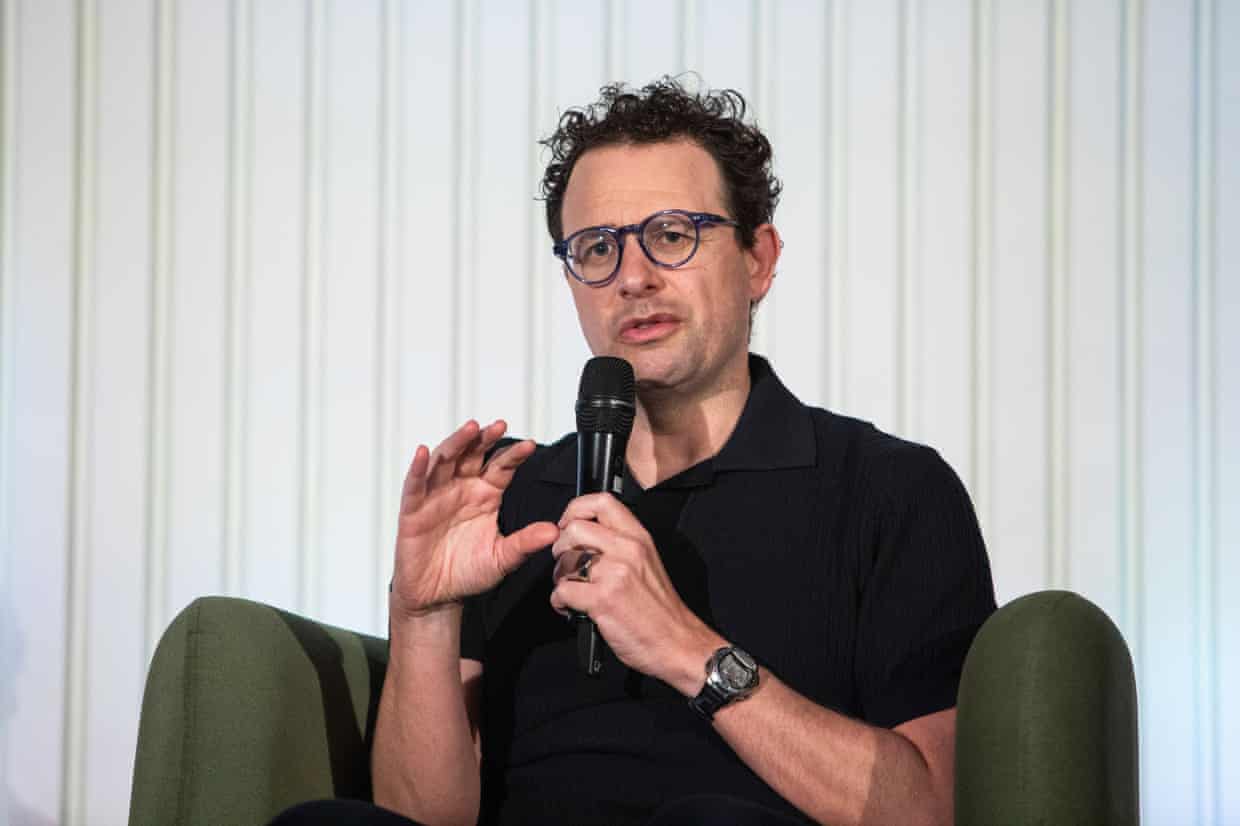
AI firm Anthropic sues US defense department over blacklisting
Anthropic filed two lawsuits against the Department of Defense on Monday, alleging that the government’s decision to label the artificial intelligence firm a “supply chain risk” was unlawful and violated its first amendment rights. The two sides have been locked in a monthslong heated feud over the company’s attempt to implement safeguards against the military’s potential use of its AI models for mass domestic surveillance or fully autonomous lethal weapons.The lawsuits, which Anthropic filed in the northern district court of California and the US court of appeals for the Washington DC Circuit, come after the Pentagon formally issued the supply chain risk designation last Thursday, the first time the blacklisting tool has been used against a US company. The AI firm previously vowed to challenge the designation and its demand that any company that does business with the government cut all ties with Anthropic, a serious threat to its business model.Anthropic’s lawsuit contends that the Trump administration is punishing the company for its refusal to comply with the ideological demands of the government, in a violation of its protected speech and an attempt to punish the company for not complying

The Breakdown | Itoje’s and Smith’s on-field spat sums up England’s startling identity crisis
Steve Borthwick’s captain is normally cool under pressure, but rare outburst points to a much bigger problemMartin Johnson, England’s World-Cup winning skipper, believes there is no huge mystery to being a great captain. “If you haven’t got a good team it doesn’t matter how good a captain you are,” he said on the Rugby Legends podcast before the start of this year’s Six Nations. And if anyone is qualified to provide such a definitive judgment it is unquestionably him.To suggest that calm, sure-footed leadership is irrelevant in top-level sport, however, is another matter. Even the greatest sides need decisive, intelligent direction, regardless of who supplies it

The NBA knows how to punish spectacle. Systems are harder | Lee Escobedo
Lately, I’ve been thinking about the job I had two decades ago, when I was a janitor at a machine shop in Fort Worth, Texas. Even as a hungover 20-year-old, my internal monologue would debate the ethics of the parts I packaged. We produced tiny components for Halliburton and Lockheed Martin. Slivers of aluminum machined to tolerances so fine you could miss their imperfections with the naked eye.Beneath the fluorescent hum of the shipping and handling department, I’d rub a widget between my fingers and imagine the journey it would take: lifted from a Texan warehouse into the Middle Eastern theatre where our nation’s wars burned
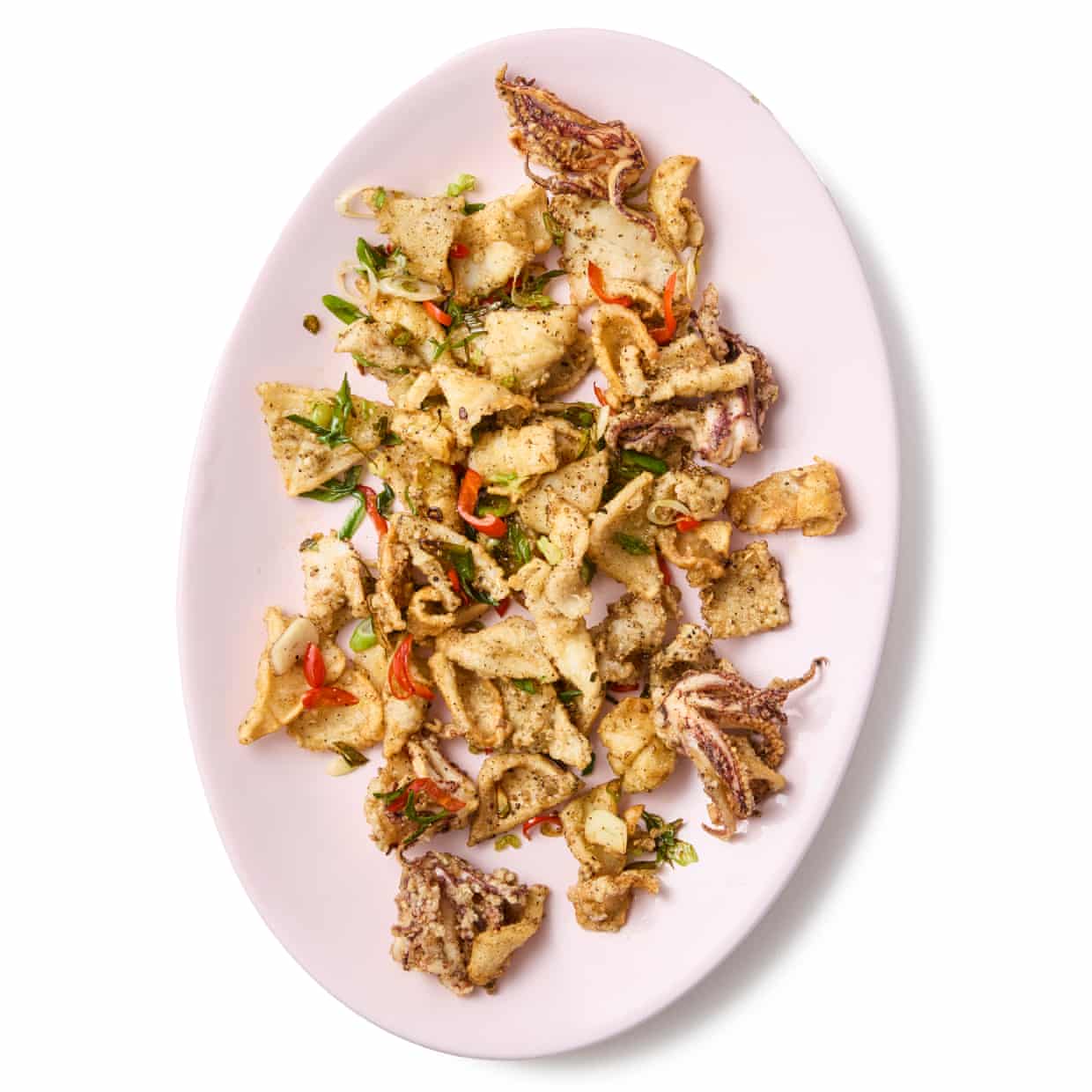
How to make salt and pepper squid – recipe | Felicity Cloake's Masterclass

Trillium, Birmingham B4: ‘There’s a general feeling of people – gasp! – actually enjoying life’ – restaurant review | Grace Dent on restaurants

Has dinner been served with a side of romance? | Brief letters

Helen Goh’s recipe for lemon curd layer cake | The sweet spot

Women built, and still shape, our culinary culture every day

The future is rosy for English red wines