UK long-term borrowing costs dip from 28-year high after Starmer allies back PM – business live
UK government borrowing costs are still elevated as noon approaches, but not quite as high as they were.Bond yields have dipped back after Keir Starmer told the cabinet he was not resigning.After that meeting, several cabinet ministers including Peter Kyle, the business secretary, Liz Kendall, the technology secretary, and housing secretary Steve Reed told reporters they were supporting Starmer.The 30-year bond yield is now up 9 basis points at 5.76%, having hit a new 28-year high of 5.
81% this morning (see earlier post).Ten-year bond yields are off their earlier highs too – up almost 10bps at just below 5.1%, having hit 5.13% earlier today.City consultancy Oxford Economics fears 5% 10-year gilt yields are here to stay.
Their chief UK economist Andrew Goodwin explains:double quotation mark“The increase in UK government bond yields since the start of the Iran war has been greater than in most other advanced economies.”“Markets clearly perceive the UK has a bigger inflation problem and that tighter monetary policy will be needed to limit second-round effects from the energy shock, while political uncertainty has added to pressures at the long end.”Bank sources are playing down the impact of uncertainty over Starmer’s future, saying that while they wanted stability, they were agnostic about how Labour would get there.A City source at a UK investment bank told the Guardian that while it was an “unwelcome distraction”, traders seemed “sanguine” about the Labour government turmoil, adding that this kind of instability was not unique to the UK and something they were increasingly used across Europe.They said bankers believed Labour policies were “unlikely to be that radical” even with a change in leadership.
We are likely to see further gilt and sterling weakness in the coming days, predicts Kit Juckes, foreign exchange expert at French bank Société Générale,double quotation markOne fear is that the shift of power from PM Starmer to any successor could play out slowly,The PM is resisting internal pressure to resign, for starters,Greater Manchester Mayor Andy Burnham is the bookmakers’ favourite to replace him but confidence that he could win a by-election (in order to stand for PM) has been damaged by Labour’s poor performance in Local election,Angela Rayner, former Deputy Prime Minister, is still in Parliament but hasn‘t got as wide support as Burnham.
However it plays out, we are in for a period of uncertainty about future Labour policies.Increased spending is a given, and so are higher taxes, almost certainly including higher taxes on wealth and housing.Layer that on top of geopolitical uncertainty, rising energy costs, and UK 2026 consensus GDP growth forecasts which have fallen from 1.1% at Christmas to 0.8% now, and there isn’t much to make anyone feel good about the pound.
UK government borrowing costs are still elevated as noon approaches, but not quite as high as they were,Bond yields have dipped back after Keir Starmer told the cabinet he was not resigning,After that meeting, several cabinet ministers including Peter Kyle, the business secretary, Liz Kendall, the technology secretary, and housing secretary Steve Reed told reporters they were supporting Starmer,The 30-year bond yield is now up 9 basis points at 5,76%, having hit a new 28-year high of 5.
81% this morning (see earlier post).Ten-year bond yields are off their earlier highs too – up almost 10bps at just below 5.1%, having hit 5.13% earlier today.Starmer isn’t the only world leader facing a growth slowdown either.
Over in Moscow, the economy ministry has lowered its estimates for gross domestic product (GDP) growth in 2026 to 0,4% from 1,3% and halved estimated growth in 2027 to 1,4% from 2,8%.
Kremlin spokesman Dmitry Peskov told reporters that president Vladimir Putin was closely involved in economic issues and that Russia could “talk confidently” of macroeconomic stability despite volatility in global markets driven by the conflict in the Middle East.Peskov added (via Reuters):double quotation mark“Thanks to the measures being implemented by our government, we can confidently speak about macroeconomic stability and promising plans to modestly, but steadily, increase economic growth rates year after year.”Whether or not Keir Starmer is replaced, the UK faces a major energy shock from the Iran war.A new economic outlook released by consultancy EY predicts that UK growth will be hit hard by higher oil and gas prices this year.EY’s modelling suggests that before the Middle East conflict, UK GDP was on track for 1.
3% growth in 2026.However, that has now been lowered to 0.8%, in a scenario where the strait of Hormuz reopens by the middle of 2026But if there is an escalation and the Strait remains closed until the end of 2026, UK GDP growth could fall to 0.3% this year, EY warns.EY also predicts the UK unemployment rate will increase slightly to 5.
8% by the end of 2026 as weaker growth impacts hiring levels, before falling back to 5.2% in 2028.Lucy Smith, senior investment manager at Killik & Co, warns that UK bond yields could rise higher, as investors fear political change and a burst of extra government spending:double quotation mark“Gilt yields continue to creep up as Starmer’s premiership appears to weaken.Right now, it is hard to say whether a swift and decisive swap to a new leader or a longer-term contest will generate more uncertainty, and by extension, higher borrowing costs.Either way, the mere prospect of change, in part driven by an underlying fear that we could return to an era of successive leadership changes, is enough for investors to lose confidence.
A change in Labour leadership will mean six prime ministers in seven years, a clear signal of political instability, which is precisely what bond investors seek to avoid.Expectations of a drift to the left wing of the Labour party, which could result in a tax-and-spend strategy, could well drive yields up further as the market questions the Government’s ability to pay back the debt in the long-term.”An influential group of MPs has said that Labour needs an urgent renewal of economic strategy to offer voters “more than better management of decline” before the next general election.With Keir Starmer fighting to ward off a leadership challenge, the leading backbenchers from the soft-left Tribune group published a series of essays calling for bolder action to salvage its remaining time in power.In a foreword by the former cabinet minister Louise Haigh, and Yuan Yang, a prominent figure from Labour’s 2024 intake, the MPs issued a thinly disguised attack on Starmer amid pressure on him to set out a timeline for his departure.
The MPs wrote:double quotation mark“We do not present this as the final word.They are an invitation – to challenge assumptions, test ideas, and help build a broader coalition for economic renewal.Because the economic status quo is no longer defensible.”“And if politics is to regain trust, it must offer more than better management of decline.”UK borrowing costs are hitting new highs during morning bond market trading.
The 30-year UK gilt yield has now nudged 5.81%, and is still trading above the 5.8% mark after Keir Starmer told his cabinet colleagues he is not leaving.Our political editor Pippa Crerar reported a few minutes ago, on X:double quotation markBREAKING: Keir Starmer tells his cabinet this morning that he’s staying put.“As I said yesterday, I take responsibility for these election results and I take responsibility for delivering the change we promised.
“The past 48 hours have been destabilising for government and that has a real economic cost for our country and for families,“The Labour Party has a process for challenging a leader and that has not been triggered,“The country expects us to get on with governing,That is what I am doing and what we must do as a Cabinet,”Those economic costs are continuing to mount, with the 30-year bond yield now up 13bps (0.
13 of a percentage point) at 5.803%.That indicates investors remain deeply concerned about UK political turmoil.The political turmoil in the UK has hit at a bad time for the bond market, points out Kathleen Brooks, research director at XTB.That’s because the jump in oil prices is creating inflation risks, which pushes up government bond yields.
Brooks explains:double quotation markThere is an upward bias for bond yields anyway, and the UK yields are facing a double whammy of an energy price spike and a political crisis,The risk is that we get a bond market meltdown in the UK in the coming days,If that happens, will it quiet the factions of the Labour party who have threatened to ignore the bond market, ditch fiscal rules and boost public spending even more?In the past, Rachel Reeves has been seen as vital to the stability of the UK’s bond market because she introduced the ‘iron clad fiscal rules’ to bring down the UK’s debt levels and finance day-to-day spending with tax take,If this is a drawn-out leadership battle, or if Starmer lays out a timetable to leave in the coming months, both Starmer and Reeves will be seen as lame ducks who have no control over the public purse,This would be a bad position for the UK to find itself in, especially since our last election was less than 2 years ago.
Right now, it’s hard to see how the bond market can stabilize, and there could be further downside ahead.Financial markets are pricing in a move to left under a new prime minister, reports Ruth Gregory, deputy chief UK economist at Capital Economics:double quotation markIn short, a shift to the political left is likely to lead to looser fiscal policy, higher gilt yields and a lower pound than otherwise, but we doubt a new Prime Minister would be any more successful at boosting the economy’s medium-term growth rate.With 10-year gilt yields up by 10bps this morning and the pound down by 0.4% against the euro, which comes after similar moves yesterday, this is already playing out in the financial markets.The pound’s sell-off is gathering pace.
Sterling is now down almost one cent against the US dollar at $1,3511 (a one-week low),The pound has also dropped against the euro, down half a eurocent to below €1,15 (a near three-week low),
The Guide #242: Everyday Hollywood film comedies have faded but can they make a comeback?
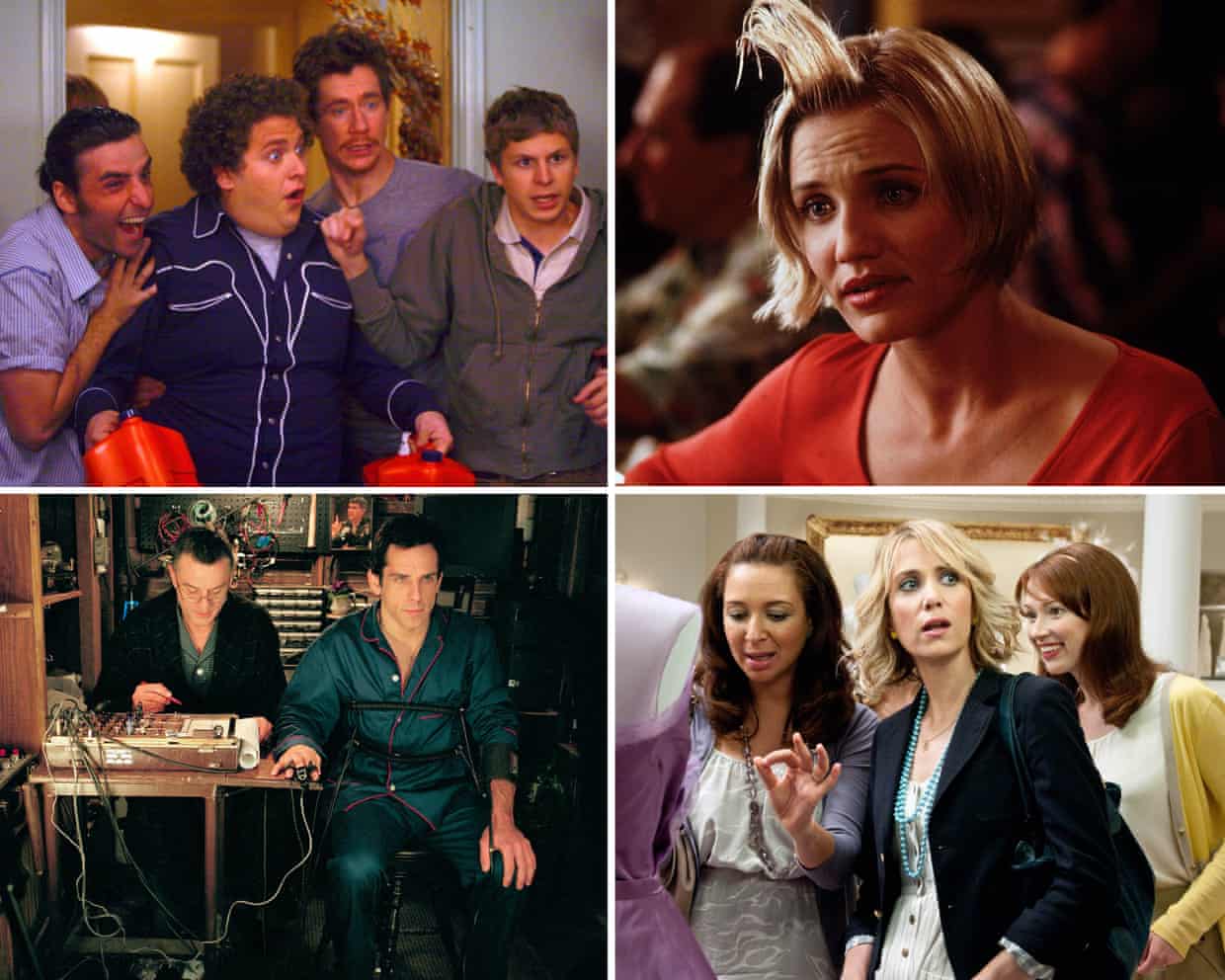
There was a striking moment during this week’s episode of The Rewatchables, the wildly popular film-recap podcast that I reach for when I’ve had my fill of history/football/glum current affairs pods. The episode was revisiting 90s comedy There’s Something About Mary, a film that in some ways holds up hilariously, and in others has aged about as well as a bottle of semi-skimmed on a summer’s day in Death Valley. As part of the episode, the podcast’s panel were going through their favourite comedy films by decade and were spoilt for choice – until, that is, they reached the 2020s, when they seemed to collectively draw a blank. “The Drama’s pretty funny …” one offered tentatively. Finally, host Bill Simmons cut through the umming, ahhing and awkward silence to get to the heart of the matter: “Do we have comedies any more? What happened to comedies?”Yes, what did happen to comedies? Or rather, what happened to the “everyday” American comedies like There’s Something About Mary that once set up a permanent frat house residence in cinemas? You know the ones I mean: those that took a familiar real-world situation – teens trying to lose their virginity, a man clashing with his girlfriend’s dad, a maid of honour struggling to arrange a hen do, stunted adolescents refusing to fly the nest – and stretched them to absurd and lurid extremes

Ah, ah, ah, ah - I saved my dad’s life with a little help from The Office and the Bee Gees
When my father collapsed suddenly, an episode of the US comedy in which Steve Carell does CPR to the tune of Stayin’ Alive sprung miraculously to mindIt was a boiling hot day last summer, four days after my dad’s 73rd birthday. Mum was plating up dinner and Dad was on the sofa complaining about how stifling it was. I was meant to head to work, for my job as a personal trainer, but decided to take the evening off. It was just as well: as I turned back to Mum, Dad collapsed backwards and suffered a massive cardiac arrest.Mum was hysterical

From The Sheep Detectives to Rivals: your complete entertainment guide to the week ahead
Hugh Jackman and Emma Thompson star in a farmyard mystery, while the spirited bonkbuster returns for a smutty second outingThe Sheep DetectivesOut now Few can claim a writing career as varied as Craig Mazin, creator of TV’s Chernobyl, co-writer of several Scary Movie and The Hangover films, and co-creator of The Last of Us. Here, he turns his hand to a comedy-mystery about sheep, starring Hugh Jackman and Emma Thompson. Adapted from a novel by Leonie Swann.KokuhoOut now Two-time Japan Academy film prize best director winner Lee Sang-il directs this prestige adaptation of Shuichi Yoshida’s novel. It holds the record for the highest-grossing Japanese live-action release ever in Japan – an impressive feat for a nearly three-hour-long period drama set across five decades in the kabuki theatre world
Reflections on the Festival of Britain | Letters
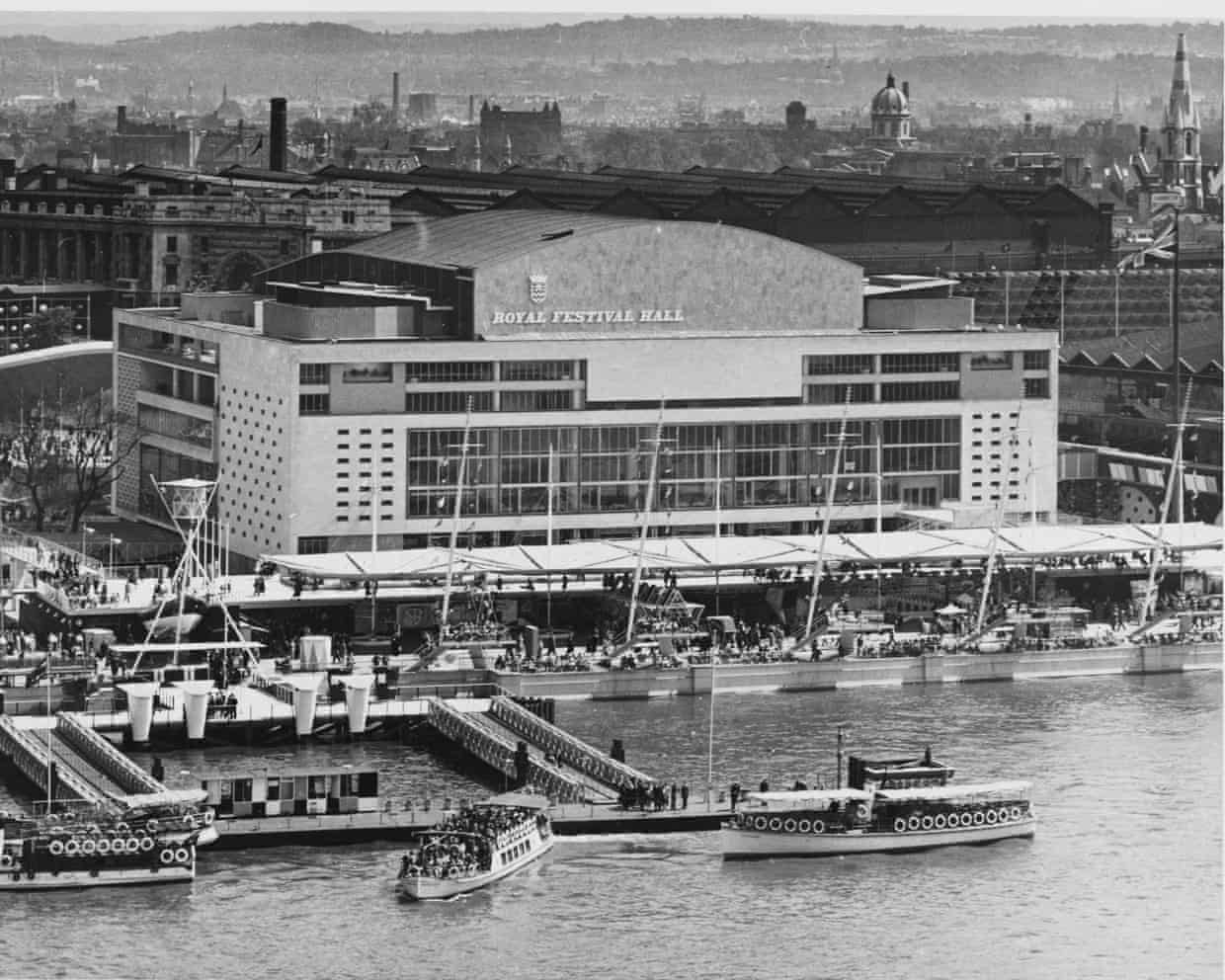
Celebrating the legacy of the Festival of Britain 75 years on by considering “how art can bring people together in the darkest times” is a fine sentiment (Editorial, 1 May). But far too many in this country have no opportunity to share in that legacy. We need to recognise that this country is a very different place to that of 75 years ago – it is divided and more diverse. We are now a multicultural nation – but a fractured one.A possible solution to the many racist and prejudiced attitudes we see around us is to have another festival of Britain, but with a very different focus
‘Tisio peint? Or: Do you fancy a pint? | Letters
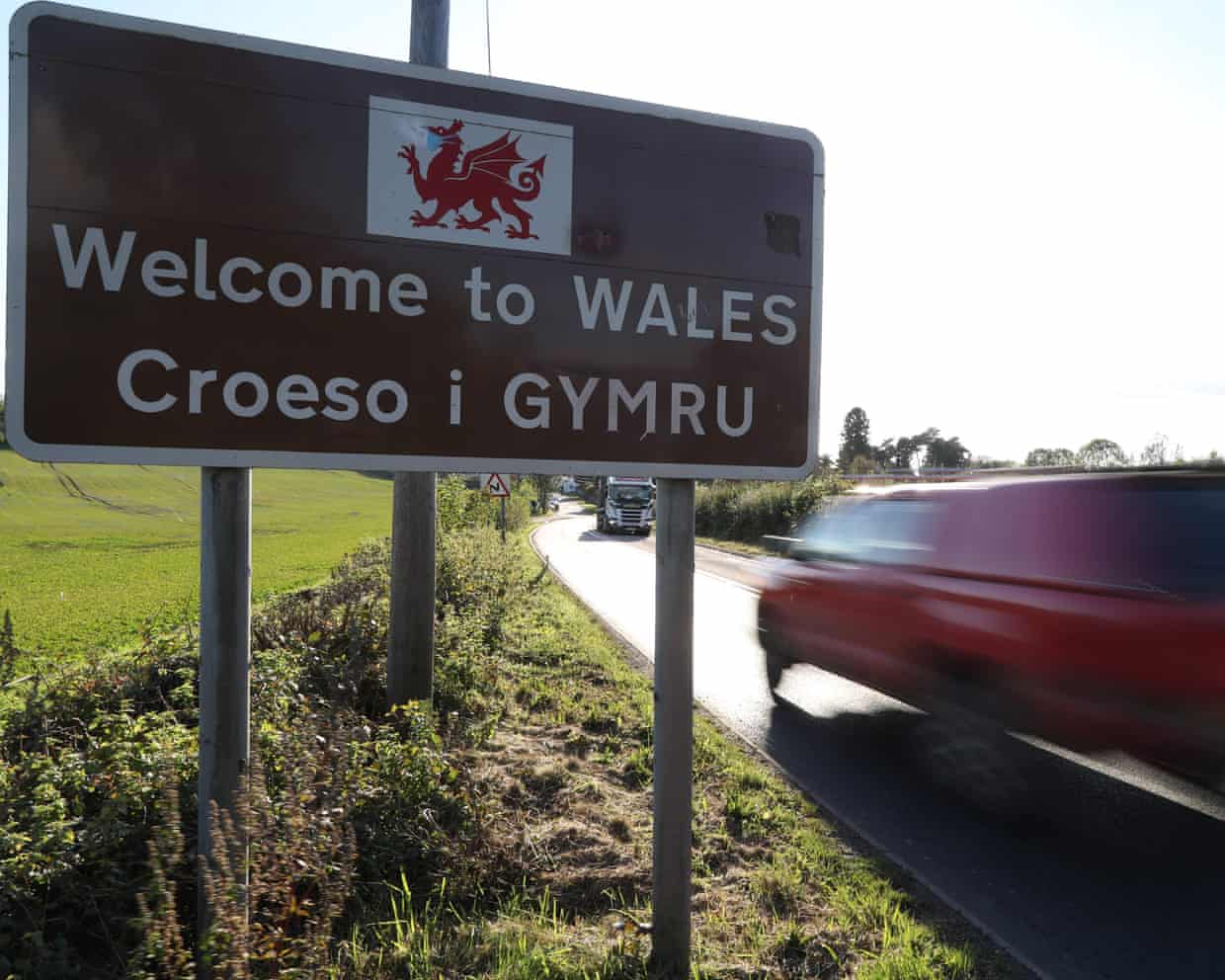
I was delighted to read Phil Coughlin’s nostalgic account of Spike Milligan’s border-straddling pub in Puckoon (Letters, 1 May).But, here in Wales, we have the real thing in the little village of Llanymynech in Powys, where the border between two nations goes through the Bradford Arms hotel. Sunday drinking was illegal in Wales until 1961, so customers would crowd into the private bar, which, being to the east of the border, was not under Welsh drinking laws. For the rest of the week, most customers were more comfortable in the public bar, on the west side of the border.Nowadays you can drink in whichever bar you like, and no, people will not start speaking Welsh the moment you go in
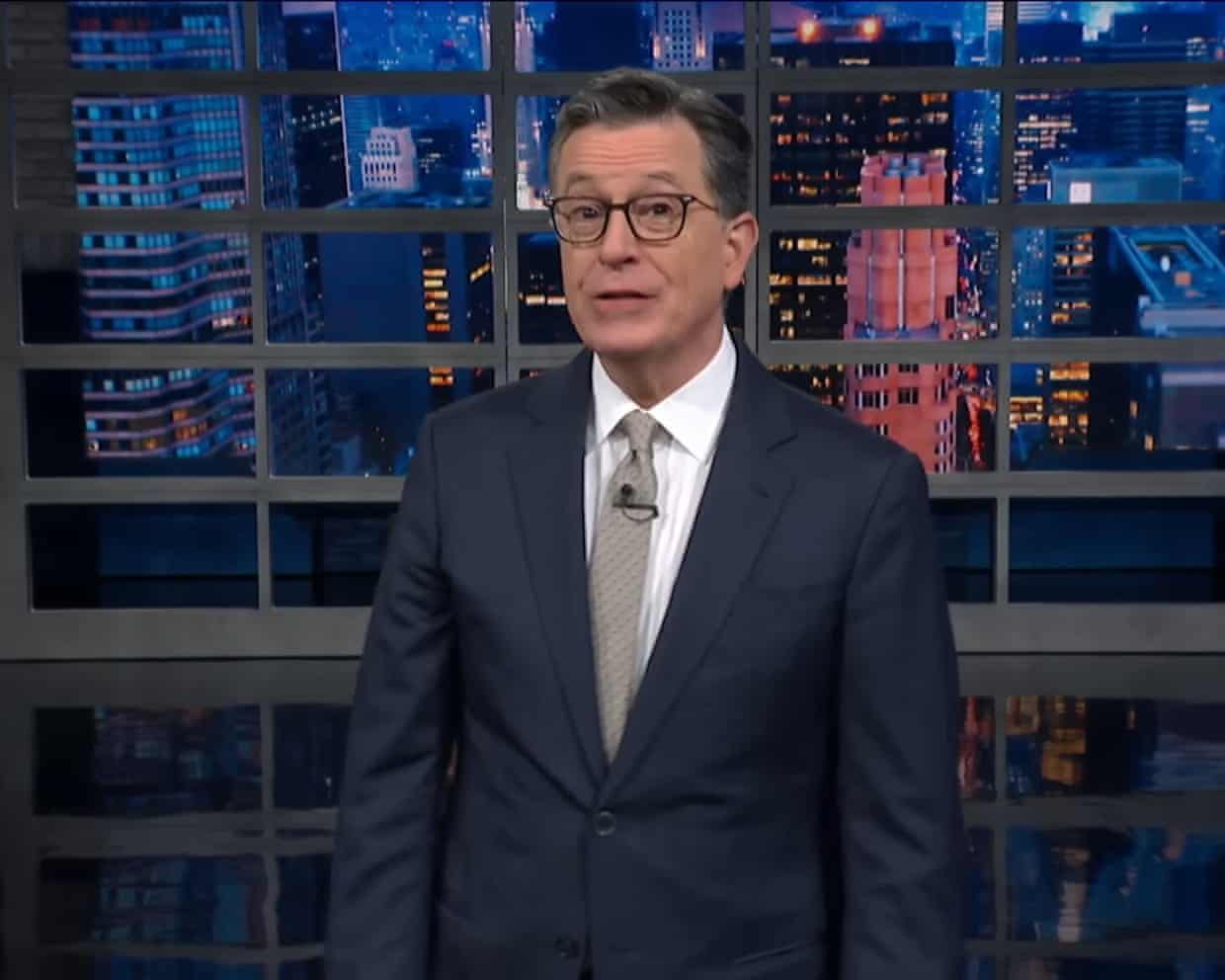
Colbert on McDonald’s supply chain concerns: ‘Perhaps this will finally show Trump the true cost of war’
Late-night hosts covered the ongoing war in Iran and how the Trump administration is refusing to focus on rising gas prices back in the US.On The Late Show, Stephen Colbert told viewers it was day 69 of the war with Iran and despite Trump’s “one-page peace offer” it remains ongoing.Republicans are hoping to get a deal before the midterms with more than eight out of 10 Americans struggling to cope with rising gasoline prices. “The other two Americans couldn’t talk right now because they were busy sucking gas out of their neighbour’s Subaru,” he said.The war is also affecting other supply chains with the McDonald’s CEO warning this week that it might affect the burger chain’s business

Consuming fruit and a cup of coffee a day can halve risk of unhealthy cell ageing, study suggests
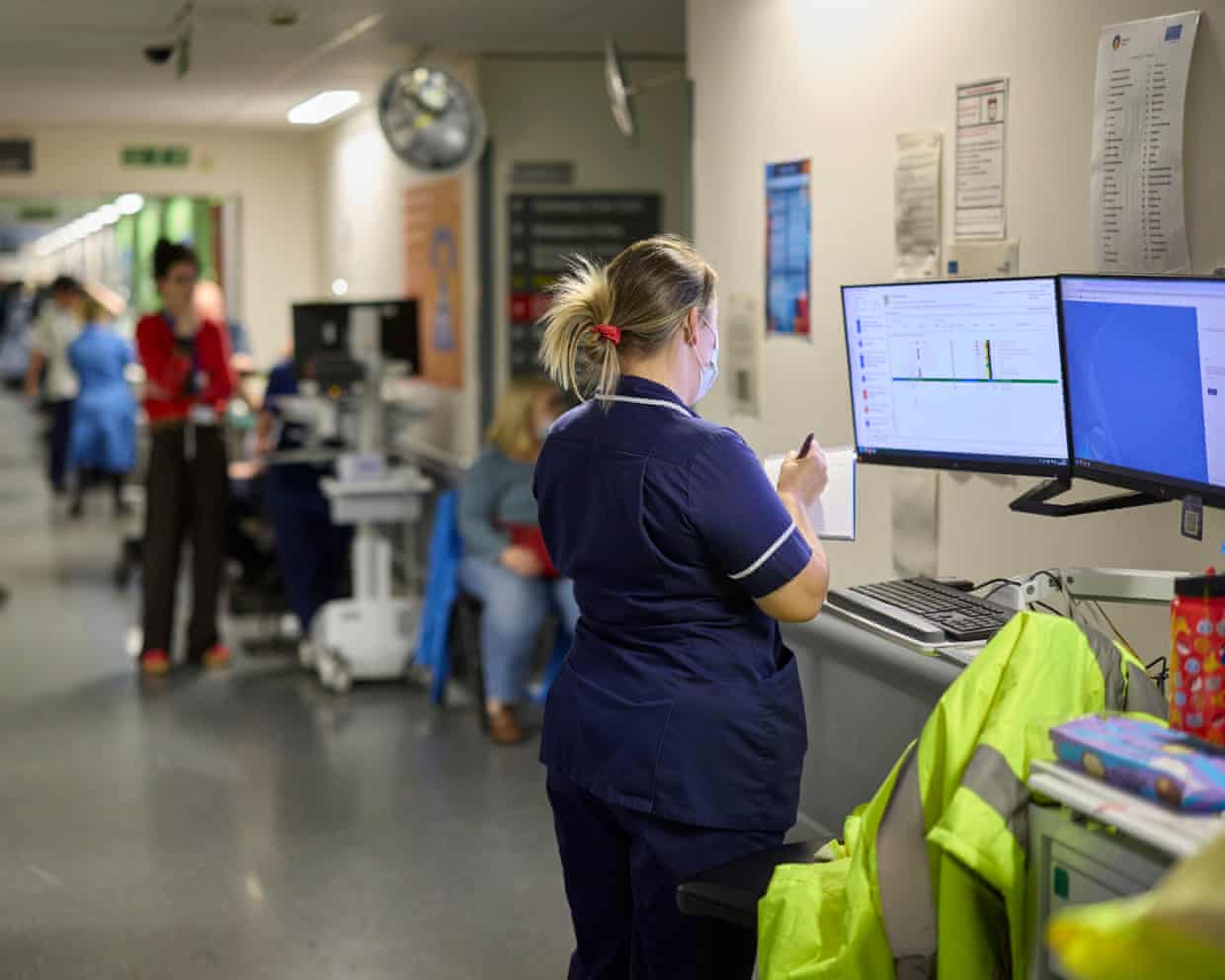
Palantir’s access to identifiable NHS England patient data is ‘dangerous’, MPs say

‘The mouth is a gateway into your body’: the fascinating, frightening links between our gums and our health

Steve Lismore obituary
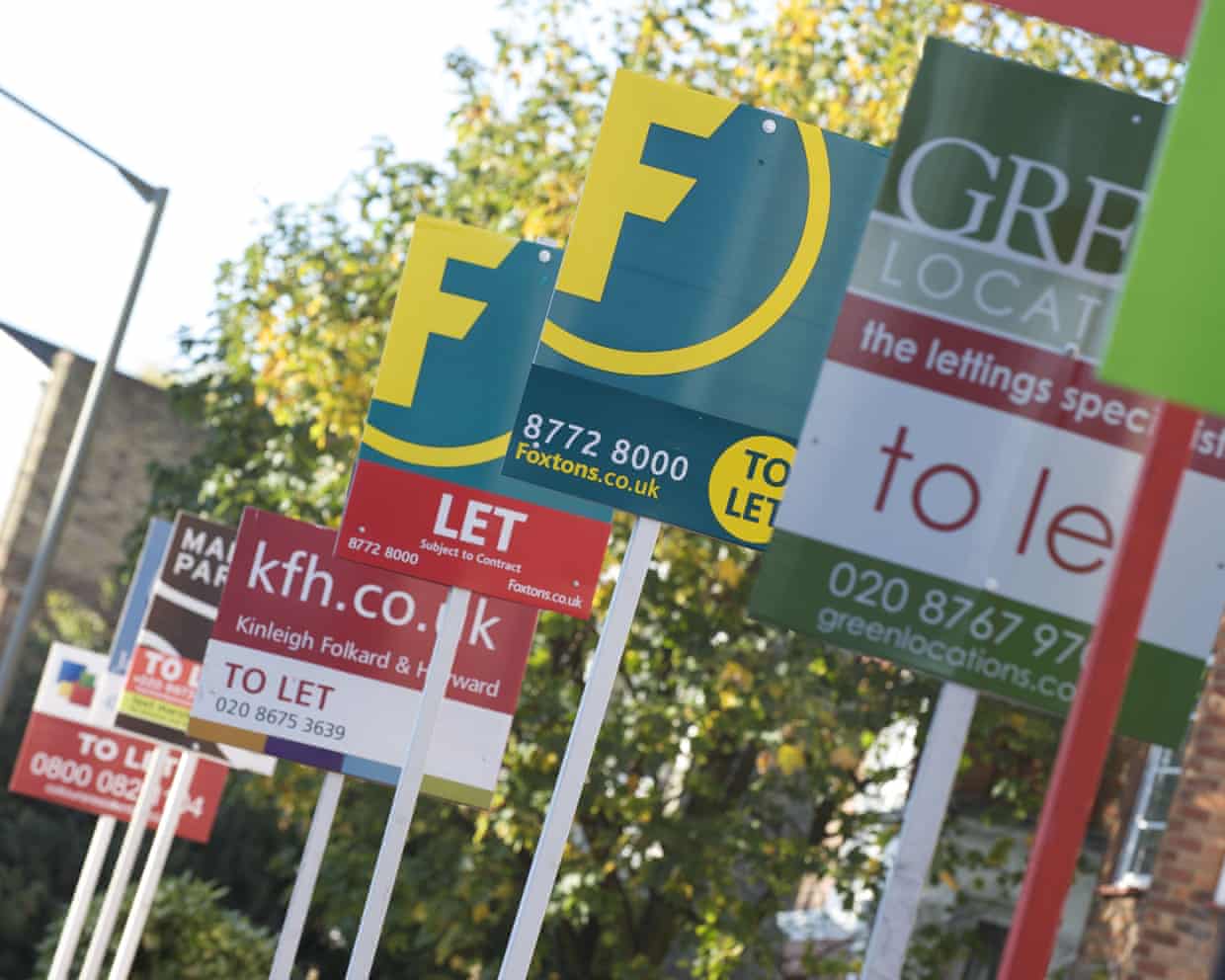
Renters’ Rights Act could worsen court delays without proper funding | Letters

Doctors warned Andrea could die without safe housing, then discharged her to sleep on the streets