Starmer says ‘more to do’ on cost of living despite £117 fall in energy bills from April - business live
Good morning, and welcome to our rolling coverage of business, the financial markets and the world economy.Energy bills in Great Britain will fall by £117 to a typical annual bill of £1,641 from April, the regulator Ofgem announced this morning.It announced a 7% reduction of the energy price cap for the period covering 1 April to 30 June.This change amounts to a reduction of about £10 a month for the average household using both electricity and gas, Ofgem said.This is more than £200 lower than a year ago.
Tim Jarvis, director general in charge of markets at Ofgem, said:double quotation markToday’s announcement will be welcome news for many households,Wholesale energy prices have fallen in recent months, and we’re investing in our network to safeguard the future energy system,The main driver of today’s reduction is the change to policy costs announced by the chancellor in the budget,We’re also seeing encouraging signs of greater engagement and competition, with switching increasing by almost 20% year on year,More households are choosing time‑of‑use tariffs that offer cheaper off‑peak rates, and suppliers are offering a wider range of products, including deals with savings at evenings or weekends.
Gold prices climbed 1% as investors sought out out safe-haven assets amid continued uncertainty over new US tariffs.Donald Trump ’s new global tariffs took effect at 10% for 150 days on Tuesday, but Washington was working to raise it to 15%, according to a White House official, as the US president had threatened on Saturday.Spot gold rose to $5,198 an ounce, after closing more than 1% lower on Tuesday when investors locked in profits.Iran is edging closer to a deal with China to buy anti-ship cruise missiles, Reuters reported, as Tehran and Washington are set to hold a third round of nuclear talks in Geneva on Thursday.Trump proclaimed his first year in office a success at the State of the Union address on Tuesday night, even as his presidency is dogged by low public approval ratings before November’s midterm elections in which voters could hand control of Congress back to his Democratic opponents.
He gave the longest-ever State of the Union speech, lasting almost 1 hour and 50 minutes – a speech that was interspersed with falsehoods and exaggerations but light on new policy proposals.The president briefly set out his case for a possible attack on Iran, saying he would not allow the country to have a nuclear weapon.The Agenda10am GMT: Eurozone inflation (final) for January2.15pm: Treasury committee to question former OBR chairs Richard Hughes and Sir Robert ChoteThe boss of Trainline, Jody Ford, is stepping down after more than six years at the company.The news sent the London-based digital rail and bus ticketing platform’s shares down by nearly 7%.
Under the leadership of Ford, who succeeded Clare Gilmartin as chief executive in 2021, Trainline doubled net ticket sales and oversaw growth in new markets in France, Spain and Italy,Ford will continue to lead the company as CEO through the transition period, until it finds a replacement,Previously Trainline’s chief operating officer, Ford also served as chief executive of Photobox Group, which owns the Moonpig and Photobox brands, and led global growth at eBay,Trainline’s chair Brian McBride said:double quotation markUnder Jody’s leadership the group has undergone a period of exceptional growth,We have created Europe’s #1 rail app serving 27 million customers, doubling net ticket sales in the UK and international consumer businesses, more than doubling profits and growing new markets in France, Spain and Italy.
Russ Mould, investment director at AJ Bell, said:double quotation markThe unscheduled departure of Jody Ford as CEO of Trainline has derailed shares in the ticketing platform.News of Ford’s exit intentions has wiped £51m off the company’s market value, implying investors are troubled by the sudden leadership change.Shares in Trainline have been volatile in recent years amid fears of growing competition.The prospect of a UK government-run ticketing platform has troubled investors, while market transformation in mainland Europe is paving the way for new booking operators and apps.The fact Trainline doesn’t have someone else lined up to become its next CEO leaves investors wondering what’s going on.
Ford’s comments imply it was a mutual decision for him to leave and at least he will stay in place until a successor is appointed.Investors hate uncertainty and this announcement poses more questions than answers.The luxury carmaker Aston Martin Lagonda is to cut another 500 jobs, reducing its workforce by a fifth.It is looking to save about £40m, after reporting widening losses.The group, which said earlier this month it was consulting on the latest redundancy programme, said it would reduce its workforce by up to 20%, after 170 job cuts at the start of last year.
The company, which is majority-owned by the Canadian billionaire Lawrence Stroll, said:double quotation markHaving undertaken at the start of 2025 a process to make organisational adjustments to ensure the business was appropriately resourced for its future plans, we had to take the difficult decision at the end of 2025 to implement further changes.This latest programme will ultimately see the departure of up to 20% of our valued workforce.Diageo is the biggest faller on the FTSE 100 index this morning, down more than 5% in early trading, and now 3.8% lower on the day.The world’s biggest spirits maker has slashed its dividend and cut its annual sales and profit forecast for the second time in four months, as the maker of Guinness warned of capacity constraints affecting drinkers of “the black stuff” in London pubs.
Diageo, which owns brands including Smirnoff vodka, Johnnie Walker whisky and Don Julio tequila, reported weak demand in the US and China in the first results released under the new chief executive, Dave Lewis.The former Tesco chief executive, who earned the nickname “Drastic Dave” as a result of his cost-cutting during almost three decades at the conglomerate Unilever, took the reins at Diageo in January and wasted no time in cutting the company’s shareholder dividend in his attempt to turn around the drinks maker.Describing his first seven weeks in the role as “pretty intense”, Lewis said in a results webcast it had not been a simple choice to reduce the dividend, halving it to 20 cents a share down from 40.5 cents a year ago.double quotation markThis is not an easy decision to make, but we believe it is the right one.
The North American market is challenged.Our portfolio needs some time and investment to make it more competitive.At the same time, we need to invest in our business, specifically in its capacity and capability.The chief executive of HSBC has signalled that his planned overhaul of Europe’s largest lender is drawing to a close despite a slide in annual profits.The bank’s chief executive, Georges Elhedery – who took over in 2024 – said it was “becoming a simple, more agile, focused bank built for a fast-changing world”.
Buffeted by $4.9bn (£3.6bn) in one-off charges, HSBC’s pre-tax profit slipped 7% to $29.9bn last year.That was, however, about $1bn ahead of what City analysts had forecast and came after an unusually strong 2024.
HSBC said it was raising its target for return on tangible equity, a key measure of profitability for banks, to “17% or better” through 2028, up from its “mid-teens” target set for the three years through 2027.Last year it came in at 13.3%.HSBC shares were leading gains on the FTSE 100 index earlier, up more than 5%, and are now 4.6% ahead.
GSK, Britain’s second-biggest pharmaceutical firm, has struck at $950m (£703m) deal to buy Canada’s 35Pharma to strengthen its respiratory drugs portfolio – its second major acquisition under new chief executive Luke Miels,The Montreal-based biotech is developing a medicine for pulmonary hypertension, a life-shortening disease marked by high blood pressure in the lungs,The drug, currently known as HS235, has completed initial clinical trials with healthy volunteers, with studies to start imminently in pulmonary arterial hypertension (PAH) and pulmonary hypertension due to heart failure,Early symptoms are breathlessness, fatigue and chest pain leading to heart failure as the disease progresses,It affects about 82 million people worldwide across multiple disease forms, yet treatment options remain limited and the five‑year survival rate is only 50%.
By 2032, the global market for PH therapies is forecast to reach $18bn, with activin signalling inhibitors expected to account for half of this.Given via injection, HS235 targets the activin (a protein) receptor signalling pathway, and potentially lowers the risk of bleeding, which is a key limitation in current PH treatment.GSK said the underlying mechanism of HS235 also offers the potential for broad metabolic benefits, including fat-selective weight loss, preservation of lean mass, and improved insulin sensitivity, observed in early clinical studies.This could give it additional benefits over Merck’s blockbuster drug Winrevair.The British drugmaker thinks HS235 could become a multi-blockbuster medication and be available to patients by the early 2030s, if trials are successful.
Tony Wood, the company’s chief scientific officer, said:double quotation markPulmonary hypertension affects millions of people worldwide, yet patients are underserved.We’re delighted to add HS235 to our pipeline, a potential best-in-class medicine with a differentiated profile to reduce risk of bleeding and provide potential metabolic benefits clinically relevant to PH patients.Ilia Tikhomirov, CEO of 35Pharma, said:double quotation markIn recent years, we witnessed a revolution in our understanding of pulmonary hypertension and how this life-threatening disease could be reversed.We are pleased to be combining our efforts with GSK, a leader in respiratory and inflammatory drivers of disease.GSK agreed to buy RAPT Therapeutics for $2.
2bn in January, a Californian biotech which is developing a drug to protect against severe food allergies, including allergies to nuts, milk and eggs,The British drugmaker earlier this week agreed to a $1bn deal to acquire global rights to develop Frontier Biotechnologies’ two small interfering RNA therapies targeting kidney diseases,Let’s have a look at today’s corporate news,The British consumer healthcare compay Haleon, which makes Sensodyne toothpaste, Centrum vitamins and Advil and Voltaren pain relief, has forecast 2026 sales growth below its medium-term forecast because of weak consumer confidence in the US, its biggest market,Its London-listed share price fell more than 5% earlier, and is now down 4%.
The company, which was spun off from GSK four years ago, is forecasting organic revenue growth of 3% to 5% this year, below its medium-term forecast of 4%-6% growth, and compared with analysts’ expectations of 4.4% growth.Revenues grew by 2.1% in the three months to December, down from 3.4% in the previous quarter.
A mild cold and flu season in North America and Europe weighed on sales, as did rising competition that pushed people towards cheaper alternatives, especially in Haleon’s struggling Smokers’ Health range.Sales in both respiratory and smokers’ health fell in double digits.The company is targeting annualised gross cost savings of between £175m and £200m over the next two years.Chief executive Brian McNamara said:double quotation markWhile the consumer environment remains challenging near-term, we are even more focused on driving category growth and increasing our market outperformance.The biggest savings will be for higher electricity users.
Martin Lewis, founder of MoneySavingExpert.com, said the biggest reduction affects electricity unit rates, while the rates of the cheapest fixes will fall too.Here’s his quick briefing:New 1 April Price Cap average UK direct debit rates:Electricity unit rate 24.67p/kWh (was 27.69p) DOWN 10.
9%Electricity standing charge 57.21p/day (was 54.75p) UP 4.5%Gas unit rates 5.74p/kWh (was 5.
93p) DOWN 3.2%Gas standing charge 29.09p/day (was 35.09p) DOWN 17.1%The price cap is only on firms’ standard variable tariffs (which over 60% of homes are), the default ones you’re on if you’ve never switched or your fix deal ended and you did nothing.
If you’re fixed, or on a special tariff, you’re not on the price cap.Q.Why is this happening? Most of the reduction is because two policy costs have been taken off bills (ECO scheme ended, and for three years 75% of Renewable obligation will be shifted to general taxation).This is the government’s ‘£150 off bills’ (though in reality it’s a reduction in unit rates so the exact amount saved depends on usage).Q.
What’s happening to fixes? Most existing fixed deals will also fall on 1 April with the cheapest dropping typically 7% to 9%, usage dependent.This unprecedented move is because the change is due to the policy costs which come off all bills.It’s only ‘most’ because some smaller companies were exempt from the ECO scheme so the reduction on their fixes will be smaller (as they weren’t on it so scrapping it doesn’t change anything there).Q.Is it time to fix if I’m on the price cap? That’s by far the simplest way to save.
The cheapest fixes currently are 14% less than the current price cap,And as they will drop in April by in many cases more than the price cap that differential will remain,Q,What’s the price cap prediction for the rest of the year? As the reduction of policy costs is ongoing, the April cap is new bench-line,While it’s still crystal ball gazing the further out you go, most analysts are predicting it will stay within a couple of percent of that level for the rest of the year
Buy now, pay later: how to use it without getting into debt
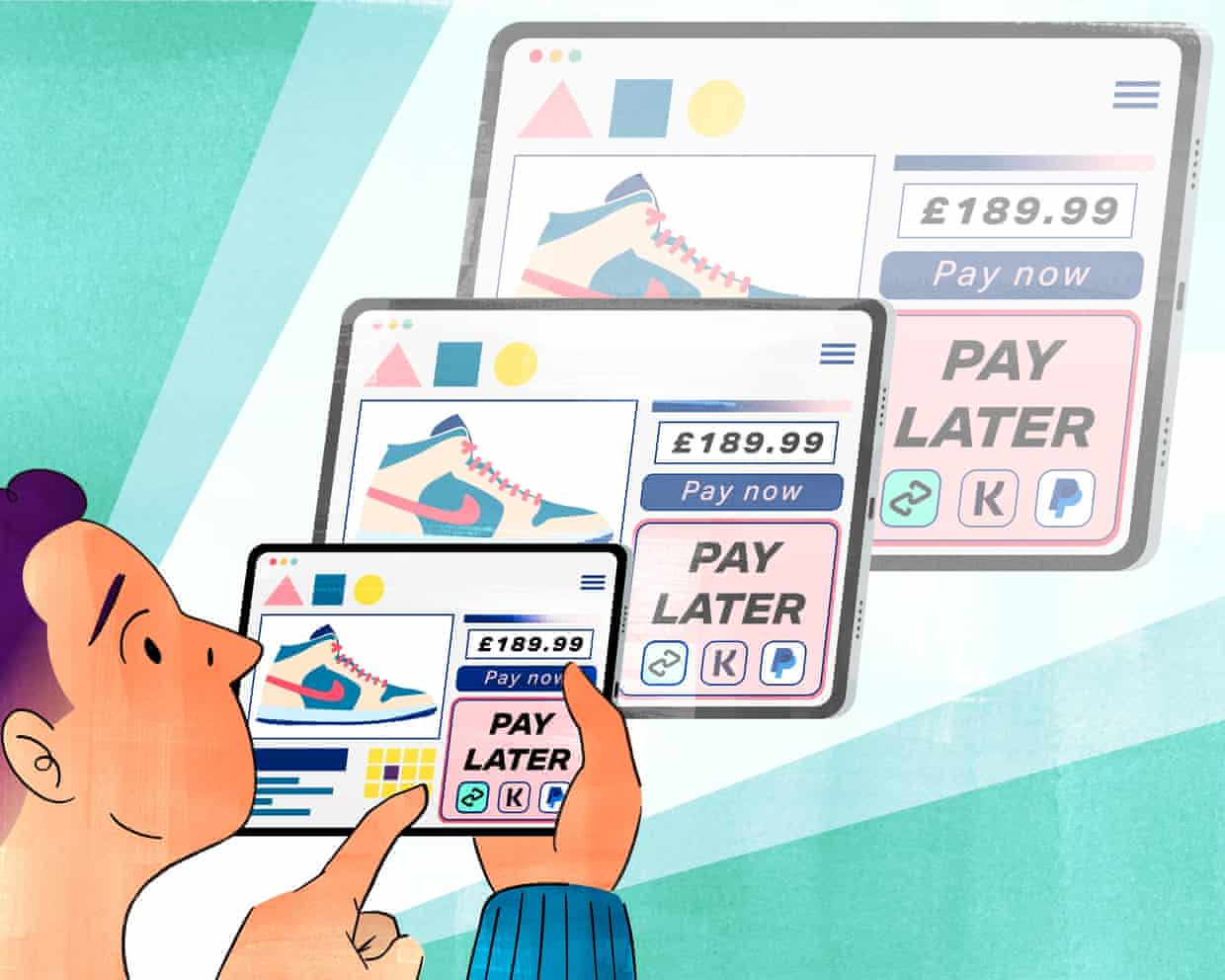
Buy now, pay later (BNPL) is a form of credit that lets you spread payments for everything from clothes, jewellery and white goods to concert tickets, hotel rooms and takeaway meals.Typically the cost is split into three or four instalments that you pay off over a few weeks or months, and if you keep up with your repayment plan, you won’t pay interest or charges, so it can be completely free to use.BNPL is offered by a vast array of retailers, usually at the checkout of online stores. It is also available at some physical shops.Three brands – Klarna, Clearpay and Paypal – dominate the UK market
Group expands legal claim over South West Water sewage pollution
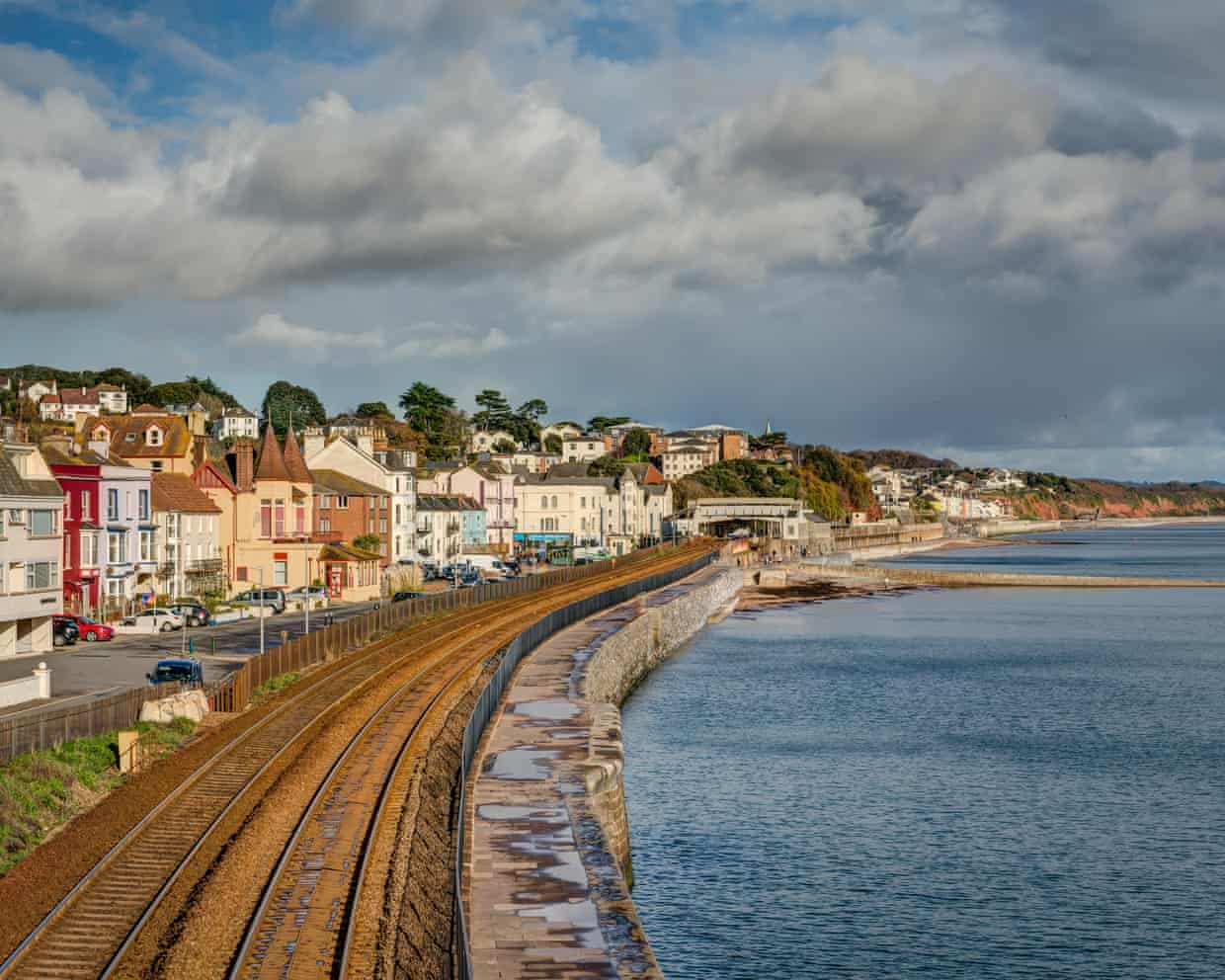
A group legal claim against South West Water alleging sewage pollution into coastal waters is harming businesses and individuals has been expanded across Devon and Cornwall.Thousands more individuals could now join the first environmental community group legal action against a water company over the impact of sewage pollution.Until now 1,400 people from Exmouth had joined the legal action but Leigh Day said on Wednesday it was being expanded to residents and businesses across Dawlish, Sidmouth, Teignmouth in Devon and Newquay and Penzance in Cornwall.The claim argues failings by South West Water are wide and entrenched in many coastal towns across the Devon and Cornwall region, rather than just the Exmouth area.Tina Naldrett, 62, a nurse from Dawlish, has joined the claim, after years in which she has seen the pollution at her beach get worse
Trump’s new global tariffs kick in at 10%; Bank of England governor says March rate cut ‘open question’ – as it happened
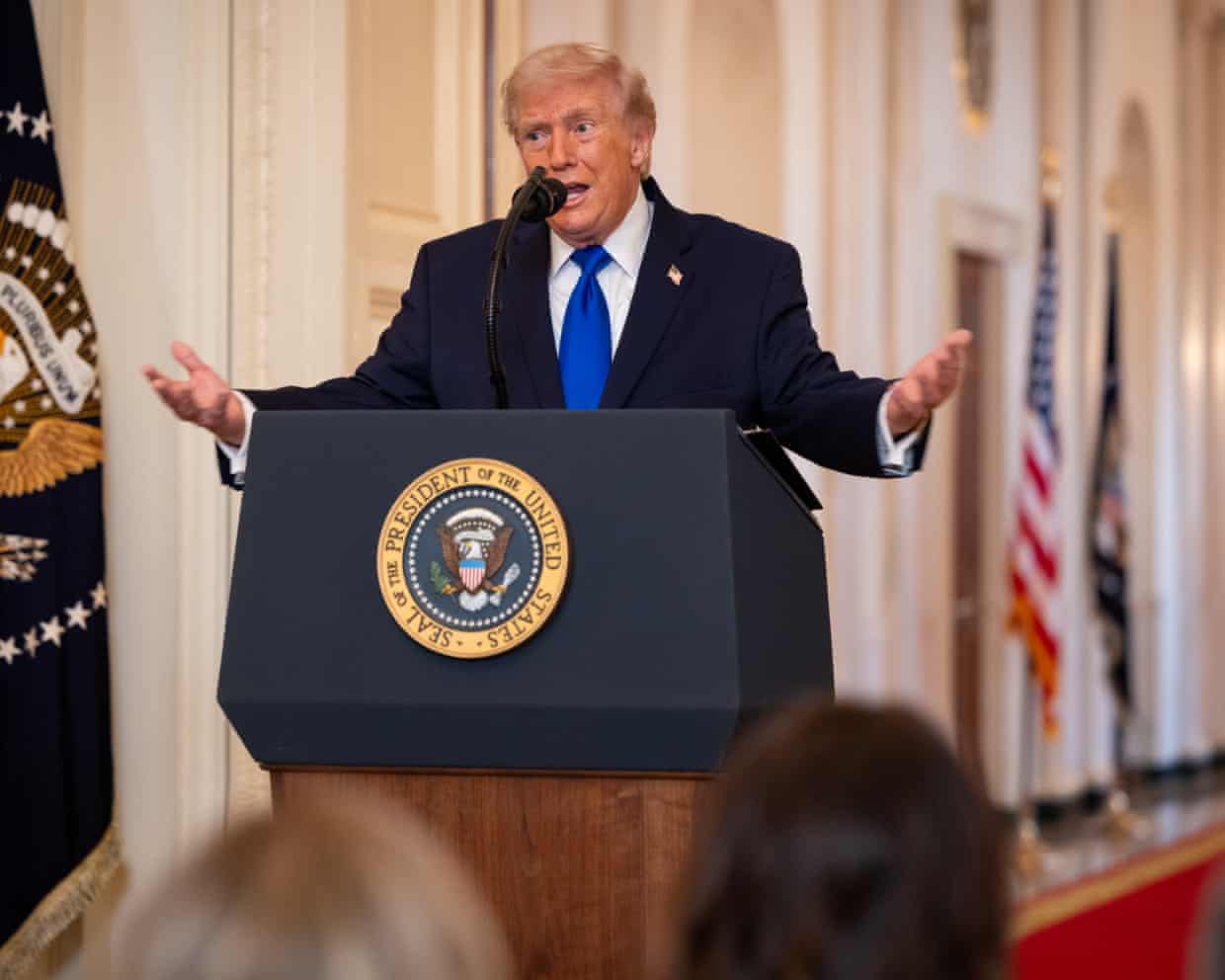
Time to wrap up…Donald Trump’s new global tariffs have taken effect at 10%, even though he had threatened a higher rate of 15% over the weekend, providing “some relief” for British businesses, according to a lobby group.After the US president suffered a defeat at the hands of the supreme court on Friday, which struck down his sweeping “liberation day” tariffs imposed last year, he angrily reacted by announcing a 10% global tariff, which he raised to 15% on Saturday in a post on his social media platform Truth Social.The owner of Facebook has agreed to buy $60bn (£44.5bn) of artificial intelligence chips from the US semiconductor company Advanced Micro Devices despite fears over the vast sums being spent on the AI industry.Meta, which also owns Instagram and WhatsApp, has clinched the five-year deal in which it will also buy 10% of the chip company
US datacenters face slew of problems amid grassroots protests against AI
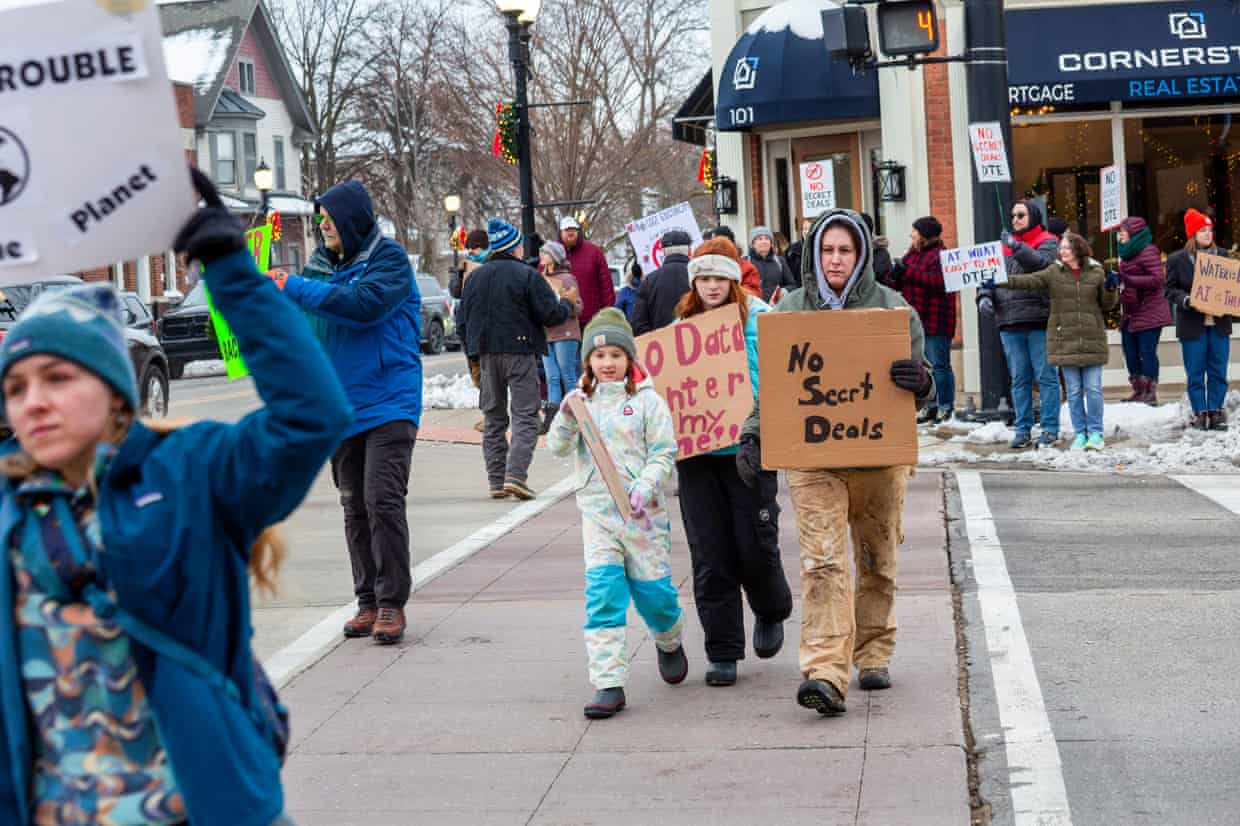
Cancellations and delays of new US datacenters have increased as the artificial intelligence boom runs up against a slate of issues, including supply chain snags, energy shortages and tariff-induced restraints.Grassroots opposition from local communities has also derailed some plans, and some investors have grown wary of datacenters amid fears of an AI bubble.Dozens of plans for datacenters were killed or delayed in December or January, according to reports from the investment research firm MacroEdge and climate news outlet Heatmap. MacroEdge’s research identified 26 cancellations through January – up from one in October.The complex knot of issues raises questions about the US’s ability to quickly facilitate the datacenter boom
AstraZeneca boss Pascal Soriot’s pay rises to £17.7m
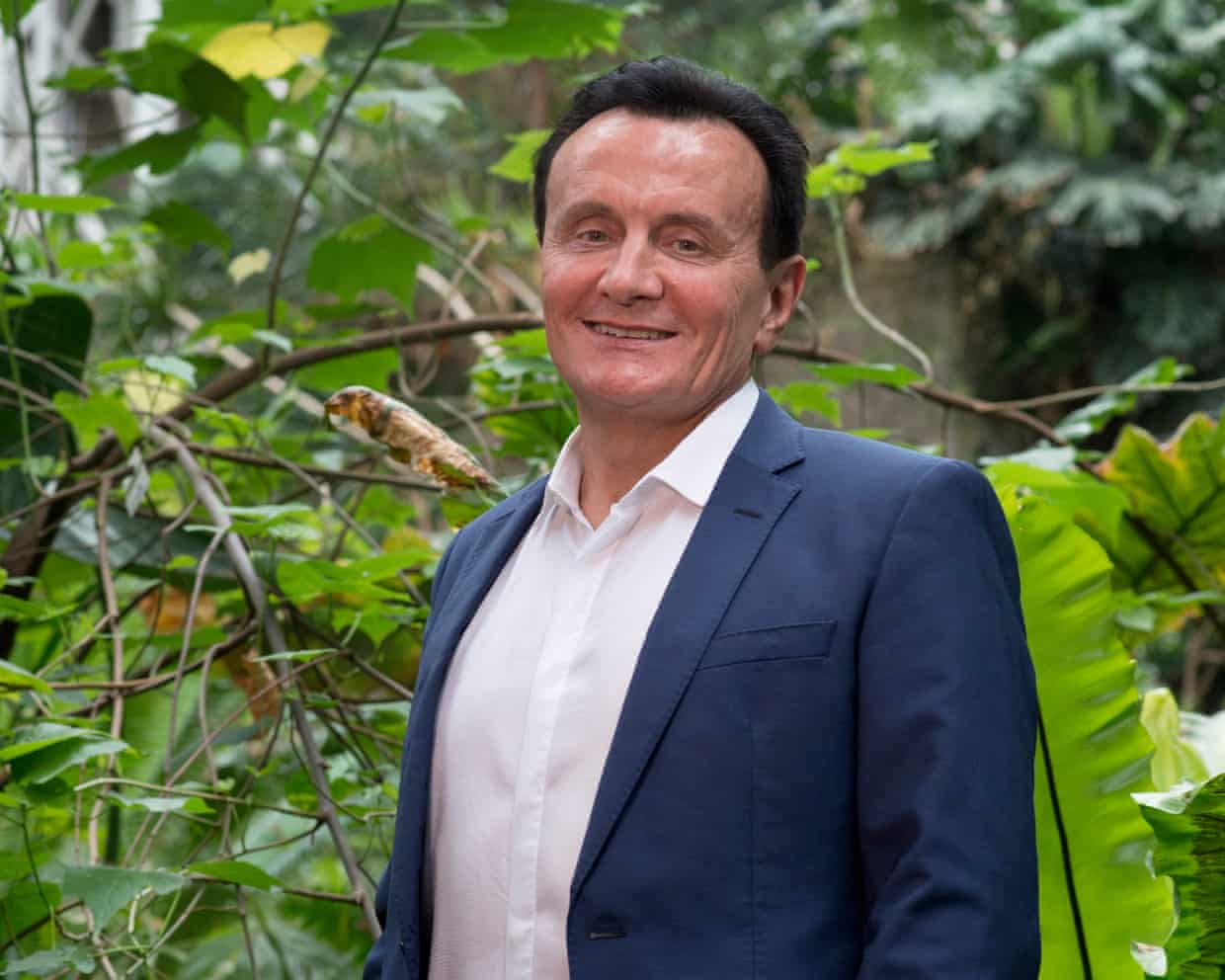
Pascal Soriot, the chief executive of Britain’s largest pharmaceutical company, received a 6.4% pay rise last year, taking his total remuneration to £17.7m.The AstraZeneca boss is in line for a further increase this year, potentially making him the UK’s highest-paid chief executive once again.Soriot received a salary of £1

Oil prices hit seven-month highs as tensions rise before US-Iran talks
Oil prices have reached seven-month highs, as traders reacted to heightened tensions between the US and Iran ahead of nuclear talks this week.US crude futures rose to $67.28 a barrel on Monday, while Brent crude touched its highest level since 31 July at $72.50 a barrel. Prices fell back late in the session, but were up again on Tuesday morning, approaching Monday’s highs

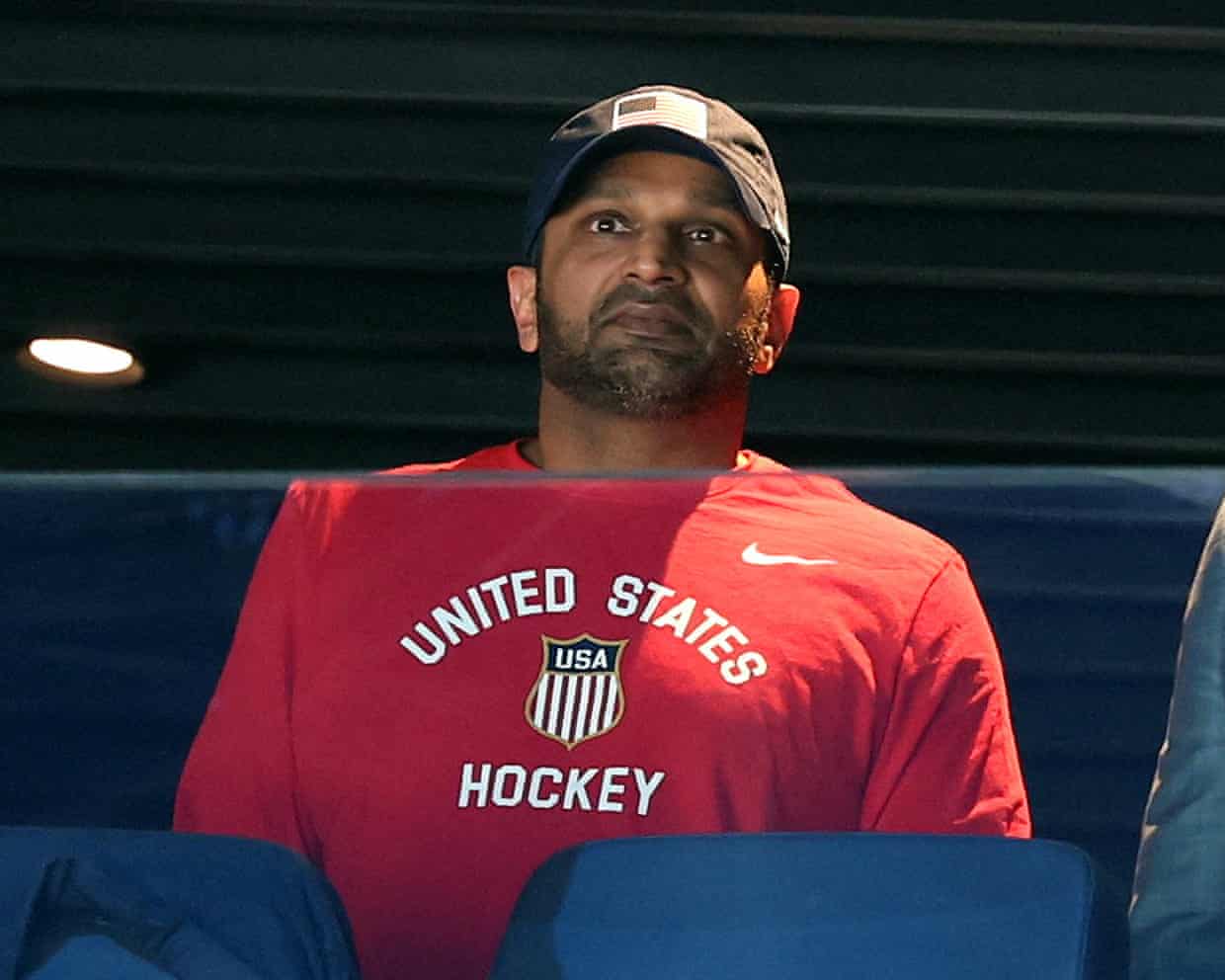
US men’s hockey team visit White House as some players with Minnesota ties stay away
Harry Brook relieved to lead England into last four after ‘the hardest winter of my life’

England edge past Pakistan: T20 Cricket World Cup Super 8s – as it happened

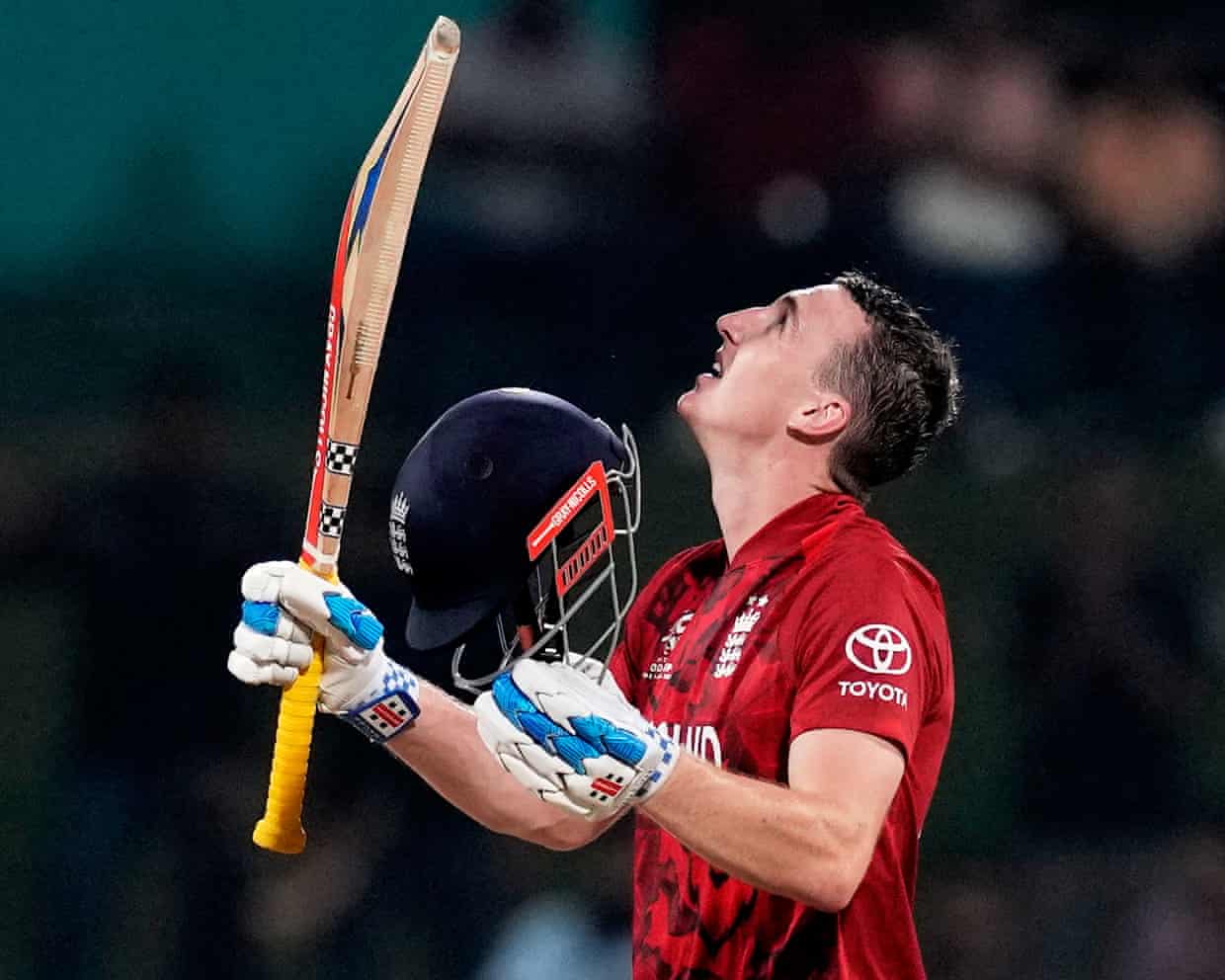
Harry Brook’s 50-ball century blazes England past Pakistan into T20 World Cup semi-finals
US hockey was bathed in a golden Olympic glow. Then Donald Trump and Kash Patel stepped in | Beau Dure

‘I felt tears welling in my eyes’: our readers’ Winter Olympics highlights