Bank of England keeps interest rates on hold with committee split 8-1 – business live
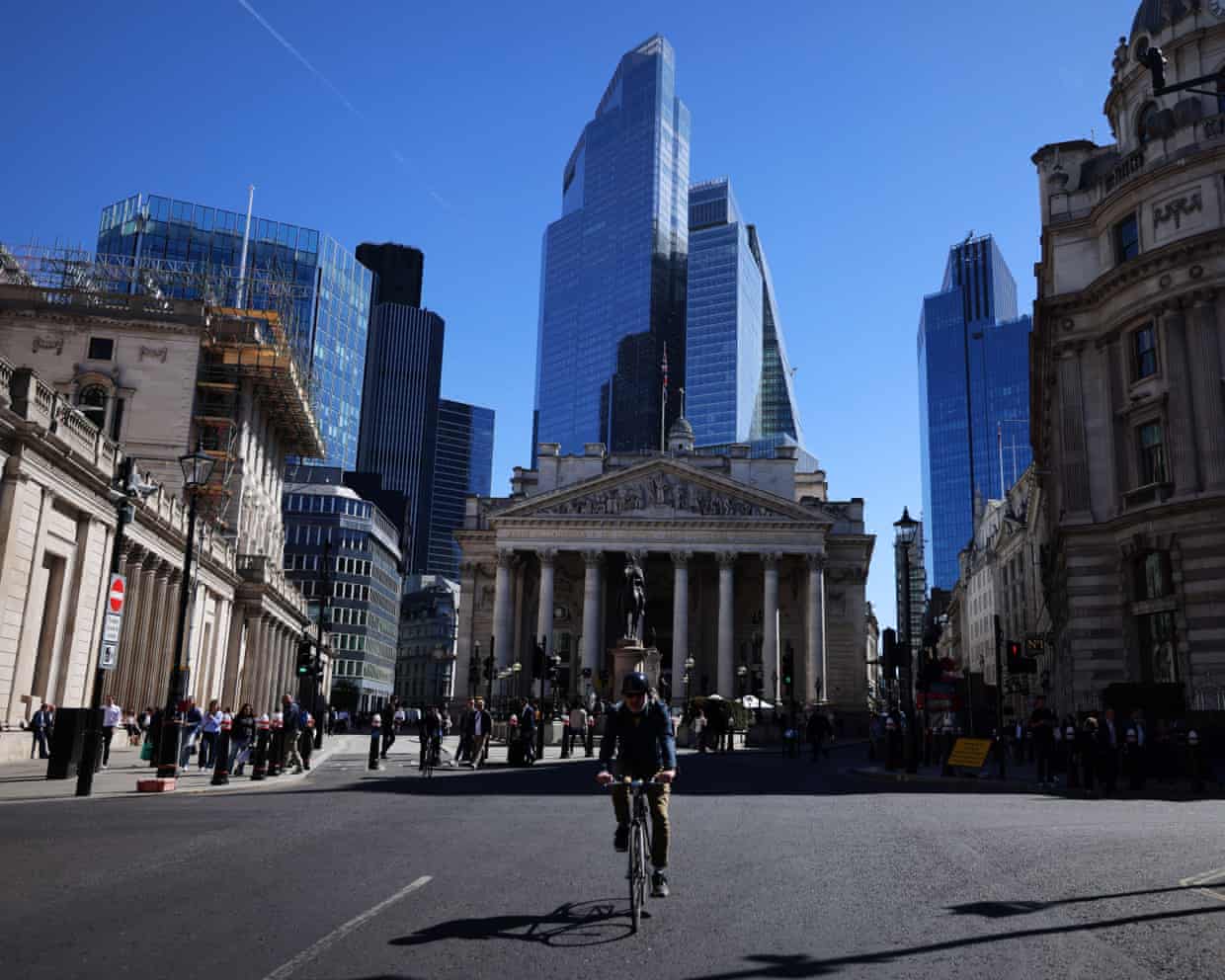
The Bank of England has left interest rates unchanged at 3.75%.The central bank’s rate-setting monetary policy committee (MPC) voted to leave borrowing costs on hold at noon, after its latest meeting.The vote by the nine-member committee to keep rates on hold was split eight to one.The Bank’s chief economist Huw Pill voted for a rate hike to 4%.
The Bank is charged with keeping UK inflation at a target of 2% in the medium term.It has lowered interest rates six times since mid-2024, and had been expected to cut again this year before the US-Israeli war on Iran began on 28 February.However, soaring energy costs as a result of the effective closure of the strait of Hormuz have began to push up inflation around the world.Inflation in the UK rose to 3.3% in March, from 3% in February.
Petrol and diesel prices have soared since the start of the Middle East conflict, reflecting a jump in the global oil price to above $100 a barrel,He said one element in scenario B is more plausible than in scenario A, the energy price profile, because of the damage done to energy infrastructure in Qatar where “it’s going to take a while to repair that”,Andrew Bailey said the Bank did not put probabilities on the three different scenarios because things move around too much,In all three scenarios, inflation is expected to rise, and unemployment will go up to at least 5,5%.
In the worst-case scenario C, oil prices peak at $130 a barrel and remain at this level for a prolonged period, pushing inflation to a peak of 6.2% in the first three months of 2027.This would prompt the Bank to raise interest rates to 5.25%.In the more benevolent scenario A, oil peaks at $108 a barrel this year before falling to below $80 at the start of 2027 and to $72 by the end of 2028.
In scenario B, oil prices also peak at $108 but remain higher over a longer period.He summed up the Bank’s thinking:double quotation markThe MPC’s decision to hold bank rate today is based on two key judgments.First, the continued weakness in activity and the labor market is likely to lessen the strength of second round effects from higher global energy prices, but these effects are likely to be stronger.The larger and more persistent is the rise in global energy prices.Second, that uncertainty about the strength of second round effects means that monetary policy needs to balance the costs of leaning too little against these effects, against the costs of responding to much.
The… balance is likely to change depending on how events unfold.The situation remains highly uncertain.We will continue to monitor the situation in the Middle East and how it affects the UK economy and inflation very closely.This includes the size and duration of the energy price shock and its direct effects on UK inflation.It includes the state of the UK economy, and how higher costs of energy and other inputs to production pass through to consumer prices, and it includes the potential for second round effects of our wage and price setting.
The monetary policy committee has considered three scenarios for possible outcomes for the UK economy and inflation over the next three years, Andrew Bailey said.The central bank’s statement issued at noon set these out:double quotation markIn Scenario A, energy prices were assumed to follow market futures curves, while in Scenarios B and C, these were higher and more persistent than the futures paths to varying degrees.There were no second-round effects from the latest energy shock in Scenario A.Second-round effects were incorporated in Scenarios B and C, and materially so in Scenario C.The appropriate monetary policy response would be state-contingent.
The scenarios illustrated that a more pronounced overshoot of inflation, as in Scenario C, was likely to warrant a forceful tightening in monetary policy.Given the absence of, or more modest, second-round effects in Scenarios A and B respectively, a less restrictive policy stance would be required than in Scenario C.During the press conference, the Bank’s governor said:double quotation markGiven the sheer unpredictability and drawing on the evidence from scenario B, there is a good case for holding rates now.But we must recognize that a prolonged spike in energy prices, as in scenario C, could lead to a higher bank rate, while also recognizing that a prompt end to the conflict and a reopening of the strait [of Hormuz] can take us to the more benign scenario, as in scenario A.The central bank is also worried about so-called “second round effects” such as higher wages.
The Bank of England governor said:double quotation markSecond round effects could arise, for example, if a rise in inflation expectations leads workers to bargain more strongly for wage increases and firms raise wages to maintain real pay for their employees, which in turn would increase their costs and could lead them to set higher prices.Monetary policy should not look through such effects, but the size of any second round effects, in addition to the direct and indirect effects, is highly uncertain.On the other hand, he said:double quotation markGiven the state of the economy, the UK labor market has loosened and that trend has continued in recent months.This suggests that workers will be more cautious in wage bargaining.At the same time, firms may find it difficult to pass on cost increases to their customers.
Given subdued demand, higher fuel and utility bills will themselves weigh on consumer demand for other goods and services through lower real incomes and weaker consumer sentiment.The Bank of England’s press conference has begun.Andrew Bailey, the governor, is making his opening remarks.double quotation markWe now project that inflation will rise to a little over 3.5% by the end of the year.
This change in the inflation outlook is a direct consequence of the conflict in the Middle East.Higher global oil and gas prices have a direct effect on UK consumer price inflation.He said household utility bills will head higher when the energy regulator’s next price cap for the third quarter takes effect.Higher energy, and fertiliser prices are expected to push up food price inflation.Rachel Reeves, the chancellor, said:double quotation markThe war in the Middle East is not our war, but it is one we have to respond to.
Every choice I make will be about keeping costs down for families and businesses, without repeating the mistakes we’ve seen in the past that resulted in higher inflation and higher interest rates.We entered this conflict in a stronger position because of the choices this government took to build economic stability, and we are going further to take back our energy security, backing British industry and protecting households, to build a Britain that is stronger, more resilient, and prepared for the future.Here’s some reaction.Matt Smith, mortgage expert at the property website Rightmove, said:double quotation markA Bank Rate hold is actually positive news today, particularly for those on a tracker mortgage, given a rate increase was on the table.It’s probably the most uncertain we’ve been about how the Bank will vote for a while and reflects how uncertain the geopolitical landscape is right now, and how up and down swap rates have been.
Despite the uncertainty, lenders have been competitive where possible with moderated rate cuts to support what is typically one of the busier points of the home-moving calendar.However, margins are tight, and if swap rates increase further, we could see some of these moderated cuts from lenders either paused or even partially rolled back.What happens next will mostly depend on how the situation in the Middle East continues to play out which, as we’ve seen, can change almost daily.Guy Gittins, chief executive of the London estate agent Foxtons, also welcomed the decision.double quotation markFollowing the increase in inflation to 3.
3% this month, a hold on the base rate provides a welcome degree of stability for the property market,It also gives buyers greater certainty around borrowing costs when making long-term financial decisions,The market isn’t moving at the same pace as 2025, due to the first-quarter boost we experienced last year from the stamp duty holiday ending,When compared to 2024, we’re seeing a stable and improving landscape, with resilient buyer interest and viewing numbers at Foxtons up in April when compared to March 2026,Here’s our full story:The Bank of England has left interest rates unchanged at 3.
75% but warned that the UK should brace for hikes later this year, as “higher inflation is unavoidable” as a result of the war in the Middle East.The Bank’s rate-setting monetary policy committee (MPC) voted to leave borrowing costs on hold on Thursday, with its nine-member committee split 8-1 in their decision.Andrew Bailey, the central bank’s governor, said:double quotation markThe war in the Middle East is causing inflation to rise again this year.He added that the policymakers were monitoring the global situation and its impact on the UK economy “very closely”, but that the decision to hold rates at 3.75% for now is a “reasonable place given the situation of the economy and the unpredictability of events in the Middle East”.
This is the Bank of England’s statement accompanying the decision to leave borrowing costs on hold:double quotation markTaking all the risks to the economic outlook into account, and recognising that the tightening in financial conditions would help to reduce inflation over time, most members preferred to maintain Bank Rate at this meeting.In reaching this judgement, there was a range of views across members.One view was that second-round effects could be modest and offset to a degree by the risk of weaker activity.Tighter financial conditions would provide insurance against a more adverse outcome for inflation, while further evidence accumulated in the coming months and policy could be re-assessed.Another view emphasised that material second-round effects were plausible and that tighter financial conditions could bear down on these pressures, with differing views on whether and when a tightening in monetary policy might be needed.
One member [Huw Pill] judged that an increase in Bank Rate at this meeting was warranted, given the clear upward shift in risks to the lasting achievement of the inflation target.Before the rate decision, protesters gathered outside the central bank’s base in the City, urging it not to raise interest rates.Andrew Bailey, the Bank of England governor, said in the statement :double quotation markThe increase in energy prices from conflict in the Middle East represents a supply shock.So far, this shock differs from 2022 [after Russia’s invasion of Ukraine] as the increase in energy prices has been smaller, monetary policy started more restrictive and the labour market is weaker.Pay pressures are continuing to ease gradually.
Future higher pay demands could come up against firms’ margin constraints, a softer labour market and firms’ caution about passing on cost increases.This shock will induce a trade-off between higher inflation and softer output, and the appropriate policy response is state-contingent.If the shock appears to be short-lived or the economy weaker, policy should place relatively more weight on avoiding unnecessary contraction in activity.If second-round effects are likely to be greater, policy should focus on returning inflation back to target more quickly.At the moment, I place most weight on Scenario B, albeit with slightly reduced second-round effects.
I place some weight on Scenario C, which would require a stronger monetary policy response.For now, the softer real economy makes it appropriate to maintain Bank Rate.The Bank of England has left interest rates unchanged at 3.75%.The central bank’s rate-setting monetary policy committee (MPC) voted to leave borrowing costs on hold at noon, after its latest meeting.
The vote by the nine-member committee to keep rates on hold was split eight to one.The Bank’s chief economist Huw Pill voted for a rate hike to 4%.The Bank is charged with keeping UK inflation at a target of 2% in the medium term.It has lowered interest rates six times since mid-2024, and had been expected to cut again this year before the US-Israeli war on Iran began on 28 February.However, soaring energy costs as a result of the effective closure of the strait of Hormuz have began to push up inflation around the world.
Inflation in the UK rose to 3.3% in March, from 3% in February.Petrol and diesel prices have soared since the start of the Middle East conflict, reflecting a jump in the global oil price to above $100 a barrel.We are moving closer to the Bank of England’s interest rate decision at noon.We are expecting no change to its main rate of 3.
75%.Water companies are leading the gains on the FTSE 100 index in London, after United Utilities laid out new investment plans.The company forecast higher annual revenues and said it has submitted plans to regulator Ofwat for a further £1.4bn investment programme that could create 4,000 supply chain jobs.This would support housing, data centres and clean energy development, at a time when Britain’s water sector is under mounting pressure to address pollution after numerous spills, and strengthen long-term infrastructure resilience.
Russ Mould at stockbroker AJ Bell said:double quotation markPlans for a massive flood of investment at water utility company United Utilities has created an unusual level of excitement for a part of the stock market historically seen as pretty boring.In more recent times the water sector’s name has been mud with investors, regulators, the public and politicians thanks to issues around pollution and financial mismanagement across the broader sector.The plan to support areas like data centres, clean energy and new homes is being taken as a game changer by investors for now, although delivering on this big programme of spending and remaining on time and on budget is the big challenge for the company.United Utilities posted an adjusted profit after tax for the year to 31 March of £730m, up from £513.3m the year before, and said it expects evenue to rise to between £2.
7bn and £2.8bn in the current year.Chief executive Louise Beardmore said:double quotation markOperationally, we are making real progress on the issues that matter most, including significant reductions in storm overflow spills and sewer flooding, alongside strong customer service performance.Brent crude has retreated, reversing earlier declines of as much as 7%, and is now trading 1.65% lower at $116

Leasehold ban in England and Wales unlikely before next general election, minister says
A ban on new leasehold properties in England and Wales is unlikely to come into force until after the next election, the housing minister has said, as he defended the government’s piecemeal attempts to dismantle the system.The long-promised end would take years to “switch on”, Matthew Pennycook said, even though the ban of leaseholds on new houses was passed in 2024 and the government intends to pass one on new flats soon.Pennycook was giving a speech defending the government’s approach to bringing a de facto end to the feudal-era system after years of complaints from leaseholders about crippling service charges and crumbling buildings. He said the process needed to be rolled out slowly to avoid undermining housing supply and falling into legal pitfalls.“I think it’s highly likely that we don’t switch on the ban in this parliament,” he told reporters afterwards

The use of advanced practitioners in the NHS is no reason to fear for patient safety | Letters
I am an advanced clinical practitioner in acute respiratory medicine, and the British Medical Association’s (BMA) characterisation of practitioners like me as unsafe “substitute doctors” demands a response (Safety fears as UK hospitals use nurses to cover for doctors due to shortage of medics, 25 April).Every shift, I assess and manage patients with severe chronic obstructive pulmonary disease exacerbations, pulmonary embolisms, pneumonia and acute respiratory failure, taking clinical responsibility in a consultant-led multidisciplinary team, underpinned by a master’s-level qualification and over a decade of specialist experience. This is not doctor substitution. This is advanced practice: a distinct, evidence-based clinical role that enhances patient care rather than compromising it.The cases cited in your article (at Rotherham general hospital and a GP practice) represent failures of organisational governance, not evidence that advanced practitioners are inherently unsafe
The landlords’ view of the rental market | Letters
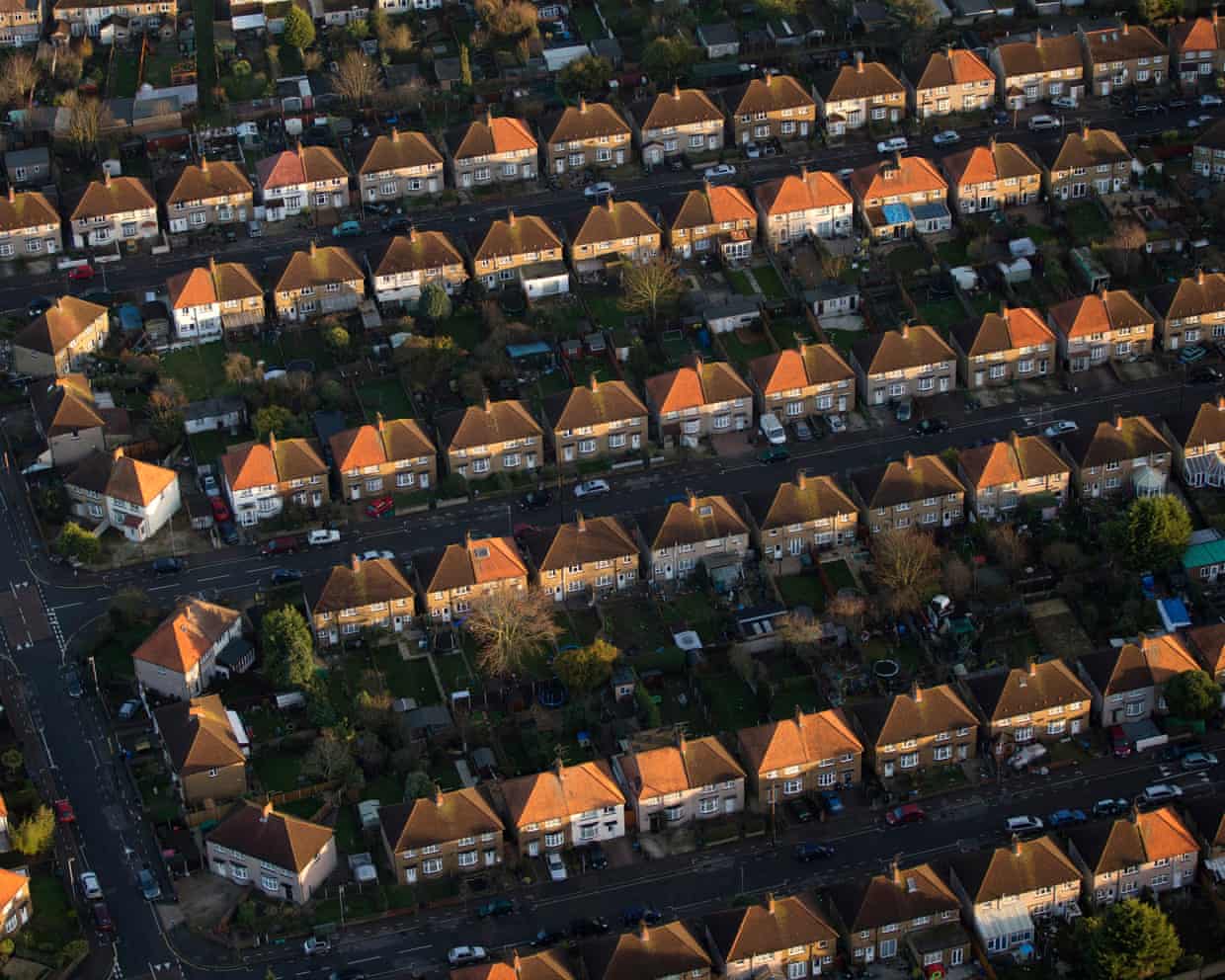
Your article on landlords (I thought landlords were unchallengeable – until I met one of mine at a party, 22 April) paints them as shadowy figures wielding quiet power, but the reality is often more ordinary – and more complicated. I’m an “accidental landlord”. In my 40s, after working long hours to buy a modest home, I became seriously ill with chronic fatigue and had to move back in with my parents. Letting my house wasn’t about exploitation; it was about survival – covering a mortgage I could no longer sustain through work.Over time, I reinvested carefully, and I now own a small number of properties

Visible sign of MPs’ boozing is comical | Brief letters
The Labour MP Alex Sobel says he has never “actually seen anyone smell of booze” (Hannah Spencer riles fellow MPs with attack on parliament’s drinking culture, 27 April). That’s a relief, otherwise I would have wondered whether we were all living in a strip cartoon in The Dandy or Beano.Pete LavenderWoodthorpe, Nottinghamshire Now we know why they make such a cock-up of everything.Michael FullerAmpthill, Bedfordshire In an otherwise sensible article, Nick Bender tells us “Falling is a huge concern for anyone over 60” (All the right moves! 17 personal trainers on the exercise they always recommend – from planks to face pulls, 29 April). My bootcamp, and most of my 60-something friends, would disagree
Swearing banned by one in five councils in England and Wales, report on ‘busybody’ fines shows
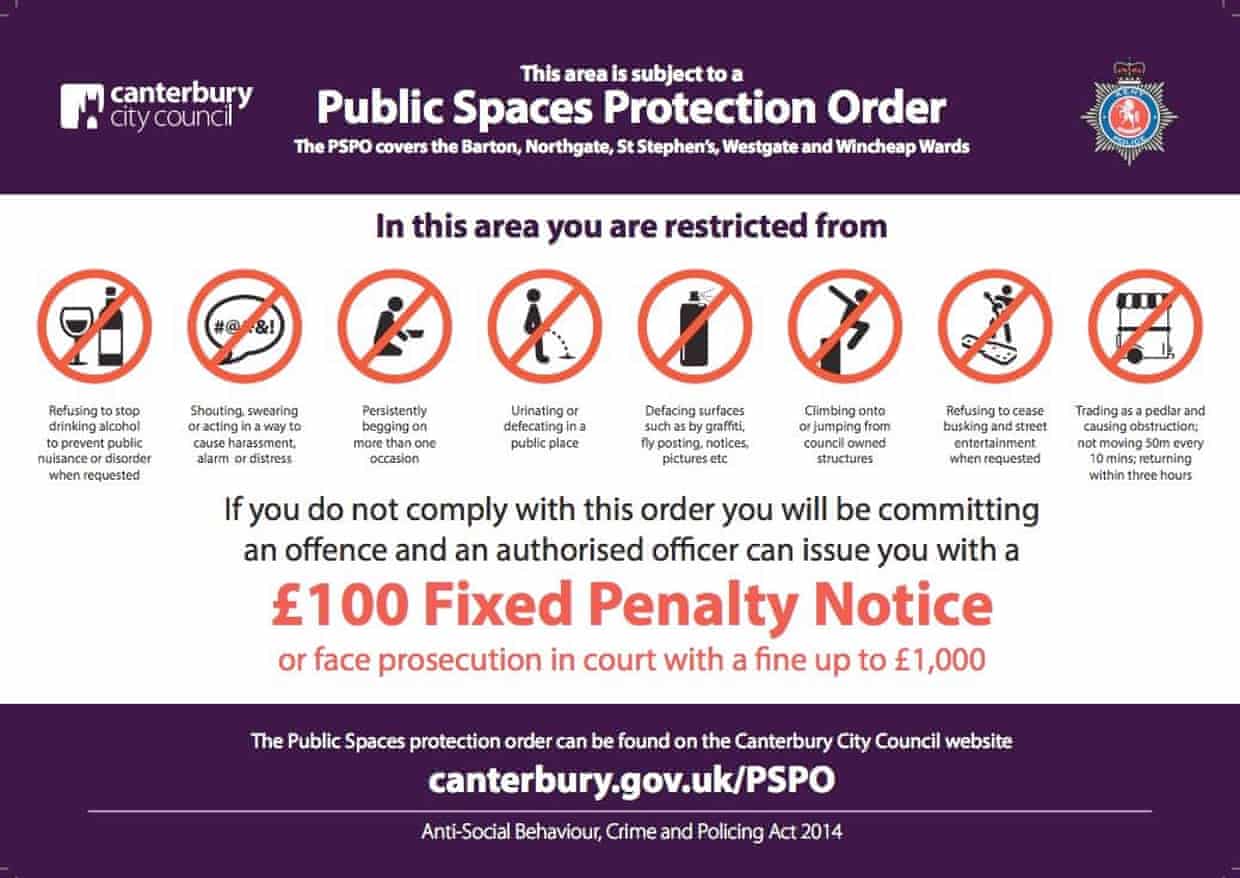
One in five local councils have banned swearing under new “busybody” orders, up from one in 20 councils in 2022.A new report by the Campaign for Freedom in Everyday Life has found that public spaces protection orders (PSPOs) – originally intended to tackle serious antisocial behaviour – are being used by councils in England and Wales to criminalise a wide range of everyday activities, including standing in groups, shouting and picking up stones.“Councils have introduced a swathe of bizarre bans that will turn ordinary people into unwitting criminals,” said Josie Appleton, the director of the group. “Councils have used PSPOs – which allow them to ban any activity they judge to have a ‘detrimental effect on the quality of life’ – to introduce over 1,000 new laws, each of which can contain dozens of separate restrictions.“These orders are not subject to democratic or legal scrutiny: they can be brought through by a single unelected council officer, and do not require public consultation or full council assent
Obesity a key factor for rising cancer rates in young people in England, study finds
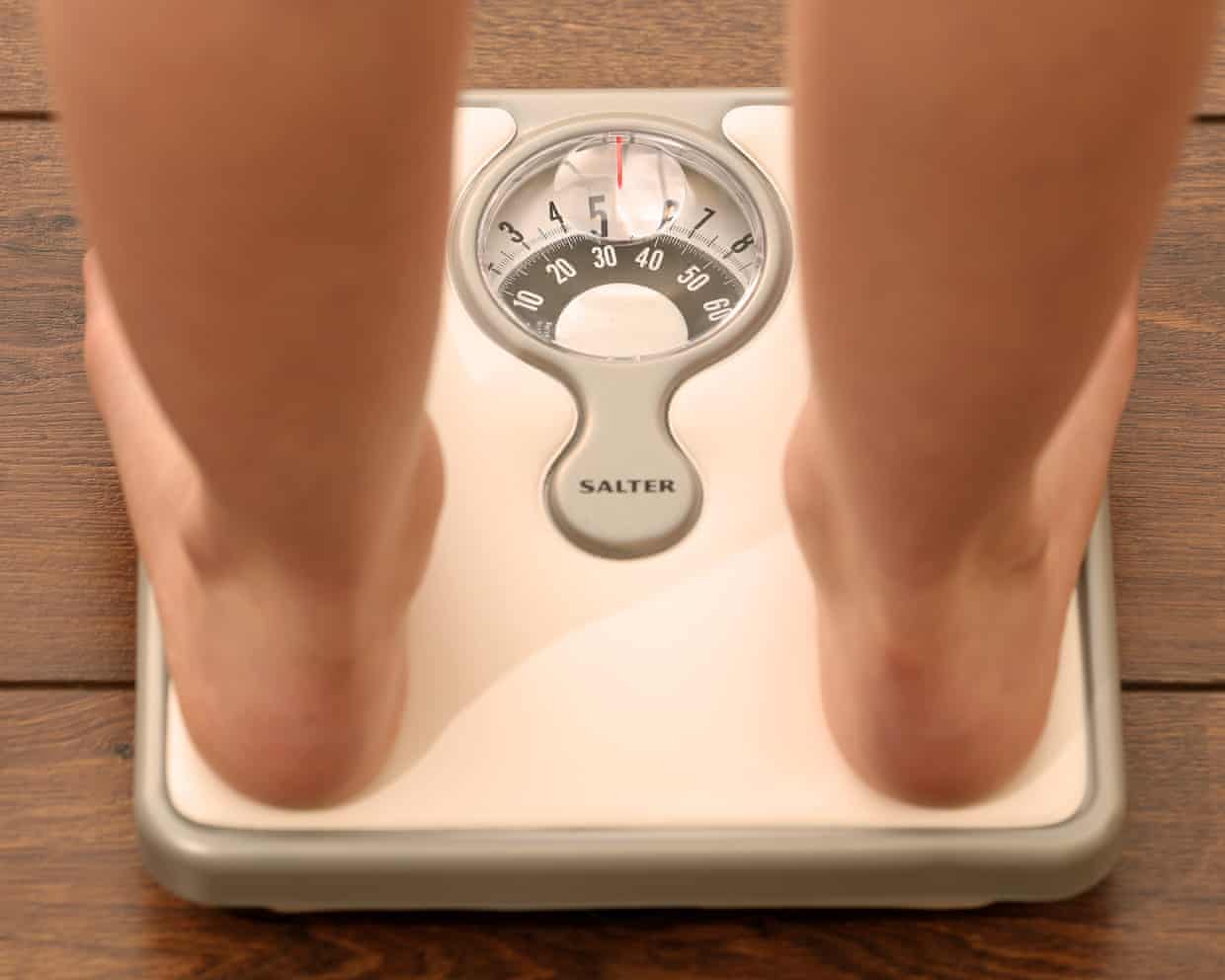
Obesity is a key factor for the rising rates of cancer among younger people in England, according to a study.There are 11 types of cancer, including bowel and ovarian cancer, that are increasing among people aged 20 to 49 between 2001 and 2019, according to analysis by researchers from the Institute of Cancer Research and Imperial College London.Obesity is the only known behavioural risk factor that has been increasing in younger adults over this period, while more established risks such as smoking, alcohol, red meat and physical inactivity have all remained stable or in decline in England.This led researchers to conclude that the increase in obesity was a key factor behind the rising rate of cancer cases. Excess weight was associated with 10 of the cancers identified, including thyroid, kidney and pancreatic cancer, with oral cancer being the only exception
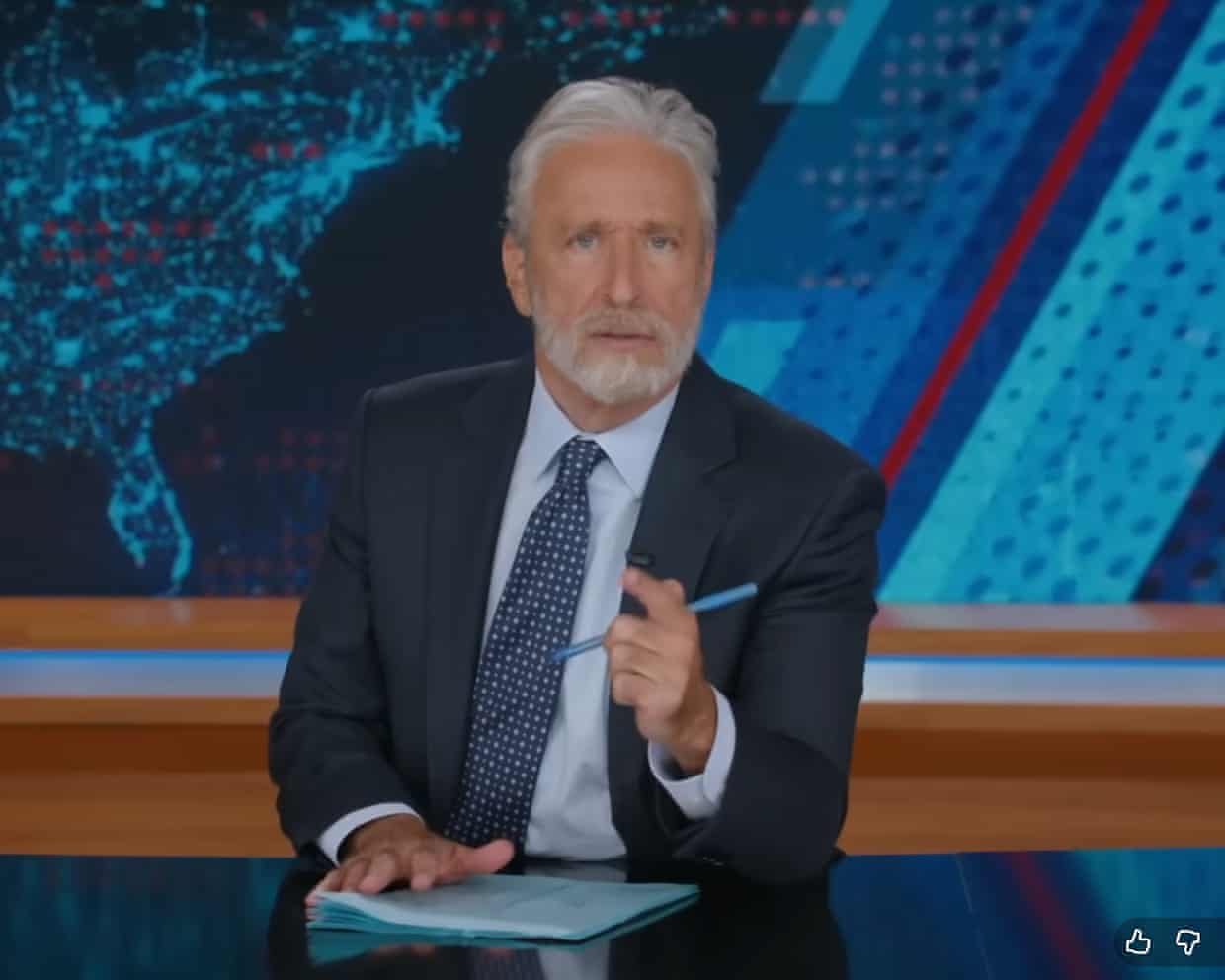
Jon Stewart on White House correspondents’ dinner: ‘We can’t even pull off a dinner that shouldn’t have existed in the first place’

Antiquities dealer who exposed thefts at British Museum dies aged 61
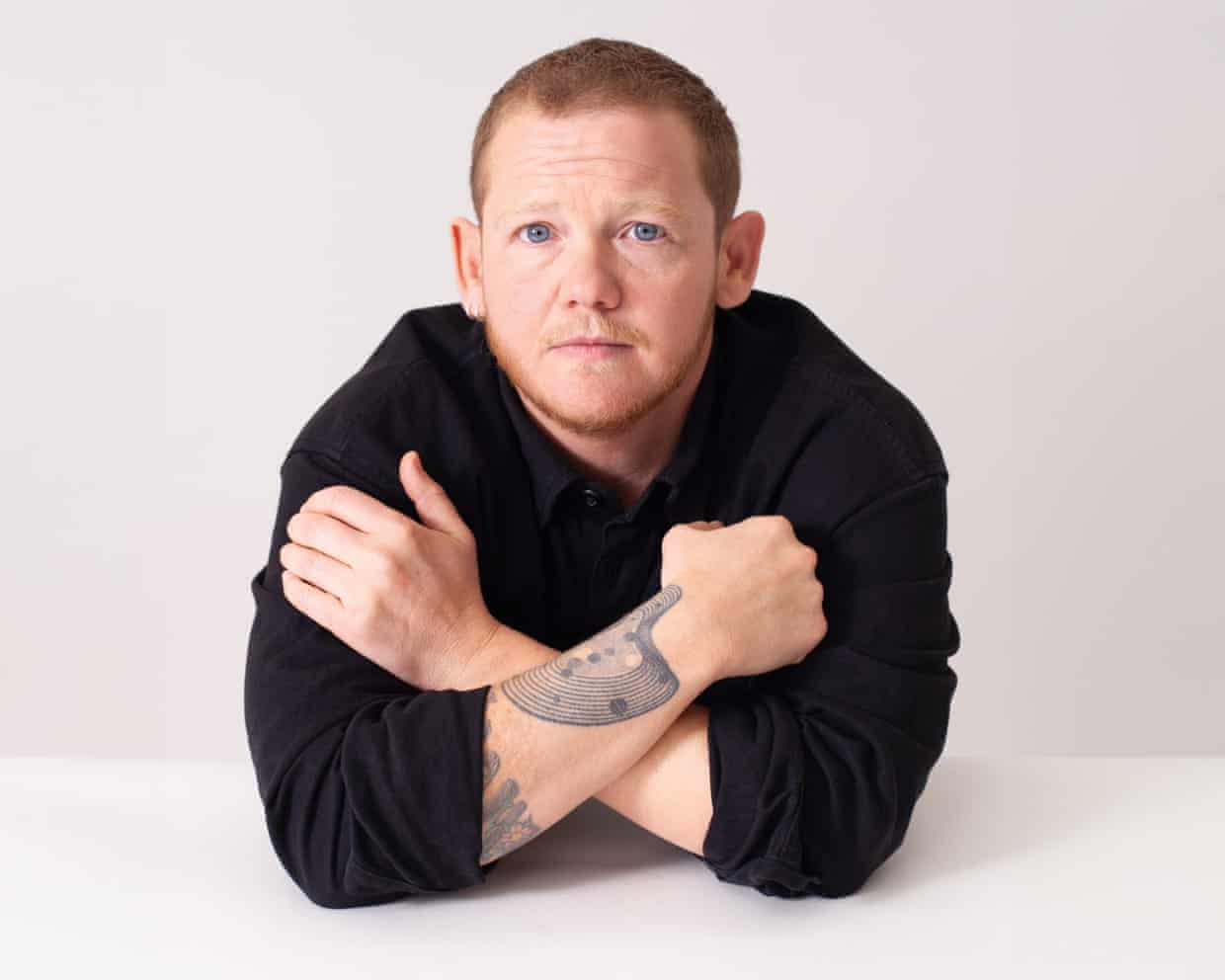
Having Spent Life Seeking by Kae Tempest review – painfully earnest tale of trauma and transition

The Primitives: ‘A reviewer said that Crash would finish the band. Then it was in Dumb and Dumber’
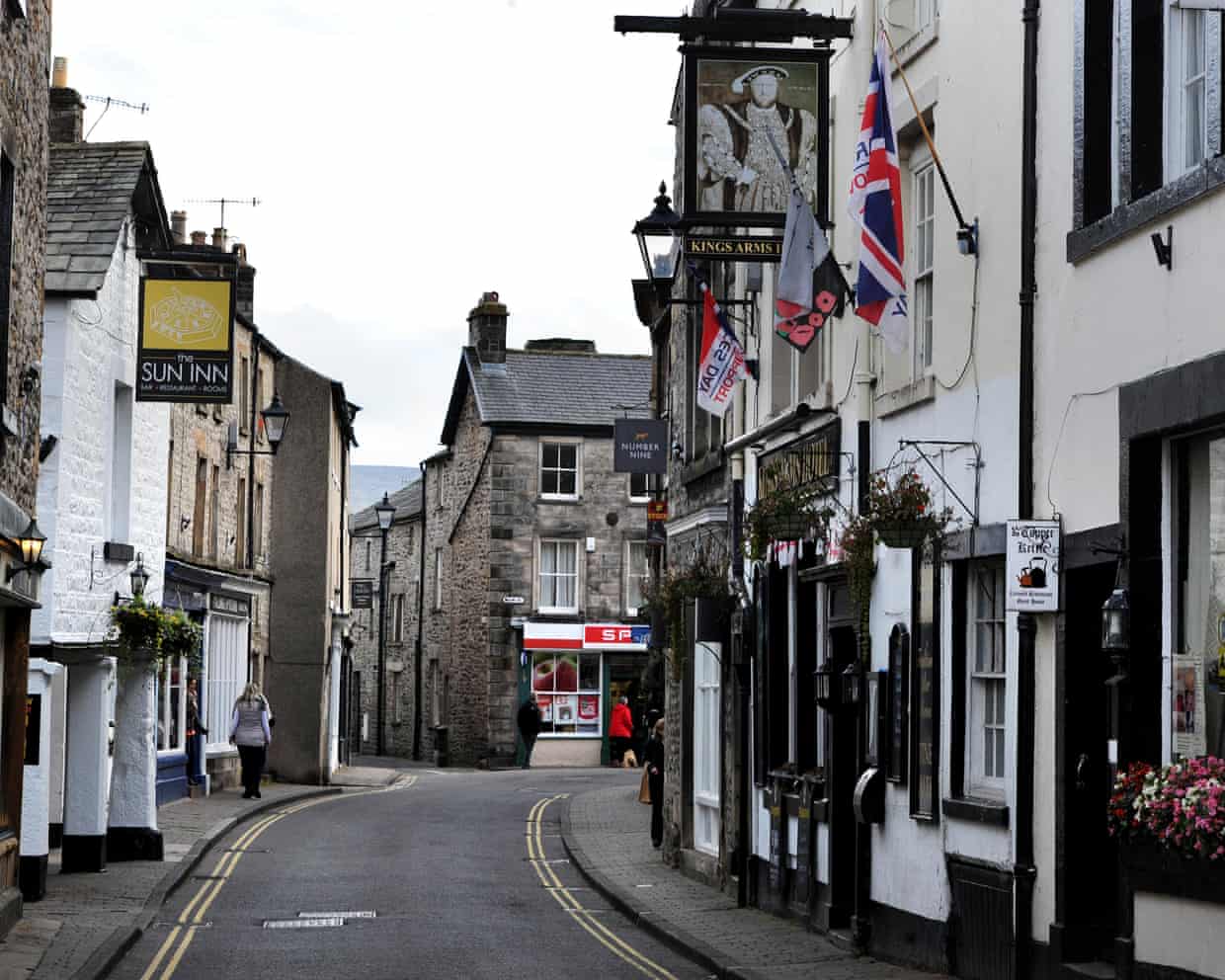
Arts funding gap in the north must be closed | Letters
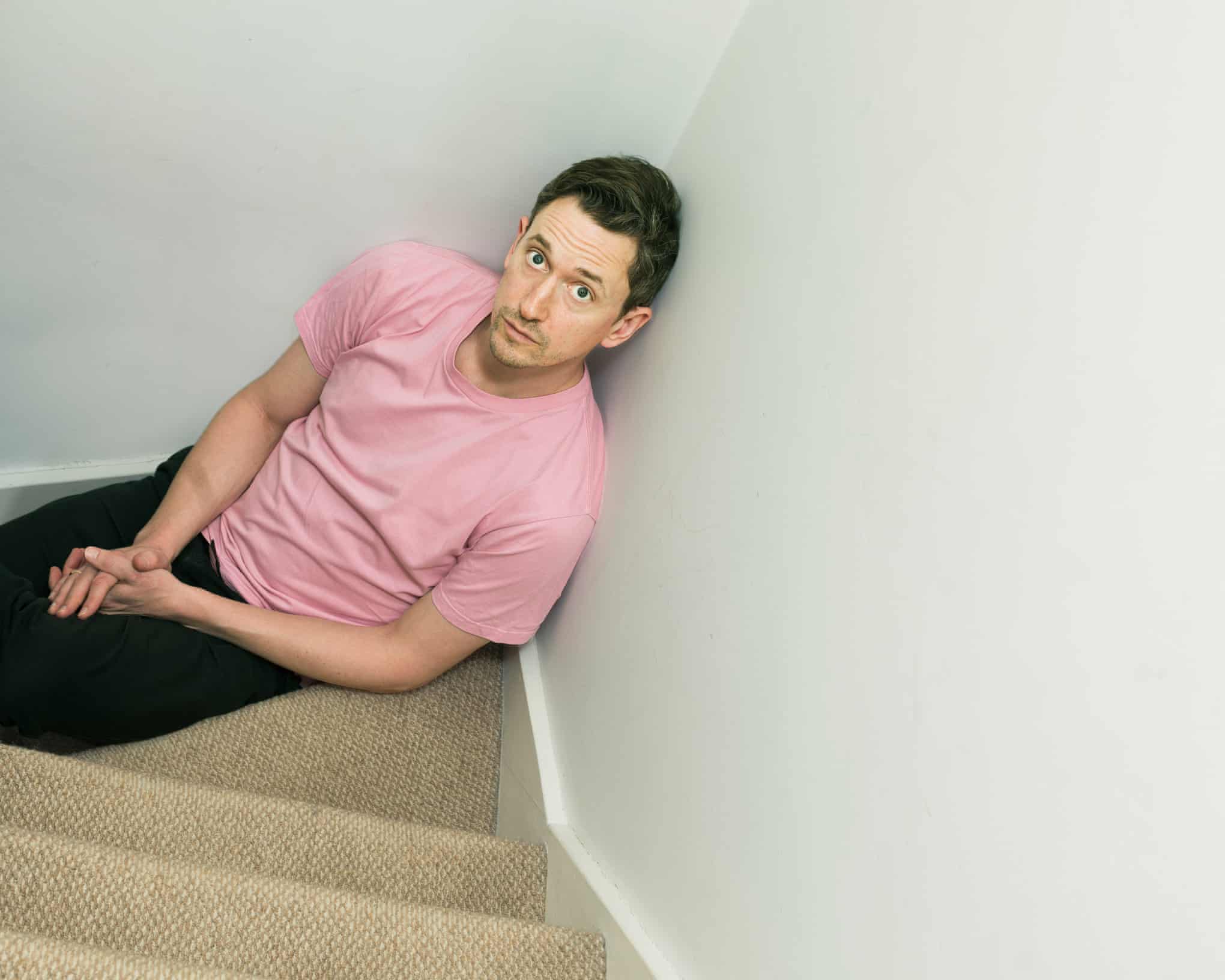
‘I wanted alcohol to take me to a place where I was not’: comedian John Robins on the moment he realised he had a drinking problem