Head of NHS England ‘really worried’ about medicine supplies
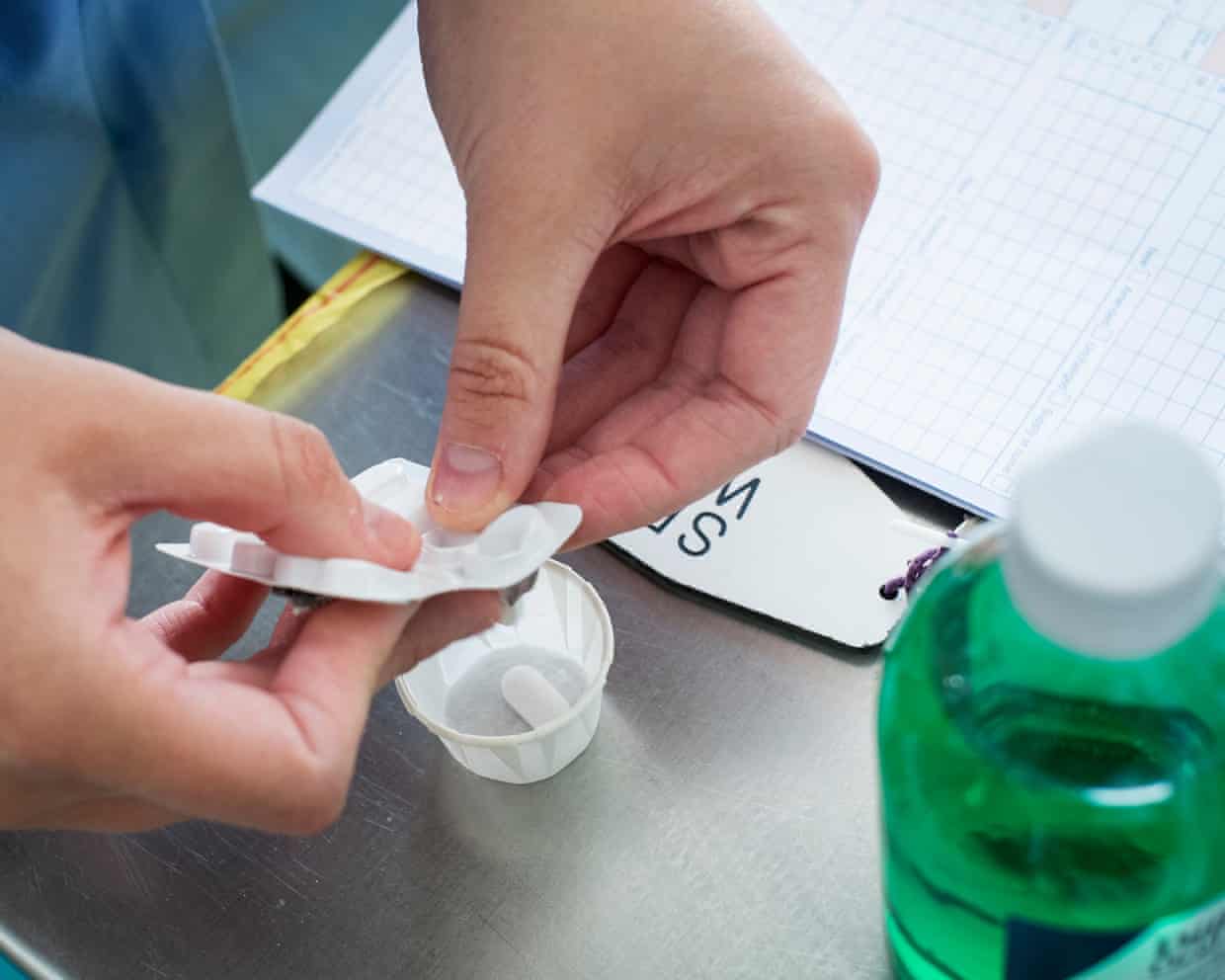
The head of the NHS in England has said he is “really worried” about medicine supply issues,A number of experts have raised concerns about cost implications and supply disruption linked to the war in Iran,The NHS England chief executive, Jim Mackey, was asked during a phone-in on LBC Radio on Tuesday what contingency planning was in place because “the UK imports 75% of its medicine”,He said: “We are really worried about this,We’ve already had a couple of supply shocks in the last 12 to 18 months of key supplies.
”He said a team was in place to “focus on where the risks might be through the supply chains”.Asked how much supply there was, he replied: “It depends what you’re talking about.In every area, we’ve got enough to get through for a reasonable period … so generally, a few weeks.“Because things perish and it costs money to store and various other things go out of use, you can’t hold years and years of supply.Generally, dependent on the product, we keep a reasonable period.
Some of that is held centrally, some held locally.”Questioned whether, in some instances, it would be “weeks’ worth of supply”, Mackey said: “Yeah, it could be days for some products.”His remarks surprised drug and pharmacy organisations, which said they were not yet seeing any shortages related to the conflict.One industry source, speaking anonymously, said: “What he was saying doesn’t tally with the situation on the ground at the moment.Everyone’s worried but no one is saying that stuff isn’t coming in.
”Henry Gregg, the chief executive of the National Pharmacy Association, said: “We’re not currently seeing shortages of medicine directly linked to the conflict in the Middle East, but pharmacies are seeing disturbing spikes in prices, which can be an early indicator of challenges,“The Department of Health have issued unprecedented numbers of price concessions designed to cope with price surges, which are likely exacerbated by this current situation,”Price concessions are when the Department of Health and Social Care lets the NHS pay more than usual for certain drugs as a temporary measure to circumvent a supply problem and ensure stocks keep arriving,Some drug prices have risen recently as a result of shortages of key ingredients and disruption to manufacturing processes, including firms switching production to new factories,A spokesperson for the Association of the British Pharmaceutical Industry, which represents manufacturers of branded medicines, said: “We are not aware of any supply issues resulting from the conflict in Iran.
The region is not a significant exporter of medicines, and supply routes are flexible and can adapt to disruptions.However, we will continue to monitor this, as we do with other potential supply risks.”One industry source stressed that most generic drugs, which the NHS obtains from China and India, do not pass through the strait of Hormuz, a major flashpoint in the US and Israel’s war with Iran, and therefore disruption there is unlikely to have an immediate impact on supply.But another said: “The current conflict in the Middle East isn’t having an impact on the supply of branded medicines into the UK.This is because relatively little medicine manufacturing takes place in the region, so the main risk is disruption to shipping routes rather than production itself.
”The NHS and pharmacies are already dealing with a country-wide shortage of aspirin and co-codamol, a strong painkiller.Supplies of HRT and drugs to treat ADHD and epilepsy have also been unreliable in recent years.A government spokesperson said: “There are currently no reported medicine shortages as a result of conflict in the Middle East.We continue to monitor the situation closely for any impacts on the medical supply chain.“The department actively monitors emerging threats to supply resilience and has established processes in place to manage disruption across the health and social care sector.
”
Two-thirds of UK hospitality businesses plan to cut jobs and one in seven will close, survey finds
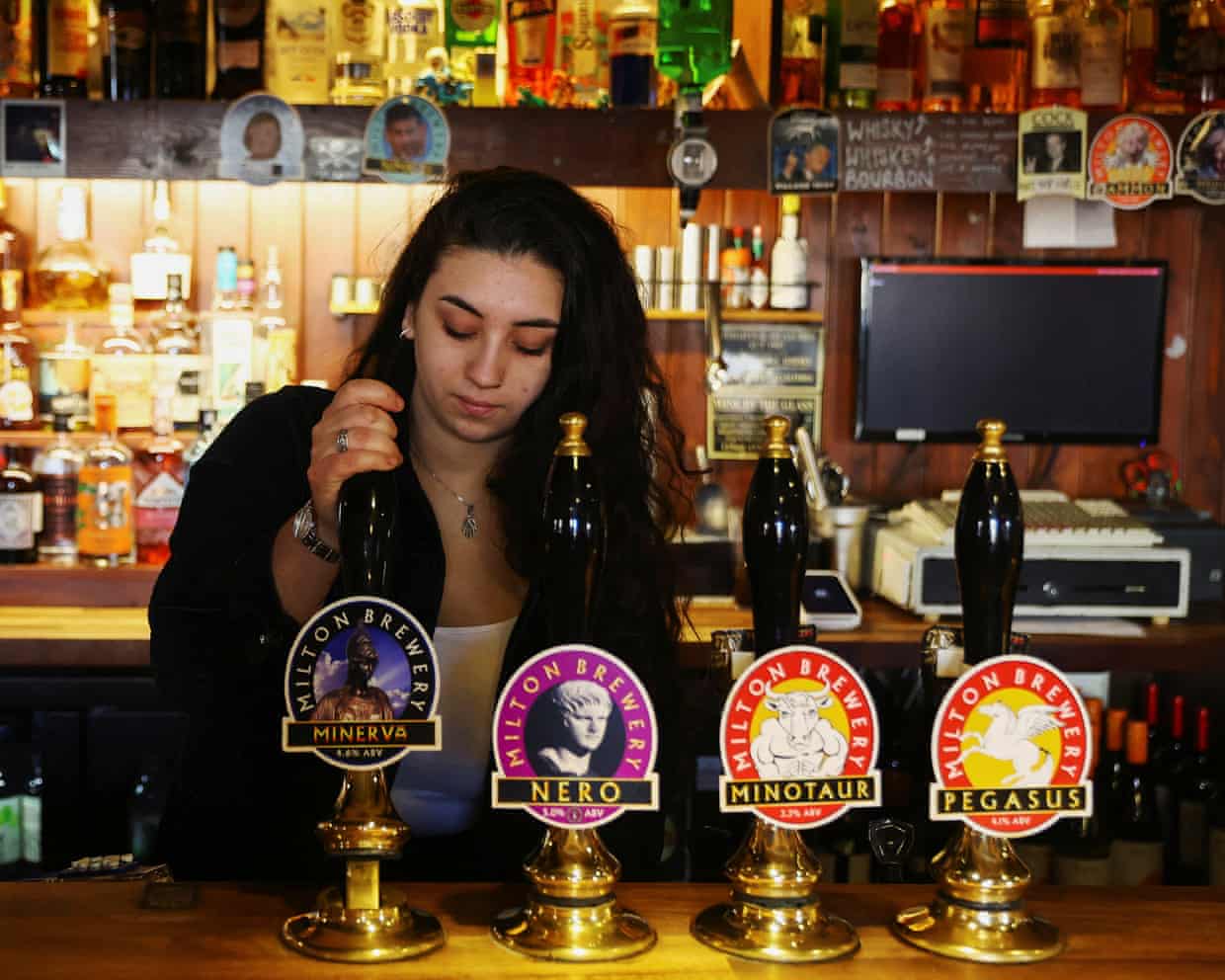
Two-thirds of hospitality businesses are planning to cut jobs as a result of “suffocating” costs imposed by government, as new business rates and higher wage bills come into force.Many pubs, restaurants and hotel companies will see their costs increase significantly from 1 April after Rachel Reeves’s changes to business rates and an increase in minimum wage thresholds announced at the chancellor’s November budget.An industry-wide survey of 20,000 hospitality businesses has found that as a direct result of the cost increases, 64% of firms plan to cut jobs, 42% intend to reduce trading hours and one in seven will be forced to close.“Hospitality businesses enter April facing billions of pounds in additional costs, which will force many to make heartbreaking decisions,” said bodies including UKHospitality and the British Beer and Pub Association, in a joint statement. “Hospitality’s tax burden – the highest in the economy – is suffocating the sector
US average fuel price passes $4 a gallon for first time in four years amid Iran war
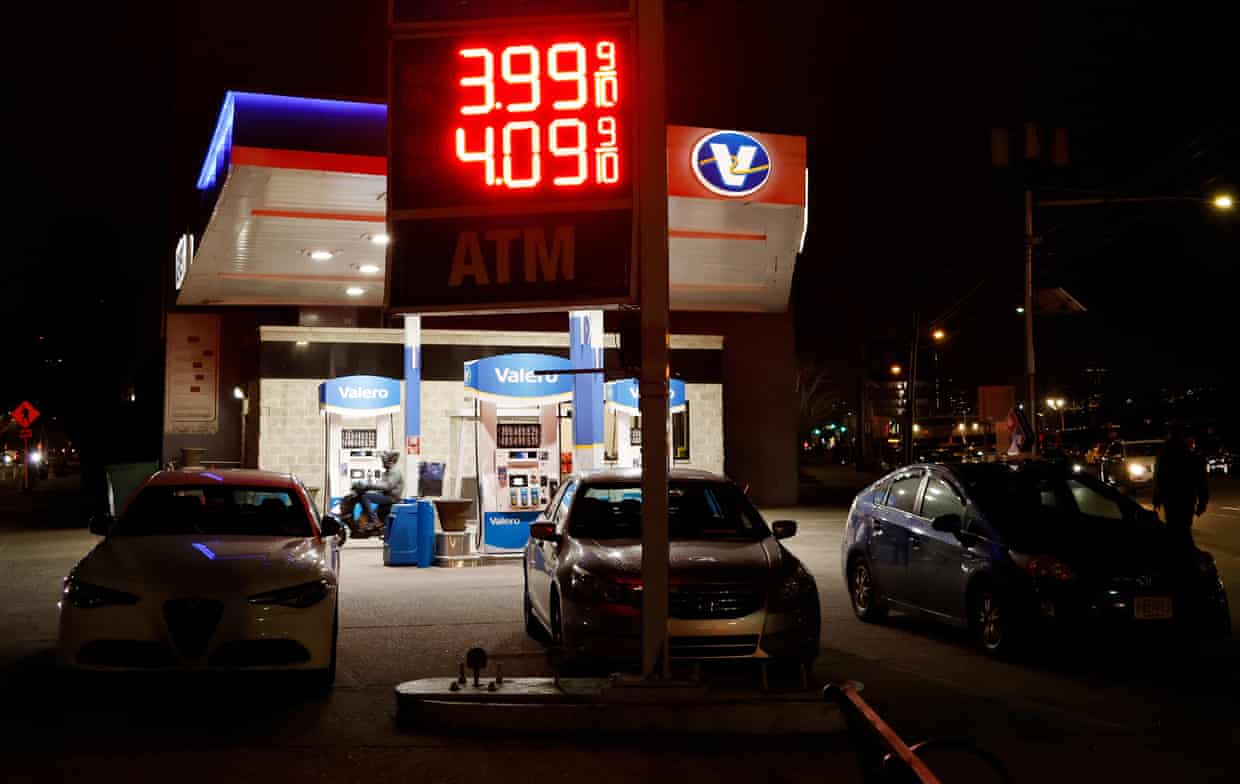
Average US fuel prices have exceeded $4 a gallon for the first time in four years, piling pressure on drivers as Donald Trump’s war on Iran continues to boost oil markets.The nationwide average climbed to almost $4.02 on Tuesday, according to AAA data, capping an extraordinary rise from $2.98 just a month ago. The fuel price last reached this high in August 2022

The Voorhees law of traffic: when overtaken slow cars seem to always catch up at a red light
It is a situation experienced by many motorists: one driver overtakes another only to find the slower car is right behind them when they reach a red light. Now a researcher has used mathematics to reveal why the situation feels inevitable.Dr Conor Boland from Dublin City University has called his work “The Voorhees law of traffic”.The name is a nod to the character Jason Voorhees from the American horror film franchise Friday the 13th.“I always thought of him because he seems to just walk everywhere … His victims are running away, they’re sprinting, but he just catches them,” Boland said

Silicon Valley city to give residents doorbells equipped with cameras
A Silicon Valley city will offer its residents free wireless doorbells equipped with cameras to help police collect video evidence.The city council of Milpitas, a suburb north of San Jose, California, recently approved $60,000 to provide these devices on a one-camera-per-household, first-come, first-served basis, as was first reported by Milpitas Beat and confirmed by the Guardian.City councilmember Evelyn Chua told the Milpitas Beat the doorbell camera initiative was intended to prevent crime. “Public safety is my top priority, and this door camera initiative is about strengthening crime prevention right where it matters most – at home,” she said.“By equipping residents with tools and partnering closely with our Milpitas police department, we’re building a stronger connection between our community and law enforcement to help deter crime and protect our neighborhoods
Sam Konstas axed from Cricket Australia’s contract list for busy 2026-27 season
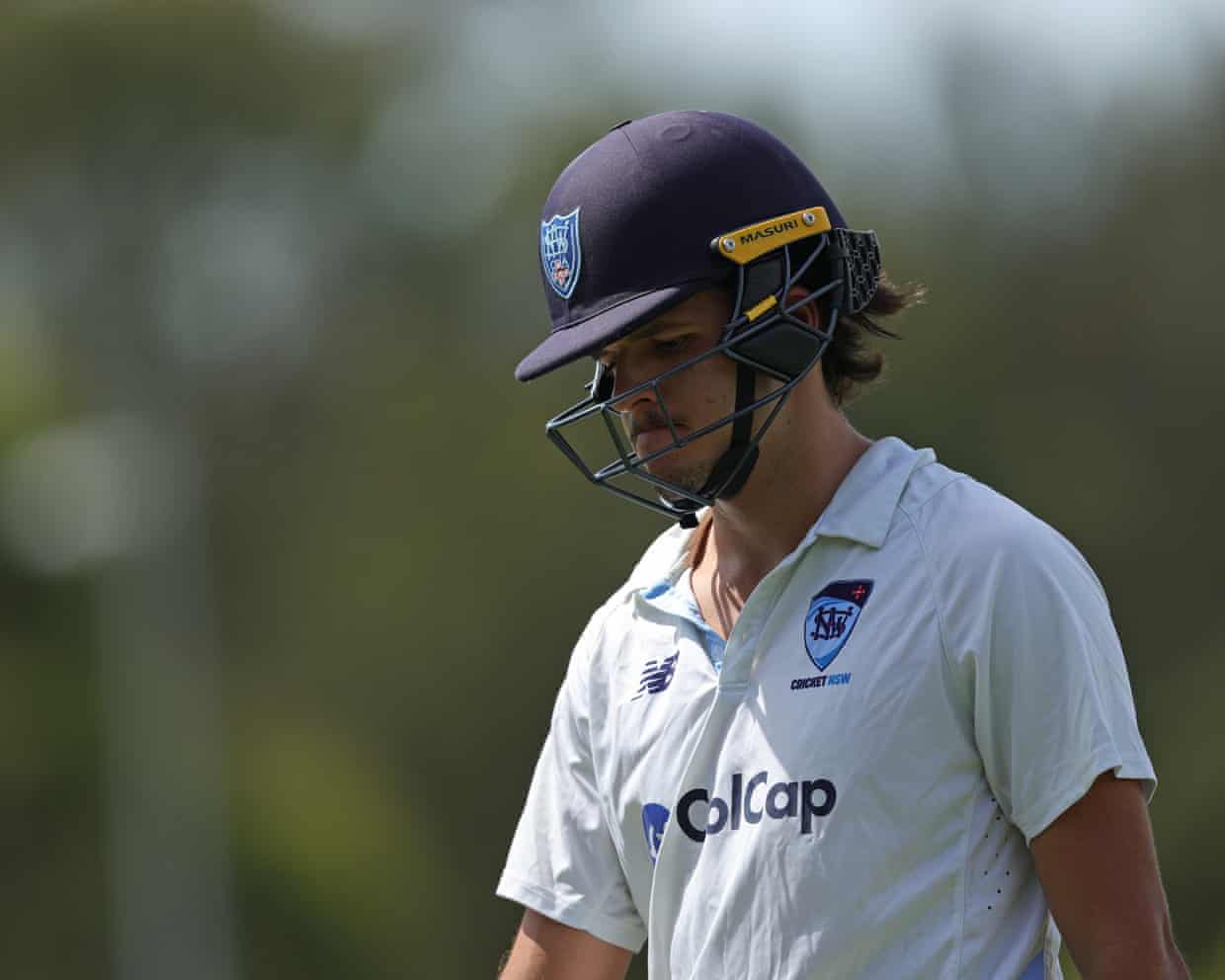
Australia’s Ashes-winning players have been rewarded with contracts for a bumper 2026-27 cricket season, but there was no room on the 21-man list for Sam Konstas and Glenn Maxwell.Paceman Brendan Doggett, who made his full international debut against England in November’s opening Ashes Test in Perth, earned his first national contract, while opener Jake Wetherald, who played all five Tests last summer, retained his upgraded contract despite averaging just 22.33 during the series.Bowler Michael Neser and spinner Todd Murphy were again handed full contracts, ahead of a crammed Test schedule over the next 12 months, which starts with a two-match home series against Bangladesh in August.That is followed by ODI tours to Zimbabwe and South Africa, where Australia will also play a three-Test series, before a home white-ball series against England and a run of 10 Test matches in 14 weeks, against New Zealand, India and the 150th Anniversary Test against England at the MCG
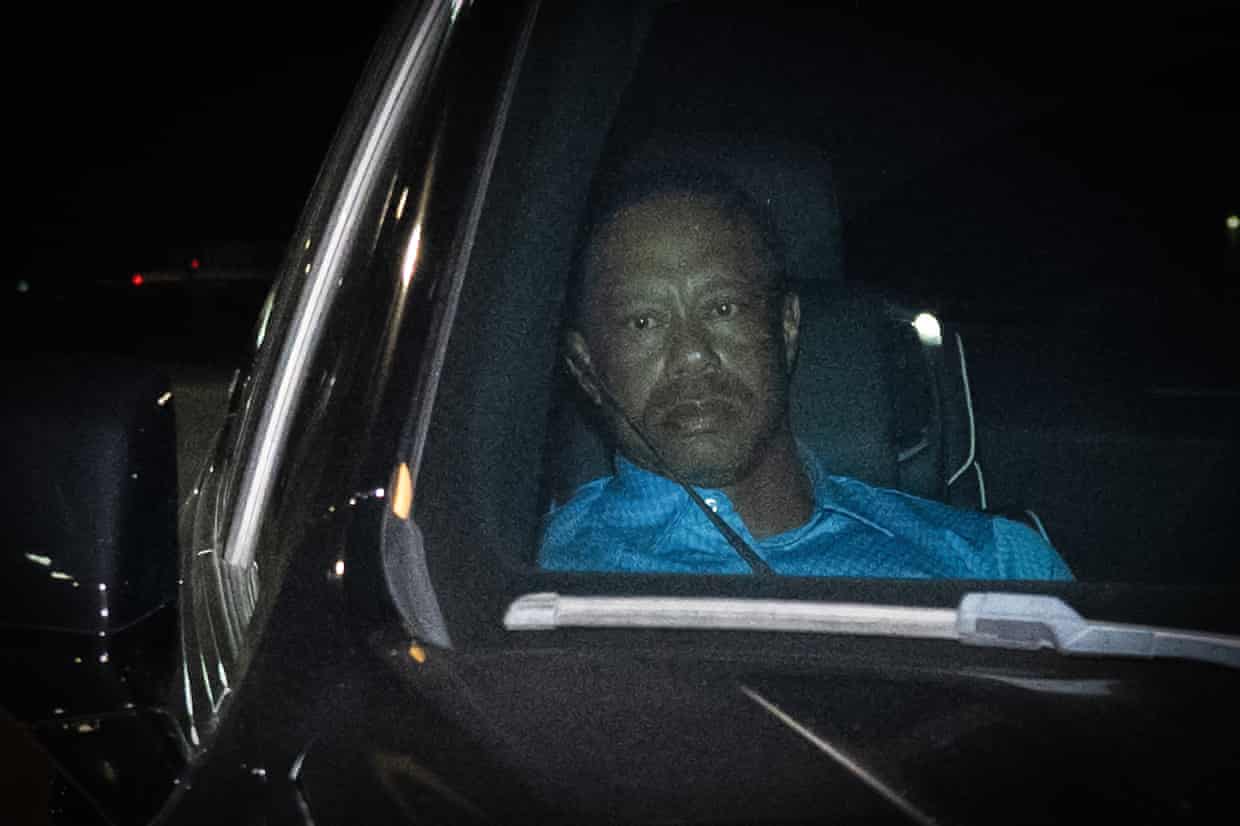
Tiger Woods says he will step away from golf and seek treatment after DUI charge
Tiger Woods said he will step away from golf to seek treatment and focus on his health after his arrest on suspicion of driving under the influence following a rollover crash near his Florida home.“I know and understand the seriousness of the situation I find myself in today,” Woods said in a statement posted on X. “I am stepping away for a period of time to seek treatment and focus on my health. This is necessary in order for me to prioritize my well-being and work toward lasting recovery.”“I’m committed to taking the time needed to return in a healthier, stronger, and more focused place, both personally and professionally

Investors tell Thames Water to ‘eat humble pie’ over failed takeover and open bids

Unilever’s food mashup is hardly a delectable prospect for shareholders
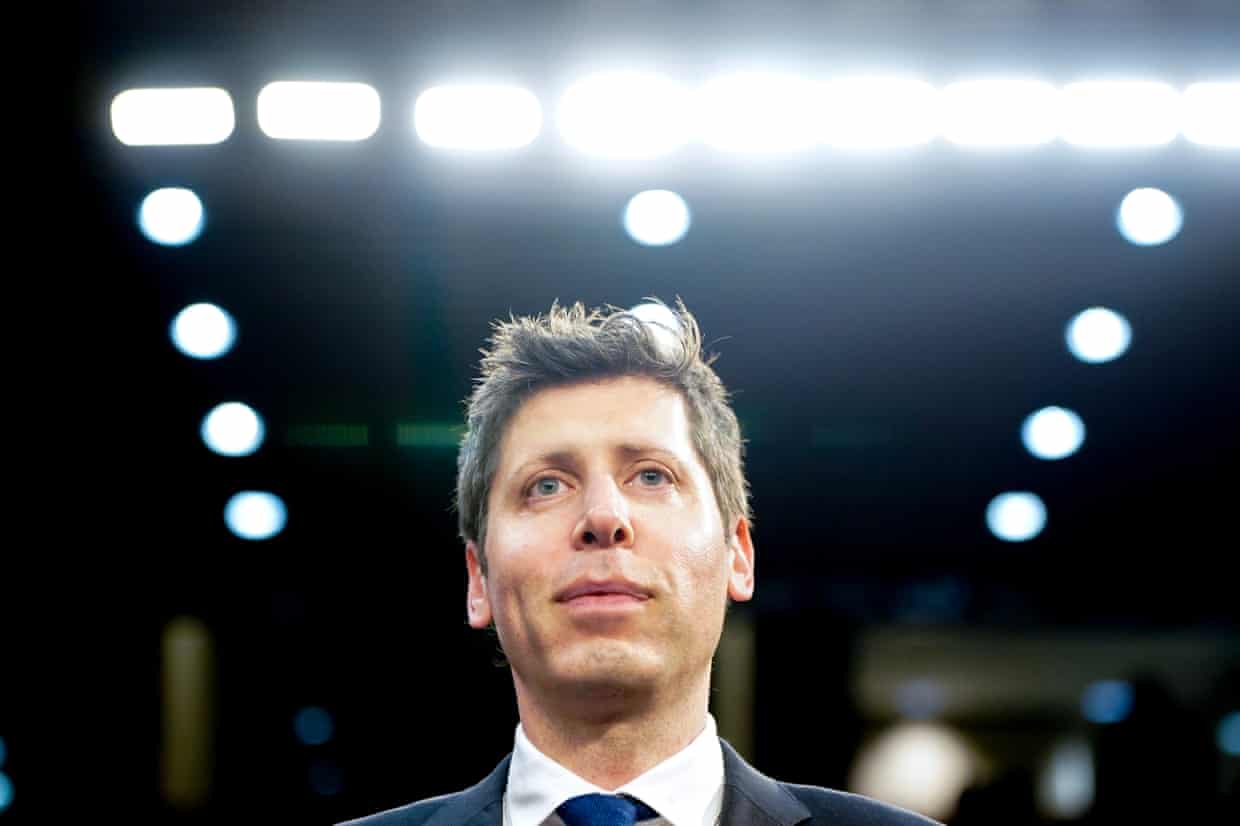
OpenAI, parent firm of ChatGPT, closes $122bn funding round amid AI boom

Penguin to sue OpenAI over ChatGPT version of German children’s book
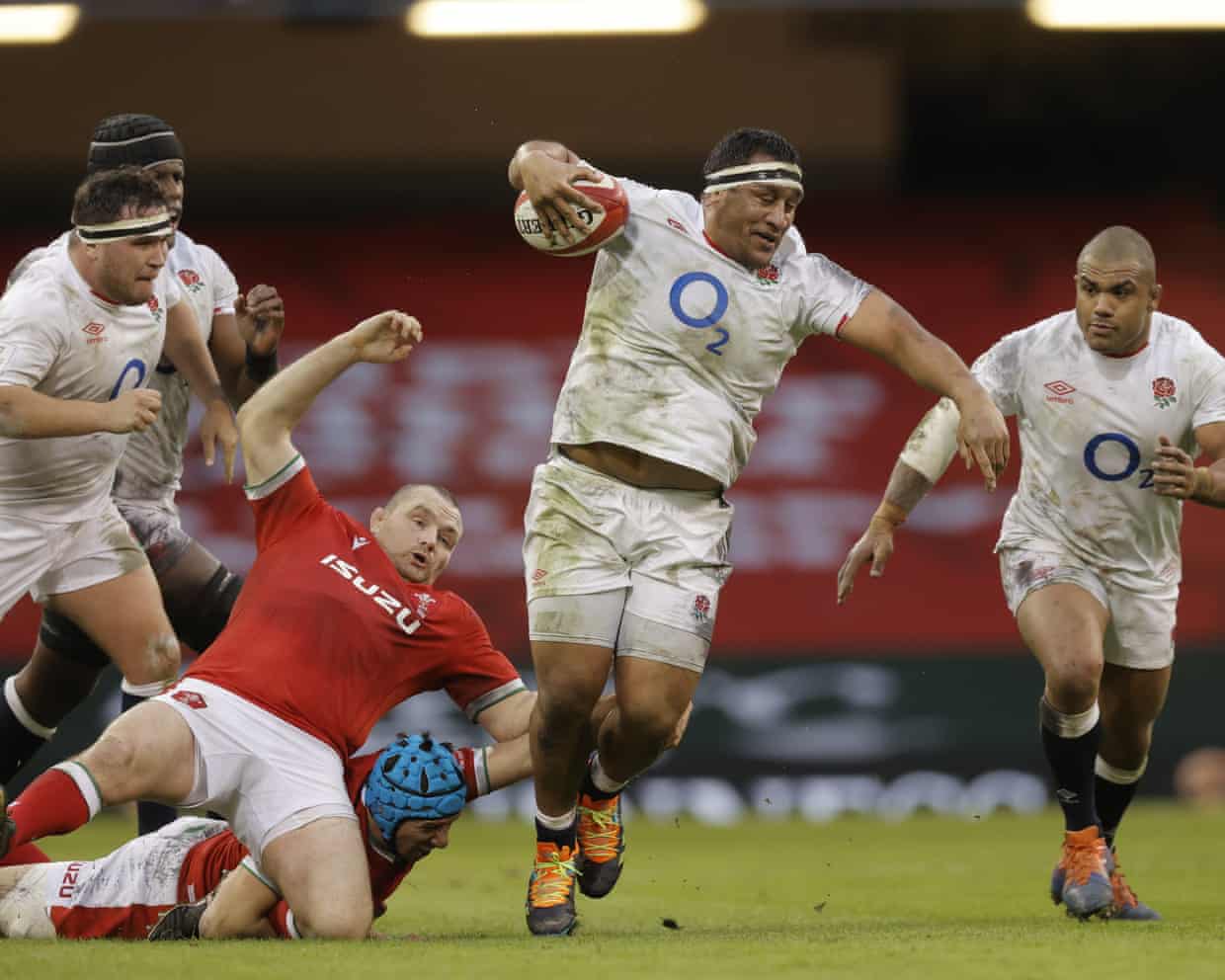
Mako Vunipola to join Leicester and link up with former England teammate Parling
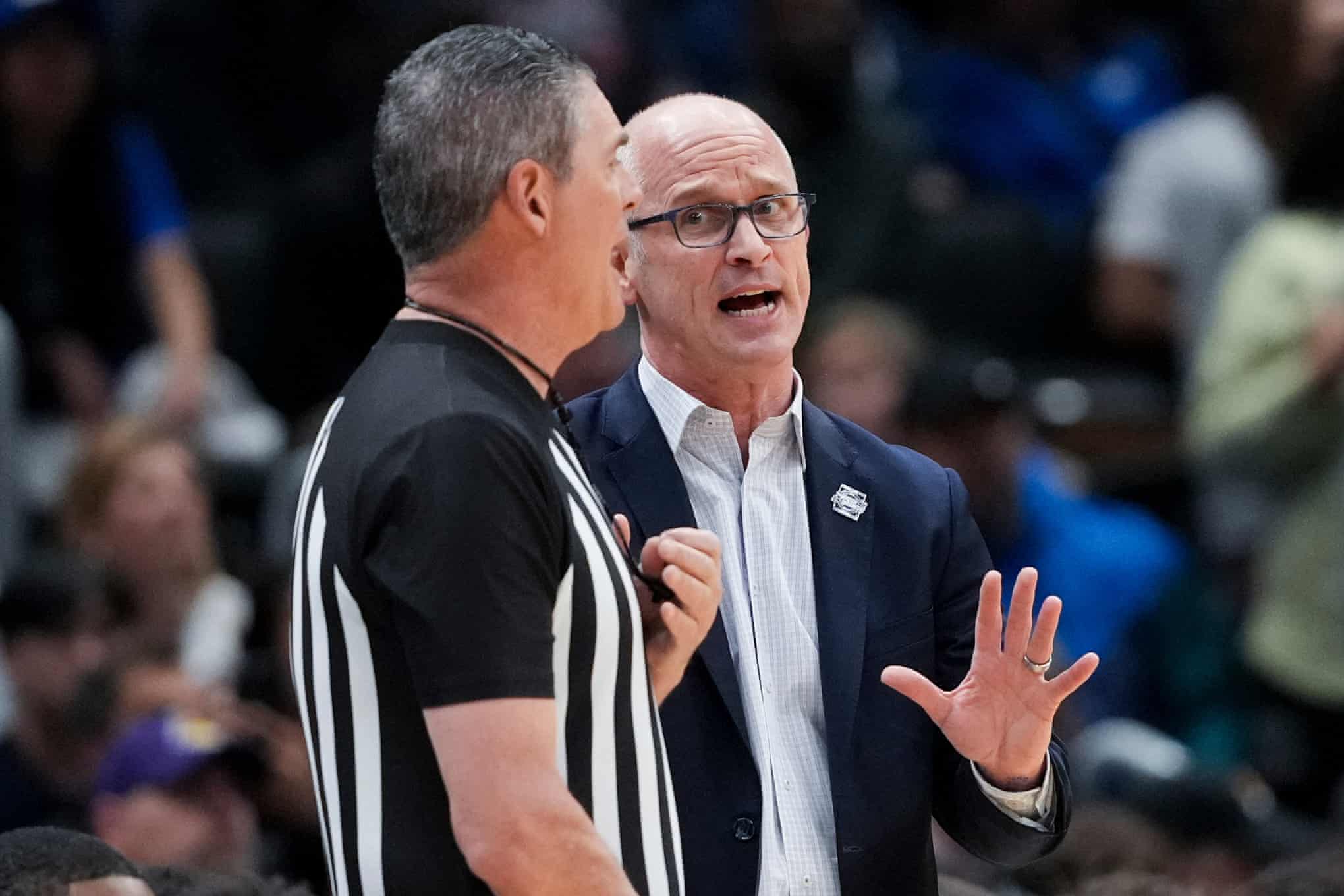
Dan Hurley’s ‘head-butt’ showed Black coaches aren’t given the same grace as white coaches