OpenAI, parent firm of ChatGPT, closes $122bn funding round amid AI boom
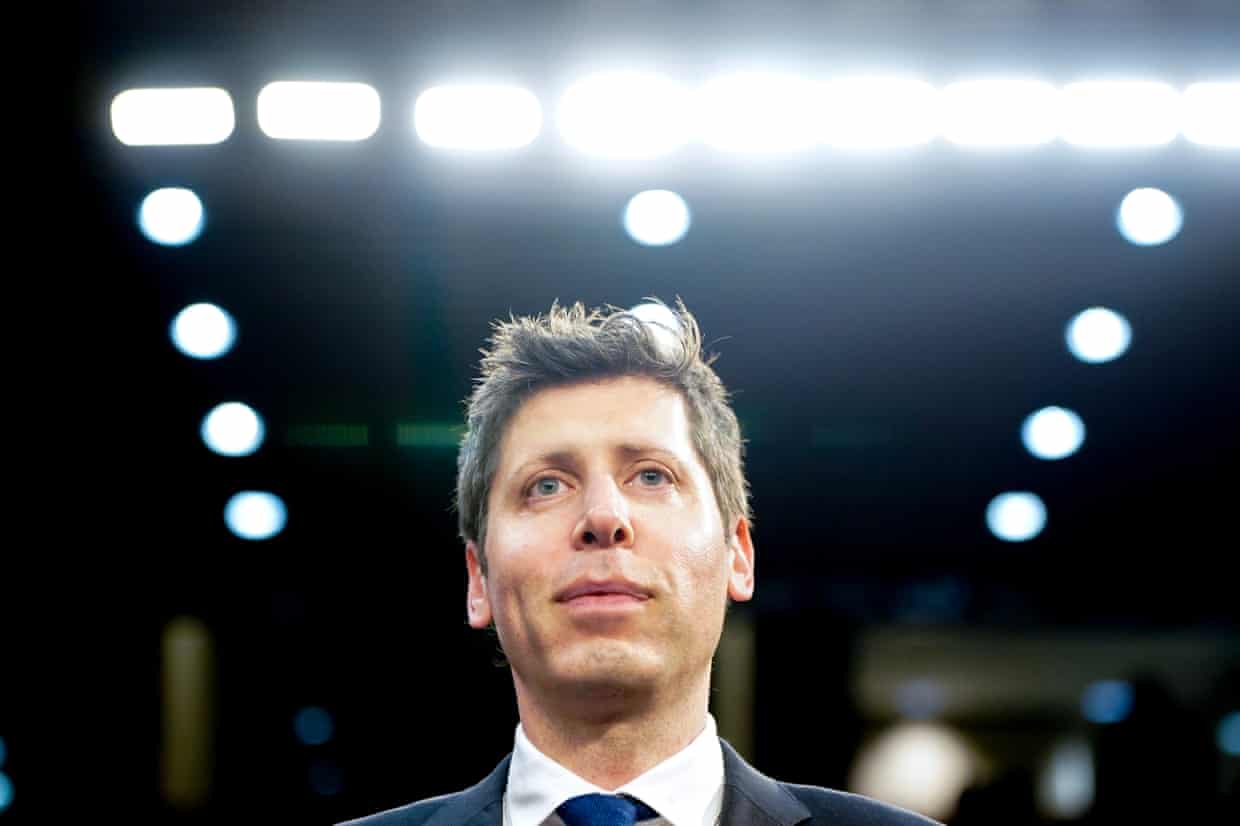
OpenAI announced on Tuesday it had closed a fundraising round of $122bn and achieved a valuation of $852bn.The funding cements the ChatGPT maker as one of the most highly valued private companies in the world.The artificial intelligence firm received multibillion-dollar investments from companies including Amazon, Nvidia and SoftBank, which committed $110bn, according to the Wall Street Journal.OpenAI also allowed a select group of individual investors to contribute about $3bn.The funding round ranks among the highest-ever in Silicon Valley.
OpenAI said last month it was expecting to raise $110bn in funding, but upped that figure in its latest announcement.OpenAI’s immense funding announcement takes place as the firm eyes going public on the US stock market later this year, in what is one of the most highly anticipated public offerings in decades.As it barrels towards an initial public offering (IPO), however, the firm is simultaneously fending off numerous lawsuits, advancements from competitors, public distrust and questions over whether the entire AI industry is a bubble.The company touted the fundraising round as proof of its rosy future and the legitimacy of its technology, despite lingering questions over how the AI boom will deliver on OpenAI’s grandiose promises.The company proclaimed in a blogpost that it would build a “unified AI superapp”, centralizing ChatGPT, the company’s coding product, web browsing and the capabilities of AI agents, which are semi-autonomous bots that act on a user’s behalf.
“AI is driving productivity gains, accelerating scientific discovery, and expanding what people and organizations can build,This funding gives us the resources to continue to lead at the scale this moment demands,” reads the blogpost announcing the funding,“Let’s go build,”The company further said it generates $2bn a month in revenue,OpenAI loses billions of dollars a year and internal forecasts have shown that the company does not expect to be profitable until 2030, according to the Wall Street Journal.
The funding announcement is positive news for OpenAI after it revealed last week it was abruptly shutting down its Sora video generation platform and ending a $1bn partnership with Disney.OpenAI and its CEO, Sam Altman, had previously presented Sora as a landmark product and a major foray into entertainment and social media for the company.OpenAI also quietly ended a shopping tool this month, Instant Checkout, which allowed users to purchase items from retailers such as Walmart through its ChatGPT chatbot.The five-month trial of the tool failed to build out the desired commerce platform and it was shuttered.The startup has faced rising competition from rival AI firms such as Anthropic, which has made significant gains through the release of its Claude Code product.
In December, Altman also declared a “code red” at the company to refocus on bettering ChatGPT following advancements in Google’s Gemini AI product.OpenAI’s headwinds are not only financial; a major legal challenge looms as well.In April, Altman and OpenAI will also take part in a closely watched trial that pits the ChatGPT makers against co-founder Elon Musk.The Tesla and SpaceX CEO is suing the company, alleging they breached a founding agreement by shifting to a for-profit model.OpenAI has contended that Musk, who has since founded his own rival AI company, is bitter after leaving the company and seeing it succeed without him.
Marmite maker Unilever agrees $44.8bn deal to combine food arm with McCormick
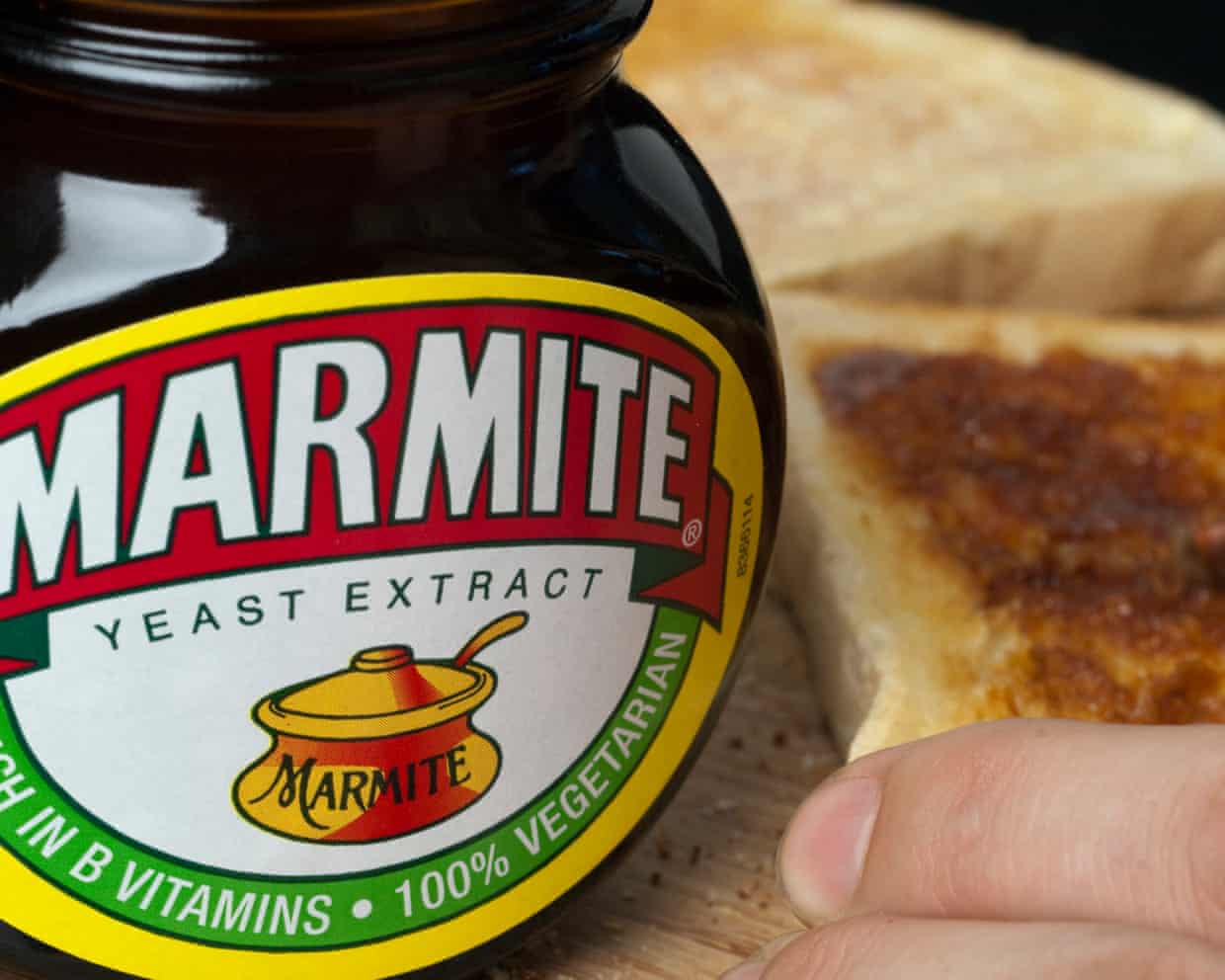
Unilever has agreed to combine its food business with US-based McCormick in a $44.8bn deal that will give the Marmite-to-Hellmann’s mayonnaise owner majority control of a food empire.The Anglo-Dutch company will control 65% of the new spin-off, which will combine brands such as Knorr and Pot Noodle with McCormick’s condiments and spices including French’s mustard, Old Bay seasoning and Cholula hot sauce.However, the combined company will be called McCormick and led by its executives, with senior management representation from the ranks of Unilever’s food business.Under the agreement, McCormick will pay London-listed Unilever $15

Centuries-old pottery firm Denby set to call in administrators
Denby has called in administrators, putting the 217-year-old Derbyshire pottery at risk of closure with the loss of almost 600 jobs.The company, which was rescued from administration in 2009 by the restructuring experts Hilco and also owns the Burleigh brand, produced by Burgess and Leigh based in Stoke-on-Trent, is understood to have struggled with the surging cost of gas, higher labour costs, tighter financial markets and softening consumer demand for its premium homeware.Earlier this month, Sebastian Lazell, the chief executive of Denby, told BBC News he was “trying to move heaven and earth” to save the business.A #SaveDenby campaign was launched in an attempt to encourage people to buy more products and to lobby the government to provide support.Denby Group said on Tuesday that “the outpouring of support” in response to the campaign had been “overwhelming and deeply moving” but it had been unable to secure “strategic investment partners” to help the business continue
Oil price jumps to $118 a barrel after Trump comments; cost of filling up family car with diesel passes £100 – as it happened
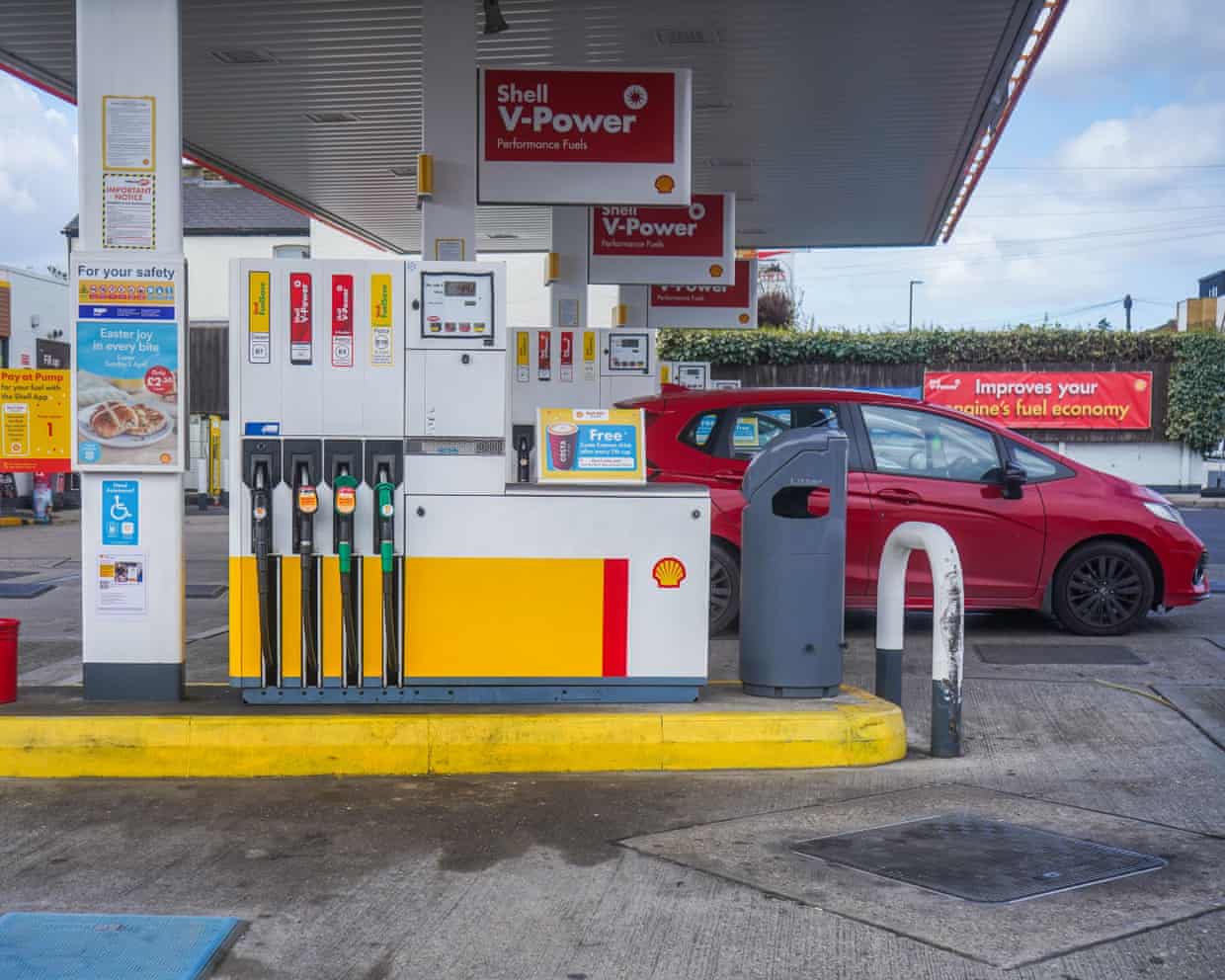
Time to wrap up…Brent crude, the international benchmark for oil prices, rose by as much as 5% to $118.43 a barrel after Donald Trump told allies to buy US jet fuel or “take it” from the strait of Hormuz.The US president wrote on his social media platform Truth Social:I have a suggestion for you: Number 1, buy from the U.S., we have plenty, and Number 2, build up some delayed courage, go to the Strait, and just TAKE IT
Steel bosses warn ‘back door’ loophole in UK trade rules could lead to job cuts and closures
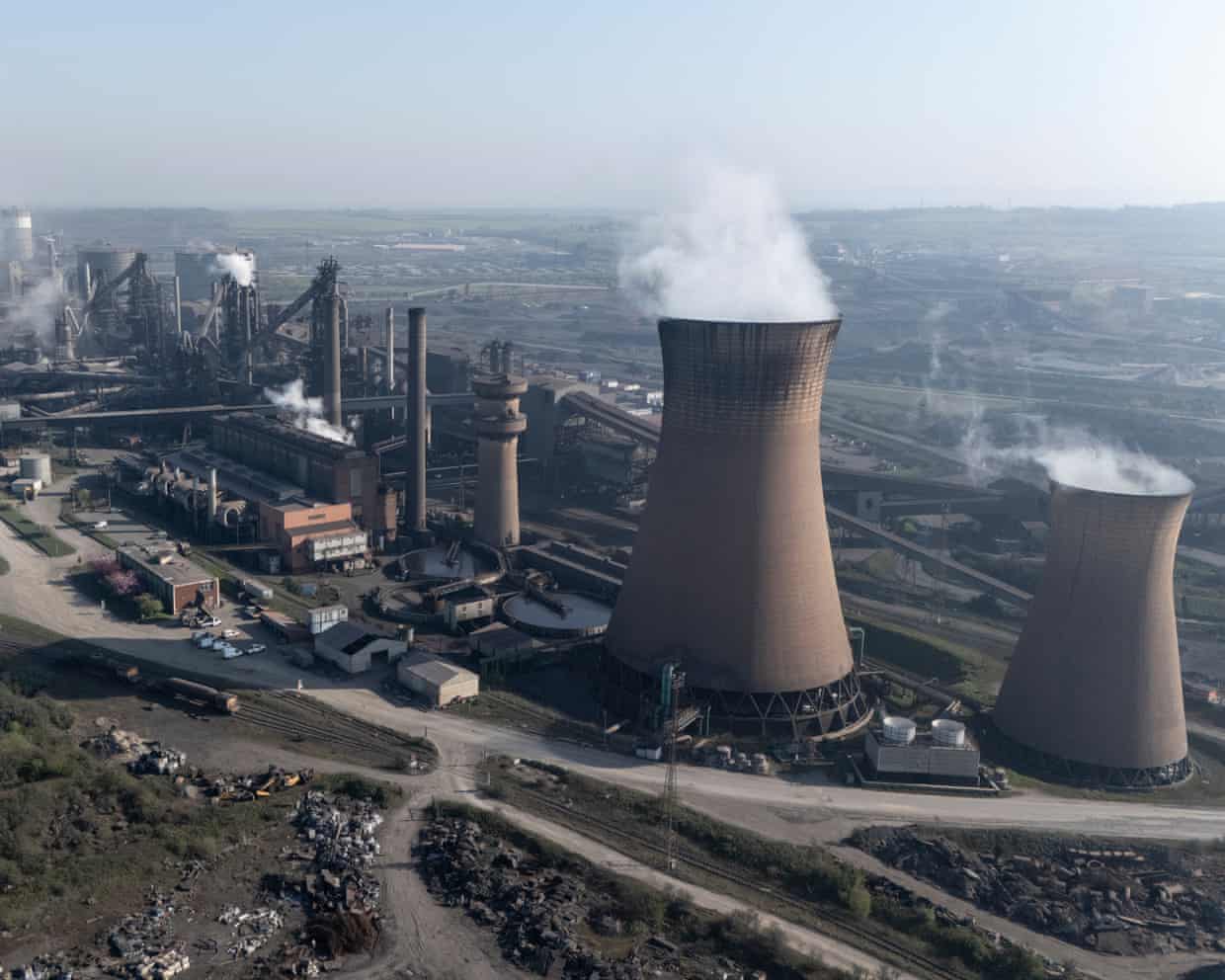
Steel bosses have warned ministers that a “back door” in new trade rules could hit British manufacturers and lead to job cuts and factory closures by allowing a vast array of foreign products to still enter the UK tax-free.The loophole means pre-made steel parts ranging from bridge sections, columns and door frames, all the way to smaller rods and tubes used in buildings, will escape recently announced import tariffs, the Guardian understands.Earlier in March, ministers said they would double tariffs on imported steel and cut the amount that can be bought from abroad in an attempt to protect Britain’s struggling steelmakers from a flood of cheap imports from China.But industry bosses say the measures overwhelmingly target imports of the metal straight from the furnace – protecting the likes of Tata and British Steel – but leave products that have already been drilled and cut into shape untouched.The rules allow foreign pre-made steel in via a “back door”, said Simon Boyd, the managing director of Reidsteel, a maker of structural building parts that employs about 130 people
Food price rises unlikely before summer, says boss of Sainsbury’s
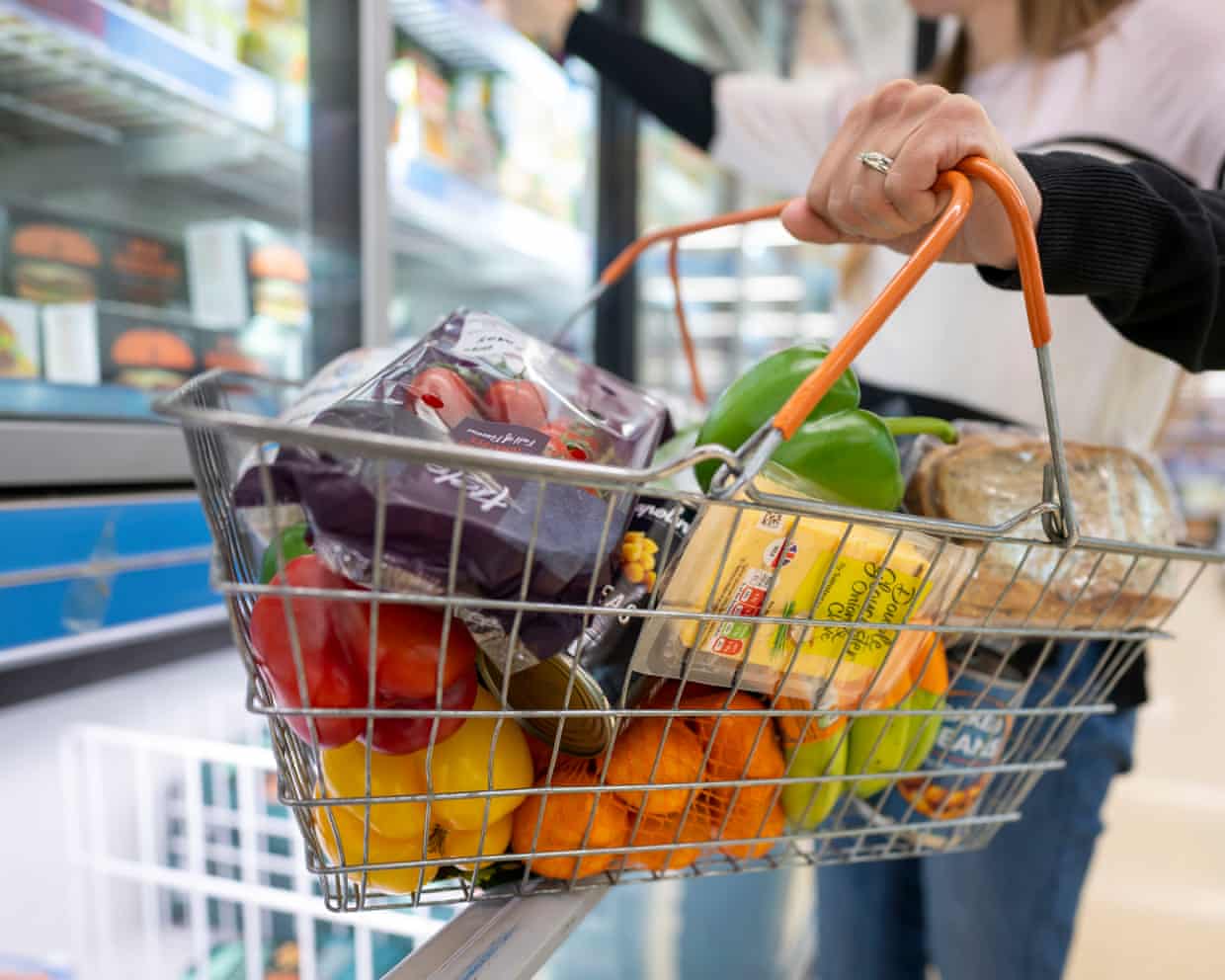
Shoppers will not see food prices rise until at least the summer and Easter will be unaffected by conflict in the Middle East, the boss of Sainsbury’s has said, despite fears of an inflation spike.Simon Roberts said it was “too early” to say whether and when food price inflation related to higher commodity costs would hit supermarket shelves and that the UK’s second-largest supermarket had long-term agreements with suppliers to help protect shoppers.“We have a lot of the tools to make sure we’ll do everything possible to contain the impact on inflation,” he said. “Obviously we are watching and monitoring events closely.“We’re not looking at immediate consequences or near-term consequences that we don’t think we’ve got a plan to navigate

UK house prices rose sharply in March but Iran war expected to cause slowdown
UK house prices increased at the fastest rate in almost 18 months in March, although surging mortgage rates amid the Iran war are likely to lead to a market slowdown, according to Nationwide.The UK’s biggest building society said the price of a typical UK home increased by 0.9% month on month in March, the largest increase since December 2024.The increase, which compares with a 0.3% rise recorded in February and is ahead of economists’ expectations of 0
Two-thirds of UK hospitality businesses plan to cut jobs and one in seven will close, survey finds
US average fuel price passes $4 a gallon for first time in four years amid Iran war

The Voorhees law of traffic: when overtaken slow cars seem to always catch up at a red light

Silicon Valley city to give residents doorbells equipped with cameras
Sam Konstas axed from Cricket Australia’s contract list for busy 2026-27 season

Tiger Woods says he will step away from golf and seek treatment after DUI charge