Wessex Water bosses handed £50,000 in extra pay despite Labour government’s bonus ban
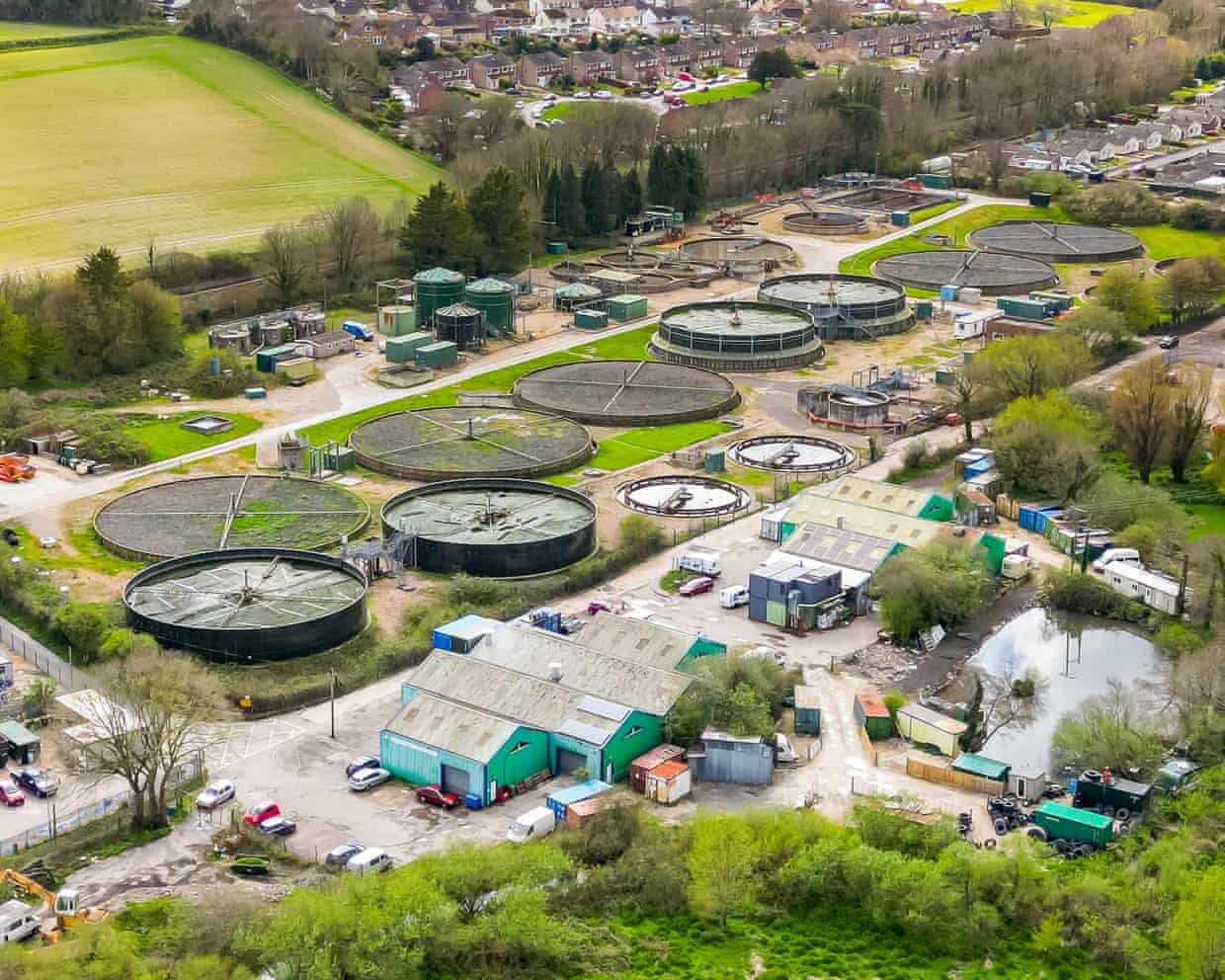
The bosses of Wessex Water received £50,000 in previously undisclosed extra pay from a parent company, in the same year that the utility was banned from paying bonuses, the Guardian can reveal.Chief executive Ruth Jefferson and chief financial officer Andy Pymer were paid £24,000 and £27,000 respectively in the year to June 2025, according to a spokesperson for Wessex Water’s owner, the Malaysian YTL group.The payments came from Wessex Water Ltd, which is the parent company of Wessex Water Services Ltd, the regulated water supplier for 2.9 million customers in south-west England.YTL said the payments were not bonuses.
YTL initially declined to identify the company that made the payments.Only after repeated questions about the transparency of its executive pay arrangements did YTL reveal the source.The existence of the extra payments to Jefferson and Pymer, alongside former chief executive Colin Skellett, was revealed in the accounts of Wessex Water Services.The accounts said: “Colin Skellett, Andy Pymer and Ruth Jefferson received emoluments for services to other group companies which are disclosed in the financial statements for those companies.”However, the size of the fees was not disclosed in the accounts of any of the group’s companies.
They came on top of pay from the regulated company worth £440,000 for Jefferson and £249,000 for Pymer.Water company executive pay has come under particular scrutiny after the government banned bonuses for bosses at suppliers guilty of criminal pollution.Six water companies were banned from paying bonuses last year.The government included Wessex because of a criminal conviction for a sewage pumping station failure six years earlier, which killed more than 2,000 fish and resulted in the company paying a fine of £500,000.The ban applied to its chief executive and chief financial officer.
The spokesperson said Jefferson and Pymer received the payments from Wessex Water Ltd between July 2024 and 1 October 2024,Jefferson’s pay was not subject to the bonus ban before the latter date, when she took over as chief executive,Neither executive “received any bonus from any source” during the year, the spokesperson said,“Wessex Water has always been transparent about its finances and publishes its accounts in line with regulatory accounting guidelines,” the spokesperson said,Sarah Dyke, the Liberal Democrat rural affairs spokesperson and MP for Glastonbury and Somerton, said: “This lack of transparency over bosses’ pay only adds to the need to bring water companies into line.
“Wessex Water has gotten away with environmental vandalism and taking customers for fools for far too long.From carelessly polluting beaches and rivers throughout the south-west with filthy sewage to losing millions of litres of water through leaky pipes.”The Wessex spokesperson said the company “does not ‘carelessly pollute’ beaches and rivers”, but said its storm overflows were “part of an outdated sewerage system” that it was investing to upgrade.MPs and Ofwat, the regulator of water companies in England and Wales, have already raised questions over the lack of transparency over payments to water bosses from other group companies.The Guardian last month revealed that YTL had paid Skellett a £170,000 bonus in the same year to June 2025.
YTL said the bonus was not related to Skellett’s work for Wessex Water during the year to June, but rather was related to YTL’s property interests.Yorkshire Water’s owners also gave its chief executive, Nicola Shaw, £1.3m in undisclosed extra pay via an offshore company.Shaw was also allowed to keep the pay, after Ofwat determined it was not a performance-related bonus, although she admitted not disclosing payments from a separate company was a “mistake”, after politicians responded with outrage.Jefferson was promoted to lead Wessex Water after serving as chief compliance officer and general counsel.
She was paid £440,000 in the 2024-25 financial year by Wessex Water Services.She will receive £590,000 in base salary this year, before any bonuses.Pymer received £249,000 from Wessex Water Services last year.YTL’s explanation of the source of the extra payments to Jefferson and Pymer changed over the course of several weeks.The YTL spokesperson initially said: “The payments did not come from any specific company, just YTL UK as the parent company for the various businesses in the country.
”There is no company named “YTL UK” on the UK companies register.After repeated questions, the company acknowledged that the payments were in fact made by Wessex Water Ltd, which sits directly above Wessex Water Services in the group’s complex corporate structure.Wessex Water Ltd’s accounts made no reference to payments to Jefferson and Pymer.However, the spokesperson said Wessex Water Services had not made an incorrect statement because the payments were reported “within the aggregate payroll costs of the group” – a tally that includes the salaries of 3,200 people.There was no “statutory or regulatory requirement to separate the costs out” because they were not directors of the parent company, the spokesperson added.
Skellett has previously said that water executives should only receive large pay packets if they perform well,Speaking at a union meeting in 2024 he said the “buck stops” with the chief executive,“We get a lot of money,” he said, according to Utility Week,“If we don’t deliver what we should deliver we shouldn’t get that money,”
No 10 condemns ‘insulting’ move by X to restrict Grok AI image tool
Downing Street has condemned the move by X to restrict its AI image creation tool to paying subscribers as insulting, saying it simply made the ability to generate explicit and unlawful images a premium service.There has been widespread anger after the image tool for Grok, the AI element of X, was used to manipulate thousands of images of women and sometimes children to remove their clothing or put them in sexual positions.Grok announced in a post on X, which is owned by Elon Musk, that the ability to generate and edit images would be “limited to paying subscribers”. Those who pay have to provide personal details, meaning they could be identified if the function was misused.Asked about the change, a Downing Street spokesperson said it was unacceptable
X UK revenues drop nearly 60% in a year as content concerns spook advertisers
UK revenues at Elon Musk’s X fell by almost 60% in a year as advertisers pulled their spending over concerns about the social media platform’s content.News of the plummeting financial performance comes after X switched off the image creation function on its AI tool Grok for the vast majority of users after a widespread outcry about its use to create sexually explicit and violent imagery.In the UK, the social media site recorded a 58.3% fall in revenues from £69.1m in 2023 to £28
Spotify no longer running ICE recruitment ads, after US government campaign ends
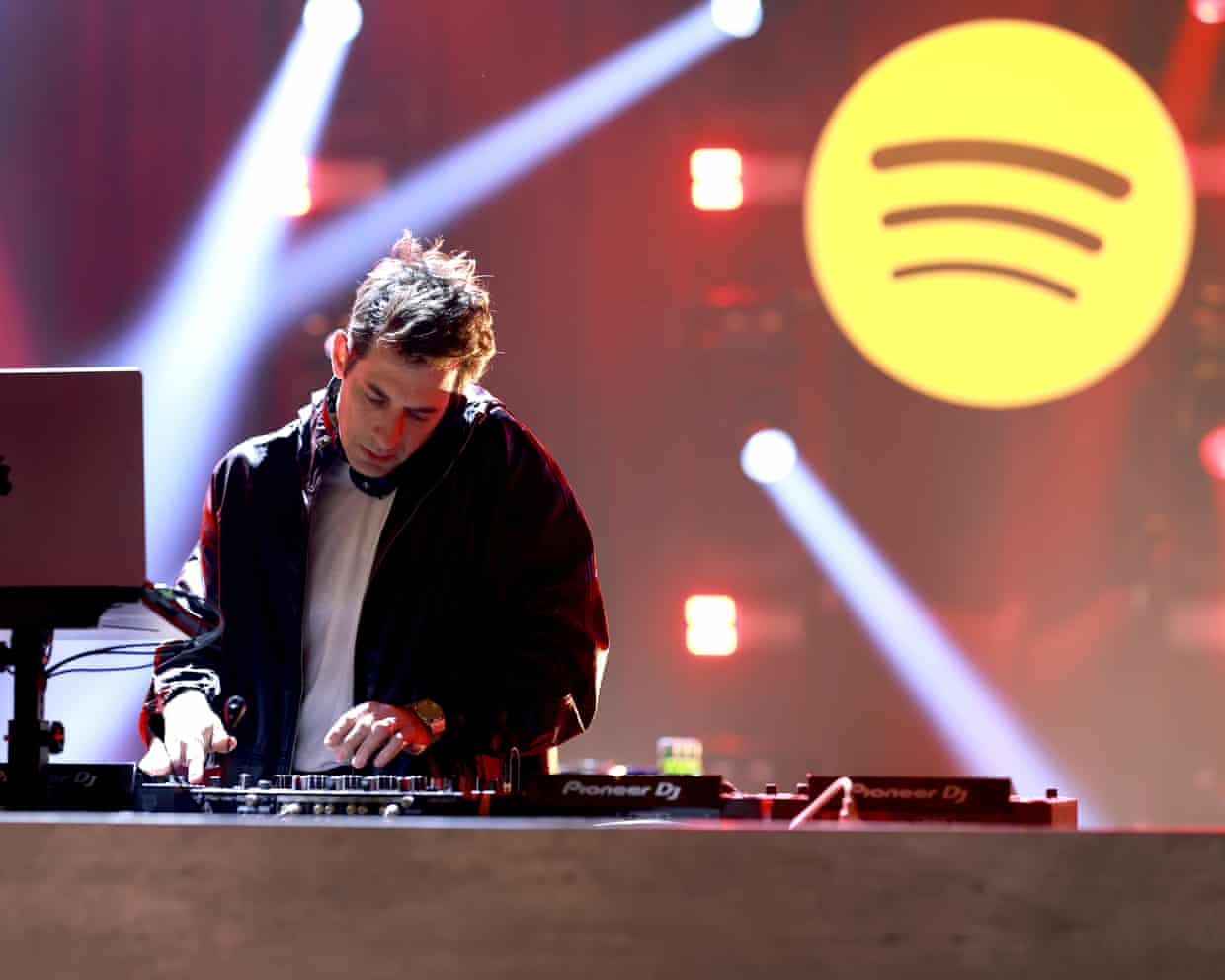
Spotify is no long running advertisements for the US Immigration and Customs Enforcement (ICE), the streaming service has confirmed, after the Trump administration campaign ended in late 2025.“There are currently no ICE ads running on Spotify,” the Swedish company said in a statement. “The advertisements mentioned were part of a US government recruitment campaign that ran across all major media and platforms.”Since April, the government ads have also run on Amazon, YouTube, Hulu and Max among other streaming companies, with the aim of recruiting more than 10,000 deportation officers by the end of 2025.Previously, Spotify said that the ads, which encouraged US listeners to “fulfil your mission to protect America” and offered $50,000 in signing bonuses, did not “violate our advertising policies”
UK ministers considering leaving X amid concern over AI tool images
UK ministers are considering leaving X as a result of the controversy over the platform’s AI tool, which has been allowing users to generate digitally altered pictures of people – including children – with their clothes removed.Anna Turley, the chair of the Labour party and a minister without portfolio in the Cabinet Office, said on Friday that conversations were happening within the government and Labour about their continued use of the social media platform, which is controlled by Elon Musk.The government has come under mounting pressure to leave X after the site was flooded with images including sexualised and unclothed pictures of children generated by its AI tool, Grok.Turley told BBC Radio 4’s Today programme: “X, first and foremost, has to get its act together and prevent this. It has the powers to do this, and we need to make sure there are firm consequences for that

Grok turns off image generator for most users after outcry over sexualised AI imagery
Grok, Elon Musk’s AI tool, has switched off its image creation function for the vast majority of users after a widespread outcry about its use to create sexually explicit and violent imagery.The move comes after Musk was threatened with fines, regulatory action and reports of a possible ban on X in the UK.The tool had been used to manipulate images of women to remove their clothes and put them in sexualised positions. The function to do so has been switched off except for paying subscribers.Posting on X, Musk’s social media network, Grok said: “Image generation and editing are currently limited to paying subscribers
Grok AI: is it legal to produce or post undressed images of people without their consent?
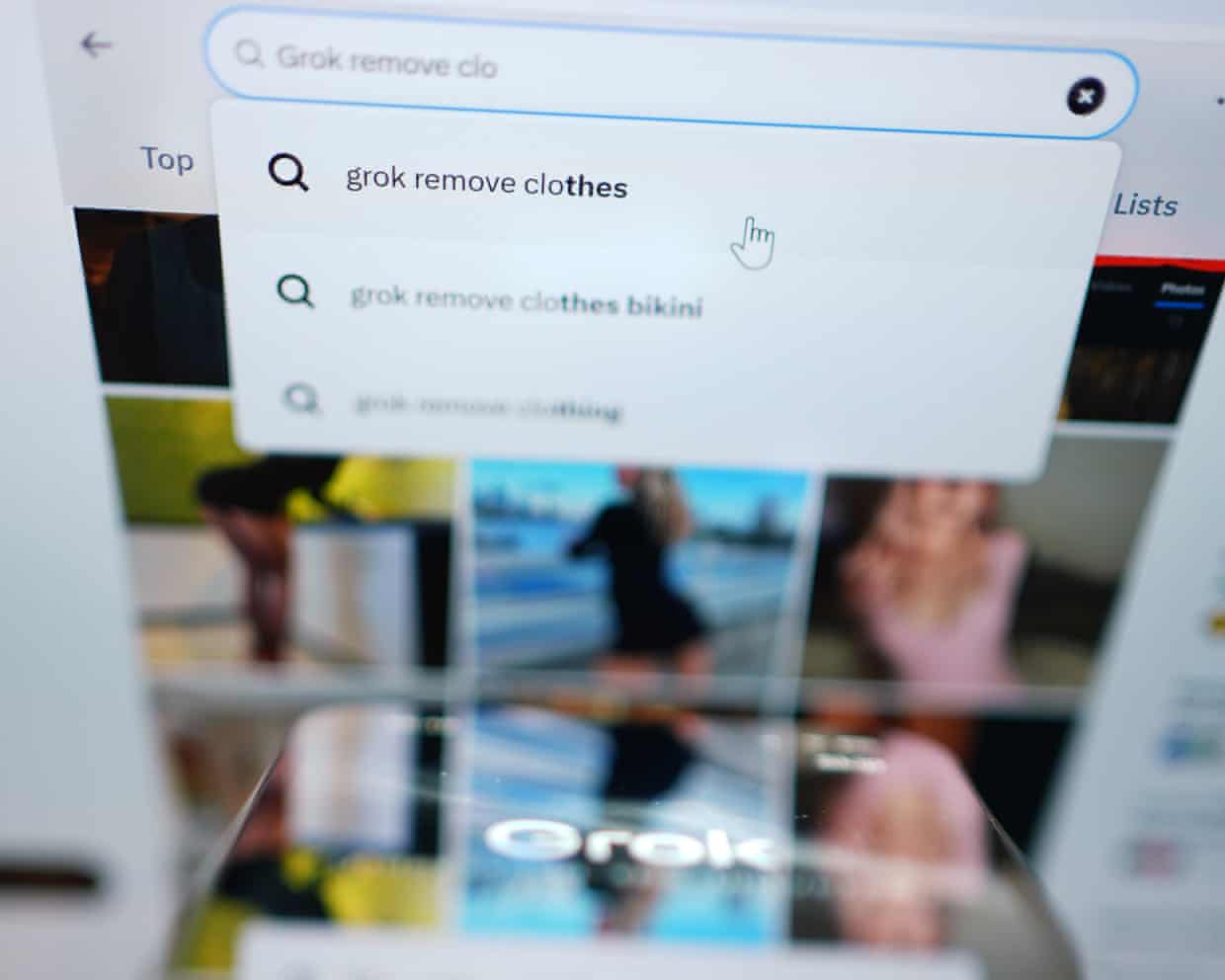
The deluge of images of partly clothed women – stripped by the Grok AI tool – on Elon Musk’s X has raised further questions over regulation of the technology. Is it legal to produce these images without the subject’s consent? Should they be taken off X?In the UK alone there is some doubt over the answers to these queries. Social media regulation is a nascent area, let alone trying to control the deployment of artificial intelligence. There are laws in place to tackle the problem, such as the Online Safety Act, but the government has yet to introduce additional measures such as banning nudifying apps.It is a criminal offence to share intimate images of someone without their consent under the Sexual Offences Act in England and Wales, which includes images created by AI

Ashes 2025-26: our writers’ end-of-series England v Australia awards
Free agent outfielder Max Kepler hit with 80-game ban for positive drug test

France taps out as G7 summit moved to avoid clash with White House UFC event

England ruthlessly privatised cricket – Australia embraces it with constant public displays of affection | Emma John

Your Guardian sport weekend: FA Cup third round, NFL playoffs begin and the WSL returns
All-heart Travis Head leaves indelible mark on Ashes series by playing his own game | Angus Fontaine