‘Mental breakdown’: oil tanker workers stuck in Gulf for six weeks are reaching their limit
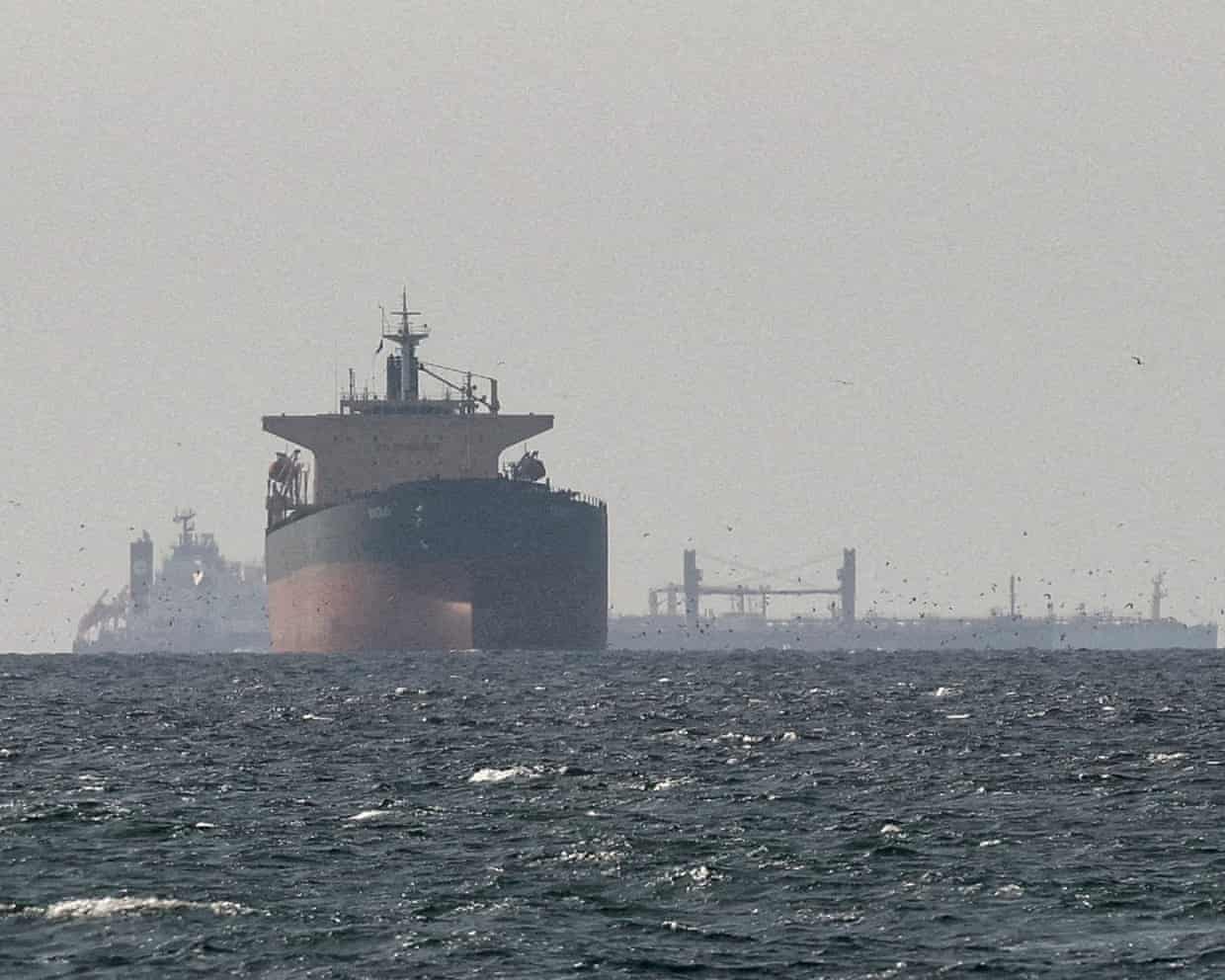
‘You can try to minimise the impact that this situation has on your mental health but it’s becoming impossible.” After six weeks stranded in the Gulf, one of the 20,000 seafarers trapped by Iran’s chokehold on the strait of Hormuz is reaching their limit.Yet with the fragile Middle East ceasefire already fraying, the oil tanker worker – who first spoke to the Guardian a month ago – said any hope they may soon be free to leave had already evaporated, if it ever felt real at all.“We’re at anchor, near dozens of loaded tankers.No one has moved an inch,” said the crew member, one of hundreds anchored off the coast of the United Arab Emirates with a clear view of the loaded Kuwaiti oil tanker set ablaze by an Iranian missile less than a fortnight ago.
Within hours of the ceasefire being agreed, the tell-tale plumes of intercepted missiles streaked the sky above their vessels.After a month and a half of drone attacks and reports of underwater mines, many seafarers feel unwilling and unable to traverse the strait – even if the ceasefire allowed them to do so.“I gave my notice exactly one month ago,” the seafarer said.“I’ve informed the master, I’m not willing to sail through the strait.It’s about safety, it’s all about safety.
”Aboard the same tanker, most of the crew feel the same, they added, saying about 90% of those on board want to exercise their right to refuse to sail.One crew member has suffered a “mental breakdown”, and is being checked on regularly by colleagues.“I’ve no doubt that this particular issue, this mental breakdown, is happening [on tankers] all around us from the stress of this situation.Seafarer support [phone] lines are trying to help, but from the beginning we have all known that it would not be enough,” the seafarer said.Since the start of the conflict, the trade union, the International Transport Workers’ Federation (ITF) has received about 1,000 inquiries from seafarers on 300 different vessels.
About 20% were from those seeking repatriation.Other concerns were about pay or access to essential supplies like fuel, food and water.After the recent attack on Kuwait’s Al-Salmi oil tanker just a few miles away, the seafarer called a helpline for the first time.“I was a bit overwhelmed and I wasn’t sure if I could handle how I was feeling.It’s important to me that others don’t see me cry.
It did help, just to vent out all the feelings to a stranger.”However, there is only so much that advice and reassurance from a distance can do, according to David Appleton, a senior leader at Nautilus, which represents ship staff.“Everyone does their best to assist, but really what you want to do is get people out of the situation,” he said.“In addition to the mental toll that the threat of violence takes on people – the fact that you’re sitting there almost as a sitting duck – there is also the uncertainty, and not knowing how long it’s going to go on,” Appleton added.The eroding mental health of those on board stranded tankers has reignited calls for shipowners to replace their crews with mariners willing to offer relief.
Under maritime regulations shipping companies cannot force seafarers to work in hazardous zones, but there will still be those desperate enough to take up the work.“Most of our potential relievers are Ukrainian seafarers; the ones who are away from their homes, spending money in foreign European countries because they can’t go back home,” the seafarer said.Shipping companies are required to offer double pay to crew working in hazardous areas.They are expected to find those interested in promotion and give them a higher rank to sign on.They will also be looking for those who have been ashore the longest and need the work.
The seafarer said: “The only difference between them and us is choice.At least they will be making a choice to come here, regardless of why they choose to do so.”They hope that within the coming weeks their tanker will be taken to anchorage to allow new crew to take the places of those unwilling or unable to carry on.“The captain had an informal conversation with our crew manager, who was trying to get the crew to stay aboard until we reach the discharge port but he immediately shut that down,” they said.“I’m in no mental condition to perform any intense task after all of this.
It is the hardest situation that I have ever been in,” the worker said.There is no guarantee they will ever return to the sea.“I have worked on tankers all my life.To go, means letting go of all I’ve accomplished.But to stay in this work, means there is a chance that I’ll have to return here eventually.
I will only be able to make that decision after a few months of being off this tanker,At home,” they said,

Doctors’ strike timed to cause havoc over Easter break, says NHS England chief
The latest strike by resident doctors in England has been “deliberately timed to cause havoc” by coinciding with hospital staff’s Easter holidays, the head of the NHS has claimed.Hospitals have struggled to find enough doctors to replace those who have refused to work during the six-day walkout, Sir Jim Mackey, the chief executive of NHS England, said.Many thousands of resident doctors belonging to the British Medical Association were on strike on Wednesday, the second day of a six-day walkout – that is the longest yet in their long-running dispute with the government over pay and jobs. It is the union’s 15th strike since March 2023.In a letter to NHS bosses on Monday night, Mackey said that the doctors’ stoppage risked setting back the health service’s recent progress at improving waiting times for care and the public’s satisfaction with it

Landlords evicting tenants before law to prevent practice comes into force in England
Increasing numbers of landlords are evicting tenants at the last minute before the law changes to outlaw the practice in next month, charities have said.The renters’ union Acorn told the Guardian that no-fault evictions made up one in five of the reports they received from members in October, rising to nearly one in three by January.The Renters’ Rights Act, which was in development last year and will come into effect on 1 May 2026, will abolish section 21 of the existing Housing Act, which allows landlord to evict without providing a justification to the court.“This isn’t a coincidence. Landlords are clearly rushing to force through last-minute evictions before the ban comes into force
Treat jailed drug dealers like radical extremists, says prisons watchdog
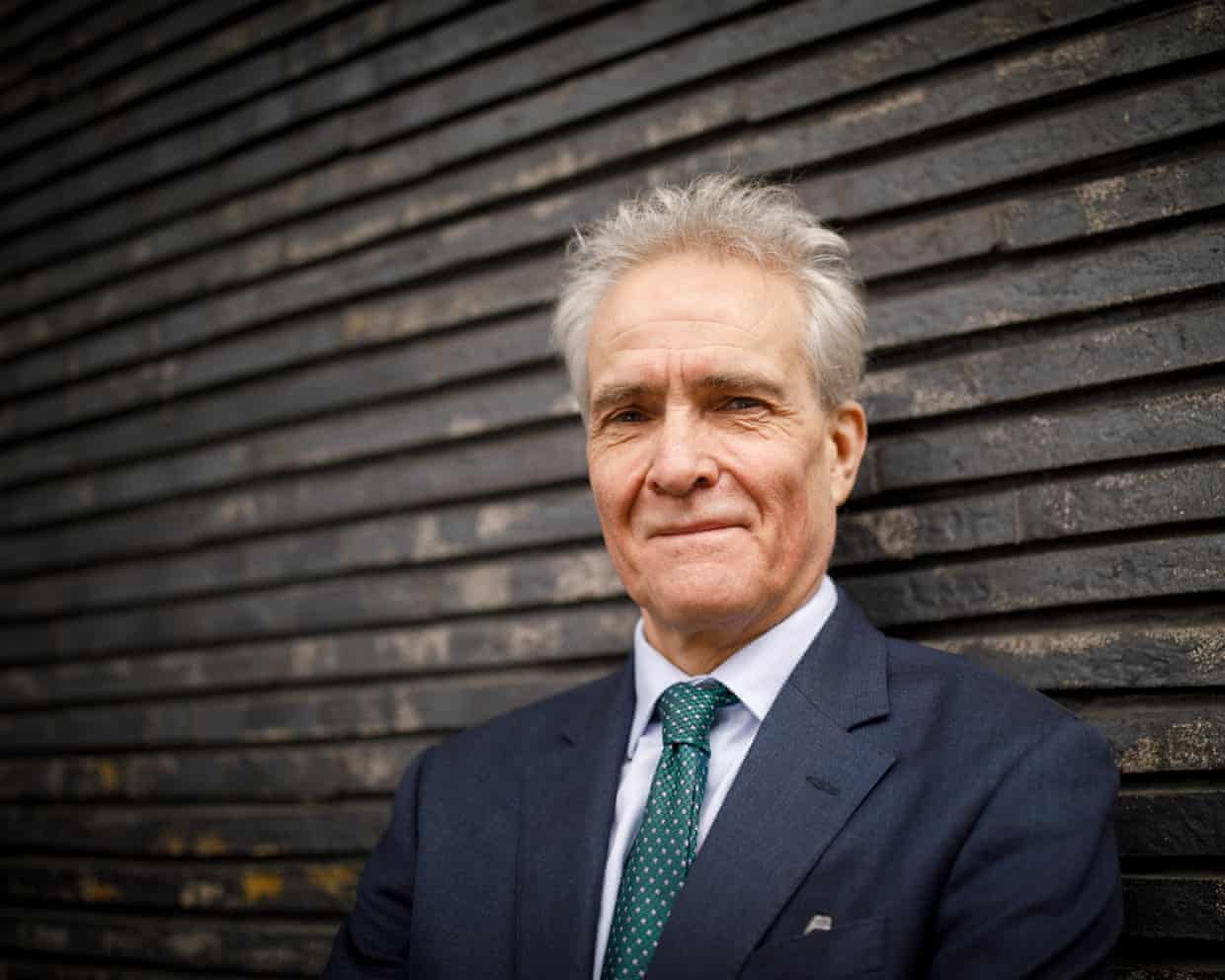
Jailed criminals who are flooding prisons with drugs should be isolated like radical extremists and “assertively managed”, the England and Wales prisons watchdog has said.Charlie Taylor, HM inspector of prisons, said major dealers were living “consequence-free” in jail when they should be separated from the majority of inmates, subjected to regular searches for phones, and punished and rewarded according to their behaviour.Taylor’s demands for a radical rethink follow concerns from MPs about how to break a cycle of violence and chaos caused by the large-scale importation of drugs into “long-term high-risk” prisons, which hold England and Wales’s most dangerous inmates.In an interview with the Guardian, Taylor said: “Some serious organised crime gang members are coming into prison and their feet just don’t touch the ground.“They’re running operations and making a lot of money almost from the moment they get into the jail
‘People are so judgmental’: the growing cohort of over-55s facing homelessness
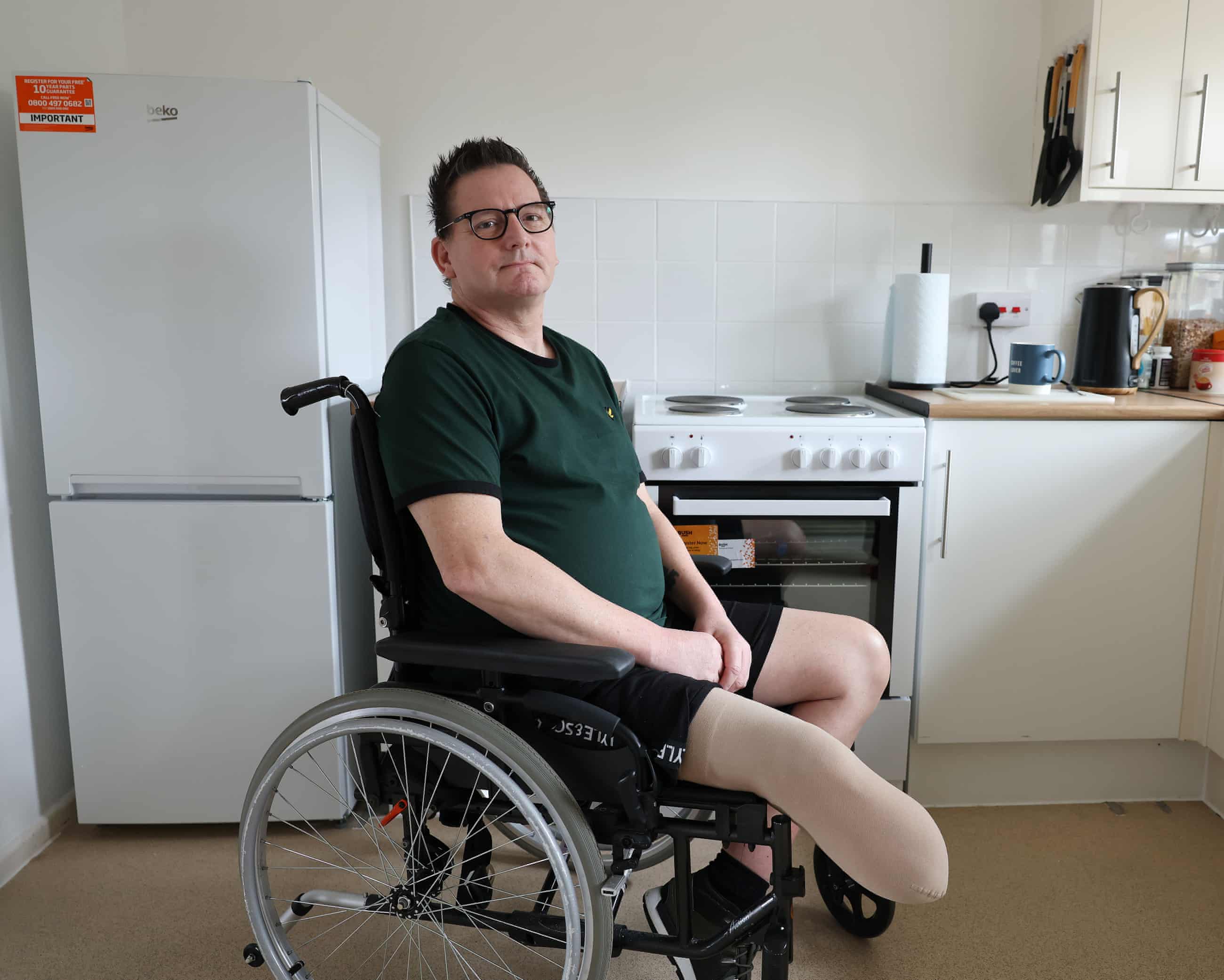
Richard Hewett, who was forced to sleep in his car when his relationship broke down, is one of many in the UK hit by rising costs and a lack of social housingWhen Richard Hewett’s relationship broke down, he was forced to leave his partner’s council house – but found his disability benefits didn’t stretch far enough to get him his own flat in his Essex home town. He resorted to the next best option: sleeping in his car.It wasn’t what he had expected, aged 59. At 6ft 2in, he squeezed into a Ford Focus and struggled to sleep. When he broke his ankle, he couldn’t look after it properly, contracted sepsis and had his leg amputated

World held hostage by reliance on fossil fuels, Christiana Figueres warns – and climate health impacts are ‘mother of all injustices’
Countries are being “held hostage” by their reliance on fossil fuels, a former UN climate chief has warned, describing the health impacts of climate change as “the mother of all injustices”.Christiana Figueres, an international climate negotiator who helped deliver the Paris agreement signed in 2016, made the comments as she was announced on Wednesday as co-chair of a Lancet Commission examining how sea-level rise is reshaping health, wellbeing and inequality.Lancet Commissions are international collaborations that analyse major global health issues and influence policy. This commission will examine legal frameworks to hold countries accountable for the health harms of sea-level rise. It will report by September 2027
What are the health impacts of sea-level rise, and who should pay?
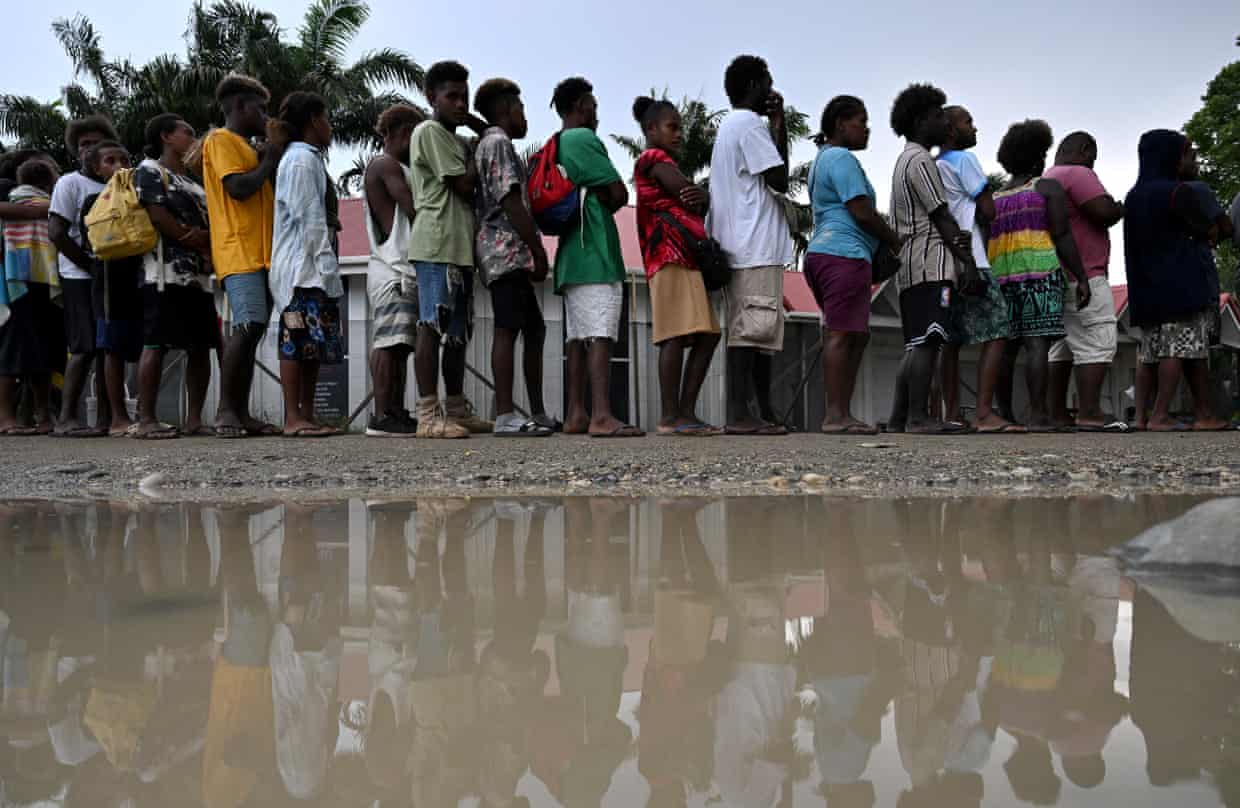
In November in Solomon Islands, the former Tongan health minister Dr Saia Ma’u Piukala stood outside the main hospital in Honiara and “watched seawater lapping at its outer walls”.“The facility is now under threat, with plans under way to relocate it to higher ground – a massive and costly undertaking,” Saia, a surgeon and now the World Health Organization’s regional director for the western Pacific, tells the Guardian.“It should never have come to this.”The impact on patients and health services is just one part of a growing health burden driven by sea-level rise, including water contamination, infectious disease, food insecurity, displacement and worsening mental health.In 2024, at the inaugural UN general assembly meeting on sea-level rise, representatives of small island developing states and low-lying countries described the issue as a global crisis threatening 1 billion people worldwide, urging governments globally to act to protect their health and lives
UK spending on foreign aid hits lowest level since 2008
Zack Polanski calls for UK to withdraw trade agreement with Israel after strikes on Lebanon

‘They will not get my vote this year’: Birmingham focus group shows shift from Labour support

British crypto billionaire Ben Delo says he has given £4m to Reform UK

UK politics: Starmer warns ‘lot of work to do’ to make ceasefire permanent at start of talks in Gulf - as it happened

Keir Starmer is no Neville Chamberlain | Brief letters