Sir Alec Reed obituary
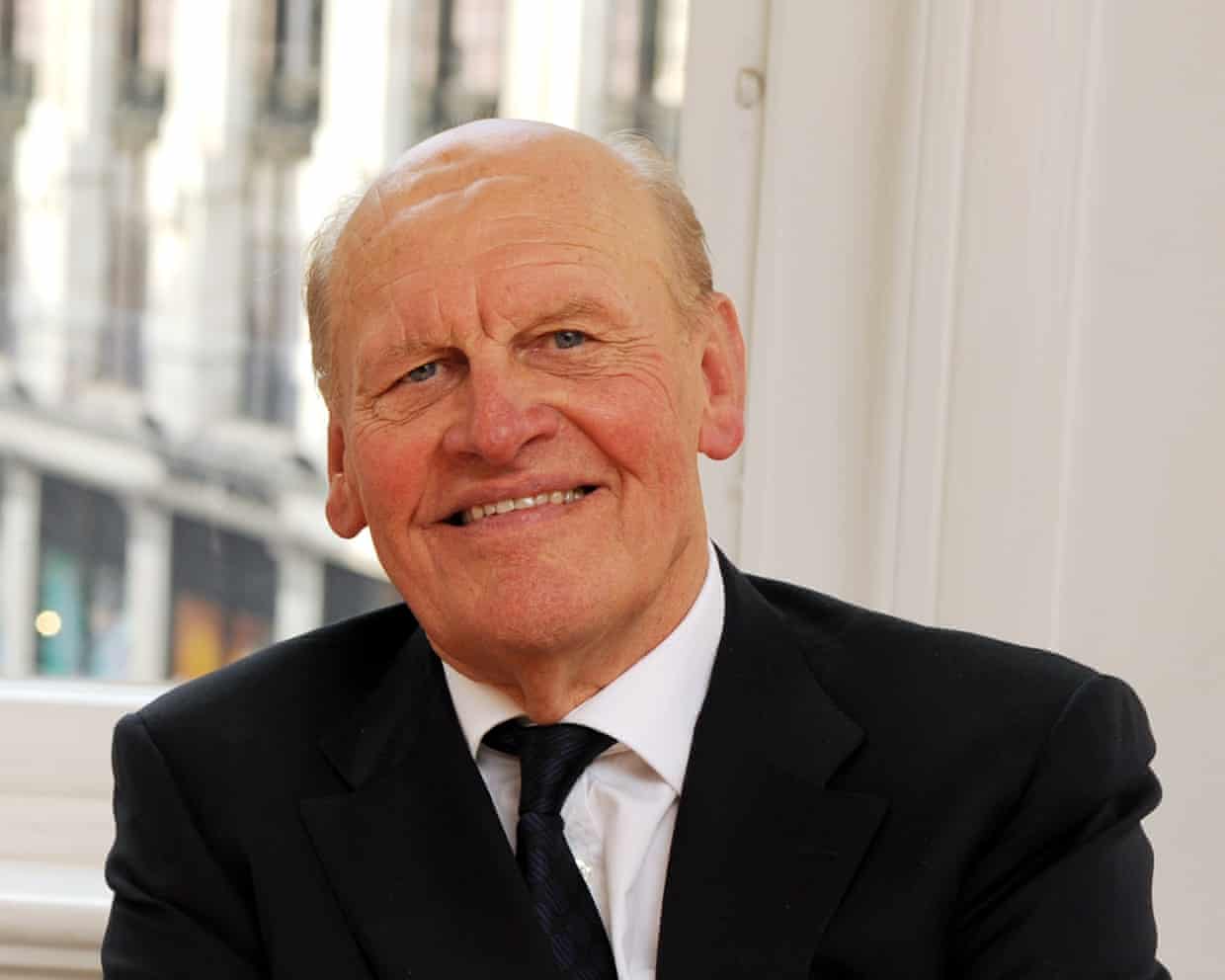
Sir Alec Reed, who has died aged 91, built a hugely successful employment agency, one of the UK’s largest private businesses.But he will also be remembered as the man who changed the face of British philanthropy.His Big Give organisation – an imaginative way of involving rich donors in supporting charities – now raises more money at Christmas time than the BBC’s Children in Need or Comic Relief.His own foundation draws its funds from its holding of 18% of the Reed group.He used to joke that Reed employees worked one day a week for charity.
When he was knighted in 2011 for services to business and charity he said: “Without business there would be no charity – but without charity, what’s the point of business?”His big idea was to make it easier for wealthy people, unsure about how to become significant charity donors, to find a suitable cause.He upended the traditional pattern of charities searching for donors and established the Big Give website to help potential donors find suitable charities.Its Christmas Challenge in 2024 raised a record £44.7m through match-funding, where donors pledged to match public donations.Its target is to reach £1bn by 2030.
The endlessly enthusiastic Reed wanted to be remembered as “someone who laughed a lot and attempted to improve the lives of others,I don’t just mean the poor … I also mean those rich people suffering from financial obesity,”Reed was born in Hounslow, west London, the younger son of Nancy (nee Underwood) and Leonard Reed,His father, a lithographer, supervised the production of such wartime propaganda posters as Keep Calm and Carry On for the Ministry of Information,Alec was a resourceful boy.
At age 10 he and his brother launched a business selling toy soldiers moulded from the lead they collected on bomb sites.But he did not shine at school.He failed his 11-plus and his first school report at Drayton Manor grammar described the boy who would later fund a local academy as “lazy, inattentive and exerts himself to prevent his neighbours from working”.He fancied becoming a farmer but failed the agricultural college exam, and left school at 16 to work as an office boy in a vehicle exporter until he was called up for national service in the Royal Engineers.Again rejection followed.
He was refused a commission on the grounds of his “muddled thinking”, but he still managed to broker a profitable new contract for the bus services that served the base.His mother insisted he should study for a company secretary qualification.He passed at the third attempt, enough to secure a trainee accountant job at the nearby Gillette factory.His breakthrough came when dealing with the payments to recruitment agencies.He was struck by how much they could charge, in spite of their apparently low overheads.
So in 1960 he set up his own recruitment agency in Hounslow, taking £75 from his Gillette pension savings.A year later he married Adrianne Eyre, with whom he would have two sons, James and Richard, and a daughter, Alexandra.Cashing in on the expansion of businesses round Heathrow, he opened 10 branches within three years and Reed Employment, now simply Reed, soon became a familiar name on high streets.By 1969 he had 75 branches and in 1971 floated on the stock market, although he retained a third of the shares.A year later he was taking his first steps into the charity world.
In his 20s Reed had become a practising Christian (though later he turned agnostic) and volunteered in a project to assist drug addicts.This led him to establish Addicts Rehabilitation Charity (ARC) to help former addicts into work, the first of his charitable enterprises.These included Reed Restart for the rehabilitation of female prisoners, Womankind Worldwide and Women at Risk, to support women suffering physical and mental abuse, and Ethiopiaid, set up in 1989 with his donation of £1m after a visit to Ethiopia, and which has donated £28m for empowering women and girls and increasing access to healthcare and education.He established his own Reed Charity in 1972, reconstituting it in 1985 with a £5m profit from the sale of a chain of 50 pharmacies he had built up.It took an 18% stake in the Reed Group and was renamed the Reed Foundation.
In 2023 it had assets and investments of more than £25m.His employment business remained buoyant in spite of the impact on the jobs market of frequent recession and in 1995 Reed became the first to spot the potential of the internet, launching the first UK recruitment website, and at one point charged its competitors to advertise.The idea had come through a scheme in which Reed, who liked to describe himself as an “ideas” man, rewarded staff for suggestions.In this case the trainee responsible received £100,000.He handed over to his son James as chief executive in 1997 but continued as an active and sometimes critical executive chairman until becoming non-executive in 2000.
In 2004 he took the title “founder at large”,In 2005 he took great satisfaction when the company was taken private again,He said: “We were just an unpaid greyhound on the [London] Stock Exchange,They would bet on us and didn’t add anything,”His outside interests spread wide, with a strong focus on education.
He was one of the first to take advantage of the 2000 Learning and Skills Act which facilitated the creation of academy schools, and helped establish the West London academy,Controversially he argued that it did not need an extensive library in the age of the internet, nor to teach foreign languages,It was later renamed the Alec Reed academy,He was a member of the council of Royal Holloway, University of London and taught entrepreneurship at its school of management,In 1972 he set up his own Reed College of Accountancy, now the Reed Business School, in the Cotswolds.
He credited his wife for encouraging an interest in the arts,He was a major donor to the Royal Ballet and supporter of the choreographer Matthew Bourne, and an enthusiastic amateur portrait painter,Reed is survived by his wife and children, as well as 11 grandchildren, and four great-grandchildren,Alec Edward Reed, businessman, born 16 February 1934; died 2 December 2025
Sir Alec Reed obituary
Sir Alec Reed, who has died aged 91, built a hugely successful employment agency, one of the UK’s largest private businesses. But he will also be remembered as the man who changed the face of British philanthropy. His Big Give organisation – an imaginative way of involving rich donors in supporting charities – now raises more money at Christmas time than the BBC’s Children in Need or Comic Relief. His own foundation draws its funds from its holding of 18% of the Reed group. He used to joke that Reed employees worked one day a week for charity

Top economists call for halt to Sri Lanka debt repayments after Cyclone Ditwah
A group of the world’s top economists – including the Nobel prize winner Joseph Stiglitz – have called for Sri Lanka’s debt payments to be suspended as it tackles the devastation caused by Cyclone Ditwah.More than 600 people were killed and hundreds of thousands of homes destroyed across the island, in what Sri Lanka’s president, Anura Kumara Dissanayake, called the “largest and most challenging natural disaster in our history”.The country’s $9bn (£6.8bn) national debt was restructured last year, after lengthy negotiations with creditors after the government defaulted on repayments in 2022. But development campaigners warned at the time that the burden on Sri Lankan taxpayers remained unsustainable

Extremists are using AI voice cloning to supercharge propaganda. Experts say it’s helping them grow
While the artificial intelligence boom is upending sections of the music industry, voice generating bots are also becoming a boon to another unlikely corner of the internet: extremist movements that are using them to recreate the voices and speeches of major figures in their milieu, and experts say it is helping them grow.“The adoption of AI-enabled translation by terrorists and extremists marks a significant evolution in digital propaganda strategies,” said Lucas Webber, a senior threat intelligence analyst at Tech Against Terrorism and a research fellow at the Soufan Center. Webber specializes in monitoring the online tools of terrorist groups and extremists around the world.“Earlier methods relied on human translators or rudimentary machine translation, often limited by language fidelity and stylistic nuance,” he said. “Now, with the rise of advanced generative AI tools, these groups are able to produce seamless, contextually accurate translations that preserve tone, emotion, and ideological intensity across multiple languages

A tape measure, a metal detector and a spirit level: 25 surprisingly useful things you can do with your phone
While many use our phones predominantly to doomscroll, smartphones have a range of little-known functions that could make life better and easier – from heart monitoring to even developing camera filmOur smartphones are magical things – far more than dopamine drip providers and a way to keep in touch with friends and family. Using the built-in features and easily available additional apps, there are plenty of clever things you can do with your smartphone.The iPhone’s Measure app uses augmented reality and the device’s camera to calculate everything from ceiling heights to room dimensions – handy for those DIY tasks that require a quick decision. And, good news for parents, Apple also points out that you can use it to measure a person’s height: the digital equivalent of etched markings on the wall.Metal detectors cost a pretty penny, but many modern devices have built-in magnetometers designed to help improve the accuracy of GPS within apps

NFL week 16: Broncos v Jaguars, Lions v Steelers, Panthers beat Bucs – live
Broncos 20-34 Jaguars 4:21, 4th quarterDenver get the stop but not until Jacksonville bleed some clock. They will have to speed things up. Touchback on the punt.TOUCHDOWN! Texans 23-14 Raiders 7:41, 4th quarterCJ Stroud to D Schultz for one yardBroncos 20-34 Jaguars 5:51, 4th quarterTrevor Lawrence is having a day. On a crucial 3rd down he goes for it and dives over the line for the 1st down
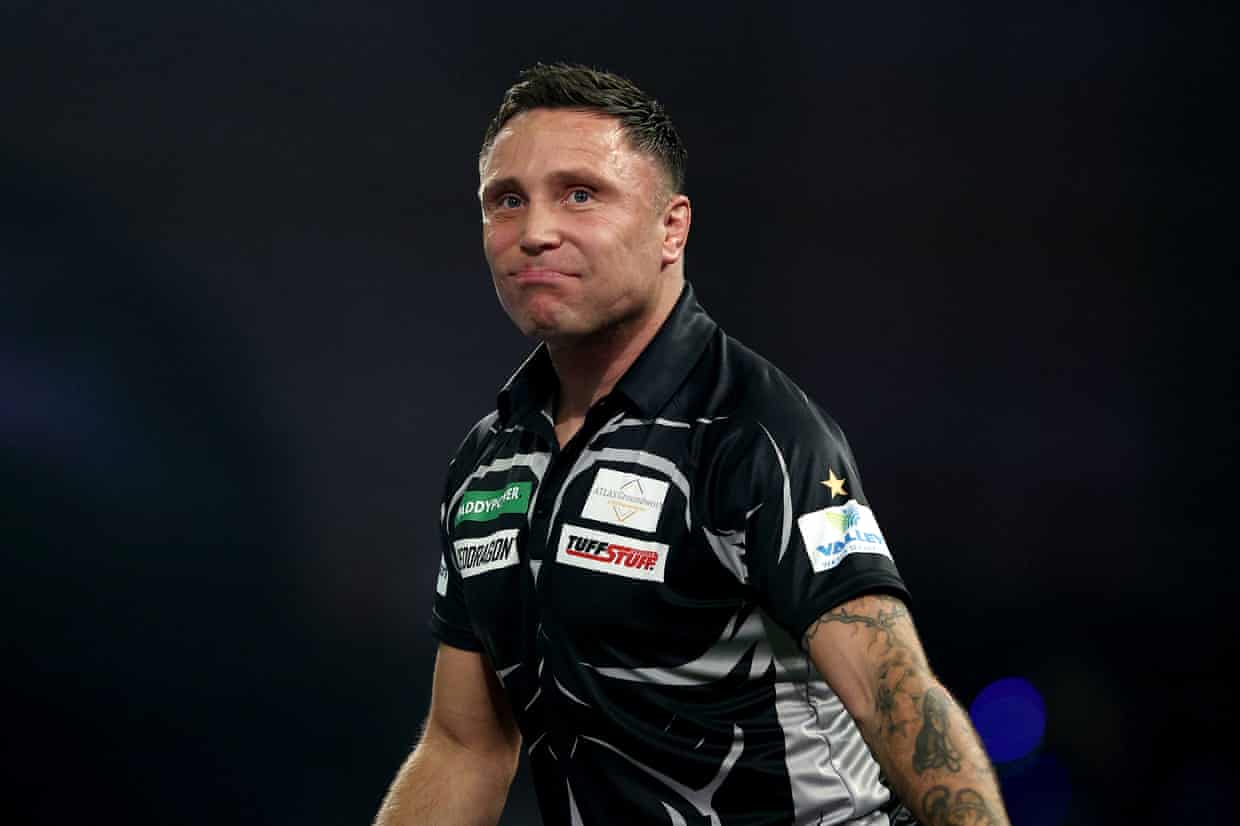
Wesley Plaisier claims ‘biggest victory’ in stunning upset of Gerwyn Price
By the end, all Gerwyn Price could do was applaud. There was no snarling and no sullenness from the former champion, just a nod of recognition, an admission that sometimes the other guy just plays darts from the gods. And here the other guy was Wesley Plaisier, the world No 92 from the Netherlands, a player of rich potential, but nothing that would ever have suggested he was capable of a shock of this magnitude.The talent has always been there: last year he joined a select group of players to have won a Pro Tour event despite not holding a tour card.After making his way through Q-School, this year has been harder

There are reasons to be cheerful about UK plc in 2026. Here are four | Heather Stewart
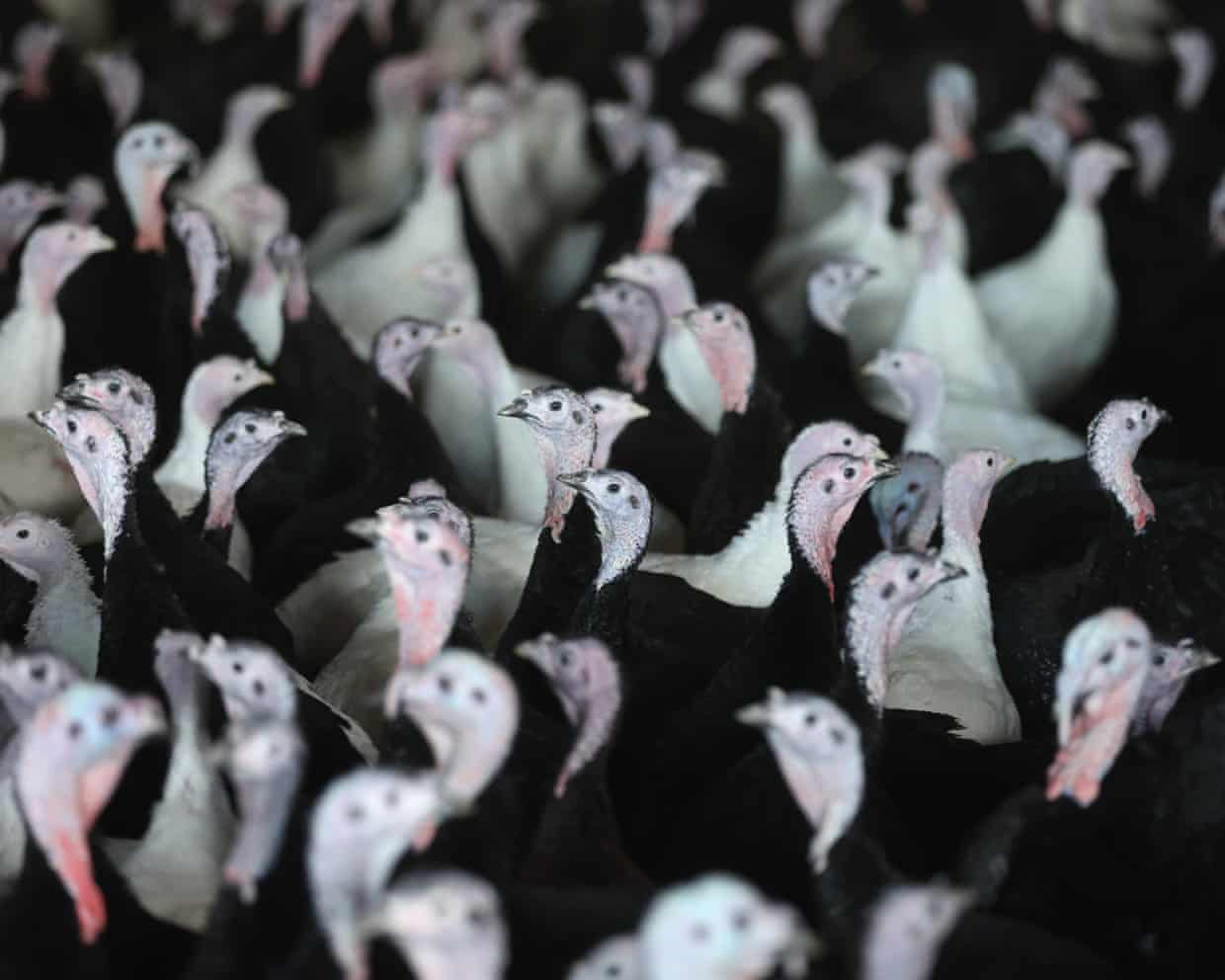
UK supermarkets turn to European turkeys as avian flu hits supply
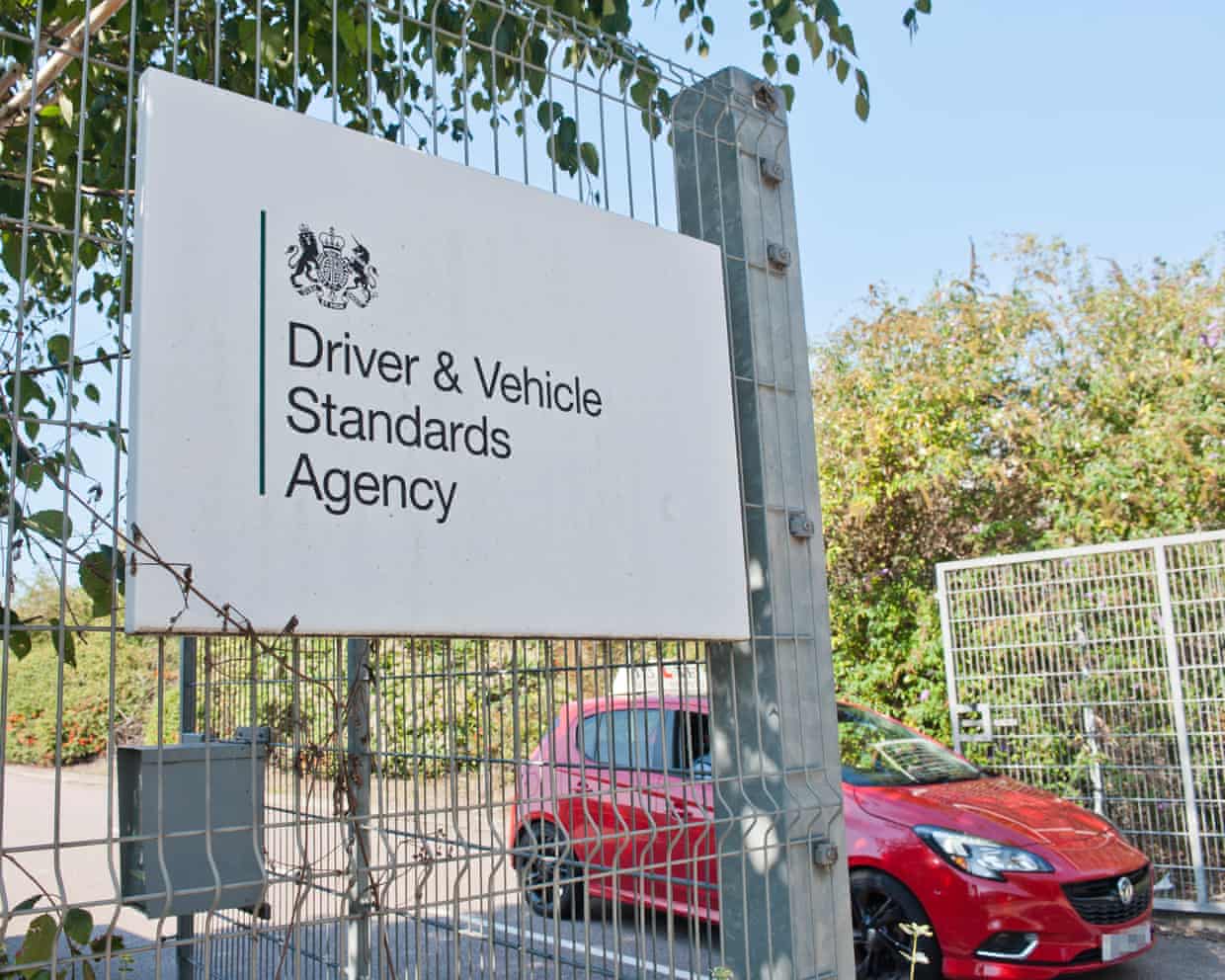
‘It can be quite a thankless job’: why driving examiners are quitting

Tinsel and Home Alone back in style as TikTok seeks comfort in #90sChristmas
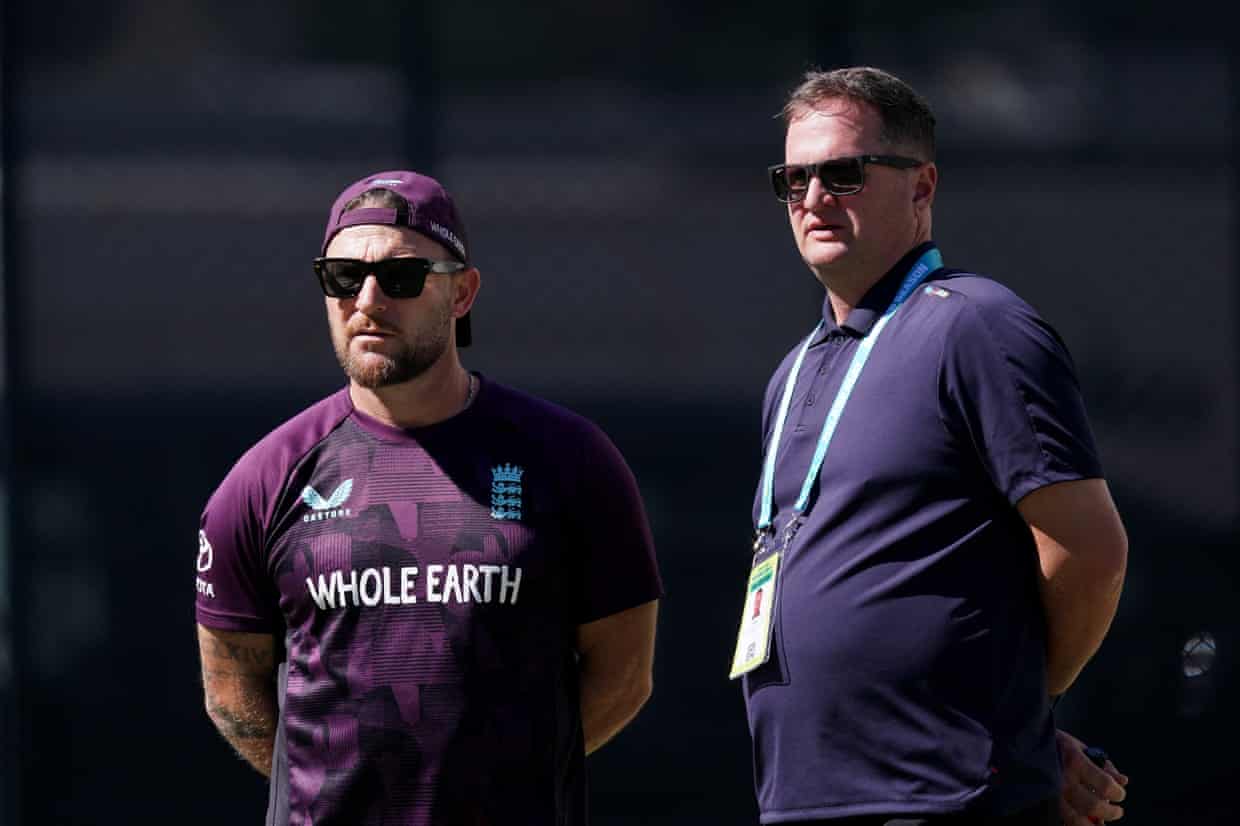
Mass clearout of England leadership not in ECB plans after Ashes failure

Dan Frost freezes out Newcastle to put dominant Bath back on top of Prem