MPs v the manosphere: ministers battle misogyny as they take a different message to men and boys across Australia
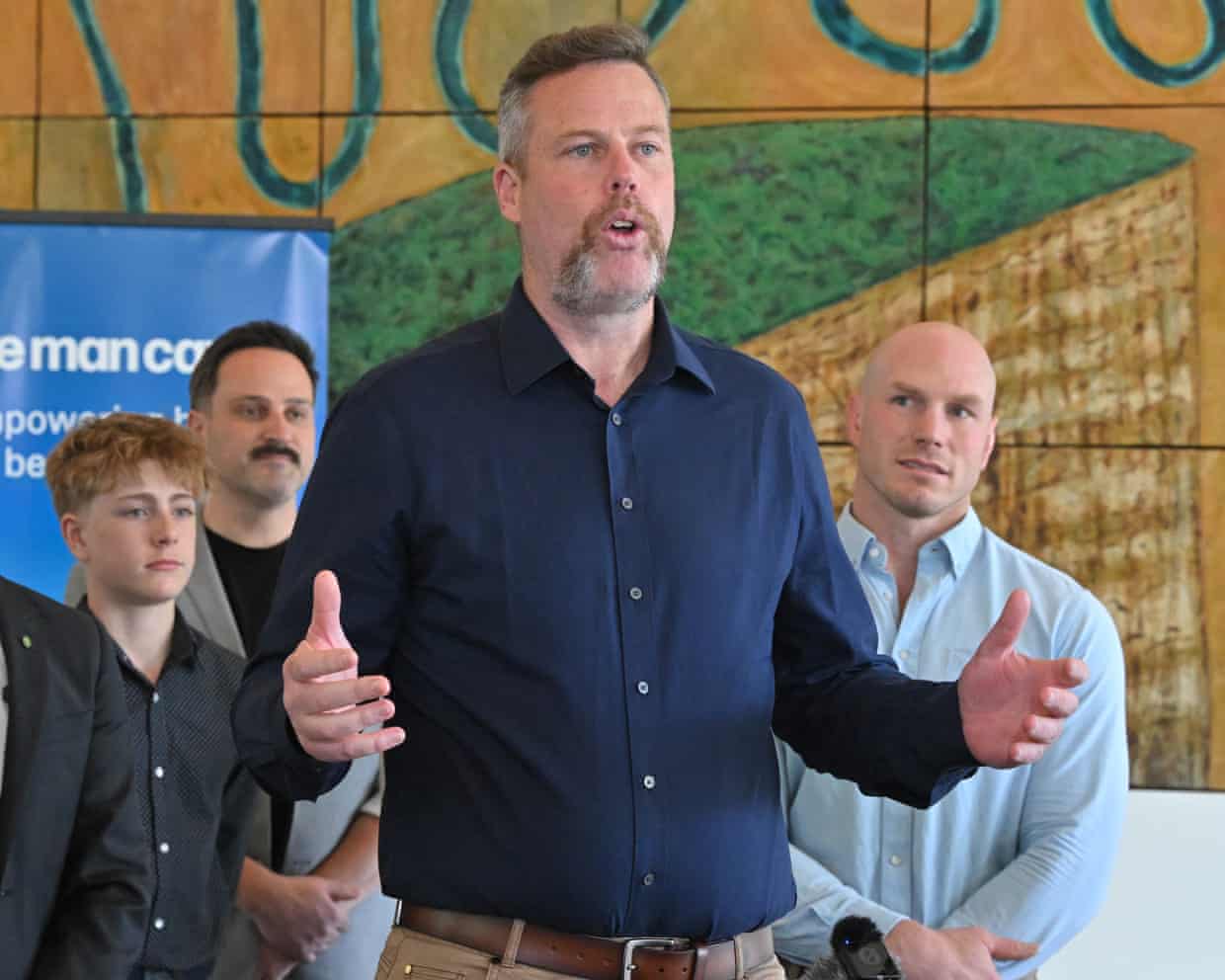
“Gender equality isn’t women versus men or a zero-sum game,” Ged Kearney says.“It delivers better outcomes for everyone.It’s important that, as we engage with men and boys, we make that really clear.”But as the assistant minister for the prevention of family violence sets off on a national listening tour with the special envoy for men’s health, Dan Repacholi, they are up against a pervasive and very different conception of how men and women relate, fostered by the loud voices of the manosphere and men’s rights activists.For decades, those activists have called for Australia to have a minister for men.
Since Repacholi began his role, Victoria has appointed Paul Edbrooke as minister for men and boys.The South Australian government is open to something similar, and opposition parties in New South Wales and the Australian Capital Territory have appointed shadow ministers responsible for men.But what the activists want is not what Repacholi and Kearney are promoting.Simon Copland, an expert in misogyny, extremism and male violence and an honorary fellow at the Australian National University, says those groups are tightly focused on the family courts and the idea that men are discriminated against.They also consistently claim that women make false rape and domestic violence claims, he says.
The veteran Labor warrior and former MP Graham Perrett was on the family law inquiry instigated by One Nation’s Pauline Hanson in 2020, which was swamped by fringe groups spouting ideas fundamentally hostile to women.At one point One Nation broadcast a hearing live on Facebook and published unfiltered comments calling witnesses “man haters” and “dirty snakes”.“It was scary as shit,” Perrett says.“You’d have a rapid-fire on why all women were evil.”Last year Hanson said changes to the family court were her first priority, that child support was a “cash cow” and that allegations of domestic violence should not be allowed unless previously proven true because of “lies”.
She complained about a “woke” parliament “pushing women’s rights” and said men were “the most oppressed and neglected minority in Australia” on International Women’s Day in 2023.Copland says any ministers for men will “come under intense pressure from these groups”, which have gained traction through Hanson’s persistent calls for changes to the family court and child custody system, and claims that women make false claims about domestic violence.One fathers’ rights group has used ChatGPT to draft a template for people to send emails demanding changes to the family court, while another has called on followers to email or call Edbrooke to see if he “has the courage to stand against the feminist lobby”.Repacholi says when he began in his role two ends of the spectrum quickly made themselves known: “The men that hate women and the women that hate men.”But Kearney believes the “divisive online voices and harmful stereotypes” can be challenged by a commitment to respect, responsibility and equality.
The government’s Healthy Men Community Conversations project, which starts on Wednesday with a healthy masculinities roundtable, aims to support men and boys to seek help and to encourage positive relationships.“When we support wellbeing and challenge harmful gender norms everyone wins,” Kearney says.Asked about lobbying from activist groups, Repacholi says it’s important to listen to everyone but that at the extreme ends you can’t change people’s minds.Talking to men and boys in a “normal” way and meeting them “where they are” will help cut across the static from other groups, he says.He also talks about the importance of working alongside Kearney in speaking to men from all generations – young and old.
“The whole idea is to make generational change, to change the scary statistics that are out there,” Repacholi says,The latest data from the Australian Bureau of Statistics shows more than three-quarters of those who died by suicide in 2024 were men,It’s the 11th leading cause of death for men and the 27th for women,Men’s life expectancy in Australia is 81,1 years – four years lower than women’s.
Boys are falling behind girls in schools, overrepresented in workplace deaths, and more likely to abuse substances including alcohol,Fears about the real-world effects of social media sites awash with misogyny and toxic ideas about masculinity have also fuelled moves to have dedicated representatives for boys and men,Australia’s National Research Organisation for Women’s Safety warns that the manosphere has “amplified aggression, disrespect, violence and harassment among boys and men”,Experts from the Movember Institute of Men’s Health welcome the idea of ministers for men but emphasise the need for data and evidence-based policies,A research fellow at the institute, Dr Krista Fisher, says building boys’ and men’s resilience can help them navigate the onslaught on social media, where algorithms funnel them into the manosphere and content promoting suicide, self-harm and drug and alcohol abuse.
“We need to identify young men who are most vulnerable to ending up in those more nefarious, extreme, radicalised communities and spaces,” she says.Michael Wilson, a Movember research fellow and honorary research fellow at the University of Melbourne, points to an enduring and baseless claim used by such groups and repeated by One Nation that up to 21 fathers are dying by suicide every week after interacting with the family court system.He says suicide is an extremely complex phenomenon that does not have a single cause.“It’s always a complex balance between someone’s underlying vulnerabilities and the acute stressors that are going on in their life at that time [parenthood],” he says.“Having said that, in Australia, the leading risk factors for suicide in men are mental illness, separation, divorce, domestic violence – any sort of relationship issue is always up there, and acute substance use.
”Repacholi says often men don’t know where to turn when “things get tough”.“Too many blokes are dying from things we could prevent, including suicide,” he says.The men’s rights groups blaming the family court for suicide rates are aggrieved and motivated by anger, Wilson says.“That distress is very real, no one’s denying that.But the extent to which it is used to lobby policy based on evidence that just simply doesn’t exist is where I have an issue with it.
“[Policies] need to be led by evidence more than ideology.” In Australia, support is available at Beyond Blue on 1300 22 4636, Lifeline on 13 11 14, and at MensLine on 1300 789 978.International helplines can be found at befrienders.org
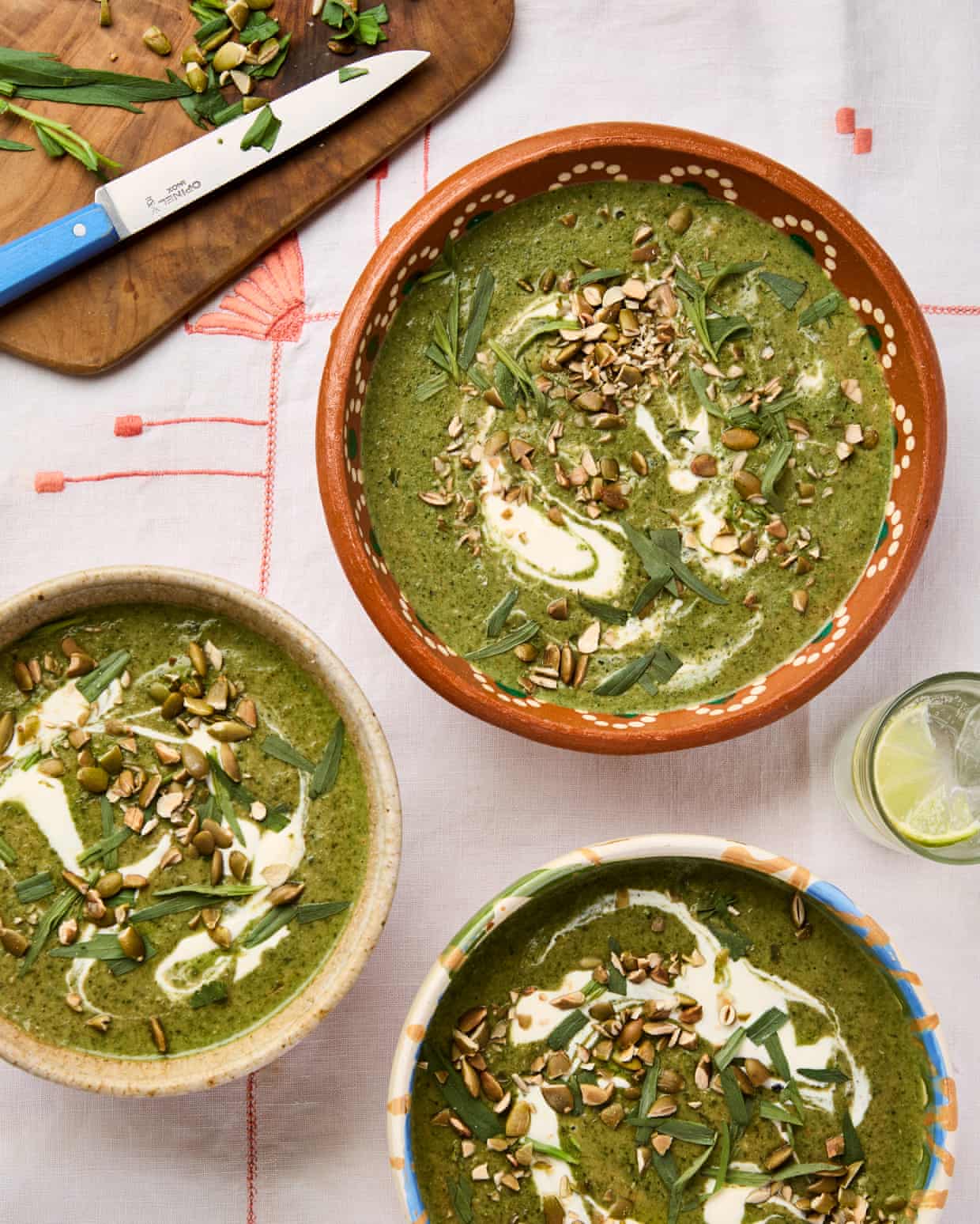
Spring soup and bean and cheese quesadillas: Thomasina Miers’ Mexican-inspired seasonal recipes
I have always loved the evident (though not proven) link between how foodie a country is and its love of soups. In Mexico, where nose-to-tail eating is a given, broths maintain a steadying presence in any self-respecting cantina, and soups are commonplace on most menus. We don’t eat a crazy amount of meat at home, but having homemade stock in the freezer is an ingenious fast track to flavour and goodness. Here, whether your stock is chicken or vegetable, homemade or shop-bought, the joy is in the gentle spicing, a scattering of herbs, zingy tomatillos and some lovely spring leaves.There are so many different herbs in Mexico that are impossible to find here, so I’ve used bundles of more common soft herbs to try to capture the lovely breadth of flavour in this soup
When it comes to wines, it pays to look beyond the fashionable
The sommelier Honey Spencer, of Sune in east London, struck a real chord on Instagram earlier this year: “I’m so fucking sick of expensive wine,” she lamented. There followed an angry plaint about the “unrelenting rise” in the cost of bottles from “artisans making wine properly … and FORGET BURGUNDY”. In a difficult climate, this is “one of the hardest pills to swallow” for the restaurateur.The Guardian’s journalism is independent. We will earn a commission if you buy something through an affiliate link
The surprising boom in blouge wine: ‘It’s for 5pm, in the sun’
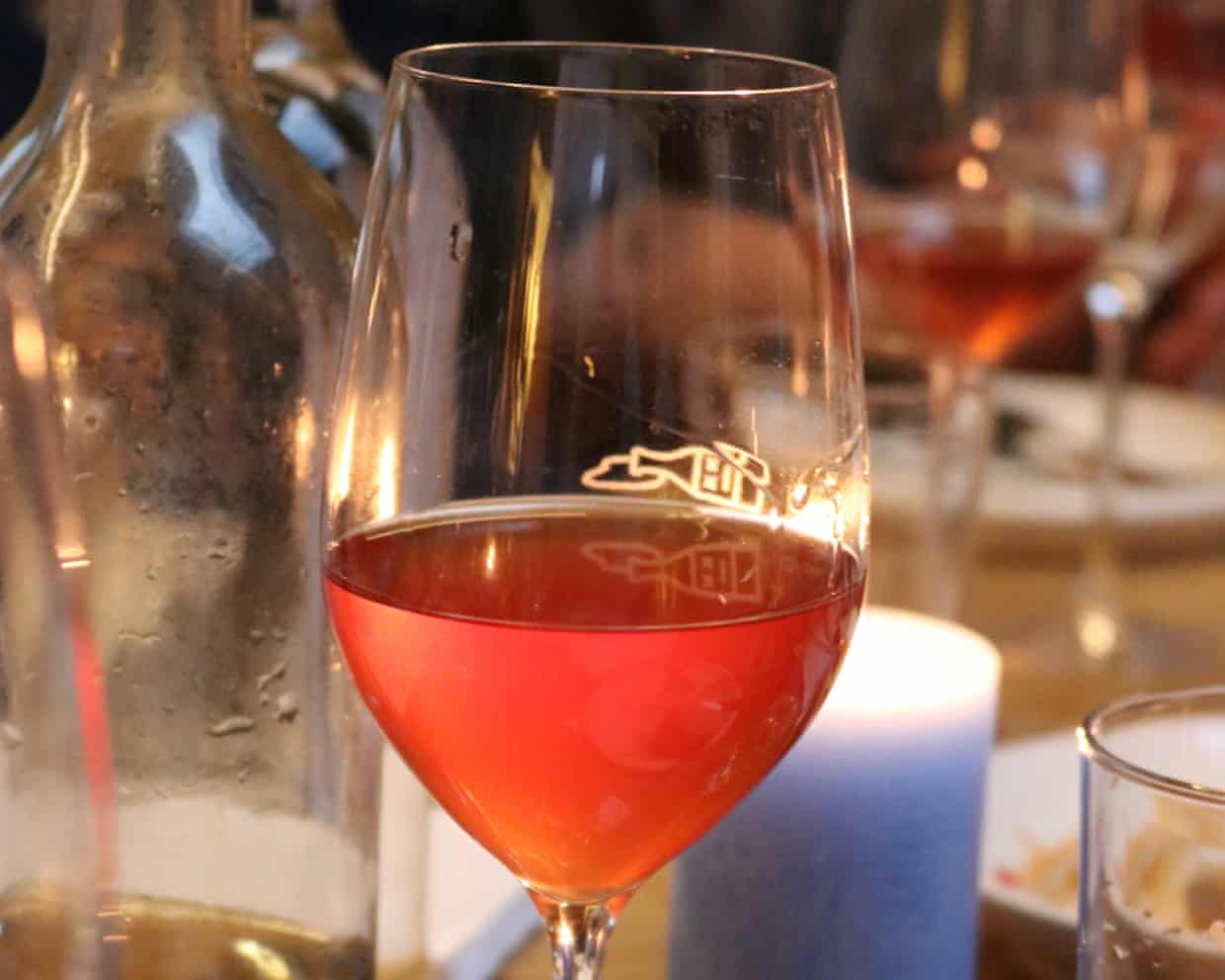
Twenty years ago, a winery could do well selling one white and two reds, says Konrad Pixner, a northern Italian winemaker who set up his vineyard, Domaine de L’Accent, in Languedoc, France, in 2019. But today, importers and bars always ask: “Do you have something new?” So up in the hills, surrounded by deep gorges and limestone plateaus, Pixner is constantly experimenting.After a good harvest in 2023, Pixner walked into the shed he shares with other winemakers at 4am to find that his biggest vat of white wine, pressed from carignan blanc grapes, had overflowed during fermentation. He had run out of space, so he quickly “pumped the white juice into the tank where whole bunches of carignan noir were,” he says, and left them to ferment for 10 days together. In contrast to rosé, made from red grapes left for a short time with their skins on before being pressed, he created “blouge” – a light, fresh wine blended from white and red grapes that’s best served chilled

How to make the perfect custard creams – recipe | Felicity Cloake's How to make the perfect …
Prue Leith reckons the custard cream is “arguably Britain’s most iconic biscuit” – and, certainly, we’ve been dunking this fern-patterned treat in our tea for well over a century, with early advertisements for this “delicious biscuit” placing it, perhaps aspirationally, in the “fancy” category. By 1920, Bermondsey baking behemoth Peek Frean could confidently declare the custard cream “far and away the most popular of all the cream sandwich biscuits”, a status only slightly dented by the time I was at school about seven decades later, when it sat just below its contemporary, the chocolate bourbon, in the playtime snack ratings.Despite my love of both custard and cookies, however, I’ve always found this particular custard-flavoured product a bit sugary and dull. As historian Lizzie Collingham explains in her magisterial book, The Biscuit: The History of a Very British Indulgence, it combines two early industrial foodstuffs, namely custard powder and machine-made biscuits, and though they may have been created in a factory, I think they’re much better made at home.Let’s be honest, the biscuit isn’t really the point of the packet variety – as children, we’d prise them open to scrape out the sugary filling, like bears sucking honey from a split log – but when you bake them yourself, it can be
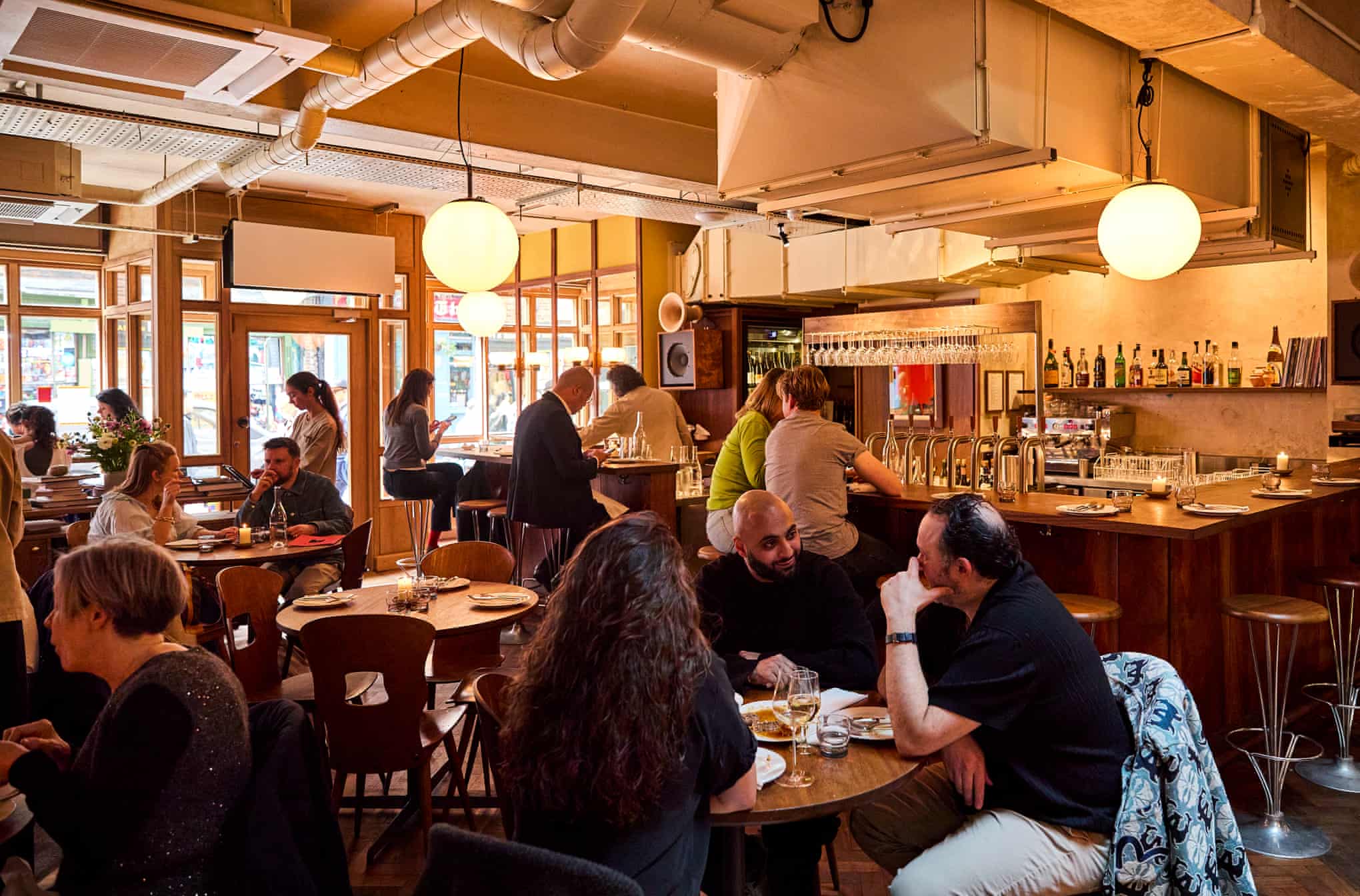
Impala, London W1: ‘Shamelessly, brilliantly too much’ – restaurant review | Grace Dent on restaurants
Impala is like no restaurant I’ve ever been to, yet it somehow has echoes of almost all of themLate last month, Impala drove into Soho already flaming hot in the hype stakes: this was a sizzling booking to brag about even before executive chef and co-founder Meedu Saad had turned on the stoves. Impala, after all, is a Super 8 restaurant, the group that has, among others, Tomos Parry’s Brat in Shoreditch, which has been constantly, unfalteringly brilliant since 2018. It also runs Parry’s second baby, Mountain, which is likewise wonderful; sometimes weird, yes, but always wonderful. Long before that, back in 2016, they opened Kiln, the famed live-fire Thai counter hangout that cheffy boys in beanies have tried and failed to emulate all over Britain, while Super 8’s beginnings were with the boundary-pushing and much-loved Smoking Goat. That is nothing less than a litany of solid-gold bangers, and now they’ve unleashed Impala by Saad, the former head chef at Kiln
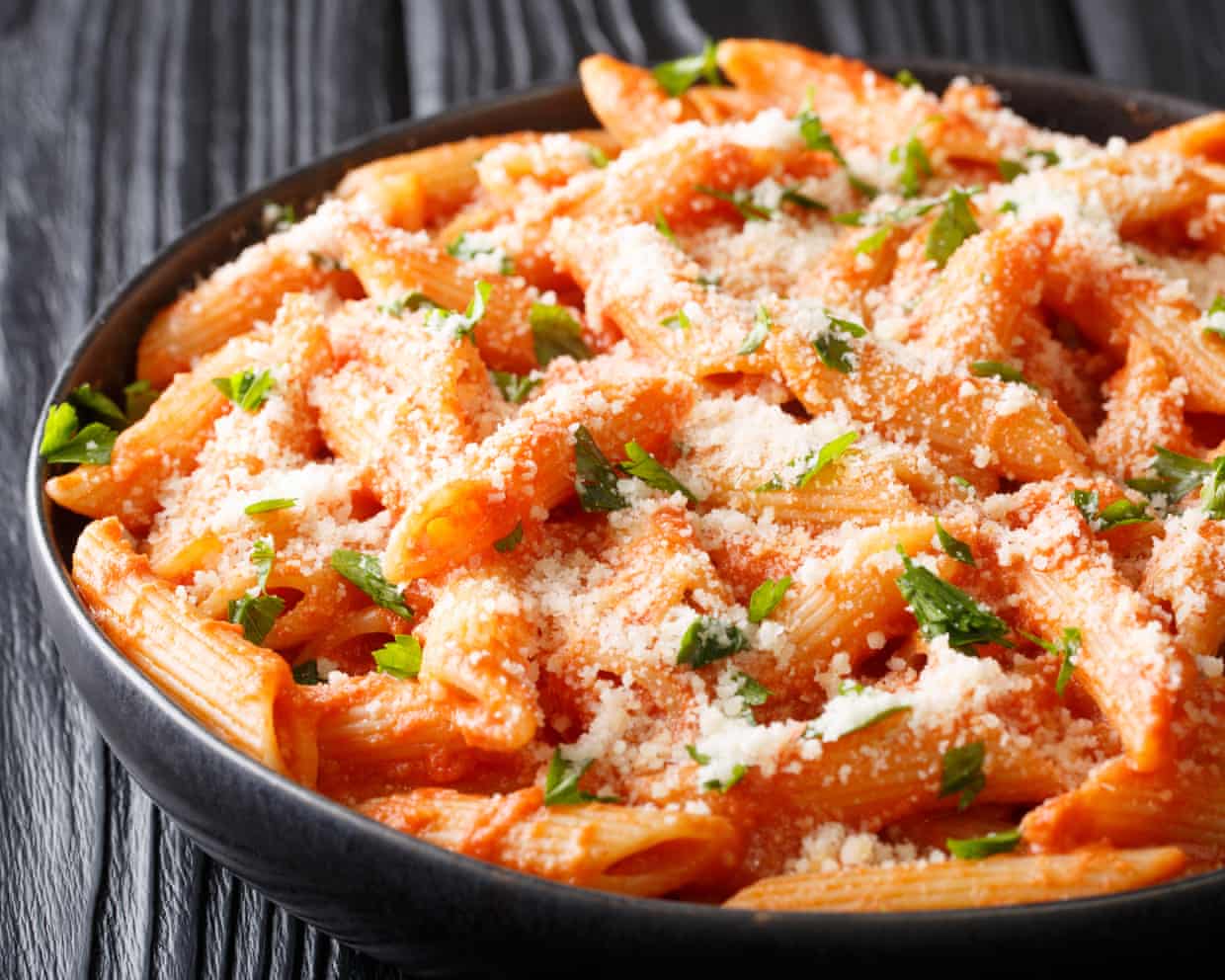
Disco hit: Penne alla vodka, popular in New York 80s clubs, is now a menu staple
Despite most traditional Italians considering it sacrilegious, penne alla vodka is quickly becoming one of the most in-demand Italian dishes.Previously popular in suburban Italo-American restaurants during the 80s, the dish is now enjoying a widespread resurgence that is being driven by several factors including nostalgia and social media.Featuring a tomato and cream base with a splash of vodka, the silky smooth sauce sits somewhere between coral and carrot on the colour wheel. The Guardian’s Rome-based food writer Rachel Roddy describes it as “luxurious and a bit racy”.Dara Klein, a chef and founder of Tiella Trattoria in London, says the dish “hits lots of comforting notes”, comparing it to a slightly more grownup take on the Italian childhood favourite pasta al pomodoro which is “eaten from day dot”

Stock markets are wobbling, but £10bn cash bids at fat premiums can still happen

UK electric car sales leap ‘could be hit by Iran war inflation and energy price rises’

‘There is a good deal of fear’: what would a Labour leadership challenge mean for bond markets?

Thousands of Just Eat couriers launch legal action to improve workers’ rights
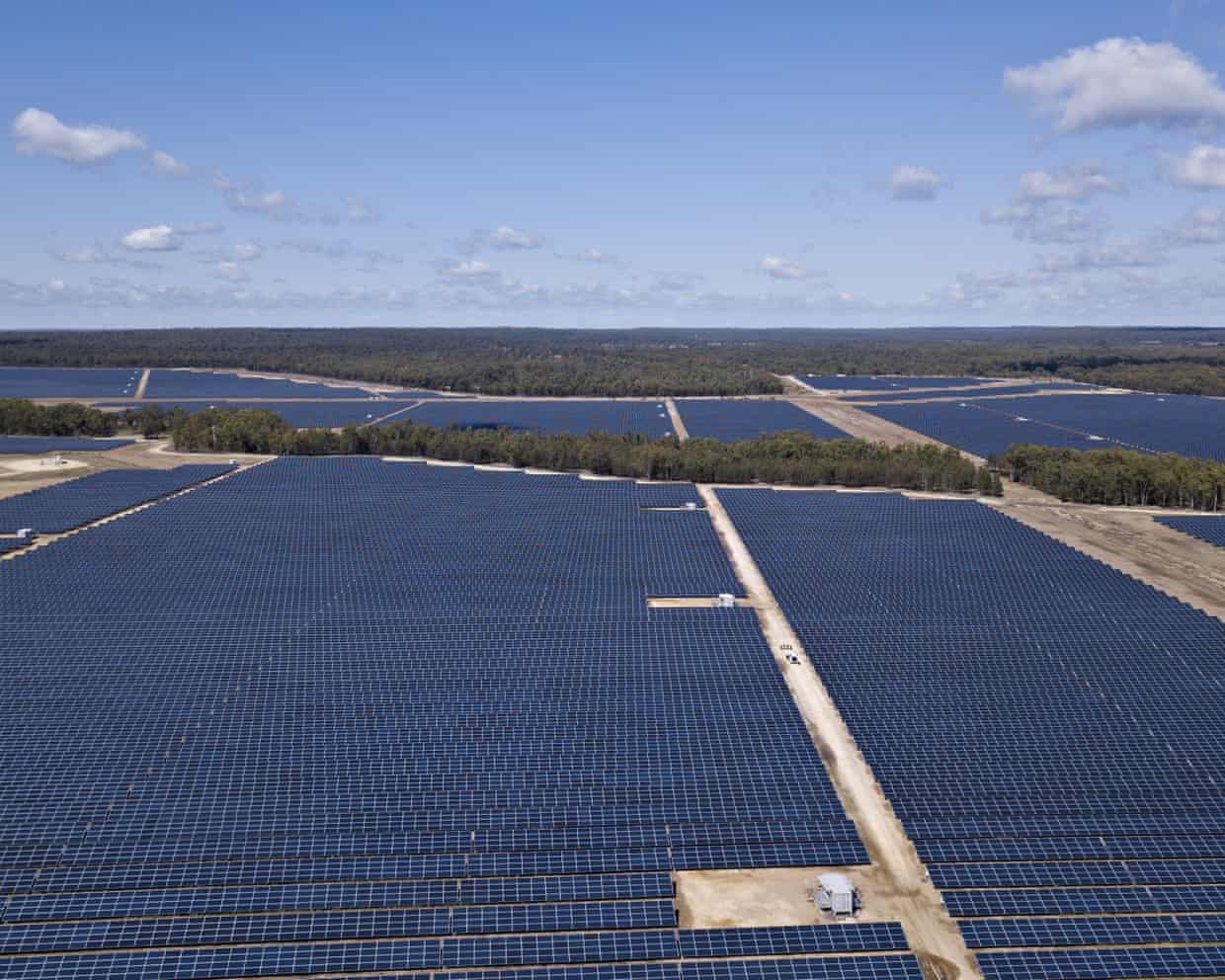
Our national energy transition is a rare opportunity to enrich and reward Australian workers | Thom Woodroofe

Trump may not be a fan of clean energy but Iran war is accelerating global shift from oil and gas | Heather Stewart