Reeves speech had a giant hole: the sky-high cost of energy for industry | Nils Pratley
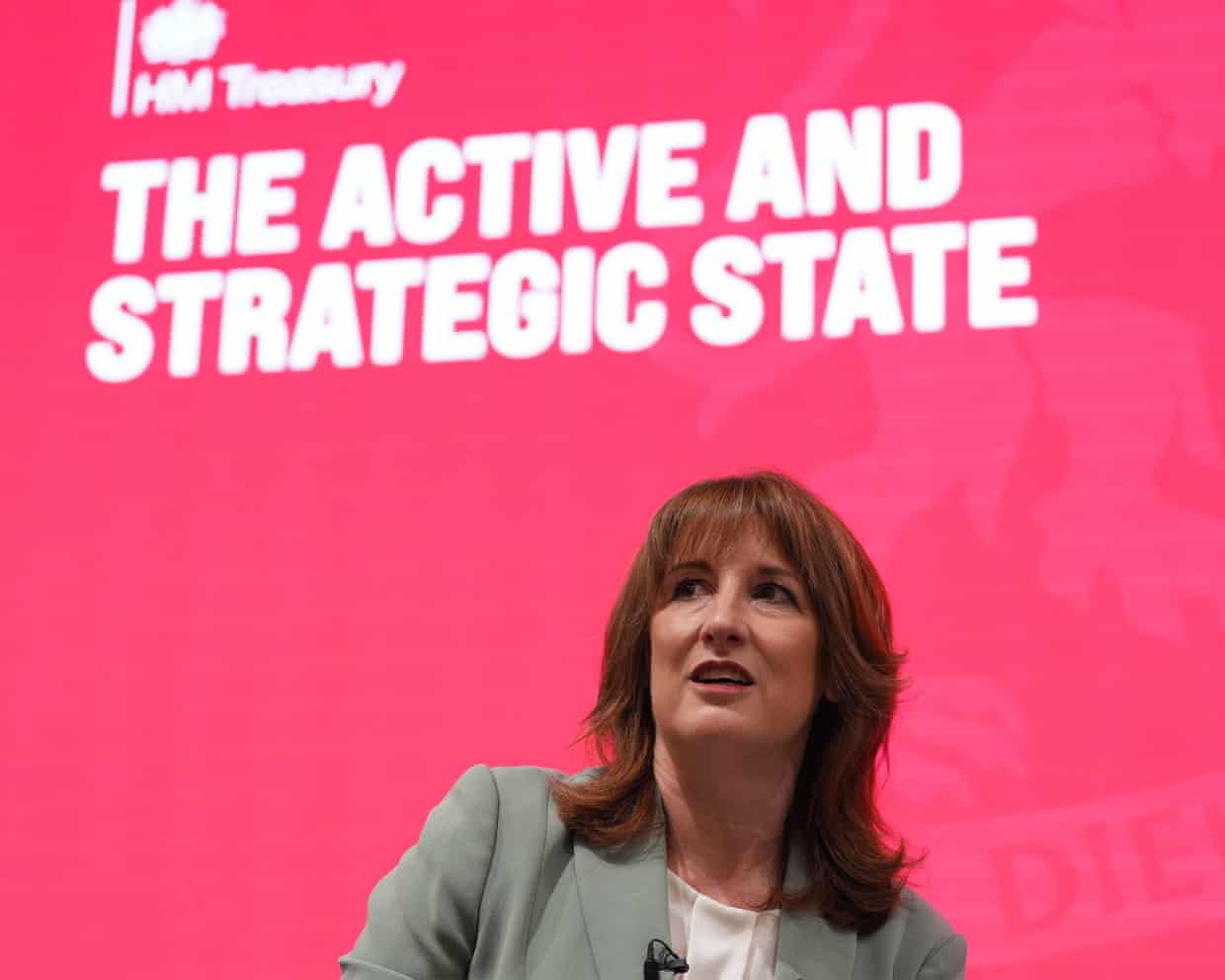
We’ll have closer trade relations with the EU, be the fastest adopters of AI in the G7, shift some tax revenues to the regions and squash the nimbys if they stand in the way of growth “corridors”.It’s a plan.Or, at least, it’s a sketch of a plan since the EU will surely have its own ideas on what it wants from trade renegotiations.Still, Rachel Reeves’ big resetting speech this week set a direction.But then one comes to the elephant in the room: the sky-high cost of energy for UK industry.
The fact the UK has some of the highest prices in the developed world would, you’d think, trouble more deeply a chancellor who blames the slowdown in UK productivity since the financial crisis on “anaemic levels of investment”.After all, those globe-trotting AI firms will be scrutinising electricity costs when choosing where to plant their power-hungry datacentres.Reeves described high energy bills for business as an inherited problem (correct) but the message from half the boardrooms in the land is that the government’s response is too timid.Instead of selective tweaks, a mighty yank on the lever is required.Reeves mentioned the established “supercharger” scheme which will carry bigger discounts on energy bills from next month, but that covers only 500 heavy users.
As for the “British industrial competitiveness scheme” (BICS) for 7,000 firms from April next year, it has a long name but we’re still waiting for key details, such as how it will be paid for and what a discount of “up to” 25% means.In terms of a wider effort to reset the cost of energy for the whole of UK industry, or to remove levies that push upwards, there was nothing new.So one can’t blame industrial lobby groups for continuing to point out the obvious.Here’s Stephen Phipson, the chief executive of the manufacturing body Make UK, liking the EU and regional themes but stating: “The overwhelming priority for business is the need to get energy prices down and ensure the security of supply of oil as a critical material for primary manufacturing.This is the single biggest factor impacting on industry’s competitiveness and nothing should be off the table in addressing this.
So long as energy prices remain at current levels we will continue to face the threat of deindustrialisation and the loss of key industries.”And here’s Steve Elliott from the Chemical Industries Association: “It is important that governments have long-term ambition and plans but there is also the here and now.How do we stop our critical foundation industries disappearing because of government policy? America pays one quarter of what we pay for its industrial energy.”As he says, the chemicals crew are inside the tent of favoured sectors in the government’s industrial policy.If you want to boost defence, advanced manufacturing, life sciences and clean energy, you need some level of security and domestic supply chains.
UK chemicals output fell 60% between 2021 and 2025, says the association, in which time 25 sites closed,A joined-up strategy must mean more than the occasional 11th-hour rescue of last-of-their-kind plants, such as Ineos’s ethylene facility,What would be a different approach? Ministers could start by consulting big-brain Oxford professor Sir Dieter Helm, who has long argued that if you want to give industry competitive energy prices, start by defining what you mean by competitive,In an excellent podcast this week, he offered several ideas, the first of which would see industry given preferential prices based on the long‑run marginal system costs of electricity production, as opposed to loading full network costs on to them,Obviously somebody (the rest of us) has to pick up those network costs.
His point, though, is there’ll be more Grangemouths and others still standing to contribute to the overall costs of the system,As he notes, in pre-privatisation days, industry got a better deal as a matter of course,At a push, one might say the “supercharger” and BICS schemes are nods in the same direction,But one suspects they would fall into his category of selective bungs and sticking-plaster solutions,“What we need is a permanent solution to put British industry on a competitive basis with our rivals overseas or else the limited amount of manufacturing left in this country will crumble too,” he argues.
He has other proposals (carbon prices that flex with the price of oil to serve as a price stabiliser; take-or-pay contracts for North Sea production).From the Treasury’s point of view, such radical thinking may sound hellishly expensive or divorced from the current political panic over the impact of the Iran war on households’ energy bills.But the problem isn’t going away: even when $100-a-barrel oil and spiky gas prices pass, the towering crisis of uncompetitive energy costs for industry will remain.And it’s no use thinking the rollout of renewables and nuclear will reduce energy costs on its own: that won’t happen before the 2040s, say most analysts, given the enormous network build-out costs.If the aim is “a foundation of economic security”, as Reeves’ speech concluded, the cost of energy for industry today should be a far higher priority.
It is hard to grow future industries unless the challenge is faced.And, once the expanded greener grid is built, we’ll need some of the older ones still to be around to use it.

Jessie Diggins seals extraordinary fourth World Cup overall title before retirement on home snow
No woman from outside Europe had ever captured the cross-country skiing World Cup overall title until Jessie Diggins in 2021. Now she’s won it four times.The Minnesota-born star clinched yet another crystal globe in the twilight of her glittering career on Friday, securing the season crown with a fifth-place finish in the 10km classic at the World Cup finals in Lake Placid, New York. Diggins made it a mathematical certainty with two races remaining in the season-ending weekend, giving her a third consecutive overall title and fourth in total.Diggins entered the finals with a 342-point lead over Sweden’s Moa Ilar
Wheatley leaves Audi and clears path to become Aston Martin team principal
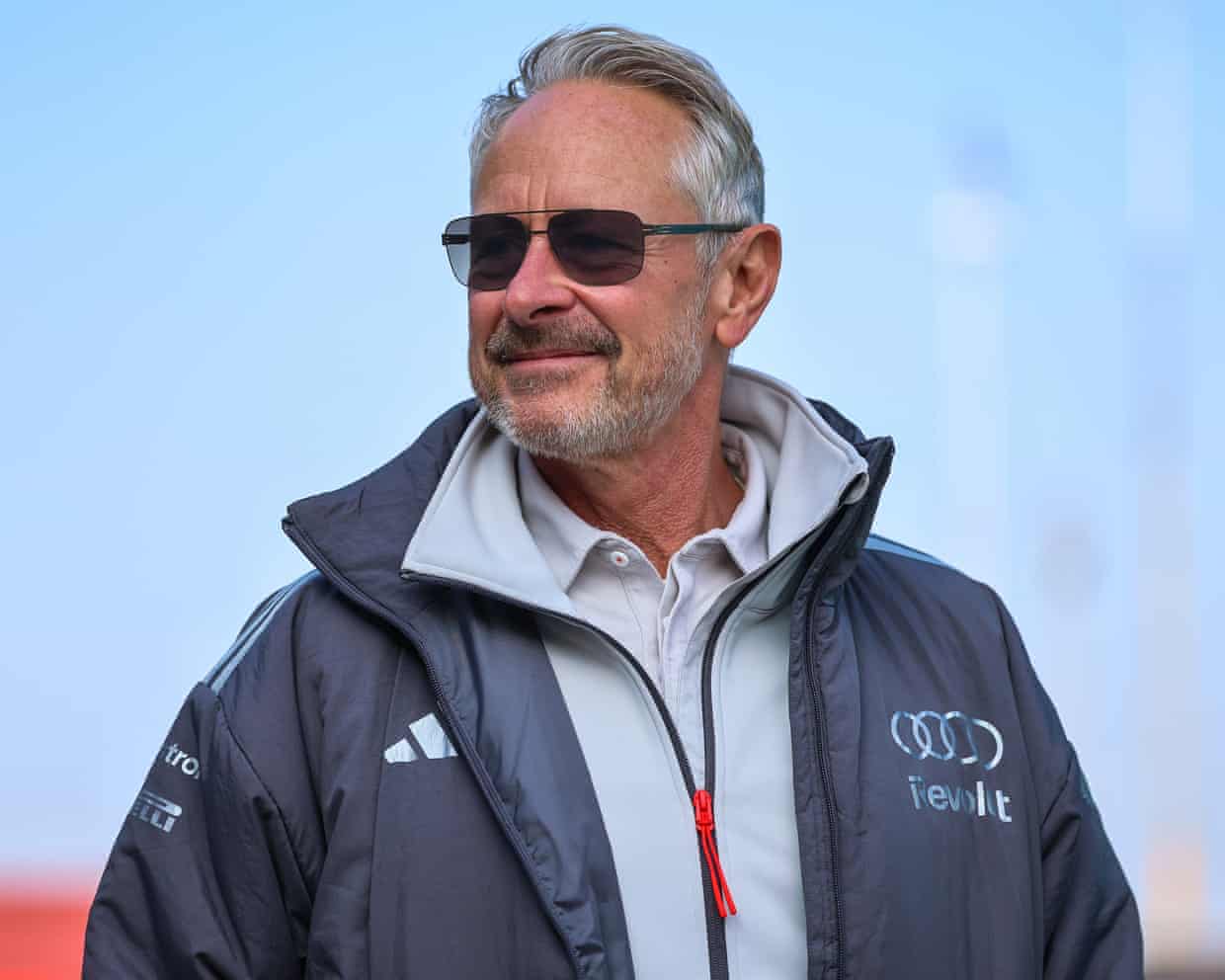
Jonathan Wheatley has left his role as Audi team principal, the Formula One team have confirmed, paving the way for his anticipated switch to the same role at Aston Martin.Wheatley’s arrival would allow the current Aston Martin principal, Adrian Newey, to return his focus to the technical and design areas in which he excels after the team endured a disastrous start to the new season.Wheatley, who previously spent almost 20 years at Red Bull, had been team principal at Audi (in its former guise as Sauber last season) for just over a year. However, with Aston Martin in dire straits, the team are believed to have acted decisively to bring Wheatley aboard to take the helm.Aston Martin have opened the season without finishing a race

Carabao Cup final, WSL and more Premier League drama – follow with us
Normally the Premier League weekend starts here, but David Tindall will have the reaction to Friday night’s Bournemouth v Manchester United game as well as the buildup to the day’s action. He will be looking at the fallout from Thomas Tuchel’s England squad selection, as well as looking forward to the day’s four Premier League games. It’s a full-on day in the Championship, too, with Middlesbrough’s recent stumbles opening up third-placed Ipswich’s shot at automatic promotion – except they are at home to a fourth-placed Millwall side motivated by injustice, after losing against Blackburn in a game that turned on a red card that was subsequently annulled. Send your thoughts on anything to do with the day’s games to matchday.live@theguardian

World’s top-rated Flat horse to race in Dubai despite conflict in the Gulf
Calandagan, the world’s top-rated Flat horse in 2025, will fly to Dubai from Paris on Saturday to run in the Sheema Classic at Meydan next weekend, despite the continuing conflict in the Gulf region.The gelding’s owner, Aga Khan Studs, consulted staff already in Dubai before deciding to give the green light to Francis-Henri Graffard’s five-year-old, the winner of four Group One events last season including the Japan Cup in November.“We’ve been very happy with Calandagan,” Nemone Routh, the owner’s racing manager, said on Friday. “If we didn’t run in Dubai then we’d have been looking at races in the summer. He’s in great form and we already have a filly out there with staff

Hodgkinson shrugs off kit mishap to cruise into world indoor 800m semi-finals
No opponent has come close to knocking Keely Hodgkinson off her stride in 2026. But after breezing into the semi-finals of the world indoor championships, she revealed that her preparations had been interrupted by an airline, KLM, losing her kit for 48 hours on the flight to Poland.It led to the overwhelming favourite for 800m gold having to train in whatever she could beg or borrow – and getting a blister as a result. Not that it seemed to bother her as she cruised into Saturday’s semi-finals with a dominant victory in 2min 0.32sec
‘They call me Grandpa Joe’: coach Schmidt in a hurry as clock ticks down on Wallabies reign
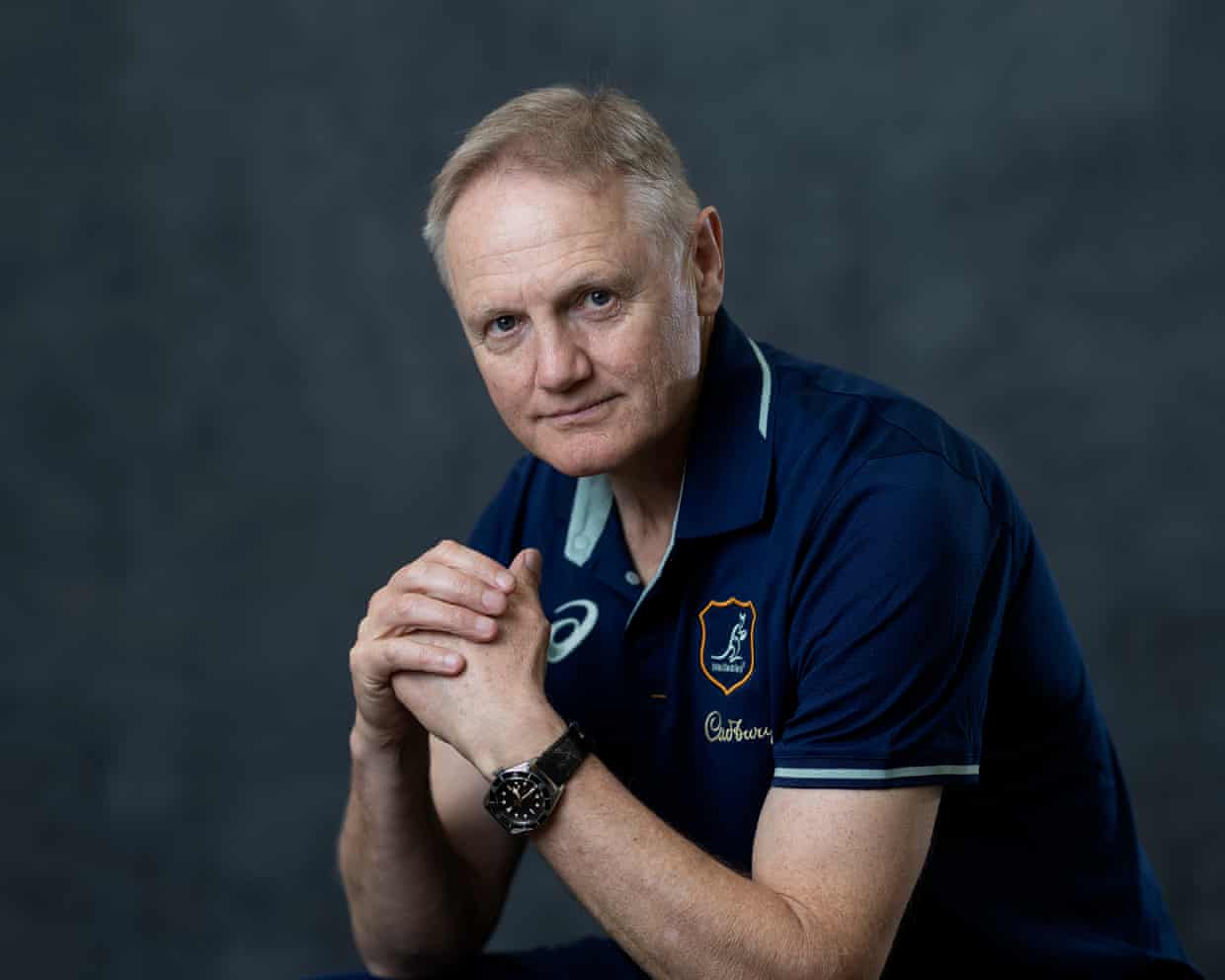
Joe Schmidt was in Melbourne’s west coaching Footscray RFC’s under-18s on Monday night, then conducting a 20-minute Q&A that ran to two hours. The next day he called together the Wallabies leaders and challenged them to set the standards at their Super Rugby clubs. By Wednesday he was deep in meetings with Queensland Reds boss Les Kiss, the coach who will take over the national side in July.Schmidt is just off another call with Kiss when he arrives to speak with Guardian Australia, biceps bulging after a workout and eyes gleaming ahead of another day spent dragging the Wallabies back to respectability and priming them for the 2027 World Cup on home soil.This relentless work ethic runs contrary to the title his grandchildren have given him

Buzz kill: US breweries shutter as fanfare over craft beers appears to fade

Stir-fries, crab cakes and carbonara: Georgina Hayden’s crab recipes

Rachel Roddy’s recipe for spaghetti with mushrooms, soft cheese and herbs | A kitchen in Rome

How to turn puff pastry offcuts into a brilliant cheesy snack – recipe | Waste not

Tips for downsizing recipes | Kitchen aide
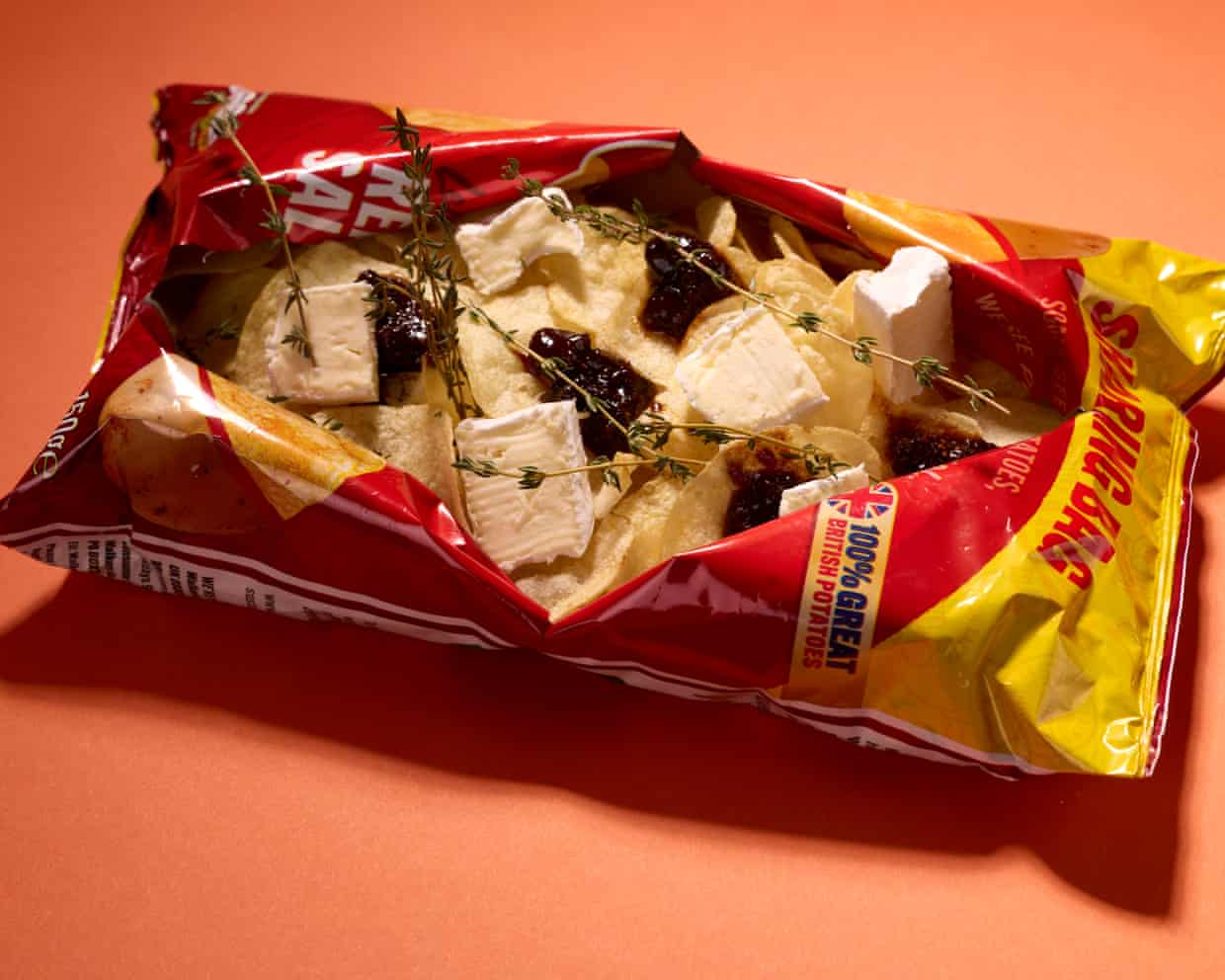
Loaded crisps: four recipes for the ‘perfect finger food’ – ranked from best to worst