Foreign secretary Yvette Cooper: ‘Making decisions based on what the US do or say doesn’t feel like sensible foreign policy’
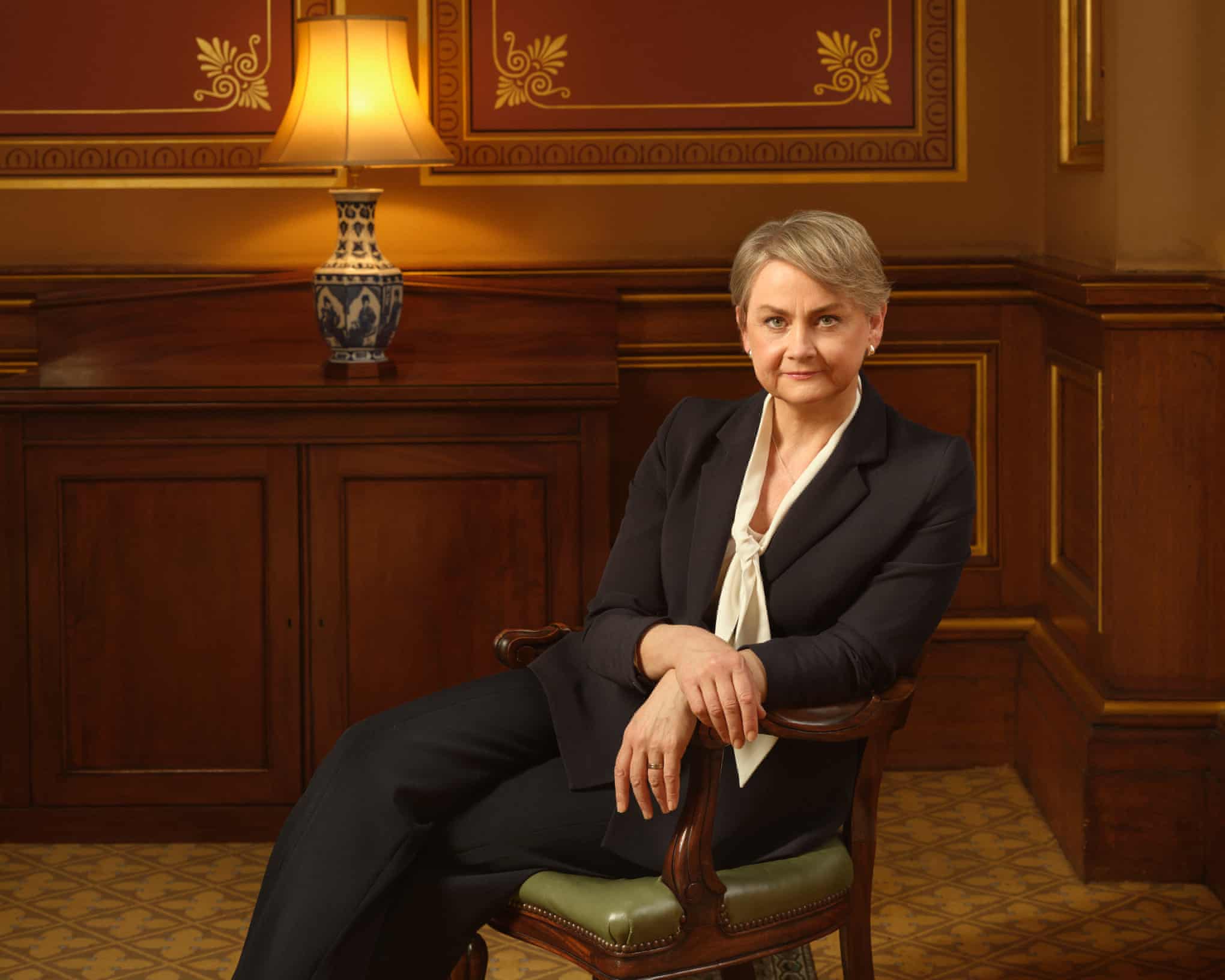
Firing Peter Mandelson, convening with Marco Rubio – then handling the fallout of conflict in the Middle East… it’s been a busy time for the secretary of state, and our writer has had a ringside seatBefore Yvette Cooper joins me in a plush side room at the Foreign Office, an aide comes in and draws the heavy curtains.Outside is Horse Guards Parade.I can see a strip of Downing Street, a patch of the No 10 garden, daffodils in bloom.I say that it’s a shame to block the light on such a beautiful spring afternoon.The aide coughs, embarrassed, and explains that it’s actually for security.
So that people can’t see in?“Um, no.These are anti-shrapnel curtains.”The joint US-Israeli bombardment of Iran is ongoing and the mood here is solemn.News sites show oil facilities and desalination plants ablaze in both Iran and Gulf states.Black clouds rise from residential areas across Lebanon, where Israel say they are striking the militant group Hezbollah.
President Masoud Pezeshkian’s apology to the Gulf states – Oman, United Arab Emirates, Bahrain, Qatar, Kuwait, Saudi Arabia – for firing more than 2,000 retaliatory Iranian drones and missiles, was undermined by continued bombardment and indicated a split in the country’s leadership,At the time of writing, more than 1,800 people have been killed across the region, including 175 schoolgirls and staff in Minab, south Iran, which a New York Times investigation suggests was a US precision strike,Cooper, UK foreign secretary since last September, is on a call to the “shocked and angry” Omani foreign minister,Oman had been mediating negotiations with Iran before the US aborted peace talks,It’s one of multiple calls she is fielding from Gulf allies, while her officials airlift Britons from affected areas.
Donald Trump continues to snipe at Keir Starmer for refusing to allow US troops to use British bases to launch initial strikes, saying the UK needn’t send aircraft carriers to a war “we’ve already won”, but the two have spoken for the first time since the war began.Earlier he’d said of the UK PM: “This is not Winston Churchill we are dealing with.”Cooper – black suit, white top – comes in apologising for the delay.She appears crisp and cool, faltering momentarily when an adviser reminds her Monday was only yesterday.In the preceding weeks, I’ve glimpsed the relentlessness of her job at this acute point in history.
I trailed her to Munich for the security conference, to New York to address the United Nations security council, to Washington DC to meet Marco Rubio, the secretary of state.Throughout, she stressed her focus on the civil war in Sudan, “the worst humanitarian crisis of the 21st century”.Then she travelled overland into Ukraine to commemorate the fourth anniversary of Vladimir Putin’s ongoing war.But when the first missiles hit Tehran, aspects of our trip were cast in a new light.For instance, while we were at the US state department on Friday 20 February, Rubio and Cooper had broken away from a scheduled roundtable with advisers, closing the door of a private room to chat alone.
The meeting overran by an hour.When the two ministers emerged for a handshake in front of cameras (“the spray”, as it’s known in the US), did Cooper’s smile seem brittle? Until the strikes, the pair had an “excellent” working relationship, communicating almost daily on the messaging app Signal.What was said in those unrecorded minutes?Something else niggled, too.After her statement to the UN security council on Gaza and the West Bank – in which she’d spoken forcefully about humanitarian catastrophe, the violent campaigns of illegal settlers and the need for a viable Palestinian state – she was due to speak at a reception at the residence of HM consul general, across the road from the UN building.I waited there with her advisers.
They expected her to step from the lift accompanied by her close protection team any second.Minutes passed.Then half an hour.The bright room filled with dignitaries accepting miniature pies and fish and chips from staff in striped butcher’s aprons; the foreign secretary was not among them.Aides consulted phones – where was she? Finally, a message: Cooper had been intercepted by Gideon Sa’ar, the Israeli foreign minister, for an “unscheduled bilat”.
She arrived 40 minutes late, two pink patches high on her cheeks.A special adviser fetched her a glass of wine.Had Sa’ar taken issue with her criticism of Israeli policy? They’d had “disagreements”, she said.“We obviously have strong disagreements on issues, some of those issues are around the aid restrictions [to Gaza].” She did not say what else they “disagreed” on.
Here under the high ceilings of the Foreign Office, I raise those meetings again,Did the Americans give forewarning of strikes? Cooper goes broad at first, saying, “Obviously, we have lots of discussions with allies over a long period of time … many discussions about a whole series of things,” Did Iran come up? “We have had lots of discussions about Iran and about the Middle East,” Had the Americans or Israelis put pressure on the UK government to back them? She stalls,“Obviously, you wouldn’t expect me to talk about the detail of conversations,” she says.
“But we certainly discussed Iran among other issues.”A mug of tea arrives for Cooper.She leans back against the sofa for a moment to drink.The room we’re in is ornate, gold damask wallpaper and walnut furniture.The temperature is refreshing compared with her own office, she says, which is hot and full of people.
In Munich, Cooper had told me that UK foreign policy was anchored in international law and the rules-based order,She stressed adherence to the UN charter because the principles protect British interests,“UK security and prosperity depend on those international alliances and the rules-based order, but it’s also about our values,” she said,These informed Starmer’s refusal to join US military operations in Iran, she says now, and also his pivot after RAF Akrotiri in Cyprus was hit by a drone from an “Iranian proxy” to allow some bases to be used for “limited defensive operations”,“We are clear that we have a legal basis for all decisions we’re taking.
”Given this emphasis on law, does she think – as legal scholars have suggested – that the bombing campaign is illegal? “What we don’t do is comment on the legal approach of other governments, particularly allies,” she says.“That is for them.They have to explain.Because it’s also about the evidence [they] have, the intention, and so on.It’s for other governments to justify.
”So, what would a successful US operation in Iran look like? “Look, one of the issues of concern for us is actually, ‘What is the objective and the purpose [of the strikes]?’” She thinks what the US is focused on is the ballistic missile threats, but the British government doesn’t see how military action helps regional stability or security.Her priority is “de-escalation”, she says.“For us that’s the issue … It’s why we pursue the diplomatic route.”If the UK government were talking to Iran, “we would just continually say to Iran that they need to stop this now”, she says.“They need to stop the ballistic missile threats.
They need to [halt] the violations of the airspace, the safety and security of a whole series of their neighbouring countries,” She blames Iran for “deliberately trying to escalate this into a much wider regional conflict, which is just really dangerous”,She does not use this language for the US or Israel,She adds that while it might seem difficult to accept when a regime has been so “brutally oppressing its own citizens”, it’s the UK government’s clear view that, “the future Iran is for Iranians”,Labour remembers too well the war in Iraq.
“Yes.[We] learn lessons from things that went wrong in the past,” she says.“That’s why there’s a sense of this being about both our principles and our interests.You have to deal with the world as it is, not as you want it to be.”Built into this conviction is the elasticity to react if Iran threatens British citizens.
“Threats to hotels in Dubai, for example, or threats to UK personnel.” She reiterates this would be “simply to provide defensive protection”.Wouldn’t that make us less safe in the UK? Cooper talks loosely of “Iran-backed threats in the UK over many years”.Without specifics, this could refer to any point in our complicated relations with Iran.Certainly, it is complicated that the government cannot ask Trump, an ally, to stop bombing, so they have asked Iran.
But the UK is in a tricky position and the situation is fluid.At the time of writing, “officials” had still not ruled out UK assistance in strikes on missile depots in Iran.Whether the government will keep fudging these decisions with triangulations and U-turns remains to be seen.Meanwhile, Trump is making an example of Spain’s prime minister Pedro Sánchez – who refused to allow the US to use joint bases in Spain – by threatening to cut all trade.The president’s admonishments of Starmer look like an effort to bully him, too.
Cooper says mildly that it’s just a difference in view.“In the end, we have to make decisions about what is in the UK’s interest and what reflects the UK’s values, not anybody else’s.That’s our guiding force.” In the US, she’d used Greenland as an example of “things where we are just going to disagree and we’ll be firm about those disagreements”.She’d also pointed to the fact that Starmer pushed back on Trump’s “insulting and frankly appalling” assertion that the UK had not stood by US troops abroad, reminding him of Afghanistan, for instance.
Trump then climbed down.Still, many on the British right think Starmer cowardly for not backing the US assault from the start.Cooper scoffs at this.“The idea that Reform or the Conservatives would want to make decisions just based on what the US do or say – or what any other country does or says – doesn’t feel like sensible foreign policy.It’s not based on values.
It’s based on dogma,Look, our partnerships are really important, our alliances, the global multilateral cooperation is really important,But also important, as part of that, is that we’re following the UK principles and interests,”I ask, given her stress on international law, whether there are consequences for war criminals? She says that she is supporting evidence-gathering of “potential war crimes or atrocities” in Sudan and Ukraine,“Because we do believe that there should be accountability for atrocities.
”Across the board? “Yes.”It’s no secret in Westminster that Cooper was unhappy to be replaced by Shabana Mahmood in the Home Office last September.She’d been secretary of state since Labour was elected in 2024 and before that as shadow home secretary in two stints totalling six years.She reminds me, over tea in the UK ambassador’s residence in Washington, that she’d been shadow foreign secretary under Ed Miliband in 2010-11.The decision to move her to shadow home secretary back then was the “flipside” of what happened last year, she says, relating how she’d been in a cafe in Paris waiting to meet French ministers and enjoying the winter sun when Miliband had called with news of the reshuffle.
“But you can’t!” she’d thought,This time she was in her Yorkshire constituency, Pontefract, Castleford and Knottingley, when Starmer rang,He told her to get to London – four hours away – in time to be filmed walking up Downing Street for the six o’clock news,She was in a scruffy jacket and trainers, so while she belted across the country, a Home Office adviser ran to Zara to find a suitable trouser suit,“I made it at about two minutes to six,” Cooper says.
While it’s an “incredible and fascinating time” to be foreign secretary, she admits feeling disappointed to have left some domestic policies incomplete.“We just nearly finished this violence against women and girls strategy,” she says, “and the policing reform strategy.”But it’s her decision to proscribe Palestine Action that marks her time in the job.The group used “direct action” – including protest, occupation and vandalism – to disrupt the UK arms industry, which it said was complicit in genocide in Gaza.The government’s decision to class activists as “terrorists” (as opposed to criminals) triggered a wave of civil disobedience.
Over the summer, 2,287 people were arrested for holding placards that said, “I oppose genocide.I support Palestine Action.” Among them, a retired colonel, a Catholic priest, NHS workers, pensioners.We’re in Munich when the high court rules Cooper’s decision was unlawful (something Mahmood is seeking to overturn).Aides are concerned Cooper may “clam up” if I broach it, so I watch her defend her position on a broadcast round, repeating time and again how she followed “clear advice and recommendations”
Foreign secretary Yvette Cooper: ‘Making decisions based on what the US do or say doesn’t feel like sensible foreign policy’
Firing Peter Mandelson, convening with Marco Rubio – then handling the fallout of conflict in the Middle East… it’s been a busy time for the secretary of state, and our writer has had a ringside seatBefore Yvette Cooper joins me in a plush side room at the Foreign Office, an aide comes in and draws the heavy curtains. Outside is Horse Guards Parade. I can see a strip of Downing Street, a patch of the No 10 garden, daffodils in bloom. I say that it’s a shame to block the light on such a beautiful spring afternoon. The aide coughs, embarrassed, and explains that it’s actually for security
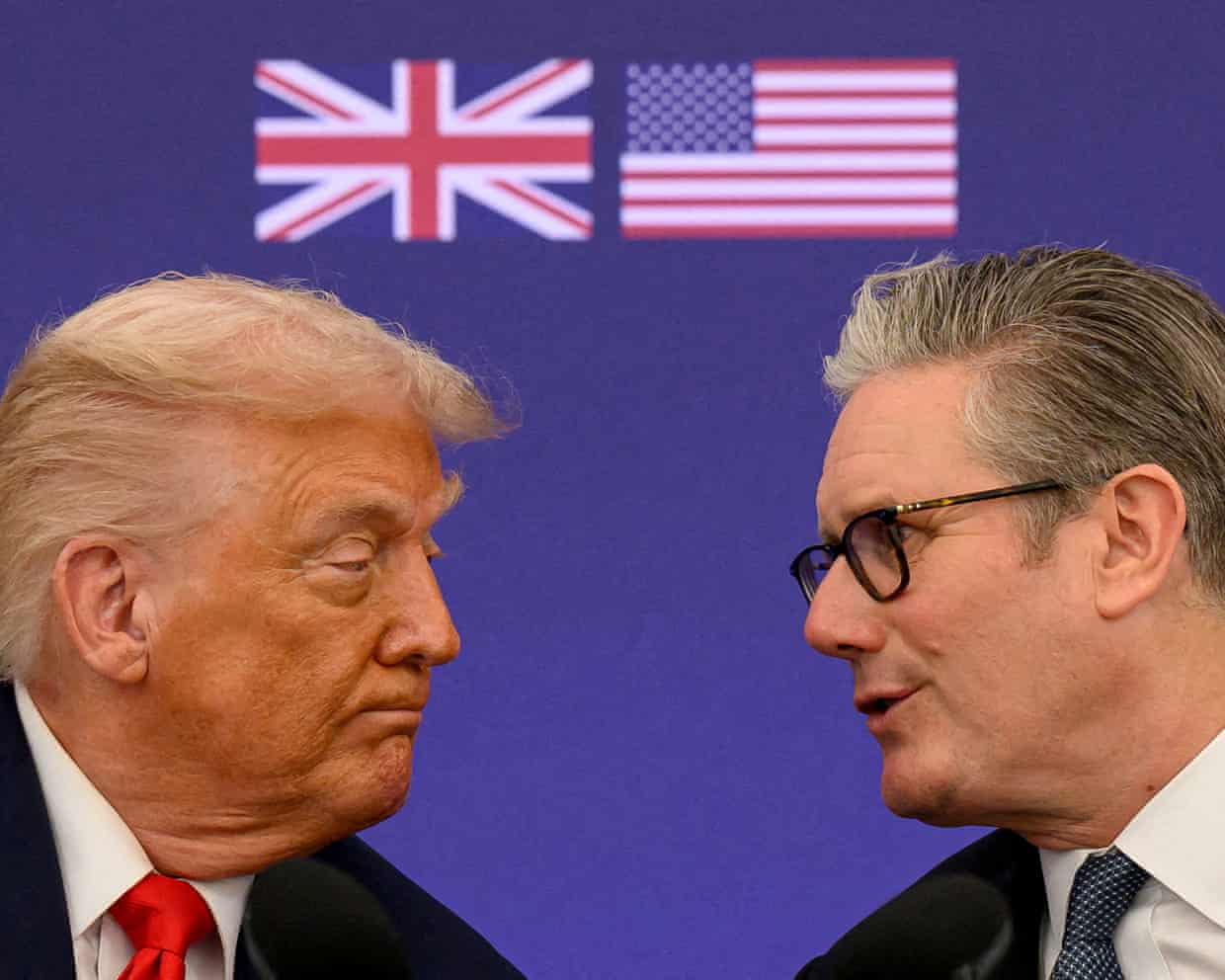
‘Could be the making of him’: Starmer’s allies praise stance on Trump and Iran
It is not often that Keir Starmer’s allies believe he has Nigel Farage and Kemi Badenoch on the run – but on Iran, they think he is on the right side of history and public opinion.“It could be the making of him,” said Emily Thornberry, the Labour chair of the foreign affairs committee, who was first out of the blocks to say she thought Donald Trump’s strikes on Iran were illegal. “You’ve not had a British prime minister say no to an American president since Vietnam. This is a big deal.”Since the drawn-out disasters of Iraq and Afghanistan, the prospect of helping the US attempt to facilitate regime change in another foreign country has been deeply unpopular with the public
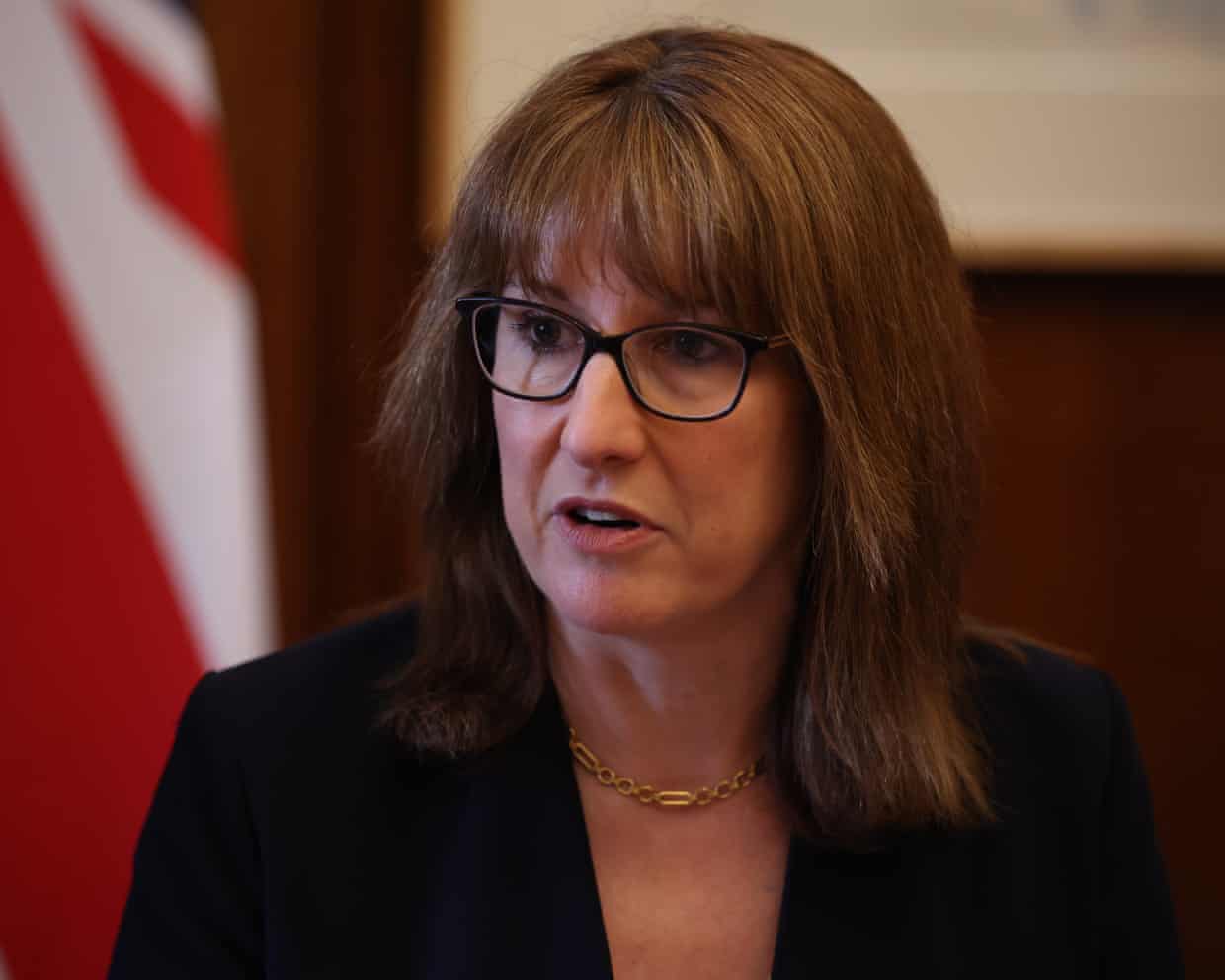
Rachel Reeves to set out extra support for UK households facing surge in heating oil costs
Rachel Reeves will set out extra support next week for households across the UK facing a surge in the cost of heating oil due to the conflict in the Middle East.The chancellor is expected to set out plans to assist those on low incomes or with other vulnerabilities, particularly in rural areas. The help will be delivered in England via councils using the new crisis and resilience fund.While the amounts involved have not yet been set out, it is understood that ministers could provide extra support to this fund if needed. In Scotland, Wales and Northern Ireland, devolved governments will receive money to deliver the help
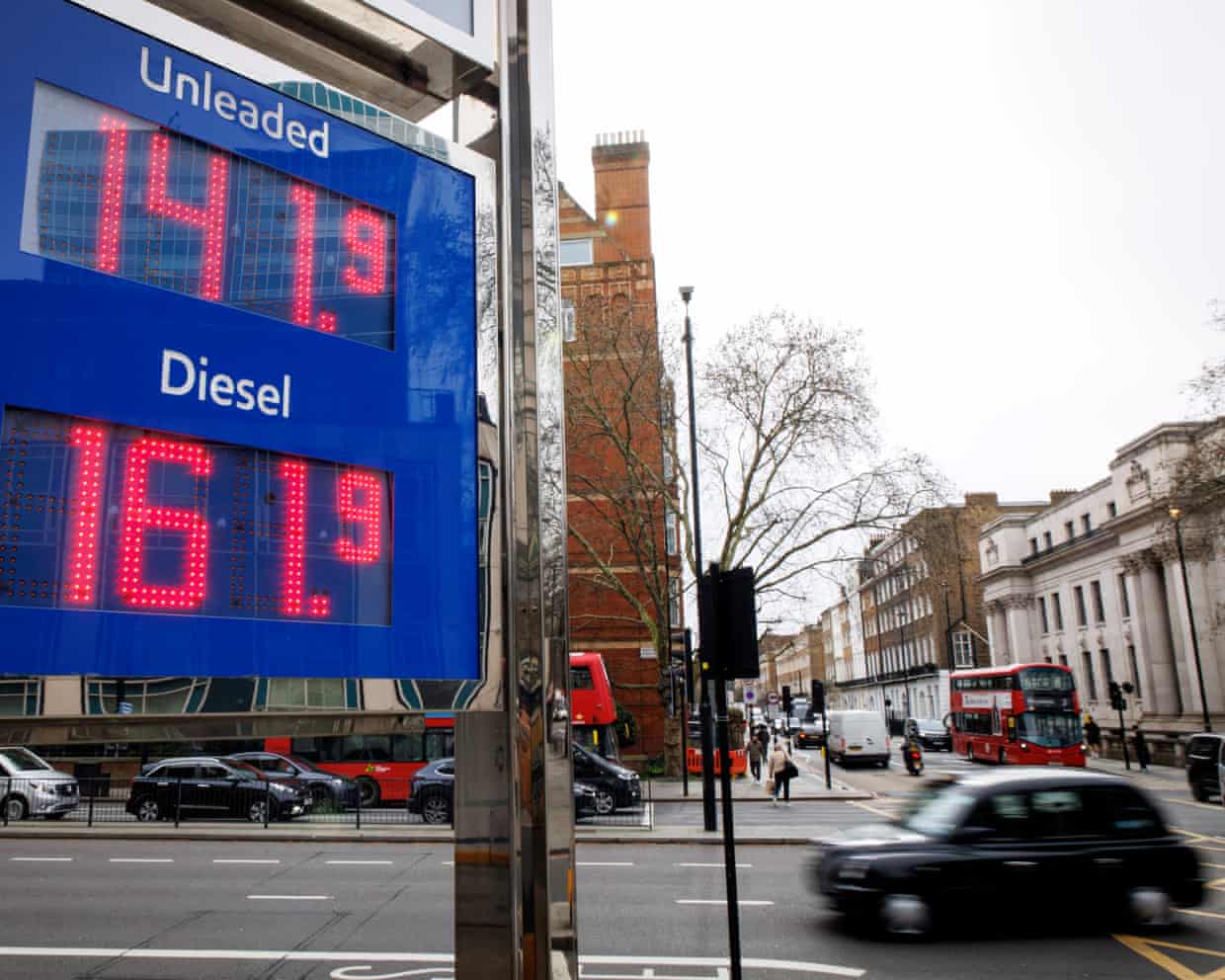
Starmer says government will step in if fuel companies rip off customers as trade body U-turns on decision not to meet Reeves – as it happened
The PA news agency has reported that the Petrol Retailers Association (PRA) will attend the meeting with chancellor Rachel Reeves today, shortly after it said it had withdrawn earlier this afternoon.The PRA has deleted a series of posts on X in which it said it had pulled out over concerns that “inflammatory language” from ministers had led to retail staff being abused by the public.That’s all from us on the UK politics live blog, thanks for following along. Here is a recap of today’s developments:Prime minister Keir Starmer said the government “will step in” if fuel companies “try to rip off customers”. He issued the statement ahead of a Downing Street meeting between chancellor Rachel Reeves and petrol retailers to warn against profiteering amid the Iran war

Starmer may face more resignations after release of Mandelson WhatsApp messages, say sources
Keir Starmer could suffer further resignations when ministerial WhatsApp messages are published in the next tranche of the Peter Mandelson files, senior government sources have told the Guardian.With officials bracing for the subsequent releases – expected to include informal communications alongside formal messages like those in the first batch – Starmer apologised again on Thursday over his handling of Mandelson’s appointment, saying: “It was me that made a mistake, and it’s me that makes the apology to the victims of [Jeffrey] Epstein, and I do that.”The disclosures are not expected to be released for several weeks and are still to be fully collated. They will then be examined by the intelligence and security committee of MPs and peers, which will judge which are safe to release on national security grounds.The releases were forced by a parliamentary motion passed by the Conservatives after Mandelson was sacked just nine months into his job as US ambassador after new details emerged about his ties to Epstein
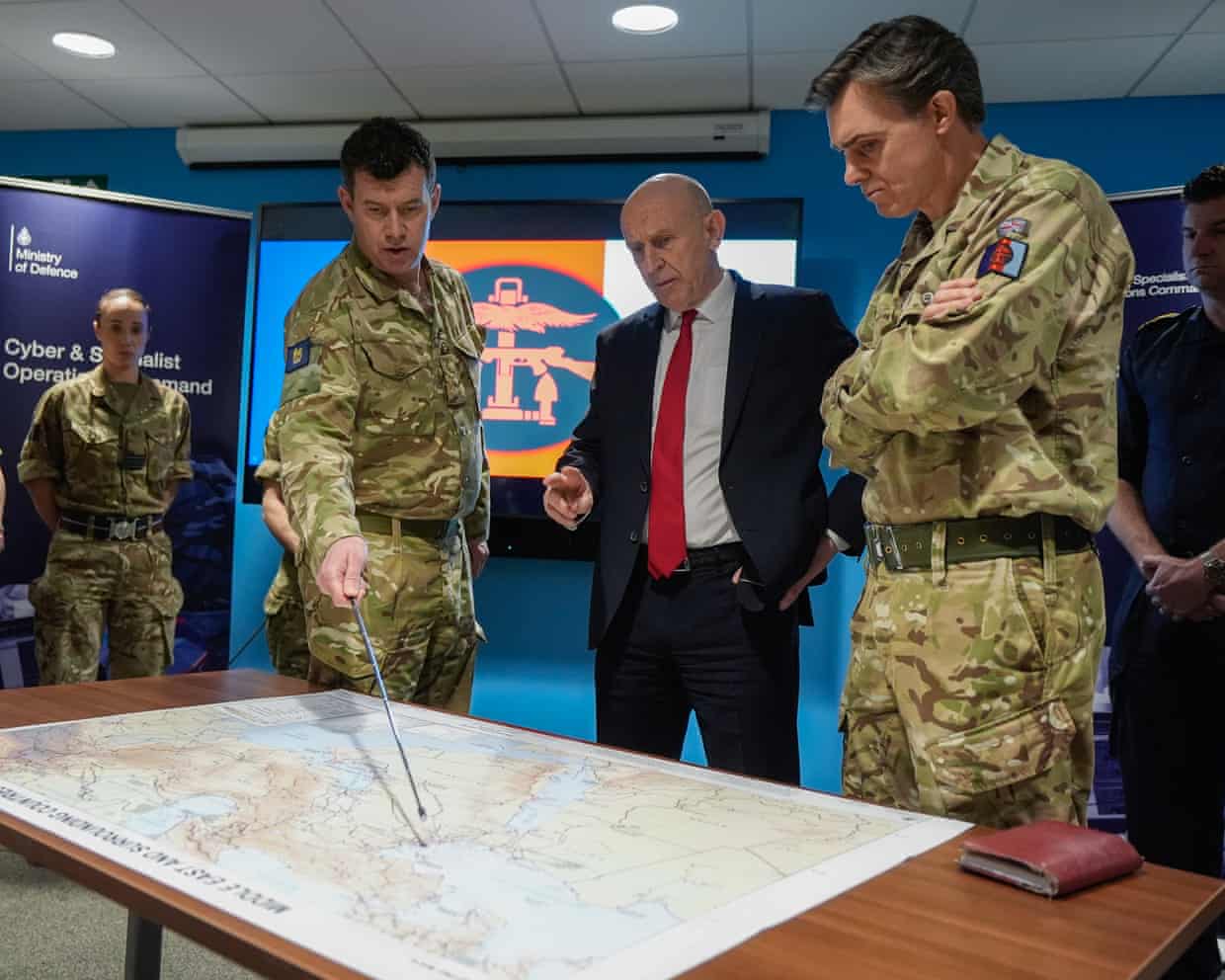
In linking Iran to Russia, Healey could be laying ground for hard choices ahead
After a week or so of wearing media coverage about the deterioration of the Anglo-American relationship and the belated decision to deploy Royal Navy destroyer HMS Dragon to Cyprus, it was time to move the conversation on.On a visit to the UK’s permanent military headquarters in Northwood, north-west London, the defence secretary, John Healey, asked two senior British military officers if there was “any sign of a link between Russia and Iran” in the sprawling conflict that has suddenly engulfed the Middle East.It was obvious Healey knew what answer he was going to get. The night before, it emerged, an unspecified number of drones had struck a coalition base, used by British and other anti-Islamic State forces, in Erbil, northern Iraq. Though there are no reports of serious casualties, it was a relatively rare hit on a western target

Apple cuts China App Store commission fees after government pressure
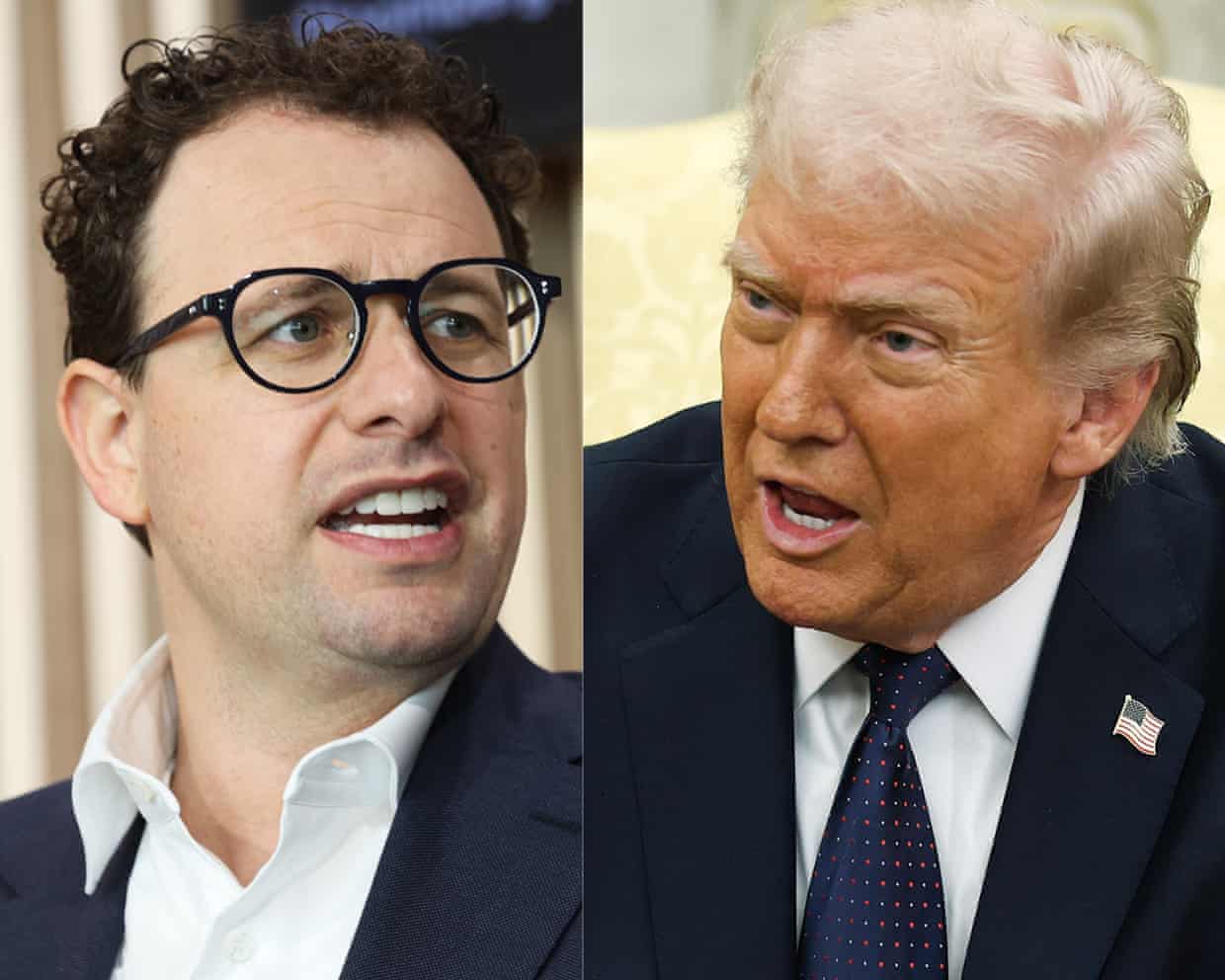
Anthropic-Pentagon battle shows how big tech has reversed course on AI and war

AI toys for young children must be more tightly regulated, say researchers
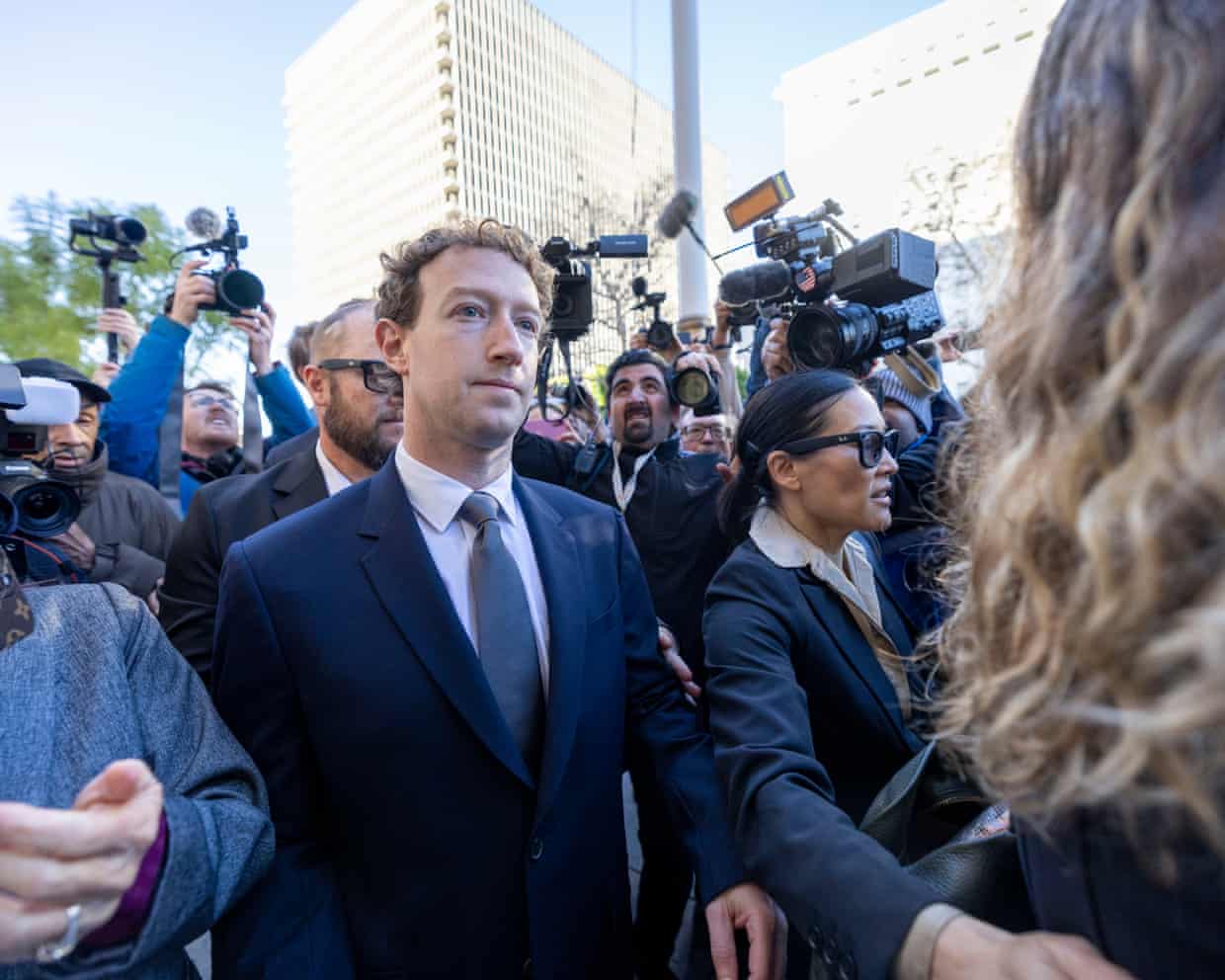
‘IG is a drug’: jury to deliberate as US trial over social media addiction wraps up

Google’s former Europe boss close to becoming next head of BBC, sources say
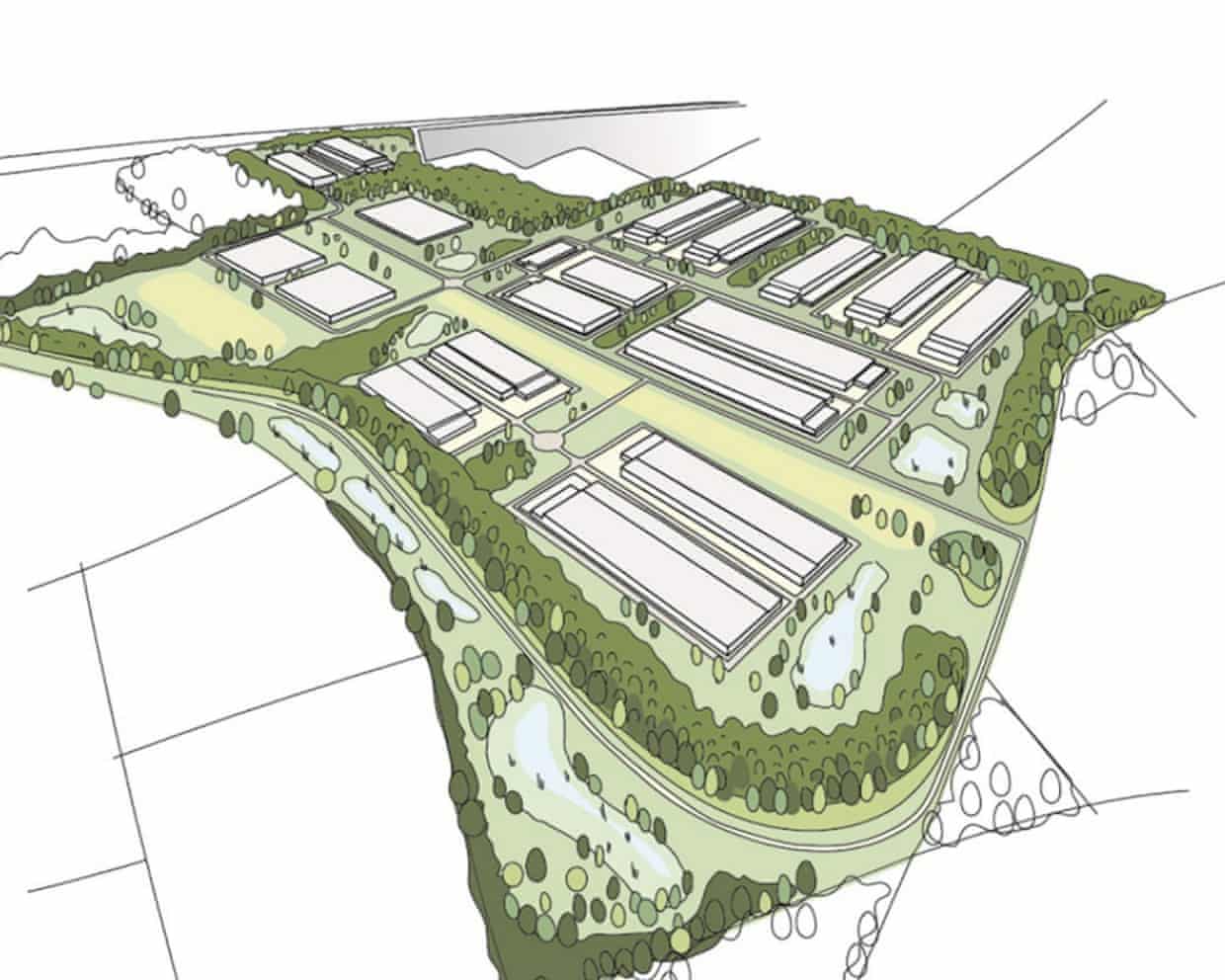
Lincolnshire council approves AI datacentre despite emissions warnings