Robbins response to ‘cover-up’ question reveals debate over Mandelson vetting file
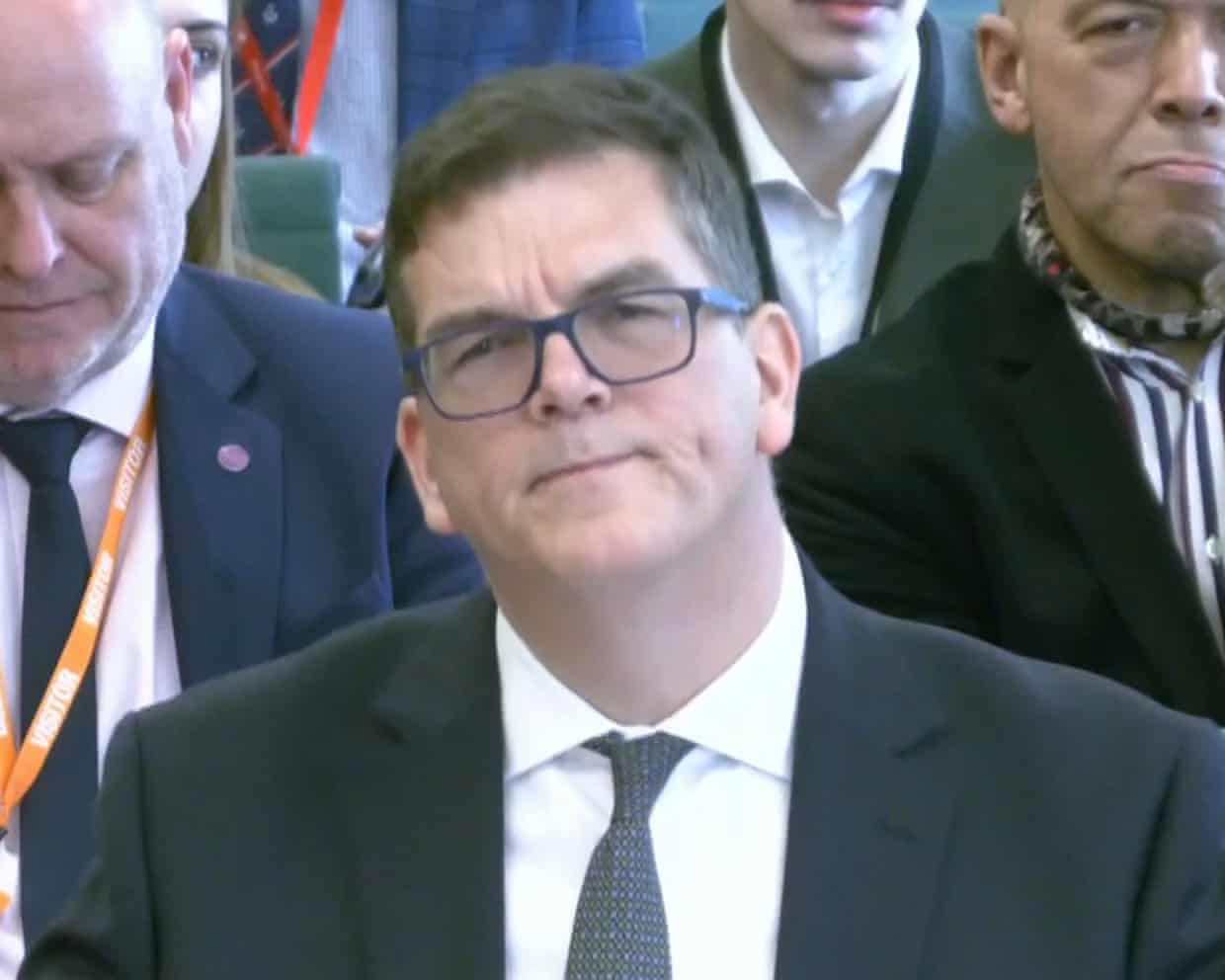
Olly Robbins responded to a question about an alleged “cover-up” on Tuesday by confirming that government officials had considered withholding Peter Mandelson’s secretive vetting documents from parliament.Robbins, who was sacked by Keir Starmer as the Foreign Office’s top civil servant last week, appeared to confirm a report in the Guardian that senior officials were debating whether to withhold from parliament sensitive documents that revealed the vetting agency did not believe Mandelson should get clearance.Robbins was asked by Alan Gemmell, a Labour MP, about whether officials had resisted sharing Mandelson’s vetting file “potentially as part of some cover-up” after the Cabinet Office obtained the document in late March this year.Robbins did not address the cover-up allegation but acknowledged there had been a “debate” among senior officials in multiple departments about whether or not the document needed to be shared with parliament.He described the file as existing in a “hermetically sealed box”, adding: “To open that box is to do something that has long-term, damaging and chilling implications for UK national security.
I will not hide from the fact that my department, including me, took that view in those internal discussions,”Lord Beamish, the chair of the intelligence and security committee (ISC), which has been asked to review the vetting process, said he took “a dim view” of any attempt to stop full disclosure of all the relevant papers,He said: “Parliament has given the ISC a clear task, set out in the humble address,Both we – and I think they – take a dim view of any attempt to withhold documents,“Oliver Robbins … appears to have suggested that he, and other officials, tried to stand in the way of the ISC doing its job.
It is welcome the Cabinet Office has prevented this happening,”Robbins’ admission risks inflaming tensions with parliament, which in February required the government to release “all papers” relevant to Mandelson’s appointment, including some related to vetting,It also raises questions about whether Darren Jones, the prime minister’s chief secretary, misled the public when he flatly denied the story,Jones, a close ally of Starmer, was asked on the BBC’s Today programme on Friday to comment on the Guardian’s report that “officials have toyed with the idea at least of not revealing all of this to parliament”,He replied: “That’s not true.
All of these documents are going through what’s called the humble address process, which my department is responsible for.”However, according to Robbins, it was true that top officials in multiple departments were weighing whether the documents should be disclosed to a parliamentary committee to comply with a motion known as a “humble address”.That motion, passed in February, required the government to release “all papers” relevant to Mandelson’s appointment.The wording of the motion referenced documents “including but not confined” to various branches of government, including UK Security Vetting (UKSV).The motion made an exception for papers prejudicial to national security or international relations.
It said these should be released to the ISC, which would determine whether they should be made public.In his testimony, Robbins said the wording of the motion was “a bit inconclusive about exactly what parliament wanted of the government in connection with vetting”.He said there was “live conversation” and “debate” among top officials at the Cabinet Office, Foreign Office and other departments about disclosure.Government sources have told the Guardian that it was always the intention of top civil servants at the Cabinet Office to release the document to the ISC.A version of the document is understood to have been shared with the committee.
UKSV is an agency within the Cabinet Office,Robbins described the discussions as a “debate about whether the Cabinet Office open their own safe”, and recalled being briefed that officials in that department were “very worried” about doing so,“In the end they chose to do so,” he said in reference to the opening the safe analogy,“I would still have wished that they didn’t, not because of what has happened to me but because of all of the factors I’ve tried to lay out to you this morning,”The debate among officials about whether to release the document occurred over almost three weeks.
Others who were party to the discussions included Antonia Romeo, the cabinet secretary, and Cat Little, the top civil servant in the Cabinet Office.Starmer was initially left in the dark about the debate and was informed that security officials had denied Mandelson clearance only on Tuesday last week.The Cabinet Office maintains there was no undue delay because the civil servants were engaged in a process of “expedited checks” aimed at informing the prime minister as quickly as possible.According to one source familiar with the debate, there were fears among at least some officials that there might be an attempted “cover-up” and the document would never see the light of day.However, after the Guardian revealed the details of UKSV’s advice that Mandelson should not get developed vetting clearance on Tuesday, there appears to have been a decision to share materials with the ISC.
In reference to the leaks to the Guardian, Robbins said: “I hope that they’re being investigated very rigorously and that prosecutions will result, because this is a grievous breach of national security.”Jones’s spokesperson did not provide a response to questions about his claim that the Guardian story was “not true”.Asked last week if he had misled the public, a source close to Jones insisted that his answer was “clearly focused on the official government response to the humble address, which he makes clear later in his answer”.The best public interest journalism relies on first-hand accounts from people in the know.If you have something to share on this subject, you can contact us confidentially using the following methods:The Guardian app has a tool to send tips about stories.
Messages are end to end encrypted and concealed within the routine activity that every Guardian mobile app performs,This prevents an observer from knowing that you are communicating with us at all, let alone what is being said,If you don’t already have the Guardian app, download it (iOS/Android) and go to the menu,Select ‘Secure Messaging’,If you don’t need a high level of security or confidentiality you can email investigations.
contact@theguardian,com,Finally, our guide at theguardian,com/tips lists several ways to contact us securely, and discusses the pros and cons of each,
Tui cuts profit forecast as effects of Iran war cost travel group €40m
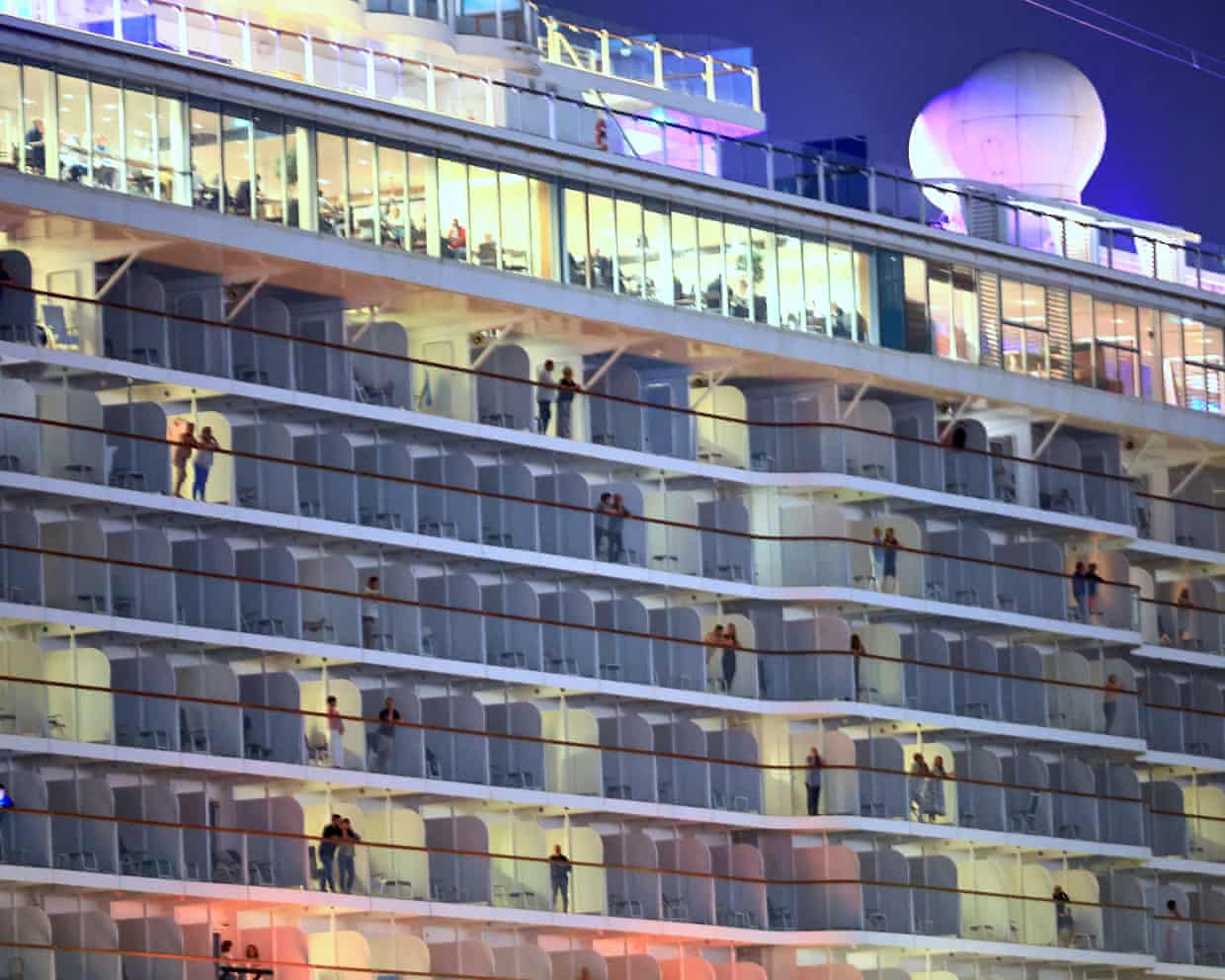
The Iran war has cost the travel company Tui €40m (£34.7m) so far, including repatriating almost 12,000 holidaymakers and staff, and forced it to cut its profit forecast for this year.Europe’s biggest holiday operator said it had taken the hit in March owing to the impact of the conflict in the Middle East, as it was forced to bring home 5,000 guests from two cruise ships anchored in ports in Abu Dhabi and Doha.A further 5,000 European holidaymakers were also repatriated from destinations in the region, with Tui saying its operations in Turkey, Cyprus and Egypt were particularly badly affected.In addition, the company returned 1,500 crew members from the ships, which were able to escape through the strait of Hormuz “during a pause in hostilities” on Sunday, and will commence their summer season itineraries in the Mediterranean from the middle of next month
UK inflation rises to 3.3% amid biggest jump in fuel prices in more than three years
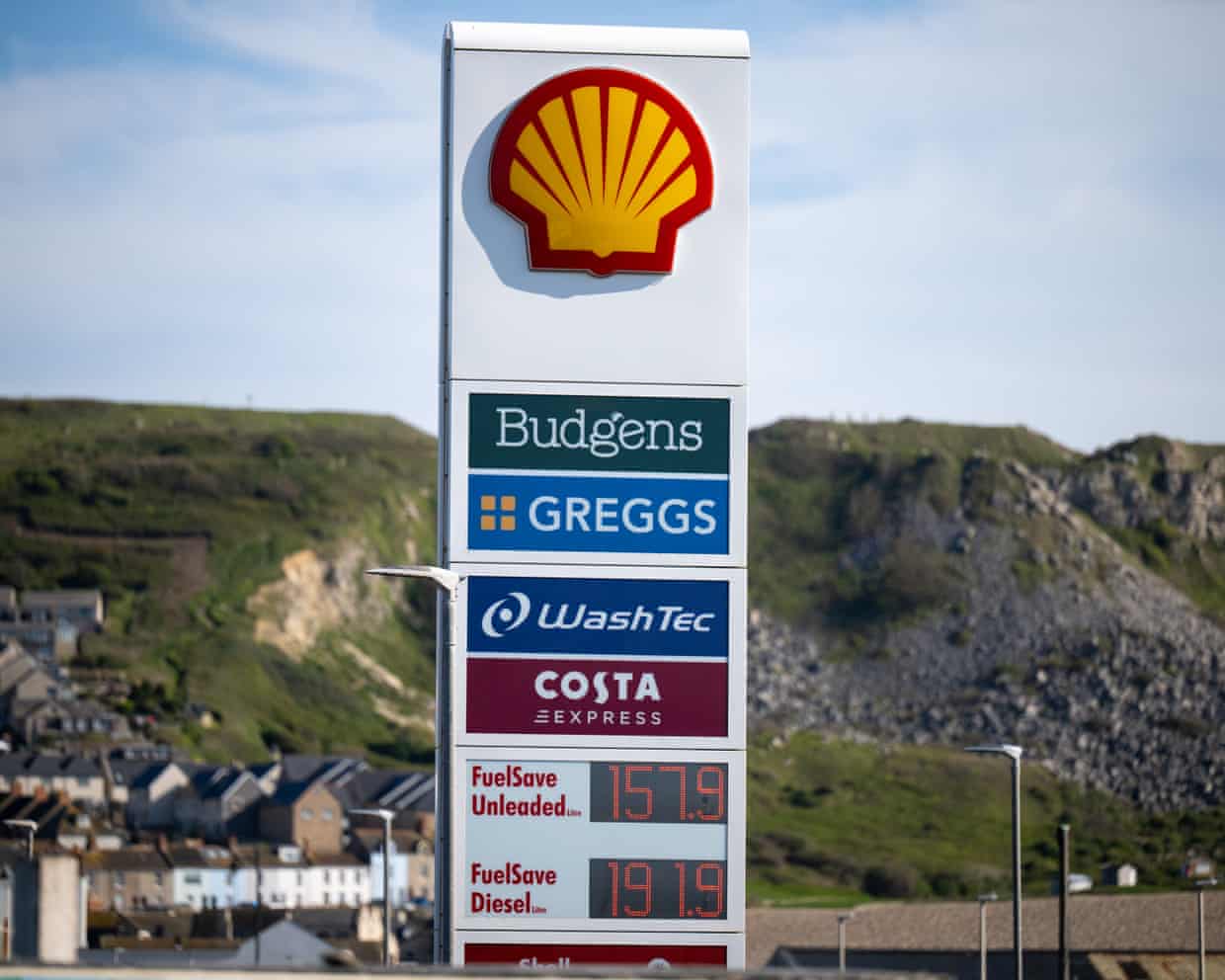
UK inflation accelerated to 3.3% in March after the Iran war triggered the biggest jump in fuel prices for more than three years.In the first official snapshot of the damage to living standards in Britain from the US-Israeli war on Iran, the Office for National Statistics (ONS) said the consumer prices index increased last month from a rate of 3% in February. The rise matched the forecasts by City economists.Grant Fitzner, the ONS chief economist, said: “Inflation climbed in March, largely due to increased fuel prices … Air fares were another upward driver this month, alongside rising food prices
UK firms to face tougher checks on export licences to bolster sanctions on Russia
British firms will face “much tougher” controls to prevent their goods from reaching Russia via other countries, undermining sanctions and aiding Vladimir Putin’s assault on Ukraine.Under plans to be unveiled on Wednesday, the government will be able to require UK manufacturers to obtain a licence if they want to export to a country suspected of acting as a staging post for exports ultimately destined for Russia.It comes after the business minister, Chris Bryant, ordered a review of a decision to allow UK carbon fibre equipment to be exported to an Armenian firm with links to Russia’s war machine, after reporting by the Guardian.Liam Byrne MP, chair of the business select committee, had written to Bryant raising concerns about the planned export of machinery that can be used in the production of military hardware such as drones and missiles.In a subsequent evidence session with Byrne’s committee, Bryant said the government was planning to strengthen export licensing laws to plug gaps in export controls
City watchdog faces legal action over £9.1bn compensation scheme for car loan victims
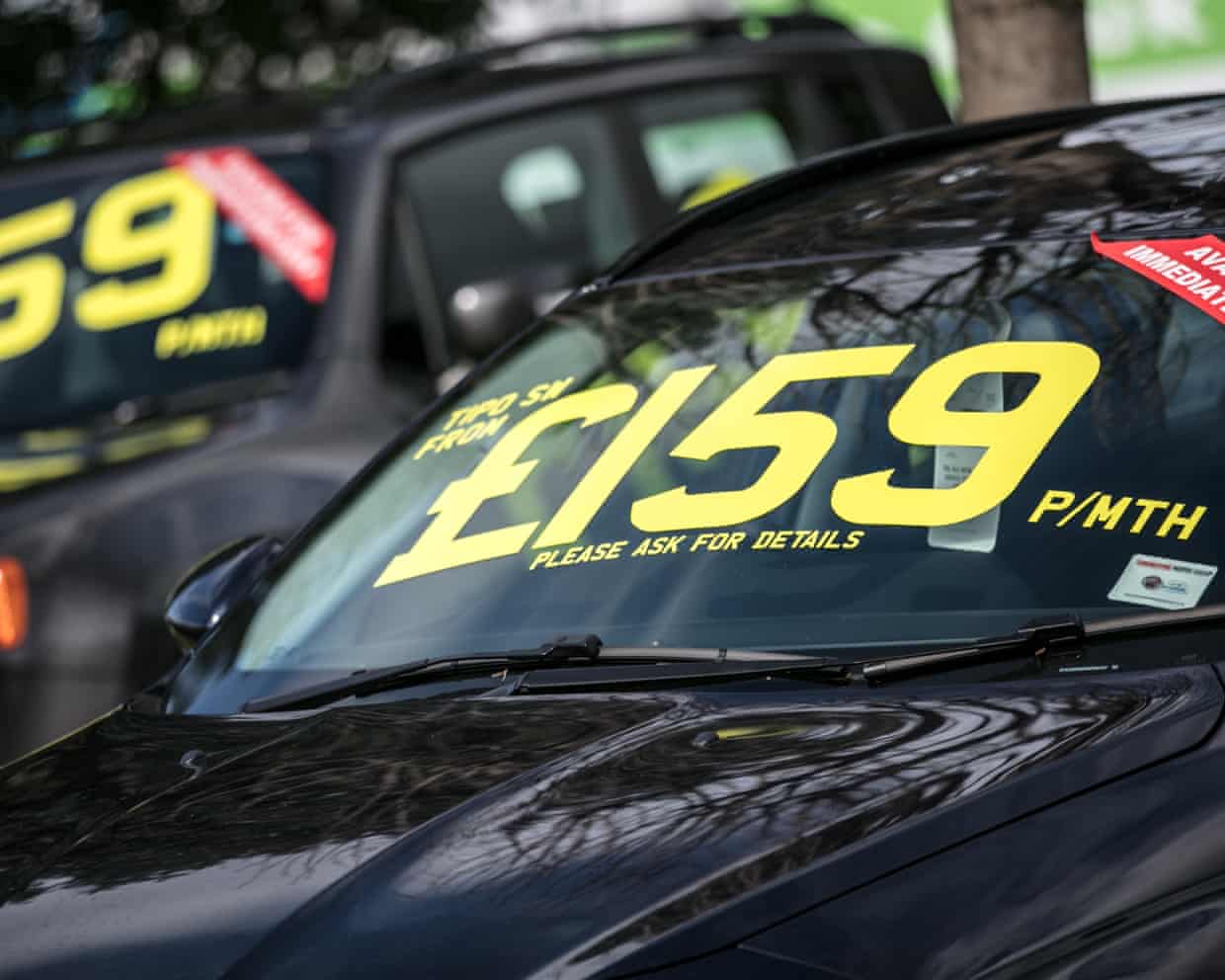
A consumer group is preparing to take the City watchdog to court in the hope of overhauling a £9.1bn compensation scheme that it claims massively shortchanges victims of the UK car loan scandal.Lawyers working for Consumer Voice have written to the Financial Conduct Authority (FCA), notifying them that they intend to challenge the redress programme in order to protect drivers’ interests, according to sources familiar with the group’s plans.It will dash the regulator’s hopes of drawing a line under the motor finance scandal, in which drivers were overcharged for loans as a result of commission payments between lenders and car dealers between 2007 and 2024.The challenge would mean hauling the FCA to the upper tribunal, where a judge would be asked to review the merits of the long-awaited compensation programme
Takeaway coffee sales plunge as fuel and living costs dent Australian spending. Is the economy next?
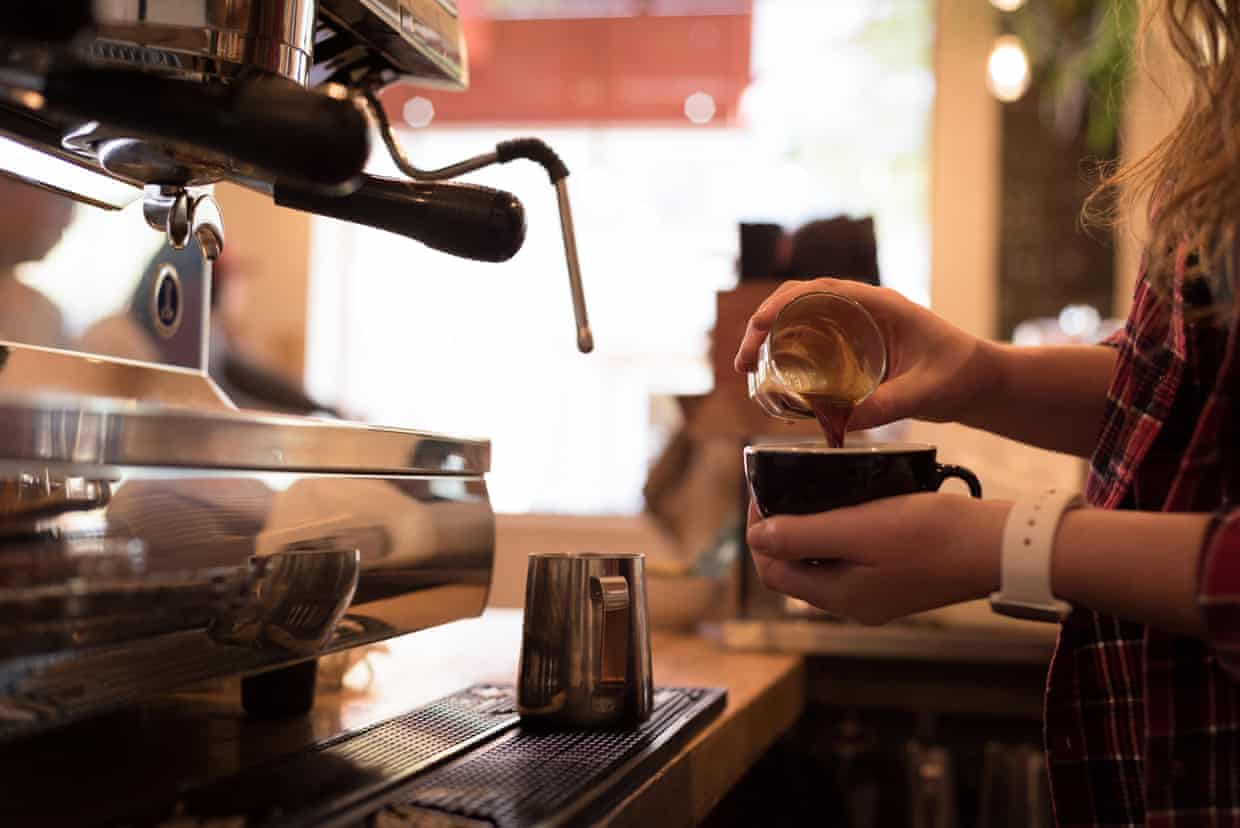
For many coffee drinkers, takeaway orders are changing from a habitual purchase to an occasional treat, as elevated petrol prices and other living costs leave households feeling glum.This rapid shift in behaviour has disappointed cafe owners and surprised economists, raising an uneasy question: if takeaway coffee sales are falling, is the economy next?Changes in coffee purchases are an early indicator of consumer attitudes because Australians are generally unwilling to give up their daily habit until absolutely necessary.National Australia Bank research shows that more than 50% of consumers are cutting back on treats such as coffee and snacks, which the bank says are usually among the most resilient purchases.While the trend has been in place for a few months, it accelerated quickly when petrol prices ignited in March due to the Iran conflict.“We are hearing from cafes and restaurants around the country that they’ve seen a slowdown in what patrons are purchasing,” says Wes Lambert, chief executive of the Australian Restaurant & Cafe Association
Trump’s Fed chair pick says he’ll maintain independence – but won’t say president lost 2020 election
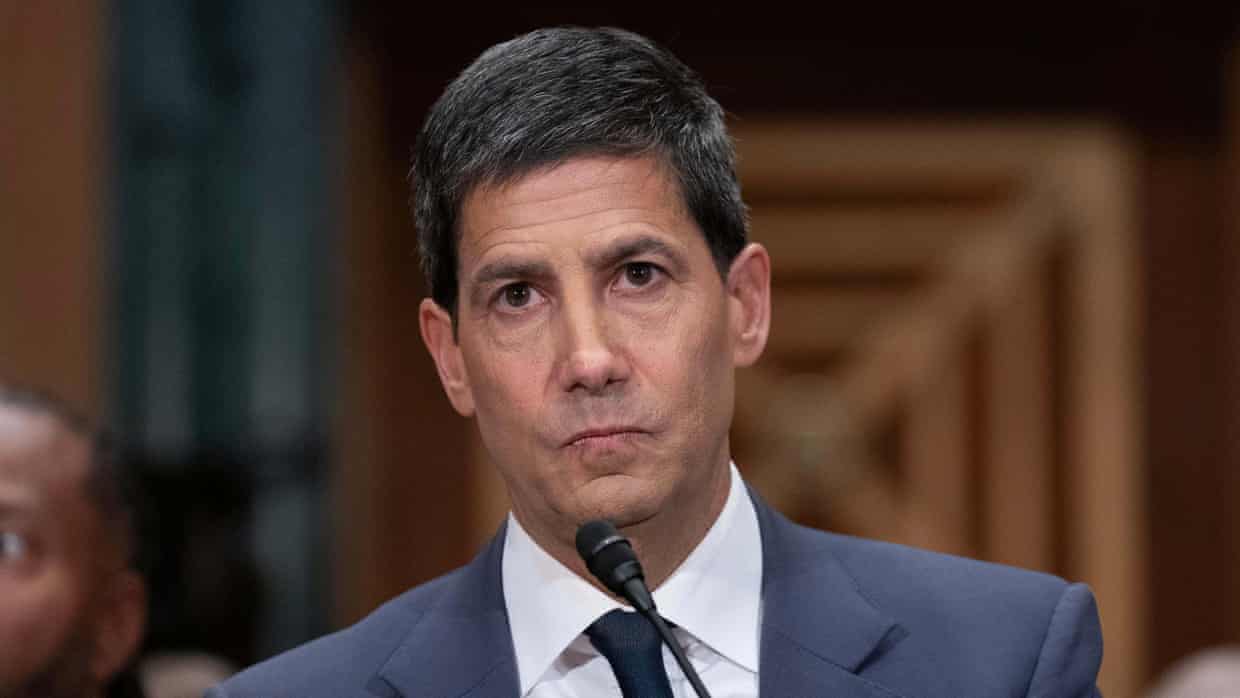
Donald Trump’s nominee for US Federal Reserve chair, Kevin Warsh, faced a tumultuous hearing in Washington on Tuesday, fielding scrutiny over his wealth and his ability to operate independently of the president who appointed him.Should he be confirmed, Warsh will hold one of the most powerful roles in the US federal government, with massive influence over the global economy and the ability to move markets.During a hearing before the Senate banking committee, Warsh did his best to bat away questions that he argued verged too far into “politics”.“We need to take politics out of monetary policy and monetary policy out of politics,” he told the Senate. “If I’m confirmed, the Federal Reserve should stay in its lane
Zoologist, author and presenter Desmond Morris dies aged 98
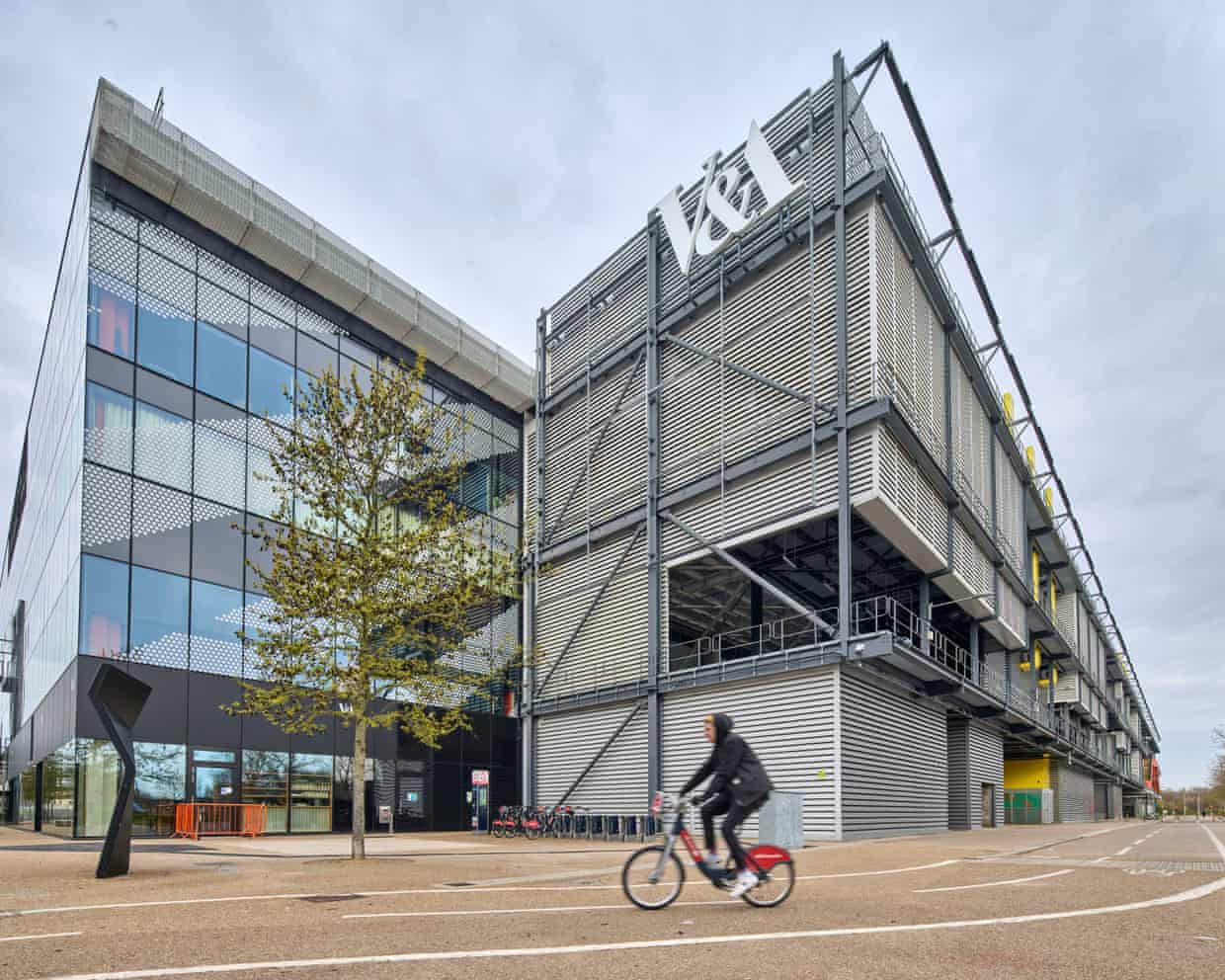
V&A East Storehouse and Norwich Castle among finalists for museum of the year
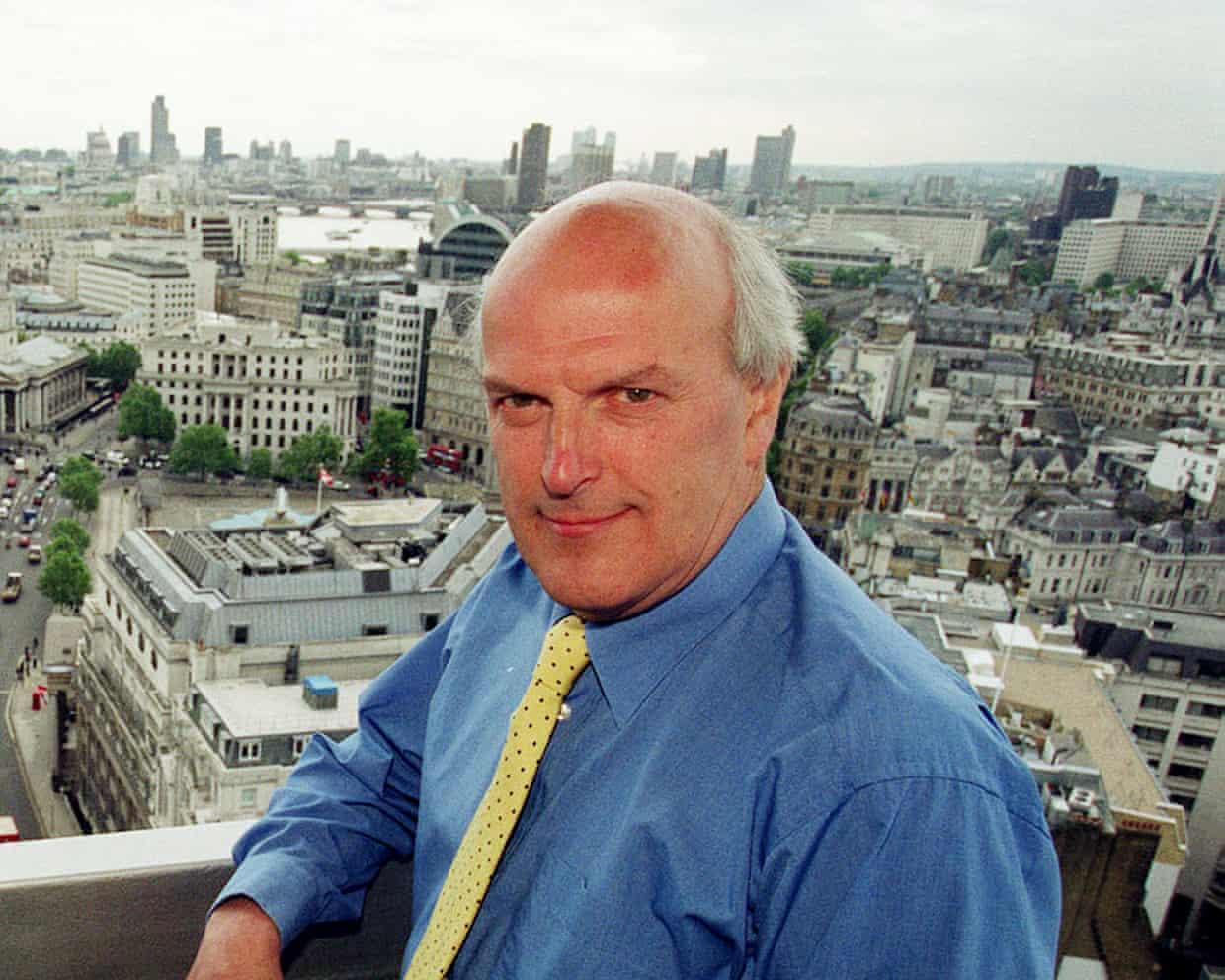
Letter: Sir Neil Cossons obituary

‘Women want to experience pleasure’: how the female gaze caught the attention of film, TV and fiction
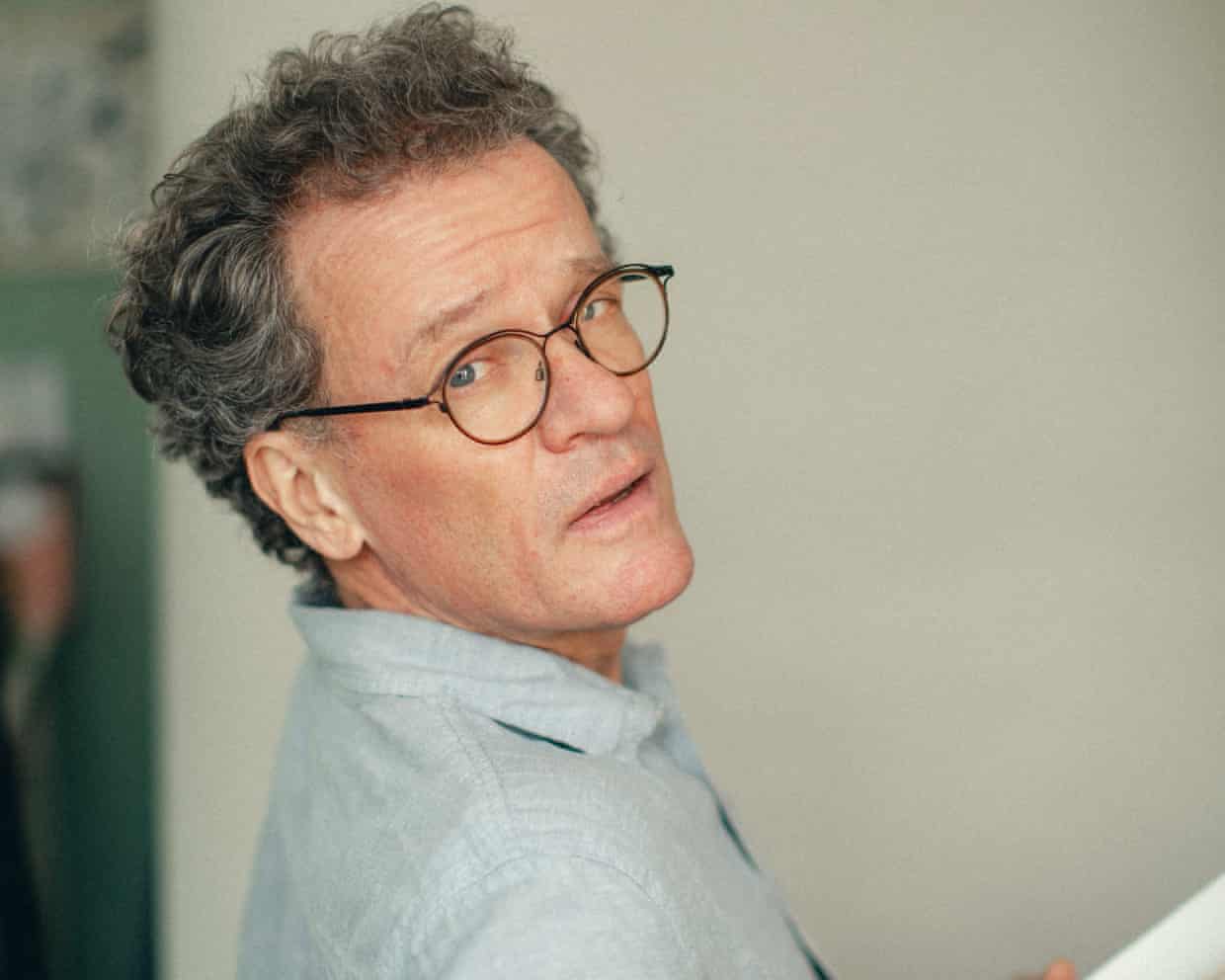
Yann Martel: ‘I hate the rich people of this world – of which I’m one, because of Life of Pi’
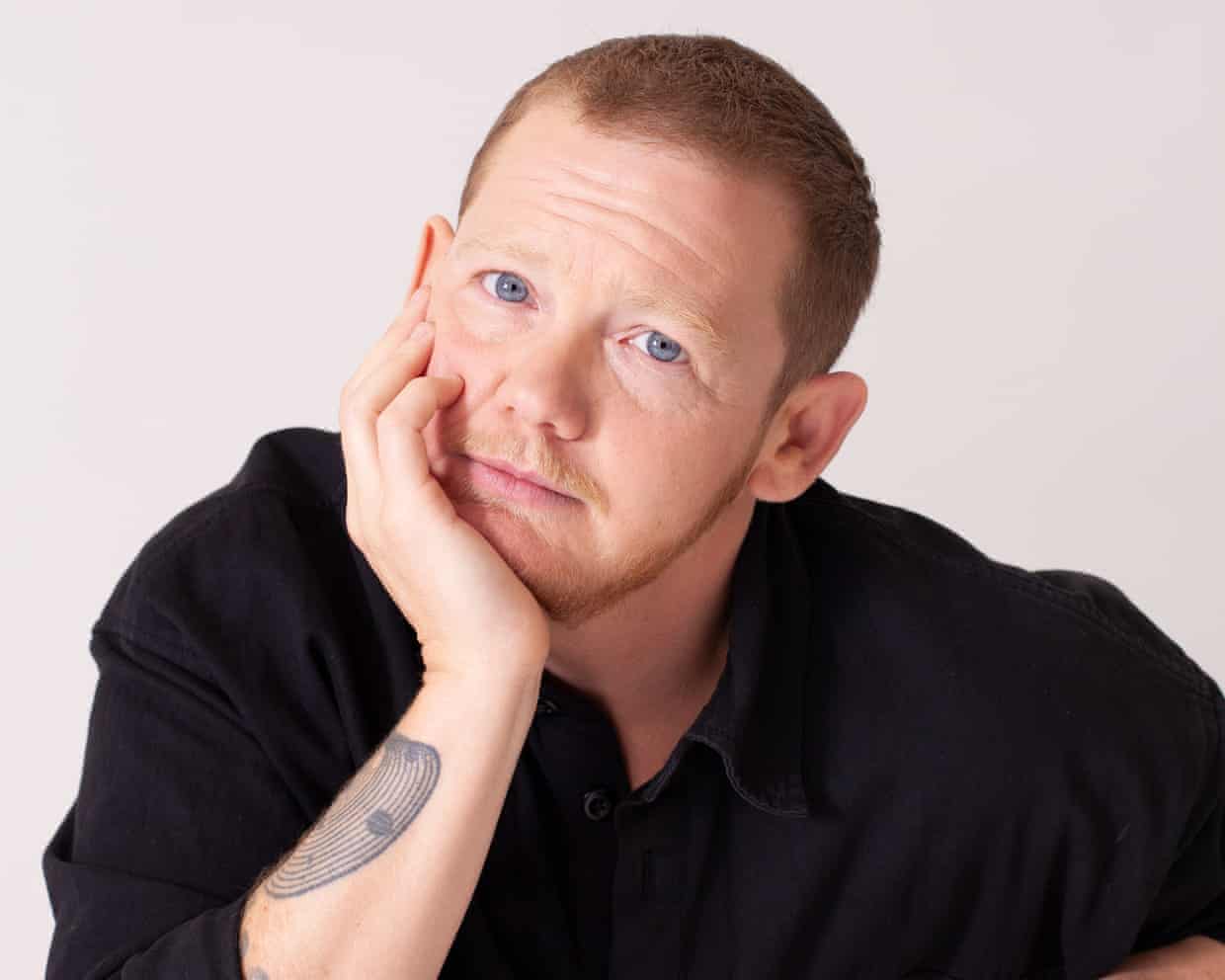
Kae Tempest on creativity and his gender transition: ‘I’m just glad to be alive’