Starmer will not be swayed by Trump’s ‘small and petty’ insults, says Lammy
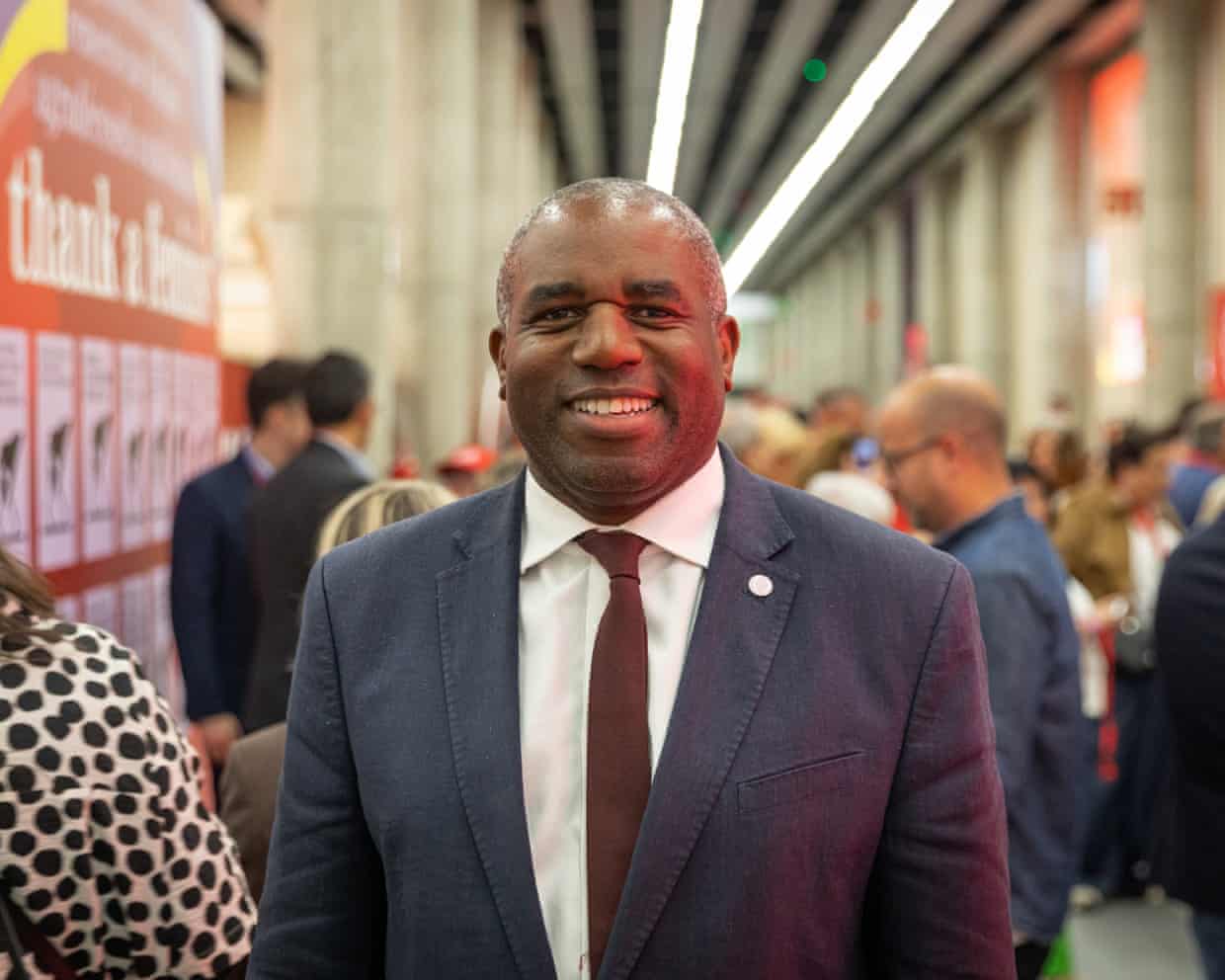
Donald Trump’s insults towards Keir Starmer are “small and petty” and designed to put pressure on the prime minister to change his position on Iran, David Lammy has said, as he insisted the UK would not get dragged into the conflict.The deputy prime minister argued the US president should be able to “disagree agreeably” with allies rather than publishing attacks on social media, and that US actions had “made things worse, not better” as far as global instability was concerned.The UK’s relationship with Washington has become increasingly strained as the conflict continues, with Starmer heavily criticised and at times mocked by Trump for not committing British equipment and personnel to fighting the war.In response, Starmer has said he is “fed up” with the effect that Trump’s actions in the Middle East are having on British energy bills, while Rachel Reeves, the chancellor, has described the conflict as a “mistake” that is wreaking havoc on the global economy.In an attempt to repair relations and stress the urgency of reopening the strait of Hormuz, a crucial shipping lane through which much of the world’s oil and goods pass, Lammy flew to Washington last week to hold talks with JD Vance, the US vice-president, and the secretary of state, Marco Rubio.
In his first interview since the visit, Lammy said he had “no doubt” that all US politicians “purely through self-interest alone” understood the economic impact of the war, and that Vance himself was concerned about the cost of living in the run-up to the US midterm elections,On Sunday, Trump announced US negotiators would head to Pakistan this week to resume peace talks, though he warned the US would “knock out” every power plant in Iran if it did not accept a deal, and the strait remains blocked,Asked whether he felt reassured that the US was serious about ending the conflict, Lammy said: “The only issue that anyone wants to talk about is affordability and prices,This war, on top of the war in Ukraine, on top of the pandemic, has made things worse, not better,The quicker it ends, the better for everybody.
”Speaking at a conference of global progressives in Barcelona, Lammy said: “Donald Trump has tried to put pressure on the prime minister to change his position on Iran, and he isn’t going to,This is not our war, and we’re not going to get engaged,“The rhetoric is intense, but I think the public are beginning to see it for what it is,It sometimes feels petty and small and certainly I think that comments a few weeks ago about the contribution that our armed forces made in Afghanistan, for example, are just incomprehensible,”Lammy said he had stressed to Vance the importance of reopening the strait for the sake of the global economy.
“He talked about the price of petrol in the US.My sense was that he himself recognises the effect on affordability, and he is heading to midterms, and I think he’s focused on that.”Later this month, King Charles and Queen Camilla will head to the US for a state visit, amid some concern at home that Charles could be placed in an embarrassing predicament given the strained relations.But Lammy said: “I fully expect the state visit to be a huge success.All of the politicians that I spoke to are also able to recognise that this is also not just any old state visit.
It’s a celebration of 250 years of independence.”The visit was an important moment to reflect on the transatlantic relationship over time, at a time when it was under pressure, he added.“Let’s be absolutely clear, Churchill and Roosevelt had disagreements over how to handle Stalin; Wilson … disagreed with the American administration at the time on Vietnam; even Margaret Thatcher and Ronald Reagan disagreed over Grenada.“We do have a special relationship for many reasons, but notwithstanding that, we can also disagree.It is better, in my view, when you disagree agreeably, and that is what we have been traditionally used to.
I lament, frankly, the social-media age in which we’re not living up to the best of standards,”Turning to the EU, Lammy, who met left-leaning leaders including Spain’s Pedro Sánchez and Brazil’s Luiz Inácio Lula da Silva, said the UK wanted even greater alignment on goods in the run-up to the next election,“I sense that, both in Europe and in the UK, the mood recognises that in tough economic times … it is axiomatic that greater alignment with the EU is beneficial for all of us,” he said,“These are times where you have to huddle together, particularly in an age where we’re seeing a renewed protectionism,”However, the committed europhile said he had “stopped doing crystal balls” about whether he could see the UK rejoining the EU in his lifetime.
“I came into politics in an age where there was a centre ground in politics,I never dreamed that I would see the kind of populism and some of the extreme nasty rhetoric – particularly the nativist, racial undertones – that you now see in public life,“So I stopped predicting,But what I do have faith in is the UK to act in its self-interest in tough economic times, and its self-interest is clearly greater and closer proximity to our biggest trading partner, and that is the EU,”In the last week, Lammy has travelled to the US, the Gulf and Spain on behalf of the prime minister – and is regularly consulted by him on US relations in particular.
When asked about the suggestion he was the “real” foreign secretary, he laughed and said he had just spoken with Yvette Cooper, after her diplomatic tour of the Middle East.“She’s on the day to day, and I can assist where I can assist, but she is absolutely driving here,” he said.Lammy said he felt that Starmer’s domestic position had been bolstered by his handling of the conflict but acknowledged next month’s local elections would be “tough” and some voters would give Labour a bloody nose.But he suggested it was still possible for ruling parties to “recalibrate”.
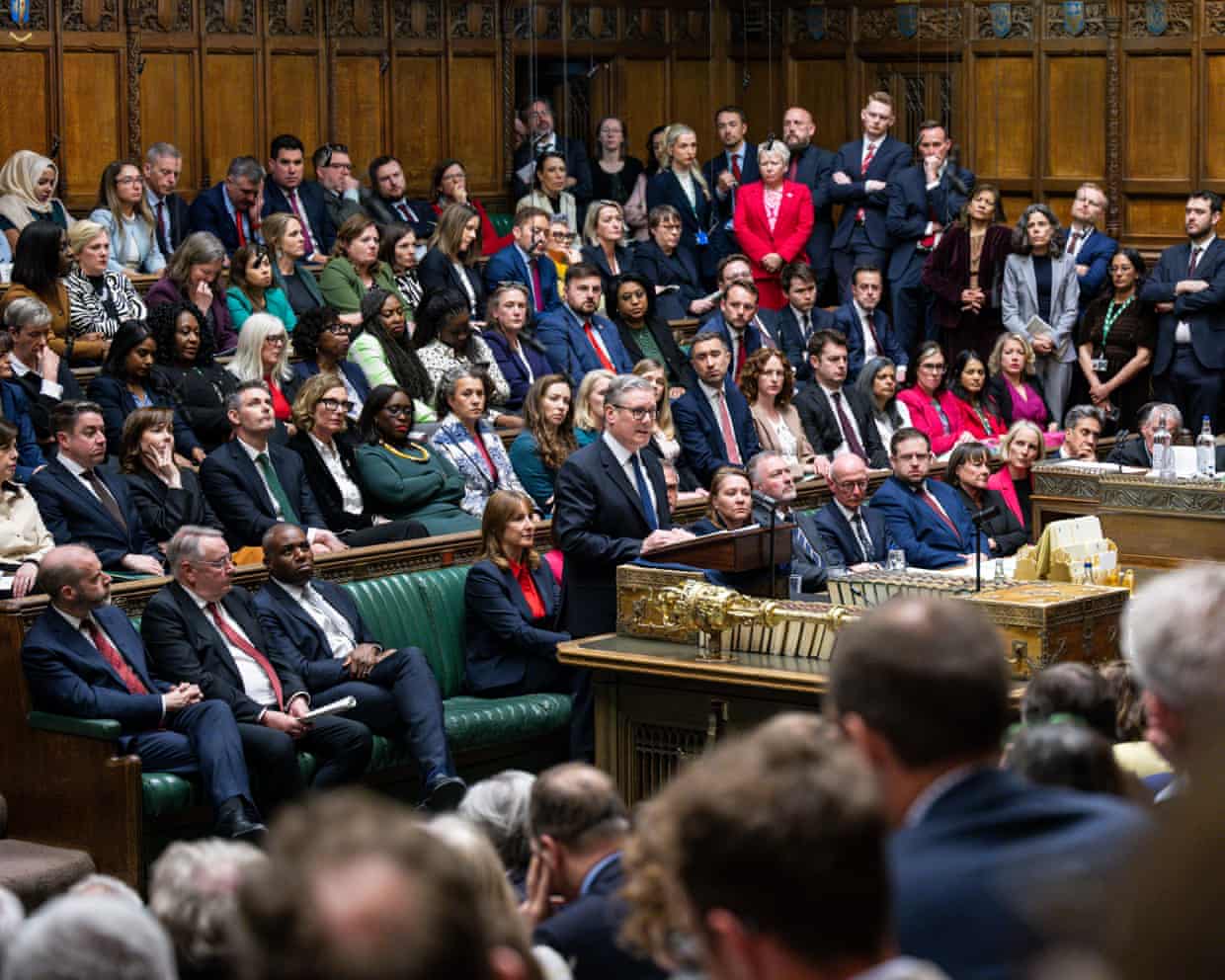
Starmer says it ‘beggars belief’ he wasn’t told about Mandelson vetting failure as he faces down the Commons – UK politics as it happened
It wasn’t much of a win, but as Keir Starmer heads back to Downing Street he will probably count that as a sort of success. Labour MPs did not turn on him; there was no one on his side calling for his resignation, and those who did speak out were mostly from the Corbynite left (whose views are discounted by No 10 anyway), and who were more keen to aim their fire at Morgan McSweeney and Peter Mandelson.If Kemi Badenoch thought there was more mileage in this, she could have tabled a no confidence motion on this which would have to be debated tomorrow, but she didn’t. She can be brutal in the Commons, but her speech today did not cause the PM any difficulties.Last week she was saying he was clearly lying
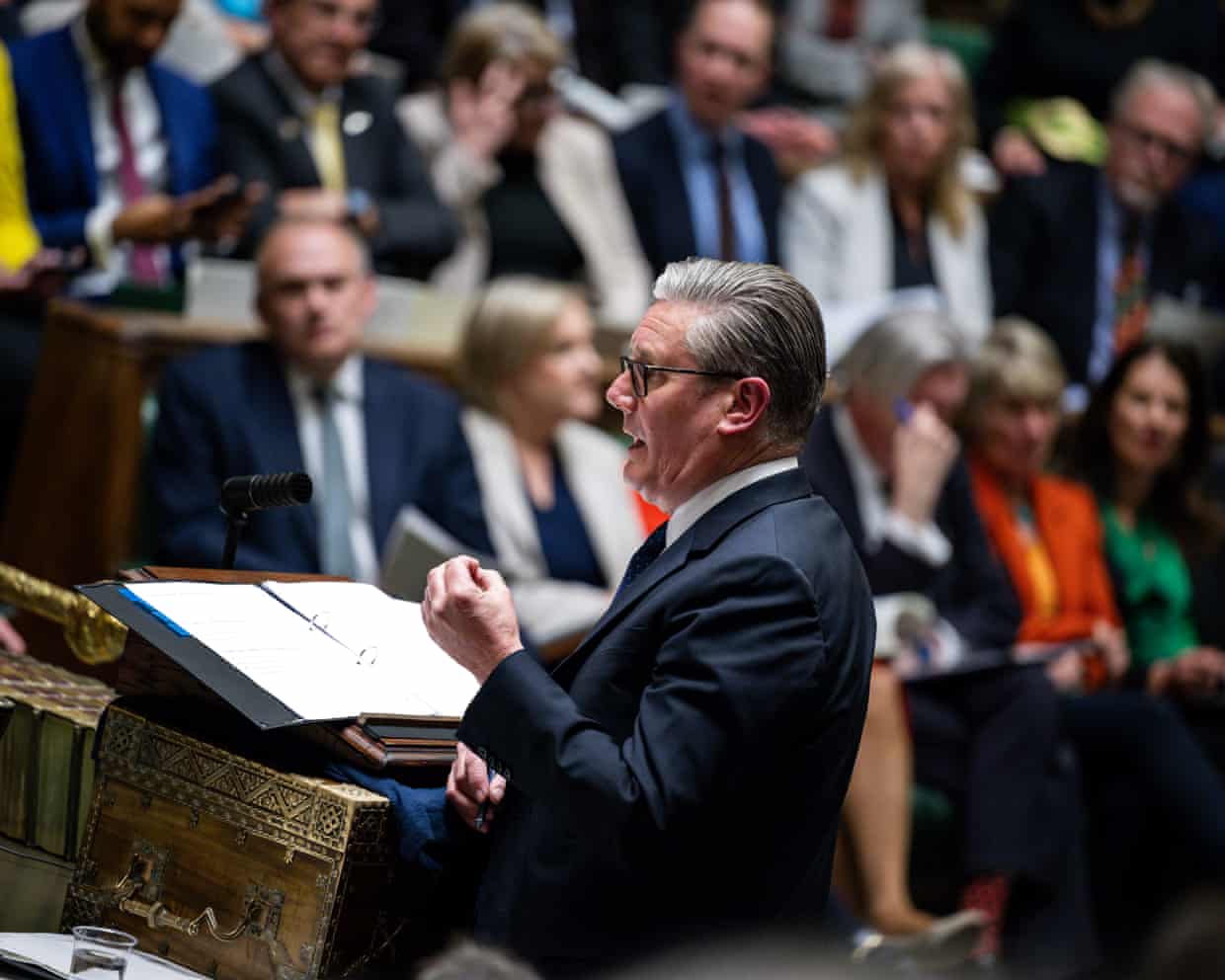
What Starmer said, and didn’t say, in the Commons about the Mandelson saga
Keir Starmer has laid out a detailed timeline of events leading up to Peter Mandelson being refused security vetting and how the message was not passed to No 10. Here’s what his statement did tell us – and what it was more vague on.double quotation markI will now set out a full timeline of the events in the Peter Mandelson process.”In a statement that leaned heavily on Starmer’s time as a lawyer, and was framed almost as a prosecution opening case against the Foreign Office and its now-ousted head civil servant, Olly Robbins, the PM set out events from 18 December 2024, when the decision to appoint Mandelson was confirmed, to last Tuesday, when he finally learned that security vetting had been initially refused.This included moments when, Starmer argued, he or others should have been told about Mandelson initially being refused security vetting: the initial refusal; when the foreign affairs select committee was assured that normal procedures were followed; and when Starmer began a wider review into vetting this year
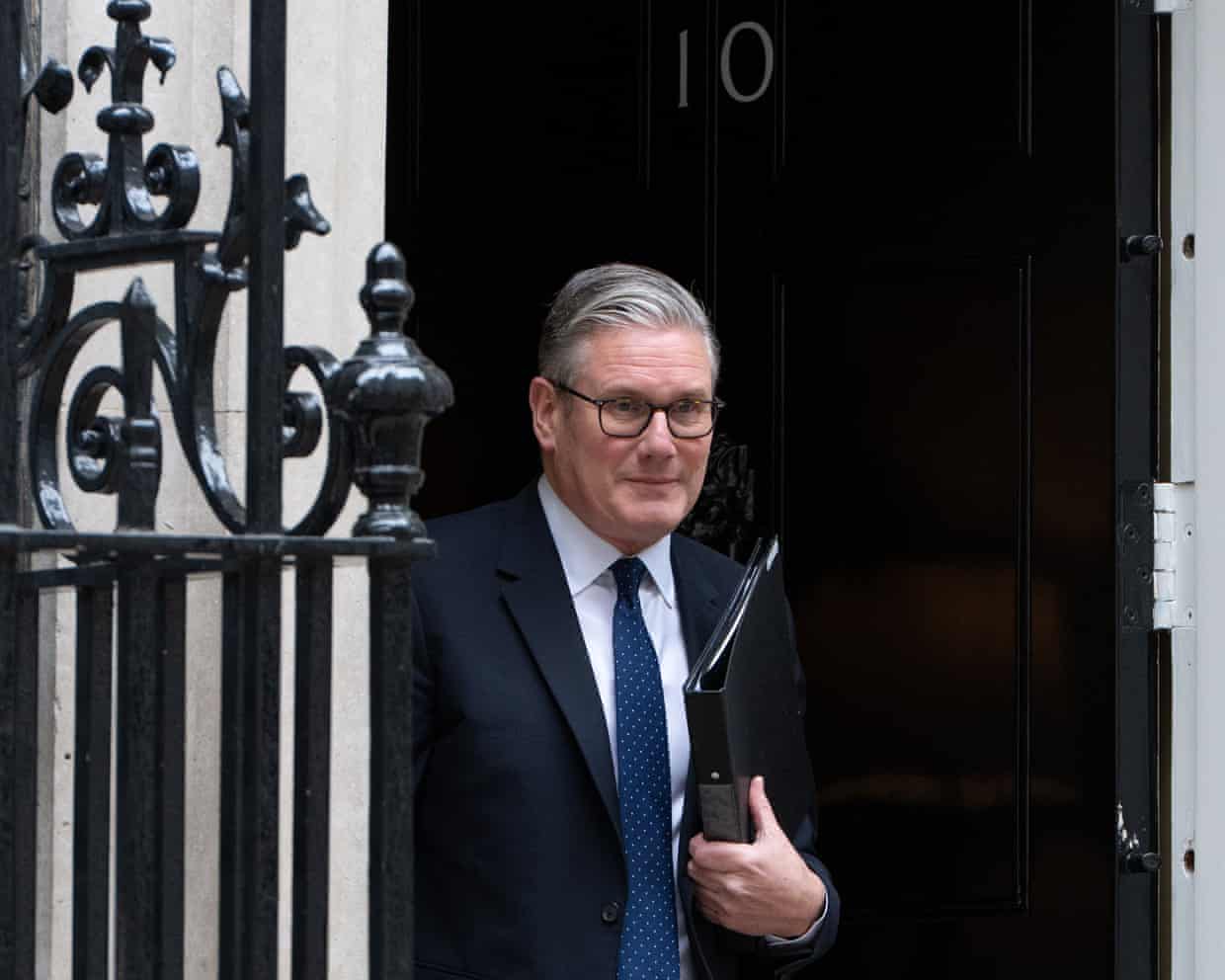
Starmer the Incurious asks no questions and sees no Mandy-shaped red flags
Things could be worse. The prime minister can still catch a break. Some had called Monday’s Commons statement Keir Starmer’s judgment day. But that was a category error. Many Labour MPs had long since made up their minds
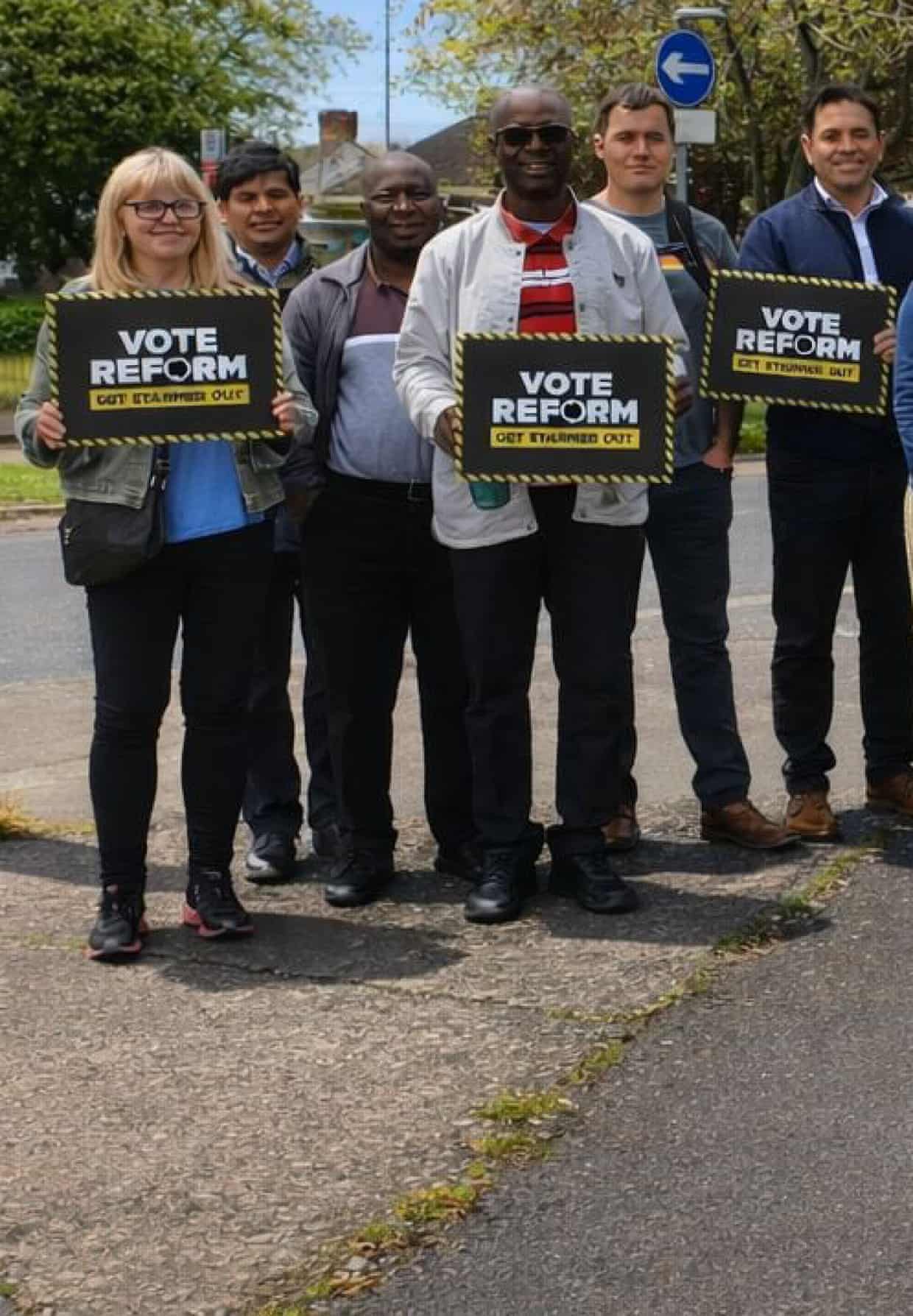
Is Richard Tice’s picture AI-manipulated? Here are five giveaways
After Richard Tice posted a picture of an apparent Reform campaign event on Sunday, experts and social media detectives took a closer look and concluded from a variety of telltale signs that the image had either been edited or generated by artificial intelligence. Here are some of the elements that critics called into question.One woman has six fingers on one hand and extra long ones on the other. The man in the beige jacket has three extremely long fingers which look like sausages. AI often gets fingers wrong
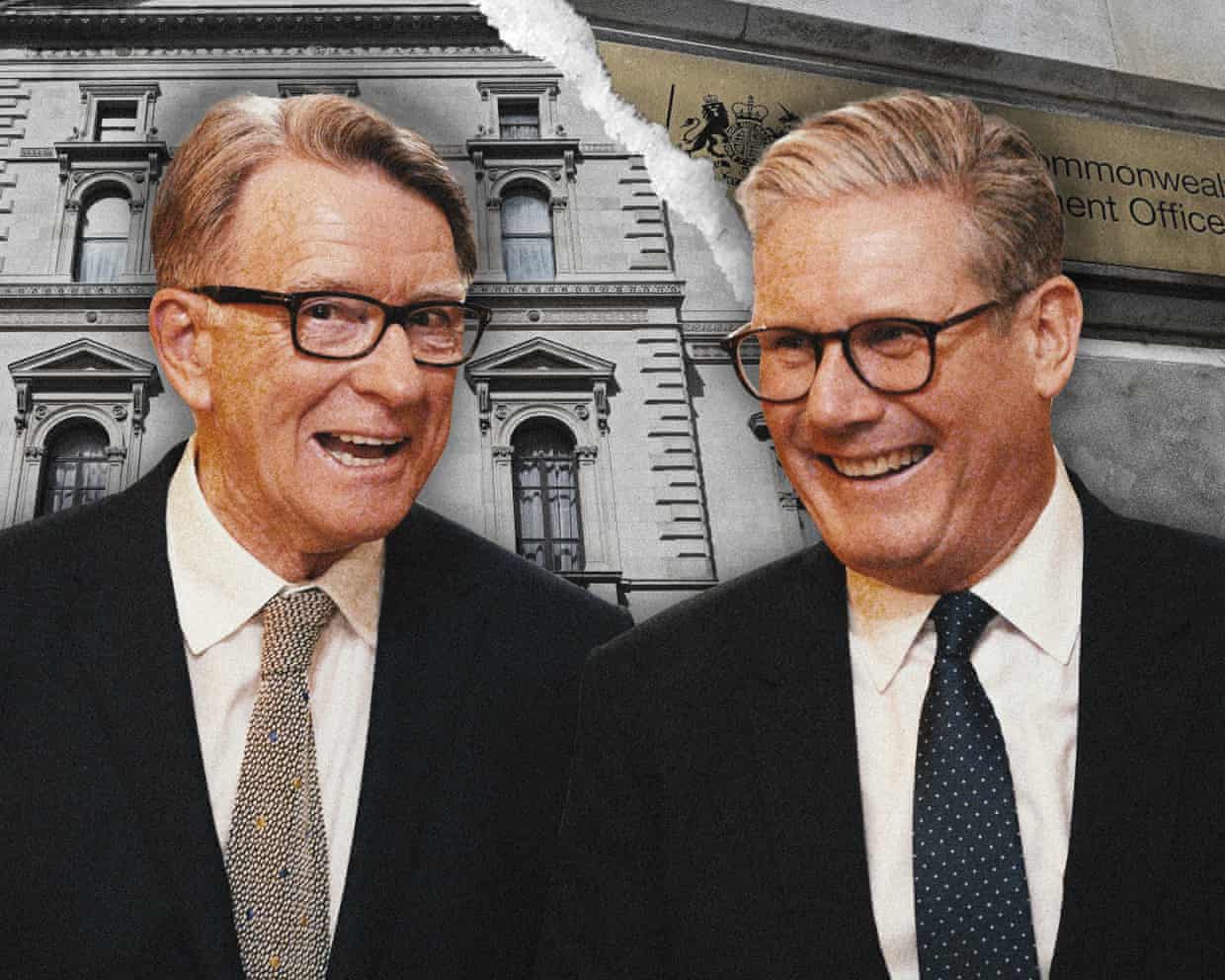
Mandelson vetting saga reveals flaws in Starmer’s judgment, not process | Letters
The emerging account of Peter Mandelson’s appointment as US ambassador raises a question not of process, but of judgment (Revealed: Mandelson failed vetting but Foreign Office overruled decision, 16 April). The prime minister was warned repeatedly. Briefings in November and December 2024 flagged reputational risks, including well-documented associations and potential exposure if the appointment went wrong. Keir Starmer’s national security adviser raised concerns directly. Yet the appointment proceeded at pace
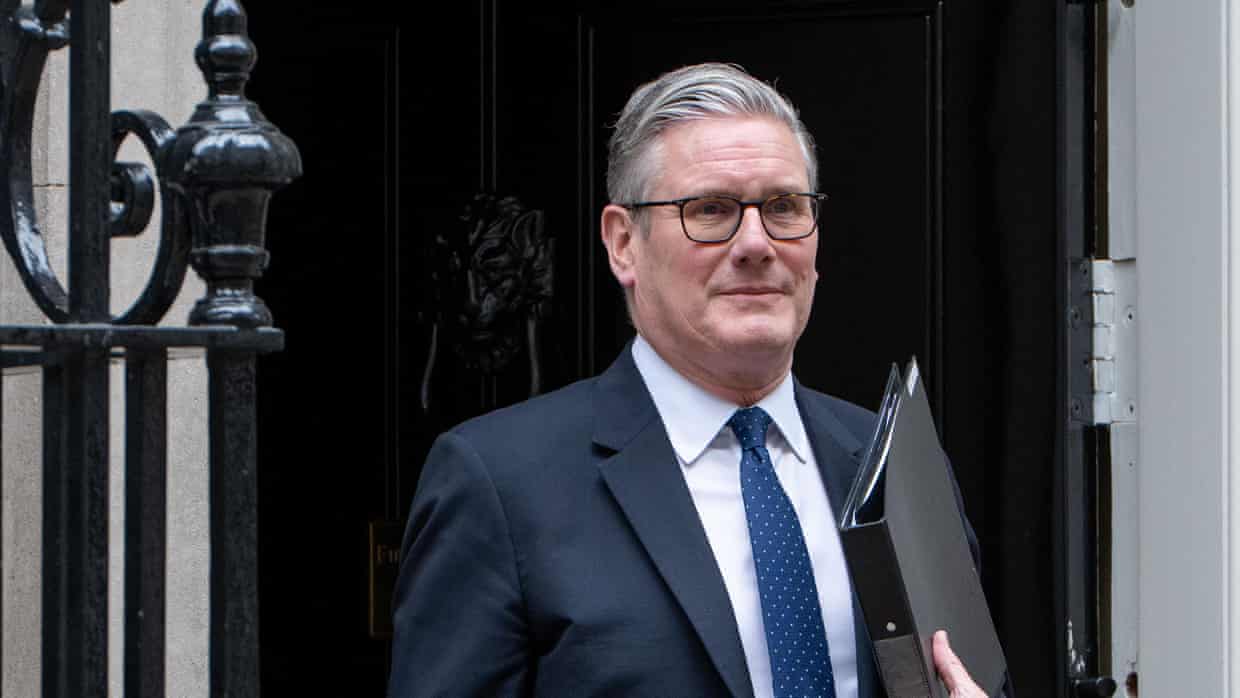
Starmer orders inquiry into any security concerns over Mandelson’s tenure in US
Keir Starmer has ordered an investigation into any security concerns relating to Peter Mandelson’s tenure as UK ambassador to the US, as he set out a series of practical measures in the wake of the controversy over Mandelson’s vetting.Setting out to the Commons what he called the “frankly staggering” way that Mandelson was appointed to the job despite initially being turned down for security vetting, Starmer said he had ordered a full review into the vetting system.He went on: “Separately, I have asked the government security group in the Cabinet Office to look at any security concerns raised during Peter Mandelson’s tenure.”The prime minister also set out how rules had been changed to make sure that, as happened with Mandelson, someone could not be publicly named as an ambassadorial appointee before they were vetted, even for a political choice like Mandelson.“I want to make clear to the house that for a direct ministerial appointment it was usual for security vetting to happen after the appointment, but before starting in post
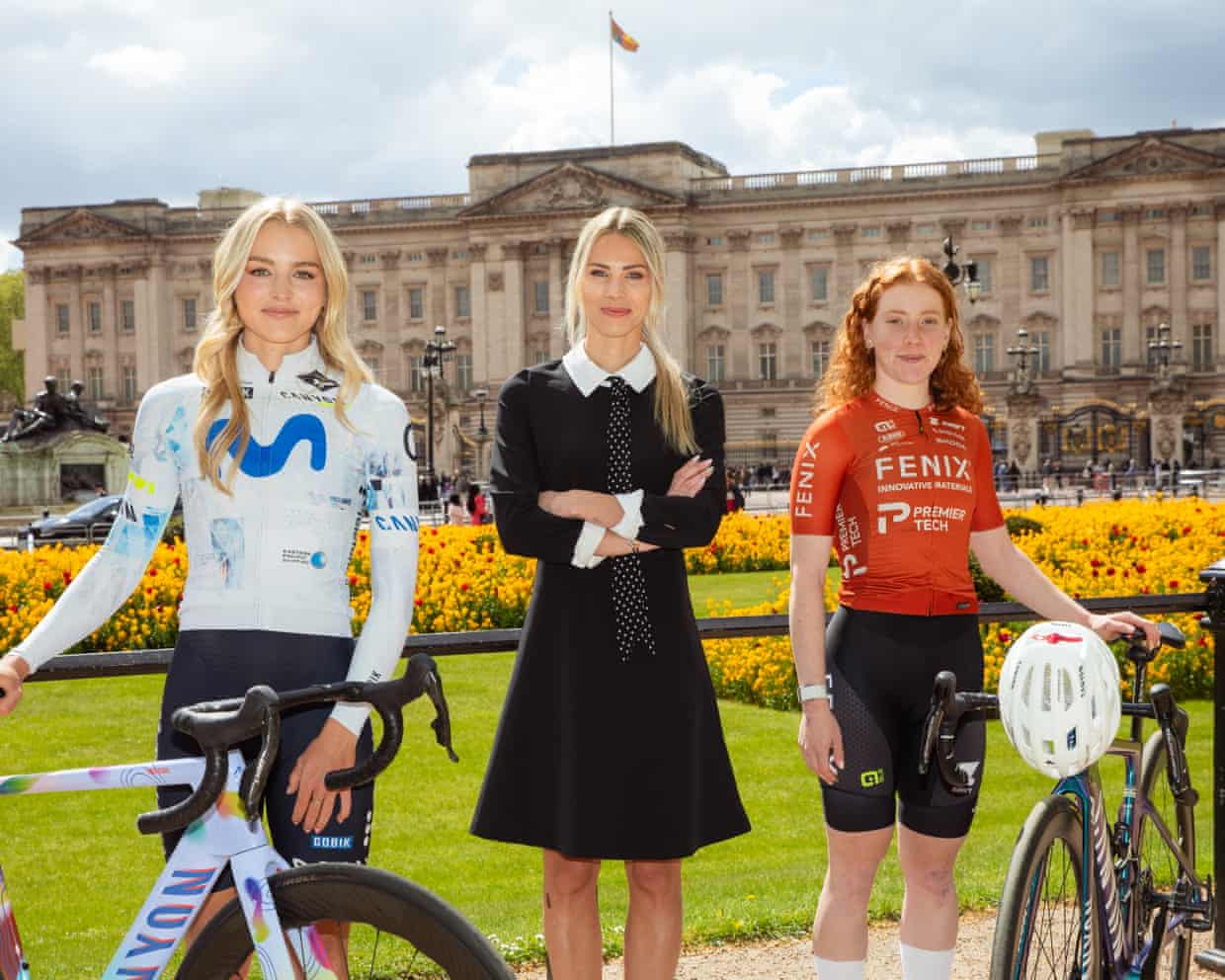
London to host historic first team time trial for Tour de France Femmes in 2027
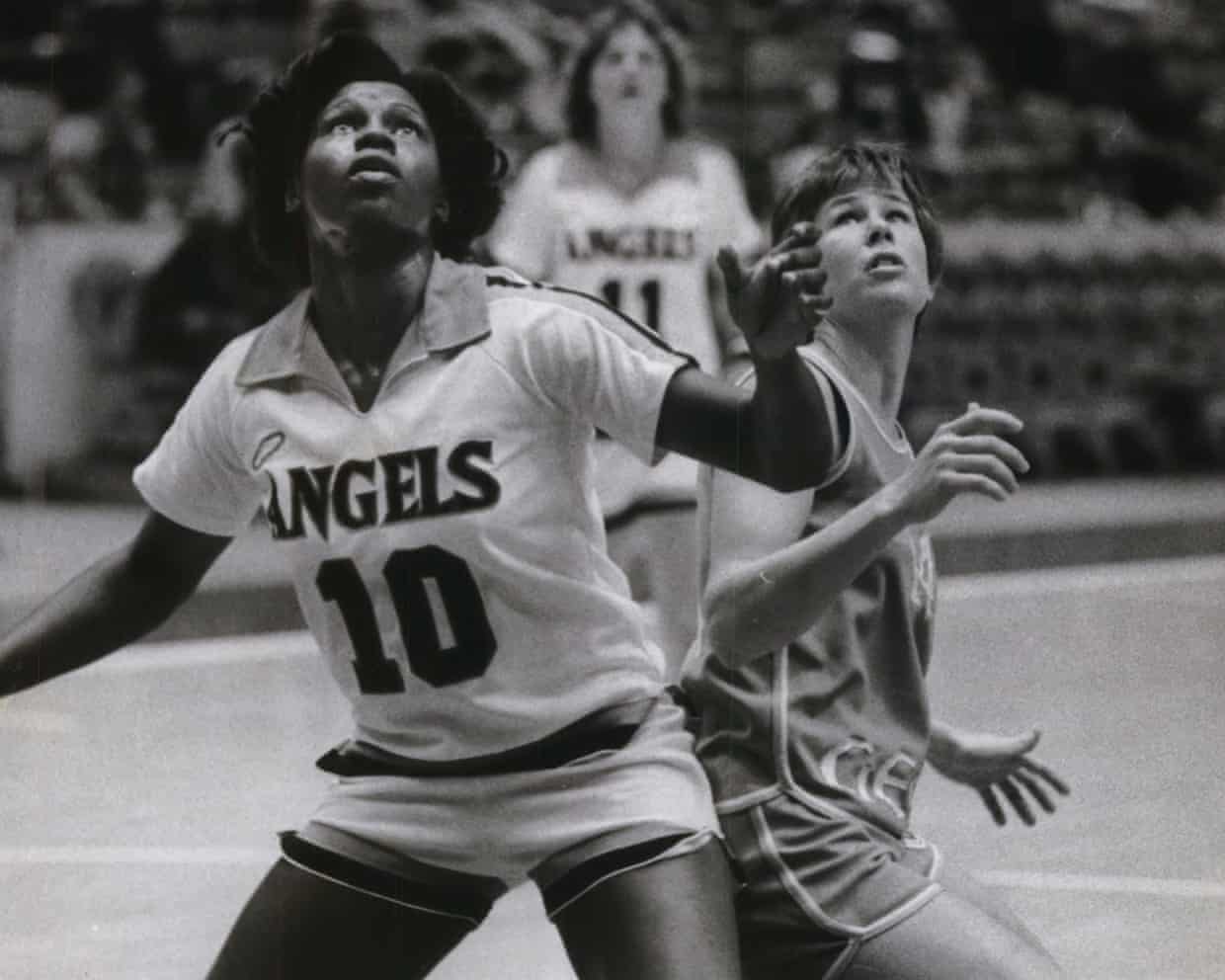
Floods, baskets and Billie Jean King: how the rough and tumble WBL set the stage for the WNBA
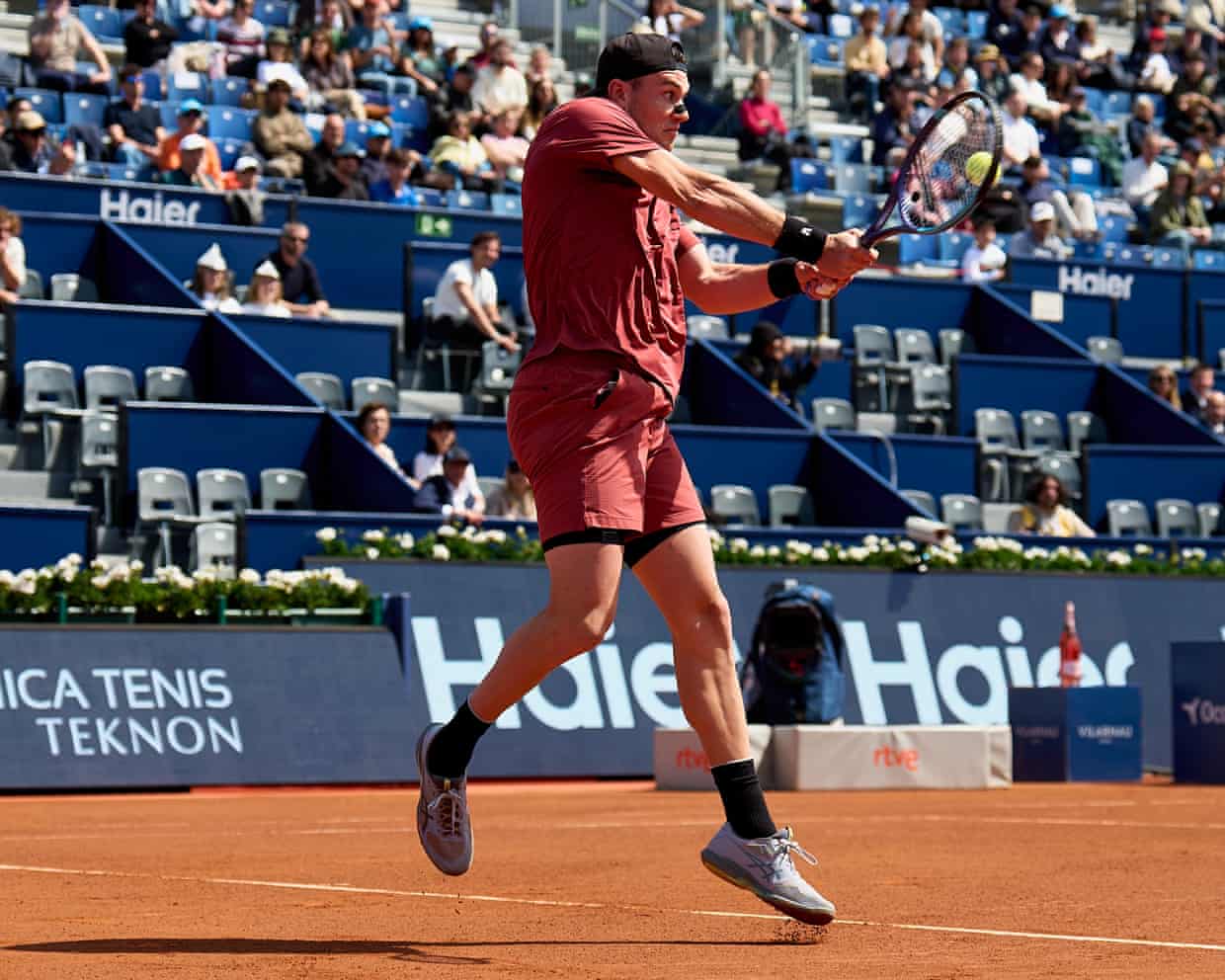
Jack Draper faces French Open fitness race as knee injury worries deepen
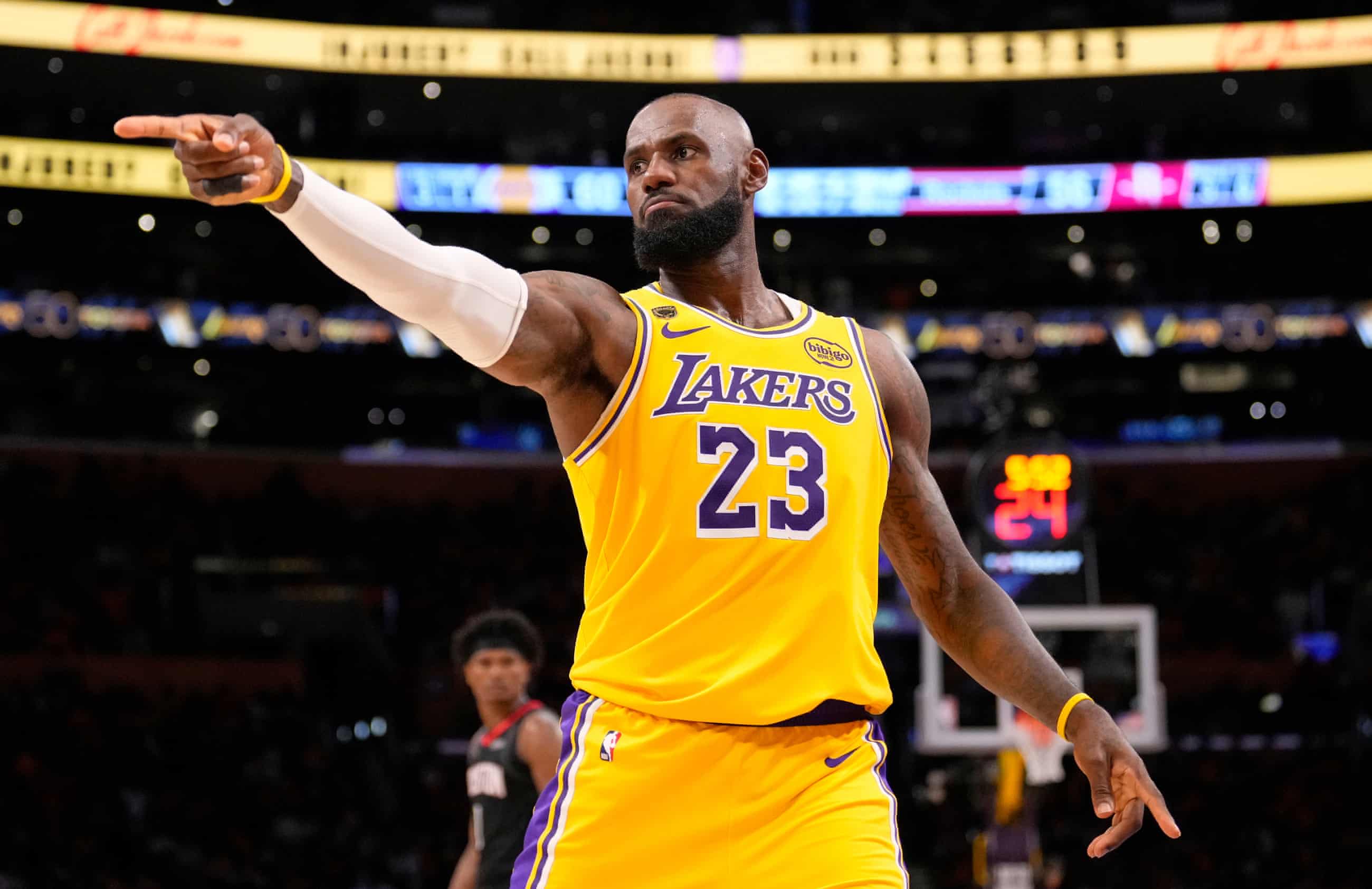
LeBron James is 41. And he’s somehow still carrying his team in the playoffs
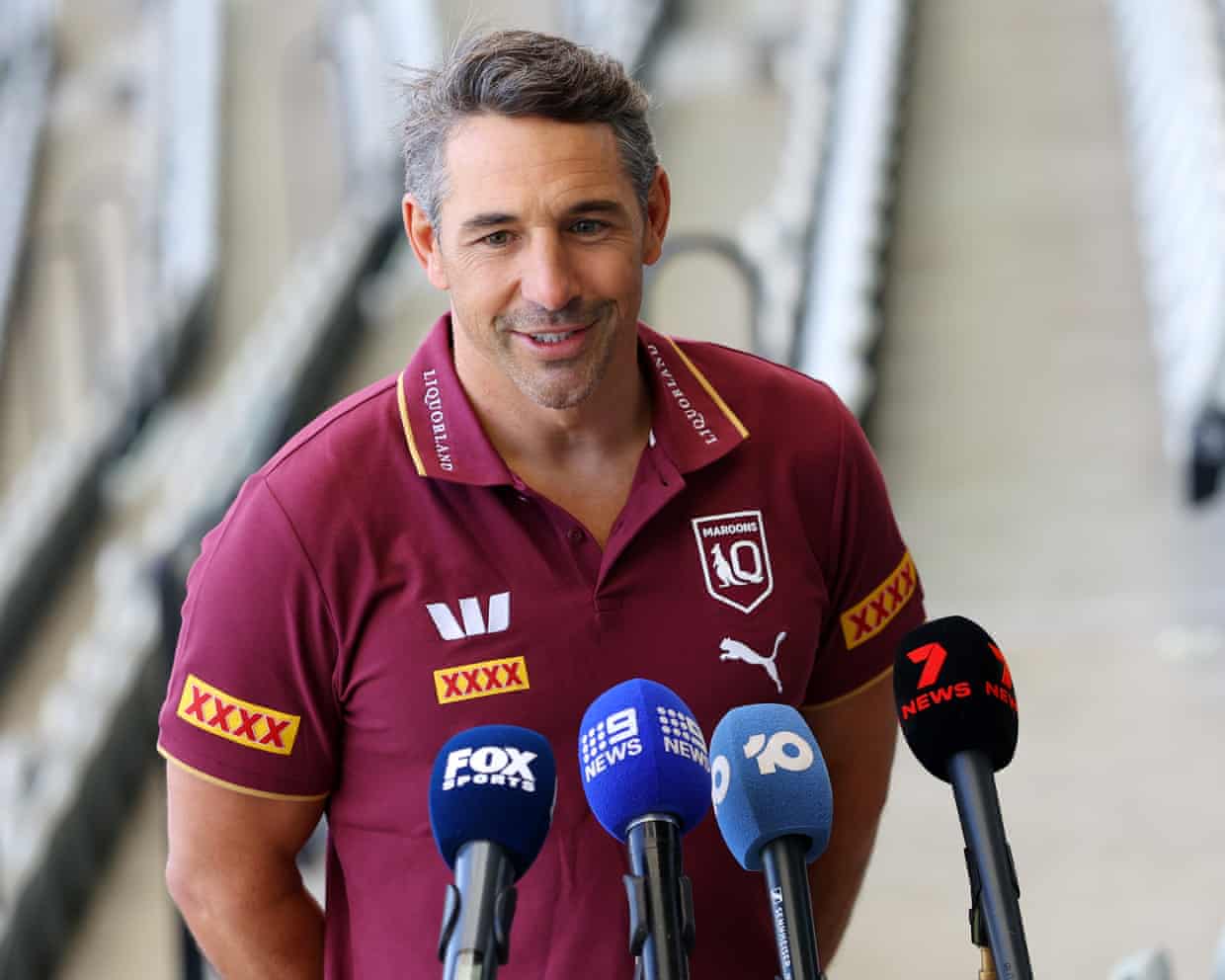
State of Origin coaches back Australian NRL takeover of England’s Super League

Castleford’s shock win over Wigan shows NRL that Super League still has a lot to offer