Balancing UK’s welfare and defence spending ‘not zero-sum game’, minister says
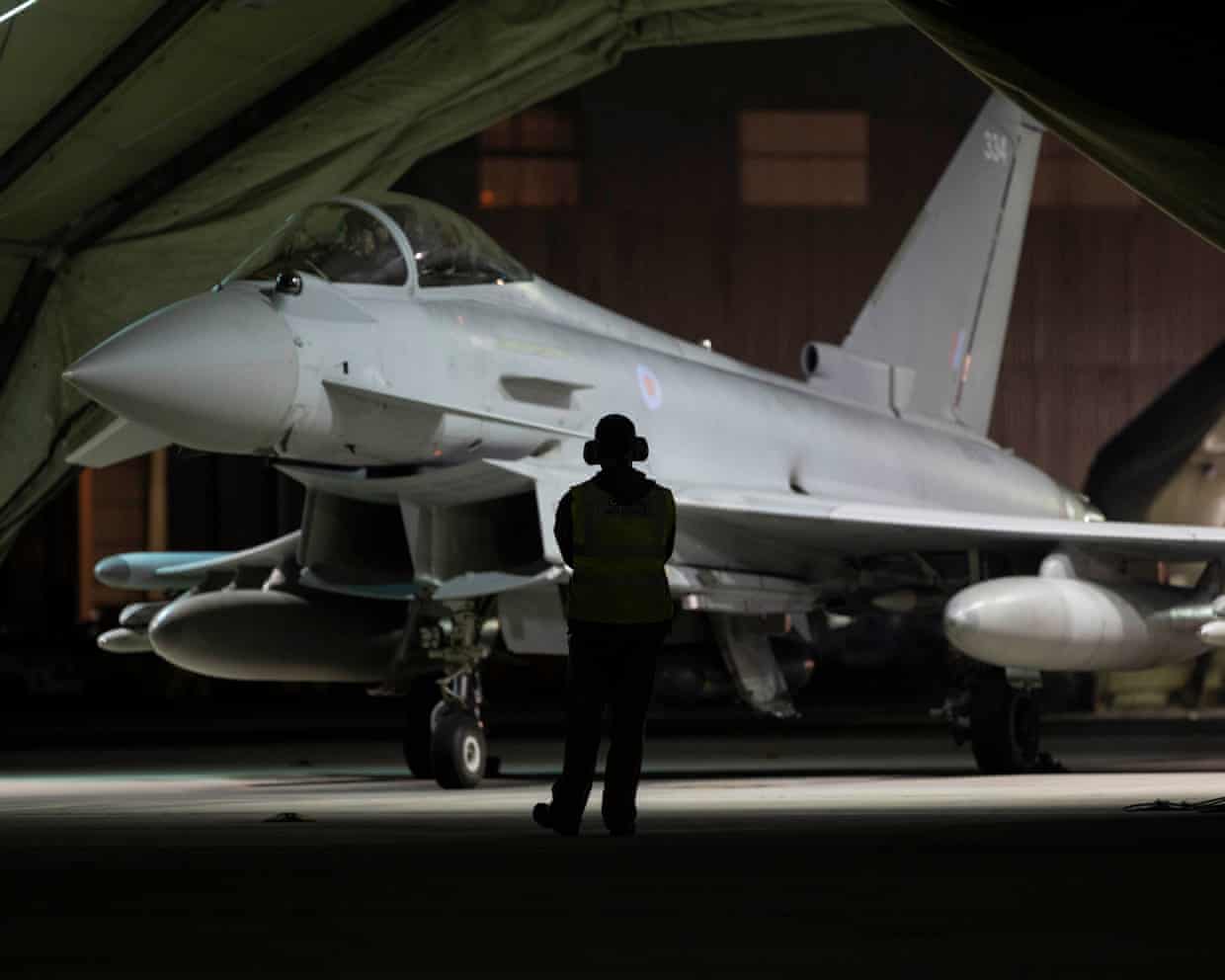
A Treasury minister has said balancing welfare and defence spending “is not a zero-sum game”, amid stark warnings that the UK will have to increase its military budget to ensure national security during global volatility.James Murray, the chancellor’s deputy, said the government was pushing ahead with the biggest sustained increase in defence investments since the cold war, but he would not say when it would publish its delayed defence investment plan.George Robertson, a former defence secretary and head of Nato, has accused the Treasury of “vandalism” for failing to sufficiently boost the armed forces as the Iran conflict continues to highlight their depleted state.He suggested defence should be prioritised over more welfare spending.The government has committed to reach 2.
5% of GDP on defence from April next year, then 3% in the next parliament, but military chiefs believe there is still a £28bn shortfall after years of the armed forces being hollowed out by successive administrations.With defence spending discussions due this week, military leaders are understood to have been asked to find £3.5bn in savings this year, even as the armed forces are being readied for conflict.Government sources have not denied that Rachel Reeves has proposed increasing the budget by less than £10bn over the next four years amid concerns that any more would be unaffordable.Lord Robertson publicly aired his frustration at the government’s failure to come forward with its 10-year spending plans for defence in a speech on Tuesday night, warning: “We cannot defend Britain with an ever-expanding welfare budget.
”However, Murray, the chief secretary to the Treasury, suggested Robertson had got it wrong.“I think on the question of welfare and defence spending, it’s not a zero-sum game,” he told Times Radio.“We’ve decided to have the biggest sustained increase in defence investments since the cold war … At the same time, we’ve begun our work to reform the welfare system, changing universal credit, reducing fraud and error, reforming motability.There’s more work to do.”He added: “It’s not a zero-sum game because we are increasing the investment in defence as a result of our decisions to record levels … It’s worth also saying that the welfare system isn’t some kind of amorphous blob.
It includes things like our decision to remove the two-child benefit cap, which helps hundreds of thousands of children out of poverty.”The suggestion that public spending cuts may be necessary to fund defence has prompted an angry reaction on the left.The veteran MP Diane Abbott accused Robertson of putting “guns before butter” and said Labour would lose votes to the Greens if Keir Starmer followed the peer’s advice.“We have already slashed foreign aid, and to cut welfare to spend on armaments is appalling,” she said.“People are going to start to wonder why they are voting Labour in the first place.
It is not going to help us electorally.”John Healey, the defence secretary, is understood to be pushing the Treasury for more money for defence.He was in Germany on Wednesday co-chairing a meeting of the 50-strong Ukraine Defence Contact Group as the government tries to ensure international focus does not slip from that conflict amid the crisis in the Middle East.

Officials debate withholding Mandelson vetting documents from parliament
Exclusive: Opinions split on ‘unprecedented’ release of files, despite demand for ‘all papers’ related to ex-US ambassador’s appointmentRevealed: Mandelson failed vetting but Foreign Office overruled decisionFive key questions: who overruled decision to deny Mandelson security clearance?Senior government officials have been considering whether to withhold from parliament sensitive documents that show Peter Mandelson failed security vetting before he assumed the role of US ambassador, the Guardian can reveal.Any such decision could amount to an extraordinary breach of a parliamentary vote, known as a humble address, that ordered the release of “all papers” relevant to Mandelson’s appointment.The Guardian has revealed that Mandelson did not receive vetting clearance from security officials, but that their decision was overruled by the Foreign Office to ensure he could take up his post.According to multiple sources, officials across government have been in dispute over whether to release documents that would reveal those facts, and other information about Mandelson’s security vetting, to the parliamentary intelligence and security committee (ISC).The committee has been entrusted by parliament with the role of assessing the most sensitive papers relating to Mandelson’s appointment

Revealed: Mandelson failed vetting but Foreign Office overruled decision
Guardian investigation uncovers decision by UK security officials to deny clearance before Mandelson took up role as US ambassadorTop civil servant Olly Robbins forced out over vetting rowOfficials debate withholding Mandelson vetting documents from parliamentFive key questions: Who overruled the decision to deny Mandelson security clearance?Peter Mandelson failed his security vetting clearance but the decision was overruled by the Foreign Office to ensure he could take up his post as ambassador to the US, an investigation by the Guardian can reveal.According to multiple sources, Mandelson was initially denied clearance in late January 2025 after a developed vetting process, a highly confidential background check by security officials.Keir Starmer had by then announced he would be making Mandelson the UK’s chief diplomat in Washington, posing a dilemma for officials at the Foreign Office, who decided to use a rarely used authority to override the recommendation from security officials.Mandelson’s failure to secure vetting approval has not previously been publicly revealed, despite intense scrutiny over his appointment and the release by the government of 147 pages of documents supposed to shed light on the case.Downing Street released a statement late on Thursday confirming the Guardian’s story
A decade on from Brexit, Britain still flounders without a place in the world | Letters
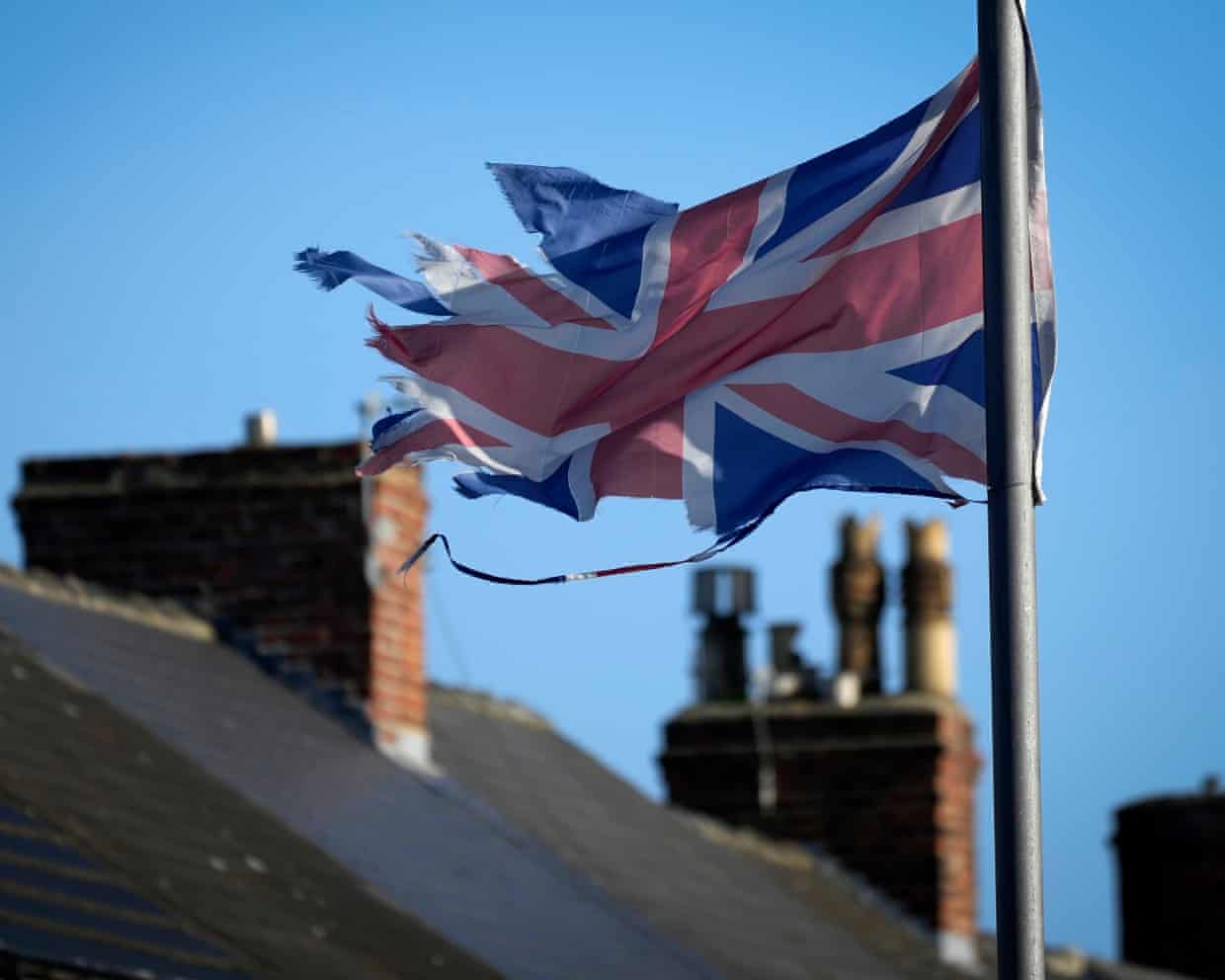
Perhaps the saddest consequence of Brexit is that it has left the UK a profoundly unhappy country (Ten years after Brexit, this is the UK: a divided nation frozen in time, 9 April). For Brexit supporters, the dream of a proud, independent Britain able to direct its own destiny in the world is nowhere near fulfilled, as if it ever could be. And they continue to grasp at the nearest proximate cause – an “invasion” of immigrants undermining British identity and draining its resources. For those who wished to remain, Brexit has left them unmoored from the security of membership of a grouping that gave them an identity and clear position in the world.Unfortunately, that unhappiness is now exacerbated by the state of the world outside the UK
SNP pledges to cap bread and milk prices if it wins Scotland’s parliamentary elections
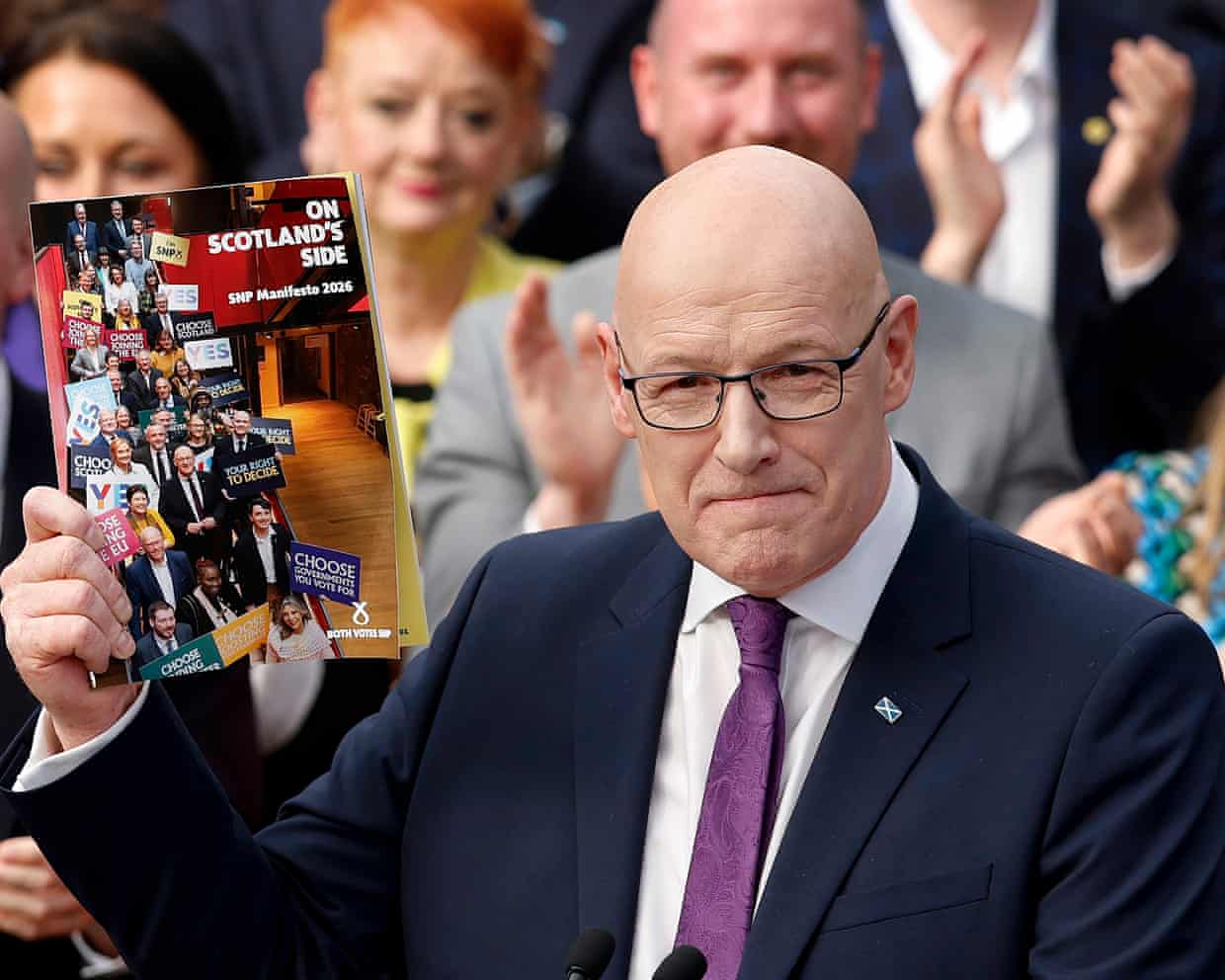
The SNP will cap supermarket prices for essential goods such as bread and milk if it retains power, John Swinney has pledged, after describing the cost of living as “the defining issue of this election”.With polls pointing to a fifth Holyrood term for the Scottish National party, its leader said he would use devolved public health powers to fix prices on 20 to 50 items such as bread, milk, cheese, eggs, rice and chicken because their rising cost was “impacting our nation’s nutrition”.The eye-catching pledge, made at the launch of the SNP manifesto for the Scottish parliament election, was immediately dismissed as a “potty gimmick” by retailers. It could also put the party on a collision course with the UK government because it may breach the Scotland Act of 1998 that created a devolved parliament.Ewan MacDonald-Russell, deputy head of the Scottish Retail Consortium, said supermarkets already paid significantly higher rates in Scotland, £162m more over the next three years than in England
CEO of bitcoin firm championed by Nigel Farage leaves company
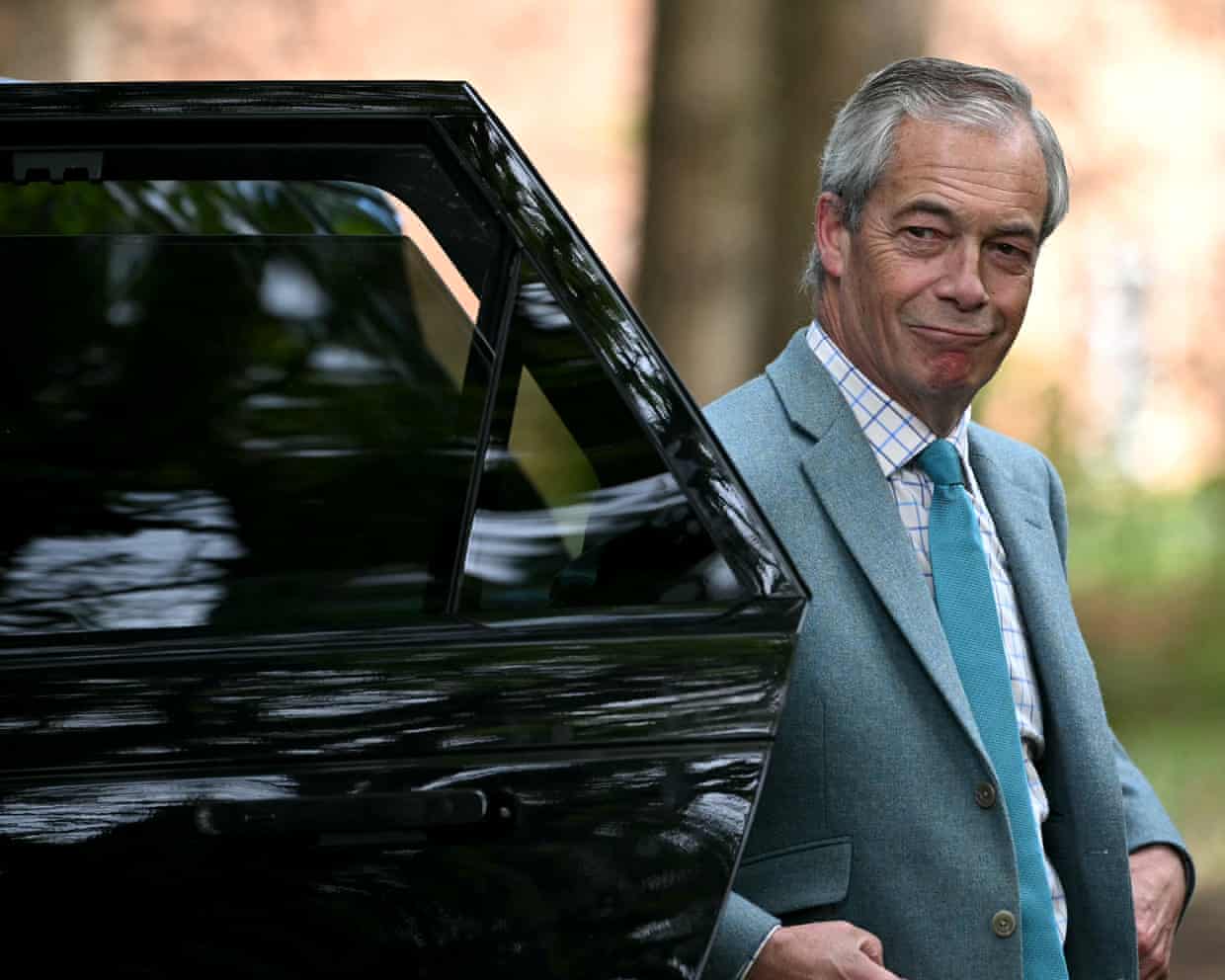
The chief executive of a bitcoin company promoted by Nigel Farage has left his role as the venture attempts to convince investors that it is going to deliver “long-term value” for shareholders.Stack BTC was launched to much fanfare in March this year, with Farage and former chancellor Kwasi Kwarteng becoming some of its first shareholders. The company says its founder is Paul Withers, a friend of the Reform UK leader who owns a gold bullion company that Farage has also promoted, Direct Bullion.However, Stack BTC is a renamed company which was founded in 2021 by Jai Patel, whose departure as chief executive was announced on Wednesday. The company, formerly called Kasei Investment Holdings, invested in cryptocurrency and a range of other digital assets
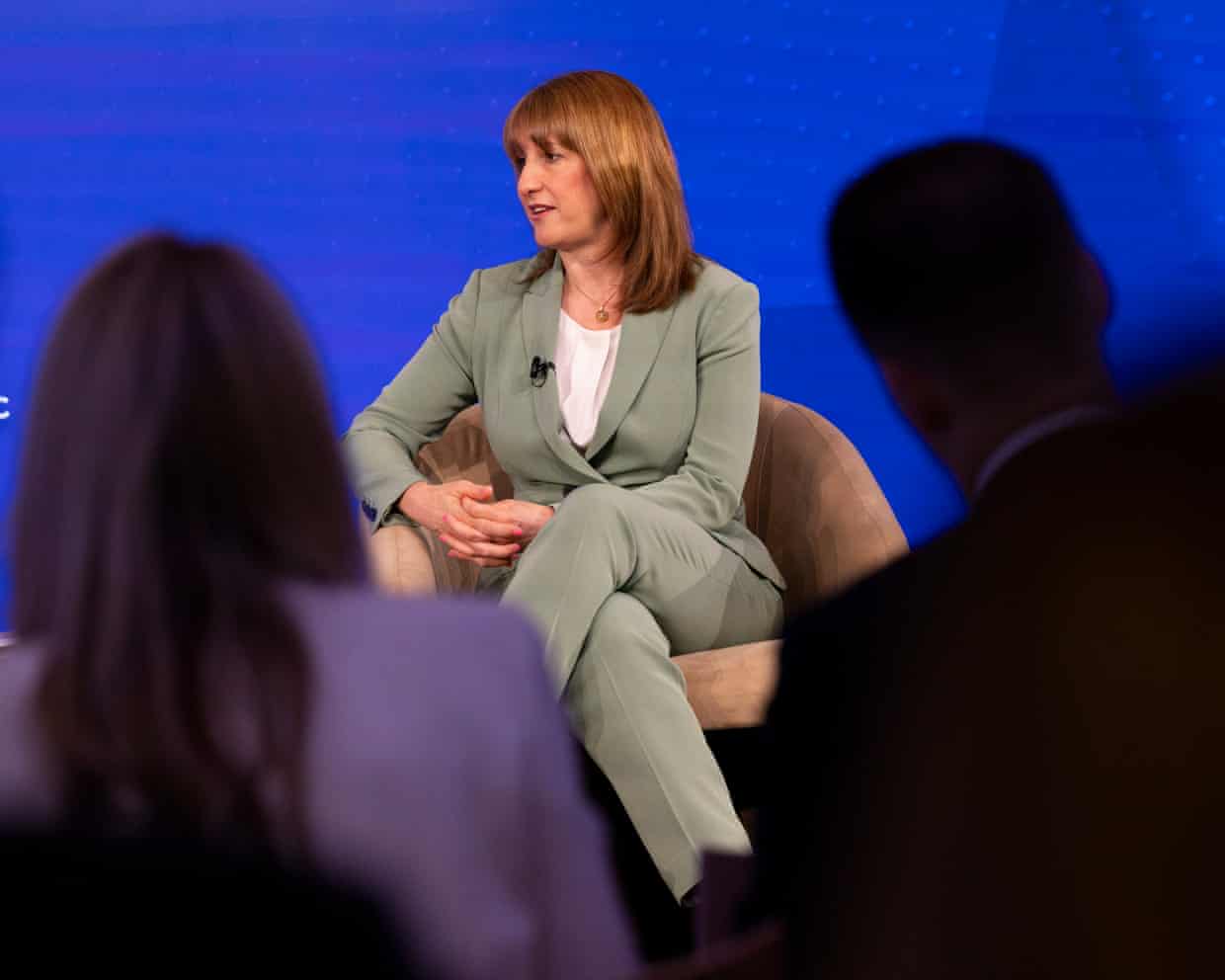
Reeves tells Americans Trump’s Iran war is a ‘mistake’
Rachel Reeves has stepped up her criticism of Donald Trump’s war on Iran, describing it as a “mistake” that has destabilised the global economy and damaged living standards around the world.In a marked fraying of the transatlantic relationship, the British chancellor said Trump breaking off from diplomatic talks with Iran and launching airstrikes seemed to have left the president in a worse place than he started.“I think it was a mistake to end those [talks with Iran] and to enter into conflict, because I’m not convinced that we are safer today than we were a few weeks ago,” she told an event in Washington.Taking aim at the White House on the president’s home turf, the chancellor’s comments added to blunt criticism of him she made just before flying out on Tuesday, when she expressed frustration at the “folly” of his decision to go to war without a clear exit plan.Speaking as she prepared to meet global finance ministers at this week’s spring meetings of the International Monetary Fund (IMF), Reeves said the war had hit living standards in the UK and the US
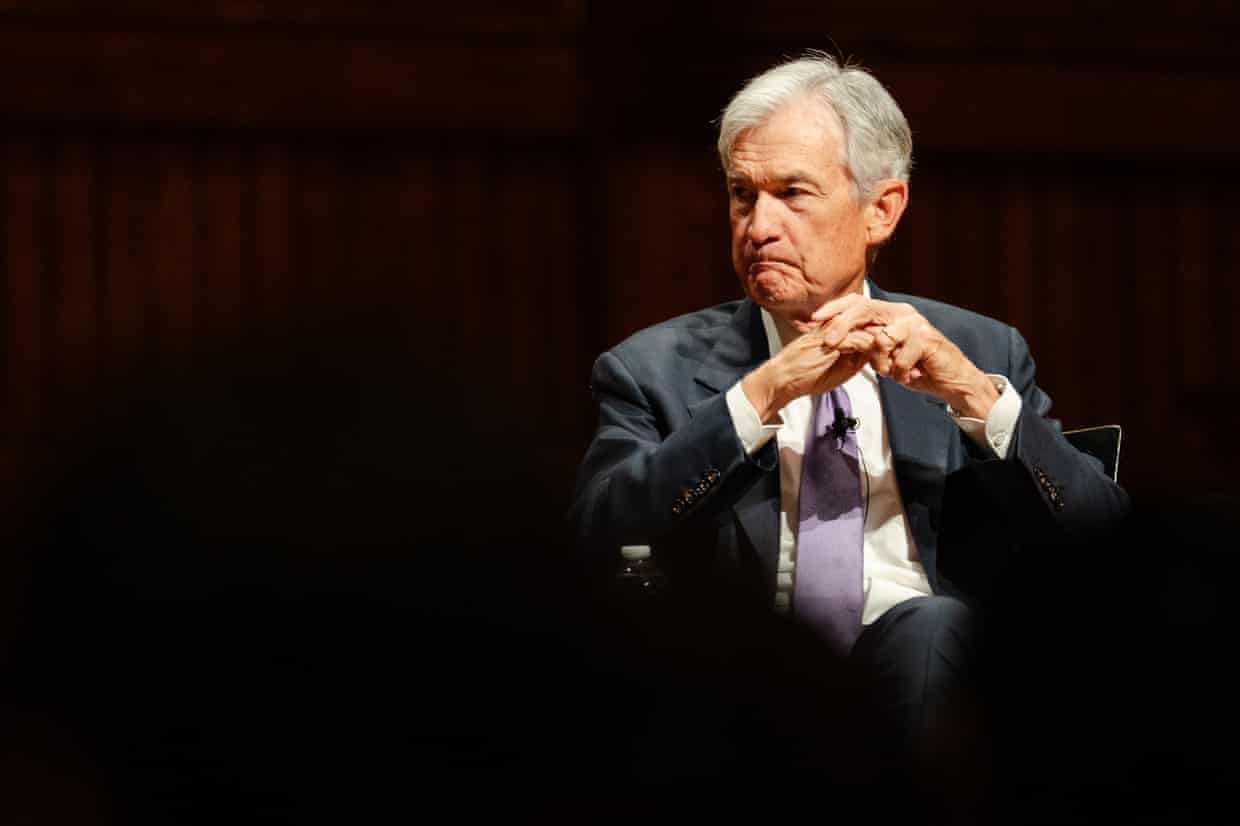
Trump threatens to fire Fed chair Jerome Powell amid pressure campaign

Norwegian group in talks to buy former Liberty Steel works in South Yorkshire
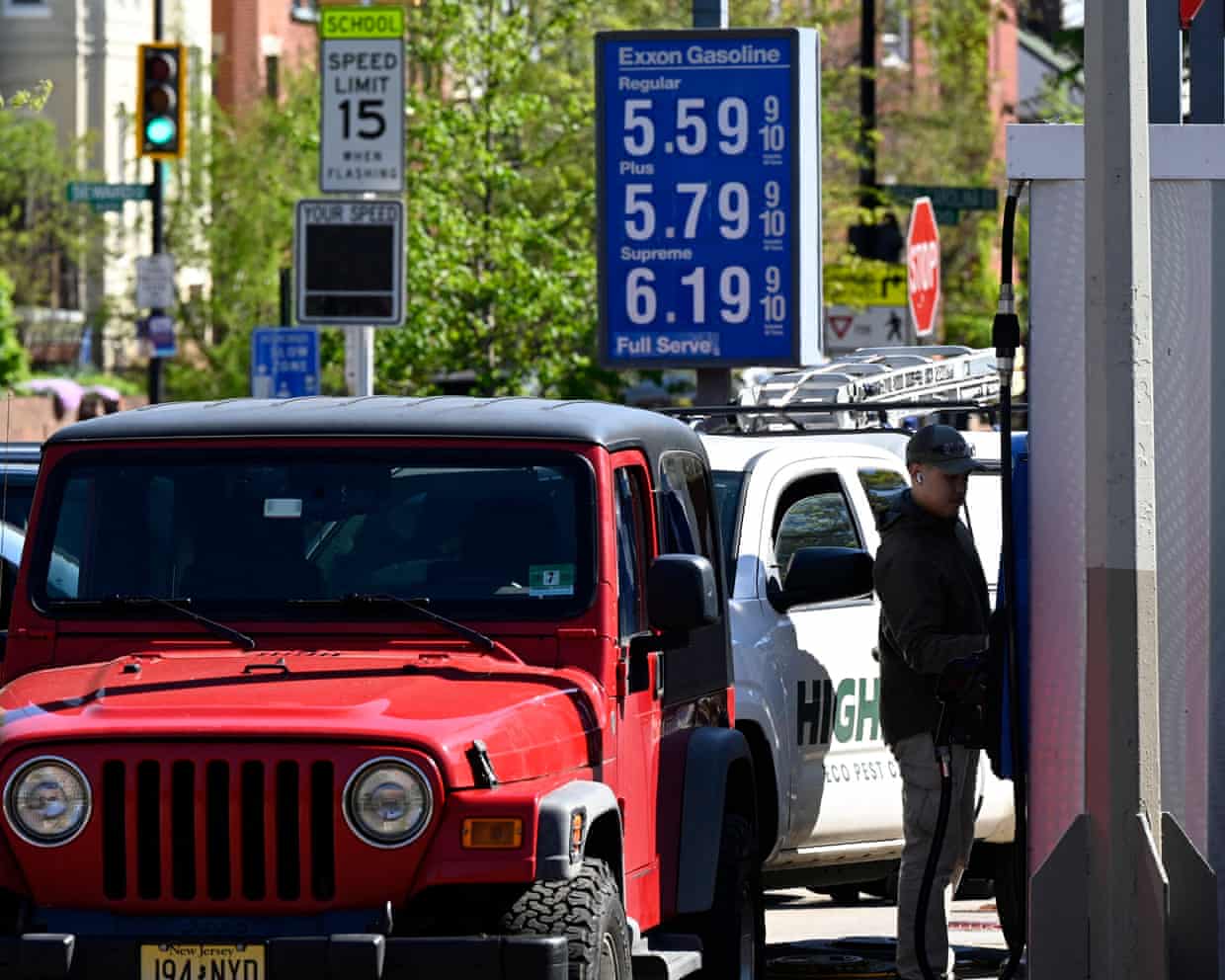
$30m an hour: big oil reaping huge war windfall from consumers, analysis finds
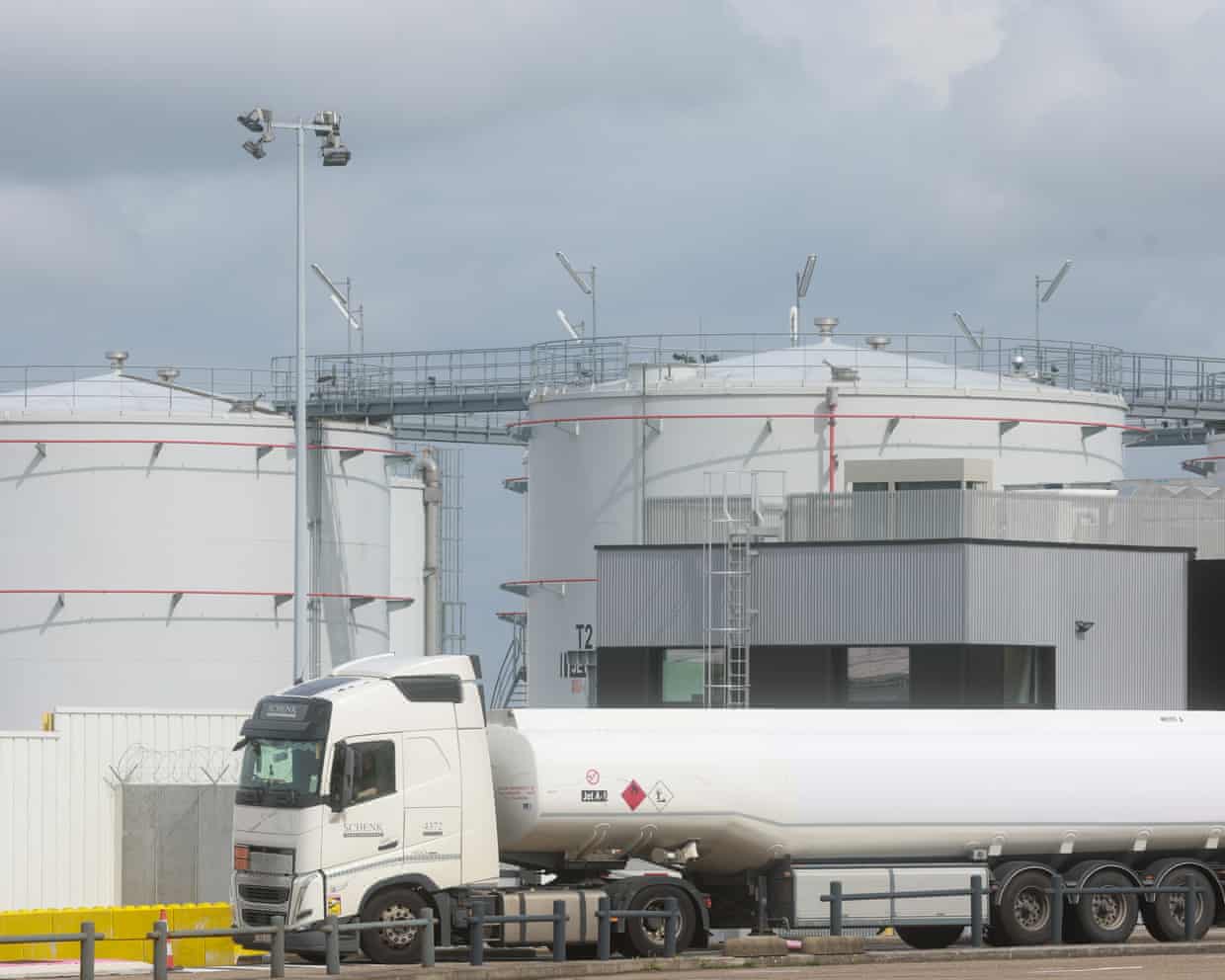
IMF chief Georgieva warns ‘everyone will feel the impact’ of energy price shock, as UK growth beats forecasts – as it happened

Europe has only six weeks’ supply of jet fuel left owing to Iran war, says energy chief
Metro Bank boss handed record £2.6m a year after slashing 1,000 jobs