Churchill’s desk and rare artwork among items donated to UK cultural institutions
Winston Churchill and Benjamin Disraeli’s desk, a painting by Vanessa Bell and a rare artwork by Edgar Degas are among the items of cultural importance saved for the nation this year.The items, worth a total of £59.7m, will be allocated to museums, galleries, libraries and archives around the UK as part of Art Council England’s cultural gifts and acceptance in lieu schemes.Some items were accepted for their outstanding rarity, cultural value or technical skills, while others offer insights into the UK’s history through some of the nation’s most renowned public figures.The Regency mahogany standing desk used by Churchill and Disraeli during their times as prime minister has been allocated to the National Trust’s Hughenden Manor, Disraeli’s former country house.
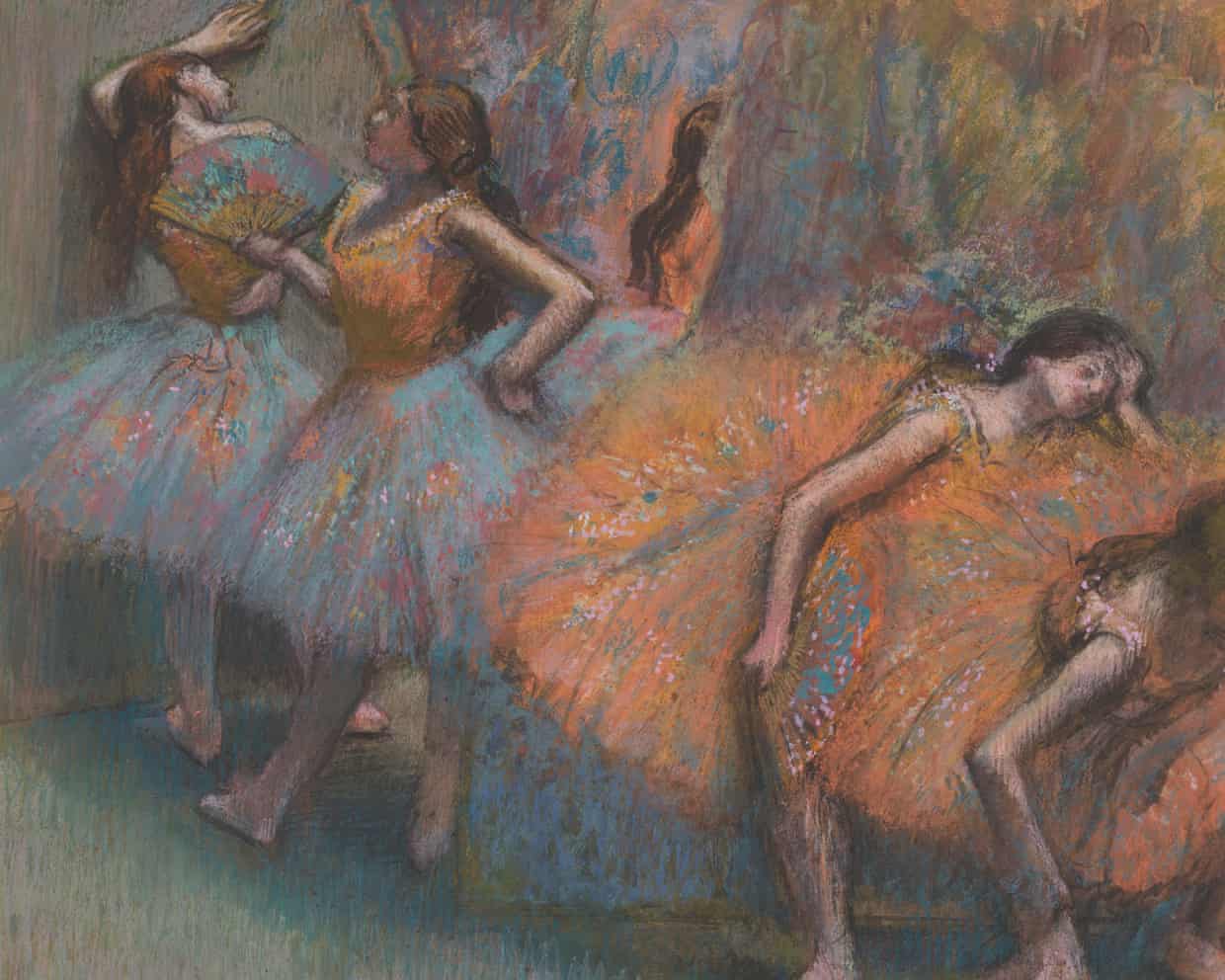
Churchill is thought to have used the desk when working on wartime speeches, and it is visible in photographs from 1943 of Churchill’s bedroom in the Downing Street annexe,The still life painting by Bell – sister of the writer Virginia Woolf – is called Vase, Flowers and Bowl, and has been allocated to the Charleston Trust for display at Charleston House, Firle,The painting marks a mid-point between Bell’s earlier abstract works and her later more realistic style,Danseuses roses, a vivid pastel by Degas that shows four young dancers at rest, has been allocated to the National Gallery in London,The work is said to reflect Degas’s interest in recording the intimate lives of working-class women – milliners, laundresses and especially dancers.
The cultural gifts scheme (CGS) enables UK taxpayers to donate important cultural objects to the nation in return for a percentage reduction in tax based on the value of the item donated,This year, the scheme also included a collection of the photographer and photojournalist Bill Brandt’s work, which has been allocated to the Tate,Brandt was one of many emigrants from Nazi Germany to Britain, and the collection includes some of the annotated prints used by Brandt for his publications,The acceptance in lieu scheme (AIL) allows those who have an inheritance tax bill to pay it by transferring important cultural, scientific or historic objects to the nation,The scheme was created in Lloyd George’s people’s budget of 1910.
Other highlights in the scheme this year include the political archive of Lord Geoffrey Howe, one of the leading political figures in the decades after the second world war, who served as chancellor, foreign secretary, deputy prime minister and leader of the House of Commons during Margaret Thatcher’s time in office.The archive has been transferred to the Bodleian Library, University of Oxford.There are also deeds related to the four knights of King Henry II who murdered Thomas Becket, the archbishop of Canterbury.The four documents provide an intimate insight into the fates of three of the four assailants who were behind one of the most notorious events in medieval history.They have been transferred to the South West Heritage Trust, Taunton.
Meanwhile, a portrait by Pompeo Batoni, one of the most sought-after portraitists in 18th-century Rome, has been transferred to the Laing Art Gallery in Newcastle.The portrait of Martha Swinburne will be reunited with that of her husband, Henry, at the gallery.Nicholas Serota, the chair of Arts Council England, said the schemes were “vital routes” to securing unique objects for generations of visitors to enjoy.“The diverse items outlined in this report will allow more communities to enjoy and better understand our shared cultural heritage.”Michael Clarke, the chair of the acceptance in lieu panel, said it was the most prolific year for the scheme since 2020.
“From the furnishings that stood in the halls of power during moments of great national peril, to the touching personal story of Martha Swinburne’s portrait being reunited with her husband’s in the Laing Gallery, Newcastle, every AIL and CGS allocation is unique and contributes something new to our public collections and their audiences,” he said.
Sadiq Khan to urge ministers to act over ‘colossal’ impact of AI on London jobs
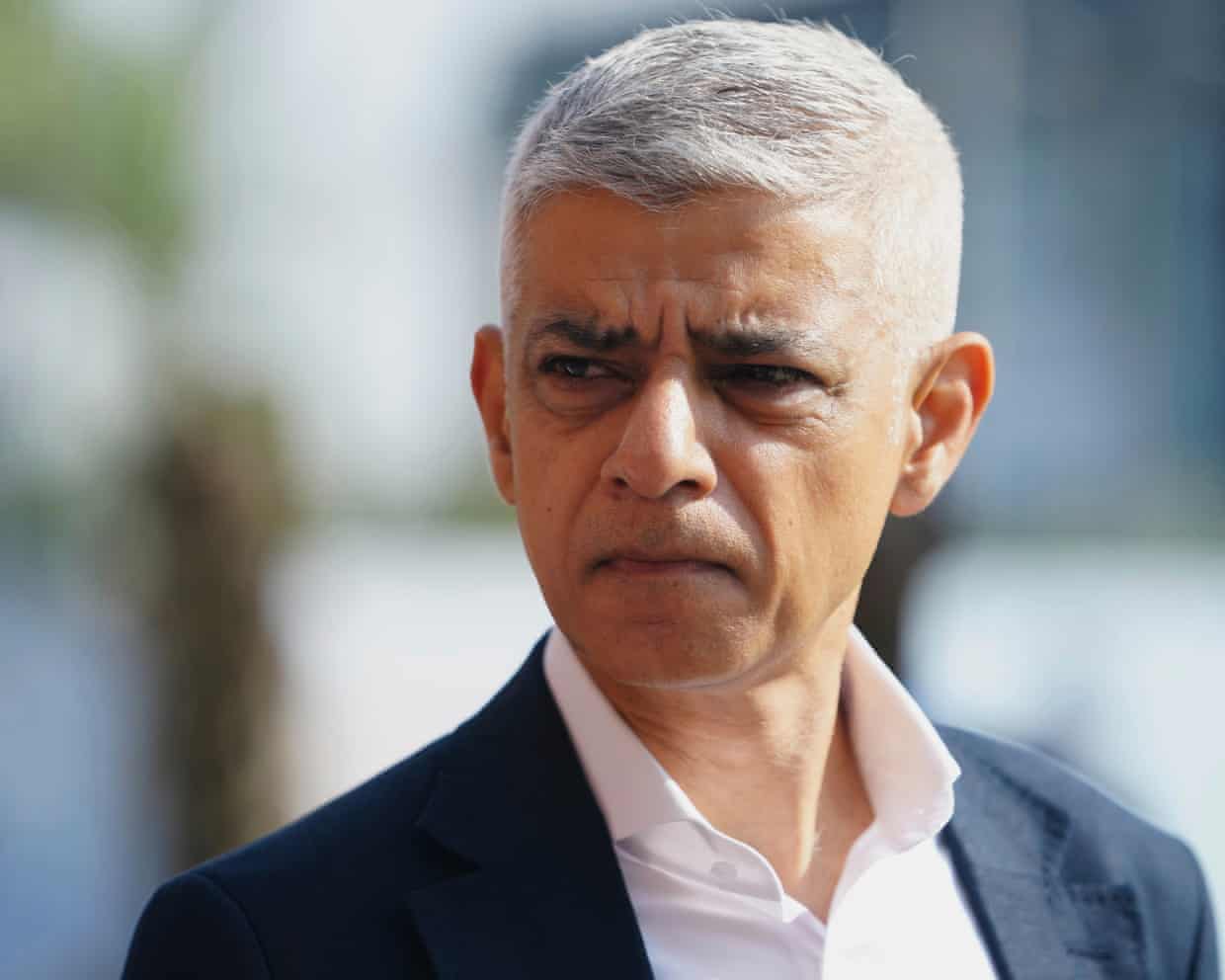
Sadiq Khan is to warn in a major speech that artificial intelligence could destroy swathes of jobs in London and “usher in a new era of mass unemployment” unless ministers act now.In his annual Mansion House speech, the London mayor will say the capital is “at the sharpest edge of change” because of its reliance on white-collar workers in the finance and creative industries, and professional services such as law, accounting, consulting and marketing.Khan will argue that “we have a moral, social and economic duty to act” to ensure that new jobs are created to replace those that will disappear, with entry-level and junior jobs the first to go.In the speech on Thursday night, the mayor plans to highlight research that suggests 70% of skills in the average job will have changed by 2030.However, he also sees huge potential benefits from AI for public services and productivity across the economy, arguing “AI could enable us to transform our public services, turbocharge productivity and tackle some of our most complex challenges”

The U-turns keep coming – but Starmer’s allies insist they’re his best hope of revival
Before the 2015 UK election, the Australian political expert Lynton Crosby devised a strategy for the Tories that became known as “scraping the barnacles off the boat” – shedding unpopular policies that hindered the party’s electoral appeal.Instead, the party focused on core issues it believed would help win over floating voters: the economy, welfare, the strength of David Cameron (and weakness of Ed Miliband) and immigration. Everything else was deprioritised and the Conservatives stuck to their messages rigidly. It worked.Keir Starmer now appears to be doing the same, talking relentlessly about cost of living in cabinet meetings, with Labour MPs and in the media, despite international events from Venezuela to Iran regularly pulling him in
Labour MPs could rebel over Hillsborough law after talks with families break down
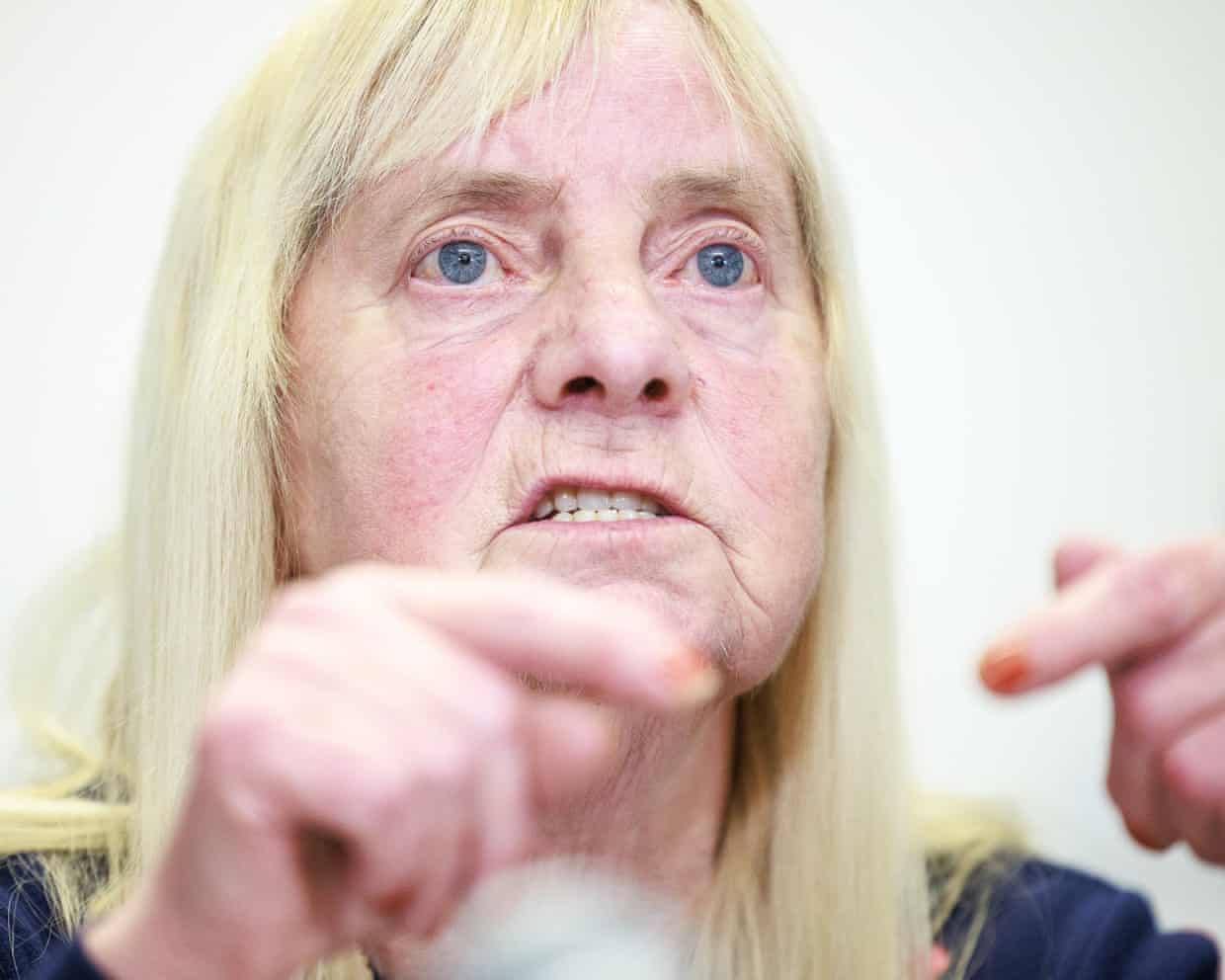
Keir Starmer is facing the prospect of Labour MPs rebelling on his manifesto-promised Hillsborough law after talks broke down with families over how the duty of candour would apply to serving intelligence officers.Starmer was introduced at last year’s Labour conference by Margaret Aspinall, whose son James, 18, was one of the 97 people killed in the 1989 Hillsborough disaster. She praised him for pushing forward with the bill after months of arguments over its future.But on Wednesday Aspinall, along with other people whose relatives died at Hillsborough and in the 2017 Manchester Arena bombing, emerged from a meeting with Starmer saying they were disappointed with the government’s position.The bill will enforce a duty of candour on public officials and contractors to tell the truth in their work and to positively assist inquiries and investigations after disasters
Keir Starmer denies change to digital ID plan is yet another U-turn
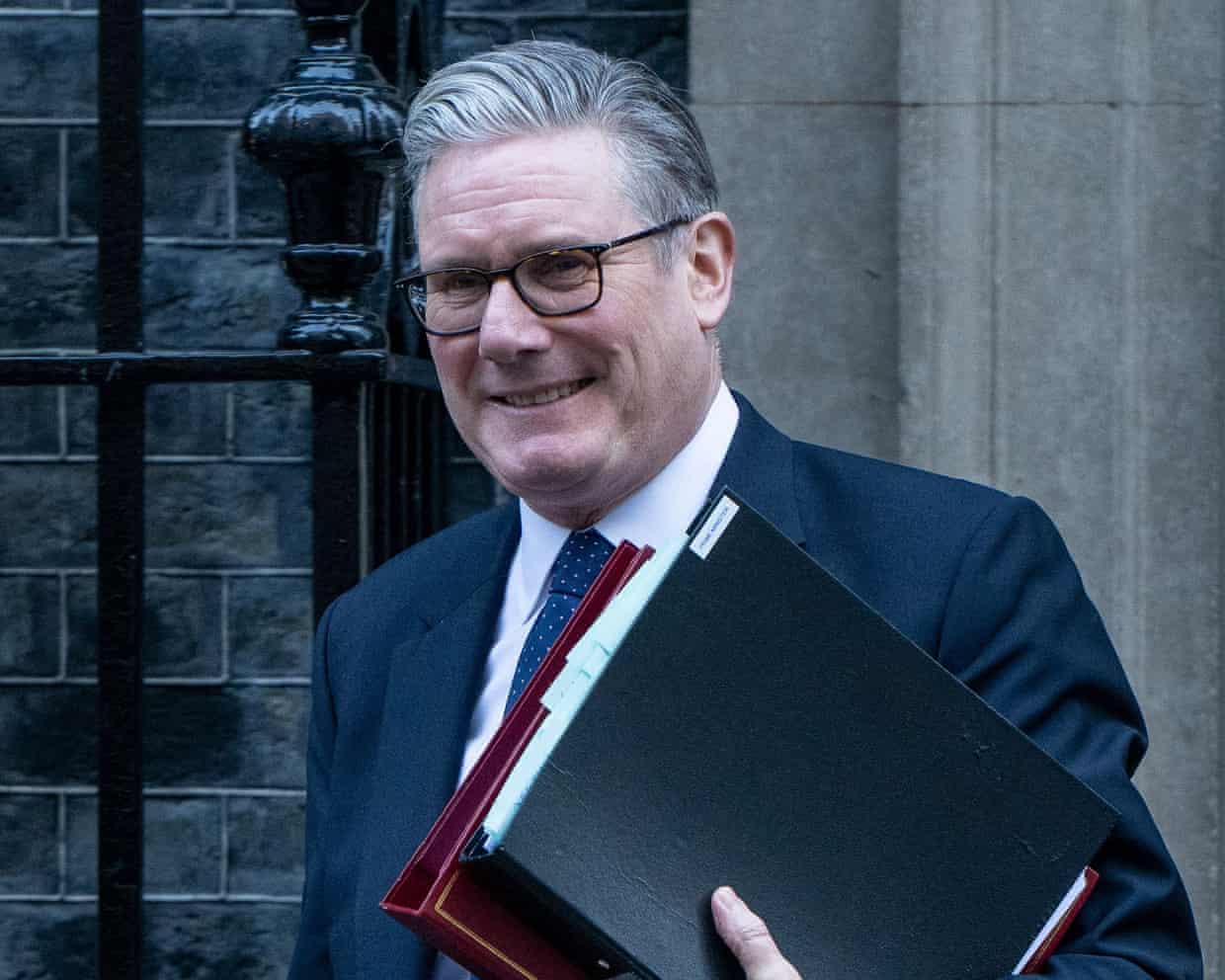
Keir Starmer has rejected the claim that his change of plan over digital IDs represents another U-turn, as the prime minister faced accusations from the Conservatives that his government had “no sense of direction”.Late on Tuesday it emerged that a key plank of the controversial plan for digital IDs was being rolled back, with a proposal to make the document mandatory for people to show their right to work being dropped, with other forms of identification being allowed instead, for example a passport with a digital chip or e-visa.While Downing Street portrayed the change as a technical tweak, it removes the only compulsory element of the plan, significantly watering down the impact of the digital ID scheme.It follows a series of other recent policy changes, including on changes to inheritance tax for farms, and the way business rates are charged for pubs.But in a broadcast interview on Wednesday, Starmer said the key point of the checks – that people would need to show a digital form of ID – “is still there”
UK politics: West Midlands crime commissioner resists calls for immediate sacking of chief constable – as it happened
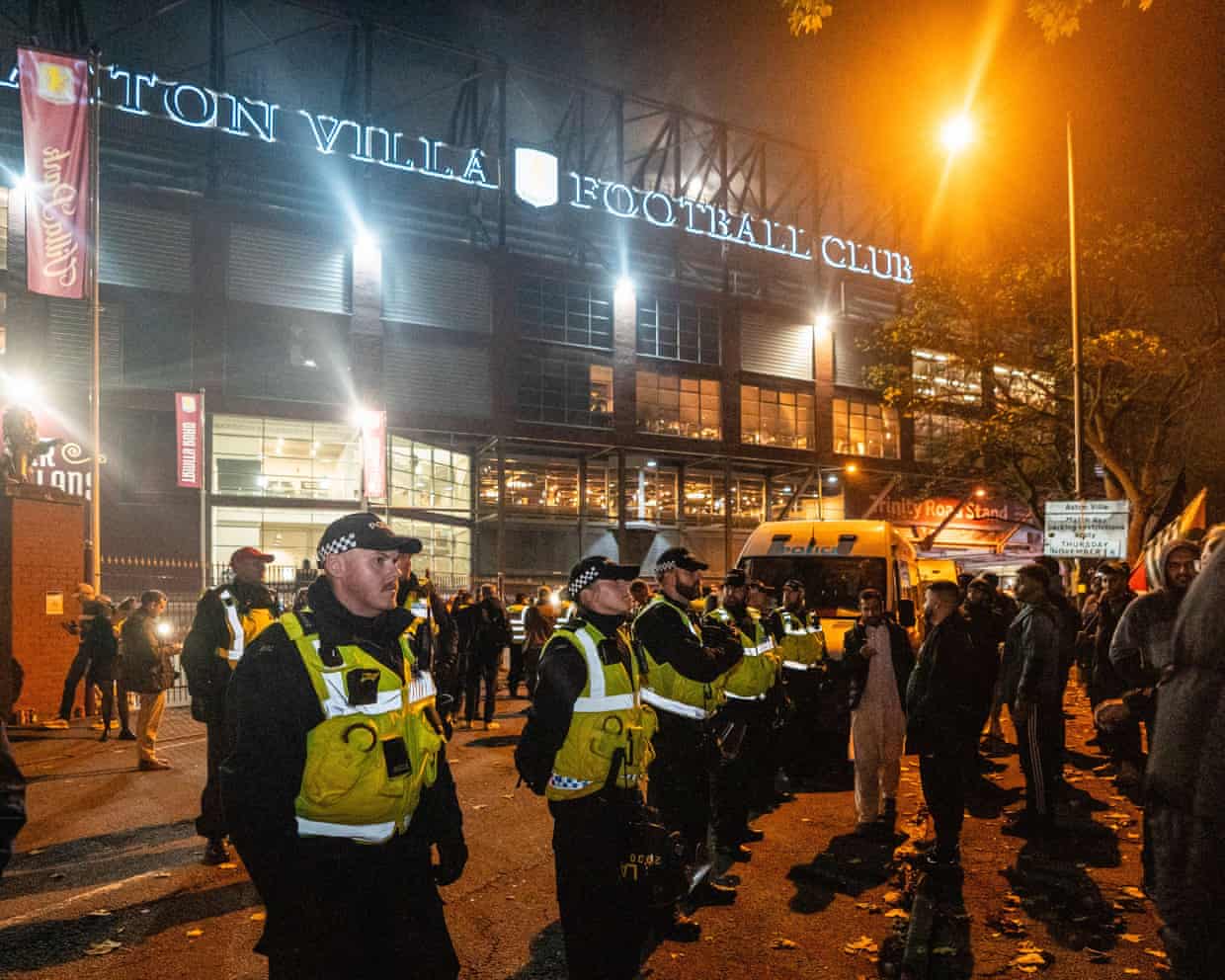
Simon Foster, the Labour West Midlands police and crime commissioner (PCC), has indicated that he will not sack Craig Guildford, the chief constable, on the basis of the report out today.In a statement, Foster says that he understands, and shares, the concerns expressed by many people about the force’s handling of the Maccabi Tel Aviv fan ban. But he also signals that it would be wrong to rush to judgment.He says he did not get the Andy Cooke report in advance, and that he wants to give it “careful and detailed consideration”.He also points out that Cooke is due to publish a further, final report on West Midlands police, and that in his letter (or preliminary report) published today he says his views may “develop or change” as more information comes in

Onwards and sideways for Keir after another U-turn leaves him going nowhere | John Crace
Not another one. On Tuesday evening, the government announced that it wasn’t going to make digital ID cards mandatory after all. Just months after Keir Starmer had made digital ID cards the cornerstone of his plans to stop migrants working illegally.It’s getting hard to keep up. At Christmas, we had the U-turn on inheritance tax on farms

UK economy grew by better-than-expected 0.3% in November despite budget uncertainty
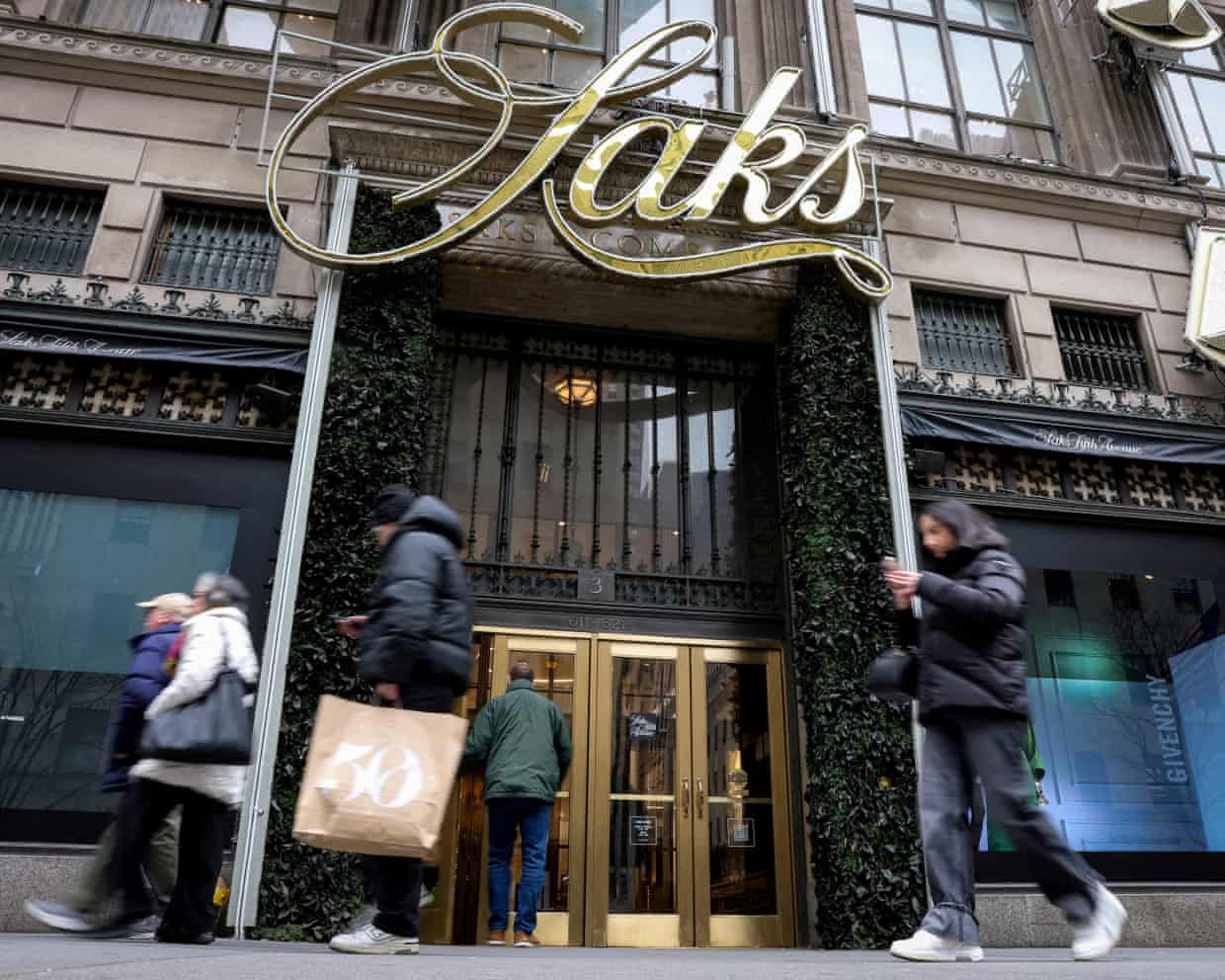
‘The consumers are still out there’: why a bankruptcy for Saks Global may not spell the end

UK housebuilder Taylor Wimpey warns of ‘muted’ demand

The crisis whisperer: how Adam Tooze makes sense of our bewildering age

UK borrowing costs drop to lowest level in more than a year

South East Water could lose operating licence after outages in Kent and Sussex