‘I wanted that Raiders of the Lost Ark excitement – you could die any minute’: how we made hit video game Prince of Persia
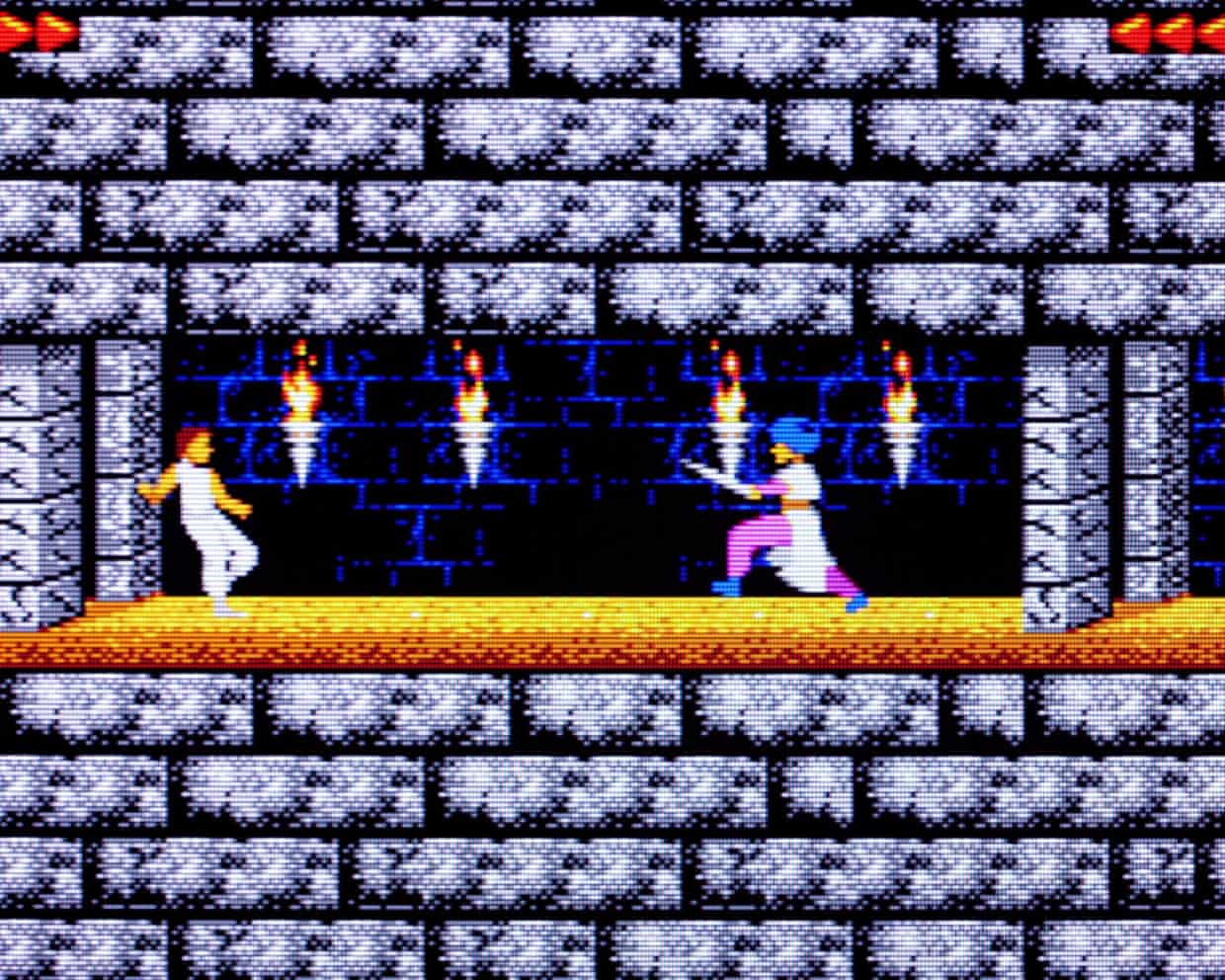
Programming was very open back in the 1980s.You had to teach yourself, either from magazines, or by swapping tips.When you wrote a video game, you submitted it on a floppy disk to a publisher, like a book manuscript.In my freshman year at Yale university, I sent Deathbounce, an Asteroids-esque game for the Apple II computer, to Broderbund, my favourite games company.They rejected it, but took my next effort, Karateka, a side-scrolling beat-’em-up.
I wanted to do a platform game next, inspired by 1984’s The Castles of Dr Creep, where you could throw switches that opened doors and closed traps,I thought it would be cool to combine those puzzle elements with the same kind of fluid rotoscoped animation as Karateka, which was unusually realistic for the time,The opening scene of Raiders of the Lost Ark was also a big inspiration; I wanted the same excitement, like you could die at any moment,I devised a story about a princess locked in a tower by an evil vizier – and you have one hour to save her,It came from an unconscious place: the game describes the hero as an adventurer from a foreign land, but I realised later I was echoing my family’s history as Jewish refugees.
I started in October 1985, videotaping my brother David in the parking lot of our old high school, running, jumping, climbing: all the movements needed.But there was no animation software in those days, so I had to digitise everything manually.First, I photographed still frames of the videotape, got the films developed, then retouched the images in two-tone black and white – the only colours the digitiser could pick up.It took months.I moved to San Francisco a year later, to work in Broderbund’s offices.
It was exciting being surrounded by real programmers, like Will Wright, who later made Sim City,I thought being there would make me more efficient – but finishing Prince of Persia ended up taking four years,After the character animation, I built the levels,But just avoiding traps wasn’t that much fun,My girlfriend at the time, Tomi Pierce, who was programming in the same office space, kept saying: it needs combat.
But my animation was so fluid I had maxed out the Apple II’s 48K memory, which is less than the average email today.Out of desperation, I used a technique called byte-shifting to produce, without using any more memory, a polarised “dark” version of the prince: the Shadowman.After the player creates him by jumping into a mirror, he runs around stealing your potions and closing gates in your face.It was the opponent the game needed.So I reprogrammed everything to free up enough memory for the sword-fighting animations and some extra guards.
I rotoscoped the combat moves from a six-second sequence in the 1938 film The Adventures of Robin Hood when you can see Errol Flynn and Basil Rathbone in profile,The Apple II was dying as a platform by the time the game came out in 1989,But after it did well on other platforms in Europe and Japan it was rereleased on PC in the US and sales picked up,You wouldn’t get that second chance today,I was relieved, vindicated, happy.
It created an action-adventure template for platform games that influenced the later 3D wave: Tomb Raider and Uncharted are its direct descendants.I helped adapt our own 3D follow-up Prince of Persia: The Sands of Time, into the 2010 movie with Jake Gyllenhaal.Just prior, I had spent all my savings on developing another game, The Last Express, an artistic folly that flopped commercially.So Prince of Persia ended up rescuing me too.Jordan was one of five or six independent developers working in our attic space.
The problem for a lot of programmers is that they get 90% done, and don’t have the stamina to finish the last 10% – which is boring.Jordan’s finish quality was always superb; he’s a very detail-oriented guy.He would disappear for months at a time, though – I didn’t know it then, but he wanted a career in Hollywood.The time away was probably good for the game.I liked it a lot more than Karateka: the gameplay and the story were much stronger.
It had an intangible quality: you kept thinking about it when you weren’t playing it,It was one of those times when everyone in the company knew they had a hit on their hands,Because it defined its own genre, its reputation needed to grow before it took off,Eventually, it went platinum and sold over 2m copies, which was a pretty big deal then,It was an outlier in the video games industry at the time in its use of animation, which was traditionally a Hollywood talent.
The tools that were relevant to one industry were becoming relevant to the other, similar to how Pixar started out creating graphics software for Lucasfilm.It was a harbinger of film and technology getting closer.Jordan Mechner’s graphic novel Replay is out now
Pub chain shares rise on reports of government U-turn over business rates – as it happened
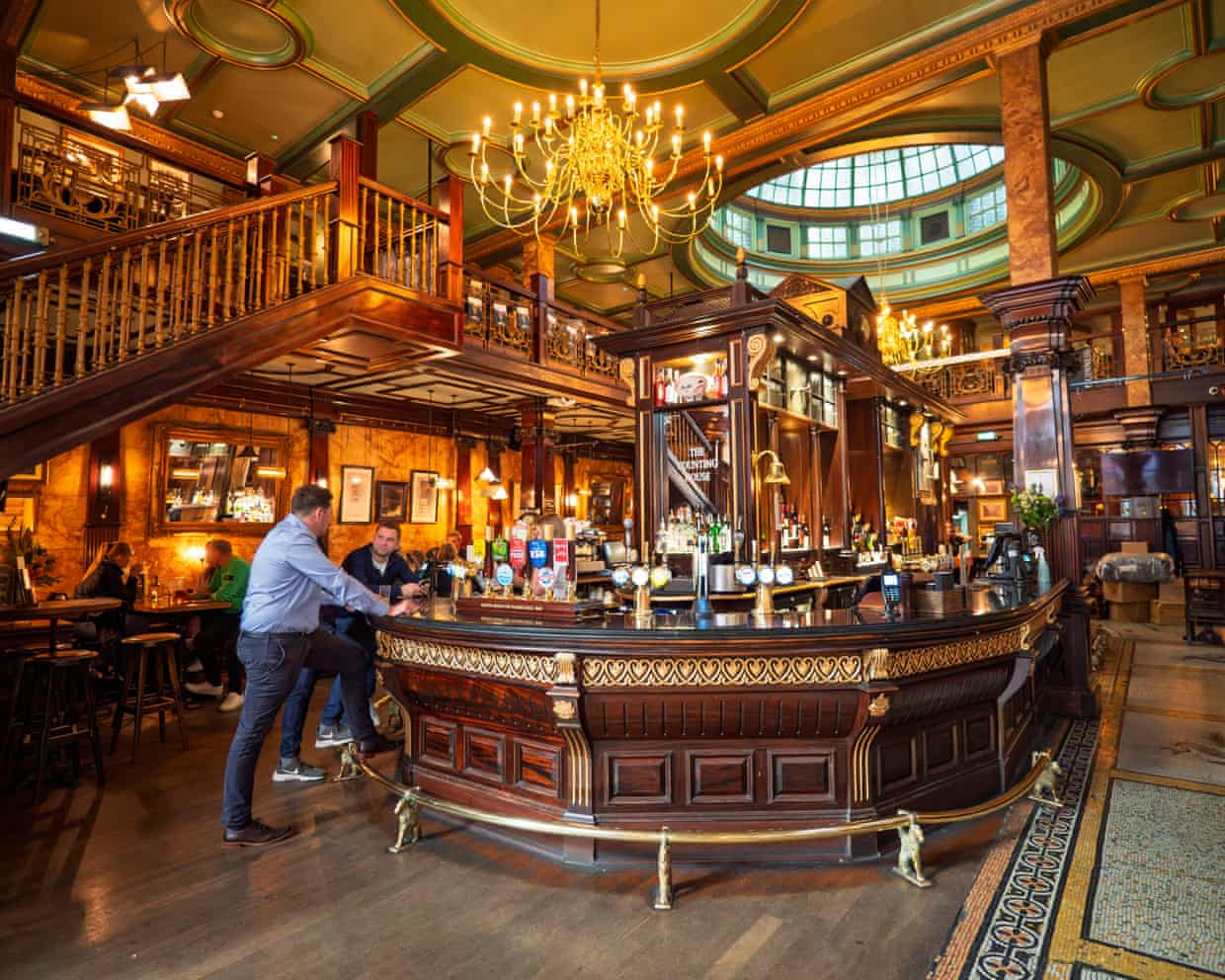
Shares in UK pub and hospitality companies have jumped this morning, as the government prepares to announce a climbdown on forthcoming increases to their business rates.Mitchells and Butlers, whose pub brands include All Bar One, Harvester, O’Neills, and Toby Carvery, are up 2.5%, one of the top risers in the FTSE 250 share index today.Rival Marsons, which has more than 1,300 pubs, bars and inns across the country, are up 2%, while JD Wetherspoons have gained 1.2%
Tesco aiming for bumper 2026 after best Christmas market share in decade
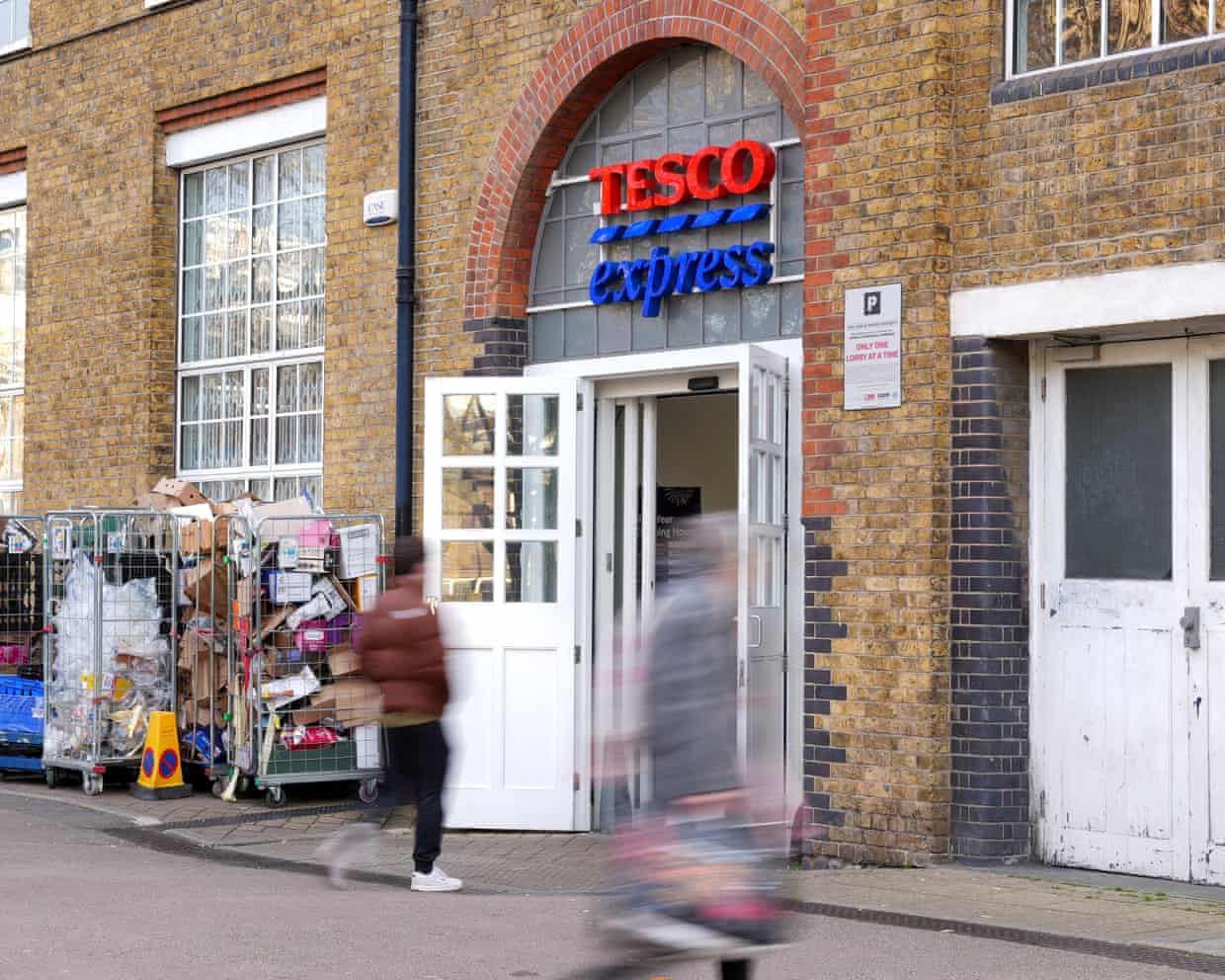
Tesco is aiming to grab an even bigger slice of the grocery market this year after winning its best share in more than a decade over Christmas with strong sales of fresh food and its Finest own-label range.The supermarket, which has an almost 29% market share, according to Worldpanel by Numerator, said it had taken the most trade from Asda, the UK’s third-largest supermarket chain that has been struggling to turn around falling sales.However, shares in Tesco dropped by more than 6% on Thursday as analysts said its third-quarter sales performance was behind expectations in all markets including the UK, Ireland, central Europe and at its Booker wholesale chain.Sales in the UK rose 3.2% in the six weeks to 3 January against hopes of 3
CMA begins full review of Kingsmill owner’s planned takeover of bread rival Hovis
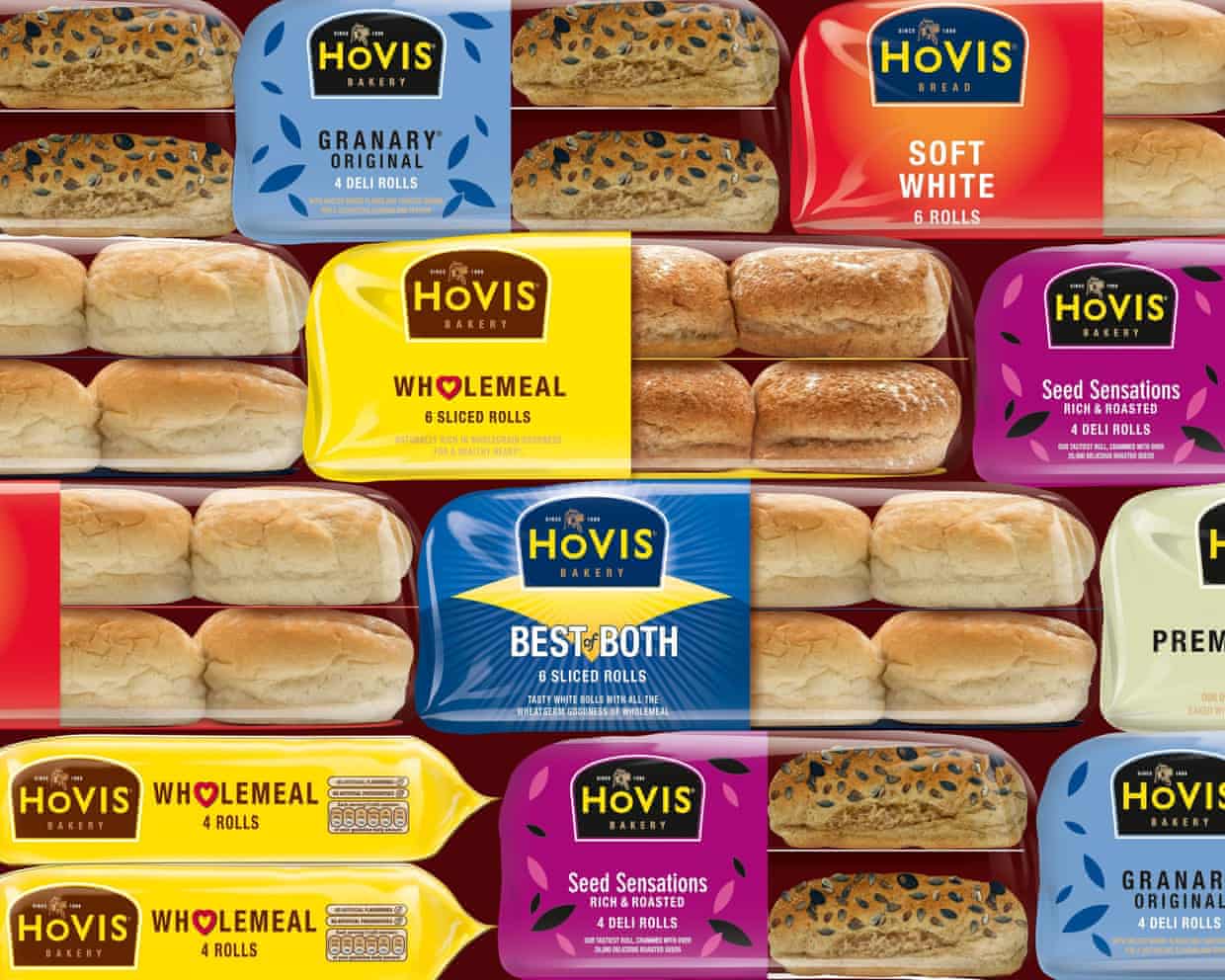
The UK competition watchdog has ramped up its investigation into a £75m takeover deal that will result in the owner of Kingsmill snapping up its sliced bread rival Hovis.Associated British Foods (ABF), which also owns the Primark clothing chain, confirmed plans to buy Hovis from its private equity owners Endless in August, combining the UK’s second and third largest bread brands.The Competition and Markets Authority (CMA) has now launched an in-depth investigation into whether the deal could harm consumers, potentially leading to reduced choice and higher prices on grocery shelves. It follows a request by the two companies to fast-track the review of the merger.ABF said in a statement: “Our priority is to achieve regulatory clearance as efficiently as possible and we are pleased to have agreed with the CMA that we will fast-track to the in-depth and detailed final phase of their merger review
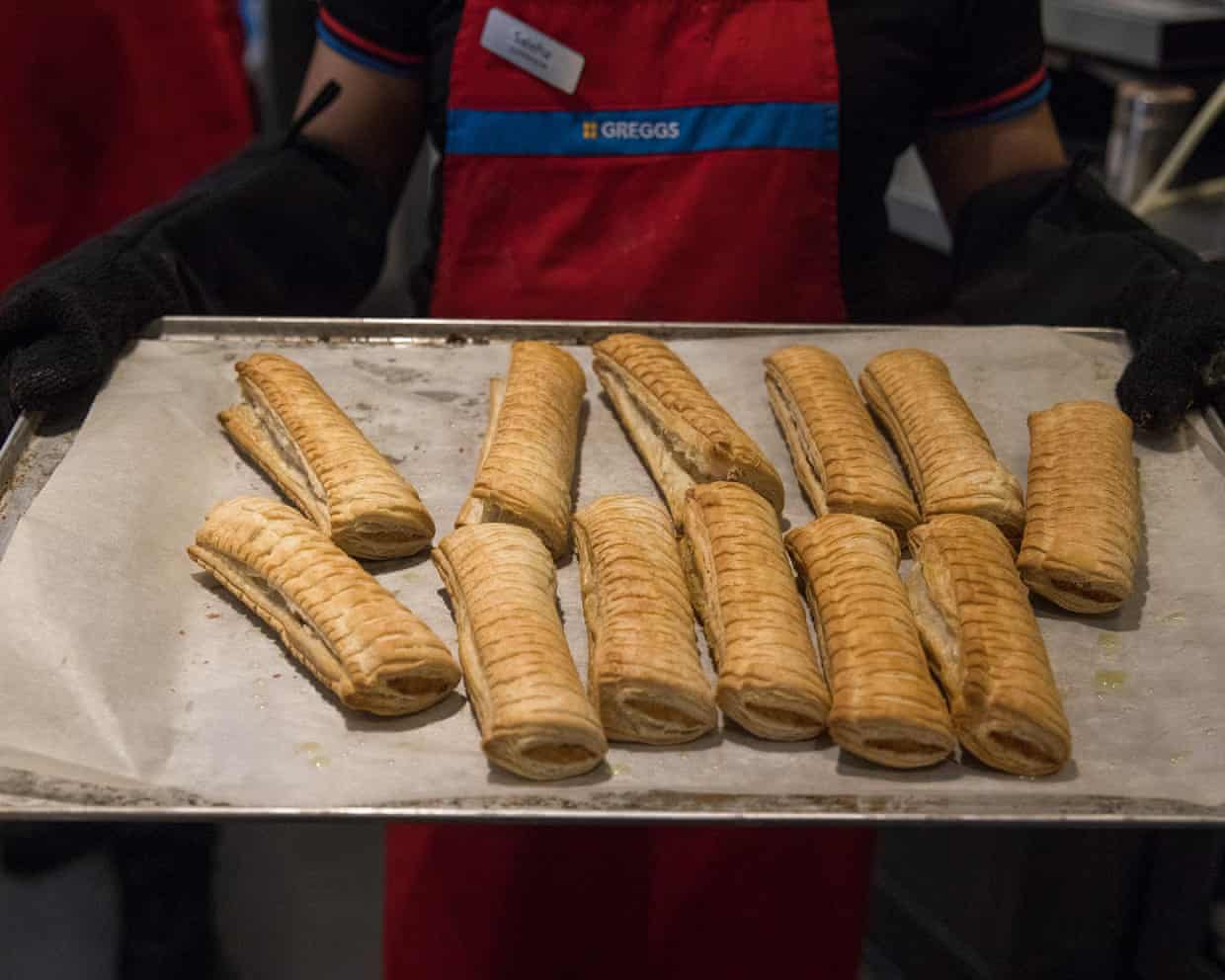
Greggs puts up price of sausage roll by 5p to £1.35 amid rising costs
Greggs has added 5p to the price of a sausage roll and 10p to a latte coffee as it leans on some of its bestsellers to soak up rising wage, energy and packaging costs.The UK’s largest bakery chain said it had no plans for further price increases at present and it expected inflation to ease this year as it admitted it had sold fewer items in the run-up to Christmas amid a “very tough, challenging market”.The “targeted” rises mean a sausage roll now costs £1.35 in most shops, up from £1.30 a year ago, while a latte will now cost £2
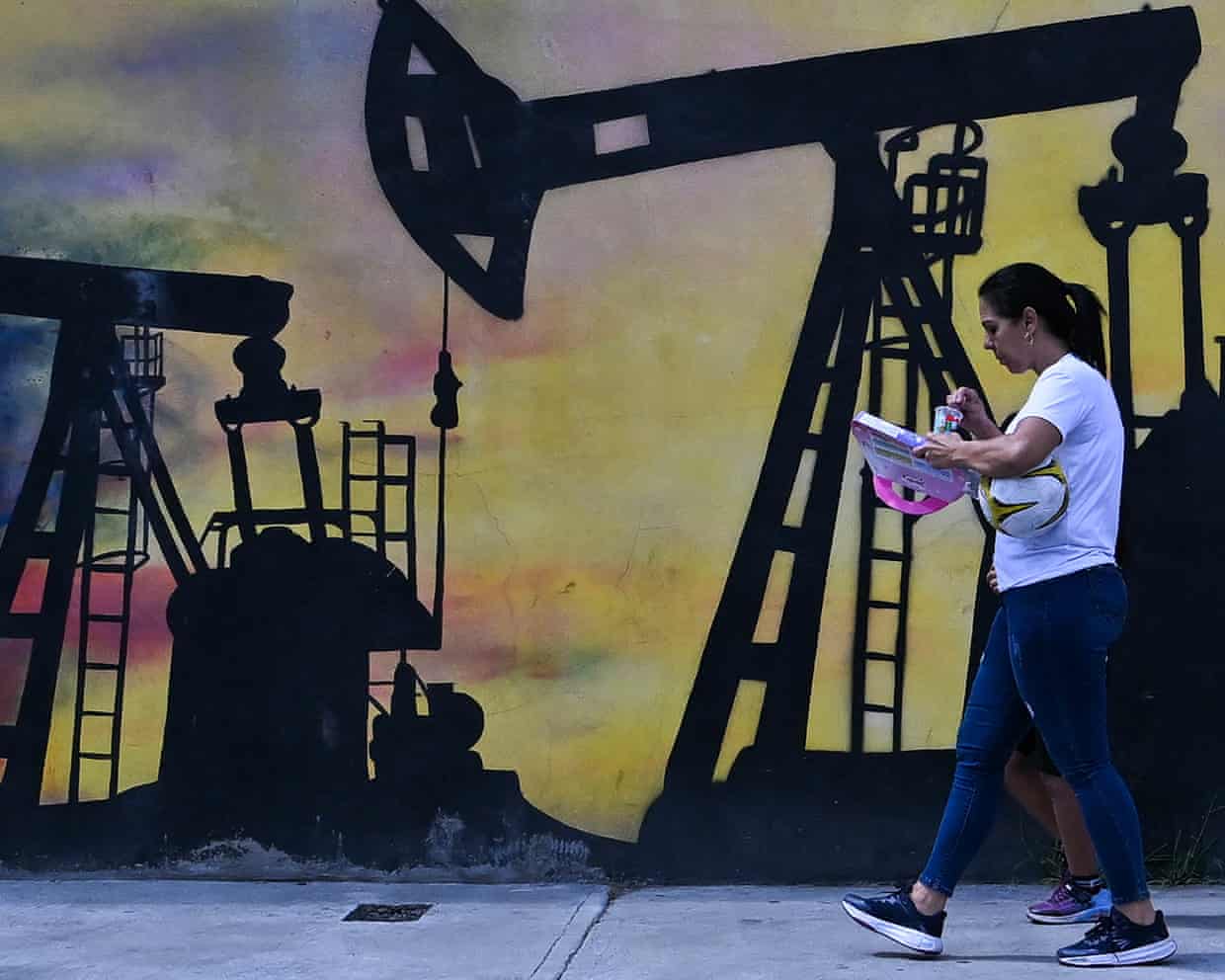
Trump plans to use Venezuela’s huge crude reserves ‘to cut US oil price to $50 a barrel’
Donald Trump plans to use Venezuela’s vast crude reserves to establish control of most of the western hemisphere’s oil in an attempt to drive the market price down to about $50 (£37) a barrel, according to reports.The US president has repeatedly raised the prospect of producing enough crude from Venezuela’s oilfields to drive down the US oil price from more than $56 a barrel today to about $50 in an effort to cut energy costs for consumers, according to the Wall Street Journal, which cited senior Trump administration officials.Global oil markets have already recorded significant losses in recent years due to an oversupply of crude. Prices slumped by almost 20% in 2025, marking the biggest annual loss since the Covid-19 pandemic and the first time the oil market has recorded three consecutive years of annual losses.As well as driving market prices lower, officials reportedly claimed Trump’s plans to control Venezuela’s oil reserves, which are the largest in the world, include cutting Russia and China’s access to the South American country in order to establish a western hemisphere oil production stronghold

Tunbridge Wells residents without water again as supplier blames cold weather
Residents of Tunbridge Wells have been left without water again, just a month after a major outage.South East Water said 6,500 households have no water at all, while thousands more have “intermittent supplies”.It blamed the cold weather for the disruption, which caused a “series of burst water mains”. The company had previously been found to be spending more paying dividends and servicing its debt pile over two years than investing in infrastructure.On Thursday night, South East Water said: “Reservoir levels have fallen this evening to the point where our boosters, which push water to the higher ground, are unable to operate
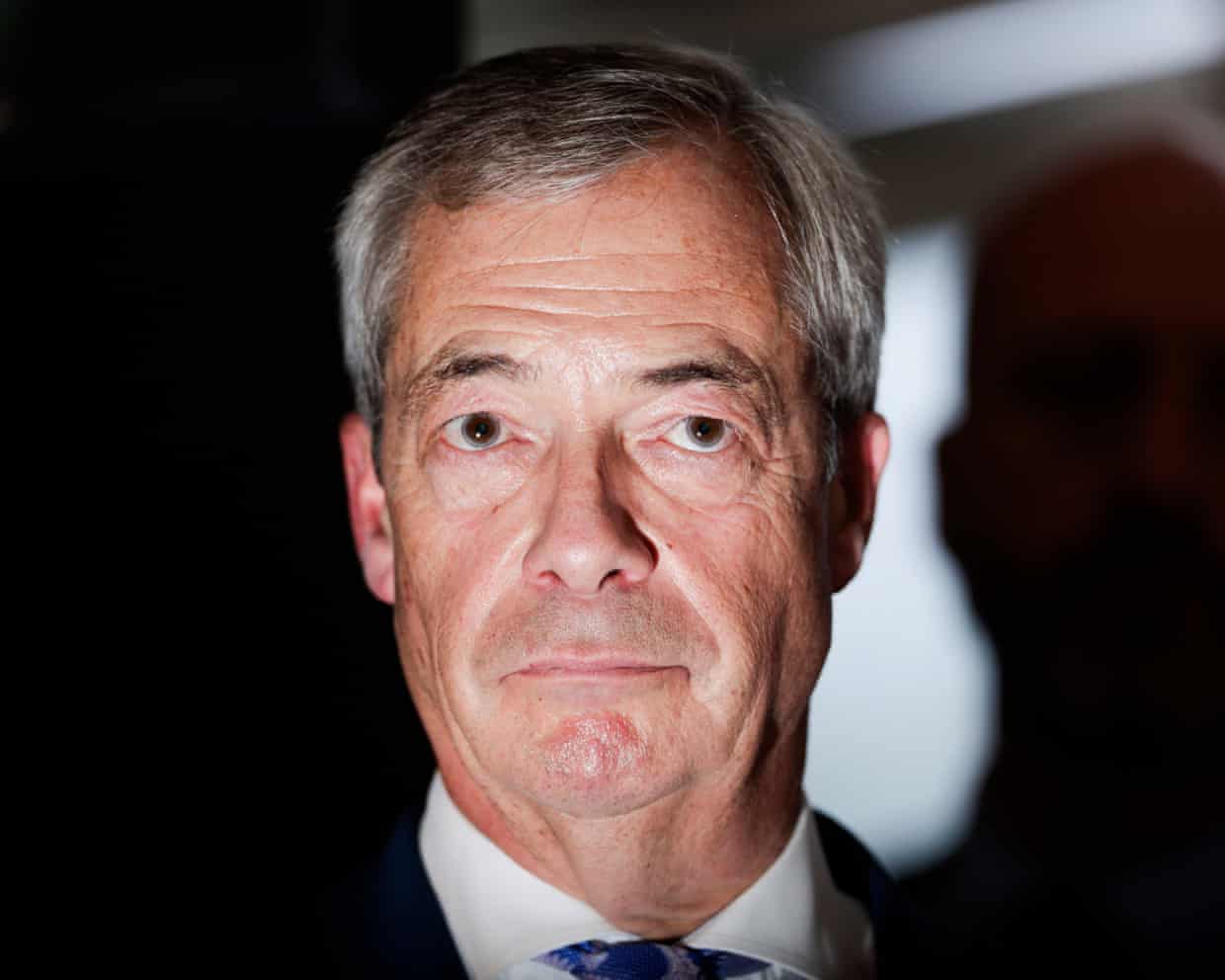
‘Go back home’: Farage schoolmate accounts bring total alleging racist behaviour to 34
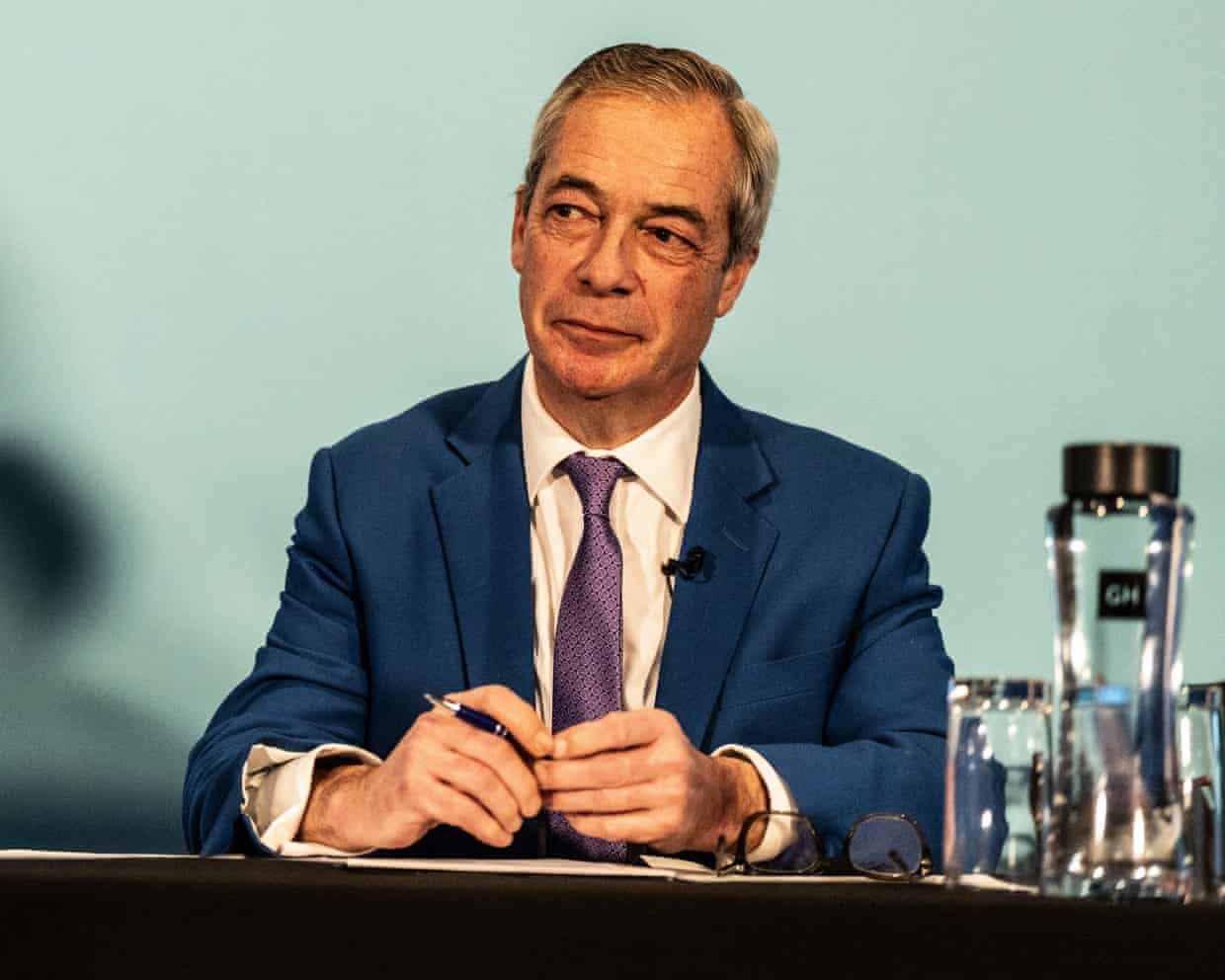
Farage accused of ‘parroting Kremlin lines’ after remarks on UK troops in Ukraine
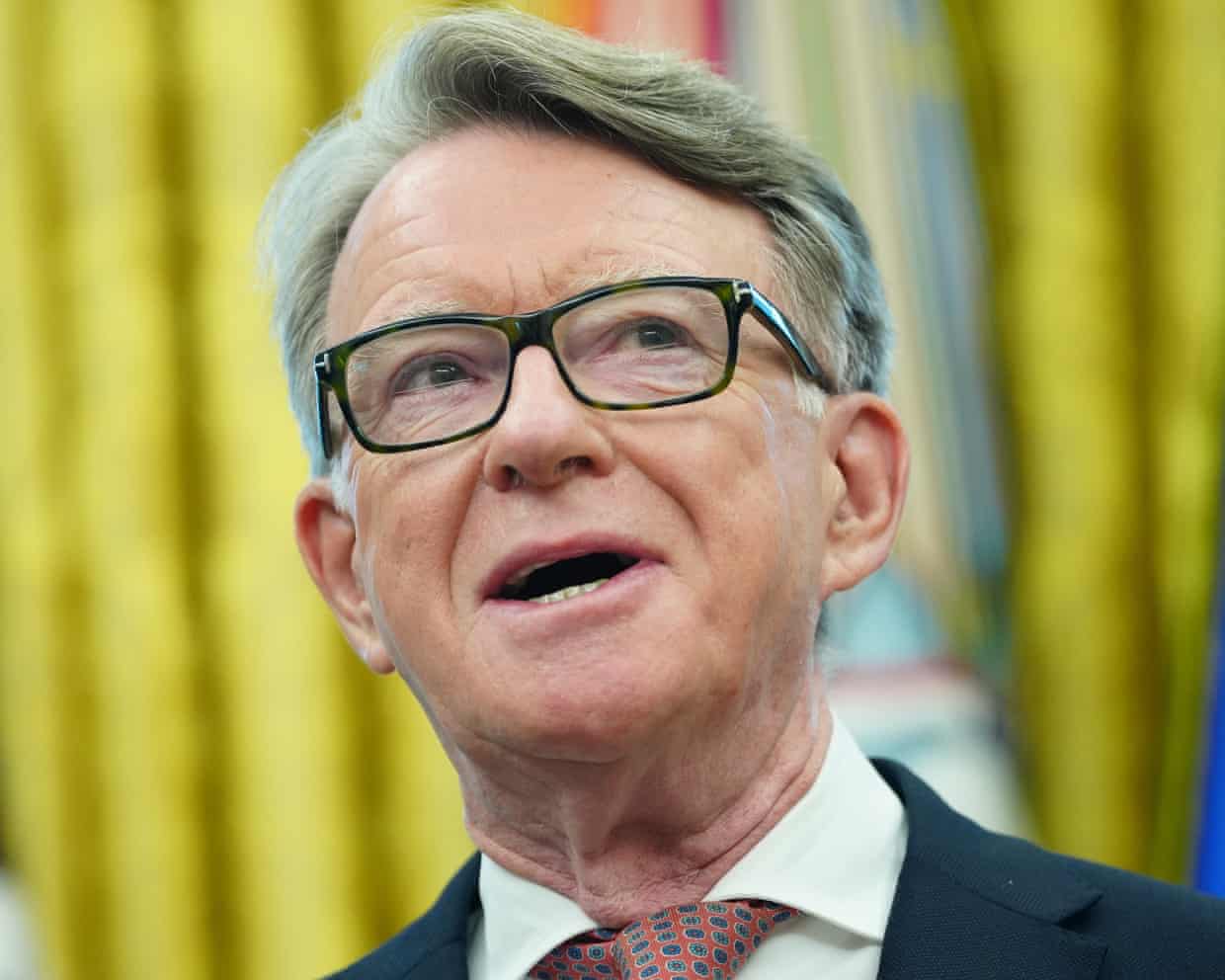
Mandelson accuses European leaders of ‘histrionic’ reaction to Trump’s Greenland stance
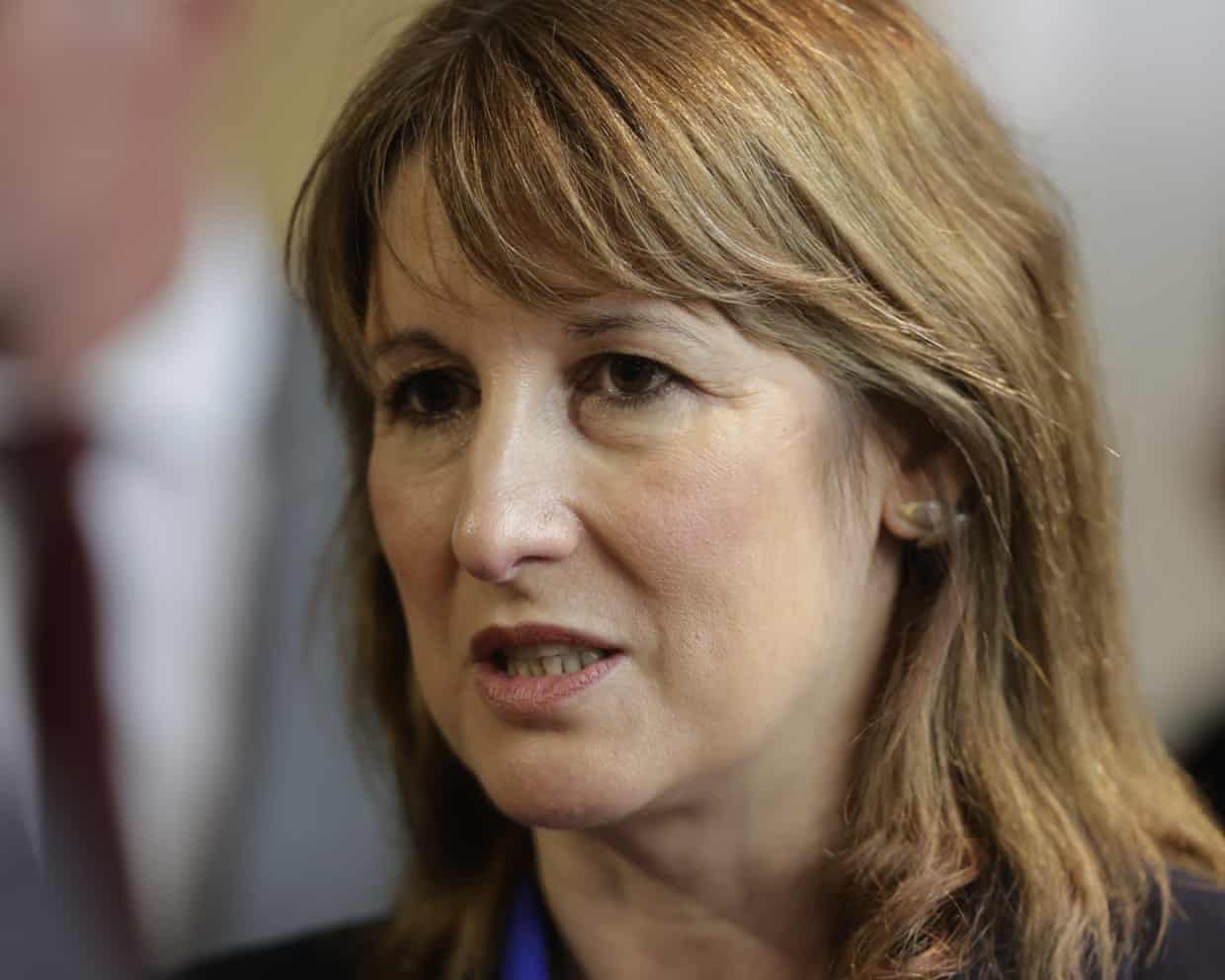
Reeves condemns Farage opposition to lifting two-child benefit cap
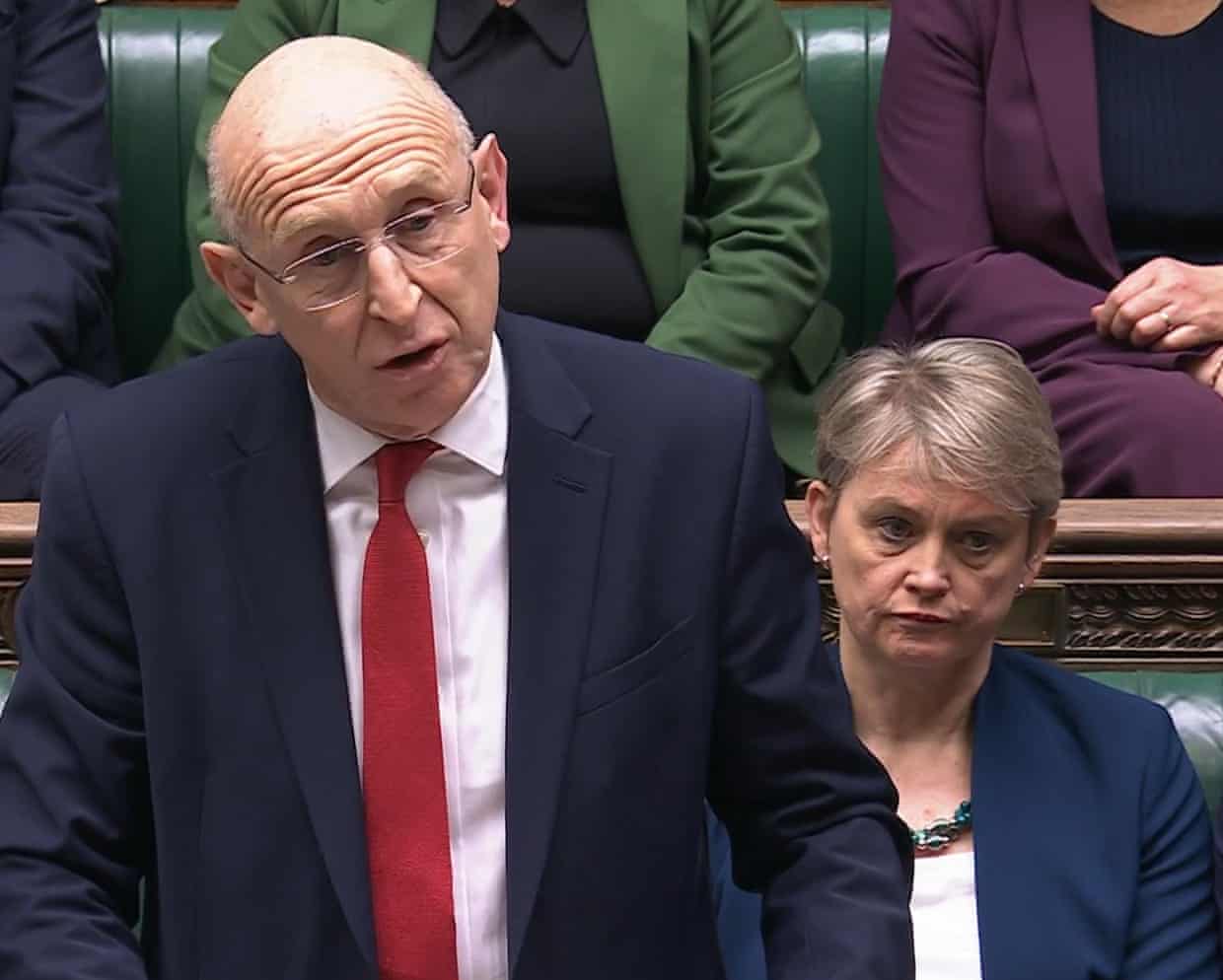
Marinera oil tanker changed flags ‘five times in five years’, says defence secretary – as it happened
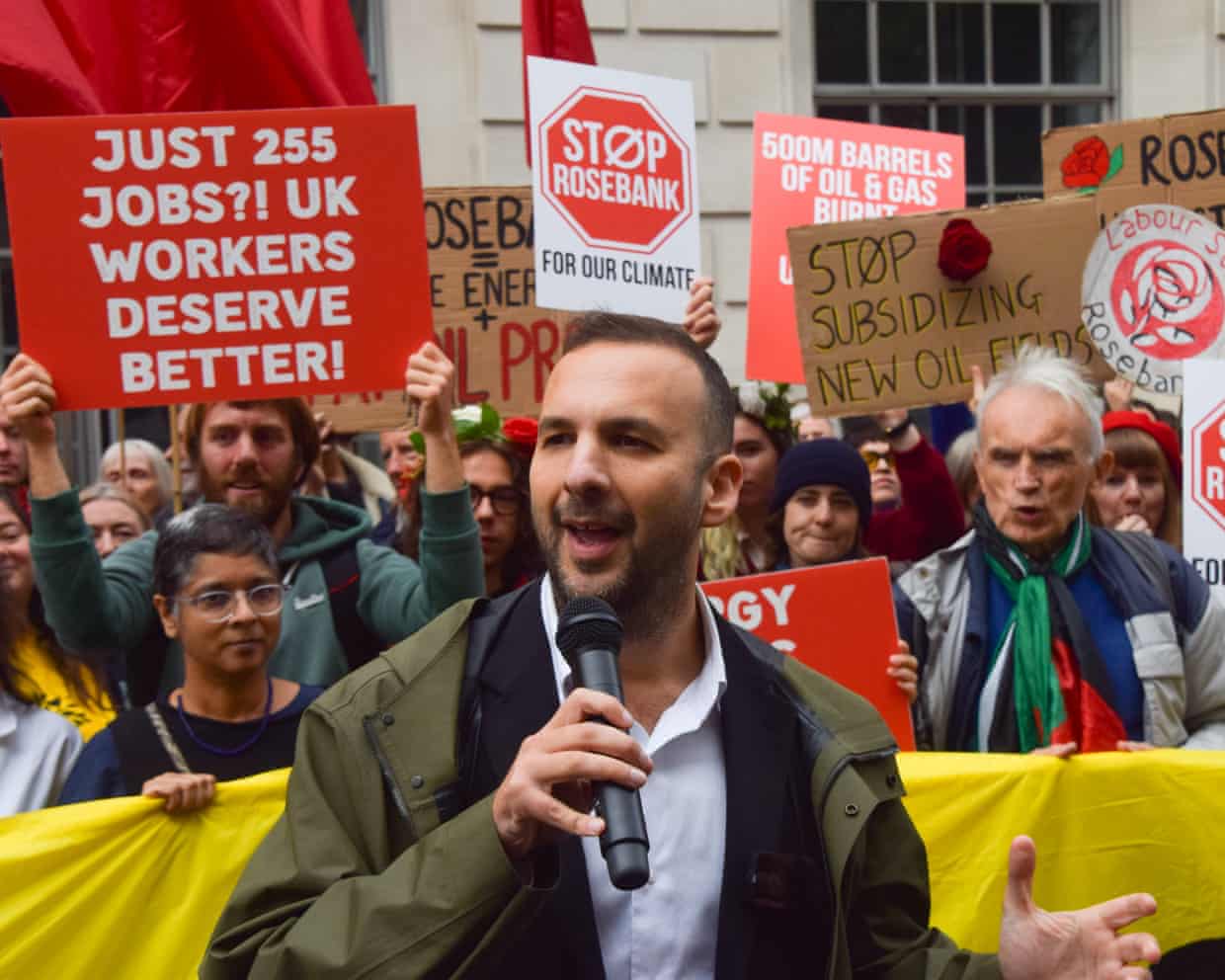
It’s unwise for Labour to attack the Green party and its wealth tax proposal | Letters