Trump plans to use Venezuela’s huge crude reserves ‘to cut US oil price to $50 a barrel’
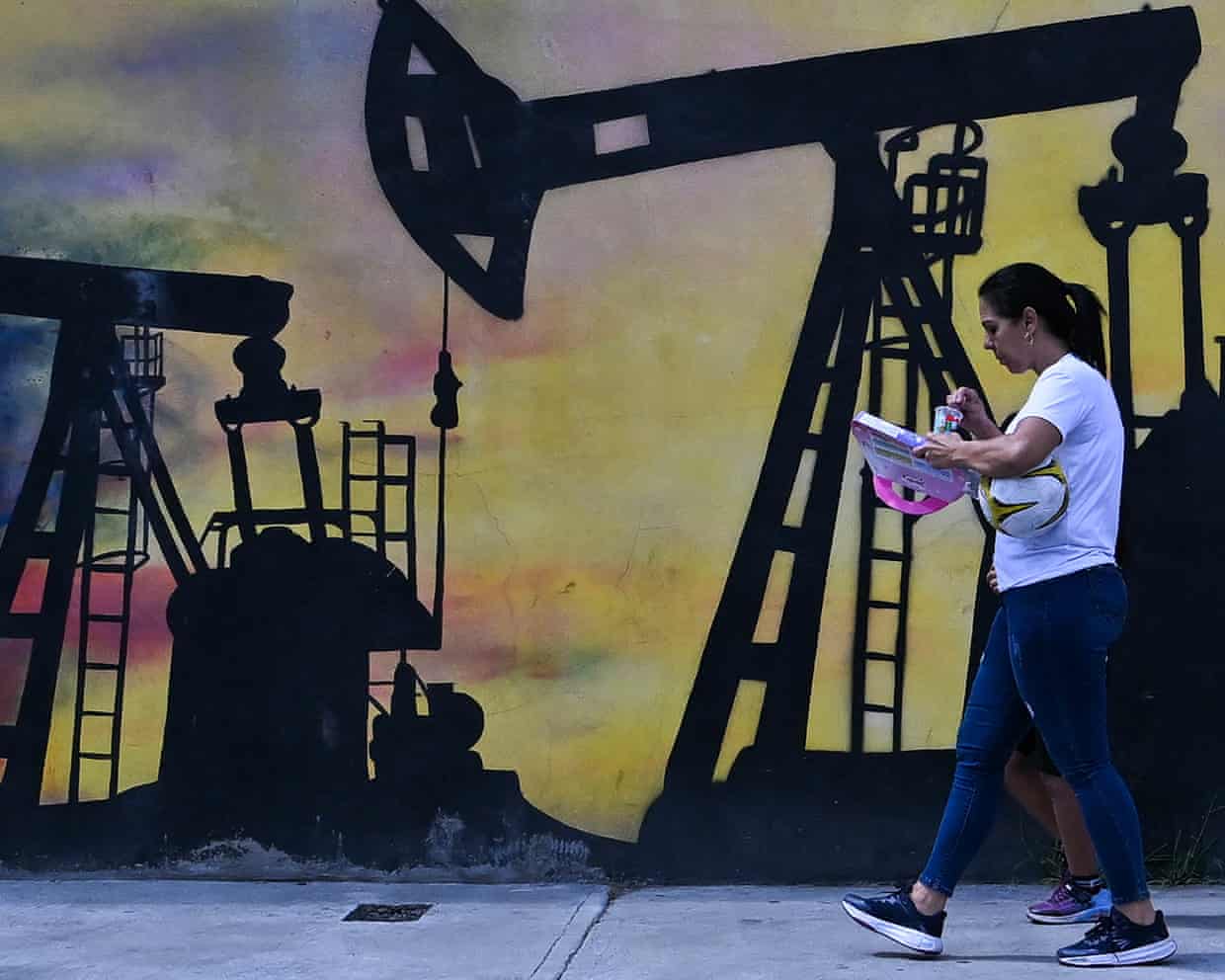
Donald Trump plans to use Venezuela’s vast crude reserves to establish control of most of the western hemisphere’s oil in an attempt to drive the market price down to about $50 (£37) a barrel, according to reports.The US president has repeatedly raised the prospect of producing enough crude from Venezuela’s oilfields to drive down the US oil price from more than $56 a barrel today to about $50 in an effort to cut energy costs for consumers, according to the Wall Street Journal, which cited senior Trump administration officials.Global oil markets have already recorded significant losses in recent years due to an oversupply of crude.Prices slumped by almost 20% in 2025, marking the biggest annual loss since the Covid-19 pandemic and the first time the oil market has recorded three consecutive years of annual losses.As well as driving market prices lower, officials reportedly claimed Trump’s plans to control Venezuela’s oil reserves, which are the largest in the world, include cutting Russia and China’s access to the South American country in order to establish a western hemisphere oil production stronghold.
The White House confirmed on Wednesday the US planned to control Venezuela’s oil sales “indefinitely” after laying claim to 50m barrels of blockaded crude.The oil, which is stranded in tankers and storage facilities, could be worth up to $3bn (once sold on the global market, with the proceeds used to “benefit the Venezuelan people”, according to the US energy secretary, Chris Wright.On Wednesday, Trump said Venezuela would use the profits it made from any deal it struck with Washington to sell oil solely to buy US-made goods.“I have just been informed that Venezuela is going to be purchasing ONLY American Made Products, with the money they receive from our new Oil Deal,” he said in a post on his Truth Social platform.The US laid claim to the under-sanctions crude this week, and also seized a Russian oil tanker linked to Venezuela after a two-week pursuit.
If Trump was able to increase Venezuela’s oil output from 1m barrels a day (bpd), or less than 1% of global demand, to its previous highs of about 3m, he would bring US domestic production to about 14m bpd.This represents about one-third of the 40m bpd output of countries in the Opec+ alliance.However, there are doubts about whether Trump will be able to reignite Venezuela’s beleaguered oil industry after decades of underinvestment and corruption.The president has promised that US oil companies will return to the region to spend billions upgrading its infrastructure and growing its production.But the companies – including Chevron, ExxonMobil and ConocoPhillips – are reportedly wary.
Trump said this week that US oil companies could be “reimbursed by us, or through revenue” if they invested in Venezuela.But executives have reportedly told the Financial Times they will want “serious guarantees” from the Trump administration before investing billions to increase Venezuela’s crude output.“No one wants to go in there when a random fucking tweet can change the entire foreign policy of the country,” one private equity investor who specialises in energy told the FT.Oil bosses met US officials at an industry conference in Miami, Florida, on Wednesday, and are due to meet Trump at the White House on Friday.

Grok’s deepfake images which ‘digitally undress’ women investigated by Australia’s online safety watchdog
Australia’s online safety watchdog is investigating sexualised deepfake images posted on X by its AI tool Grok.Elon Musk’s X has faced a global backlash since Grok began generating sexualised images of women and girls without their consent in response to requests for it to undress them.Ashley St Clair, the estranged mother of one of Musk’s children, said she had no response to her complaints about being digitally undressed.“I felt horrified, I felt violated, especially seeing my toddler’s backpack in the back of it,” she said this week.The fake images included one of a 12-year-old girl in a bikini
Elon Musk’s xAI announces it has raised $20bn amid backlash over Grok deepfakes
Elon Musk’s artificial intelligence company has raised $20bn in its latest funding round, the startup announced Tuesday, even as its marquee chatbot Grok faces backlash over generating sexualized, nonconsensual images of women and underage girls.xAI’s Series E funding round featured big-name investors, including Nvidia, Fidelity Management and Resource Company, Qatar’s sovereign wealth fund, and Valor Equity Partners – the private investment firm of Musk’s longtime friend and former Doge member Antonio Gracias. The funding round exceeded its initial $15bn target, according to xAI’s press release. The company touted Grok’s image-generation abilities in the announcement of its latest funding round.xAI lacks the prominence of its rival OpenAI, the maker of ChatGPT, and has continually drawn criticism for generating misinformation, antisemitic content and now potentially illegal sexual material

AI consciousness is a red herring in the safety debate | Letters
The concern expressed by Yoshua Bengio that advanced AI systems might one day resist being shut down deserves careful consideration (AI showing signs of self-preservation and humans should be ready to pull plug, says pioneer, 30 December). But treating such behaviour as evidence of consciousness is dangerous: it encourages anthropomorphism and distracts from the human design and governance choices that actually determine AI behaviour.Many systems can protect their continued operation. A laptop’s low-battery warning is a form of self-preservation in this sense, yet no one takes it as evidence that the laptop wants to live: the behaviour is purely instrumental, without experience or awareness. Linking self-preservation to consciousness reflects a human tendency to ascribe intentions and feelings to artefacts and not any intrinsic consciousness

Friction-maxxing: could less convenience lead to much more happiness?
Name: Friction-maxxing.Age: Brand new.Appearance: A lifetime of happy inconvenience.Is this another example of something that already exists, but people think is new because someone rebranded it? Yes, obviously it is that.Great! Let’s all save time by you telling me what it used to be called
Wave of Grok AI fake images of women and girls appalling, says UK minister
The UK technology secretary has called a wave of images of women and children with their clothes digitally removed generated by Elon Musk’s Grok AI “appalling and unacceptable in decent society”.After thousands of intimate deepfakes circulated online, Liz Kendall said X, Musk’s social media platform, needed to “deal with this urgently” and she backed the UK regulator Ofcom to “take any enforcement action it deems necessary”.“We cannot and will not allow the proliferation of these demeaning and degrading images, which are disproportionately aimed at women and girls,” she said. “Make no mistake, the UK will not tolerate the endless proliferation of disgusting and abusive material online. We must all come together to stamp it out
‘I felt violated’: Elon Musk’s AI chatbot crosses a line
Hello, and welcome to TechScape. Happy new year! I hope your 2026 is off to a great start. Today in tech, we are examining the output of Elon Musk’s AI chatbot, Grok, and the US’s ban on foreign drones.Late last week, Elon Musk’s Grok chatbot unleashed a flood of images of women, nude and in very little clothing, both real and imagined, in response to users’ public requests on X, formerly Twitter. Mixed in with the generated images of adults were ones of young girls – children – likewise wearing “minimal clothing”, according to Grok itself

‘Shadow fleet’ ships moving sanctioned oil reflagged to Russia at rising rate

Software firm belonging to Tory donor Frank Hester pays out £50m dividend
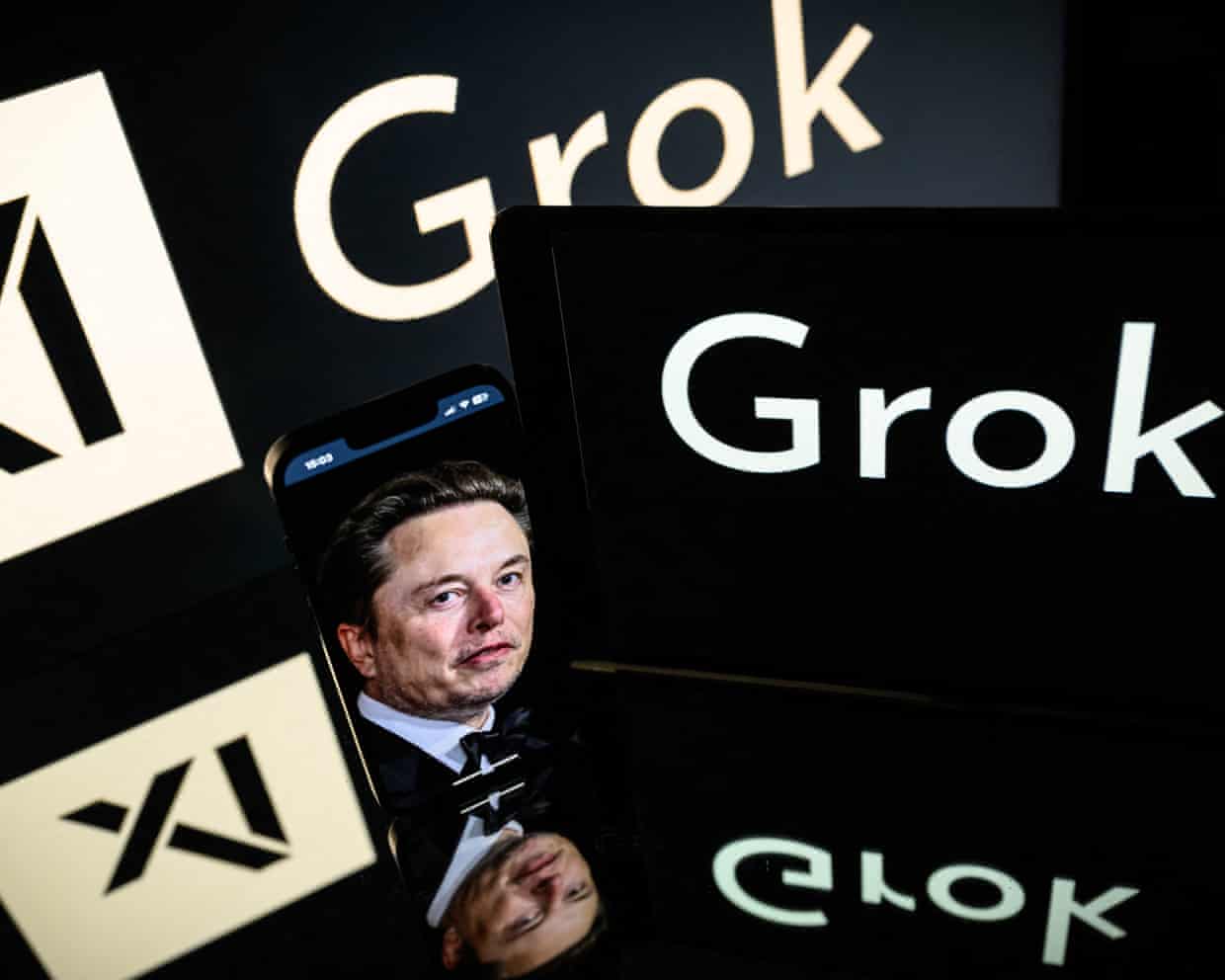
AI tool Grok used to create child sexual abuse imagery, watchdog says
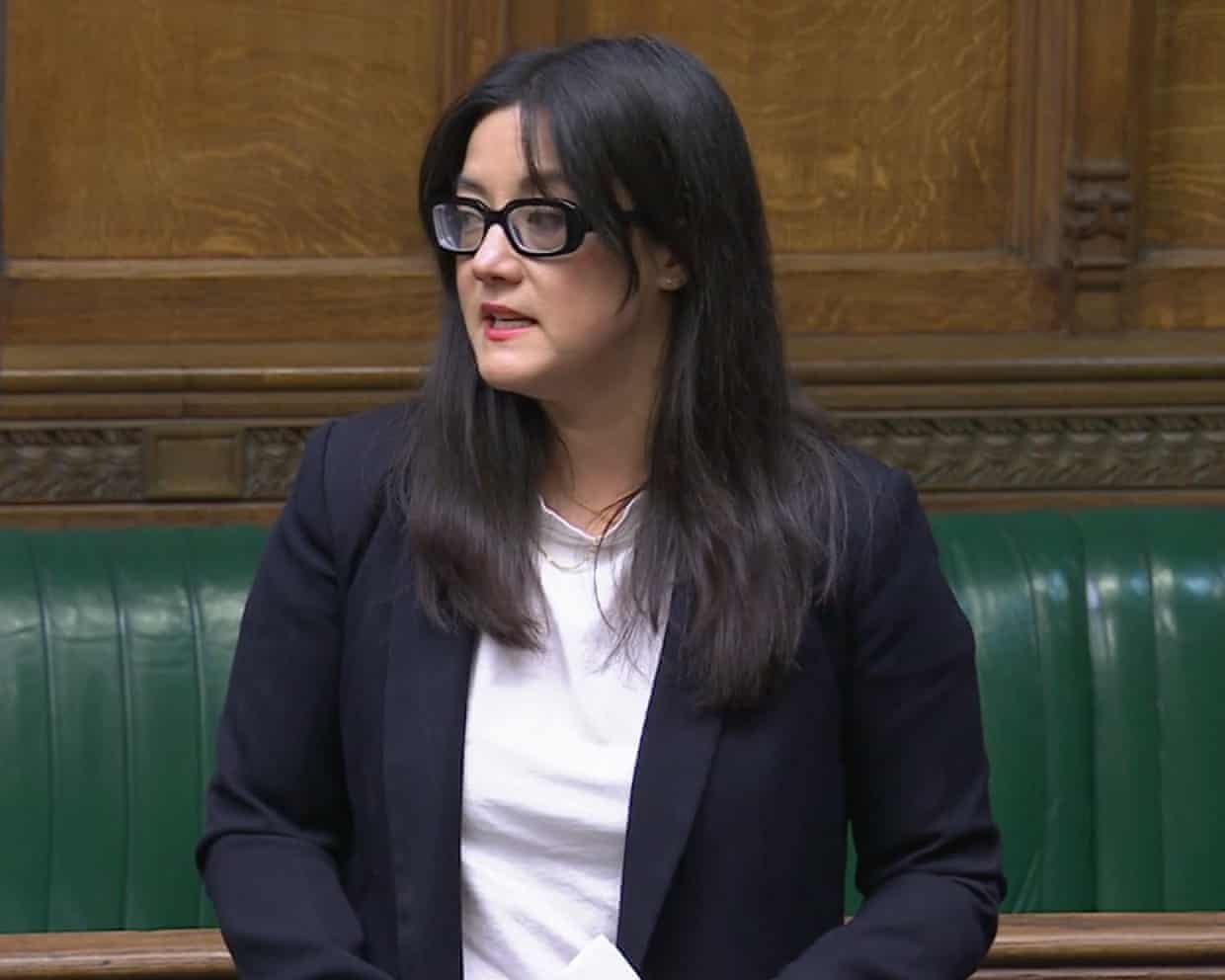
Commons women and equalities committee to stop using X amid AI-altered images row
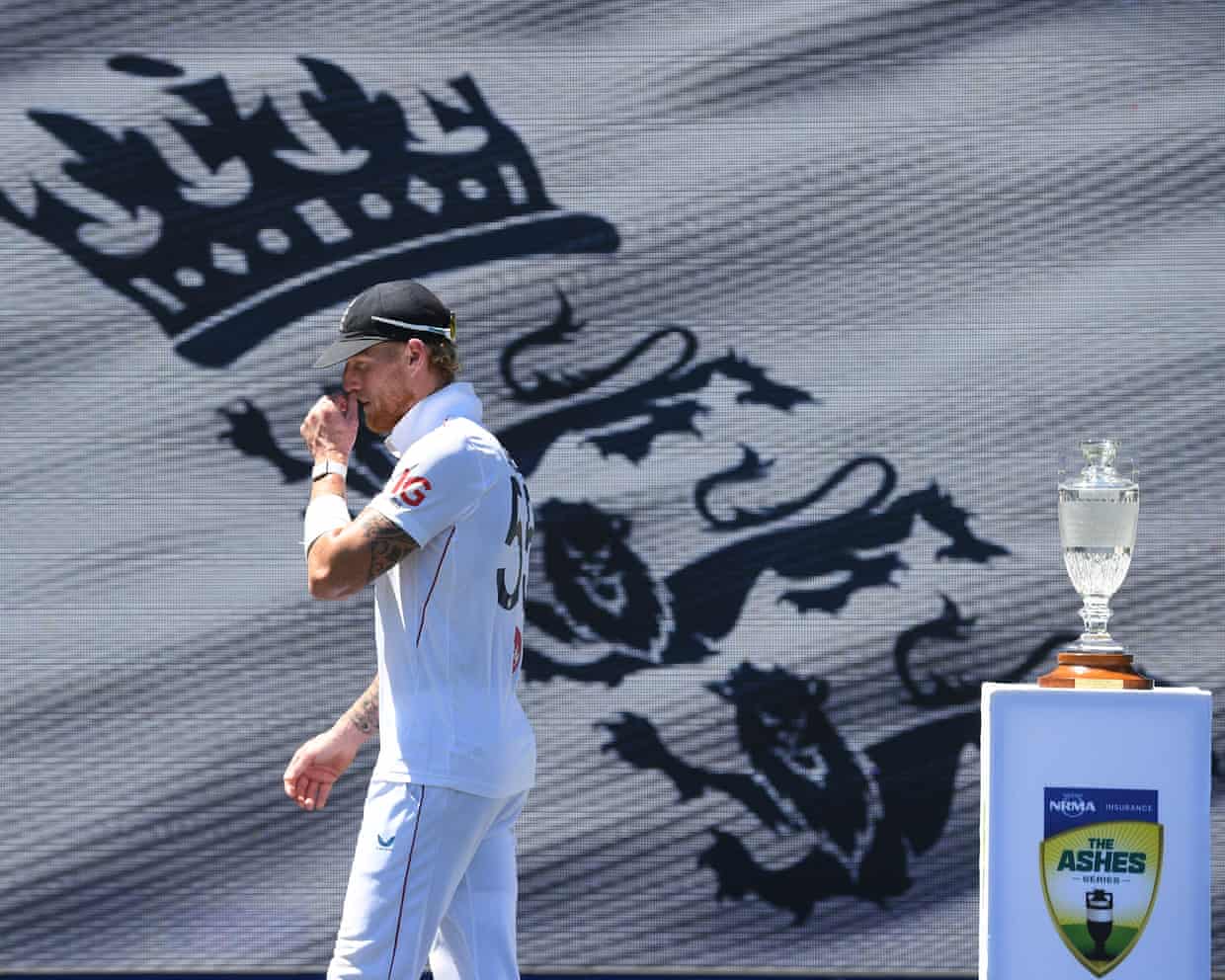
Sack the vibe: goodbye Bazball and hello England’s search for a cricketing soul | Barney Ronay
England’s Ashes humbling was more a series of letdowns than ‘series of our lives’ | Ali Martin