Pub chain shares rise on reports of government U-turn over business rates – as it happened
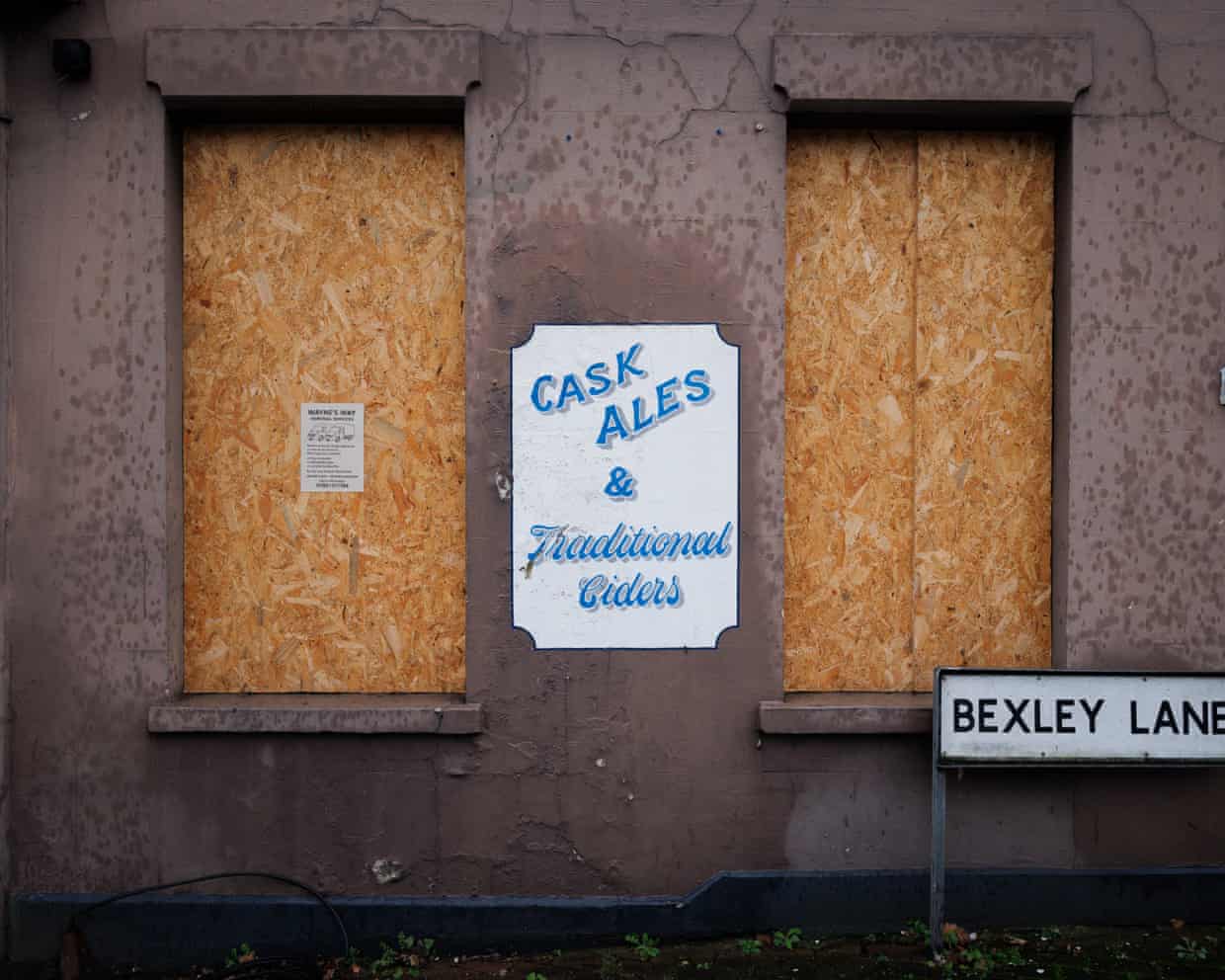
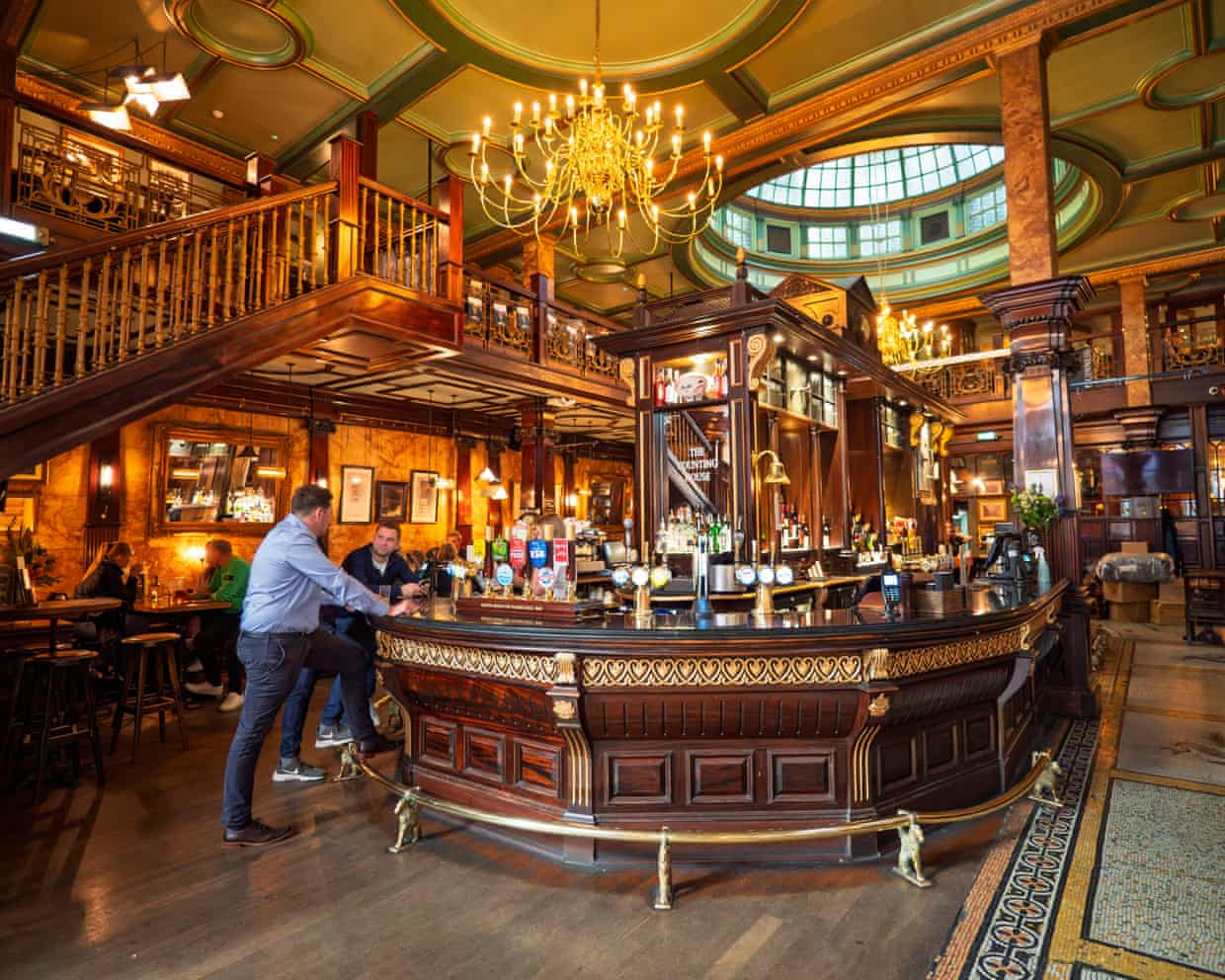
Shares in UK pub and hospitality companies have jumped this morning, as the government prepares to announce a climbdown on forthcoming increases to their business rates.Mitchells and Butlers, whose pub brands include All Bar One, Harvester, O’Neills, and Toby Carvery, are up 2.5%, one of the top risers in the FTSE 250 share index today.Rival Marsons, which has more than 1,300 pubs, bars and inns across the country, are up 2%, while JD Wetherspoons have gained 1.2%.
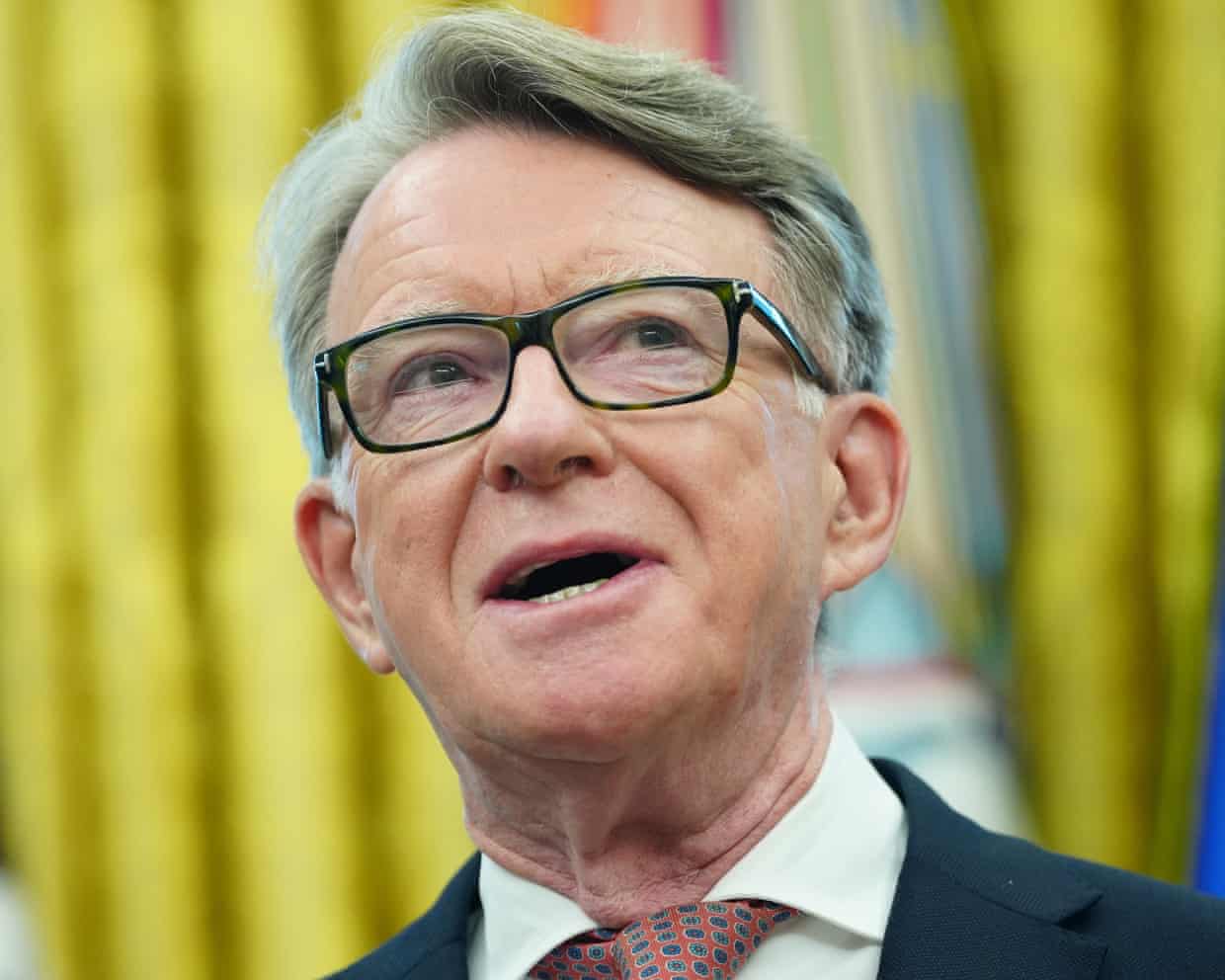
Pubs have been warning for weeks that they face much higher business rates after the Chancellor announced plans to end Covid-era discounts at her budget in November.From April, almost all commercial businesses will see their rateable value – which is used to determine the amount of tax paid in business rates – recalculated.Some pubs have reported that their rateable value have more than doubled.PA Media are reporting that the Treasury will bring forward a package of support in the coming days, likely to include business rates relief and measures to cut licensing red tape.On Thursday, Cabinet minister Pat McFadden said his colleagues had been “talking to the pub industry” about its worries and appreciated “how important the pub industry is economically and culturally to the UK”.
While he would not confirm that a U-turn was on the way, he added:“We really value the role of the pub in British life.We want to help pubs.”Time to wrap up, on an afternoon when expectations of a business rates U-turn have pushed up pub share prices, and left the rest of the hospitality industry hoping for the same.As I type, Mitchells & Butlers are now up 3.5%, with JD Wetherspoons up 2.
5% and Marston’s gaining 4.4%Here’s why:And in other news:Kate Nicholls, chair of UKHospitality, says:“The entire hospitality sector is affected by these business rates hikes - from pubs and hotels to restaurants and cafes.“We need a hospitality-wide solution, which is why the Government should implement the maximum possible 20p discount to the multiplier for all hospitality properties.”Music venues are also pushing for business rates relief.Jon Collins, CEO at trade body LIVE ((Live music Industry Venues & Entertainment) says:“If the government is preparing a U-turn on business rates for pubs, it must not leave live events and arenas behind.
From grassroots venues to arenas, operators are already facing increases of up to 400%, putting venues of every size under severe financial strain, risking closures and driving higher ticket prices for fans.Live events are a major driver of the hospitality economy.Data from the National Arenas Association shows that for every 10,000 people attending a live show, at least £1 million is spent locally in restaurants, bars, hotels, shops and transport.Excluding music venues from any relief would be a serious oversight.The Treasury must urgently review this policy before it causes lasting damage to one of the UK’s most economically productive sectors.
”Andy Slee, CEO of the Society of Independent Brewers and Associates (SIBA) says:“It’s welcome news that the Government appears to have finally accepted that vital changes are necessary to help our much loved community pubs.The planned alterations to Business Rates would have had a devasting impact on our pubs and breweries.“While common sense seems to have prevailed, it is essential that the Government now acts in good faith to ease this financial pressure in the short term and reassure the sector that a meaningful long term solution to Business Rates will be sought alongside a proper plan to maintain our pubs into the future.”John Webber, head of business rates at real estate firm Colliers, has welcomed the imminent U-turn on business rate rises, and criticises the government for not realising the impact of its changes:“We are pleased to hear the Treasury is reported to be backtracking and is taking on board the cry from the pub sector about how punitive business rates rises are going to be when the new list comes into force next April.Based on massive increases in rateable value and a smaller multiplier-that was just not small enough, the current policy would lead to some pubs facing over 100% rises in their business rates bills over the next three years.
This would do nothing to halt the rate of closure of pubs we are seeing across the country.“However, it beggars’ belief that the government did not think about the consequences of its policies when it introduced them, when it set the multiplier levels and when it totally removed RHL (retail hospitality & leisure) from the sector.A proper impact study should have been carried out then.“And if the government acknowledges business rates are too high for the pub sector, what about all the other sectors seeing steep rises- such as independent retailers, restaurants, hoteliers, and offices and industrial occupiers too? Rather than bringing in fundamental reform, the government used its Budget to inflict a 10.2% increase on business rates bills on UK plc next April, increasing the tax take from £33.
6 billion to £37.1 billion.This is unsustainable given all the other costs UK businesses are facing.”Ministers are preparing to U-turn over changes to business rates for pubs after a wave of disquiet from the hospitality industry, the Guardian has been told.In yet another government climbdown on a contentious policy, details of revisions to the changes to business rates, which were set to particularly affect the hospitality industry, are to be announced in the next few days.
The move would be an attempt to “recognise issues with how business rates are collated”, a government source said,It will be part of a wider Treasury package also including measures to help pubs with areas such as licensing, opening hours and wider efforts to reduce red tape,The pub industry has been putting pressure on ministers to act, with Keir Starmer also facing concern from a series of Labour MPs,Some pubs have even put up signs barring Labour MPs, as a protest,Whitbread, the FTSE 100 company which owns the Brewers Fayre and Beefeater chains, are up almost 1%.
Whitbread told investors last year that it faced an extra £40m to £50m bill from the changes to business rates in the next financial year,Shares in UK pub and hospitality companies have jumped this morning, as the government prepares to announce a climbdown on forthcoming increases to their business rates,Mitchells and Butlers, whose pub brands include All Bar One, Harvester, O’Neills, and Toby Carvery, are up 2,5%, one of the top risers in the FTSE 250 share index today,Rival Marsons, which has more than 1,300 pubs, bars and inns across the country, are up 2%, while JD Wetherspoons have gained 1.
2%.Pubs have been warning for weeks that they face much higher business rates after the Chancellor announced plans to end Covid-era discounts at her budget in November.From April, almost all commercial businesses will see their rateable value – which is used to determine the amount of tax paid in business rates – recalculated.Some pubs have reported that their rateable value have more than doubled.PA Media are reporting that the Treasury will bring forward a package of support in the coming days, likely to include business rates relief and measures to cut licensing red tape.
On Thursday, Cabinet minister Pat McFadden said his colleagues had been “talking to the pub industry” about its worries and appreciated “how important the pub industry is economically and culturally to the UK”.While he would not confirm that a U-turn was on the way, he added:“We really value the role of the pub in British life.We want to help pubs.”Newsflash: The US trade deficit with the rest of the world has shrunk sharply, thanks to a jump in goods export and a fall in imports.The US Census Bureau and the US Bureau of Economic Analysis have announced that the US goods and services deficit fell to $29.
4bn in October, a fall of 39% compared with the $48.1bn deficit recorded in September.According to Bloomberg, this is the lowest US trade deficit since 2009.They point out that there have been large monthly swings in trade in recent months related to US implementation of tariffs.Today’s report shows that October exports rose by $7.
8bn in the month to $302.0bn, including increased shipments of industrial supplies and materials, and precious metals such as gold, whose value climbed last autumn.US goods imports fell by $11bn to $331.4bn, including a drop in shipments of consumer goods and pharmaceutical preparations – perhaps a sign that Donald Trump’s tariffs were hitting demand.As a results, the US goods deficit fell by $19.
2bn to $59.1bn; the services surplus dipped by £400m to $29.8bn.In the banking world, HSBC has agreed to pay a fine of €267.5m to settle a fraud investigation into dividend tax payments, a practice known as “cum-cum” trades.
The settlement, which was approved by a Paris court on Thursday, puts an end to an investigation by the French financial prosecutor’s office into practices during the 2014-2019 period.The investigation was part of a broader probe into dividend tax fraud probe that involved several banks in the country.“Cum-cum trades” are transactions designed to seek fiscal advantages tied to the payment of dividends.HSBC will also pay a tax bill of approximately €30m, to settle a civil case over the issue.US defence company stocks are set to rally when trading begins on Wall Street in less than two hours.
Northrop Grumman and Lockheed Martin are both up around 8% in pre-market trading.Both stocks fell yesterday, after Donald Trump announced his crackdown on dividends and executive pay at defence companies; the president’s call for a surge in defence spending came in a later social media post.A Goldman Sachs basket of European defense stocks rose as much as 3.8% today, extending its gain for the week to about 13%, Bloomberg reports.There appear to be some “jangling nerves” in the markets today as traders consider geopolitical uncertainty stemming from the Trump administration, reports David Morrison, senior market analyst at fintech and financial services provider Trade Nation:The ‘extraordinary rendition’ of Venezuela’s Nicolas Maduro was one surprise, while President Trump’s sudden switch of focus to Greenland is another.
Overall, it feels as if investors have priced in both events, although the future repercussions are far from certain.Among those mentioned is the example it sets for other world powers such as China and Russia.European defence stocks were early gainers following President Trump’s call to raise the 2027 US defence budget to $1.5 trillion from $1 trillion.The index tracking European aerospace and defence stocks has jumped by 12% so far this year, and has gained 72% over the last 12 months, as investors have anticipated higher government spending.
CA Research’s chief European strategist, Jérémie Peloso, says that trend could continue despite the Russia-Ukraine peace talks.“I think what we are seeing with defense stocks is the classic example of “Sell the rumor, buy the news.” Defense stocks have been sliding on the news of a ceasefire in Ukraine for a couple of months now.Except that a ceasefire does not change the imperative for Europeans to increase defense spending, nor does it put an end to Russian aggression.In fact, Russia has used the ceasefire talks to increase its use of asymmetric warfare against Europe.
That’s your “Sell the rumor” – i,e,, the rumor that with a ceasefire in Ukraine, the world is a safer place, and Europe no longer needs to ramp up defense efforts,What we are witnessing with the events over the weekend in Venezuela would be the “buy the news” part of it,Turns out more defense is needed, especially if you want to prevent your President from being abducted in the middle of the night.
Expect more of this “Sell the rumor, buy the news” over the next couple of months,”The new year rally in global stock markets has run out of momentum,European markets are in the red this morning, following losses across Asia-Pacific bourses earlier today,In London, the FTSE 100 share index briefly fell back below 10,000-point mark this morning, but has now clambered back to 10,021 points, down 26 points or 0,26% today.
AB Foods remain the top faller on the Footsie, down 11.5% after this morning’s profit warning, followed by Tesco (-5.6%).Neil Wilson, Saxo UK investor strategist at Saxo Bank, says:Geopolitics is the inescapable story of 2026 thus far.US Secretary of State Marco Rubio said he will meet Danish officials next week to discuss the future of Greenland.
Back here, a nasty little January profits warning from Primark-owner ABF dragged on sentiment.Shares in ABF fell about 12%, dropping to the bottom of the FTSE 100, which was off by about 0.2% in early trading on Thursday.Primark sales in Europe fell flat and the US was pretty soggy too, but UK sales were positive.Plans to spin off Primark probably just took a bit of knock.
Tesco fell 5% as it failed to provide an upgrade to forecasts despite some good trading numbers over Christmas.Marks & Spencer was up after a solid Christmas report.Shell tumbled 3% as it warned on weak Q4 trading and chemicals losses.In Oxford, UK environment secretary Emma Reynolds is trying to charm the farming community into better relations with the government.Speaking at the Oxford Farming Conference, at the university’s dreaded Examination Schools, Reynolds thanked farmers for stepping up and clearing snow in their neighbourhoods, my colleague Joanna Partridge reports