Miliband reveals plans that could mean nuclear power plants built near homes

Ed Miliband has unveiled plans that could make it easier to build nuclear power plants closer to homes and on sensitive nature sites, as he attempts to speed up the development of energy infrastructure.The energy secretary set out changes to nuclear regulation, to be carried out this year, which would mean a “win-win for building critical infrastructure while protecting nature and the environment”.However, ministers were quickly accused of “irresponsible deregulation” and putting nature at risk.The shake-up means the government will implement the recommendations of a review completed last year by the nuclear regulatory taskforce review, which was led by the former Office of Fair Trading boss John Fingleton.It said an overhaul of the “overly complex” and “bureaucratic” system which “favoured process over safe outcomes” was needed.
Miliband, the energy secretary, said: “As the current Middle East conflict shows, we need to go further and faster to build the clean energy we need to get off volatile fossil fuel markets and deliver energy security for our country.“A crucial part of this is ensuring that we speed up the building of infrastructure in a way that reduces costs as well as delivering better outcomes for nature.”The nuclear regulatory taskforce was set up by Keir Starmer in February after the government promised to rip up “archaic rules” and slash regulations to “get Britain building”.Starmer accepted the recommendations in December, saying he wanted to use the approach to inform the government’s wider industrial strategy.The Fingleton review said: “Several changes are required to remove legislative and policy bottlenecks and accelerate project delivery.
“Outdated policies that restrict site selection must be reformed, specifically by revising the semi-urban population density criteria and default outline planning zones.” The criteria aims to avoid siting nuclear plants near areas with large local populations.In June, Miliband announced a £14.2bn programme to build a new nuclear power station, including a multibillion-pound investment at Sizewell C on the Suffolk coast, and a drive to build small modular reactors (SMRs).On Friday, Emma Reynolds, the environment secretary, published the regulatory justification for Rolls-Royce’s plan to become the first company to try to build SMRs in the UK.
The government said the introduction of the regulatory reforms meant it was likely to be the last time that this type of mini-nuclear power plant needed to go through such a lengthy process.“To build national resilience, drive energy security and deliver economic growth, we need nuclear,” said Rachel Reeves, the chancellor.“That’s why we’re overhauling the system, getting rid of duplicative or overly complex guidance, rules and regulations that have been holding back our nuclear ambitions.”The government said the nub of the plan was to move to a regulatory system that is “proportionate, focused on real risk, rooted in evidence”, while also designed to “effectively protect nature and biodiversity”.However, top environmental planning lawyer Alexa Culver of RSK Wilding said: “No ecologists or environmental specialists were invited to shape these proposals into anything that resembles a ‘win’ for nature.
“This is irresponsible deregulation at a time when the true human and national costs of nature degradation are becoming more fully understood,“Recently popularised and devastating environmental scandals – like within the water industry – prove that high-stakes regulation is complex and easily manipulated when ‘simplified’ without checks and balances,This was a chance for the government to design resilience into our industrial strategy and the government didn’t take it,”Culver also criticised a recommendation calling for the government to commit to compensating nuclear developers against any damages they incur in proceeding with a project while a judicial review is being decided,“Nuclear power is essential to deliver our energy independence and achieve net zero,” said Charlotte Brumpton-Childs, national officer for nuclear at the GMB union.
“Our members stand ready to build the next generation of nuclear power right across the UK.”

Light red wines for spring drinking
Can wine ever be good for you? The question has surely occurred to most of us after a night on the chȃteau de migraine, especially if we’ve read the increasingly dire warnings on alcohol consumption. Still, as with chocolate, a lot depends on what type of alcohol you drink. After all, a 90% cocoa solids situation is probably going to do less harm than, say, a family tub of Celebrations, and, while all alcohol is, I hate to break it to you, alcohol, there are definitely better choices you can make.The Guardian’s journalism is independent. We will earn a commission if you buy something through an affiliate link
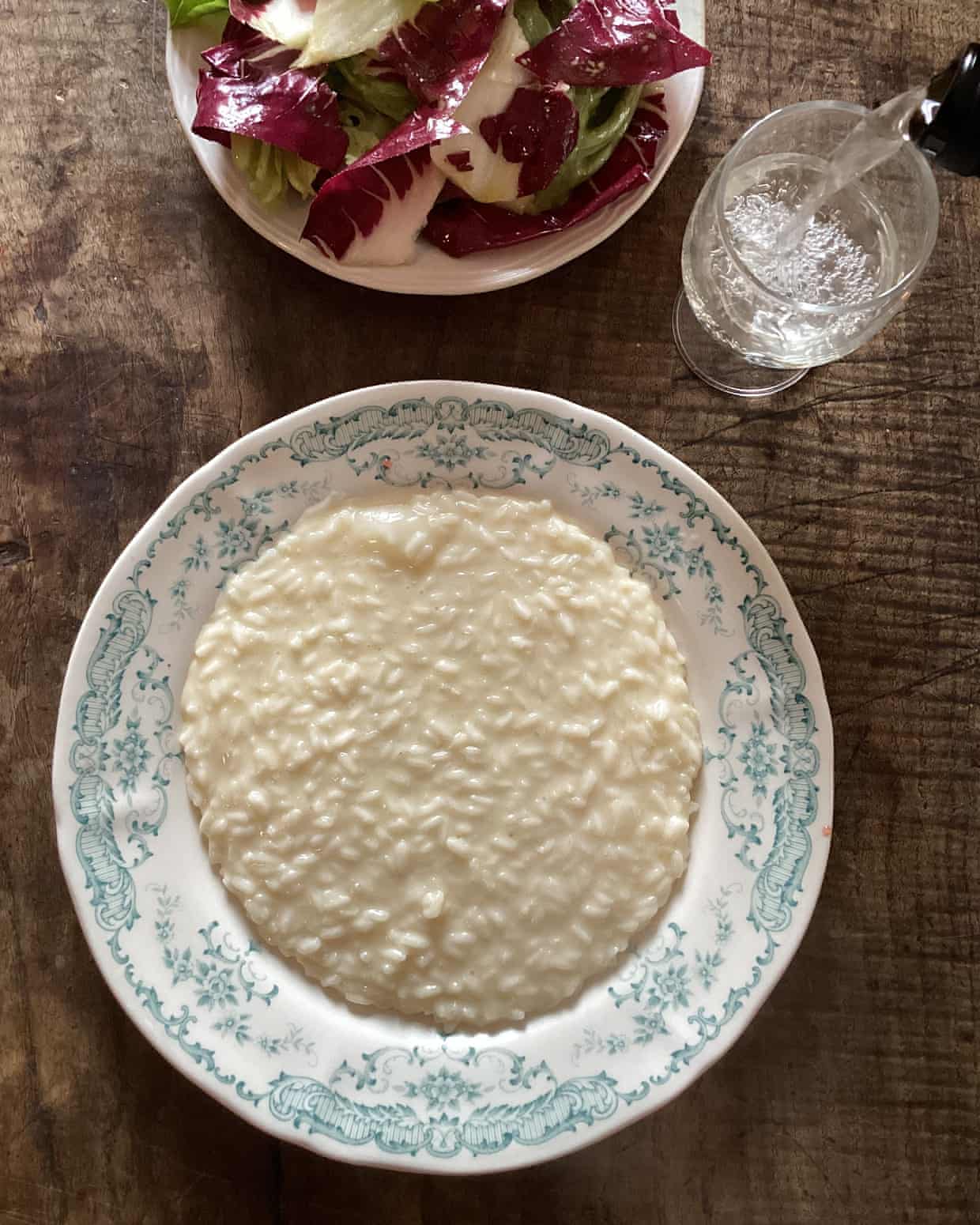
Rachel Roddy’s recipe for risotto in bianco | A kitchen in Rome
Parmigiano reggiano, grana padano, lodigiano, trentingrana and the other members of the grana-type cheese family (there are many, and all are worth seeking out) are far from cheap. Which is why it is important to use every last bit, including the rind with the last few millimetres of cheese still attached. That functions as a sort of highly flavoured and fatty stock cube that can be added to soups and stews. The best place to keep your precious rinds is in a plastic bag or airtight container in the freezer, which also preserves flavour and stops them drying out, until they’re pulled out and added directly to whatever needs a boost, or to make one of the nicest, most delicately flavoured and cheesy broths, which in turn makes a lovely risotto.I have written about risotto many times here, with each version a new favourite, and providing lessons in a dish that, regardless of how much I learn and practise, I am always chasing: the right proportions of rice to broth, as well as a pleasing consistency and texture

‘Highly problematic behavior’: Noma residency in LA starts with PR crisis
It was always going to be an indulgence for René Redzepi, the Danish-Albanian chef of Noma fame, to bring his exacting, innovative vision of haute cuisine to Los Angeles and spend several weeks tickling the palates of well-heeled diners at a hilltop estate once dubbed “the most beautiful home in Hollywood”.The Guardian’s journalism is independent. We will earn a commission if you buy something through an affiliate link. Learn more.The timing has certainly been unfortunate, since the US is now fighting a destabilizing war in the Middle East and food prices are climbing so steeply that many ordinary Americans can no longer afford to eat at McDonald’s, much less contemplate the counterintuitive delights of tacinga cactus, bougainvillea petals, mealworms and giant tuna eyes

Before sunrise: while Sydney sleeps, suhoor meals attract a lively social scene during Ramadan
Suhoor – the pre-dawn meal – is typically shared at home. But in Sydney customers also queue outside food trucks, restaurants and cafes with extended trading hoursIt’s just after midnight in an industrial courtyard in Auburn in Sydney’s west and a glow of string lights and the constant sizzle of a grill signal one of Ramadan’s newest late-night rituals. A food truck specialising in halal steak sandwiches has attracted a small crowd and a queue begins to form.The rest of the city is largely asleep but here the courtyard hums with life as young Muslims arrive in waves after evening taraweeh prayers, chatting and checking their phones as the clock edges closer to suhoor – the pre-dawn meal eaten during Ramadan before the day’s fast begins.Inside The Meat Up, a Lebanese husband-and-wife duo move quickly over the grill

How to use up limp herbs in a flavoured butter – recipe | Waste not
Compound butter is simply butter that’s been mixed with flavourings, both sweet and savoury, and is a tasty and easy way to give a small bunch of tired herbs new life. It can be melted over vegetables, stirred through pasta, grains or pulses, basted over meat or fish, spread on toast, or frozen in slices to use a little at a time. Think of this less as a recipe and more as a framework: taste as you go and decide whether you want something bold and explosive or a more gentle experience.Long before the TikTok revival, compound butter was something most home cooks admired on restaurant plates rather than made themselves. But it’s a really simple way to save a few tired herbs and give a meal a welcome boost, adding both serious flavour and visual impact

Chicken wings and soup: Helen Graves’ spring onion recipes
March is a tricky pin in the seasonal calendar, with energising winter citrus fading and spring’s stars yet to emerge. It’s a time when I find pleasure in reappraising ingredients that are routinely overlooked. Spring onions, say, which are often considered a garnish, but which are good for so much more. Their contrasting colourway is a clue to their varying intensity, with the white roots holding pungency and the greens more akin to especially bolshie chives. Today’s recipes harness the properties of both, bridging the gap between the current need for comfort and the warmer weather ahead

NHS and MoD will be urged to buy British tech to drive growth amid Iran crisis

Judge blocks justice department from subpoenaing Fed chair Jerome Powell
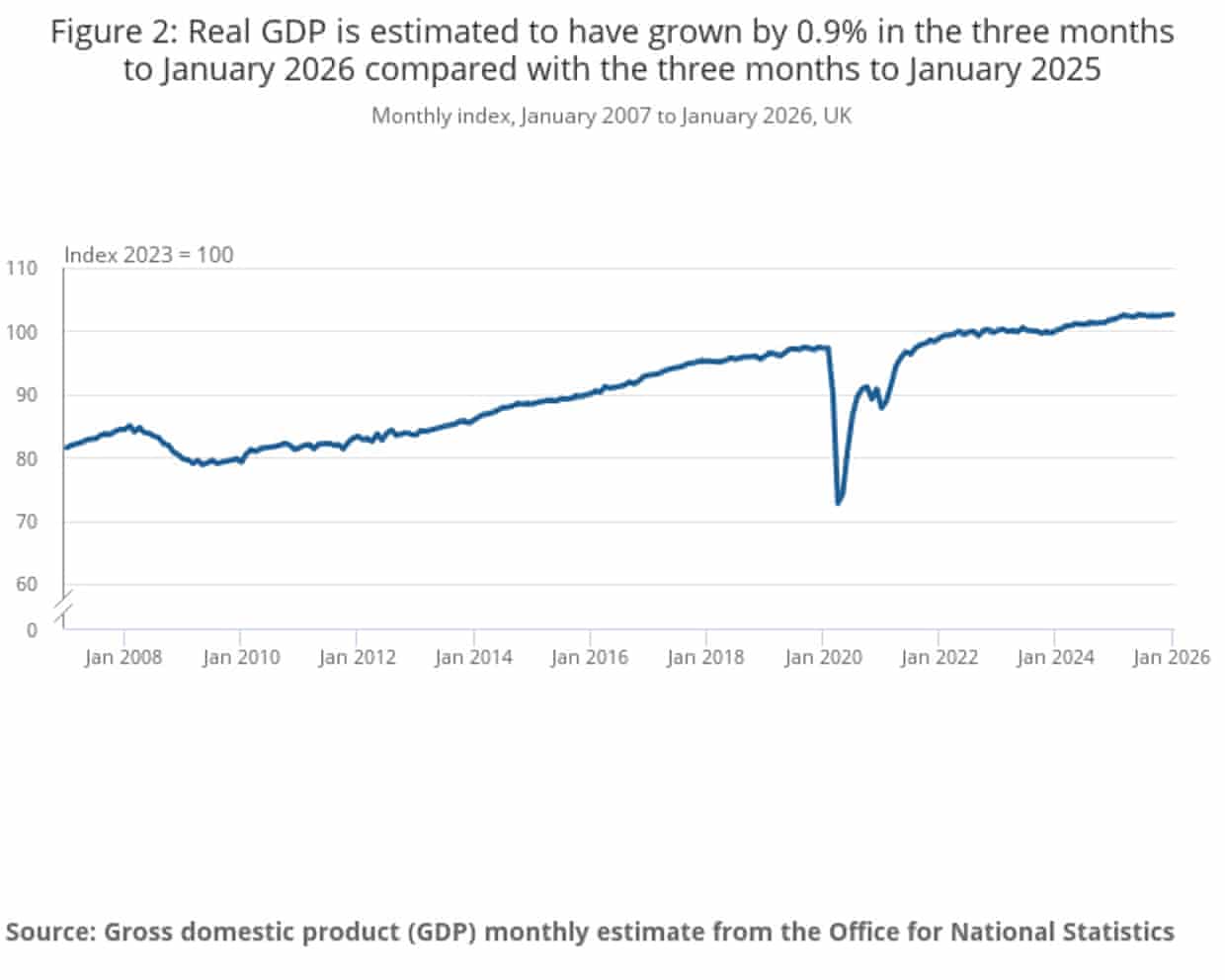
Oil price shock likely to ‘push the UK economy into recession’; US growth revised down – as it happened
Miliband reveals plans that could mean nuclear power plants built near homes

Bailiffs board Ryanair plane after airline refuses to pay delayed flight compensation

Bleak economic data shows UK plc in trouble well before Middle East crisis