U-turn on pubs has not solved the government’s mess on business rates | Nils Pratley
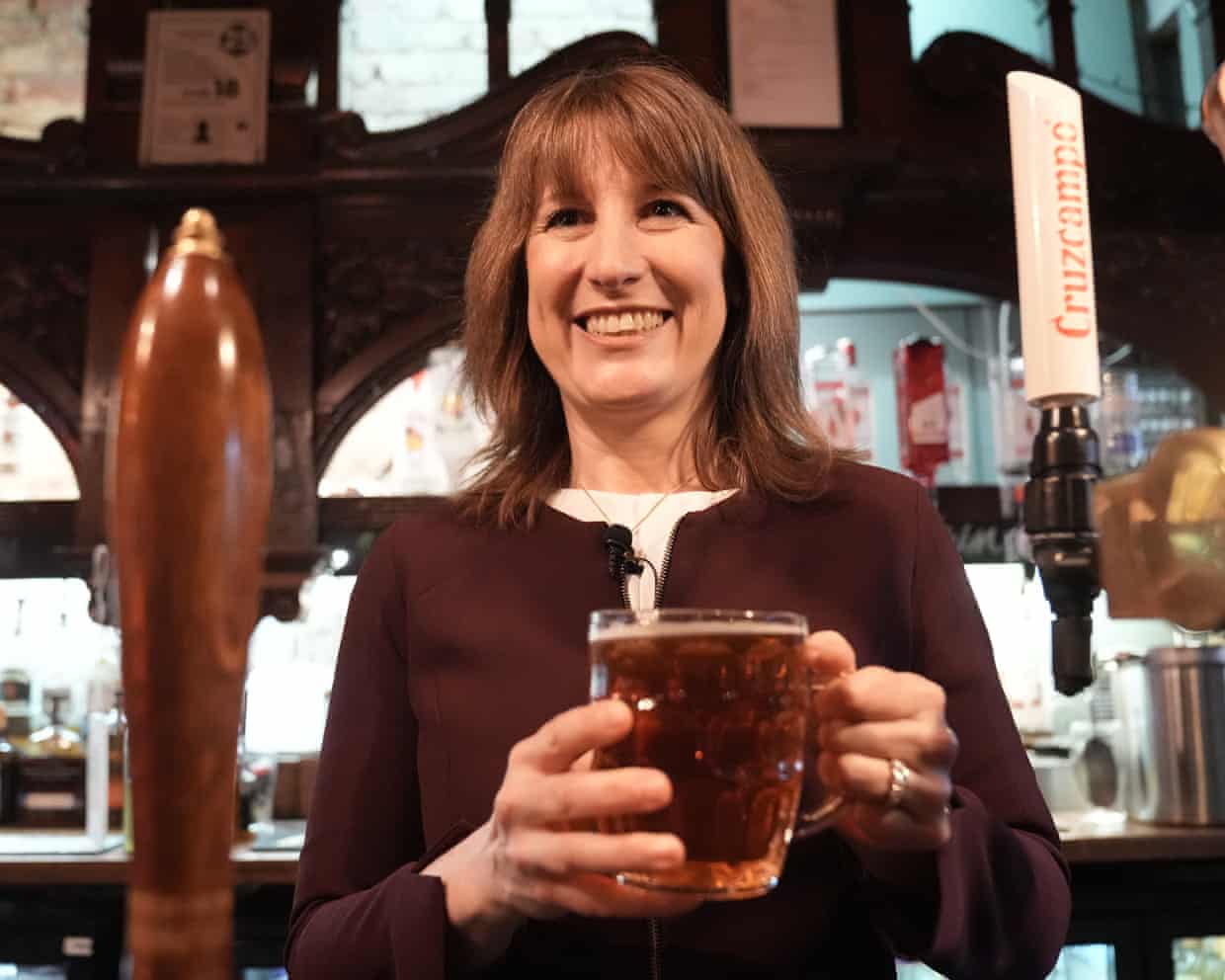
Will the chancellor’s inevitable U-turn on business rates for pubs be enough to quieten the developing riot behind the taps? Possibly, a bit.After two months of damaging headlines, Rachel Reeves has granted pubs a 15% discount on bills, worth £1,650 on average in the next tax year, then a two-year freeze in real terms, with the promise of a change in methodology in time for the next revaluation in 2029.Live music venues get the same deal.The package is not insignificant, especially as it was the year-three escalation in bills that was causing the most angst.Yet it would be a mistake to think the government’s troubles on business rates end there.
First, and most significantly, the rest of the hospitality industry got nothing extra in Tuesday’s announcement beyond a similar pledge to rethink valuation methods for hotels in future.Those restaurants, cafes and hotels represent six out of seven of the 3.5m jobs in the overall hospitality sector, and some figures cited by the employers’ trade body, Hospitality UK, for average increases in business rates over the next three years were truly exceptional – try 115% for a hotel in England.If dire warnings about closures and job losses are correct, Reeves may have to suffer the embarrassment of fiddling again with business rates in her autumn budget.Second, this saga will intensify the complaint from one corner of the business world that the government is interested only in the eight “high-growth” sectors within its modern industrial strategy and that everybody outside the tent is an afterthought.
Certainly, the Treasury seems to have failed to anticipate the cries of outrage from the hospitality sector.Perhaps it didn’t model the impacts in sufficient detail.Reeves managed to annoy everybody by boasting about creating the “lowest rates since 1991” when she was referring solely to the so-called multiplier applied to rateable values, which is only one of three critical inputs into the formula.The multiplier reduction was genuine but was overwhelmed in many cases by increases in rateable values themselves from depressed pandemic levels, plus the withdrawal of temporary Covid-era relief.We can probably agree that Covid support had to go at some point, but you can’t blame publicans and restaurateurs for being interested in their overall bills rather than the calculation mechanics and tapers.
The backdrop, after all, is increases in other fixed costs in recent years – energy, wages, employers’ national insurance contributions after the 2024 budget, and so on.Those separate cost pressures are the reason why this row exploded out of all proportion to the significance of business rates themselves.The Treasury should have seen it coming.MPs should look into how the shambles happened.Then there’s the fact that Labour, in its manifesto, promised to replace the whole business rates system on the grounds that the current set-up “disincentivises investment, creates uncertainty and places an undue burden on our high streets”.
In office, however, it has continued with the current structure with adjustments aimed at helping smaller premises.The tweaks may be well intentioned but they do not add up to the promised switch to a fairer regime.In the government’s defence, it inherited a mess from successive Tory governments that opted for sticking-plaster fixes, as Mel Stride, the shadow chancellor, would do better to admit.Change is also technically hard: business rates raise serious money (a projected £37bn in 2026-27) that central and local government needs.Every revaluation in the three-yearly cycle causes aggro of some form – outcomes too often feel arbitrary.
But the solution is to model sector-by-sector impacts precisely, spot problems before they arise, avoid overselling the changes you are making and recognise the wider trading environment.Better still, get on and do the fundamental reform you promised.
George Harrison’s old house has an interesting backstory | Letters
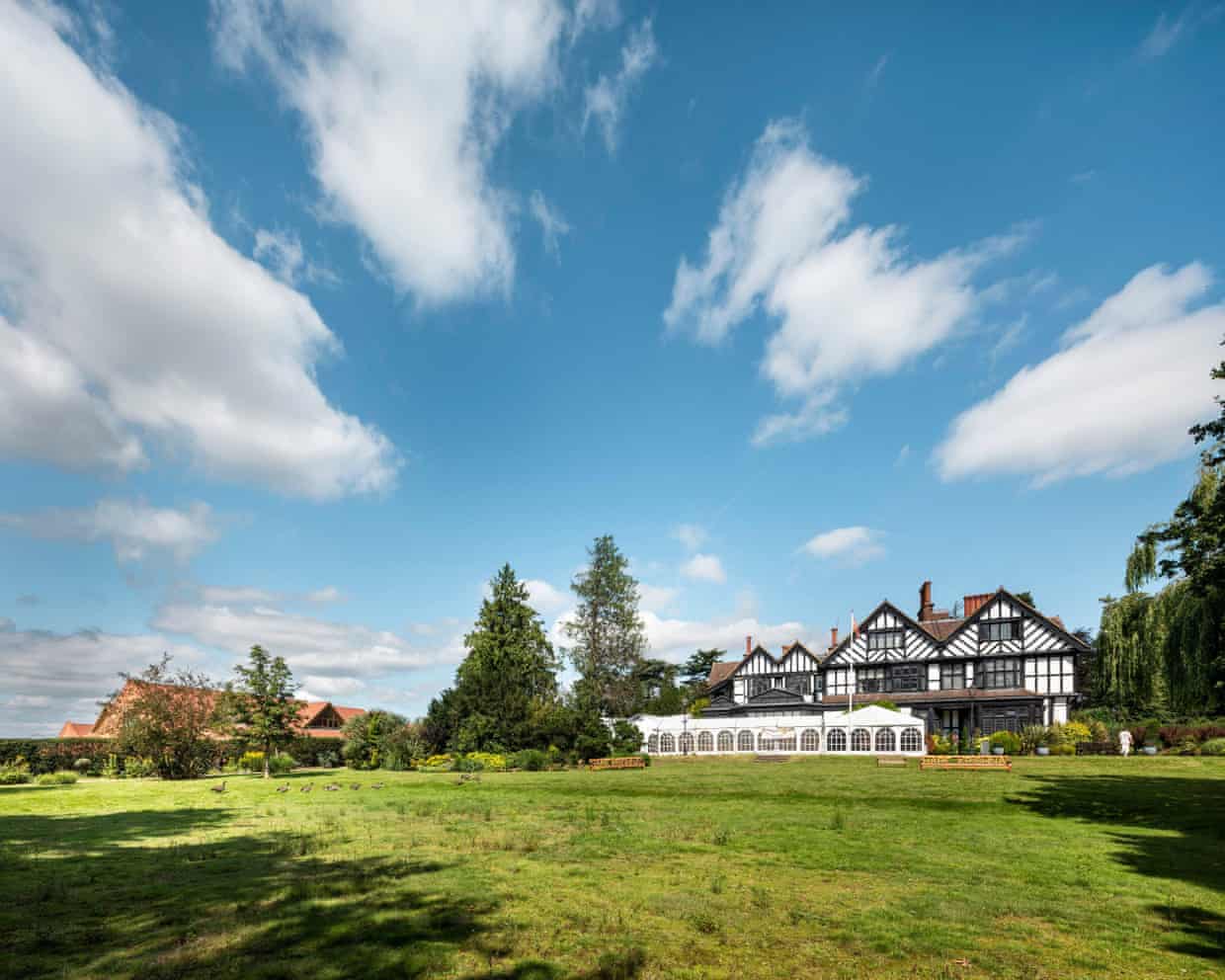
Peter Bradshaw missed out an important cultural feature of Letchmore Heath (‘The Village of the Damned was shot here – then George Harrison bought a house’: our UK town of culture nominations, 23 January). Before Piggott’s Manor was sold to George Harrison, it was the preliminary training school of St Bartholomew’s hospital in Smithfield, London, where 18-year-old would-be nurses spent three months before being let loose on real patients – learning how to bandage, give bed baths and change bed sheets with the “patient” still in it (practising on each other), give injections (into oranges), present food in an appetising way and – most importantly – to clean.Following this three-month period, we spent the next two-and-three-quarter years on the wards (as a form of apprenticeship) doing actual nursing work of greater complexity and responsibility. A far cry from the major cultural shift of today’s nurse training spent in universities and on placements.Dr Liz Rolls-FirthCheltenham, Gloucestershire
One in four adults in England do not drink alcohol, survey finds
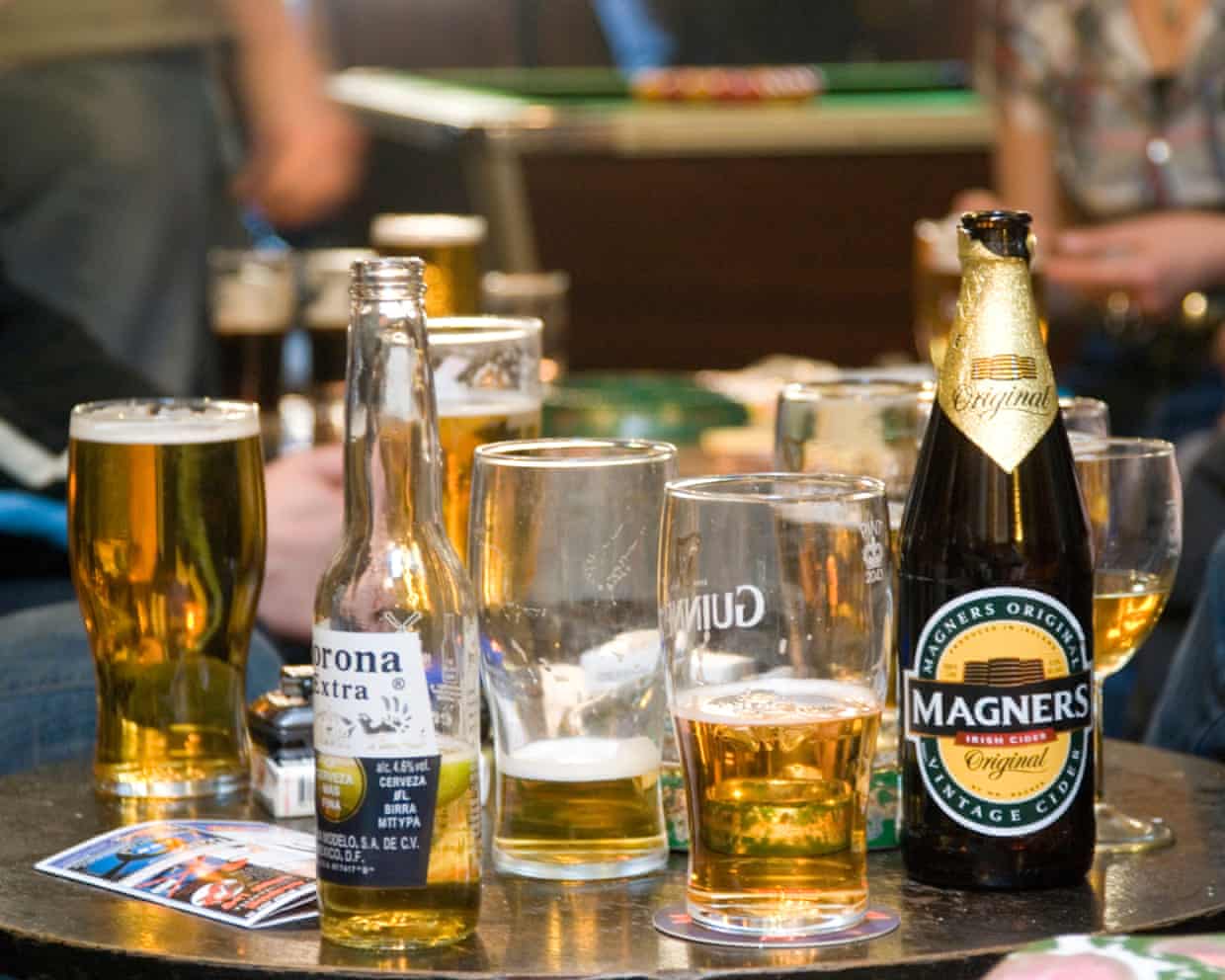
One in four adults in England do not drink alcohol, with increasing numbers of men and young people deciding to stay sober, according to a survey.The figures, which come from a questionnaire of 10,000 people as part of the Health Survey for England, found that almost a quarter (24%) of adults in England had not drunk alcohol in 2024, an increase from just under a fifth (19%) in 2022.Women appeared slightly more abstemious than men, as 26% did not drink alcohol that year compared with 22% of men. The proportion of non-drinkers increased in both genders compared with previous years.The survey also indicated regional variations in alcohol consumption
EHRC single-sex spaces guidance being adapted under ‘constructive’ new chair
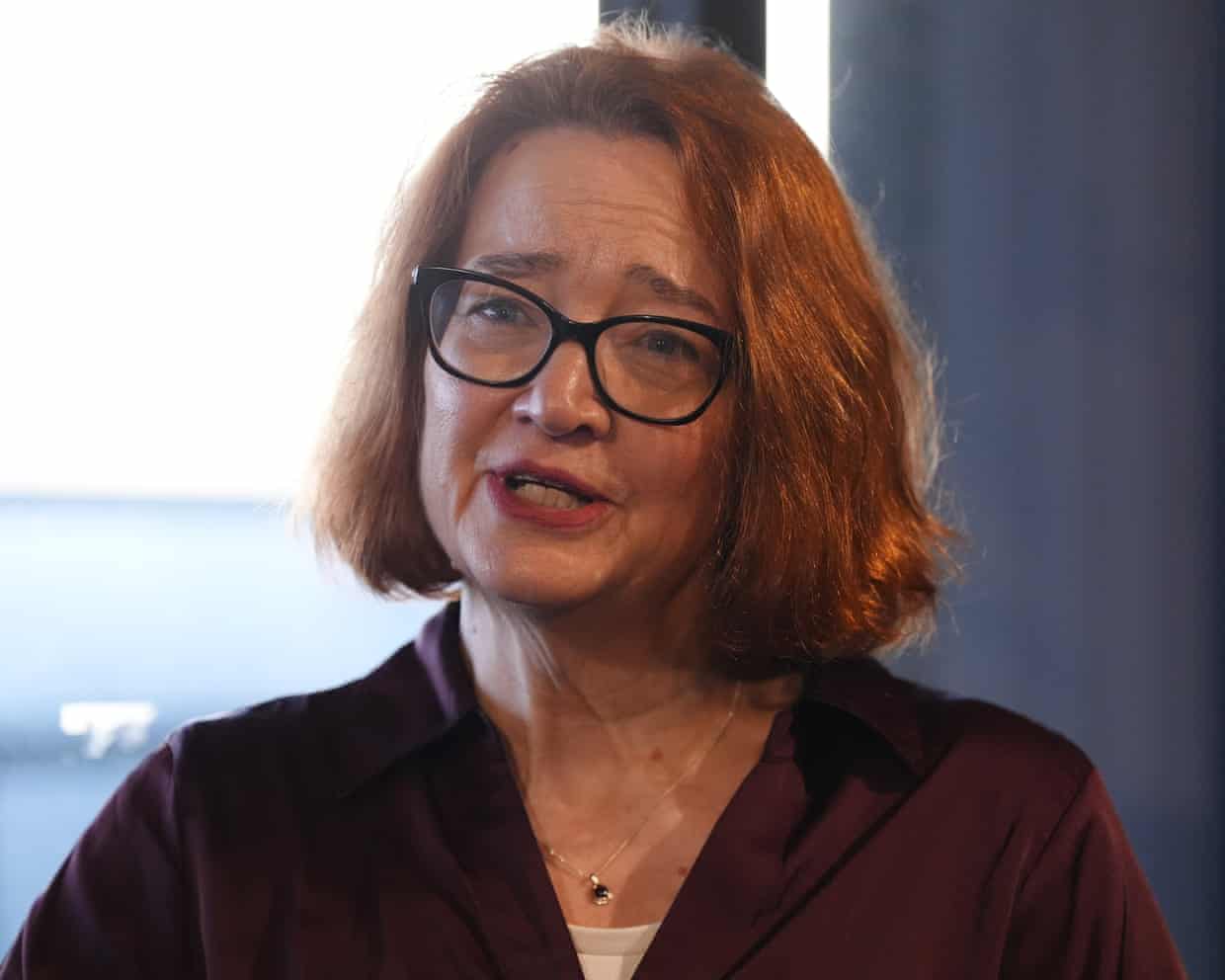
Guidance on how to implement the landmark supreme court ruling on gender is being adapted to lessen its impact on businesses and to ensure it tries to balance single-sex spaces with the lives of transgender people, the Guardian has been told.Lawyers from the Equality and Human Rights Commission (EHRC) are understood to be in discussions with government lawyers over the practicalities of guiding businesses and other institutions about last year’s ruling that the legal definition of a woman is based on biological sex only.While talks have been going on since the EHRC’s guidance was sent to ministers in September, there has been what is viewed as a change in approach from the equalities watchdog since its new chair, Mary-Ann Stephenson, took over late last year.Under law, the EHRC cannot unilaterally change a code it has submitted – this can happen only if ministers reject the draft and request amendments. But Stephenson is viewed as more open to listening to concerns about its implementation than her predecessor Kishwer Falkner
NHS England to trial AI and robotic tools to detect and diagnose lung cancer
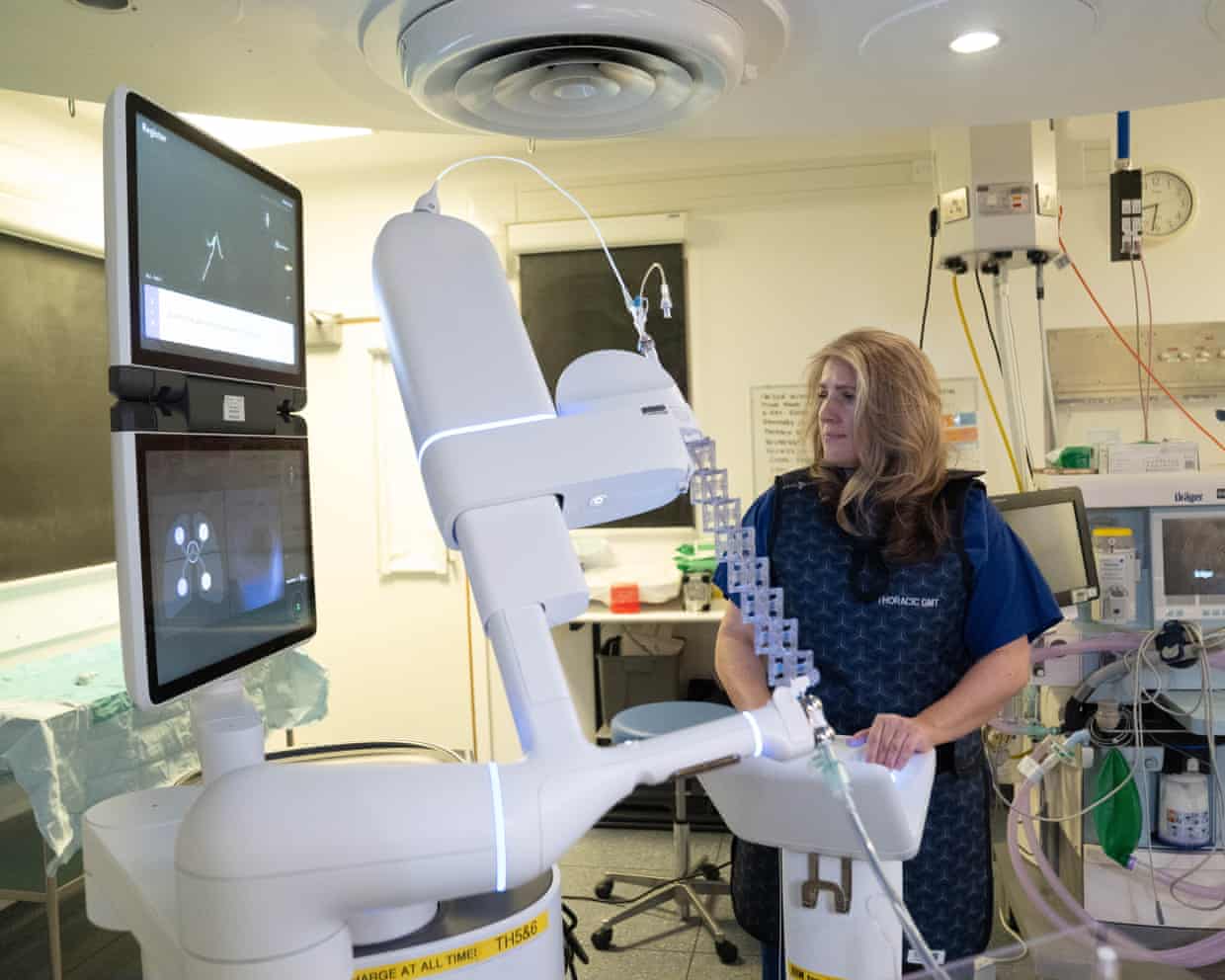
NHS England is to trial a combination of AI and robot-assisted care to speed up the detection and diagnosis of lung cancer, the UK’s most lethal form of the disease.The trial comes at the same time as the health service pledges to offer all smokers and ex-smokers the chance to be screened for lung cancer by 2030.That expansion will lead to an estimated 50,000 lung cancers being diagnosed by 2035, of which 23,000 will be at early stage, which could save thousands of lives, it said.The disease is a particular focus of the government’s forthcoming national cancer plan for England because it is Britain’s biggest cancer killer, reflecting historic high rates of smoking. It claims 33,100 lives a year across the UK, about 91 a day
Temporary accommodation in England is ‘torture’ for neurodivergent children, report finds
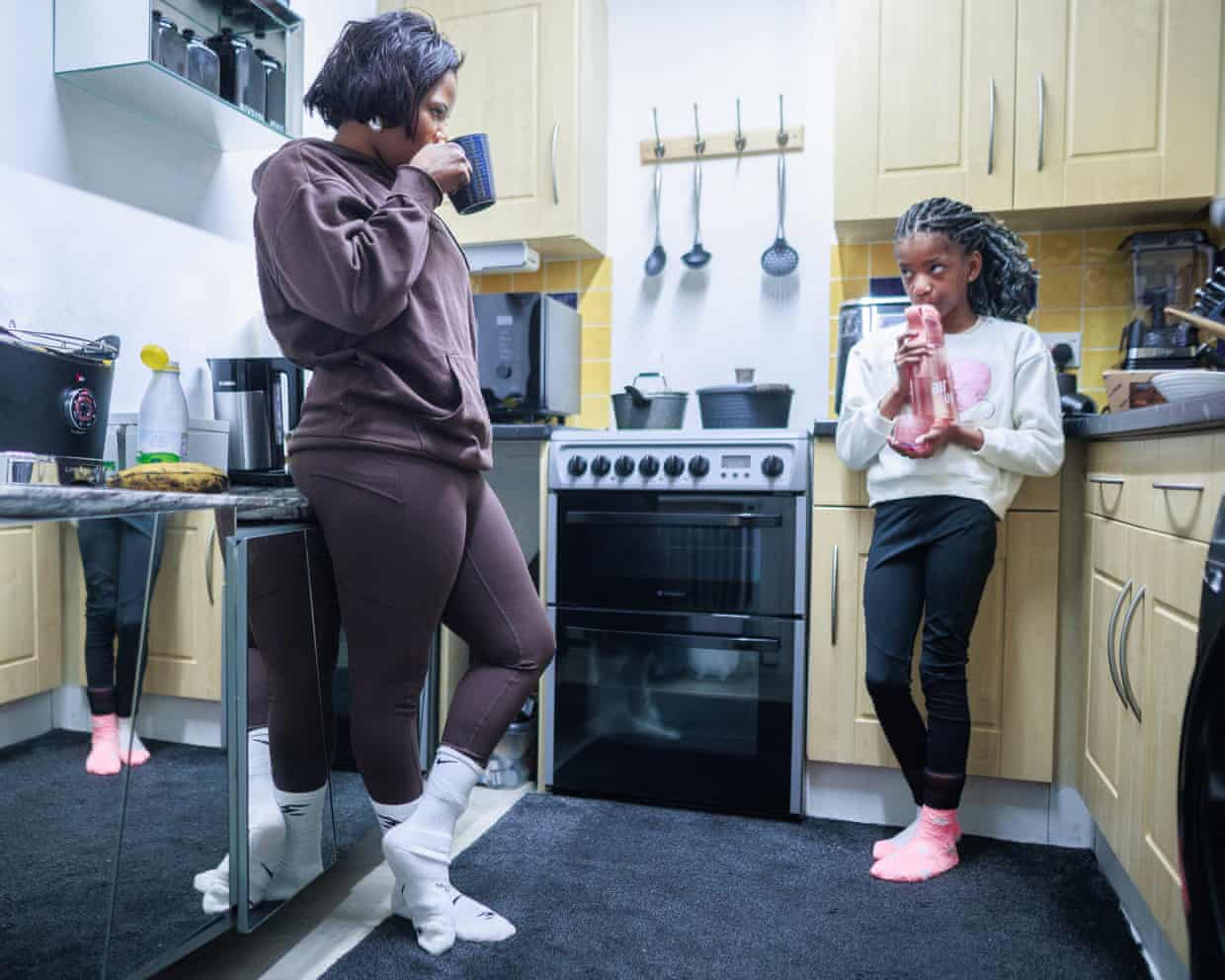
Neurodivergent children living in temporary accommodation (TA) in England are subjected to conditions that amount to “torture”, and the harm it causes them is “psychologically excruciating” and a form of “child cruelty”, a report has found.The report by King’s College London through the all-party parliamentary group (APPG) for households in temporary accommodation, found that while living in TA was damaging for any child, it had a particularly severe impact on neurodivergent children and those with special education needs and disabilities (Send).It found that, for neurodivergent children, TA was “relentless and cruel” and that “continuing to house them in such conditions – despite evidence of the damage it causes – can be considered as a form of torture and child cruelty”.Parents told researchers their neurodivergent children had become withdrawn or hypervigilant because of “chronic uncertainty, restricted space, lack of outdoor access, unsafe environments and the removal of familiar supports”.“The pace and frequency of moves between different TA spaces is overwhelming for neurodivergent children, resulting in a semi-permanent state of meltdown,” the report says

Most young adults in UK are anxious about jobs and the economy, research suggests
More than seven in 10 teens and young adults in the UK say they wish they were not starting their careers in the current economic climate, according to new research from the King’s Trust.The study also found that more than a quarter of people aged 16 to 25 feel they are going to fail in life, highlighting growing anxiety among those entering the labour market.Jonathan Townsend, the UK chief executive of the King’s Trust, said: “This new research shows young people today are deeply concerned about their job prospects and futures, particularly those already facing the greatest barriers.”According to the YouGov survey of 4,097 people, 73% of respondents were acutely anxious about their future careers and concerned there would not be enough jobs for people like them.The research, sponsored by the retailer TK Maxx, was published on Tuesday in the charity’s social impact report, 50 Years of Working for Young People

The value of the Australian dollar is high right now. So should you book that overseas trip?

‘Very low bar’: analysts say Starmer faces slim pickings in China

How ICE is using facial recognition in Minnesota
UK ministers accept $1m from Meta amid social media ban consultation

Elena Rybakina blows away Iga Swiatek to reach Australian Open semi-final against Jessica Pegula

Alex de Minaur fell a distance short at the Australian Open. Will he ever win a major? | Simon Cambers