Never waste a fuel crisis: the Albanese government must seize the moment and start taxing gas companies | Greg Jericho
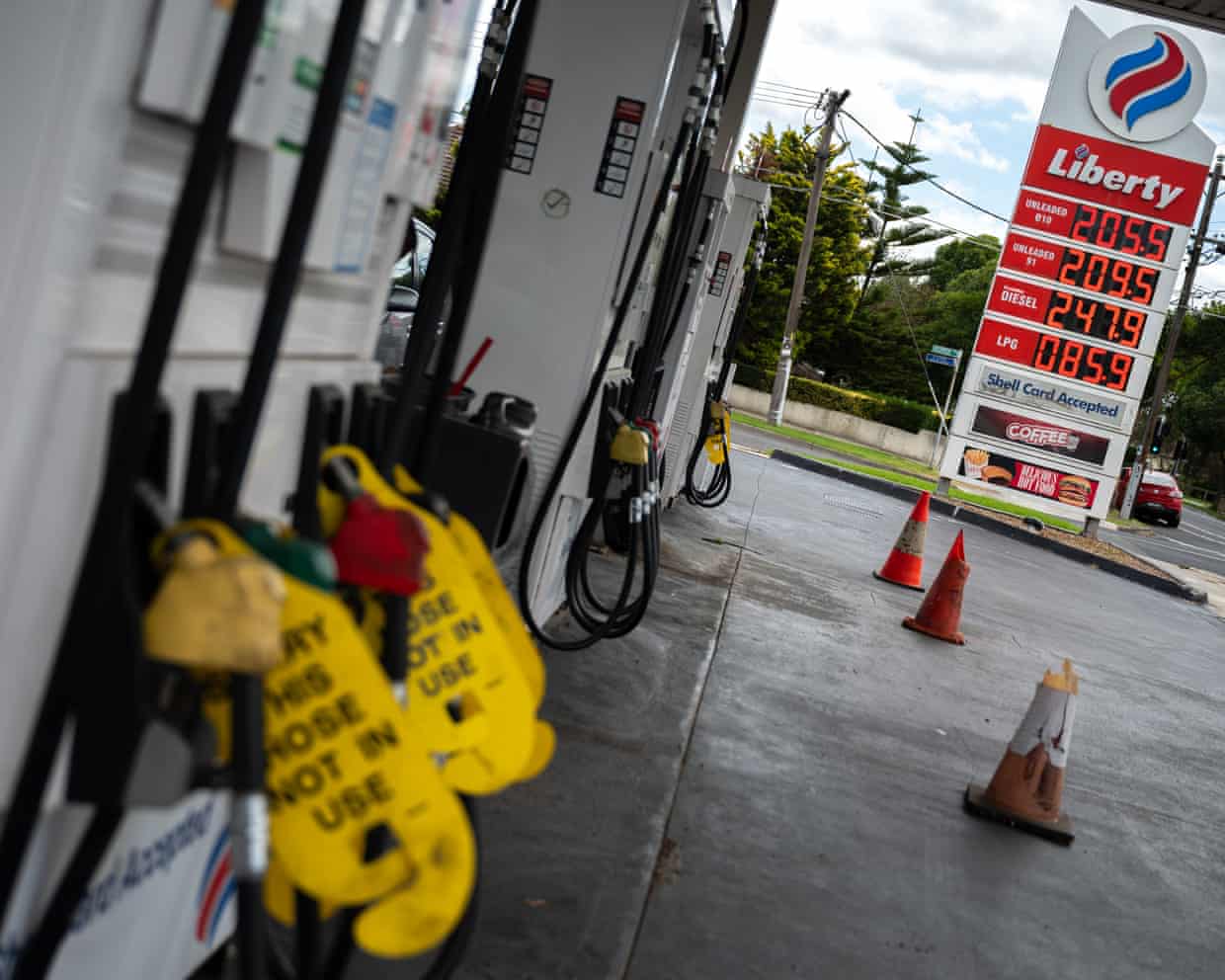
The first rule of politics is to never waste a crisis.The current fuel crisis due to the Iran war is one the Australian government needs to seize.The old political concerns about taxing gas companies are now dead.Should the Albanese government fail to act it should not be surprised if voters angry at rising petrol, gas and electricity prices begin to look elsewhere.Earlier this month, the independent senator David Pocock asked the Senate if it was true that Australians paid more in beer excise than gas companies did in the petroleum resources rent tax (PRRT).
It was true, drinkers of beer, spirits, cider or pre-mixed drinks are all paying more tax.Heck, even smokers still pay more excise than gas companies pay PRRT:If the graph does not display click hereThat Pocock made this point is not shocking but the public support for his position highlights just how far and quickly the narrative has shifted.Way back in 2014, I wrote a column explaining how the opening of the Gladstone LNG terminal would send our gas prices higher.It was based on work by the Australia Institute senior economist Matt Grudnoff’s paper Fracking the Future.Within six months of LNG production in Gladstone starting, wholesale gas prices in the east and south-east of Australia more than doubled and, because gas prices link to electricity prices, they also rose:If the graph does not display click hereAfter the start of Russia’s war on Ukraine, prices here spiked due to nothing other than the world price of gas soaring.
This might not have been a problem were it not for the fact that Australia, unlike most energy-exporting nations, does not tax our LNG exports in any serious way.This goes to the crux of Pocock’s point – our LNG exports have soared but PRRT revenue has not:If the graph does not display click hereAs a result, gas companies have spent the past few years absolutely laughing.Since the invasion of Ukraine, gas exporters in Australia have taken in an estimated $128bn more revenue than they would have, had prices remained at previous levels.If the graph does not display click hereBecause windfall profits are by their very nature unexpected, taxing them does not affect business decisions in any way – and yet the Albanese government has thus far refused to tax them.In the past, that might have been politically beneficial – after all, the gas industry has been very good at suggesting it is necessary for the economy.
And yet while the industry takes in around 8% of all operating profits, it only pays around 0.5% of all wages in the private sector:If the graph does not display click hereFor many years there have been a few of us calling for better taxing of gas companies, but it was a pretty lonely spot.Now, however, the ACTU is calling for a 25% tax on gas exports (full disclosure, I assisted with some of the research behind the report that found it would raise around $17bn a year).This is supported by Pocock.And he has plenty of company.
The Greens are on board and independent MP Allegra Spender, who has just released her own tax white paper, is also calling for a windfall tax on gas.Zali Steggall knows the gas industry is taking us for a ride and Kate Chaney has long been calling for a proper tax on gas.Even One Nation has announced it wants to massively increase the level of royalties paid by the gas industry.We now have a situation where the ACTU, the Greens, independents and One Nation are all calling for either a tax on gas or for the industry to pay much, much more.And it is not surprising.
A recent poll showed that One Nation voters were the most strongly in favour of a 25% tax on gas exports:If the graph does not display click hereThe political calculus has changed.What previously would have been seen as a risky option is now seen as sensible.And as fuel prices rise across the country, the sense that Australians are missing out will only grow, and with that will come more anger at a government that fails to act.Last week Monique Ryan asked the treasurer if the government would introduce a tax on gas “to capture windfall profits from conflicts like those in Ukraine and Iran”.Jim Chalmers replied that the government had already “made some changes to the PRRT”.
Except, when those changes were announced in the May 2023 budget, the gas industry celebrated and, unsurprisingly, the estimates of PRRT have since fallen drastically, putting a lie to the treasurer’s line that the gas industry now pays “extra billions of dollars sooner”:If the graph does not display click hereSo it would seem the government is not for turning,But last week, in a mostly unreported speech in parliament, government backbench MP Ed Husic absolutely let fly,He told parliament “we don’t have a shortage of supply, we have a glut of greed”,Pointedly he noted: “Australian politics has got to acknowledge the red-hot anger that exists about the greed of gas companies felt by voters of all political persuasions,”This is a key issue.
Voters over the past two elections have very quickly realised that no one owns their vote – there is no such thing as a safe seat any more, and they want politicians who listen.It is time for the government to stop being afraid of the gas industry.Australians have woken up to the greed and how we are being ripped off.Failure to act in the May budget could very quickly make voters who are angry at gas companies realise their real anger is at the government.Greg Jericho is a Guardian columnist and chief economist at the Australia Institute
UK borrowing costs hit highest since 2008 as markets expect up to three interest rate rises
UK government borrowing costs have reached their highest level since 2008, while financial markets now expect up to three interest rate rises this year as investors digest the impact of the Iran conflict.The yield, or interest rate, on 10-year borrowing was pushed to heights not seen since the global financial crisis, as investors dumped UK government bonds.The market move followed the Bank of England’s decision on Thursday to leave interest rates on hold at 3.75% and hint at a future increase. By Friday, markets were pricing in as many as three interest rate rises in 2026
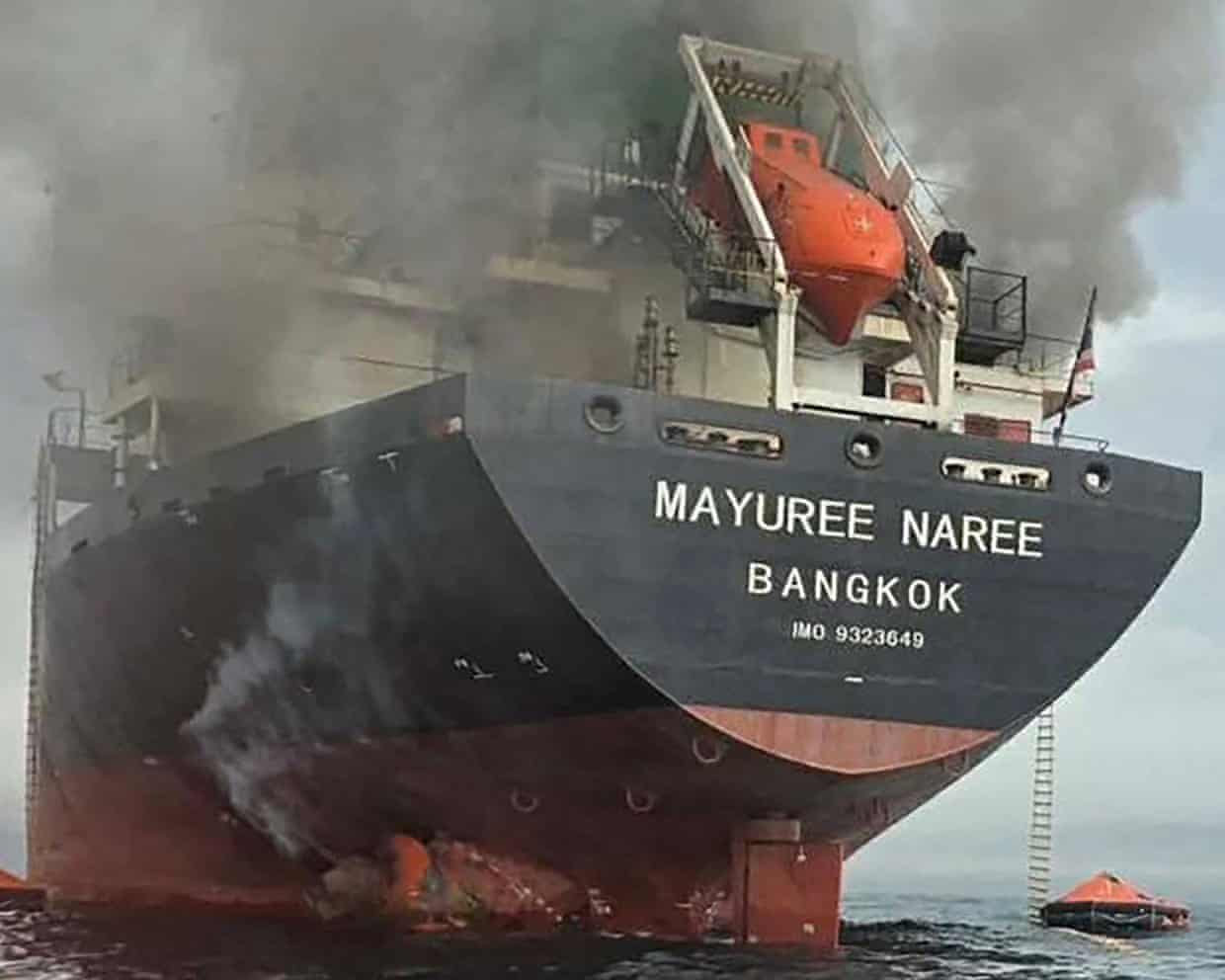
‘Huge build-up of risk’: London’s centuries-old shipping industry wrestles with Iran war
Shipping risk has been insured by Lloyd’s of London for more than 330 years, but now the centuries-old heart of maritime insurance is getting to grips with the most modern of threats – drones and missiles threatening hundreds of vessels stuck in the Gulf region amid the escalating Middle East conflict.For nearly three weeks the crucial strait of Hormuz has effectively been closed to the more than 100 gas and oil tankers and container ships that usually pass through each day.Pressure is building to find a way to safely reopen the narrow maritime channel to allow the estimated 1,000 vessels and their crews – mainly oil and gas tankers but also container ships – currently trapped in the Gulf to continue their journeys, restarting the global flow of fuel, chemicals and goods.A total of 23 vessels had been attacked between the start of the war and Thursday, according to analysts from Lloyd’s List Intelligence, including near misses and those that have sustained minor damage. Several crew members have been killed
JP Morgan Chase to use computer estimates to monitor hours worked by junior bankers
JP Morgan Chase has started to compare the hours junior investment bankers claim to have worked against logs on its IT system.The US bank said it would begin issuing reports to junior bankers that compare computer-generated estimates of their work weeks against their self-reported time sheets as part of a pilot scheme.The company said it planned to roll out the programme more widely across its investment bank, with IT estimates based on employees’ weekly digital activities including video calls, desktop keystrokes and scheduled meetings.“Much like the weekly screen time summaries on a smartphone, this tool is about awareness, not enforcement,” JP Morgan said in a statement. “It’s designed to support transparency, wellbeing, and encourage open conversations about workload
Marmite maker Unilever in talks to merge food business with US-based McCormick
Unilever, the owner of Marmite, Dove and Hellmann’s mayonnaise, is in talks to combine its food business with the US-based spice and seasoning maker McCormick.The Anglo-Dutch food company – which last year spun off its ice-cream division, the home to Ben & Jerry’s, Magnum and Wall’s – has entered discussions over the future of the “highly attractive” business.Unilever is valued at almost £100bn, and its food unit, which includes brands such as Knorr, could be worth tens of billions of pounds.McCormick, which owns brands including French’s yellow mustard, Old Bay seasoning and Cholula hot sauce, is valued at about $15bn (£11bn).“Unilever confirms that it has received an inbound offer for its foods business and is in discussions with McCormick & Company,” the Marmite maker said in a statement
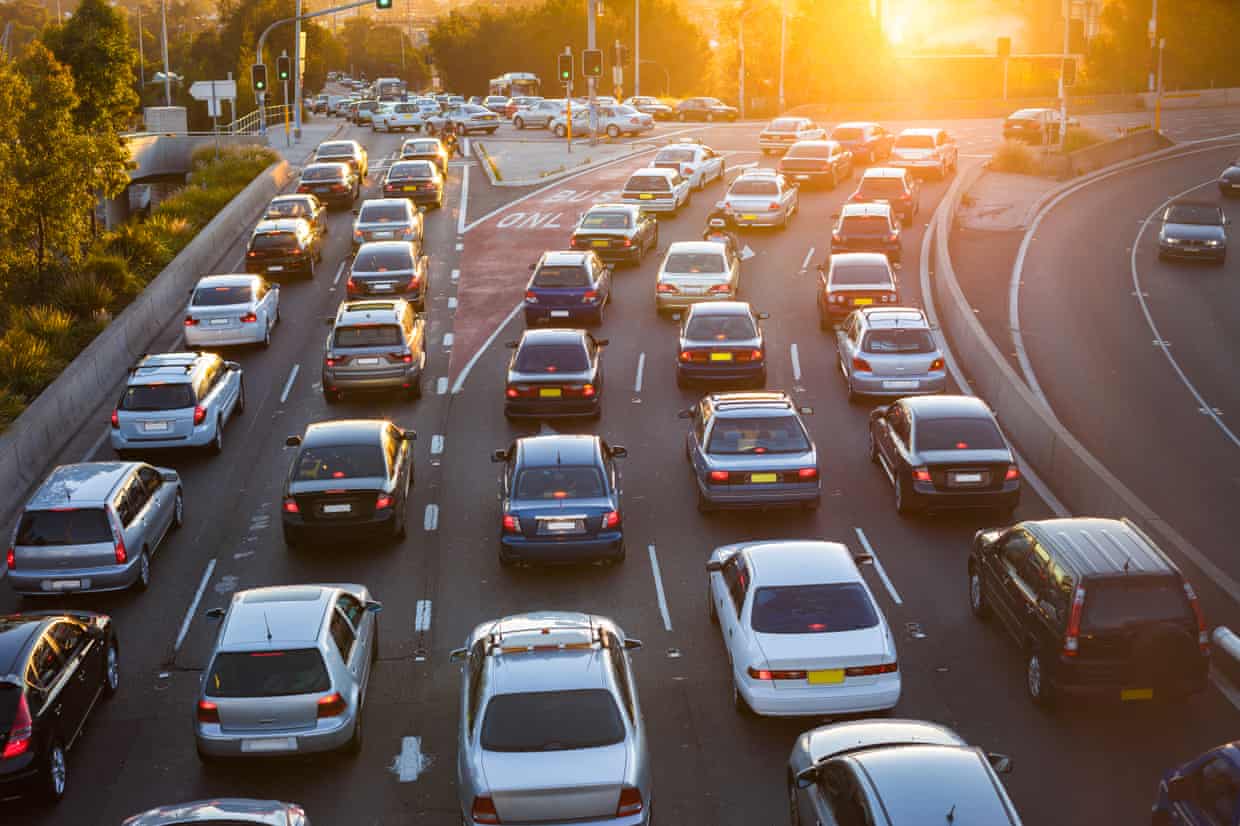
Work from home and slow down on the road: world’s energy watchdog advises emergency measures as oil prices rise
The world’s energy watchdog has advised governments to reduce highway speeds and encouraged workers to carpool or, ideally, work from home to combat soaring oil prices and impending fuel shortages caused by the Middle East conflict.It has also recommended countries consider limiting car access to designated zones in large cities, by giving vehicles with odd-numbered plates access on different weekdays to those with even-numbered plates.The International Energy Agency (IEA) has advised member countries, including Australia, the UK and the US, to take the emergency measures to curb oil demand, following the military strikes on Iran that have triggered the most significant supply disruptions in the history of the global oil market.It comes amid concerns that crude oil imports from Australia’s top Asian suppliers are at risk, as countries scramble to shore up their own reserves.Last week, the IEA ordered the largest release of government oil reserves in its history to help calm the oil price shock
High charges, poor service: NCP hits the skids as drivers change habits
Nearly a century old and once host to London fashion week, the NCP car park in Brewer Street in London’s Soho is facing an uncertain future. Its former glories – which at one time included separate rooms for chauffeurs and changing rooms for theatregoers – have long given way to complaints about a lack of security and high parking charges, but this week things got worse.National Car Parks, one of the UK’s biggest car park operators, which dates back to 1931, filed for administration at the high court in London after struggling to pay its rents and buckling under a £305m mountain of debt. This means the future of 340 car parks across the UK, in town and city centres, at hospitals and airports, is uncertain along with the fate of 682 people who work for the Japanese-owned business.Car parks are regarded as a high-margin business, generating revenue from pay-as-you-go and season tickets, overstay fees and fines via modern payment systems while requiring little day-to-day maintenance, amid a general shortage of parking

‘We need to think much bigger’: trade minister calls for greater ambition in UK-EU reset

Reform UK suspends Scottish candidate less than a day after announcing him

Starmer’s ministers look at new economic blueprint to quell voter anger
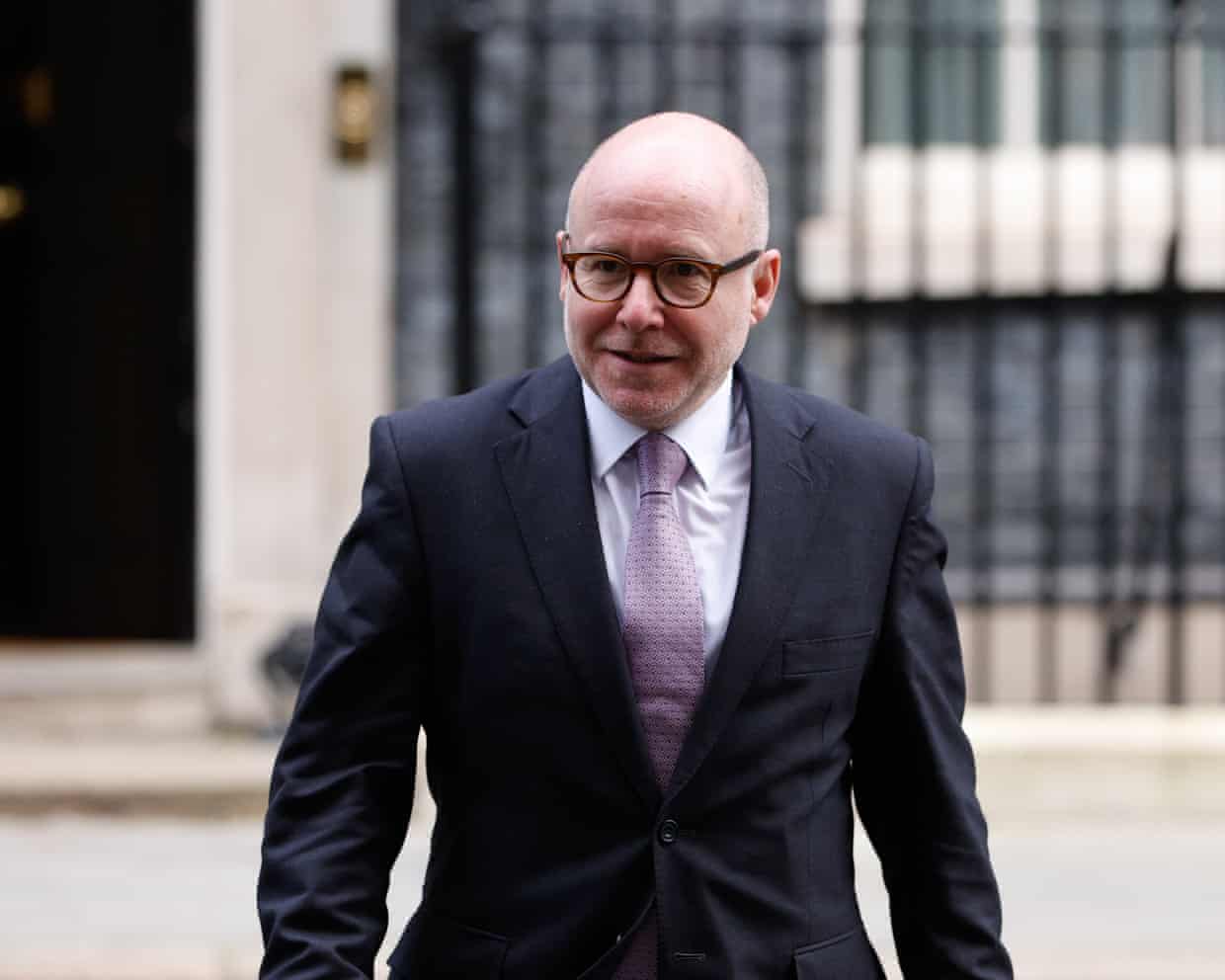
Attorney general asks if Kemi Badenoch would object to Jewish public prayer

Nigel Farage condemned over call to ban public prayer for Muslims in the UK
Here’s what a reformed House of Lords could look like | Letters