Will the government finally deliver a housing policy that stops making a bad situation worse? | Greg Jericho
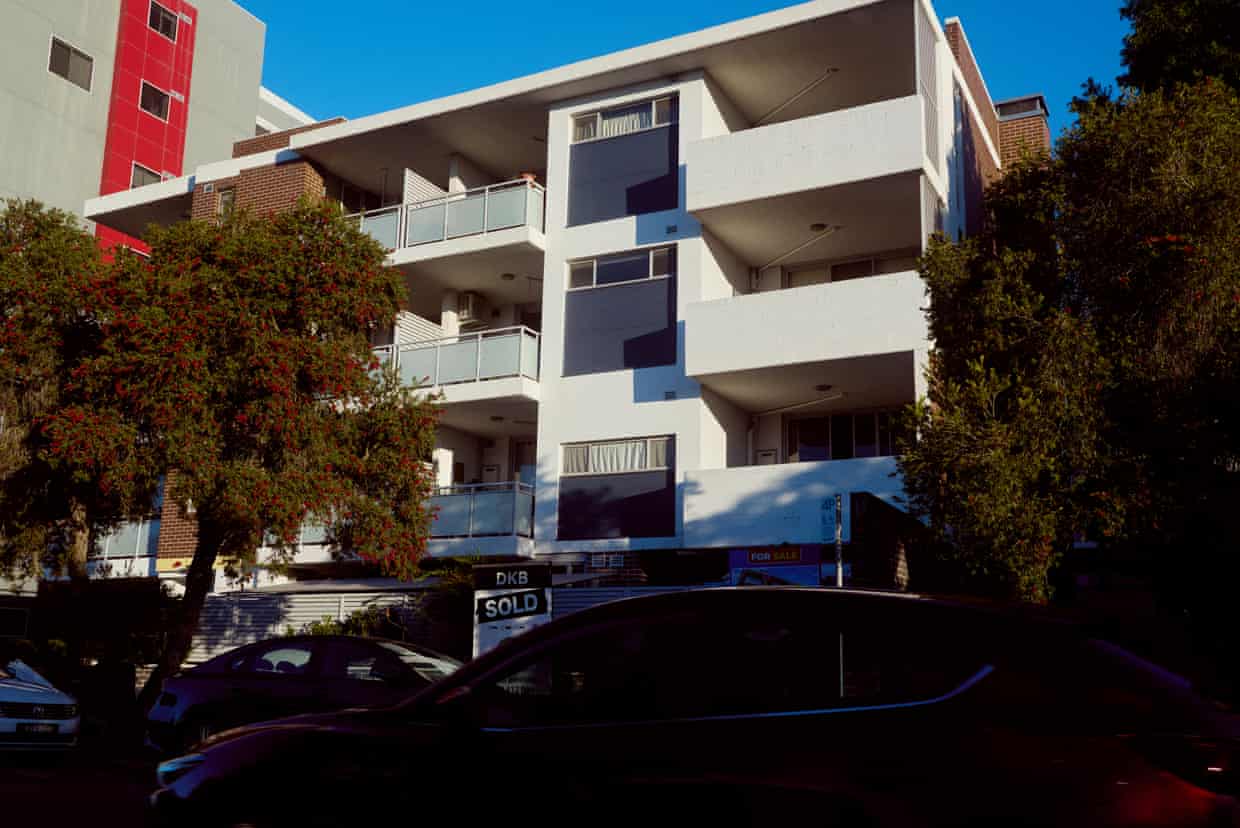
Excuse me while I let out a long sigh of frustration,Australia’s housing policy has for so very long been about making the problem worse by juicing up demand,This is undeniable,The evidence is long and clear,Whether it be the 50% capital gains tax discount John Howard introduced in 1999, the continuation of negative gearing, or the use of first home buyer grants, government policies have overwhelmingly ensured more people are bidding for houses at auctions.
But, as everyone knows, the more people bidding for a property, the higher the price goes.The government’s latest housing brain flub was the 5% deposit guarantee for first home buyers.Last year, I suggested it was set to be yet another miserable policy failure.And now the evidence is in.The lending figures released on Tuesday for the December quarter of last year cover the first three months of the deposit guarantee.
In that quarter the number of people taking out first home buyer home loans rose 6.8% – the biggest one-quarter jump for two years.But it wasn’t a record, and certainly nothing like what we saw during the global financial crisis or pandemic years when the government went all out to encourage housing:If the graph does not display click hereAnd while there was a nice increase in first home buyers, the overall number remains pretty weak, especially when you take into account population growth.There are much fewer first home buyers relative to the size of the labour force than in the past.A big reason for this is that the cost of buying a home is so much greater now than it was 20 years ago.
And this problem has been made worse due to the government’s 5% deposit scheme.Because while the number of first home buyers might have gone up, the amount of money they have borrowed went up much more.In the December quarter the value of all those first home buyer home loans went up 15.5% – more than double the increase in the number of loans.That means the average size of those home loans went up 8.
3% in three months – a record one-quarter jump.It was also well above the 2.8% increase in the average size of home loans for non-first home buyers:If the graph does not display click hereIt meant that, in the December quarter, the average home loan for first home buyers hit a record $607,545:If the graph does not display click hereThe average value of a first home buyer home loan is now 12% higher than it was a year ago.Given wage growth in the past year has been about 3.4%, that means the cost of buying a first home has deteriorated at a terrible pace.
And the impact is on everyone’s housing affordability.As I also noted last year, the announcement of the 5% deposit guarantee sent investors storming into the market trying to get in before the first home buyers.Those investors remain in the market.The growth of the value of investor home loans rose 32% in the past year – faster than the 22% increase for first home buyers and well above the 17% increase for non-first home buyers:If the graph does not display click hereAnd it all adds to the amount of money being bid on for houses.First home buyer loans usually make up about 17% of the total value of all loans, but in the December quarter they accounted for 27% of the increase in home loans.
And we know that when the amount of money being loaned rises, so too does the price of property:If the graph does not display click hereThe good news is there are rumours that the government might finally be looking at a housing policy that takes some of the heat out of the market, rather than adding to it,Rumours that the government will reduce or eliminate the 50% capital gains tax discount are growing,This would be a great policy move,As I have long argued, the introduction of the capital gain tax discount helped turn the housing market into a speculators’ dream, and sent house prices soaring:If the graph does not display click hereData this week from the Parliamentary Budget Office also showed just how unequal the benefits of the tax discount are,The PBO estimates that in this current financial year the discount will cost $21.
8bn in revenue forgone,The richest 1% will get 59% or $12,9bn of it:If the graph does not display click hereThe 5% deposit guarantee did what everyone expected – it made housing affordability worse,But if the government fixes the capital gains tax discount in the May budget, it will at least be able to say it is a government that finally delivered a housing policy that stops making the bad situation even worse,Greg Jericho is a Guardian columnist and chief economist at the Australia Institute

Scottish rocket startup nears collapse despite £26m in taxpayer loans
A British space company hoping to launch the first homegrown rocket from Scotland is on the brink of collapse, threatening 150 jobs and throwing doubt over the UK’s extraterrestrial ambitions.Orbex, which is based in the Scottish Highlands, is lining up administrators as hopes fade that it will strike a rescue deal or raise funds, despite having been handed £26m in government loans last year.The startup had planned to launch a rocket from a base on the Shetland Islands and was “on the cusp” of holding its first test flights in 2026, according to its chief executive, Phil Chambers.The company had also been in talks to raise fresh cash from the Treasury-backed National Wealth Fund, but that deal fell through at an “early stage” of discussions late last year, a source with knowledge of the situation said.Launch plans were also hit by repeated delays and Orbex eventually turned to a potential German buyer, The Exploration Company, which is developing a reusable spacecraft
US added 130,000 jobs in January, surpassing expectations as 2025 growth is slashed
The US jobs market added 130,000 jobs in January, according to a highly anticipated labor market report released on Wednesday, a surge of job growth after months of fatigue in the labor market.The unemployment rate was 4.3% in January, a slight cooling since the fall. Economists predicted 70,000 in job gains and an unchanged unemployment rate for January.The gains are still 13,000 jobs less than the the 143,000 jobs added a year ago in January 2025, but more than double the 50,000 jobs that were added in December
US jobs report beats forecasts with 130,000 increase in January – as it happened
US employers hired 130,000 more workers in January, which was stronger than expected (and despite warnings from the White House of smaller numbers because of its deportation programme).Non-farm payrolls figures from the Bureau of Labor Statistics showed the unemployment rate dipped to 4.3% last month from 4.4% in December.Economists had pencilled in an increase of 70,000 jobs, on average, and forecast the rate would stay at 4
Will the government finally deliver a housing policy that stops making a bad situation worse? | Greg Jericho
Excuse me while I let out a long sigh of frustration.Australia’s housing policy has for so very long been about making the problem worse by juicing up demand. This is undeniable. The evidence is long and clear.Whether it be the 50% capital gains tax discount John Howard introduced in 1999, the continuation of negative gearing, or the use of first home buyer grants, government policies have overwhelmingly ensured more people are bidding for houses at auctions
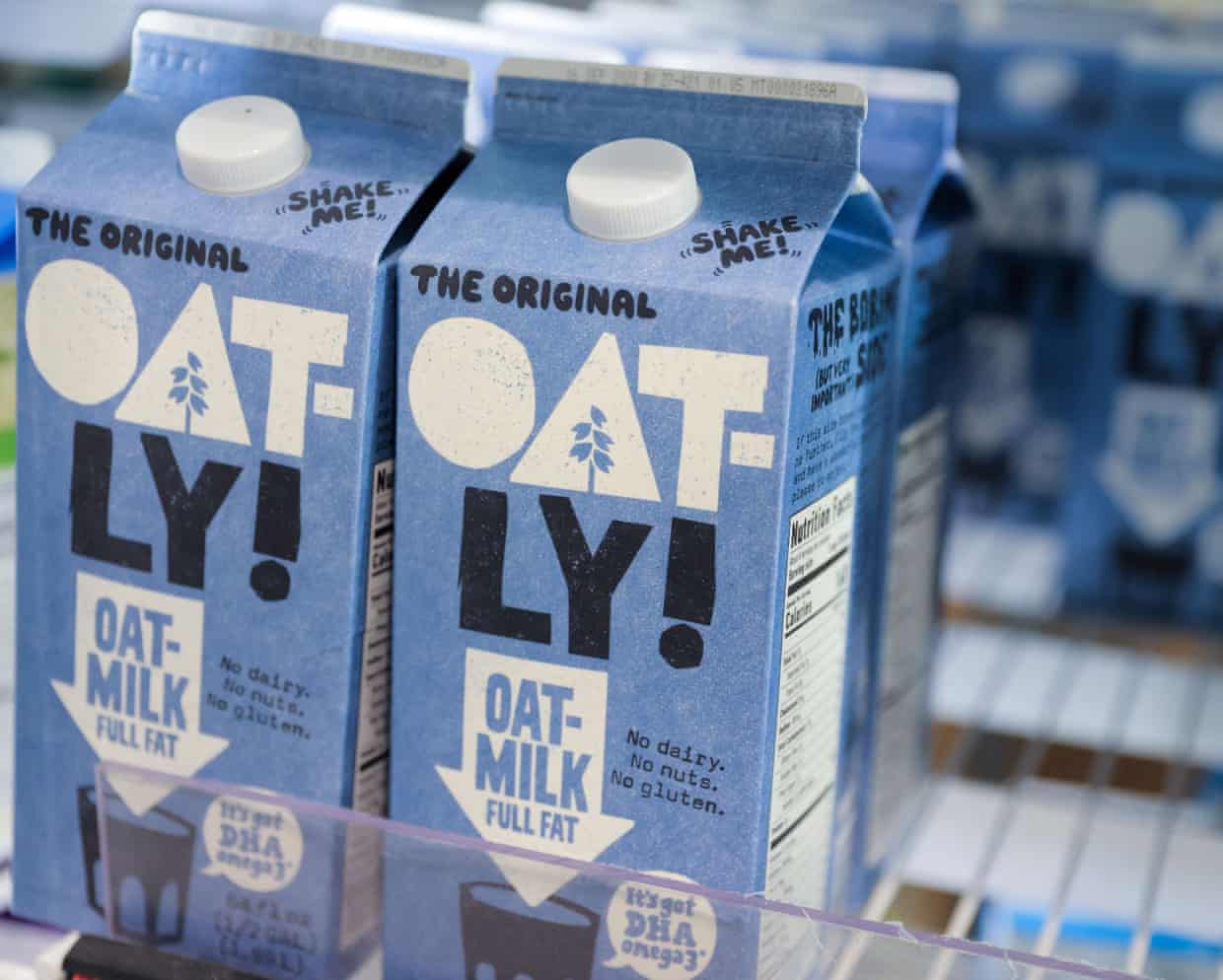
Oatly banned from using word ‘milk’ to market plant-based products in UK
The Swedish-based drinks manufacturer Oatly has been banned from using the word “milk” to market its plant-based products, after a ruling by the UK supreme court.The alt-milk manufacturer has been in a long-running legal battle with the trade association Dairy UK after Oatly trademarked phrases associated with the dairy sector.On Wednesday the supreme court unanimously ruled that Oatly can no longer trademark, or use, the slogan “Post Milk Generation”.“It has taken the highest court in the land to decide once and for all whether a plant-based milk alternative can be branded as ‘milk’ and marketed as such,” said Laurie Bray, a senior associate and trademark attorney at the European intellectual property company Withers & Rogers. “And the outcome is not what Oatly was hoping for
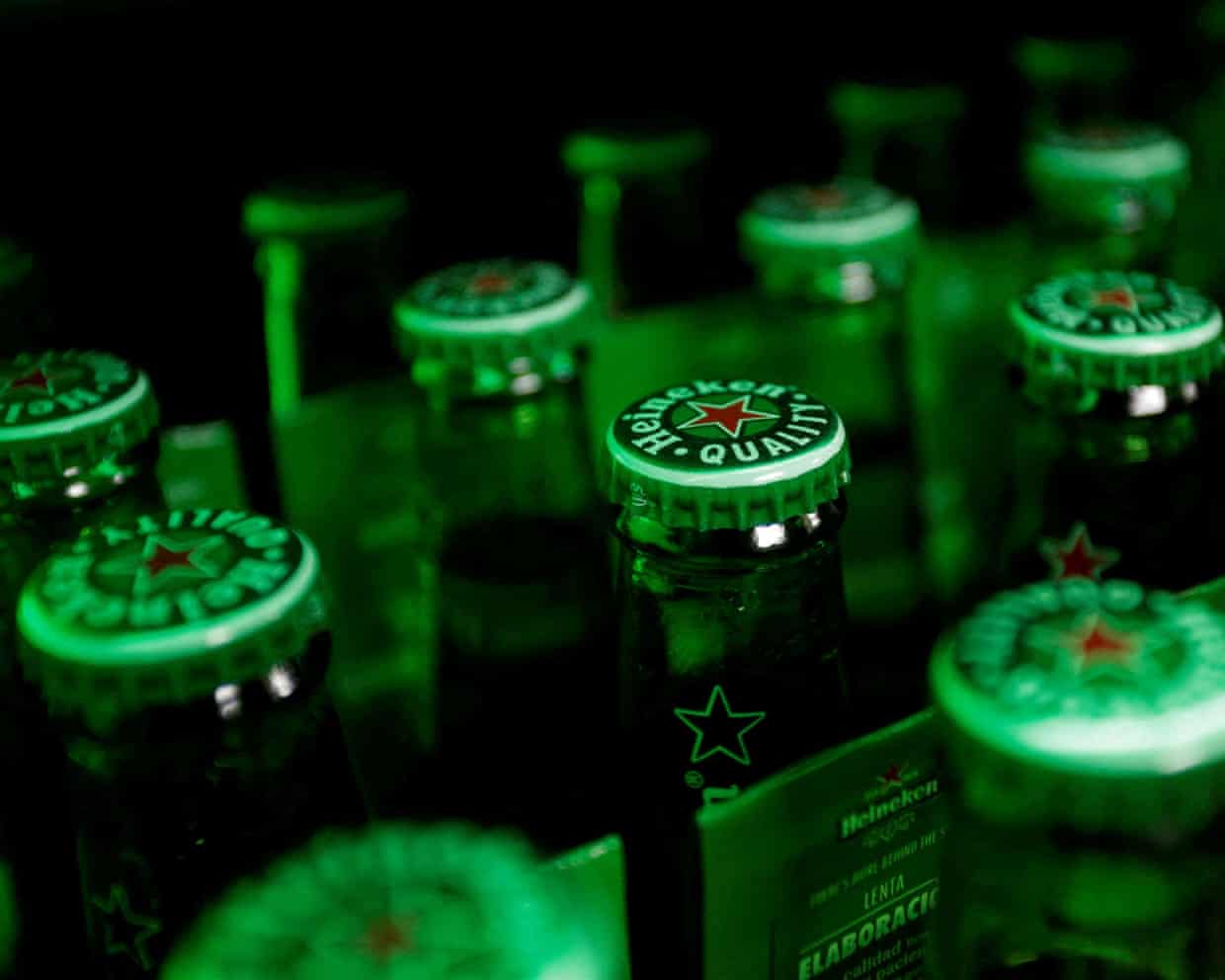
Heineken to cut 6,000 jobs as people drink less beer
Heineken is to cut up to 6,000 jobs globally over the next two years – close to 7% of its workforce – as the Dutch brewer struggles with falling demand for beer.The company, which makes Heineken, Amstel and Tiger, said the cuts would come from brewing and white-collar roles among its 87,000-strong global workforce as it faced “challenging market conditions”.It came as the world’s second-largest brewer by market value lowered its forecasts for profit growth in 2026.“We really do this to strengthen our operations and to be able to invest in growth,” the brewer’s head of finance, Harold van den Broek, told reporters after the company released its annual results.Some jobs would be lost in Europe as well as other markets, he said, adding that some cuts would come from previously announced measures affecting Heineken’s supply network, head office and regional business divisions

Labour can win political argument for closer EU ties, says Rachel Reeves
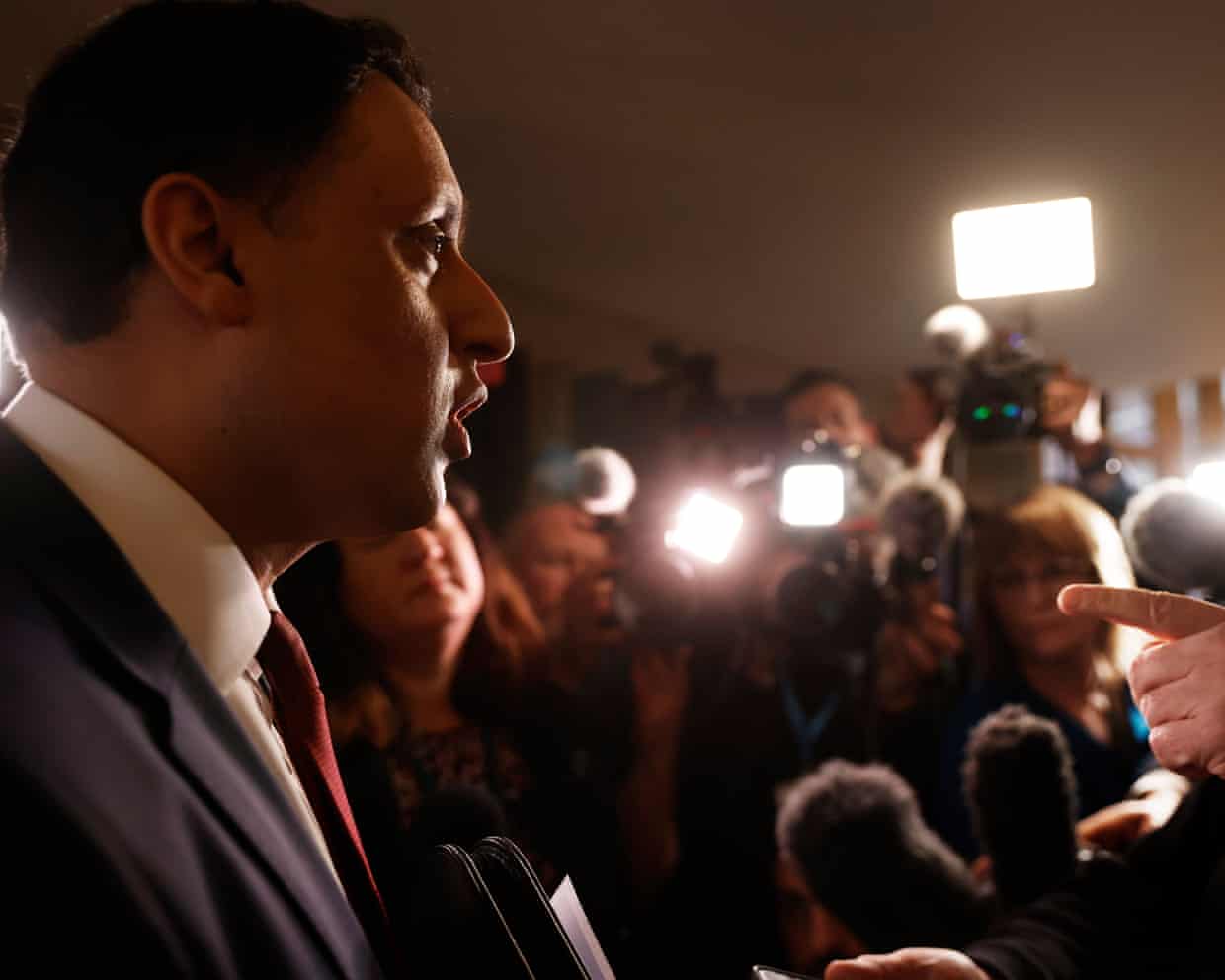
Anas Sarwar says Starmer can campaign in Scotland after calling for him to quit
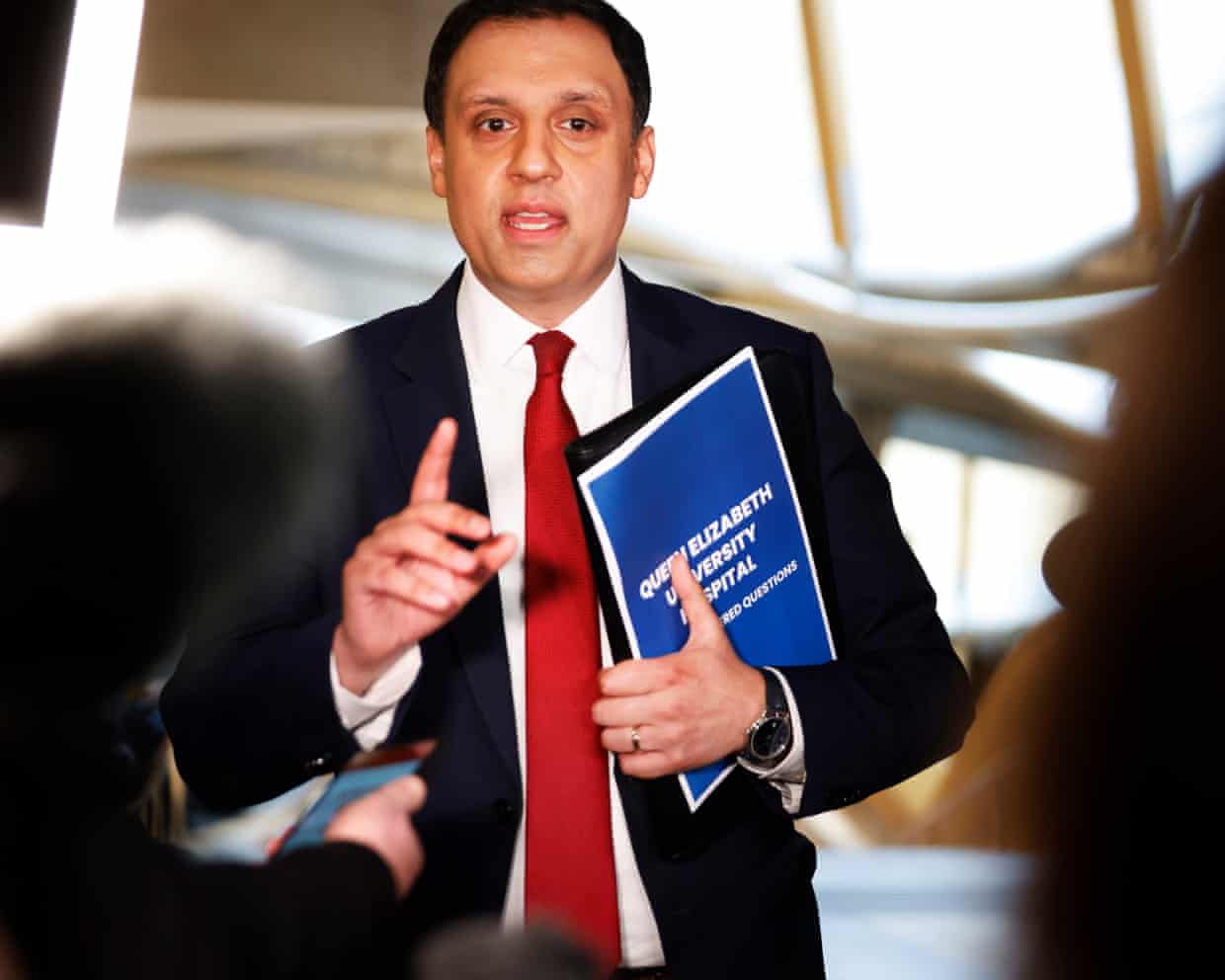
Anas Sarwar says Starmer welcome to campaign for Labour in Scotland, days after after urging him to resign – UK politics live
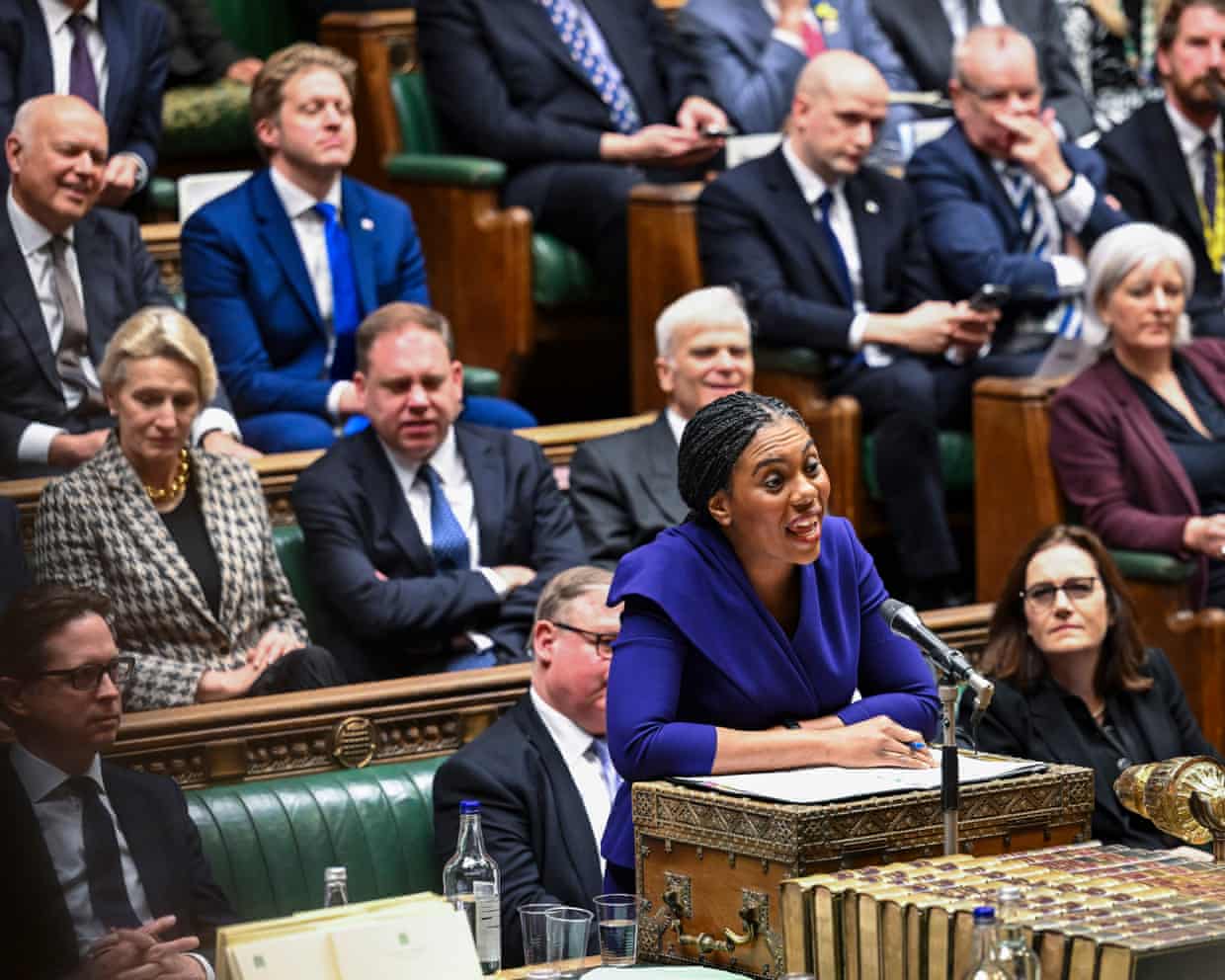
The Real Keir comes out fighting and turns the tables on deluded Kemi | John Crace
Peers under pressure: how to reform Britain’s House of Lords | Letters

Nigel Farage heckled at launch of Reform Jewish group