Is Australia headed for a recession? A growing number of economists think so. Here’s why I’m not one of them | Greg Jericho
As I write this, I sigh and realise that despite the president of the United States dropping his threats to commit war crimes and destroy Iranian civilisation, he is always a chance to set the world on fire because it’s been more than 20 minutes since he had a Diet Coke.This, of course, is hyperbolic.I think.Economies are tough enough to predict without having to deal with the erratic actions of one man.So take all of that into consideration.
The past week has seen an increase in concerns of a recession in the coming months,Various media outlets are polling economists and getting them to place odds,At this point I am required to cite the old joke that economists have predicted 30 of the past five recessions,But on this I can at least stand aside from my peers,I don’t mean to brag, but I am a bit of a savant at such things.
After all, I was the bloke who in early February 2020 wrote an article titled “Bushfires and the coronavirus will hit Australia’s economy – but they won’t knock it out”.So when I say we won’t have a recession, you can give that all the credibility it deserves.The main reason for the recession concerns is Trump and Iran, and a thing from the 1970s called “stagflation”, where inflation rises while the economy stagnates and unemployment also rises.As a general rule, when unemployment goes up, inflation usually slows, but in the mid-1970s and in early 1980s this did not happen:If the graph does not display click hereThe reason, of course, was the Opec oil crisis and the Iranian revolution oil crisis, which is why the current war in Iran has created such jitters.But Trump’s Taco manoeuvre on Wednesday has lessened the concerns – at least for now.
Oil markets reacted quickly and prices fell 13% in an hour:If the graph does not display click hereBut it is worth noting it wasn’t just oil price rises in the 1970s and 1980s that led to stagflation and recession – it was also the reaction of governments and the Reserve Bank (which at the time was not independent),In the nine months from November 1980 to July 1981, the official interest rate rose from 9,8% to 15,4%,A recession followed and the rate kept going up, hitting a record 20.
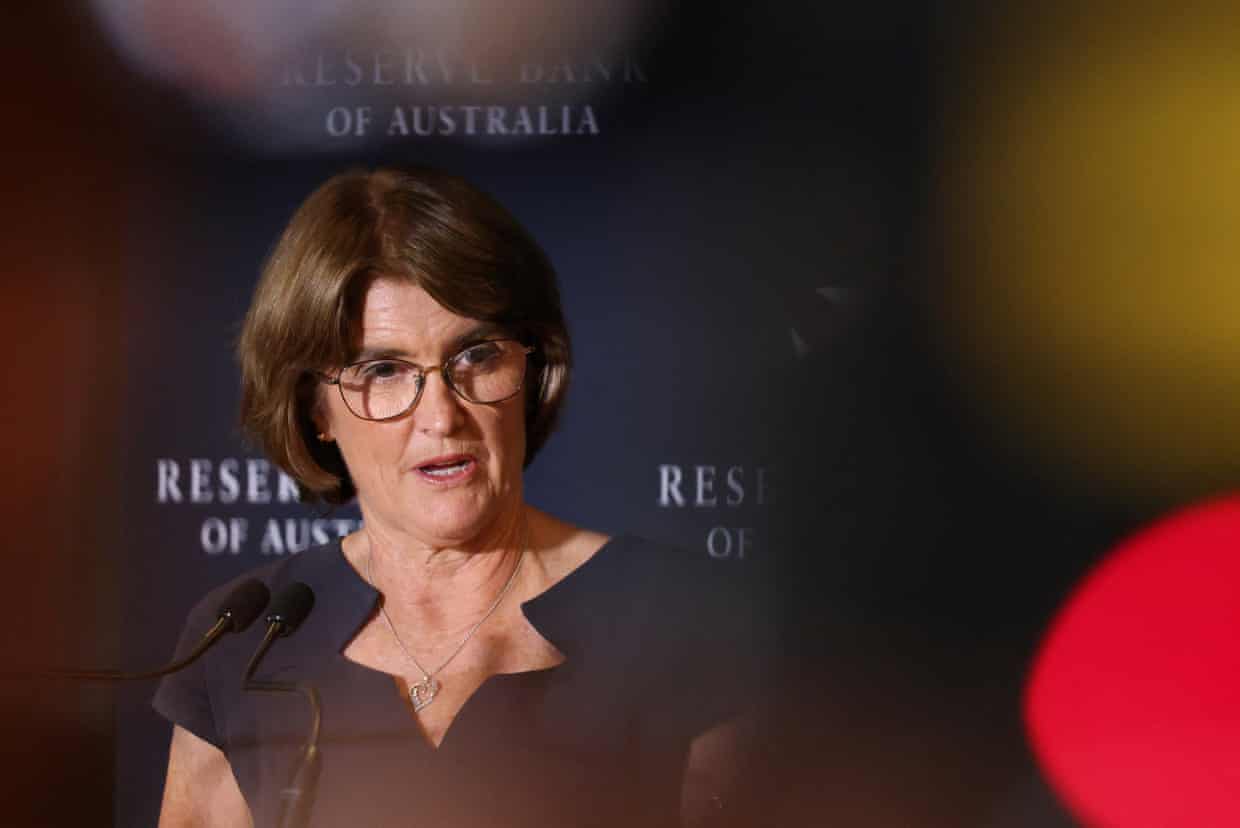
8% in August 1982:If the graph does not display click hereSimilarly, the 1990s recession occurred only after rate rises peaked in November 1989 at 18.2%.This is why the concerns about Iran and oil prices have in some ways sharpened worries of a recession.After all, three weeks ago the governor of the Reserve Bank was asked whether she’d be prepared to put Australia into recession – if that’s what it takes to bring inflation down – and she replied, “We don’t want to have a recession, but if it’s hard to get inflation down, then you know we’re going to have to deal with that possibly.”That is not altogether comforting.
Inflation will still be higher than previously anticipated, as the impact of the oil shock flows through, and as companies take advantage of the situation to raise prices similar to what occurred in 2022 off the back of the Russian invasion of Ukraine.The market still thinks the RBA will raise interest rates in May:If the graph does not display click hereEven after Trump’s backdown, it still anticipates another rise by December:If the graph does not display click hereOne would hope that, should the economy slow and unemployment begin to rise, the RBA would stop raising rates.But given the tendency of the central bank to only realise it has gone too far after it has actually done so, that is no guarantee.The good news is we are nowhere near a recession at the moment.Forget the discussion of two consecutive quarters of negative GDP, the real measure of a recession is if unemployment rises by more than 0.
5 percentage points in a year.The US economist Claudia Sahm found this was a much better way of measuring recession because it is quicker than waiting for GDP figures, and it also focusses on people rather than production.On this score, we’re doing OK:If the graph does not display click hereIt’s also worth reminding ourselves what we mean when we talk about a recession.The Covid recession was not really a recession; it was an arbitrary one forced on us by efforts to prevent deaths, and once the lockdowns ended, things snapped back.In a real recession the drop in employment lingers for many years, even up to a decade:If the graph does not display click hereThis is why I get a bit snarky when I hear the governor of the RBA being so blithe about causing a recession should inflation remain above 3% for longer than she would like.
Recessions destroy lives.The story of male full-time employment since 1970 is essentially one of collapse during recession, never to recover:If the graph does not display click hereAnd maybe the RBA thinks it can tweak the levers so easily that the recession would this time only be a small one, but I’d rather not risk it.Thankfully Trump has walked back from his latest threat, but that does not mean the RBA will stop doing all it can to reduce inflation – even if, as it says, that means a recession.Let us hope they are not true to their word.Greg Jericho is a Guardian columnist and chief economist at the Australia Institute
Is Australia headed for a recession? A growing number of economists think so. Here’s why I’m not one of them | Greg Jericho
As I write this, I sigh and realise that despite the president of the United States dropping his threats to commit war crimes and destroy Iranian civilisation, he is always a chance to set the world on fire because it’s been more than 20 minutes since he had a Diet Coke.This, of course, is hyperbolic. I think.Economies are tough enough to predict without having to deal with the erratic actions of one man.So take all of that into consideration
Shell oil trading profits soar amid Iran war but Qatar strikes hit gas output
Shell is expected to report “significantly higher” profits from its trading desks in the first quarter of this year after weeks of market volatility triggered by the Iran crisis.The surge in energy commodity markets over recent weeks is expected to drive up trading results at Shell’s chemicals and products unit, which includes its main oil trading desk.The global oil price has climbed from about $61 a barrel in January to highs of $119 at the end of March, including some of the biggest daily price moves on record, owing to major disruptions to flows of oil and gas through the strait of Hormuz.The market volatility provides an opportunity for traders to make large profits, but also presents a risk of heavy losses.In addition to Shell’s oil trading windfall, it is also expected to report higher trading profits from its renewable energy division
Oil prices plunge 15% to below $100, stocks surge and dollar slumps after Trump announces US-Iran ceasefire – as it happened
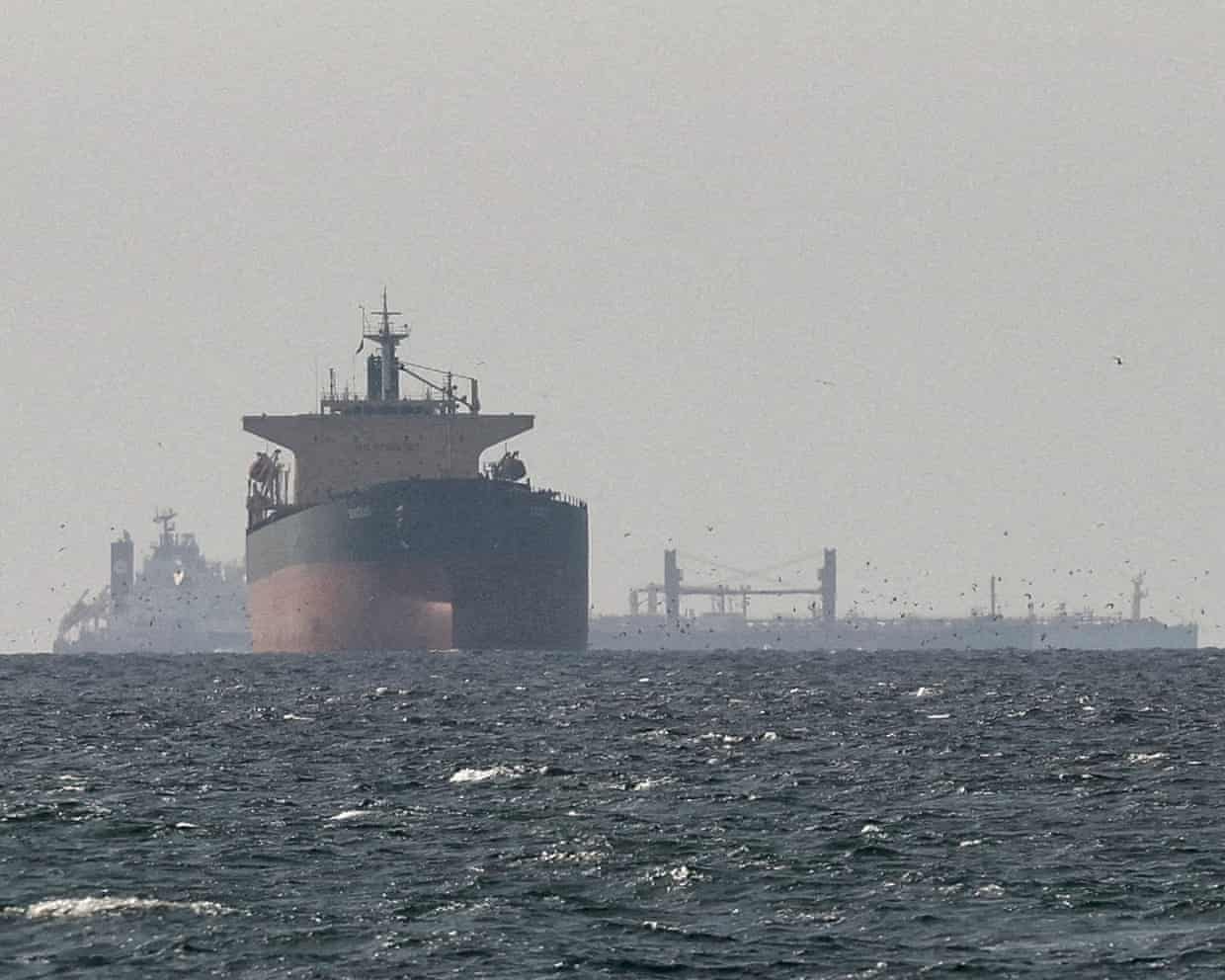
Markets have been cheered by news of the two-week ceasefire between the US, Israel and Iran. However, this excludes Lebanon, where Israel has carried out its biggest wave of air strikes today since the war there began on 2 March.Iran has agreed to reopen the strait of Hormuz, where around 1,000 ships have been trapped. A senior Iranian official told Reuters Tehran could open the key shipping route on Thursday or Friday ahead of peace talks in Islamabad.Brent crude, the international oil benchmark, has tumbled 15

Close Brothers shares surge after UK bank says it can ‘comfortably absorb’ cost of car finance compensation
Close Brothers shares surged on Wednesday after the UK bank declared it could “comfortably absorb” its slice of a £9.1bn compensation bill over the motor finance scandal, hours after one of its rivals announced it was selling its UK operations over looming costs.The specialist lender said it expected the final terms of the Financial Conduct Authority’s (FCA) compensation scheme to cost roughly £320m, a sum that was “broadly similar” to previous estimates and the £294m put aside to date.Close Brothers said the extra £26m could be “comfortably absorbed by existing capital resources, leaving the group well positioned to continue delivering its strategy”. The news sent its shares up by 17% by early afternoon on Wednesday
Maritime and port workers: how is the Middle East conflict affecting you?
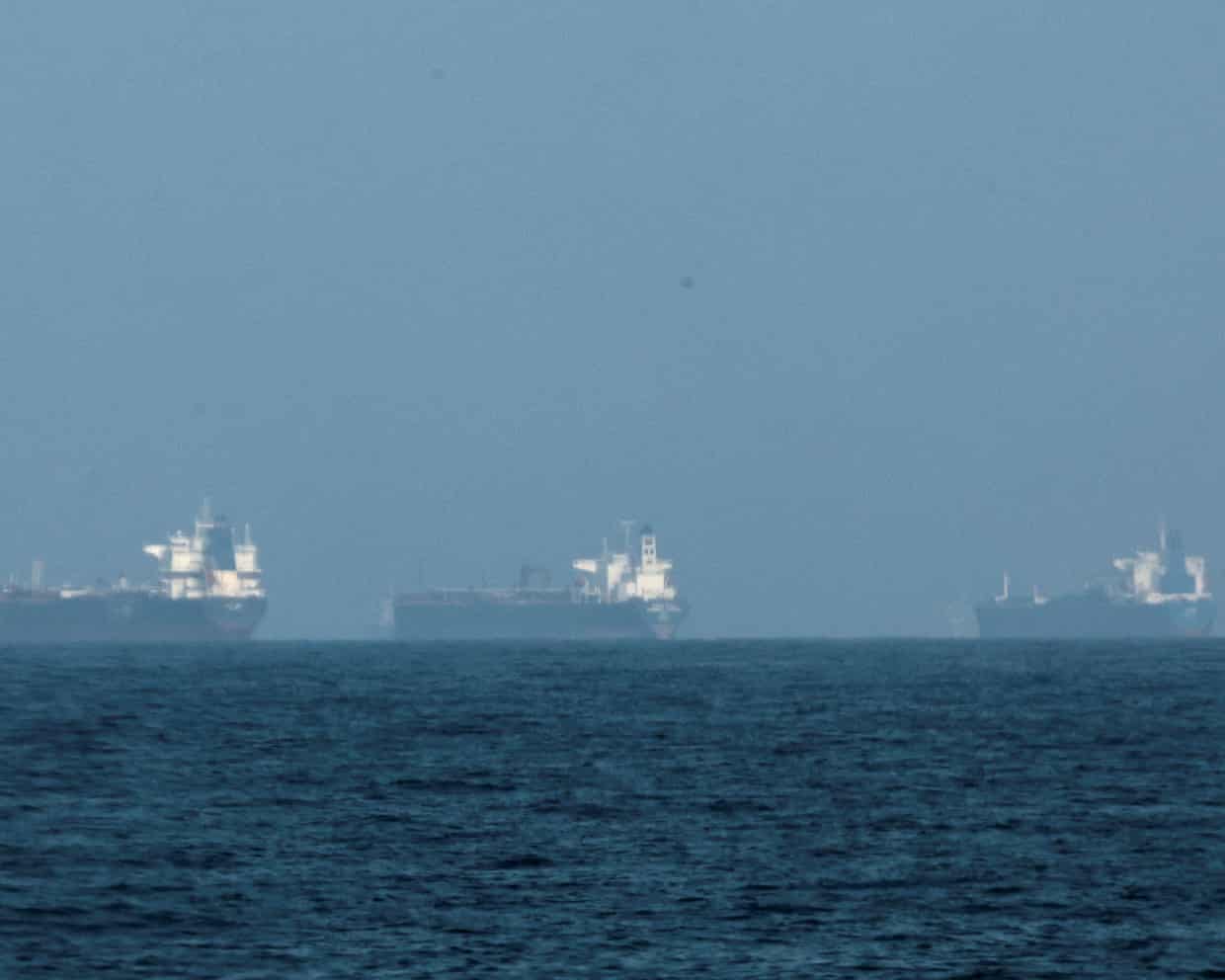
The conflict in the Middle East continues to disrupt shipping across the region, including in the Strait of Hormuz, one of the world’s busiest maritime routes.The US and Iran have agreed to a provisional two-week ceasefire, which includes a temporary reopening of the strait. But maritime traffic through the narrow channel linking the Persian Gulf with the Gulf of Oman remains affected, with vessels still facing delays, diversions and heightened security risks as the situation evolves.Ports and shipping companies are continuing to operate amid uncertainty, while cruise ships carrying thousands of tourists have faced disruption across the region.We would like to hear from maritime workers, port staff and shipping crews about how the situation is affecting your work

‘We can’t increase prices any more’: UK hospitality firms hit by cost triple blow
Nick Evans is staring in vain at columns of numbers, trying to make them add up to a profit. He is a co-owner of the Old Crown Coaching Inn in Faringdon, Oxfordshire, a pub and hotel whose rich history is etched into its crooked wooden beams and cosy snugs.Oliver Cromwell stayed here in 1645. A room believed to have been used by the notoriously severe “hanging judge” Lord Jeffreys to condemn rebels now stages happier encounters: it is the honeymoon suite.As a former City trader, Evans is no stranger to profit

Can’t face another mouthful of chicken? You’re probably coming down with the ick
Georgina Hayden’s quick and easy recipe for gochujang butter salmon | Quick and easy
How to make the perfect Portuguese feijoada – recipe | Felicity Cloake's How to make the perfect
Burro, WC2: ‘Big but the opposite of brash – restaurant review | Grace Dent on restaurants
Sunday best: Thomasina Miers’ recipes for aromatic chicken one-pot and salted caramel banana cake
Oats, sardines and crisps: emergency foods to stockpile – and why you should share them