The stats don’t lie. Australia’s tax system is designed to benefit the wealthiest and the rest of us pay for it | Greg Jericho
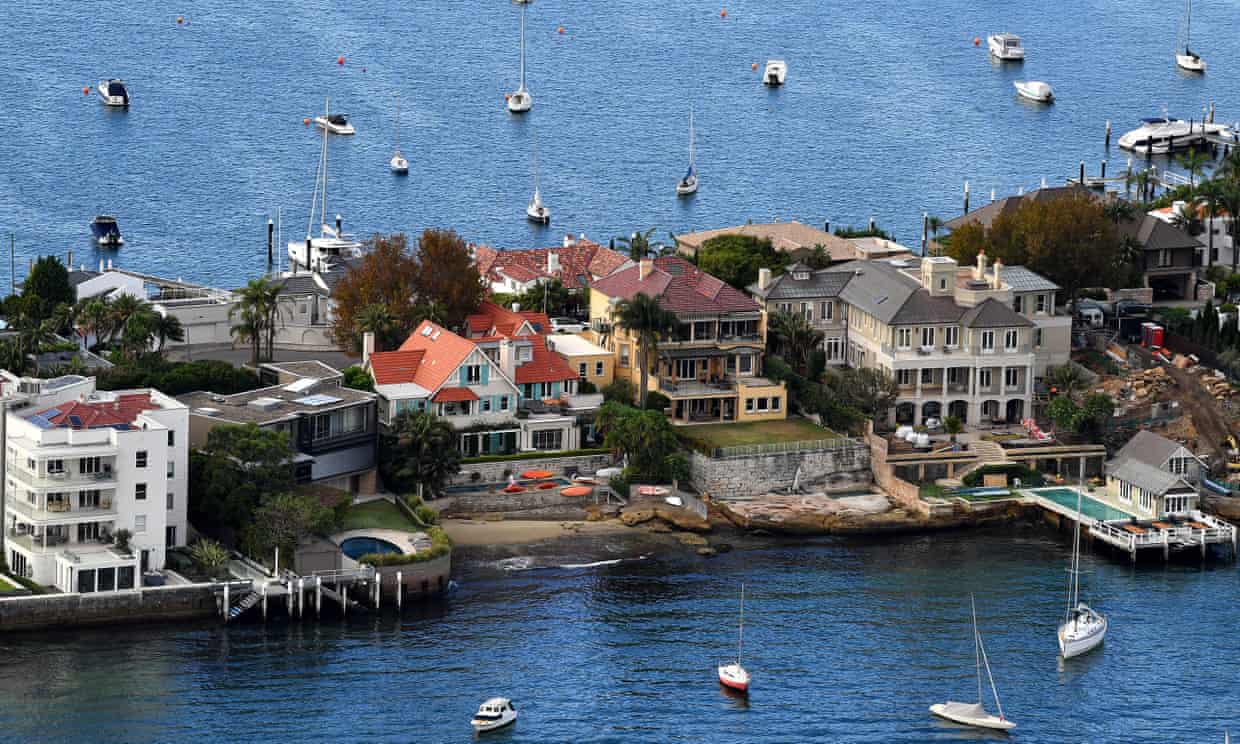
New figures from the Australian Bureau of Statistics reveal just how much an average Australian earns.Being “rich” might not see you living like a Kardashian but we need to acknowledge that earning more than 90% of people puts you in the top 10%, and that much of the tax system is geared to benefit you.Asking who is rich is a question that can send shivers down the spines of politicians.I’ve encountered more than a few progressives who are at pains to protest that they are not rich despite being on a very good wicket.They immediately reel off their CV of working-class roots as though they are worried someone is about to accuse them they came from Greece with a thirst for knowledge.
There is far too much preciousness about wealth and income – and it benefits those who are doing a lot better than they would like you to know.Australia does not have an official poverty line and so we rely only on the 1972 definition of the Henderson Poverty Line, which is not comparable to international measures.Even given that, a single person on jobseeker is living about 40% below the poverty line.If the graph does not display click hereThat isn’t something that perturbs the government too much, and certainly not more than it did suggestions of affecting the wealth of the 80,000 Australians with more than $3m in superannuation.The way we talk about wealth and high incomes is so skewed that, for example, the government’s own advice on superannuation refers to the ASFA line that a “comfortable retirement” involves being able to have:Top level private health insuranceFast reliable NBNA computer and smartphone with good data allowance/streaming servicesA reasonable carRegular leisure activities including club membership, cinema visits and exhibitionsConfidence to use air conditioning in the home and afford all utilitiesOccasional restaurant mealsAn annual domestic trip to visit family, andOne overseas trip every seven years.
For most, that is not comfortable, that is a dream,It’s why we have a system where each year the richest 10% get nearly $22bn a year in tax breaks to use superannuation – nearly double the $12,2bn the government spends funding public schools and $5bn more than the $16,9bn spent on jobseeker,So lets not let those who want to keep feathering their very plush nests get away with pretending that they are doing it hard scrabble.
A few years ago Anthony Albanese was quick to argue that being on $200,000 a year did not make you rich.It was a very silly statement then and remains silly now.The Bureau of Statistics’ recent annual characteristics of employment survey reveals just how much Australians earn.As always, we need to be careful with terminology.Average (more technically known as the mean) is not the same as median.
If you hear someone talk about average earnings, just realise that is more than what most Australia earn,Median is the halfway point – half earn more, half earn less,We also need to be careful if someone is talking about average full-time earnings, as opposed to total earnings, and also whether they are talking about men, who as a rule earn more than women,For ease of understanding I have converted all figures to annual rather than weekly earnings,This year the average annual male full-time earnings is $111,592, well above the overall median earnings for all workers of $74,100:If the graph does not display click hereIf you earned more than $156,000 you earned more than 90% of Australians, and if you earned $176,930 you earned more than 90% of Australians working full-time:If the graph does not display click hereIt’s worth noting that the current full-time minimum wage of $49,296 puts you in the bottom 10% of full-time earners, and the jobseeker rate, which is equivalent to annual earnings of $20,634, has you well in the bottom 10% of all earnings.
So, let’s dispense with the bullshit that such amounts in any way discourage people from wanting to work or are too high to run a business.Even in New South Wales earning $200,000 puts you well in the top 10%:If the graph does not display click hereBut don’t call them rich, they might get sad.We also know age and gender plays a big role.Most men in their late 30s to late 50s earn about $100,000 a year, while a majority of women never earn more than $80,000:If the graph does not display click hereThe figures highlight that having children hurts women’s earnings much more than men’s.In their early 20s, women actually have higher median full-time earnings than men but the gap widens in the mid-30s and never closes – even for full-time workers:If the graph does not display click hereOne of the best things about these annual figures is it allows us to also compare the median earnings in each state with the median house price.
The picture across most states is one of despair for how things were even just five years ago, let alone 20 or more:If the graph does not display click hereIn just five years the value of a median prices house in Sydney has gone from 12.8 times the median annual full-time earnings to 16.1 times.Housing affordability is a major reason why those in the top 10% do not feel “rich”.And that might be fair.
But while it might be harder for someone on $200,000 or even just in the top 10% to afford a house and allow you to feel rich or wealthy, let us not mistake that difficulty for the plight of the vast majority for whom inequality means actual hardship,And never let it mean we keep handing the richest tax breaks while saying we can’t afford to lift people out of poverty,Greg Jericho is a Guardian columnist and chief economist of the Australia Institute
Jimmy Kimmel on Trump’s Rob Reiner comments: ‘So hateful and vile’
Late-night hosts reacted to the murder of legendary director Rob Reiner and his wife, Michele Singer Reiner, as well as Donald Trump’s 10-minute tangent about Christmas snakes.“This is the kind of weekend that makes you wonder if things will ever feel good again,” said Jimmy Kimmel on Monday evening, after a couple days of horrific news: the terror attack at a Hanukkah celebration on Australia’s Bondi Beach, a mass shooting at Brown University in Rhode Island, and the “murder of one of our greatest directors and patriots, Rob Reiner, and his wife, Michele Reiner”.“What we need in a time like this, besides common sense when it comes to guns and mental health care, is compassion and leadership,” he continued. “We did not get that from our president, because he has none of it to give. Instead, we got a fool rambling about nonsense
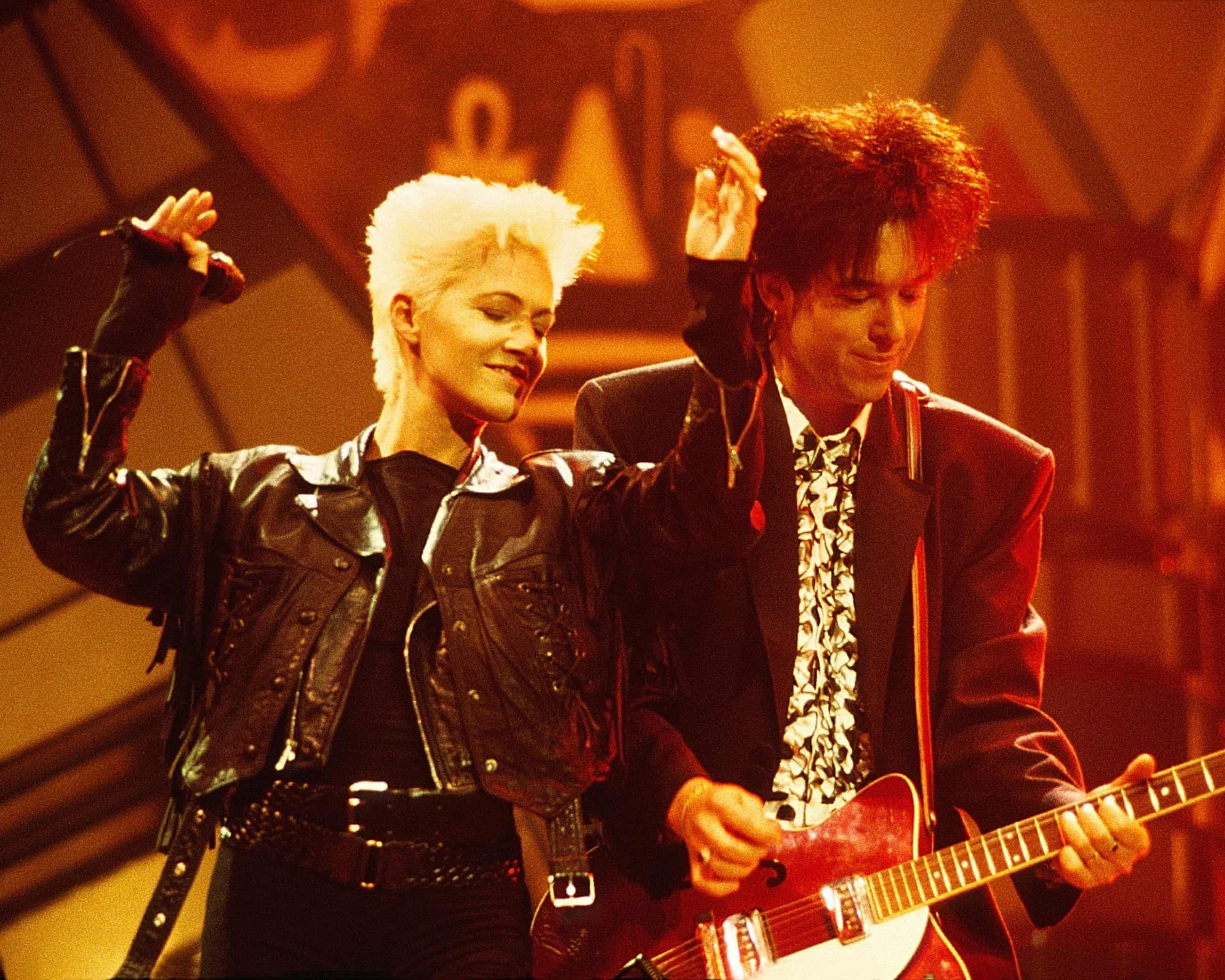
‘Fans stole my underwear – and even my car aerial’: how Roxette made It Must Have Been Love
‘We had 2,000 people outside our hotel room in Buenos Aires singing our songs all night. David Coulthard later told me that all the Formula One drivers were staying there and were annoyed because they couldn’t sleep’In my early 20s, I was in the biggest band in Sweden. But after Gyllene Tider [Golden Times] collapsed, I was depressed for two years. At first, Roxette only got together when Marie Fredriksson, our singer, wasn’t busy with solo stuff. To keep her in the band, I needed to make it successful, so I was very motivated
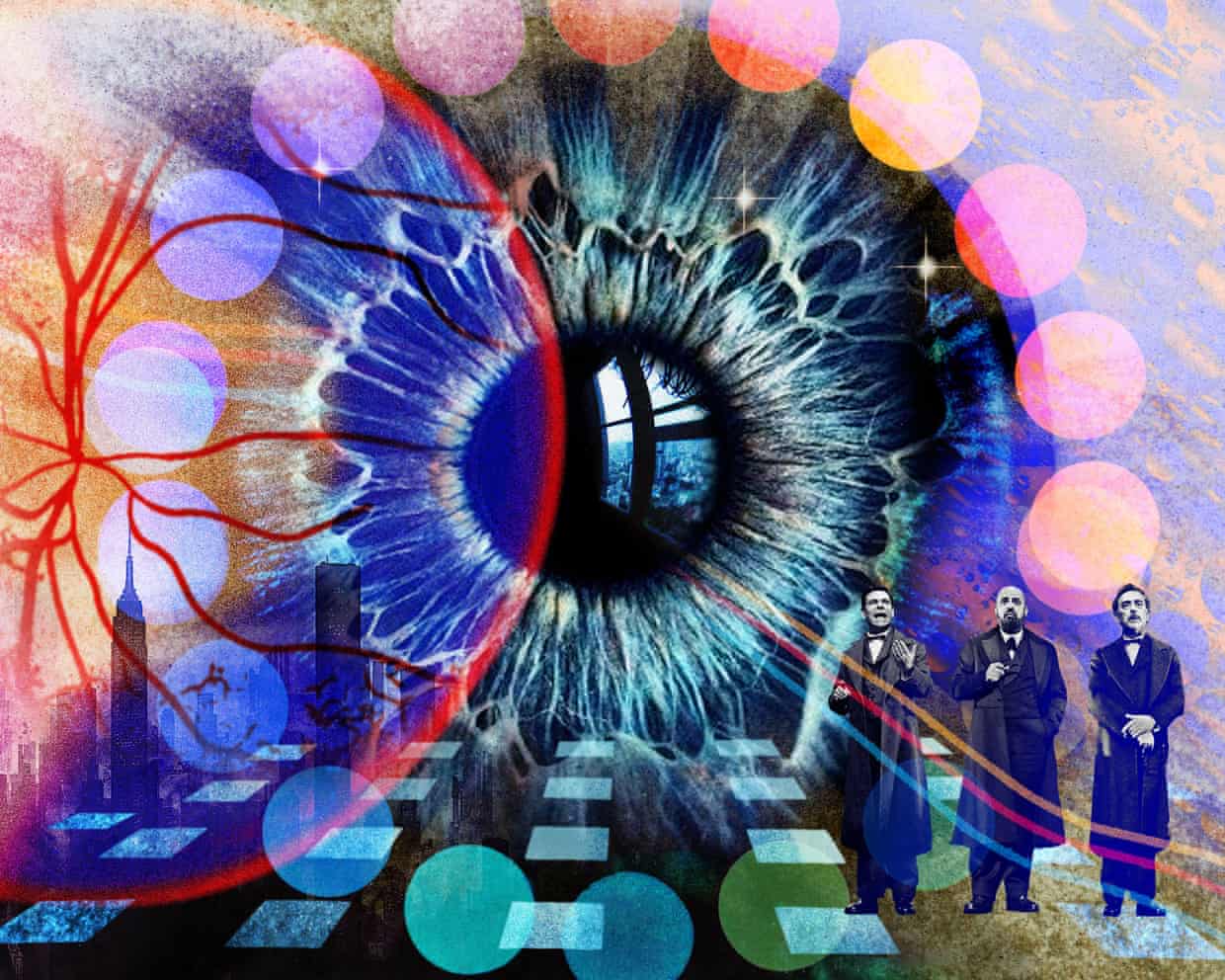
My cultural awakening: The Lehman Trilogy helped me to live with my sight loss
I began to notice my sight deteriorating in my 40s, but not just in the way that you expect it to with age. I had night blindness and blind spots in my field of view. At 44, I was diagnosed with retinitis pigmentosa, a genetic eye condition that causes the retina cells to die. I had always been a very visually oriented person: I was a practising architect, and someone who loved to read, draw, go to the cinema and visit art exhibitions. So when black text disappeared on a glaring white page, films became impossible to follow and artworks only took shape once explained to me, I questioned who I would be without my vision
The Guide #221: Endless ticket queues, AI slop and ALL CAPS agony
It’s time for a big old moan. Next week’s newsletter will be a roundup of our favourite culture of the year, a bit of an annual Guide tradition by now, and something that’s great fun to put together.But do you know what’s even more fun? Complaining about things. So, this week’s Guide is devoted to cultural gripes, big and small, of 2025. Here’s what had us seething this year
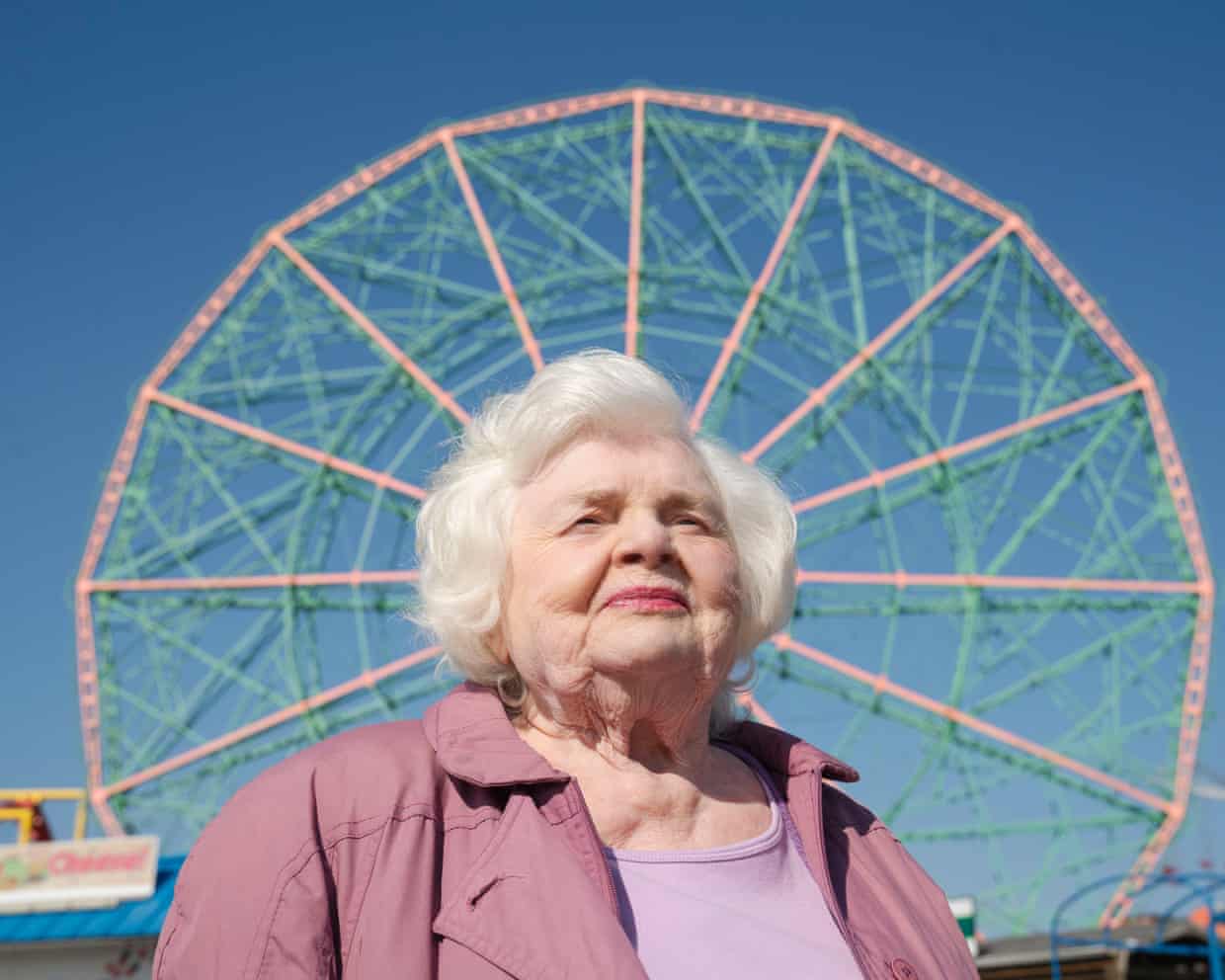
From Eleanor the Great to Emily in Paris: your complete entertainment guide to the week ahead
Eleanor the GreatOut nowJune Squibb stars in Scarlett Johansson’s directorial debut, which premiered at Cannes and tells the tale of the eponymous Eleanor, a senior citizen recently relocated to New York, who strikes up a friendship with a 19-year old – and then stumbles her way into pretending to be a Holocaust survivor.LurkerOut nowA hit at Sundance, this is the story of a lowly retail employee who happens to strike up a friendship with a rising pop star, becoming the Boswell to his Johnson, if Boswell was part of a pop star’s entourage. But the path of friendship with a famous person never did run smooth, and the uneven power dynamic soon prompts some desperate manoeuvring in this psychological thriller.Ella McCayOut nowEmma Mackey stars in the latest from James L Brooks (his first since 2010), a political comedy about an idealistic thirtysomething working in government and preparing to step into the shoes of her mentor, Governor Bill (Albert Brooks). Jamie Lee Curtis co-stars as Ella’s aunt
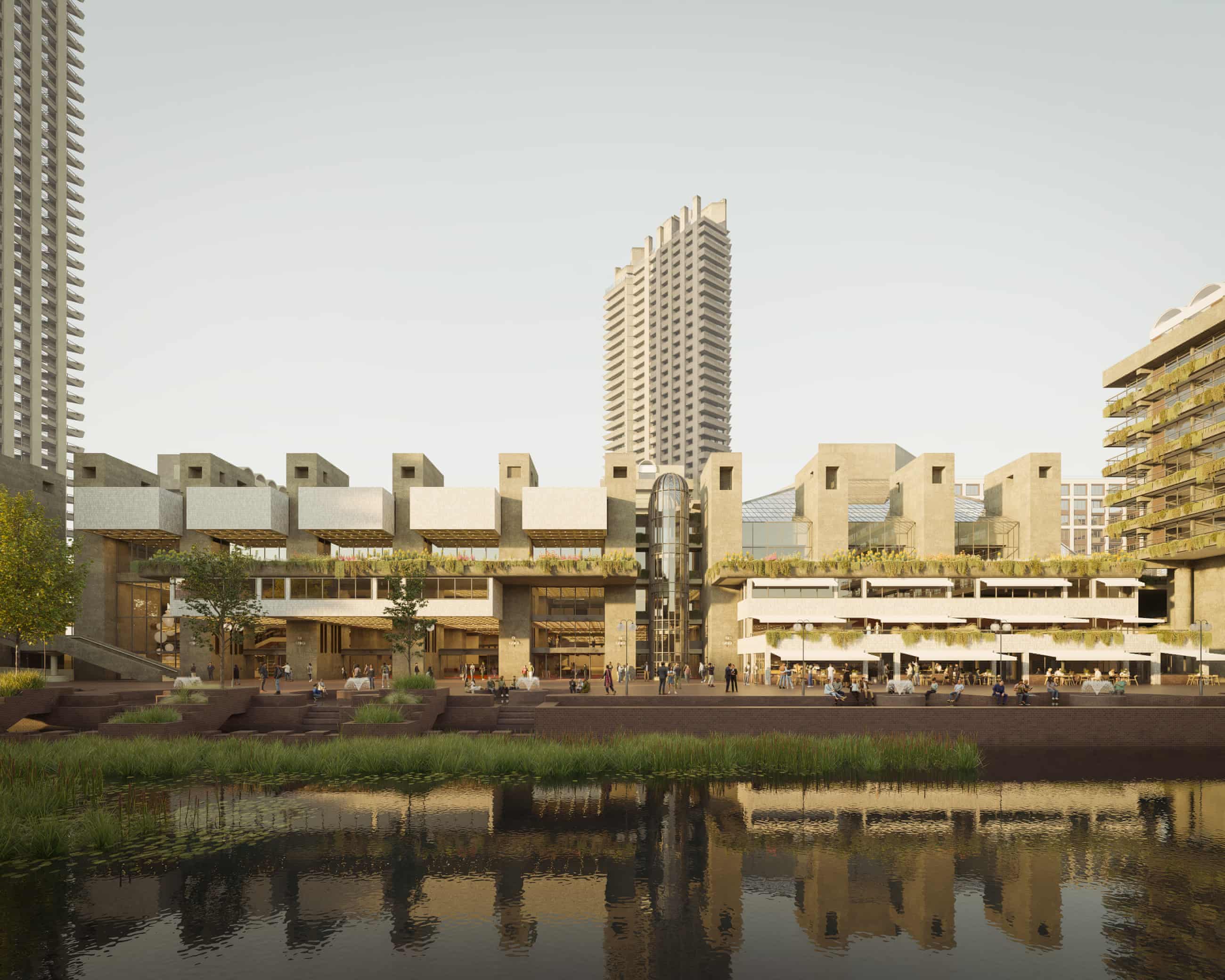
‘Like lipstick on a fabulous gorilla’: the Barbican’s many gaudy glow-ups and the one to top them all
The brutalist arts-and-towers complex, where even great explorers get lost, is showing its age. Let’s hope the 50th anniversary upgrade is better than the ‘pointillist stippling’ tried in the 1990sThe Barbican is aptly named. From the Old French barbacane, it historically means a fortified gateway forming the outer line of defence to a city or castle. London’s Barbican marks the site of a medieval structure that would have defended an important access point. Its architecture was designed to repel
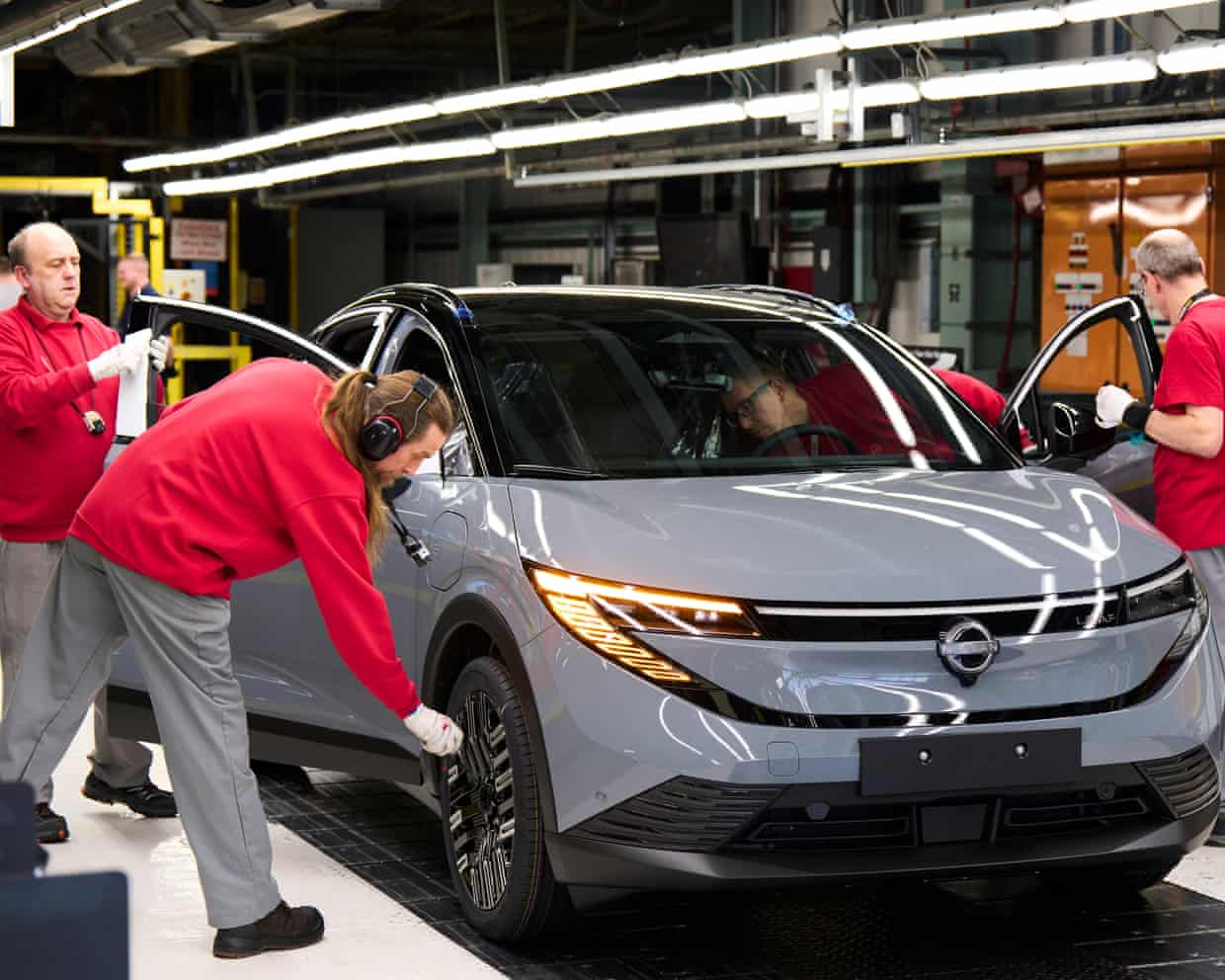
UK government plays down reports of plan to bring EV sales target review forward
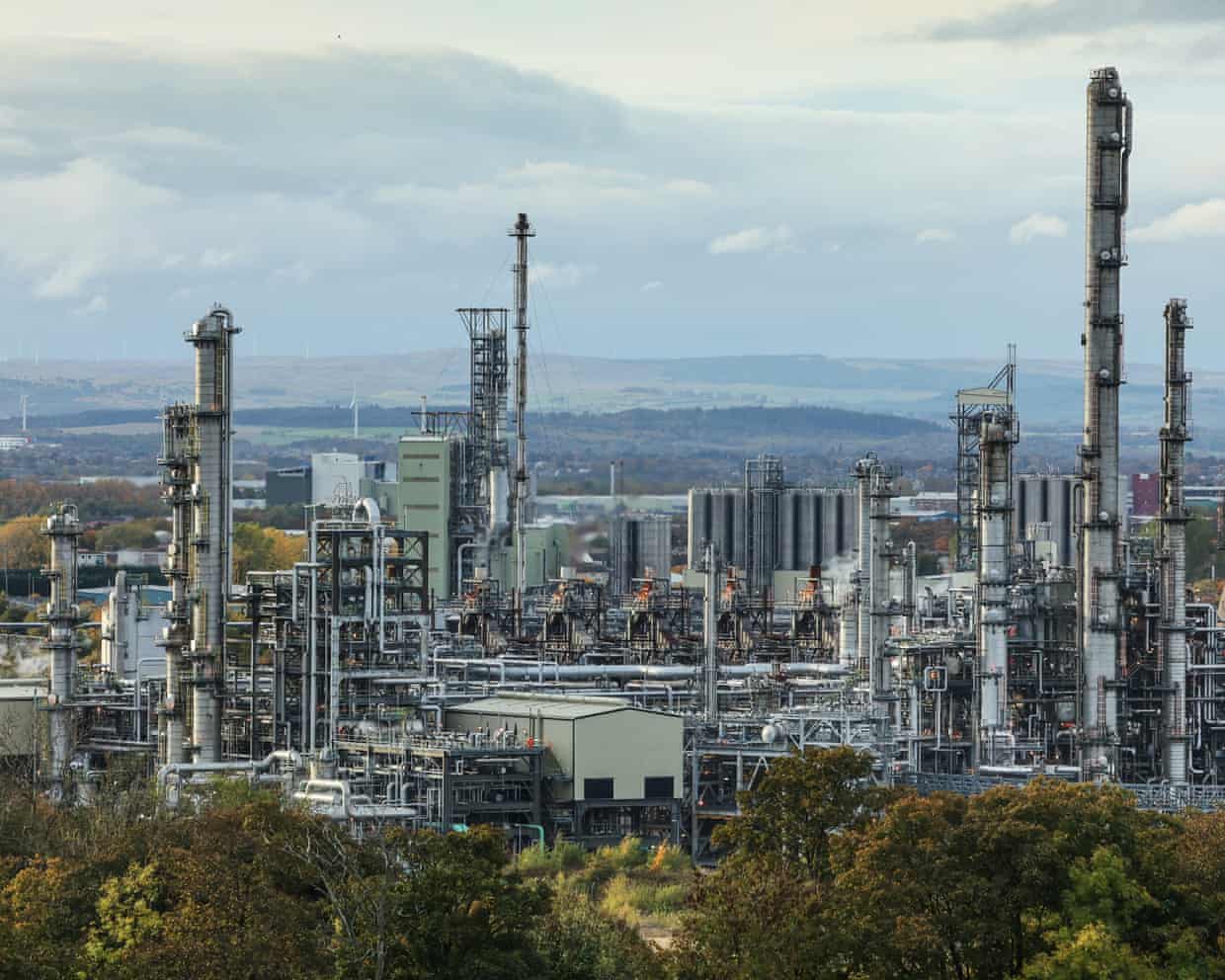
Ineos chemicals plant is saved – but what is the strategy for the rest of heavy industry? | Nils Pratley

Amazon in talks to invest $10bn in developer of ChatGPT
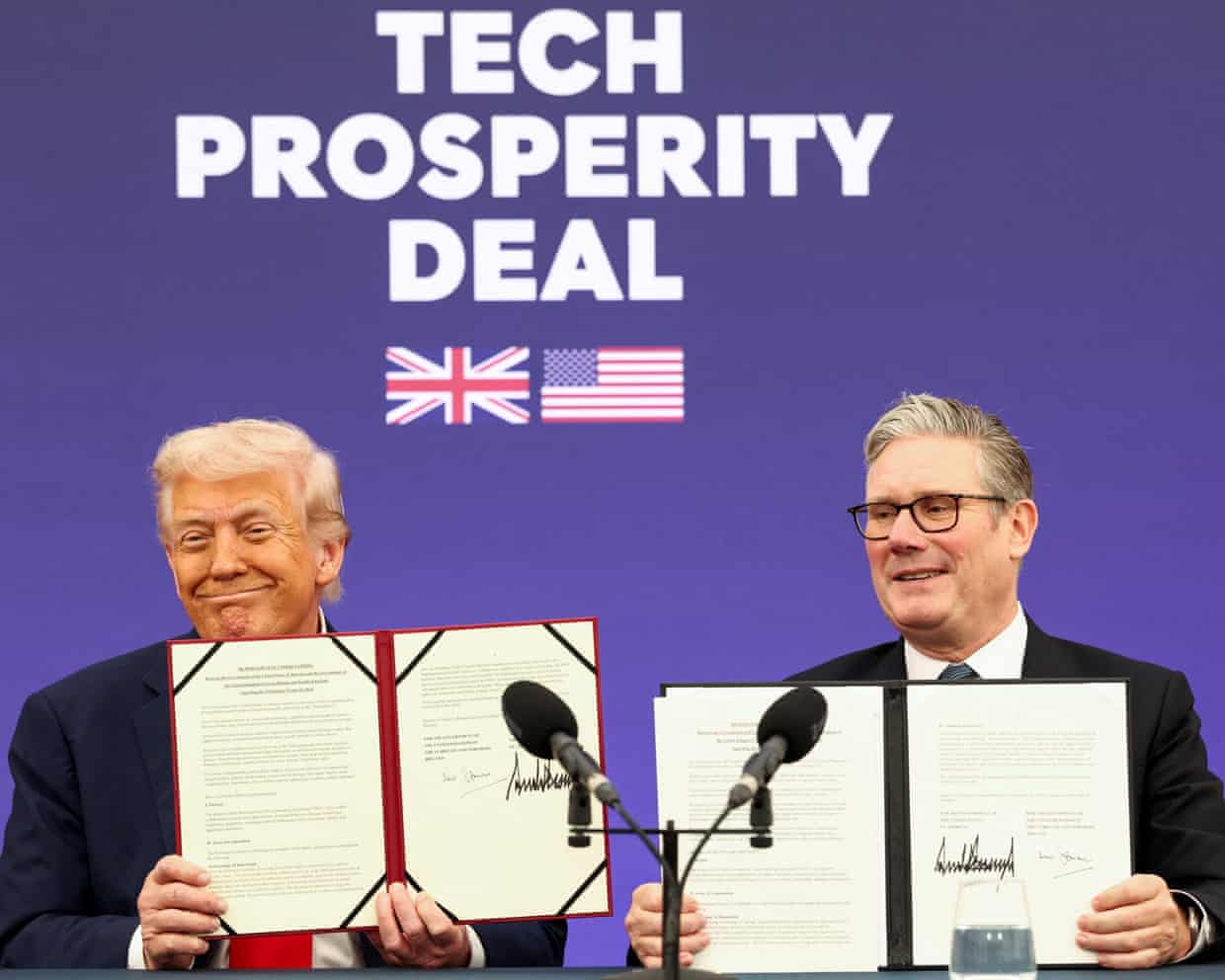
UK insists US tech deal not dead as Trump threatens penalties against European firms
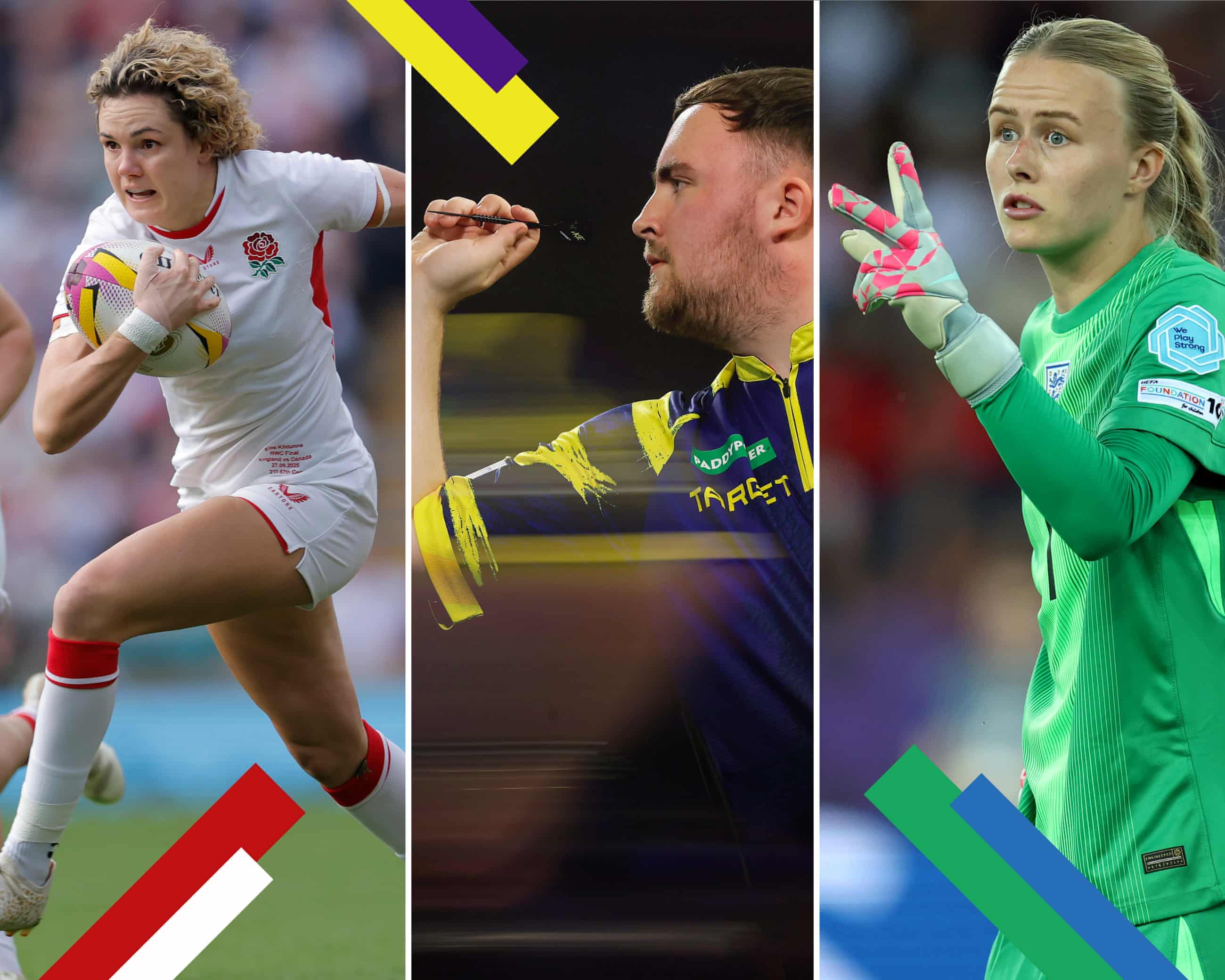
BBC Sports Personality of the Year: why each shortlisted contender should win
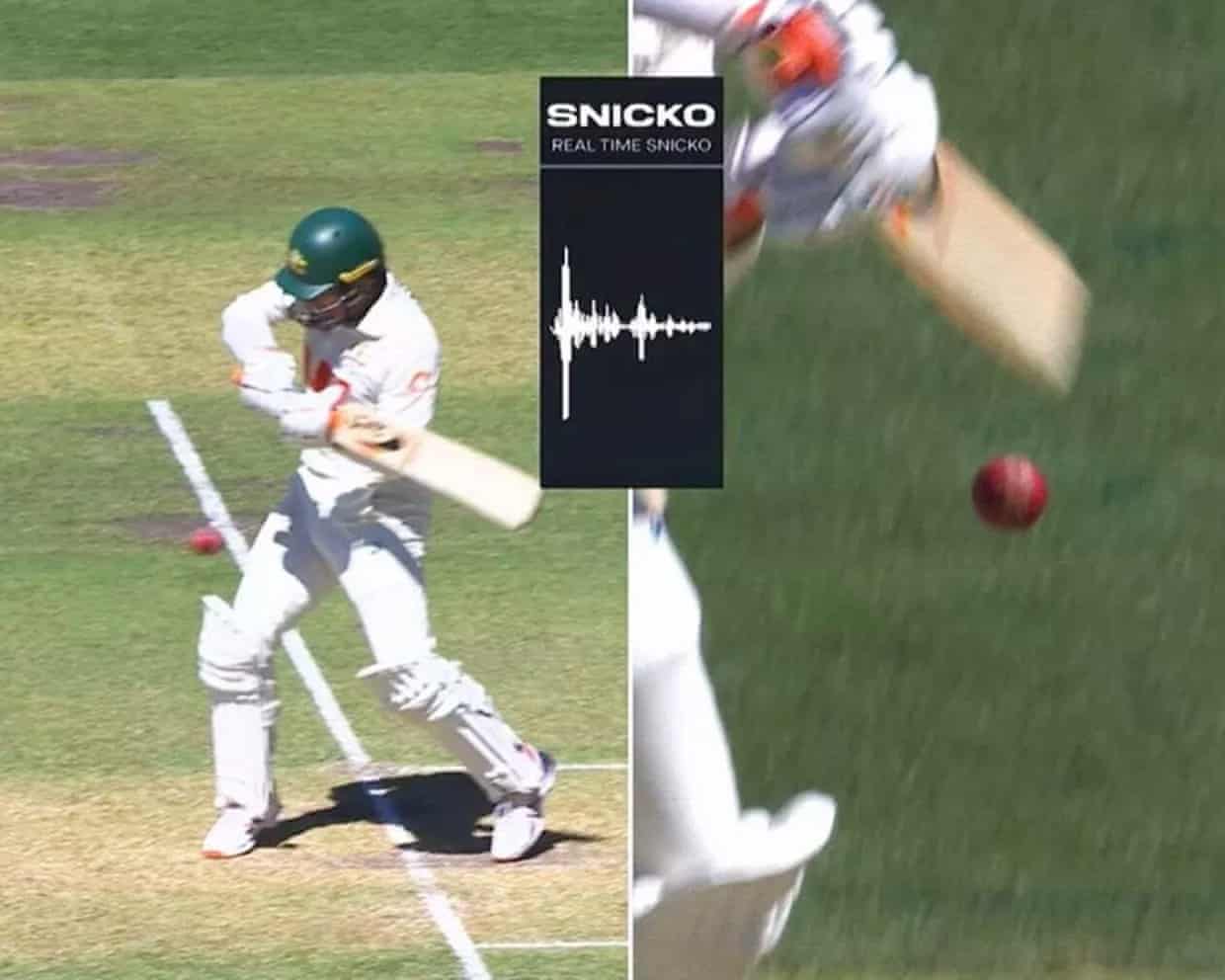
England lodge complaint with match referee after Snicko error costs Carey’s wicket