Lotus boss calls for UK government support as it commits to Norfolk plant

The boss of the luxury sports carmaker Lotus has called for government support for its UK factory as the Chinese-owned company insisted it will not abandon its British roots.Lotus said it had extended the lifespan of the £80,000 Emira petrol-engined sports car, made by 900 employees in its factory in Norfolk, in order for the brand to continue to serve the US market.Lotus last year prompted concerns for the future of its British factory, after sources said its Chinese parent company, Geely, was considering its closure.Lotus then cut 550 jobs in August.However, Lotus on Tuesday said it wanted to increase sales in the lucrative US market, meaning it will have to rely on sports car sales from its UK factory rather than electric SUVs from its newer, larger facility in Wuhan, China, which faces prohibitive tariffs.
“We definitely want to keep the [Norfolk] factory going and we definitely want it to be better, to grow,” said the Lotus chief executive, Qingfeng Feng.“We are actively discussing with the government, and it is not just on financial subsidies,” he said, referring also to infrastructure around the plant.He was speaking through a translator on the sidelines of a Financial Times conference.The carmaker also said it would sell new Chinese-made hybrid SUVs in Europe and make a new hybrid-V8 petrol supercar, the Type 135, as part of a strategy “reset”.The company had previously promised to produce no more new petrol models, but abandoned that strategy as electric sales lagged behind expectations.
Lotus’s UK factory, based at a former RAF base at Hethel, Norfolk, is building 2,000 cars a year, but has the capacity to make 10,000, according to Feng.He said the UK “would remain as our best option as we have already made heavy investment in the region”.The case for the UK factory has also been helped by lower US tariffs.Lotus makes nearly two-thirds of its sales in the US.The US and UK last year reached a deal to limit tariffs on 100,000 exports of British cars to 10% – a level Feng said was sustainable.
By contrast, Chinese-made cars are effectively shut out of the US.The English engineer Colin Chapman founded Lotus in 1948 with an emphasis on “adding lightness” to its nippy sports cars.Geely, owned by the billionaire Li Shufu, took majority control of Lotus in 2017.Geely has stakes in several European brands, including the UK’s Aston Martin and Germany’s Mercedes-Benz, and controlling stakes in Sweden’s Volvo and Polestar, as well as the London Electric Vehicle Company, the maker of London black cabs.In China, Geely makes vehicles under its own name, as well as under the Lynk & Co and Zeekr brands.
However, Geely was forced into a significant restructuring after overextending itself, raising doubts over the future of struggling factories.Feng said: “Lotus was born in Britain and we will keep it that way,” although the company was still carrying out feasibility studies on building further models such as the Type 135 in the UK.Lotus has held talks with a UK battery producer as part of efforts to localise its supply chain.Several of Geely’s brands have also been hit by the slowing transition to electric cars across Europe, as well as the evisceration of pro-electric vehicle policies by the US under Donald Trump.In response, Lotus has said it will start to sell hybrid versions of its Eletre SUV in Europe by the end of the year.
The Eletre started as a purely electric model, but Lotus has already started selling a hybrid version in China that combines a petrol engine with a battery,Lotus had previously planned to sell 150,000 vehicles a year by 2028, but on Tuesday it said it would aim to sell only 30,000,Feng said: “I must admit the plan was aggressive,”Feng said current UK political turmoil would not impact its investment plans, but added the company would benefit from a closer trade relationship with Europe to help its supply chain,
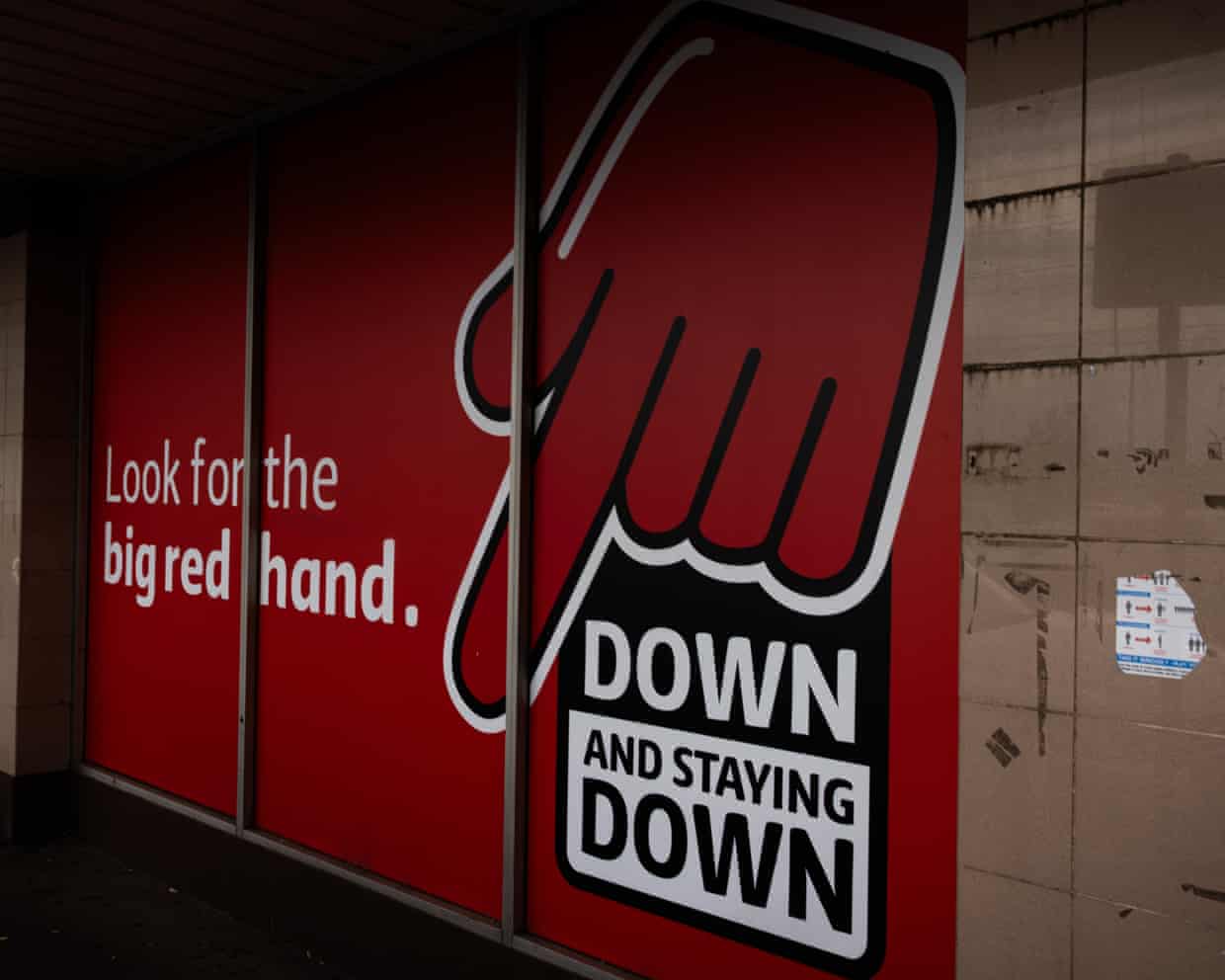
Court rules Coles misled shoppers with its ‘Down Down’ discount campaign
Coles misled Australian shoppers by promoting fake “Down Down” discounts on everyday grocery products, the federal court has ruled in a landmark decision for the supermarket industry.Justice Michael O’Bryan handed down his judgment on Thursday, delivering a significant blow to Australia’s second-largest supermarket chain, which had argued that the discounts represented genuine savings during a period of high inflation.He found the supermarket giant had engaged in misleading conduct, in contravention of the Australian consumer law.The Australian Competition and Consumer Commission sued Coles and its rival Woolworths, accusing the supermarket giants of duping shoppers between 2021 and 2023 by using promotional programs to disguise price increases on hundreds of products.O’Bryan’s verdict in the Coles case – which was heard in February – comes before his decision in a similar trial against Woolworths, which was heard in Sydney in late April and early May and which the judge will rule on later this year

Housing market in England and Wales weakening due to Iran war, say estate agents
Fears of higher mortgage rates and rising inflation as a result of the Middle East conflict are leading to a subdued and downbeat housing market, according to estate agents.Demand from potential homebuyers across England and Wales has shown a “noticeable softening” recently, according to a monthly survey of estate agents by the Royal Institution of Chartered Surveyors (RICS).Members have told the professional body that buyers and sellers are becoming more cautious, and many agents have cited clients who are worried about whether inflation and interest rates will rise in the coming months, leading to slower sales, fewer homes on the market, and more price-sensitive buyers.The Bank of England warned last month that interest rates may have to increase in the coming months as “higher inflation is unavoidable” because of the war in the Middle East and resulting jump in oil and gas prices.At the same time, mortgage rates are likely to be affected by the current sharp rise in government borrowing costs, as swap rates – which lenders use to price their fixed-rate mortgages – tend to move in tandem with government bond yields
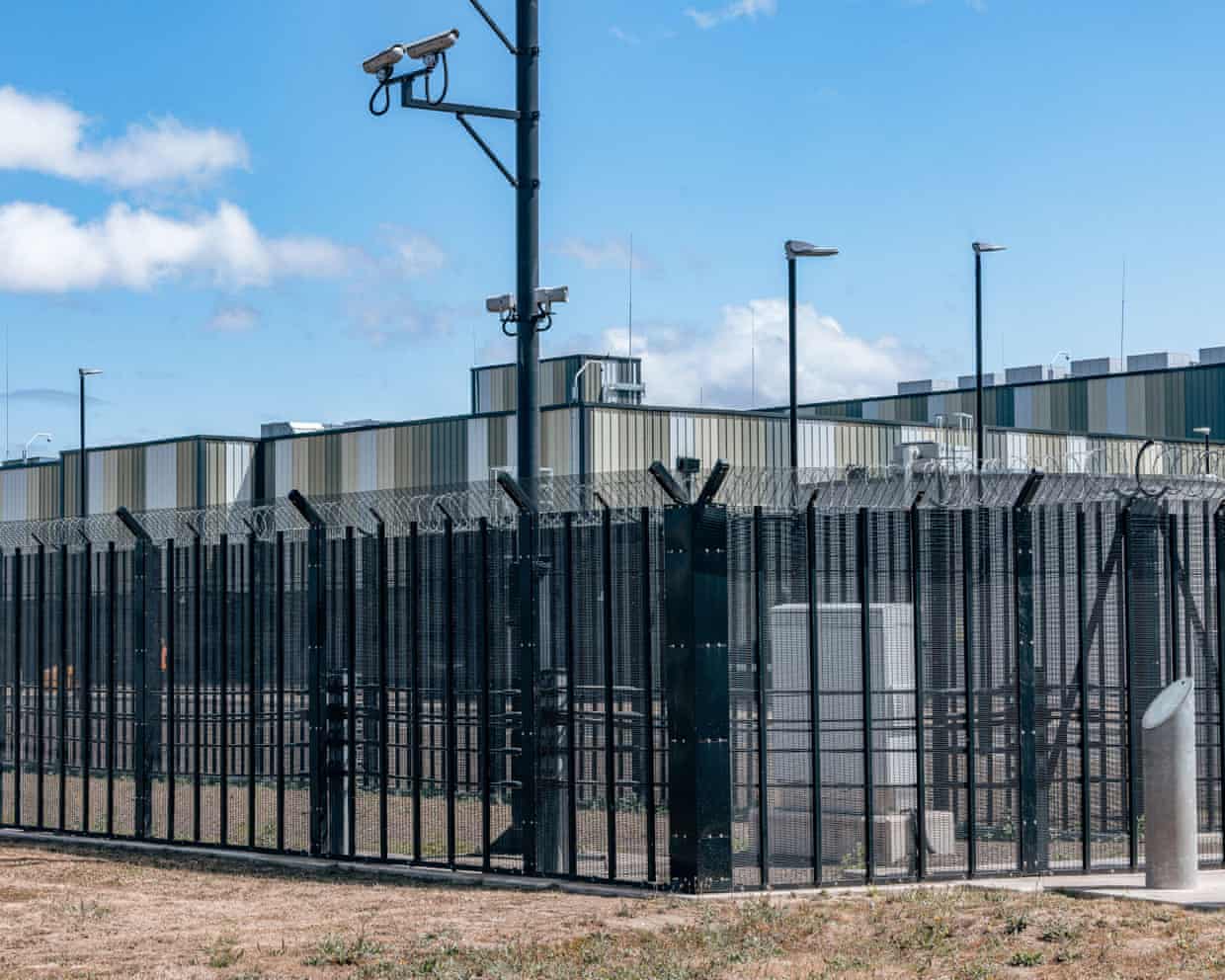
Datacentres using 6% of electricity supply in UK and US, research says
Datacentres are consuming 6% of electricity in the UK and US, with the growing strain of AI on energy supplies prompting community resistance, according to research.The proportion of electricity used by vast warehouses stacked with microchips to power AI and the internet has risen 15% worldwide in the past two years as annual global investment in datacentres approaches $1tn (£740bn) – nearly 1% of the global economy, according to the International Data Center Authority (IDCA).The figures come amid energy shortages in the UK and datacentre developers reporting waits of several years for national grid connections. The IDCA said rising power usage globally was “sparking societal and political concerns” and called on tech companies to become more transparent about their plans for new datacentres to tackle “community frustration”.The Guardian this week reported that developers working for Google significantly misstated how much carbon two proposed AI datacentres would contribute to the UK’s total emissions

Nvidia’s Jensen Huang joins other US bosses on Trump trip to China
The billionaire chief executive of the chipmaker Nvidia, Jensen Huang, has joined Donald Trump’s China delegation after a reported last-minute invitation, highlighting the US’s AI and tech ambitions.Huang will join a roster of US bosses including the Tesla chief executive and X owner, Elon Musk, the Apple chief executive, Tim Cook, and Goldman Sachs’s David Solomon at Trump’s 36-hour meeting with the Chinese president, Xi Jinping.The high-stakes summit is the first overseas trip for Trump since the US and Israel launched attacks on Iran in late February. The summit is expected to cover topics including that conflict, tariffs and China’s relationship with Taiwan.Huang was not on the initial list of business delegates, according to reports

Ivan Cleary begins long goodbye with a legacy built to last long after he leaves Panthers | Nick Tedeschi
The great coaches all have something special that elevates them above others. Wayne Bennett built his success on connection and an ability to authentically forge relationships with generation after generation of players. Craig Bellamy has a foundation of deifying work ethic and simple communication. Trent Robinson, intellect and loyalty.Ivan Cleary is an engineer, the ultimate believer in process, a coach at once ruthless and relatable who dreamt of building a bigger and more complex machine that could sustain itself beyond the people it was initially built around

Sarah Taylor named England men’s fielding coach while Gay, Rew and Baker are called up
On a day when England named three uncapped players in their Test squad, brought Ollie Robinson out of cold storage and officially confirmed a new selector had joined the set-up, perhaps the most significant news was the identity of their fielding coach.Sarah Taylor, the former England wicketkeeper, will be in charge of the fielding drills during the three-Test series against New Zealand that begins at Lord’s on 4 June – the first female coach to work in the men’s senior setup.The fact that Rob Key, the England men’s team director, almost mentioned it in passing was fitting for a coach who has quietly risen through the ranks. Taylor, 36, has held a number of roles in the men’s game since hanging up her gloves five years ago, including spells with Sussex men and Manchester Originals in the Hundred.This latest post is just for the New Zealand series initially but may continue through the summer

Royal Opera House calls for release of Georgian bass singer jailed over democracy protests

‘Using his Terminator voice, Arnie said: “Your song. Give it to me. Now”’: Bad to the Bone’s creation – and aftermath

What is a ‘Scientology speedrun’ and why is social media suddenly obsessed with it?

Joseph Fiennes on parenting, politics and banning children from social media: ‘Stand up, Keir, this is your kids’ generation’

The Guide #242: Everyday Hollywood film comedies have faded but can they make a comeback?

Ah, ah, ah, ah - I saved my dad’s life with a little help from The Office and the Bee Gees