Norwegian government attacked over decision to reopen North Sea gasfields
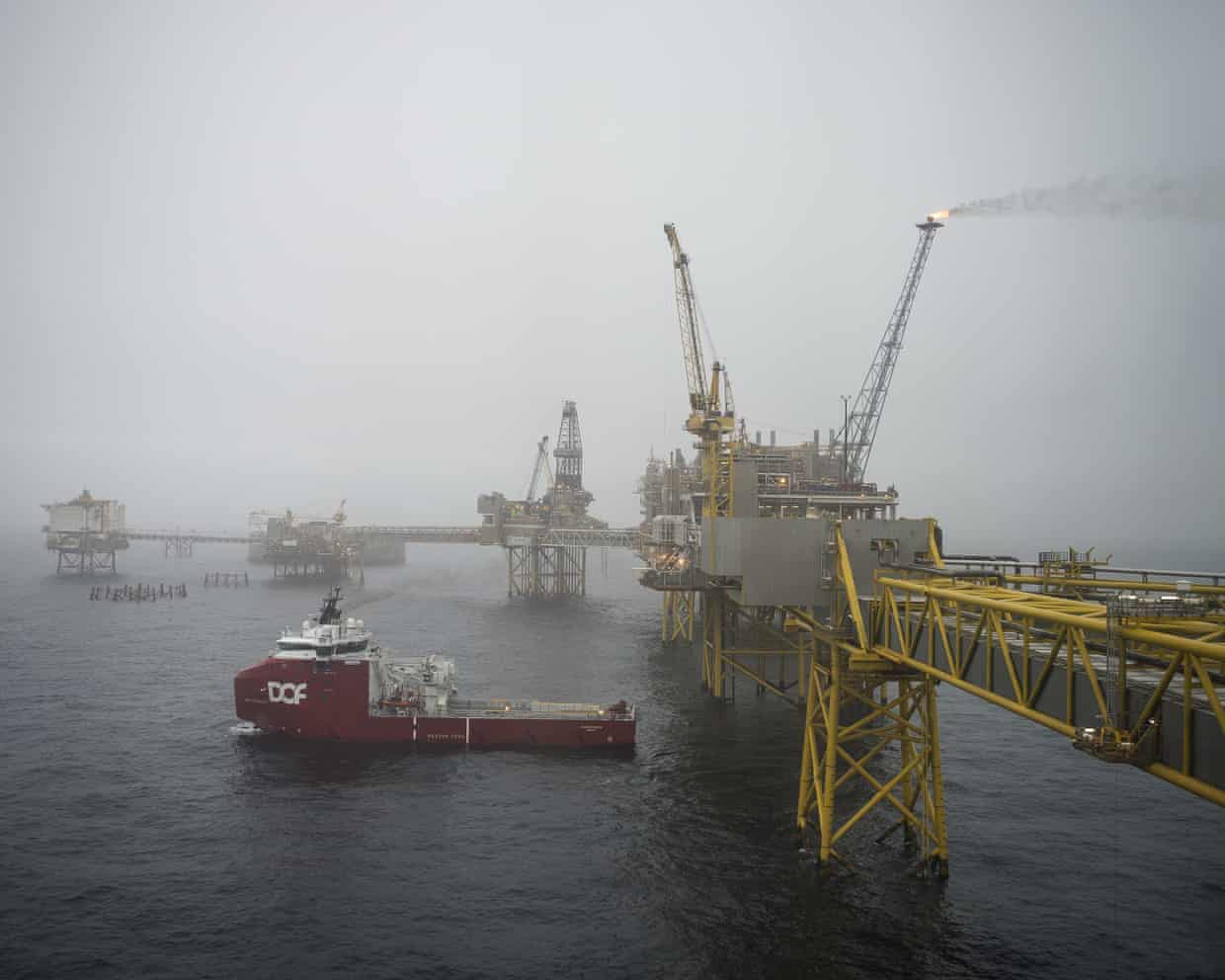
The Norwegian government has been heavily criticised for approving plans to reopen three North Sea gasfields nearly three decades after they were closed to help fill the gap in energy supplies created by the Middle East war.Amid sharp price rises in oil and gas since the US and Israel’s attack on Iran in February, Oslo has also given its approval for oil and gas companies to explore in 70 new locations in the North Sea, Barents Sea and Norwegian Sea.The decision by the Labour-run government goes against the advice of the country’s environment agency and has infuriated left-leaning parties.“We live in troubled times,” the prime minister, Jonas Gahr Støre, said as he announced the decision, which would “create great value for the community, lay the foundation for good jobs throughout the country, ensure our common welfare and contribute to Europe’s energy security and safety”.The Albuskjell, Vest Ekofisk and Tommeliten Gamma gasfields in the North Sea were closed in 1998.
The government plans to spend 19bn kroner (£1.5bn) on restarting them by the end of 2028 with production to continue until 2048.The gas will be sent by pipeline to Germany with light oil sent to the UK.Norway set out the plan to expand its North Sea oil and gas production amid a row in the UK over the future of hydrocarbons in UK waters.The Labour government has banned new exploration licences, but the energy secretary, Ed Miliband, is under pressure to decide on whether to allow two projects which were granted licences under the previous Conservative government to go ahead.
Norway’s state oil company, Equinor, hopes to develop the Rosebank oilfield, while Shell is waiting for a government decision on its Jackdaw gas project,Climate campaigners have said the projects would undermine the UK’s climate agenda, while some industry experts have argued that domestic fossil fuels would lead to lower emissions than US imports and would bring greater economic benefits,The 70 new areas of Norway’s seabed to be opened up for exploration include some closer to the coast than ever before,Companies have until 1 September to apply, and licences will be granted early next year,The deputy leader and environment spokesperson for the Socialist Left party, Lars Haltbrekken, said the decision was madness and accused the government of greenwashing.
“It shows that the government is once again blatantly ignoring environmental advice from its own experts,” he said,“All the talk about responsible oil extraction is nothing but nonsense,It’s greenwashing through and through, with vulnerable and important natural areas being put at risk with full awareness,”Expanding the area for exploration licences would not solve today’s oil crisis and could have “potentially catastrophic consequences for fish and bird populations”, he said,“We are now risking oil drilling right up to the shoreline.
If an accident happens, we have no chance of preventing an environmental catastrophe,”Equinor has pumped record amounts of oil and gas since the US-Israeli war with Iran and the closure of the strait of Hormuz strangled the flow of oil and gas from the Gulf to the global markets,It pumped 2,31m barrels of oil equivalent a day in the first quarter, according to its latest financial results, almost 9% more than in the same months last year and almost double the increase financial analysts predicted,The company’s record fossil fuel production combined with surging market prices helped it to its highest quarterly profits since 2023, when Russia’s invasion of Ukraine caused a gas supply shock across Europe.
Equinor expects the current disruption to last well beyond any end to hostilities.Norway’s energy minister, Terje Aasland, said: “Norwegian production of oil and gas is an important contribution to energy security in Europe.Development of new gasfields helps Norway maintain high deliveries in the long term.“This has become more important after Russia’s full-scale invasion of Ukraine and the conflict in the Middle East.”The Norwegian prime minister’s office declined to comment.
Fertiliser shortages to have dramatic effect on food prices, says Duke of Westminster’s firm
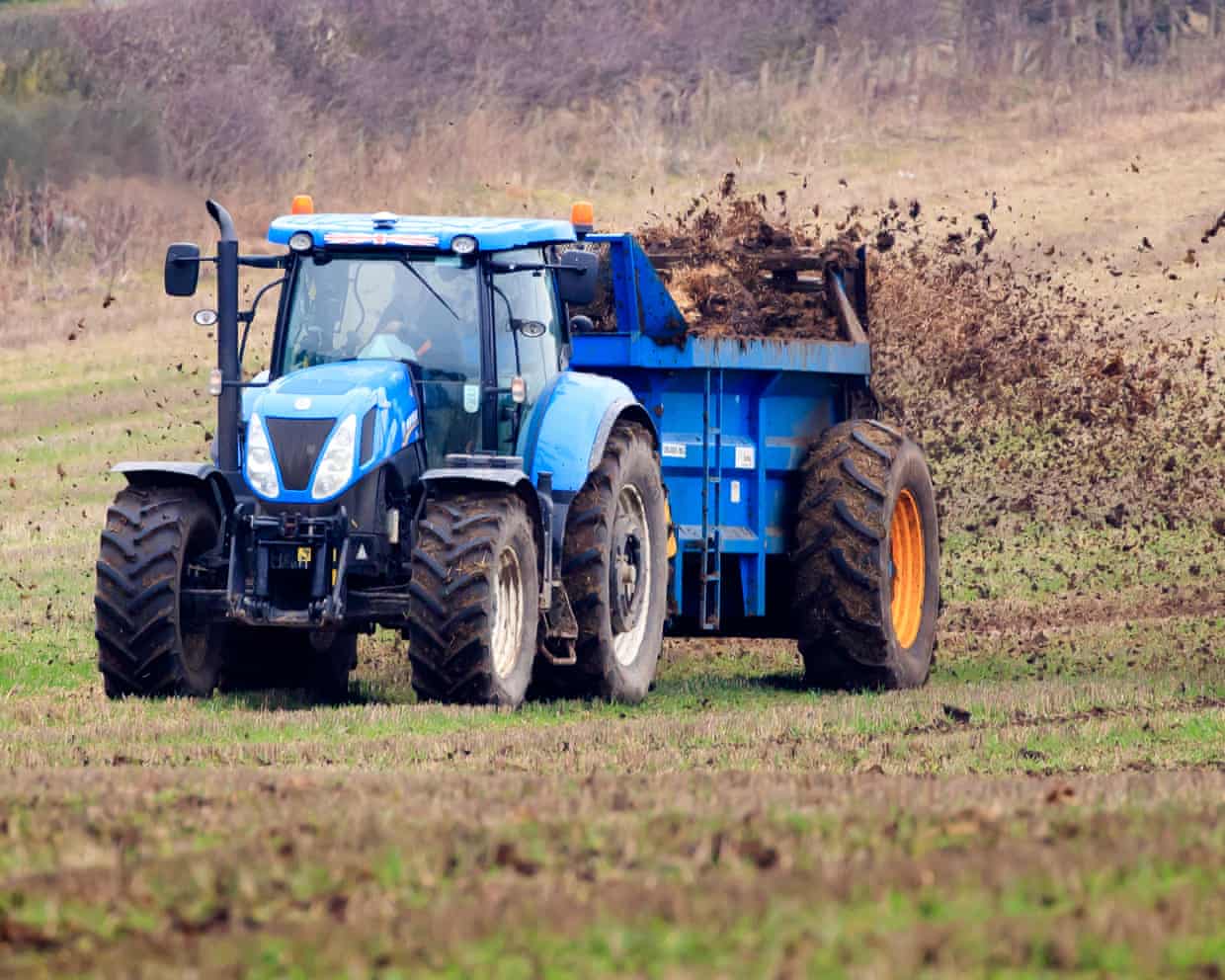
Fertiliser shortages caused by the Iran war have driven up costs for UK farmers by up to 70% and will have a “dramatic” impact on food prices globally next year, according to one of Britain’s most powerful property and farming companies.Mark Preston, executive trustee of the 349-year-old Grosvenor Group, controlled by the Duke of Westminster, said fertiliser “was already quite expensive” before the 50% to 70% surge in prices since the start of the Iran war in late February.The effective closure of the strait of Hormuz – which Iran’s Islamic Revolutionary Guard Corps said on Wednesday could soon reopen – has throttled global supplies of fertiliser, crucial to growing food crops.Preston said that, although UK crops were unlikely to be affected this year as most fertiliser had already been used, the knock-on effect could arrive next year. “Farmers are not buying that fertiliser, they’re sitting on their hands and hoping things will improve, which they probably won’t,” he said

JD Sports says Iran war could hit consumer spending and raise prices
The sports fashion retailer JD has warned that profits will fall this year amid a “muted market” hit by weaker spending by young people and concerns about the Middle East conflict.The company, which runs 4,800 stores worldwide including the JD, Blacks and Millets chains in the UK, said it expected profits of between £750m and £850m in the year ahead, after reporting £852m in the year to the end of January.JD said there had been “no material business impact to date” from the conflict in the Middle East, where it operates a small number of stores through franchise agreements.However, it said that the Iran war could push up costs and prices. It said: “Over time, the potential future impacts of heightened uncertainty may contribute to direct cost pressures, including energy and fuel costs across our store and logistics networks, respectively, as well as potential indirect impacts on pricing and consumer demand should input cost inflation emerge
Climate campaigners attack Shell over ‘windfall’ profits from Iran war
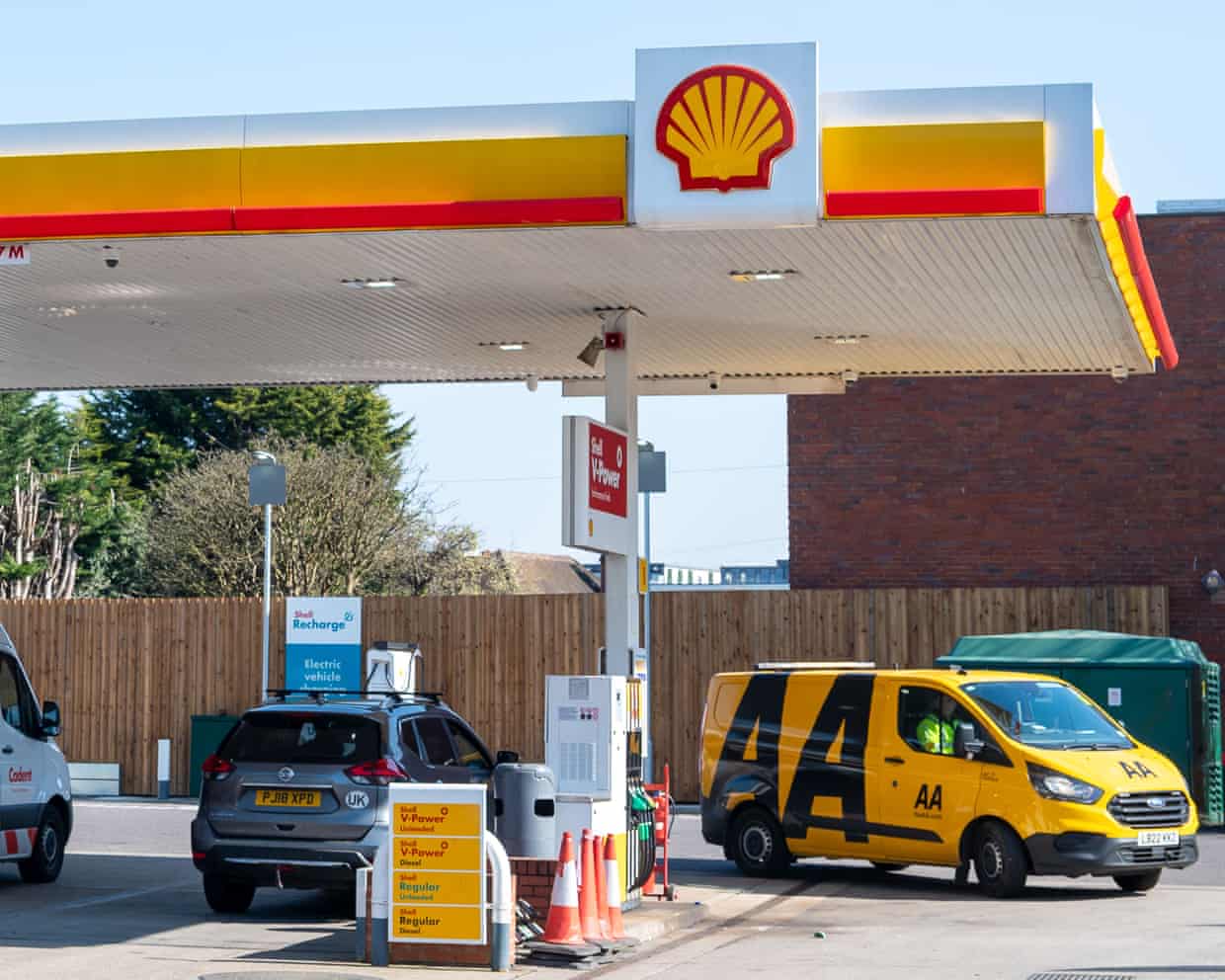
Shell has reported better than expected profits of $6.9bn (£5bn) after its oil traders reaped the benefits of soaring energy prices during the war in Iran, angering climate campaigners.Europe’s biggest oil and gas company posted a 115% jump in first-quarter profits from the $3.2bn reported in the last three months of 2025.The profits easily surpassed the $6
Cut UK speed limits to reduce Iran war impact on consumers, thinktank urges
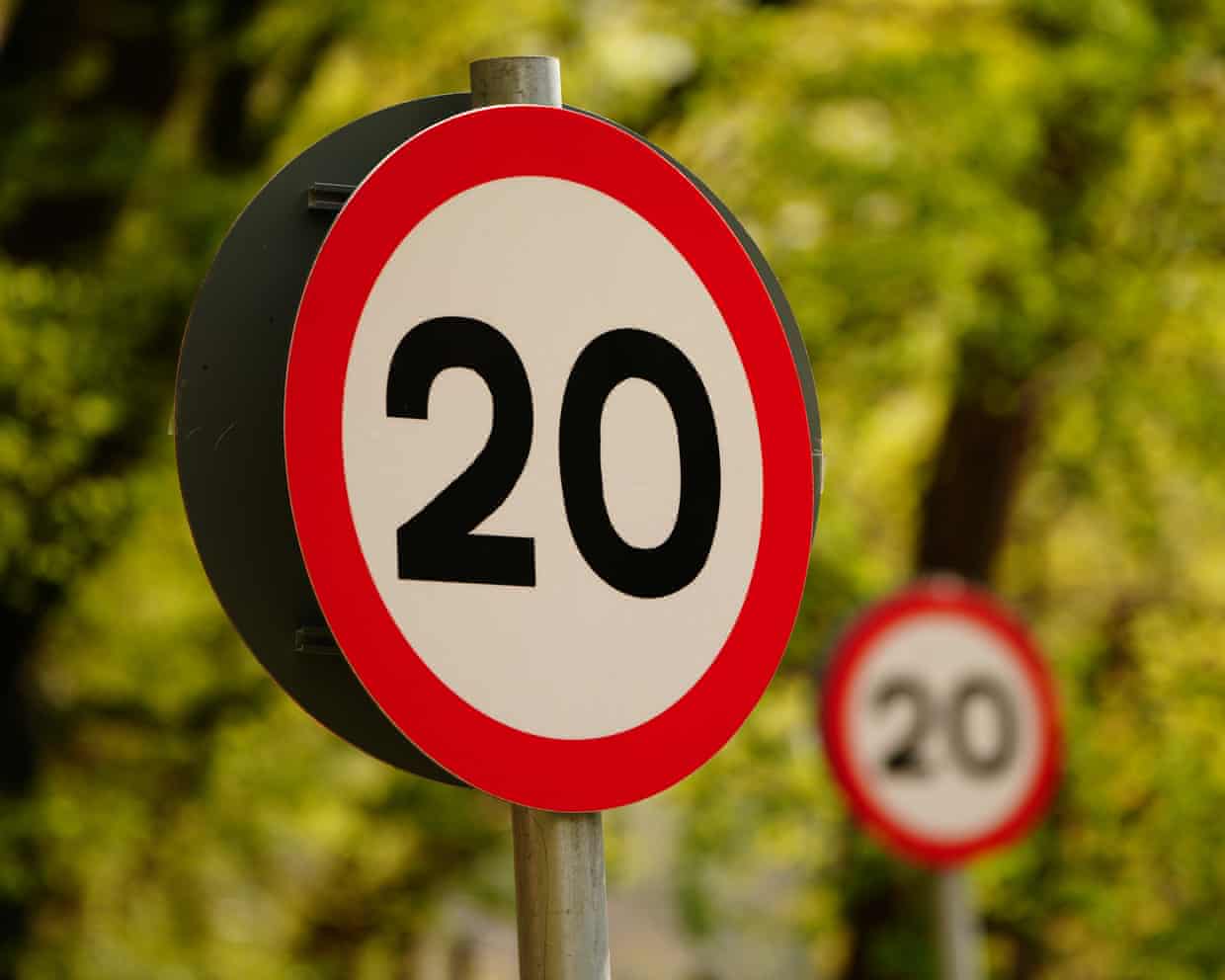
Britain should lower speed limits for drivers as part of a package of measures to reduce the impact of the Iran war on consumers, a thinktank has said.Capping legal speeds at 20mph in towns and cities and 60mph on motorways would help reduce fuel demand and combat soaring oil prices triggered by conflict, according to the Institute for Public Policy Research (IPPR).The institute said ministers should also temporarily cut fuel duty by 10p and bring in a new energy price cap of £2,000 a year to support consumers, while warning that inflation could peak as high as 5.8% if nothing is done to prevent it.“The UK cannot afford to sit back and let another energy shock drive up inflation and damage the economy,” said William Ellis, a senior economist at the IPPR
Oil prices fall as Trump says strait of Hormuz ‘open to all’ if Iran accepts deal
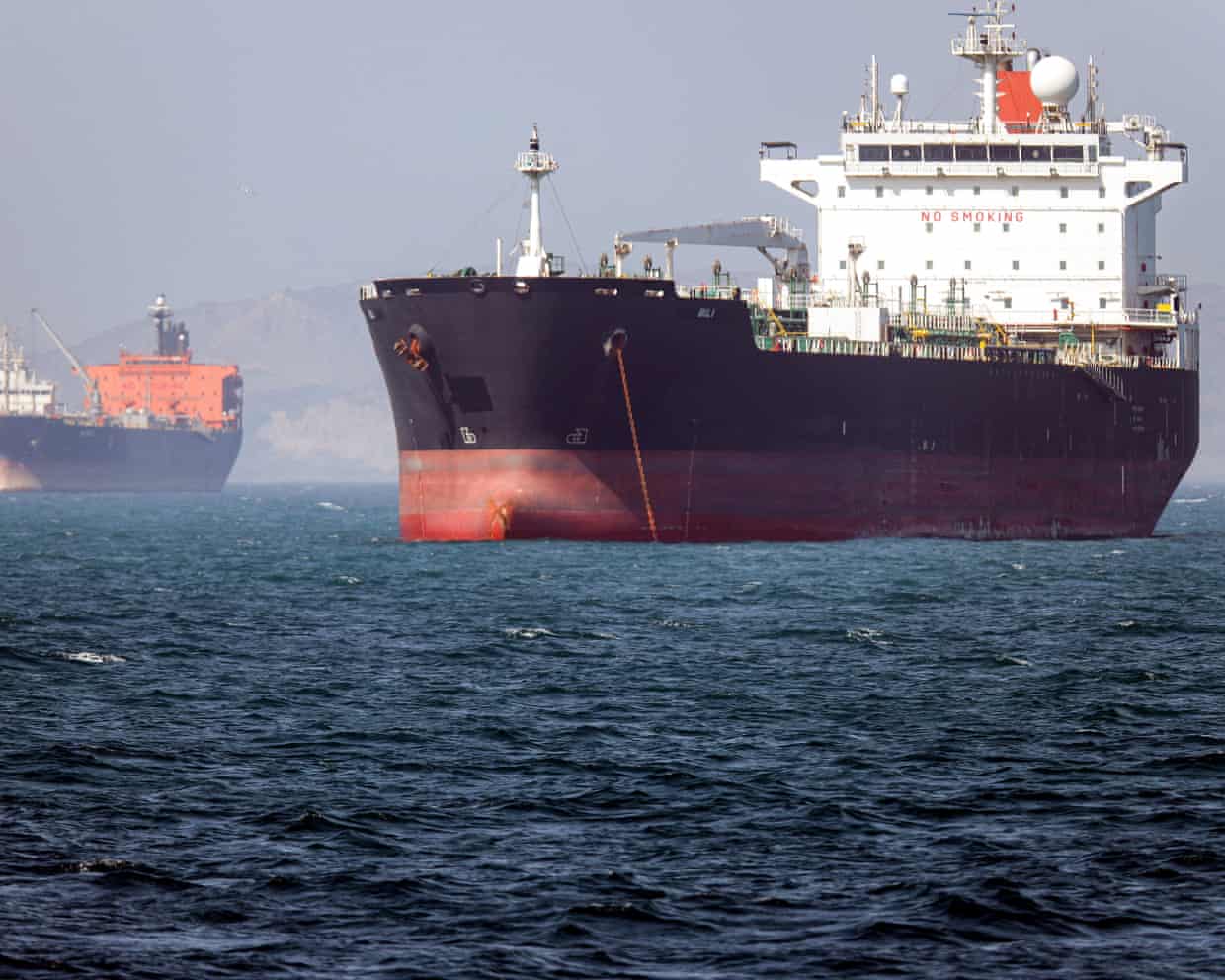
Oil prices fell and stock markets rose as Donald Trump said the war with Iran would end and the strait of Hormuz would be “open to all” if Tehran struck a deal with Washington.The US president posted on social media: “Assuming Iran agrees to give what has been agreed to, which is, perhaps, a big assumption, the already legendary Epic Fury will be at an end, and the highly effective Blockade will allow the Hormuz Strait to be OPEN TO ALL, including Iran.”However, he added that if Iran did not strike a deal, “the bombing starts” and “it will be, sadly, at a much higher level and intensity than it was before”.It came after the president said he would briefly pause his “Project Freedom” operation escorting ships through the strait, which carries about a fifth of the world’s oil supplies but has been blockaded by Iran since late February, triggering a global energy crisis.Trump said he was stopping the operation for “a short period” so he could finalise a deal with Tehran but added that his blockade of Iranian ports would remain in place
Trainline says Middle East tensions hitting European rail bookings
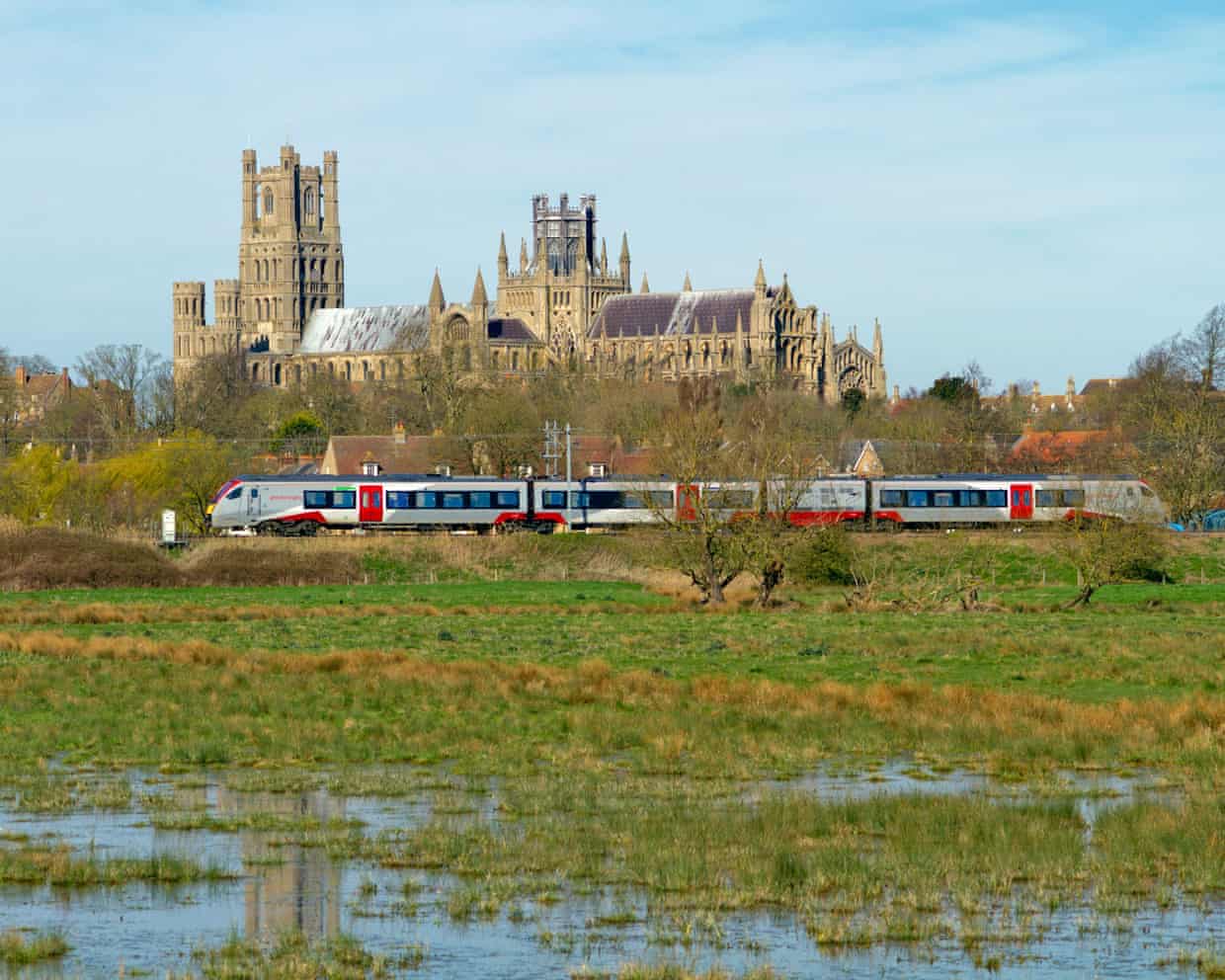
Trainline has said the US standoff with Iran is hitting its revenues, with rail ticket sales to foreign visitors to Europe affected.The UK-based international ticketing agent said it expected revenues to stay flat or decline over the coming year, citing “the effects of geopolitical tensions in the Middle East on inbound air traffic into Europe”.Airlines have reported later bookings, with considerable consumer uncertainty around summer travel plans. The US-Israel war on Iran, closure of the strait of Hormuz and subsequent blockades have raised doubts about global jet fuel supply, with carriers already beginning to cancel thousands of flights.Shares in the company fell on its earnings guidance, with Middle East tensions adding to Trainline’s prior warnings of headwinds, including UK ticketing policy

Keir Starmer makes late pitch to voters turning to Greens and Reform
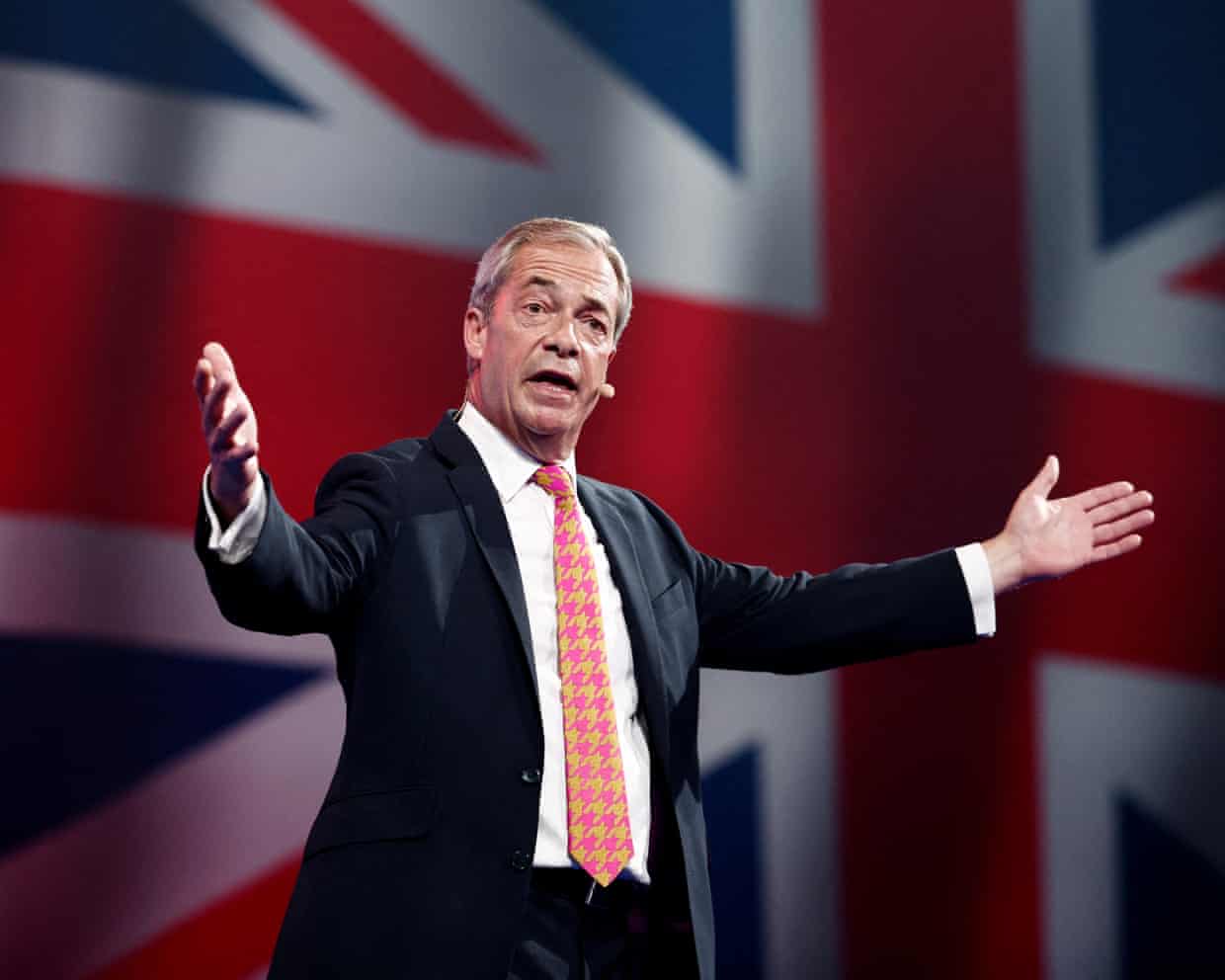
Cameo, speeches, pushing gold bullion: how Farage has made millions since becoming an MP
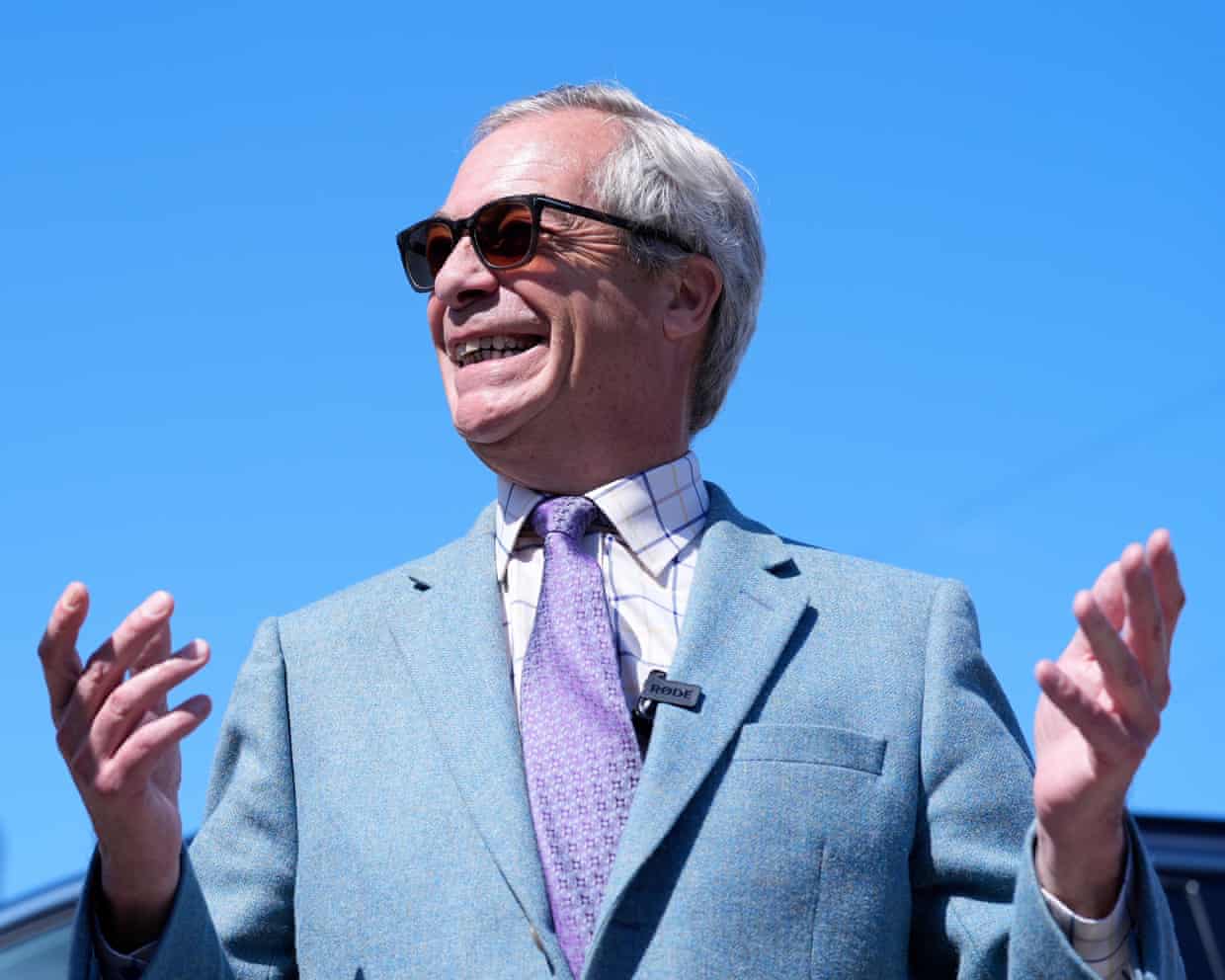
Nigel Farage’s income since being elected MP has hit £2m, analysis shows

‘I am losing faith’: disaffected Scottish voters may deny SNP a majority
‘Climate solutions will bring down bills and restore nature’: green issues and May elections
Burnham sparks Labour anger with plan to appear at event alongside Greens