UK airlines given green light to cancel or consolidate flights to conserve jet fuel
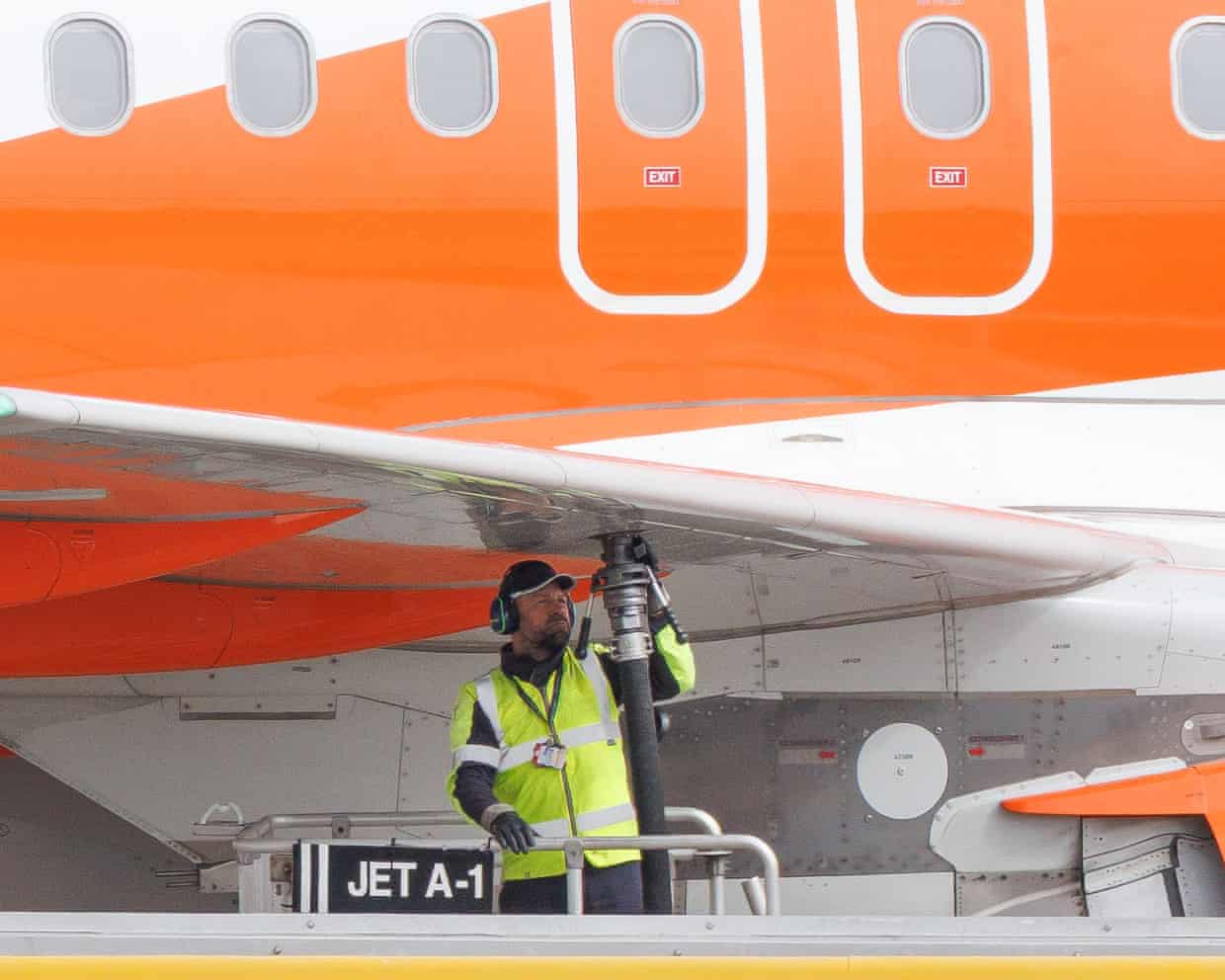
UK airlines will be able to cancel or consolidate flights this summer to conserve jet fuel as the war in the Middle East continues to disrupt supplies,The measures are being taken to avoid major disruption as Britons jet off on their summer holidays,Airlines are looking carefully at their timetables to see which flights can be cancelled in advance and cause the least delays,New legislation would allow for actions such as consolidating schedules on routes where there are multiple flights to the same place on the same day, which could be put in place to stop last-minute cancellations, the government announced on Sunday,The changes will allow airlines to give back a limited proportion of their allocated takeoff and landing slots without losing the right to operate them the following season.
Usually, cancelling these puts airlines at risk of losing the slots, meaning sometimes they run half-empty planes in order to keep the right to use them.Airlines will be cancelling flights well in advance if there is a jet fuel shortage, meaning passengers can be moved on to similar services.If flights have not sold a significant proportion of tickets, these may also be cancelled in order to prevent wasting fuel from running near-empty planes, say ministers.Under the plans, flights will have to be cancelled at least two weeks in advance.Rob Bishton, the chief executive of the UK Civil Aviation Authority, said: “Relaxing the rules around slots at airports will allow airlines more flexibility and so we expect them to give passengers as much notice as possible of cancellations during this period.
”The plans were hatched at a meeting last Thursday between the transport secretary, Heidi Alexander, and representatives from Heathrow and Gatwick airports, British Airways, Virgin Atlantic and easyJet.The strait of Hormuz, a key artery for oil and gas, has been closed in effect since the beginning of March, causing an energy crisis in many countries and leading European states to fear jet fuel shortages.According to some calculations, there are just a few weeks of jet fuel supplies left in Europe.The UK imports about 65% of the jet fuel it uses, much of which comes from the Middle East.Alexander said: “There are no immediate supply issues, but we’re preparing now to give families long-term certainty and avoid unnecessary disruption at the departure gate this summer.
“This legislation will give airlines the tools to adjust flights in good time if they need to, which helps protect passengers and businesses.We will do everything we can to insulate our country from the impact of the situation in the Middle East.”

How does live facial recognition work and how many UK police forces use it?
The Labour government thinks facial recognition technology is “the biggest breakthrough for catching criminals since DNA matching”. It wants all police forces to use it and recently announced 40 new vans rigged with live facial recognition cameras to be deployed in town centres across England and Wales.Supporters say it streamlines police work and catches criminals. Opponents fear it violates civil liberties and can be biased against minorities.The simplest systems check faces captured on CCTV, mobile phones, dashcams, social media and doorbell cameras against mugshots held on the police national database

UK ‘invention agency’ grants £50m of public money to US tech and venture capital firms
Britain’s “invention agency” has pledged £50m of UK taxpayer money to US tech companies and venture capital projects.Dreamed up by Dominic Cummings to fund “crazy” ideas, the Advanced Research and Invention Agency (Aria) is meant to “restore Britain’s place as a scientific superpower”.But a joint investigation by the Guardian and Democracy for Sale, an investigative website, has established that more than an eighth of the agency’s £400m in research and development funding over the past two years has gone to 14 US tech companies and venture capital groups, in some cases, with no clear return for the UK or Aria.One of these companies, Rain Neuromorphics, is also backed by the OpenAI chief executive, Sam Altman, and was reported to be near collapse last year, shortly after winning Aria money. It did not respond to a request for comment; two of its founders appear to have left the company

Under a cloud: the growing resentment against the massive datacentres sprouting across Australian cities
Residents say AI factories with unknown environmental impacts are being rushed into development as proponents argue Australia must ride the data boom or be left behindFollow our Australia news live blog for latest updatesGet our breaking news email, free app or daily news podcastWhen West Footscray resident Sean Brown takes his 19-month-old boy to the park, their walk passes an imposing new building cheerily spruiked as “Australia’s largest hyperscale AI factory”, a datacentre called M3.He hates it: the construction noise from its constant expansion, the looming towers and the insistent background hum, the exhaust from the growing array of diesel generators that can help power the ranks of servers inside.And he worries what it represents for his young child’s future.“He is growing – neurologically, pulmonarily, physically – in the shadow of a facility whose cumulative environmental impact … has never been assessed,” Brown says.“They’re building something which is, frankly, terrible for the community

Parents already have controls over smartphones – they should use them | Letters
A crucial facility seems to be missing from the coverage of smartphones in schools – and outside (I was wrong about the danger of smartphones in schools. It’s far, far worse than I thought, 22 April). Parental controls, which both Apple and Android have, enable downtimes to be set to ensure phones don’t work in school. They can also set downtimes for outside school and block inappropriate apps.We use these for our 14-year-old daughter to keep her safe and manage the addictive effects of phone use

‘Awkward and humiliating’: UK job hunters share frustration with AI interviews
Nearly half (47%) of UK job seekers have had an AI interview, research from the hiring platform Greenhouse has found.In its survey of 2,950 active job seekers, including 1,132 UK-based workers, with additional respondents from the US, Germany, Australia and Ireland, it found that 30% of UK candidates had walked away from a hiring process because it included an AI interview.We asked people about their experiences of AI interviews. The responses included those who found it “awkward” and “humiliating”. Others spoke of wanting a human element in the interviews, and said they were not sure if their interview had even been reviewed

Tim Cook takes victory lap as Apple’s financial results soar past Wall Street expectations
Apple blew past Wall Street expectations in its first earnings report since it announced CEO Tim Cook would be stepping down.Cook shared his thoughts about the leadership transition on Thursday, saying: “There’s no one on this planet I trust more to lead Apple into the future” than incoming CEO John Ternus. Asked by an investor what advice he has given Ternus, Cook said: “Never forget the north star for the company. You know, we’re about making the best products in the world that really enrich other people’s lives.”Ternus spoke briefly, too, praising Cook’s thoughtfulness in financial decision-making and saying: “This is the most exciting time in my 25-year career at Apple to be building products and services
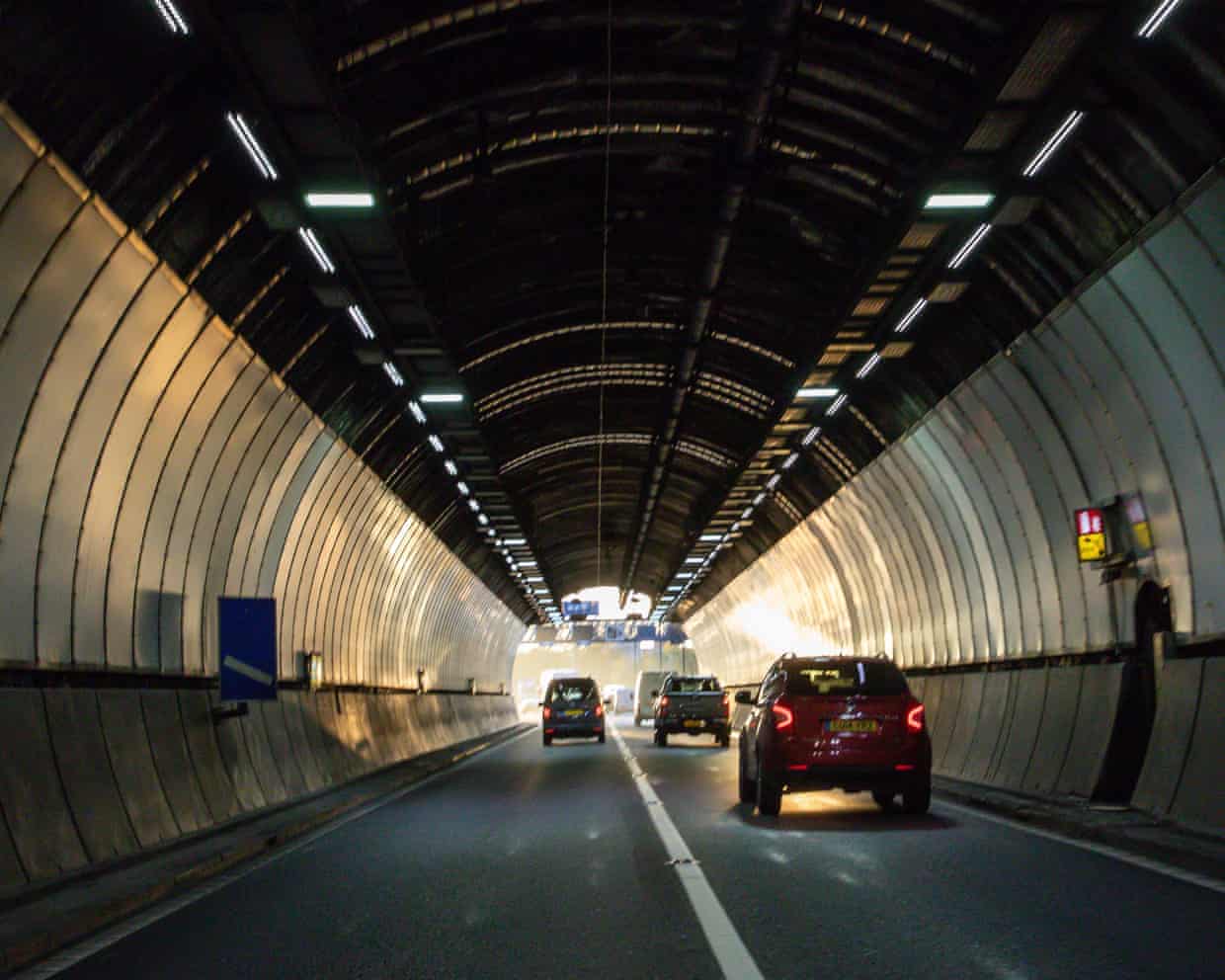
Investment or waste? How the M4 relief road plan for Newport sums up Wales’s economic quandary

Trump may not be a fan of clean energy but Iran war is accelerating global shift from oil and gas | Heather Stewart
UK airlines given green light to cancel or consolidate flights to conserve jet fuel

Dynamic pay on platforms such as Uber should be banned, says TUC
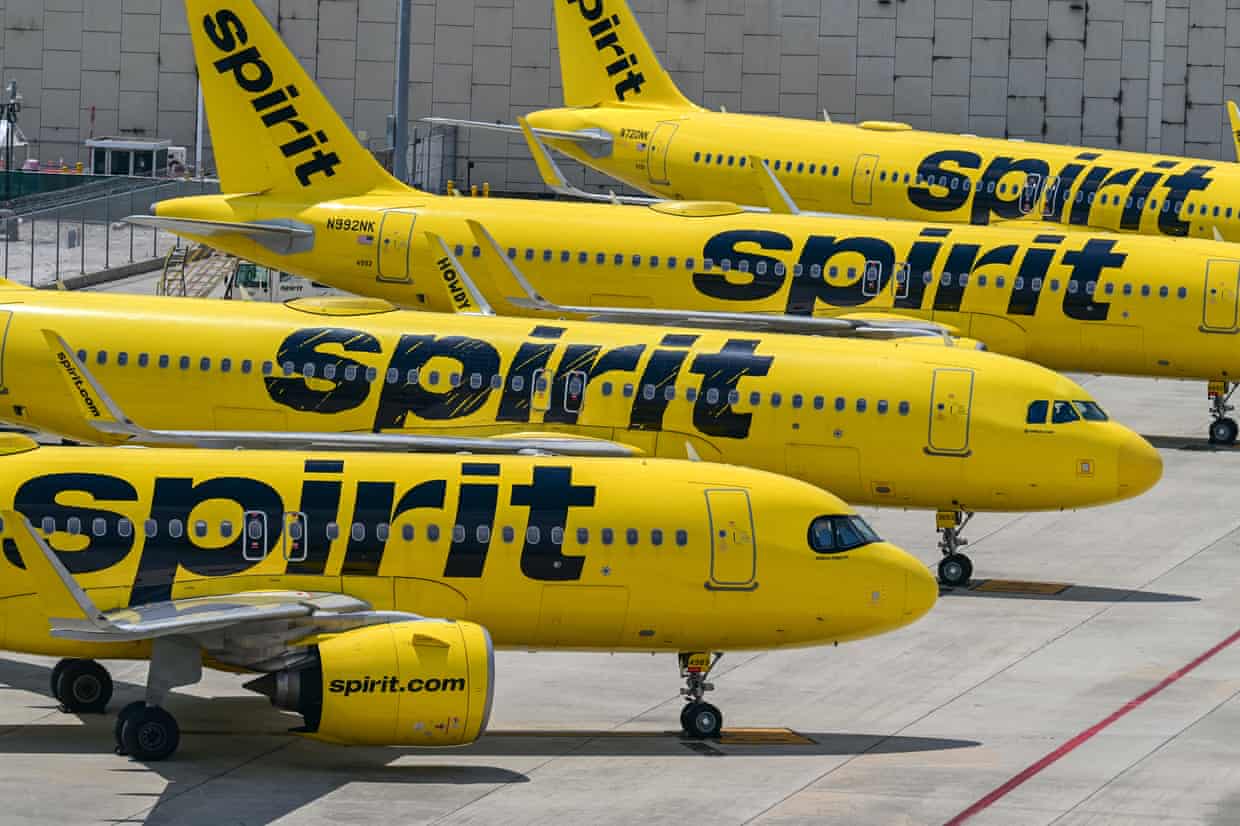
Political blame game begins and passengers left adrift after Spirit ceases operations
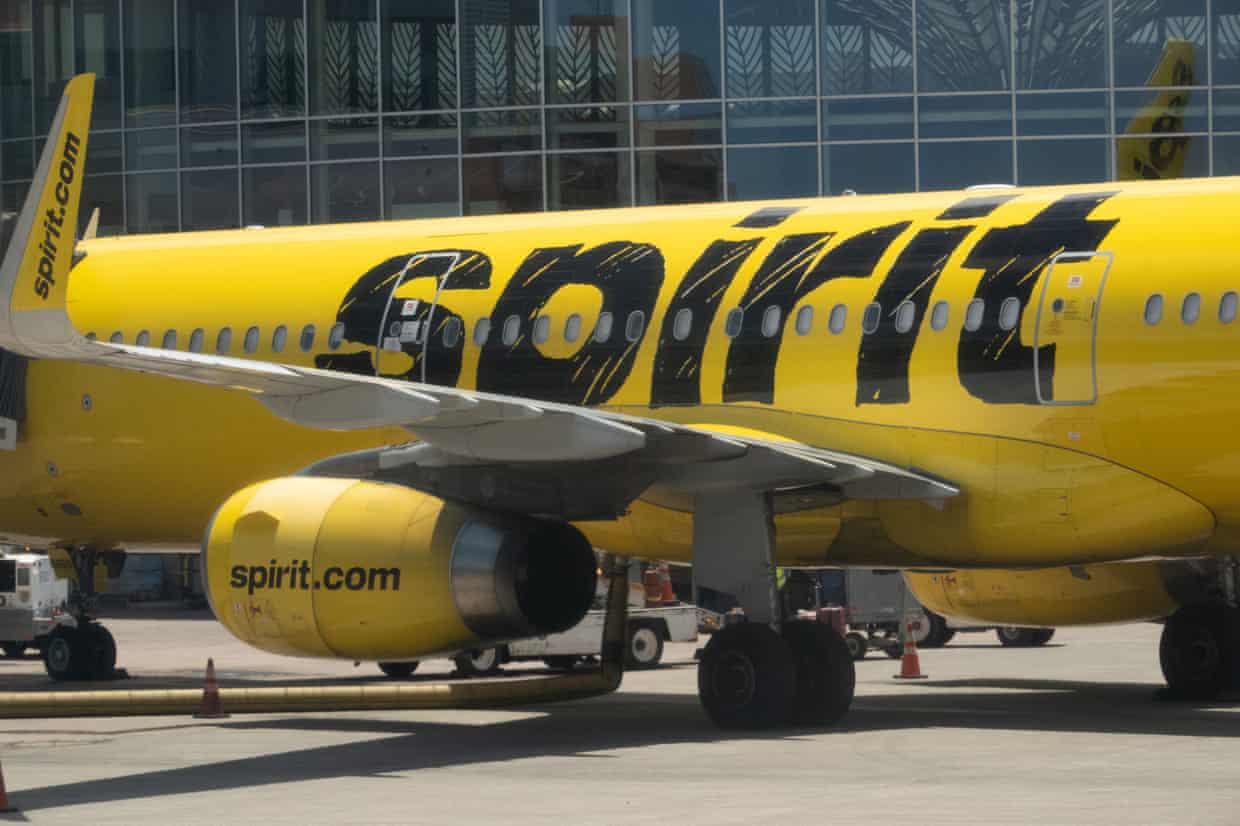
Spirit Airlines ceases operations and US transportation secretary announces measures to help passengers