Iran war may cause food shortages in Africa, world’s largest fertiliser firm says
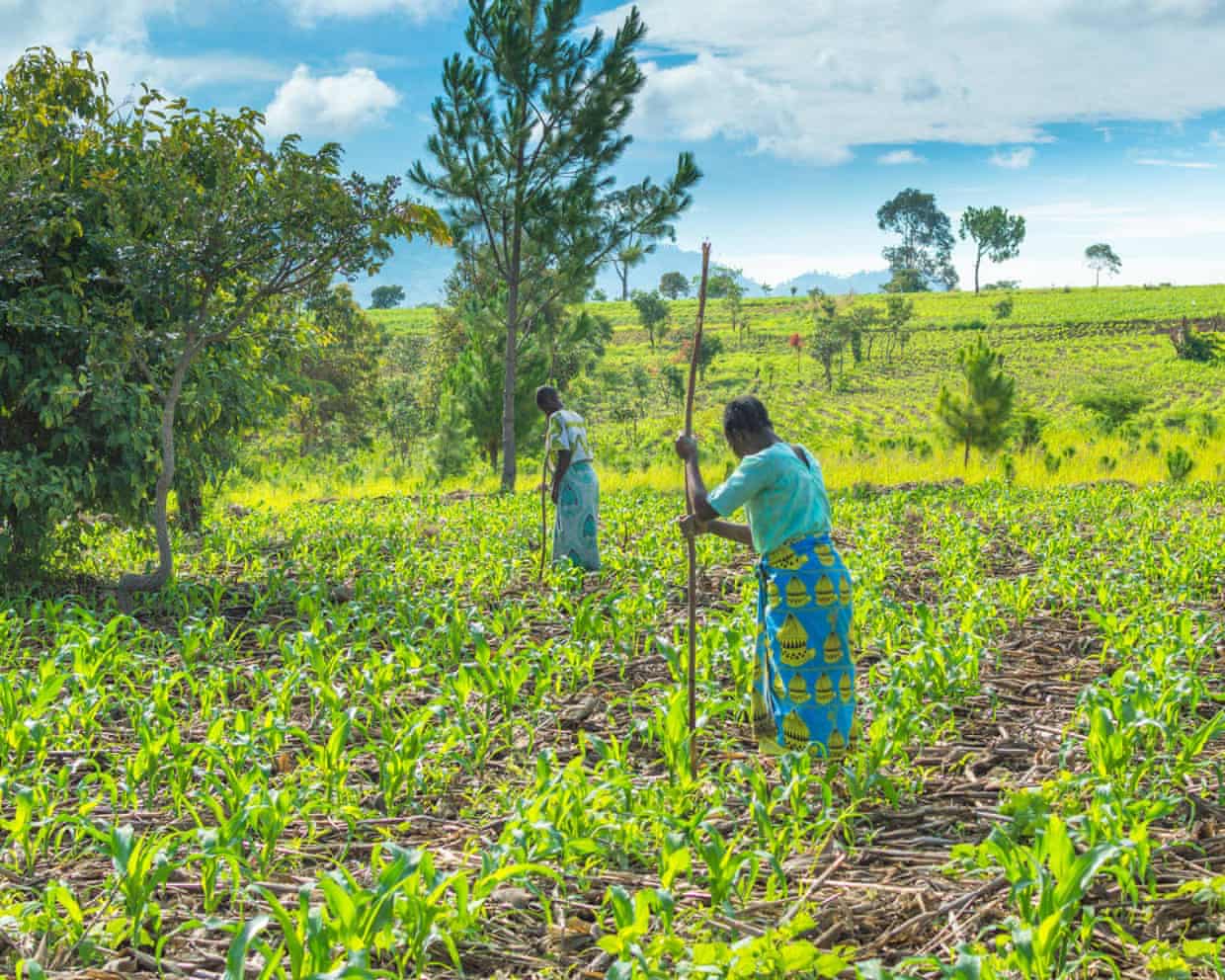
The Iran war could have “dramatic consequences”, causing food shortages and price rises in some of Africa’s poorest and most vulnerable communities, the head of the world’s largest fertiliser company has said.Svein Tore Holsether, the chief executive of Yara International, said world leaders needed to guard against soaring prices and shortages of fertiliser causing a de facto global auction that would leave the poorest countries, particularly in Africa, scrambling for supplies they could ill afford.“The most important thing we can do now is raise the alarm on what we are seeing right now – that there is a risk of a global auction on fertiliser that means it becomes unaffordable for those most vulnerable,” he said.“Africa is actually quite well positioned to be a major food producer, not only for self-sufficiency, but even for exports to the rest of the world, but the reality is that they are massive food importers.“But we need to be aware in this part of the world of the potential consequences that if we get to a global auction on food, there will not be a famine in Europe – but we need to be aware of who we are taking the food away from.
”Yara International is a Norwegian multinational with plants in 60 countries and sales in 140,Holsether stopped short of predicting actual food shortages in parts of Africa but said he was in London to draw attention of world leaders to the possibility of things spiralling before action was taken,“It is important to communicate the message about the danger of what potentially could happen before it is too late,” he said,The financial intelligence company S&P Global said the impact of the war was already deepening into supply chains,Chris Rogers, the head of supply chain research at S&P Global Market Intelligence, said: “Food supply chains face both direct and indirect challenges from fuel and fertiliser restrictions.
“The variability in Africa’s dependence on Middle East nitrogenous fertilisers is high, with Ethiopia and Kenya heavily exposed in sub-Saharan Africa.”With 35% of the world’s supply of urea, a key ingredient in fertiliser coming from Gulf states, Yara has already seen supplies choked and the price of urea up by between “60% and 70% since the US and Israel launched their war on Iran at the end of February”.The increase in price “has some rather dramatic consequences for those that cannot afford them”, Holsether said.Then there is the issue of squeezed reserves and production.“At some point you run out of inventory space,” said Holsether.
“And there’s a limit to how much you can store within the production plants.”In a double whammy, supplies of ammonia, a foundational raw material for nitrogen-based fertilisers, have also been torpedoed by the war.Ammonia is a toxic substance that can cause serious respiratory tract damage and keeping inventories in war is so risky, some countries like Qatar have suspended production entirely.“We are losing production every day.It will take weeks or months to restart,” said Holsether in relation to the general fertiliser production.
Fertilisers used for the sowing season, which is starting soon in sub-Saharan Africa, is one challenge for local farmers but then they face the issue of building stockpiles this summer for 2027’s crops, a routine practice in farm planning.The EU was already taking action to help farmers, but the same support must be given in sub-Saharan Africa, Holsether said.“We need to treat farming like a business.”Only this week the EU announced it was loosening state subsidy rules for industries along with grant aid of up to €50,000 (£43,200) for individual farmers for the extra cost of fuel or fertiliser caused by the Iran war.But in Africa those supports do not exist.
They are also started from a point of compromised soil health and lack of food reserves,“In Europe soil conditions and farming are quite optimised already, so farmers are able to reduce fertiliser consumption somewhat without dramatic consequences on the yield,” Holsether said,“But that’s not the same in other parts of the world,You are under-fertilising to begin with,Africa, that’s where I’m most worried right now.
Yet again, we are in a situation where the most vulnerable will pay the highest price.”
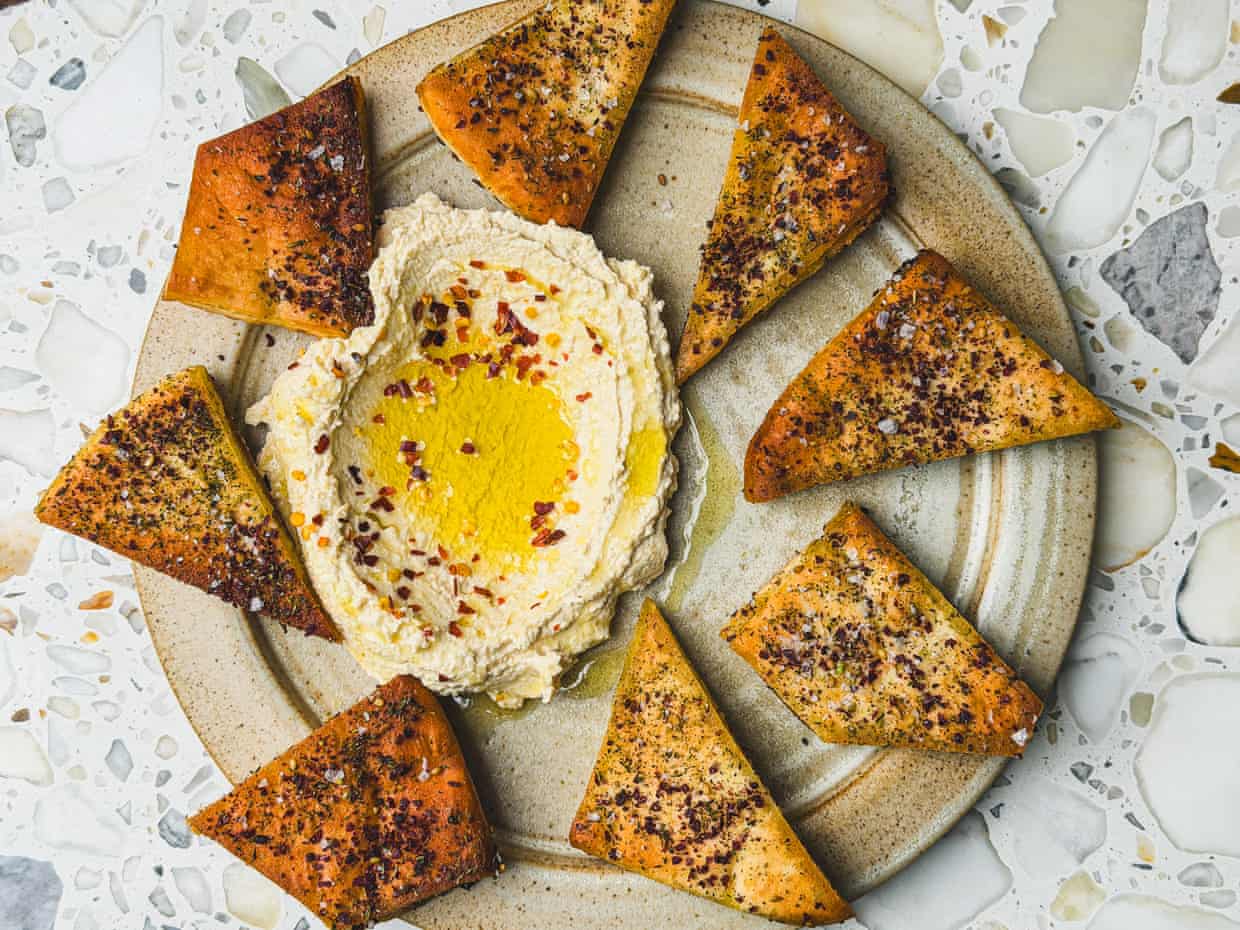
How to turn old pitta into spiced chips – recipe | Waste not
Three years ago, I helped my friend, the chef Sam Webb, set up Babette, a street food stall at Newquay Boathouse. Webb and his team make everything from scratch and, wherever possible, using only local Cornish produce, from their hot honey (sourced from the Rescued Bee) to pitta with freshly milled flour from Cornish Golden Grains; he also grows his own produce with fellow restaurateur Matt Comley at Gannel Valley Gardens.As you might expect, saving food waste is at the top of Webb’s agenda, which is how he came to create waste-saving pitta chips to serve with hummus. It’s a recipe I couldn’t resist, not least because they take minutes to cook. What makes Webb’s pitta chips unique is their wonderful seasoning of sumac, za’atar and sea salt just before serving
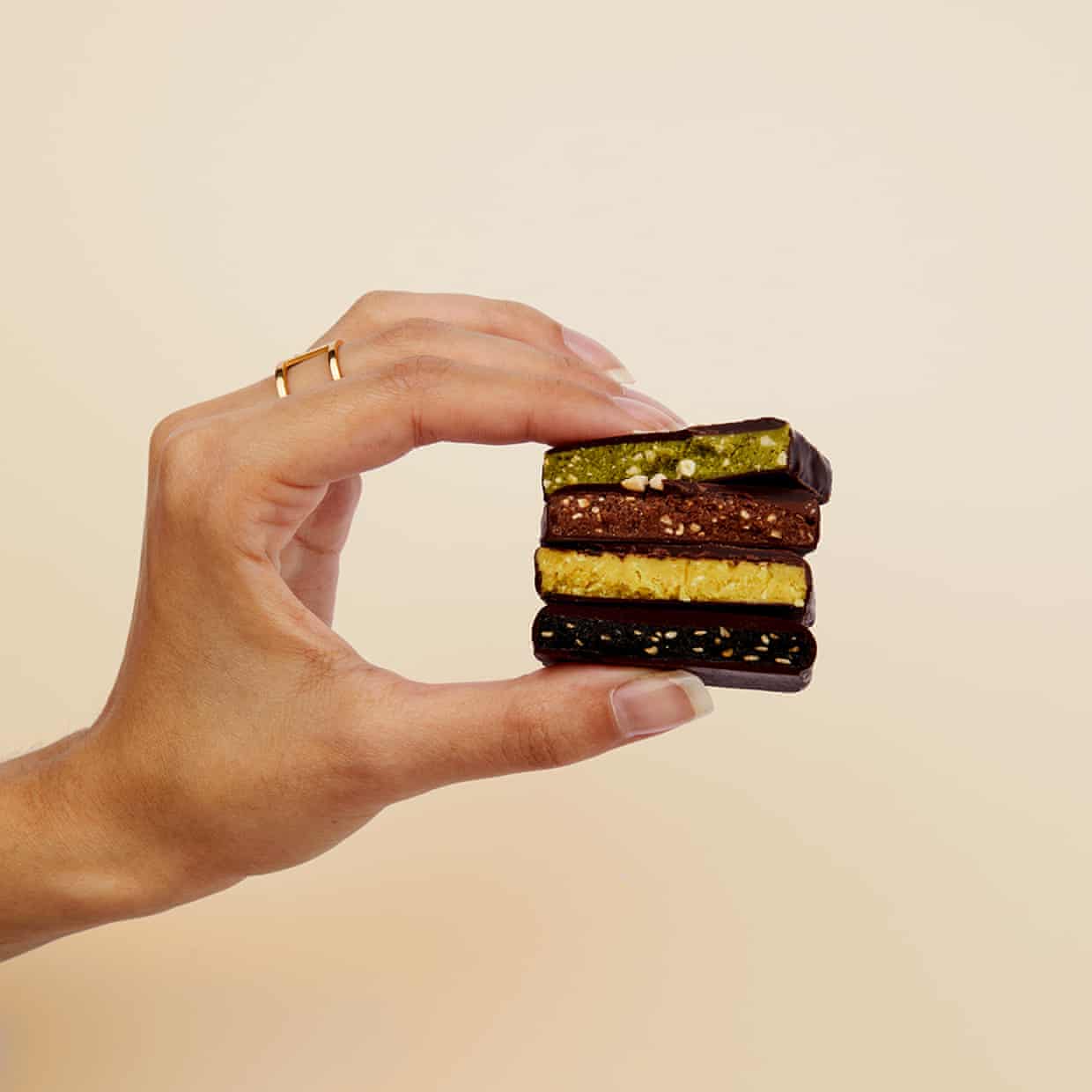
Why sweet, chewy dates go perfectly with chocolate – and the best ones to try
I first cemented the allure of the “chew” aged 14, working illegally as a chambermaid (I lied about my age) and finding a guest’s Gummy Bears laid open – a breach I heavily exploited. Recently this chew need has been sated by dates and their use in chocolate as a healthy caramel. Dates do have nutritional benefits over mere sugar: fibre, minerals, antioxidants and make a great pre-workout boost.The Guardian’s journalism is independent. We will earn a commission if you buy something through an affiliate link

The perfect birthday cake: tips for the best blow-out
What’s the best birthday cake?Katie, by email“My mum once made a cake with mini rolls made to look like cats with googly eyes and strawberry lace tails,” says Nicola Lamb, author of Sift and the Kitchen Projects newsletter. And that’s the whole point of a birthday cake, right? It should align with the recipient’s favourite thing: “That could even be a lasagne,” Lamb says. “I’m not at all prescriptive about what you stick a candle into.”Of course, some cakes are a safer choice than others. Take the Victoria sponge: “I don’t think anyone is going to have a problem with a plush vanilla sponge, jam and cream job,” Lamb says
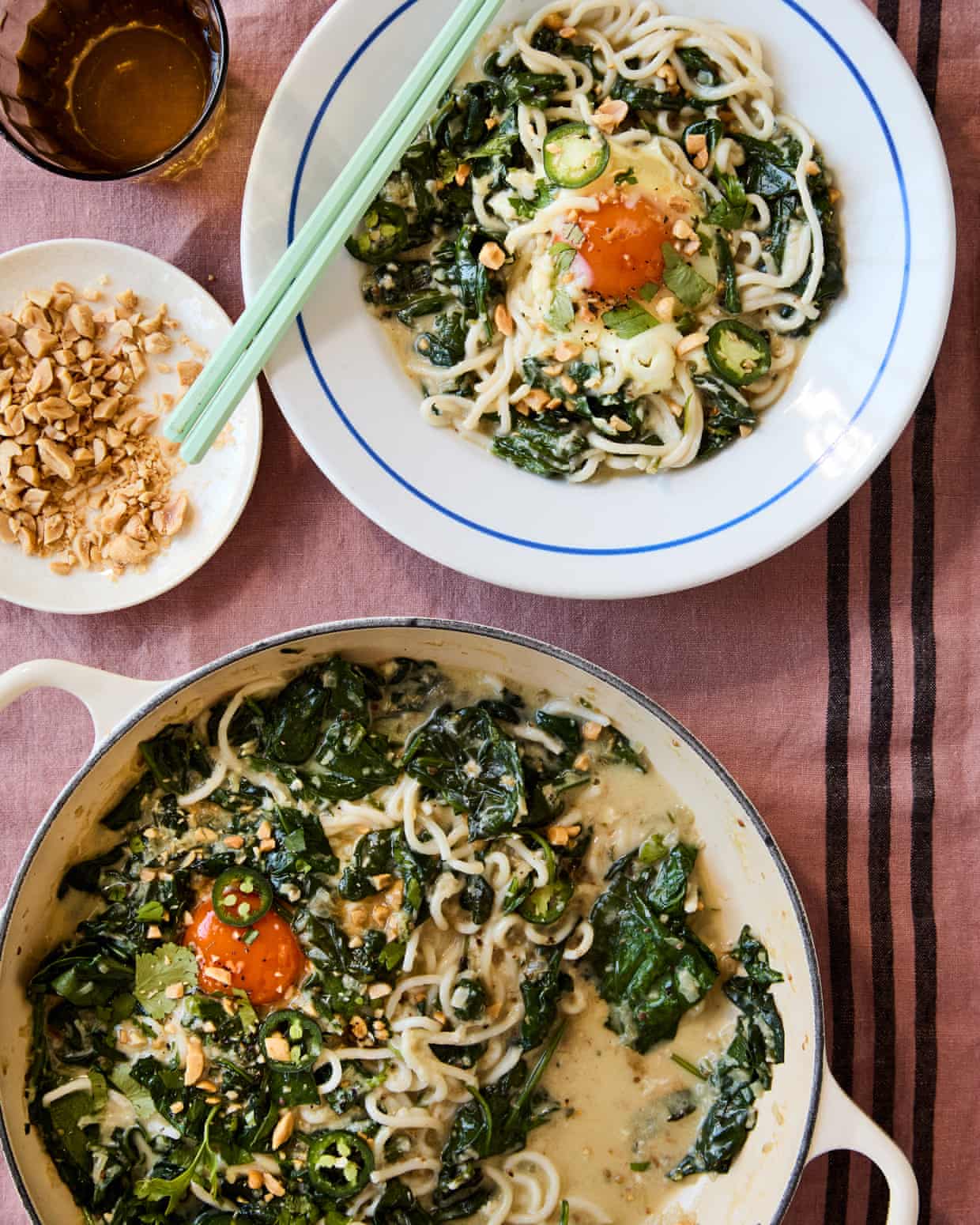
Rukmini Iyer’s quick and easy recipe for green chilli eggs with coriander and coconut | Quick and easy
This might look like a shakshuka, but with lemongrass, ginger and lime, you couldn’t really get away with calling it one – particularly because the noodles make this an easy, flavour-packed one-pan dinner. The crunch of the peanuts is particularly good against the lime-spiked coconut milk – a perfect transitional “is it spring yet?” dinner.Prep 15 min Cook 15 min Serves 21½ tbsp neutral oil 2 garlic cloves, peeled and grated½ stick lemongrass, finely chopped½-1 green chilli, finely chopped (remove the pith and seeds first if you want less heat)5cm piece fresh ginger, peeled and finely gratedJuice and zest of 1 lime 2 large echalion shallots (or small onions), peeled and finely sliced1 tsp freshly ground coriander seeds 1 tsp flaky sea salt 320g baby spinach400ml tin coconut milk, whisked smooth150g packet straight-to-wok medium noodles2 eggsTo serve 15g coriander, roughly chopped 50g salted peanuts, finely chopped½ green chilli, finely sliced (remove the pith and seeds first if you want less heat)Heat the oil in a large, deep frying pan on a medium heat, then add the garlic, lemongrass, chilli, ginger, lime zest and shallots. Stir-fry for four to five minutes, until the shallots are soft and the mixture is aromatic and starting to brown lightly, then turn down the heat and add the ground coriander and salt. Stir-fry for 30 seconds, add the spinach and cook for two minutes, until it is just wilting
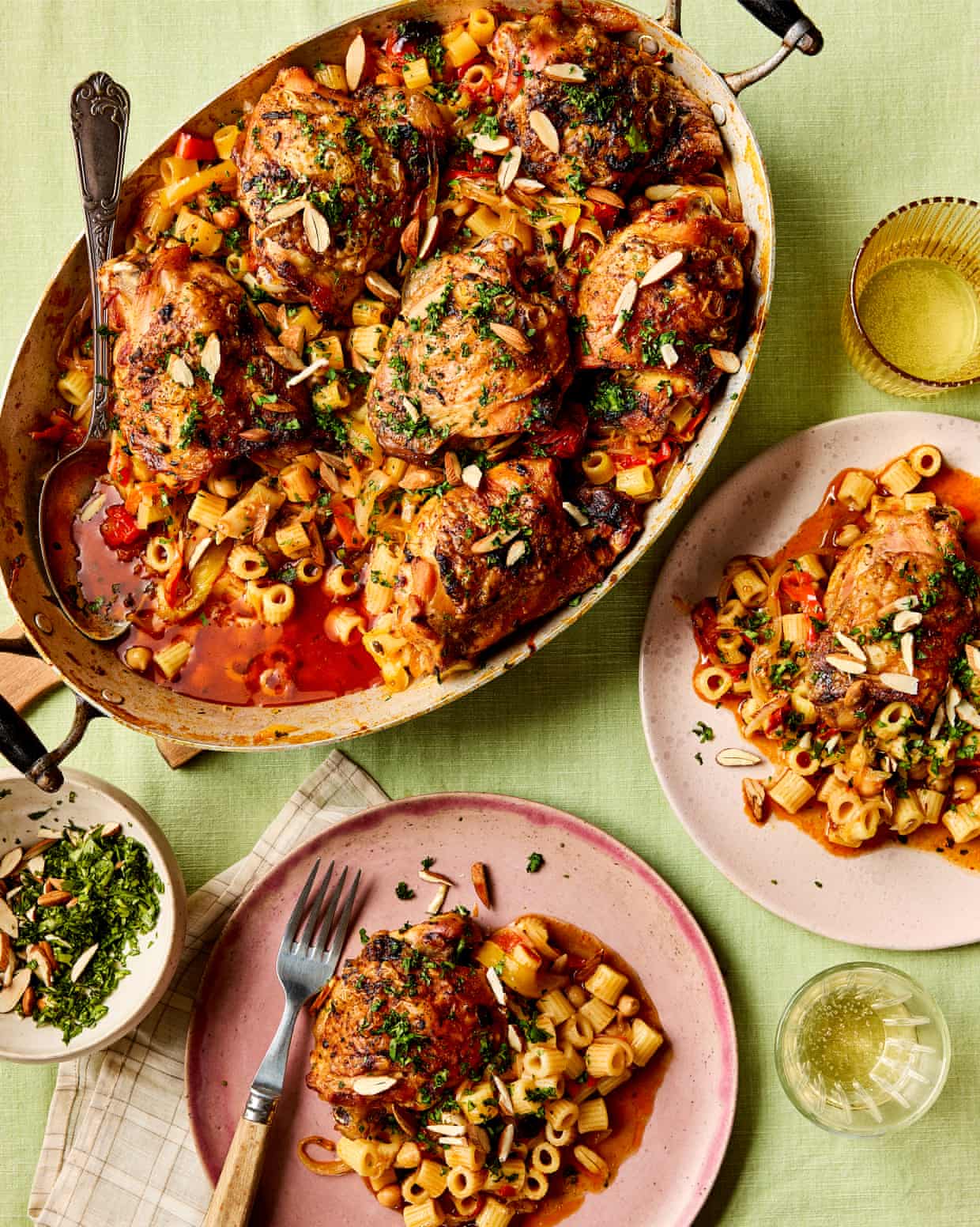
A pasta bake and a sumac salad: Sami Tamimi’s prep-ahead sharing recipes
My ideal way of entertaining is completely fuss-free, with everything prepared ahead of time so I can enjoy being with my guests rather than worrying about cooking. I like to put big, generous dishes in the middle of the table, such as this one-tray chicken, pasta and chickpea bake, alongside a fresh salad, so everyone can serve themselves and share a simple, delicious meal.This is a comforting and flavourful dish that brings together tender chicken, hearty chickpeas and perfectly cooked pasta in a rich, pungent sauce. It’s a simple yet satisfying meal that’s ideal for busy weeknights or casual family meals. Everything cooks together in the oven, and the flavours blend beautifully while keeping prep and washing-up to a minimum
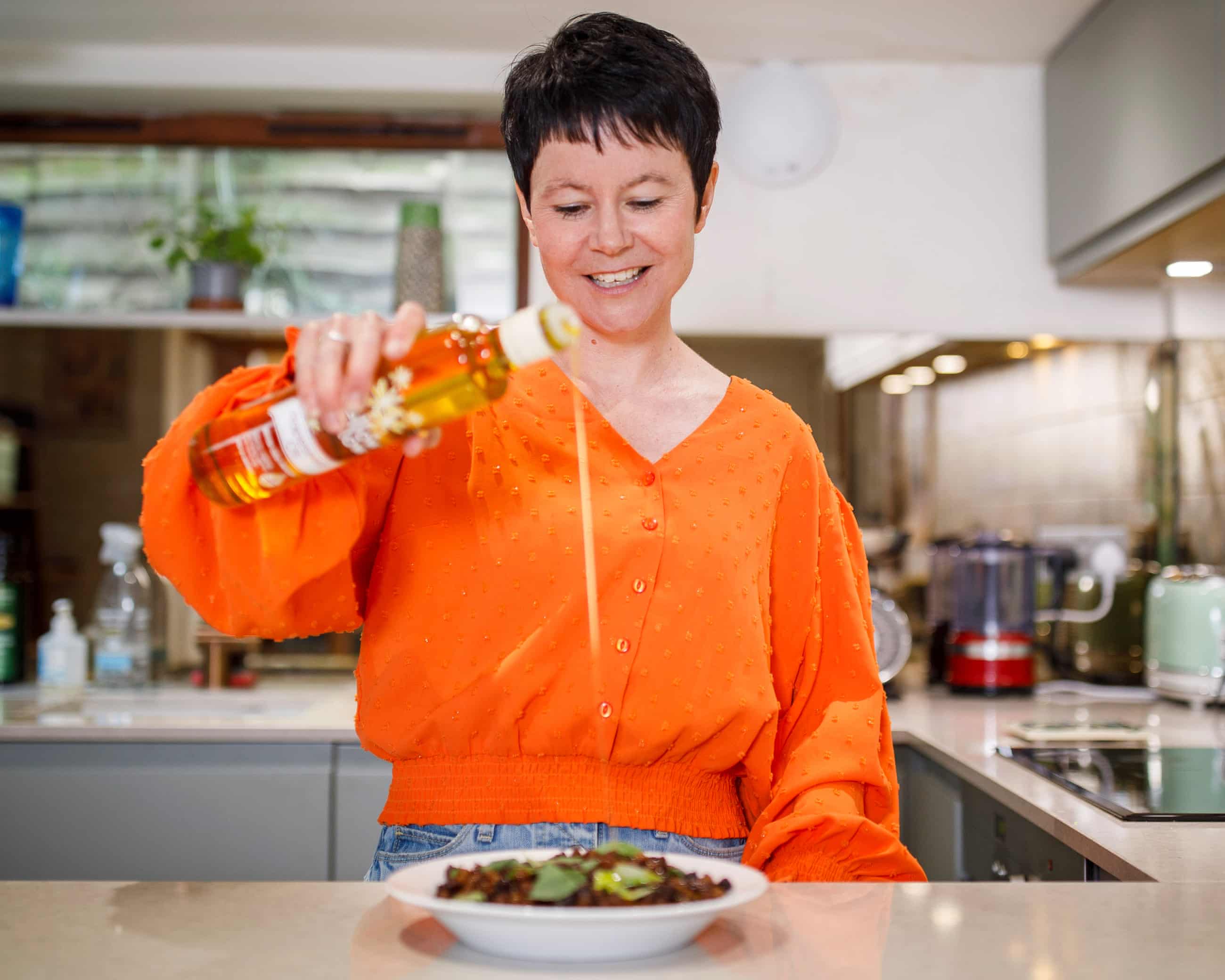
The truth about cooking oils: 14 essential facts for healthier, cheaper meals
From avocado to hemp, extra virgin olive and rapeseed, the shops are packed with various oils. But what is worth spending money on? And are any of them actually better for you? The world of cooking oils is confusing. I keep spotting new ones on supermarket shelves, trumpeting their health claims. Cold-pressed avocado oil, extra virgin macadamia oil, organic coconut oil, premium hemp seed oil … Even familiar oils are mired in controversy. Is it OK to cook with olive oil? Should you avoid seed oils? Meanwhile, prices keep rising – earlier this month, Walter Zanre, the CEO of Filippo Berio UK, said supermarkets were “taking the mickey” out of customers over olive oil pricing

Stephen Fry sues tech conference organisers for £100,000 over fall from stage

Jimmy Kimmel on the Trump administration: ‘They’ve hit peak ridiculous’

Letter: Desmond Morris obituary

Boom! A melodrama fit for Elizabeth Taylor and Richard Burton’s doomed love affair

Jon Stewart on White House correspondents’ dinner: ‘We can’t even pull off a dinner that shouldn’t have existed in the first place’

Antiquities dealer who exposed thefts at British Museum dies aged 61