‘Mother of all deals’: EU and India sign free trade agreement
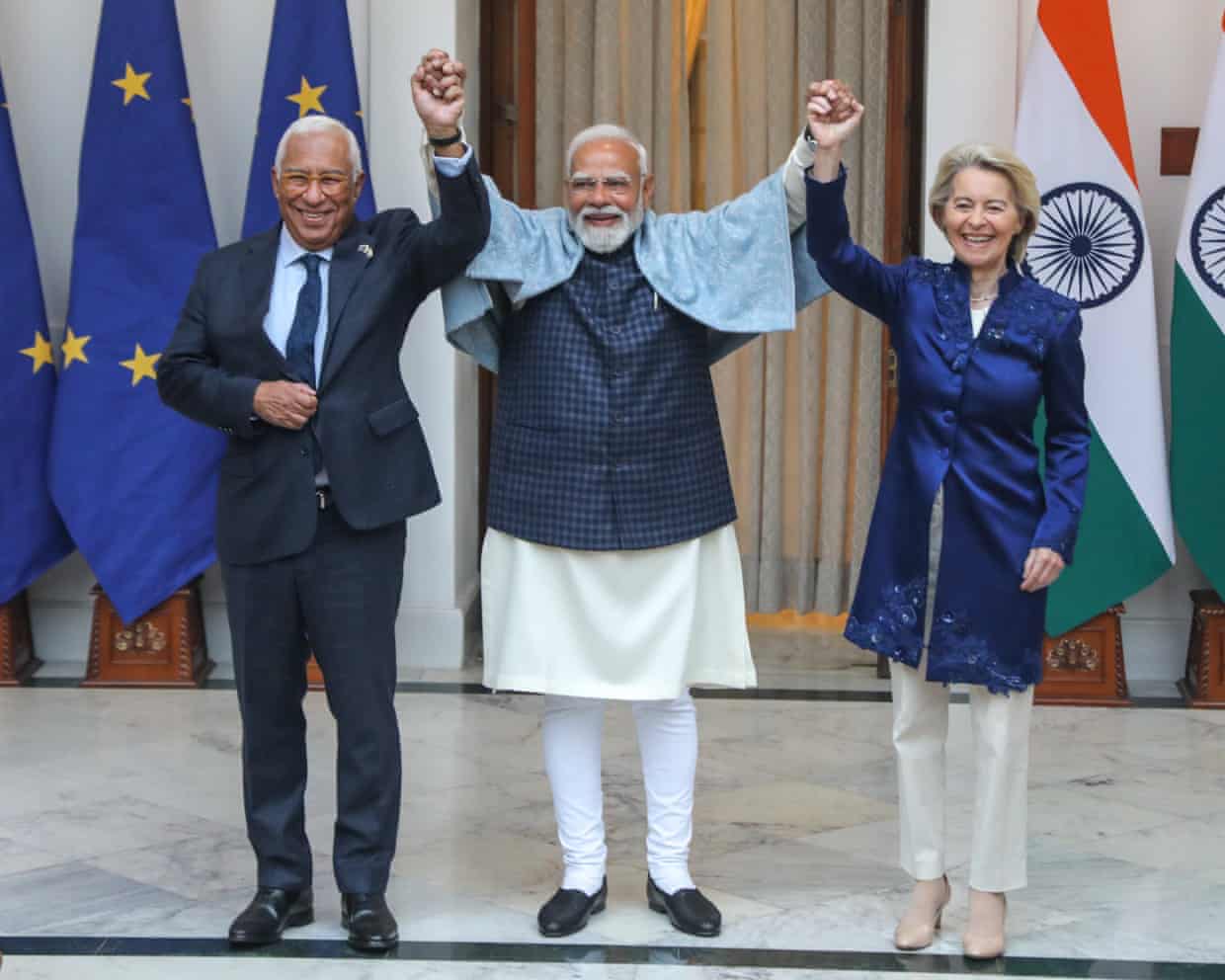
India and the EU have finalised a landmark free trade agreement, which the European Commission president, Ursula von der Leyen, hailed as the “mother of all deals”.The agreement comes after almost two decades of on-off negotiations between India and the EU, which vastly accelerated in the past six months and were finally concluded late on Monday night.The deal is expected to open up India’s vast and traditionally tightly guarded market to the 27 nations in the bloc, with a focus on manufacturing and the services sector.It will ease market access for key European products, including cars and wine, in return for easier exports of textiles, gems and pharmaceuticals.The agreement is expected to double EU exports to India by 2032 by eliminating or cutting tariffs in 96.
6% of traded goods by value, and would lead to savings of €4bn (£3.5bn) in duties for European companies, the EU said.Tariffs will be reduced to zero for a vast swathe of industrial products, including nearly all iron and steel, plastics, chemicals, machinery and pharmaceuticals.“Europe and India are making history today,” von der Leyen said after landing in Delhi, where she met the Indian prime minister, Narendra Modi, on Tuesday.“We have concluded the mother of all deals.
We have created a free trade zone of 2 billion people, with both sides set to benefit,”Von der Leyen had previously stated that she expected exports to India to double after the deal, with the EU granted unprecedented access to the previously heavily protected Indian market,The deal must be ratified by EU member states, the European parliament and the Indian cabinet before it enters into force,The trade deal is part of a flurry of agreements announced at a summit on Tuesday, as the EU and India grapple with Donald Trump’s tariffs, China’s economic heft and the Russian invasion of Ukraine,The two sides are due to sign a security pact to deepen joint work on maritime security, hybrid threats and counter-terrorism.
The security agreement has been described by the EU as a way to “advance alignment” after qualms about India’s ties with Russia.The two sides also struck a labour mobility agreement to open opportunities for young professionals and seasonal workers, while committing to launch talks on bringing India into the EU’s Horizon research programme.India, the world’s most populous country with 1.4 billion people, is also one of the world’s fastest-growing economies and is on track to become the fourth-largest economy this year, according to the International Monetary Fund.Modi called Tuesday’s deal the “biggest free trade deal in history”.
“This agreement has brought massive opportunities for 1.4 billion Indians and millions of people in European countries,” he said.“It has become a wonderful example of synergy between two of the world’s major economies.”The deal will lead to Delhi slashing tariffs on cars to 10% over five years from as high as 110%, according to an EU statement, benefiting European carmakers such as Volkswagen, Renault, Mercedes-Benz and BMW.Up to 250,000 European-made vehicles will ultimately be about to enter India at preferential duty rate, far outstripping the 37,000 limit allowed from the UK agreed in a separate deal last year.
India has also agreed to gradually reduce tariffs on European wines and sprits to 20% to 40%, down from the current rate of 150%,Duties on olive oil and processed foods, such as pasta and chocolate, will be cut to zero,But in a nod to European farming interests, the EU is maintaining tariffs on beef, chicken, sugar, flour, garlic and ethanol, an outcome that may help the deal clear the European parliament, which is sensitive to agricultural interests,Trade talks between the two countries began as far back as 2007 but were abandoned owing to disputes over access to cars, agriculture and dairy,However, they resumed again in 2022 and accelerated with gusto over the past six months in the face of heavy punitive tariffs by Trump’s administration in the US and joint concerns over China’s monopoly over global manufacturing and the country’s restrictions on key exports.
India is grappling with 50% tariffs on exports to the US, and six EU nations were threatened with higher tariffs over their objections to Trump’s attempts to take over Greenland.According to officials, the formal signing of the deal will take place later this year and it could come into play by early next year.EU officials say a turning point came when von der Leyen and her team of 27 EU commissioners flew to New Delhi last February to deepen ties with India and made a commitment to conclude the trade deal by the end of the year.As it attempts to diversify trading partners, the EU has also recently struck trade deals with South America’s Mercosur bloc, Indonesia and Switzerland.India has signed agreements with the UK and Oman.
One factor that helped trade negotiators avoid past difficulties was moving the worker mobility issue on to a separate negotiating track.As an EU member state, the UK, for example, had objected to India’s demands for more skilled professionals to be able to enter European nations on six-month visas.The deal was immediately welcomed by European parliament’s centrist and centre-right forces.“The EU is serious about cultivating new trading partners, and among the world’s relatively untapped markets, India stands out as one of the most promising,” the German Christian Democrat MEP Angelika Niebler, who chairs the European parliament’s delegation for India, said.
‘Mother of all deals’: EU and India sign free trade agreement
India and the EU have finalised a landmark free trade agreement, which the European Commission president, Ursula von der Leyen, hailed as the “mother of all deals”.The agreement comes after almost two decades of on-off negotiations between India and the EU, which vastly accelerated in the past six months and were finally concluded late on Monday night.The deal is expected to open up India’s vast and traditionally tightly guarded market to the 27 nations in the bloc, with a focus on manufacturing and the services sector. It will ease market access for key European products, including cars and wine, in return for easier exports of textiles, gems and pharmaceuticals.The agreement is expected to double EU exports to India by 2032 by eliminating or cutting tariffs in 96
First of its kind ‘high-density’ hydro system begins generating electricity in Devon
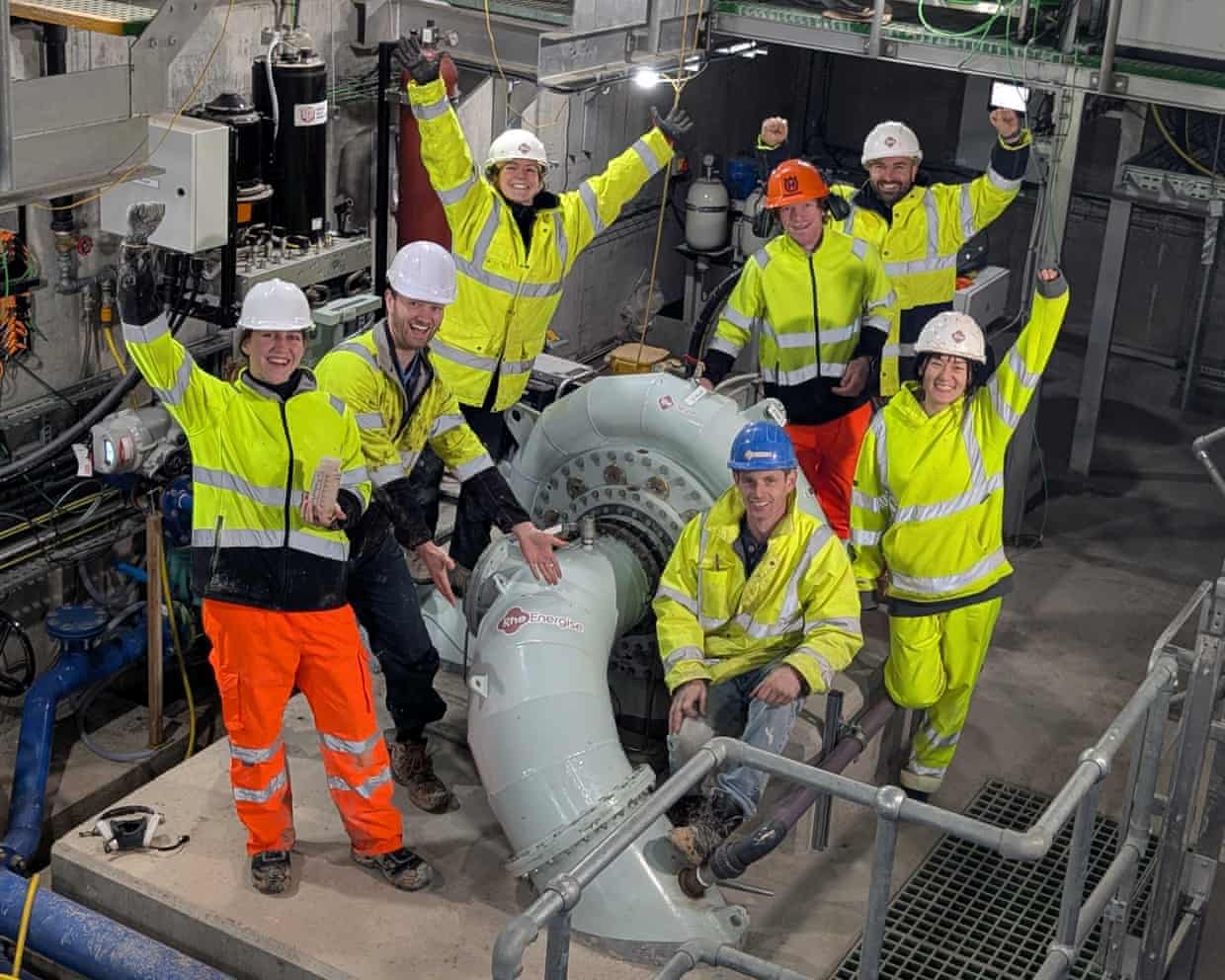
A hillside “battery” outside Plymouth in Devon has begun generating electricity using a first of a kind hydropower system embedded underground.The pioneering technology means one of the oldest forms of energy storage, hydropower, can be used to store and release renewable energy using even gentle slopes rather than the steep dam walls and mountains that are usually required.The design means the principles of hydropower could be used as a form of “long duration energy storage” in many more locations across the UK, and the world, than traditional hydropower dams. The projects could be quicker and cheaper to build too.Engineers at RheEnergise built the project to mimic the UK’s traditional hydropower plants, which have powered the grid for decades by using electricity to pump water uphill when power supplies are abundant, and later releasing the water back down through turbines to generate electricity when supplies are short
Scotland-France ferry could relaunch amid £35bn Dunkirk regeneration plan
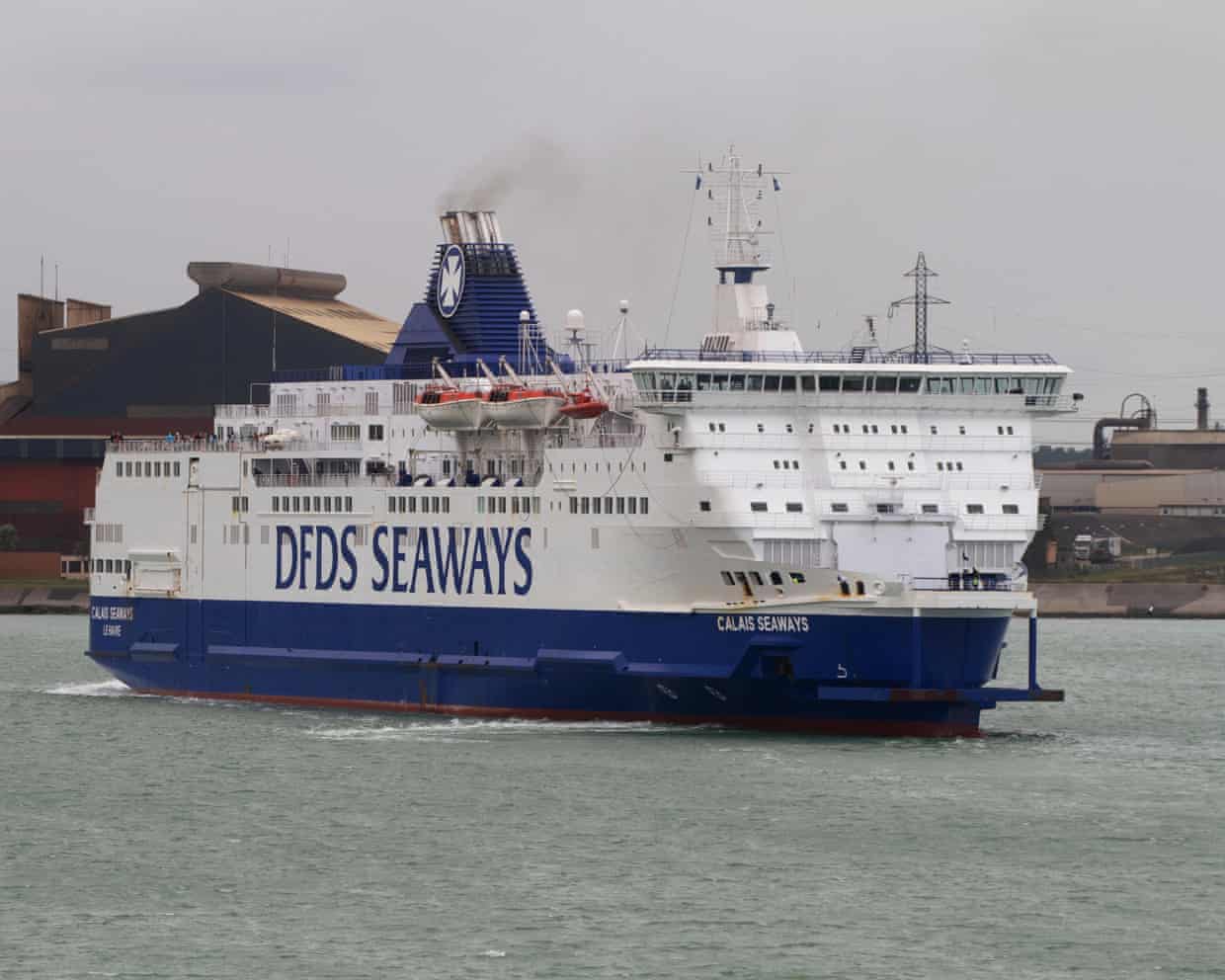
A new cargo and passenger ferry service directly linking Scotland and France could launch later this year as the port of Dunkirk embarks on a €40bn (£35bn) regeneration programme it claims will mirror the second world war resilience for which it is famed.The plans could include a new service between Rosyth in Fife and Dunkirk, eight years after the last freight ferries linked Scotland to mainland Europe, and 16 years after passenger services stopped.Political and industrial leaders have laid out their Dunkirk plans, already backed by about €4bn (£3.5bn) in private and public investment, that will lead to the 60-year-old port area being transformed into a vast hub including low-carbon energy projects, battery factories and maritime logistics to cater for the new industrial era.“We are betting on the energy and ecological transition to redevelop an industrial region,” the former transport minister and second-time mayor of Dunkirk, Patrice Vergriete, said on launching a plan for the area over the next four years
National insurance hike and energy bills behind food price rise, say UK retailers
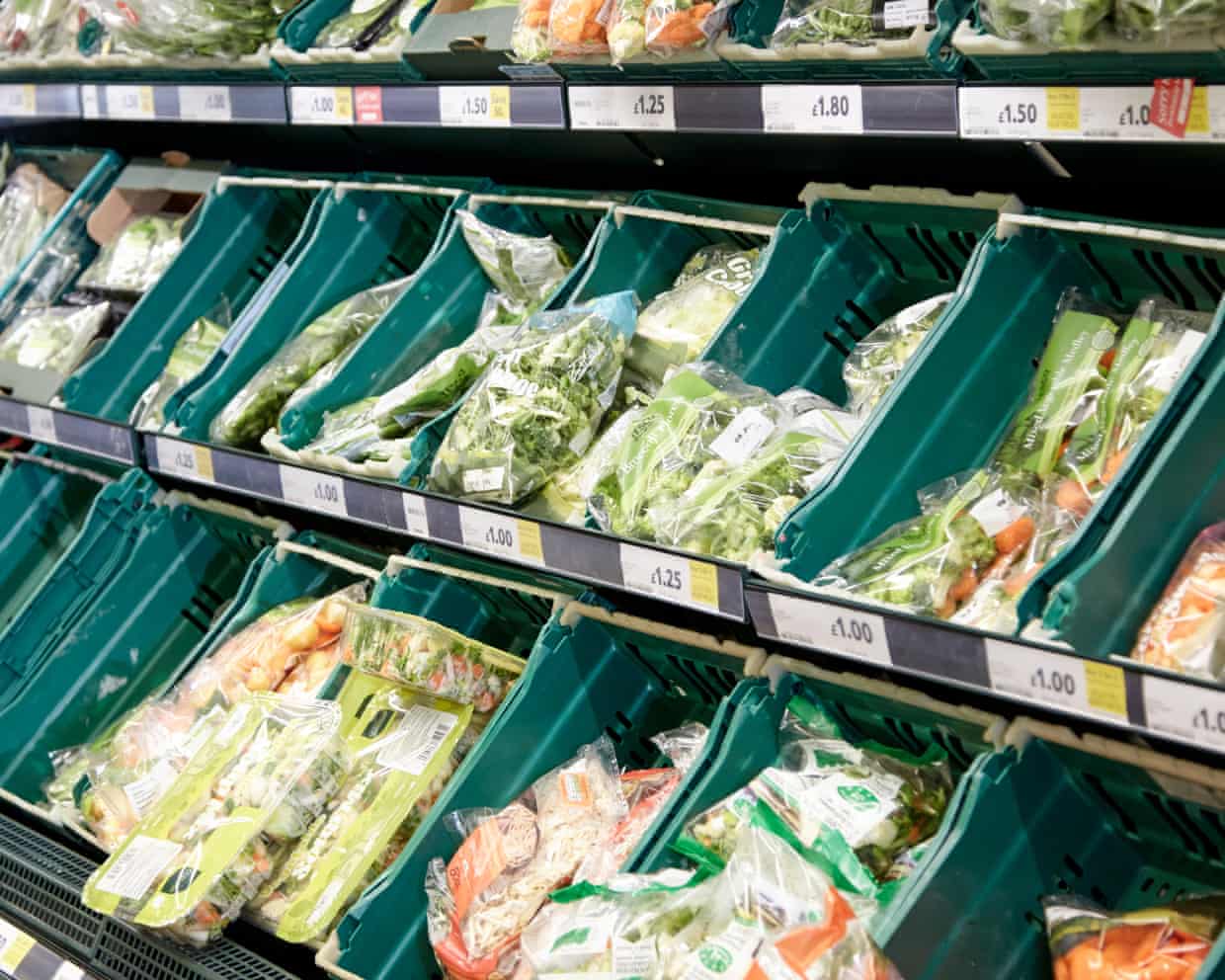
Retailers have blamed rising energy bills and the chancellor Rachel Reeves’s hike in employers’ national insurance contributions for a jump in food prices, as suppliers and supermarkets struggle to absorb higher costs.The British Retail Consortium (BRC), the trade body for retailers, said prices across all goods in shops rose by 1.5% in January compared with the same month last year, up from a 0.7% rise in December and higher than the 0.7% increase economists had been expecting
Bank of Scotland fined £160,000 over account for sanctioned Putin ally
The UK’s sanctions watchdog has fined Bank of Scotland £160,000 for opening a bank account and processing payments for an ally of Vladimir Putin.Dmitrii Ovsiannikov, who became the first person to be prosecuted for circumventing UK sanctions last year, made 24 payments totalling £77,383 to or from a personal current account during February 2023.The Russian has held senior positions in Russian government and is a former governor of Sevastopol, in Russian-occupied Crimea.The EU made Ovsiannikov a designated person under its sanctions legislation in November 2017, saying his work had compromised or threatened the territorial integrity, sovereignty and independence of Ukraine. This restricted him from entering or accessing funds in member states including the UK, then still an EU member
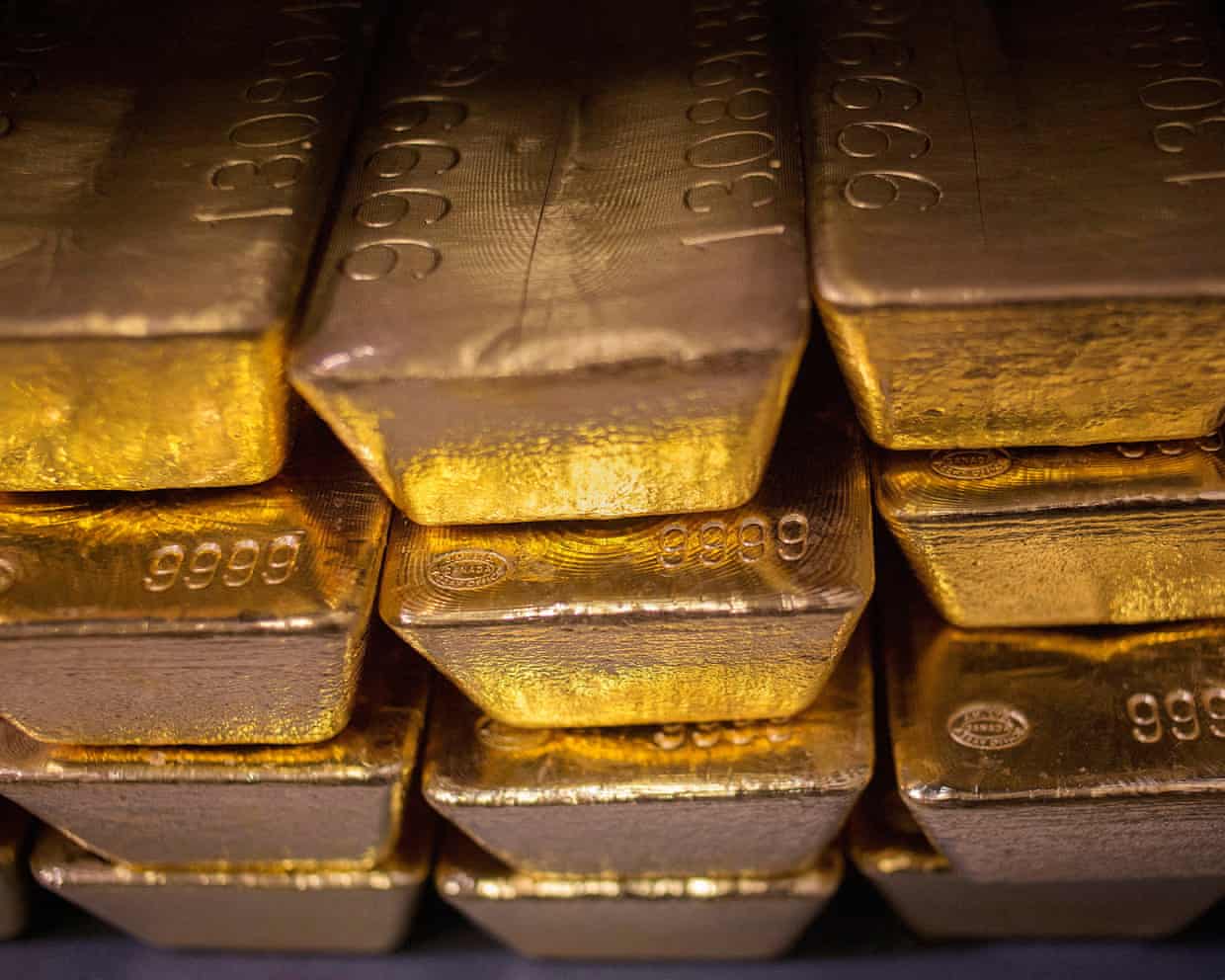
Gold price jumps above $5,000 an ounce for first time amid Trump turmoil
The price of gold has jumped above $5,000 an ounce for the first time as Donald Trump’s chaotic policies and proclamations drive more investors to seek safe harbour in the precious metal.Gold reached a record high of $5,100 (£3,723) on Monday morning, before easing back to settle up 2.2% at $5,091.The moment came after Trump threatened Canada with 100% tariffs if Ottawa made “a deal with China”, and after the US president’s showdown with Europe over the future of Greenland.With global financial markets already jittery, there are also rising fears of another US shutdown after Democrats threatened funding for the Department of Homeland Security after federal immigration agents killed a man in Minneapolis on Saturday
The value of the Australian dollar is high right now. So should you book that overseas trip?
Can’t decide on a food delivery? Just Eat launches AI chatbot to help you choose
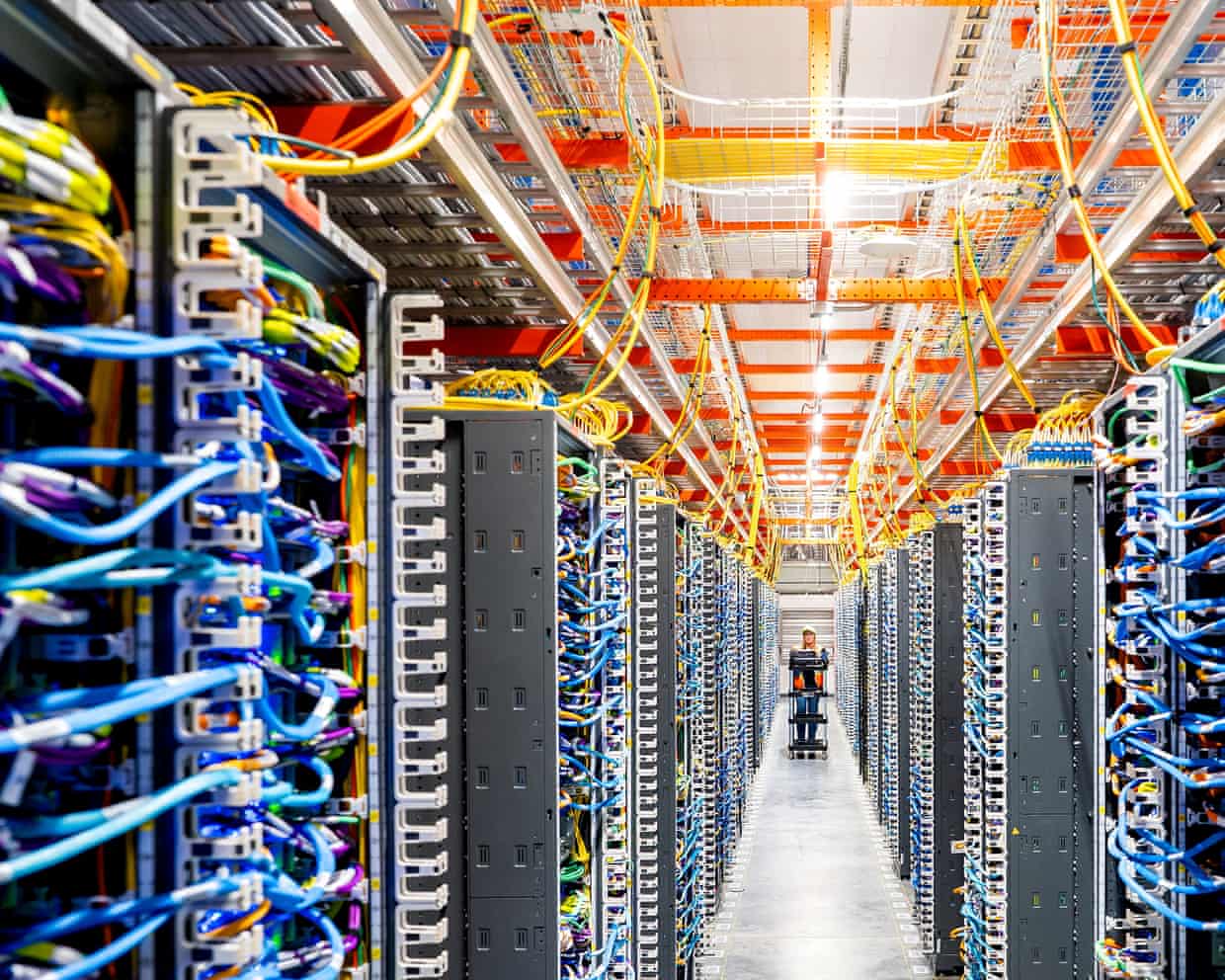
At Davos, tech CEOs laid out their vision for AI’s world domination
‘Wake up to the risks of AI, they are almost here,’ Anthropic boss warns
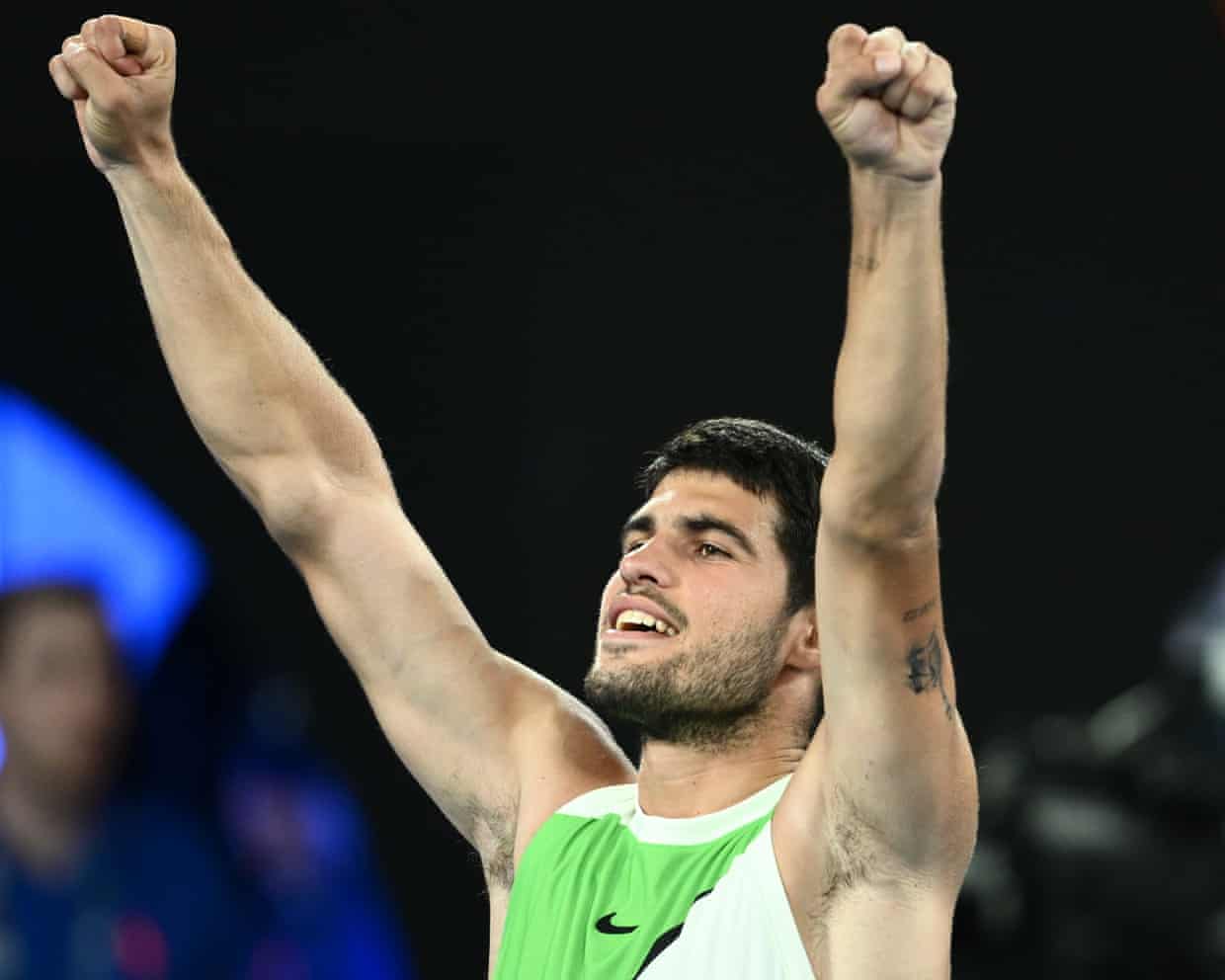
Alcaraz survives early De Minaur onslaught and surges into Australian Open semis
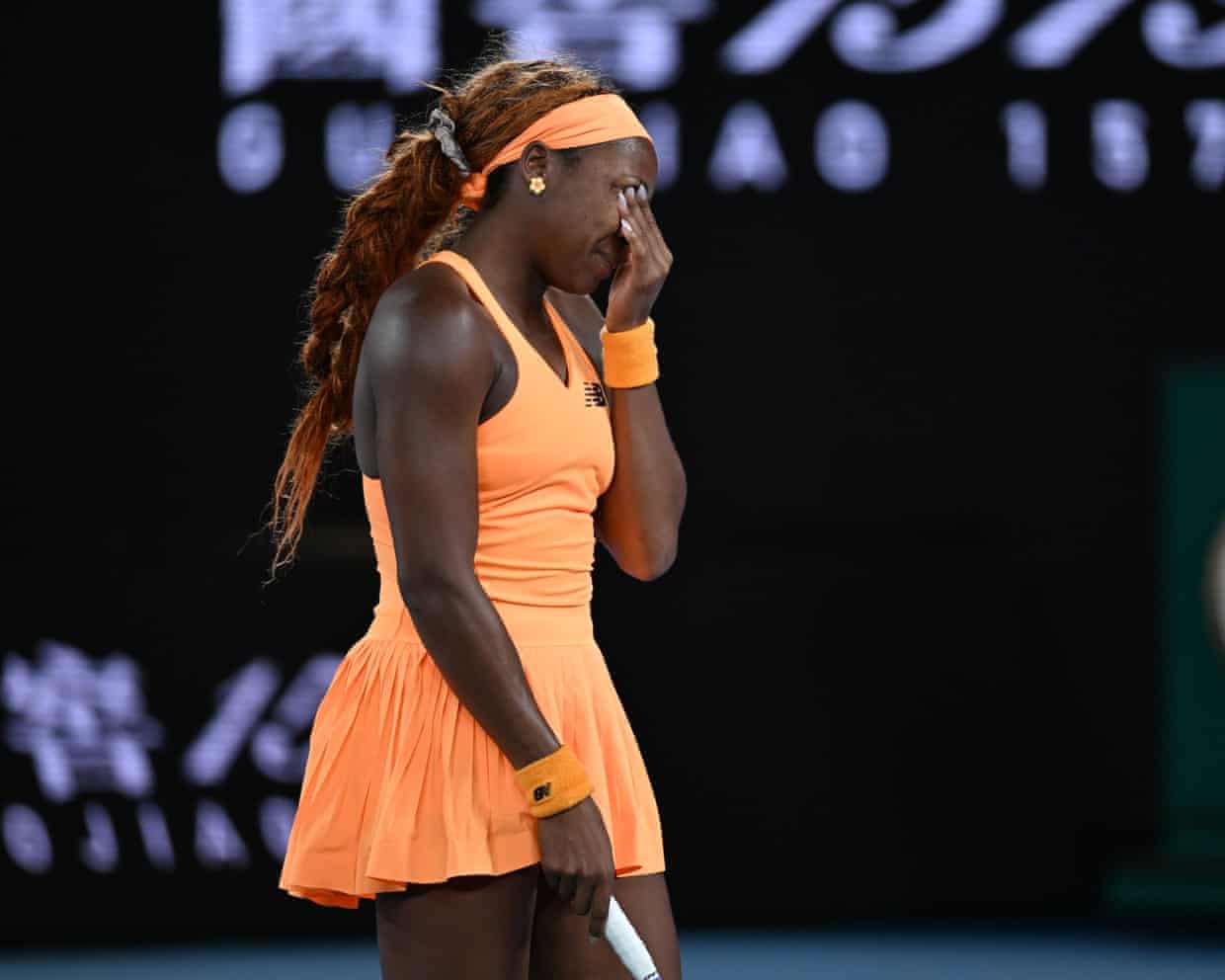
Coco Gauff unhappy after racket smashing video at Australian Open goes viral