UK parents fear young will be worse off for first time in a century, ex-minister warns
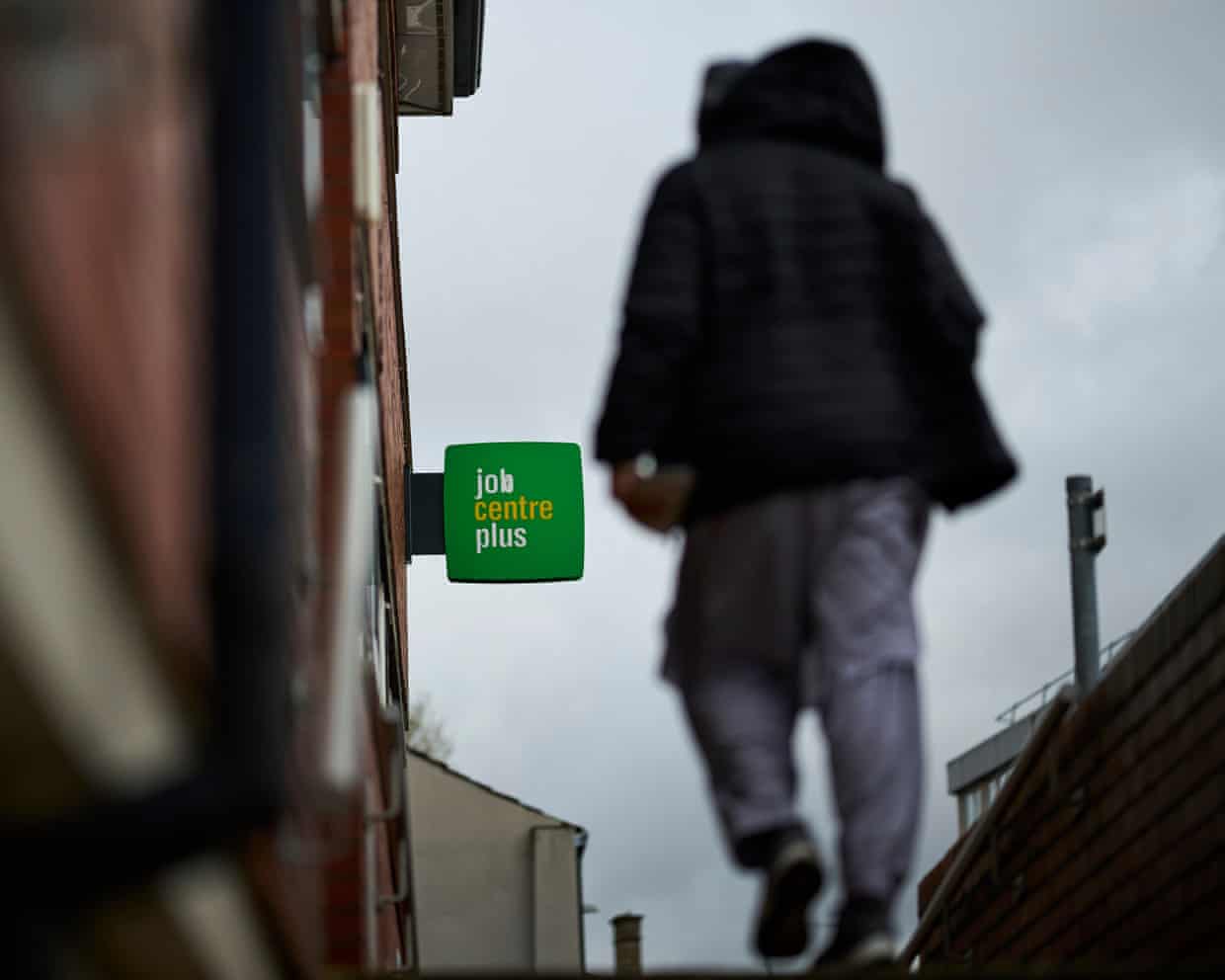
The number of young people in the UK not working or in education has risen closer to a million, figures show, as a government adviser warned that for the first time in a century parents do not think their children will have a better life than them.The Office for National Statistics (ONS) said the number of people aged 16 to 24 who were not in education, employment or training (Neet) rose to 957,000 in the final three months of last year, equating to 12.8% of this age group.The figure was up from 946,000 in July to September, but down by 14,000 from a year earlier.The number of young women classed as Neet rose by 13,000 while the number of young men fell by 2,000.
In total, 510,000 young men and 448,000 young women were classed as Neets.There are increasing concerns that young people in the UK are faring badly in the jobs market, with unemployment among 16- to 24-year-olds above the EU average.The Neet data shows that the number of young people who are inactive – meaning they are not looking for a job and are also not in education or training – fell by 34,000 in the quarter but remained high at 547,000.The former health secretary Alan Milburn is chairing a government review into the causes of youth unemployment and inactivity and is due to report this summer.Speaking to Times Radio before the latest Neet figures were released, he said there was a growing fear in society that young people now had worse prospects than their predecessors in terms of employment and home ownership, while also dealing with issues around the prevalence of social media and artificial intelligence.
“There’s a broader fear that parents and grandparents have, that their kids … are not going to do as well as we’ve done.That’s the first time that’s really happened in a century,” Milburn said.“I think people feel that the social contract that we’ve had in society – that each generation would do better than the last – is now being broken.”Milburn said employers and the government had to find ways to address the fact that many young people were economically inactive because of mental health conditions.“Even if someone has anxiety and depression, what we shouldn’t be saying to people is that automatically means that you can’t work,” he said.
The ONS said the increase in the Neet figure was due to rising unemployment rather than economic inactivity, with the number of 16- to 24-year-olds looking for a job rising to 411,000,This was up 45,000 from July to September 2025 and up 19,000 from October to December 2024,Jonathan Townsend, the chief executive of the King’s Trust, a charity that helps young people find employment, said the figures signalled “a national crisis”,He said: “Behind every number is a young person full of potential whose confidence is being eroded and whose belief in their own prospects will begin to fade,”A number of economists and business groups have said the rise in youth unemployment – which is at an 11-year-high – has been partly caused by the government’s decision to increase the rate of employers’ national insurance contributions and its attempt to equalise minimum wages between young and older workers.
The Resolution Foundation thinktank has called on the chancellor, Rachel Reeves, to use her spring forecast next week to announce a pause in the equalisation of national minimum wage rates,There are fears that the rise of artificial intelligence is also having an impact on many entry-level jobs for graduates,However, Christine Lagarde, the president of European Central Bank, said on Thursday that AI had so far boosted productivity in the eurozone but not led to “the waves of redundancies that are feared”,Huw Pill, the chief economist of the Bank of England, said on Wednesday that he had yet to see AI having a significant impact on youth unemployment,Pat McFadden, the work and pensions secretary, said the Neet data was a concern and “underlines the long-term challenge we are facing”.
He said the figure had been rising since 2022, “with the majority of that increase occurring before July last year,”McFadden added: “That is why tackling the crisis of opportunity facing too many young people is one of my top priorities,We are investing £1,5bn to tackle youth unemployment,”

We must protect young people from online harms | Letters
The disturbing account from a 15‑year‑old girl describing the misogyny she faces online (I am a 15-year-old girl. Let me show you the vile misogyny that confronts me on social media every day, 23 February) will come as no surprise to those of us working to safeguard young people’s mental health. The scale of harmful content in online worlds is deeply concerning. The author has been brave in shining a light on her experiences, and many young people today are exposed to misogyny and hatred in ways that are difficult for those who are not digital natives to fully understand.Yet it is also important to recognise that the online world is not wholly negative, since for many young people it offers connection, solidarity, creativity and meaningful support
Assisted dying bill not at ‘end of the road’, peer says as time runs short
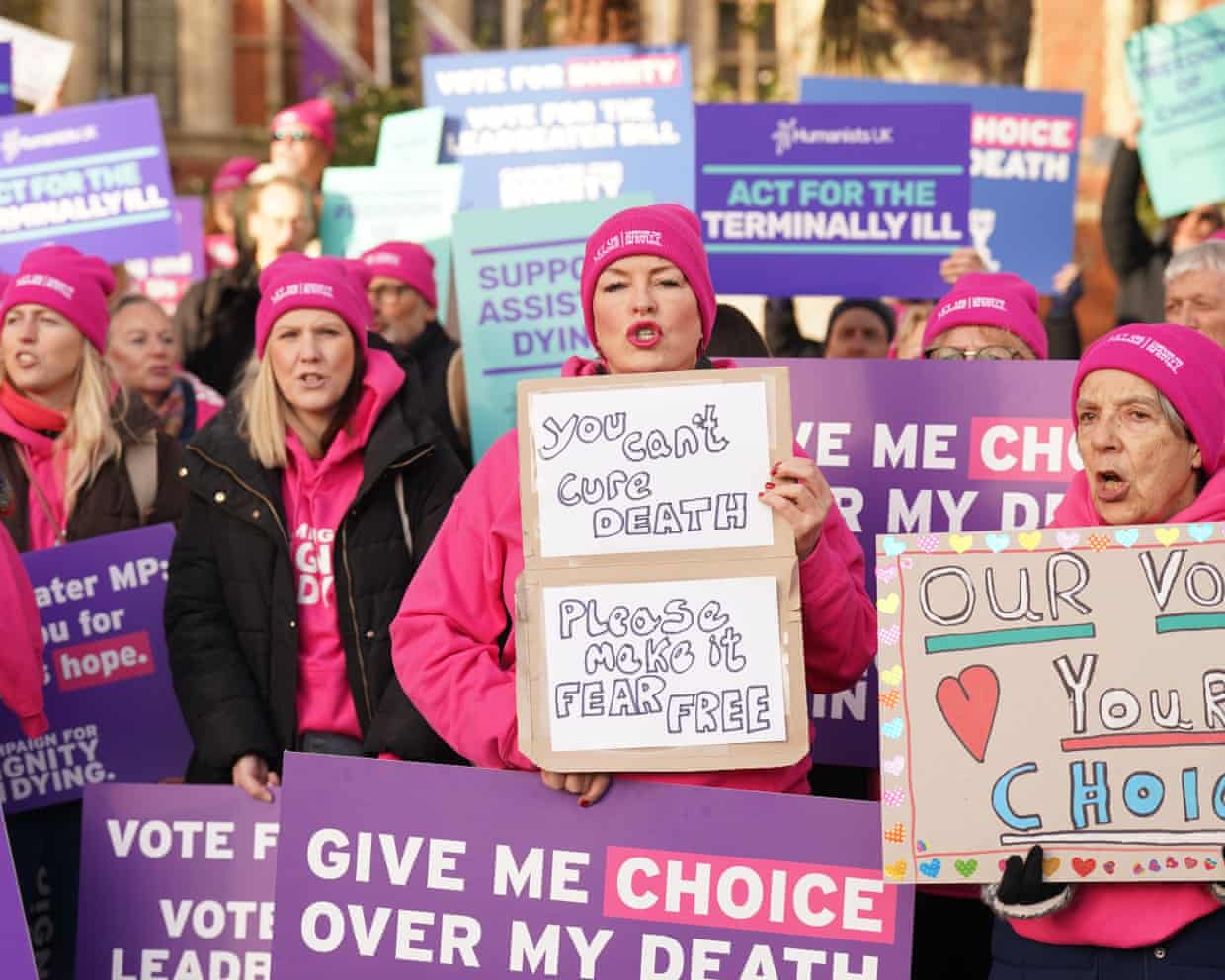
A former Labour minister has insisted the assisted dying bill has not reached “the end of the road”, as the legislation appears likely to run out of time after organised filibustering.Charlie Falconer, who has been trying to steer the bill through the House of Lords, spoke after it was confirmed that the government would not be giving the bill further debate time in the Lords, where there are less than six days of debate left.Labour’s chief whip in the Lords, Roy Kennedy, told a parliamentary committee this week that the government would not give the terminally ill adults (end of life) bill more time before the end of the parliamentary session in May, when any legislation not yet passed automatically falls. Multiple extra days of debate have already been added in the Lords.Lord Falconer and others including Esther Rantzen, one of the bill’s highest-profile supporters, have been scathing of how opponents in the Lords have acted
Record number of rough sleepers in England last year, official figures show
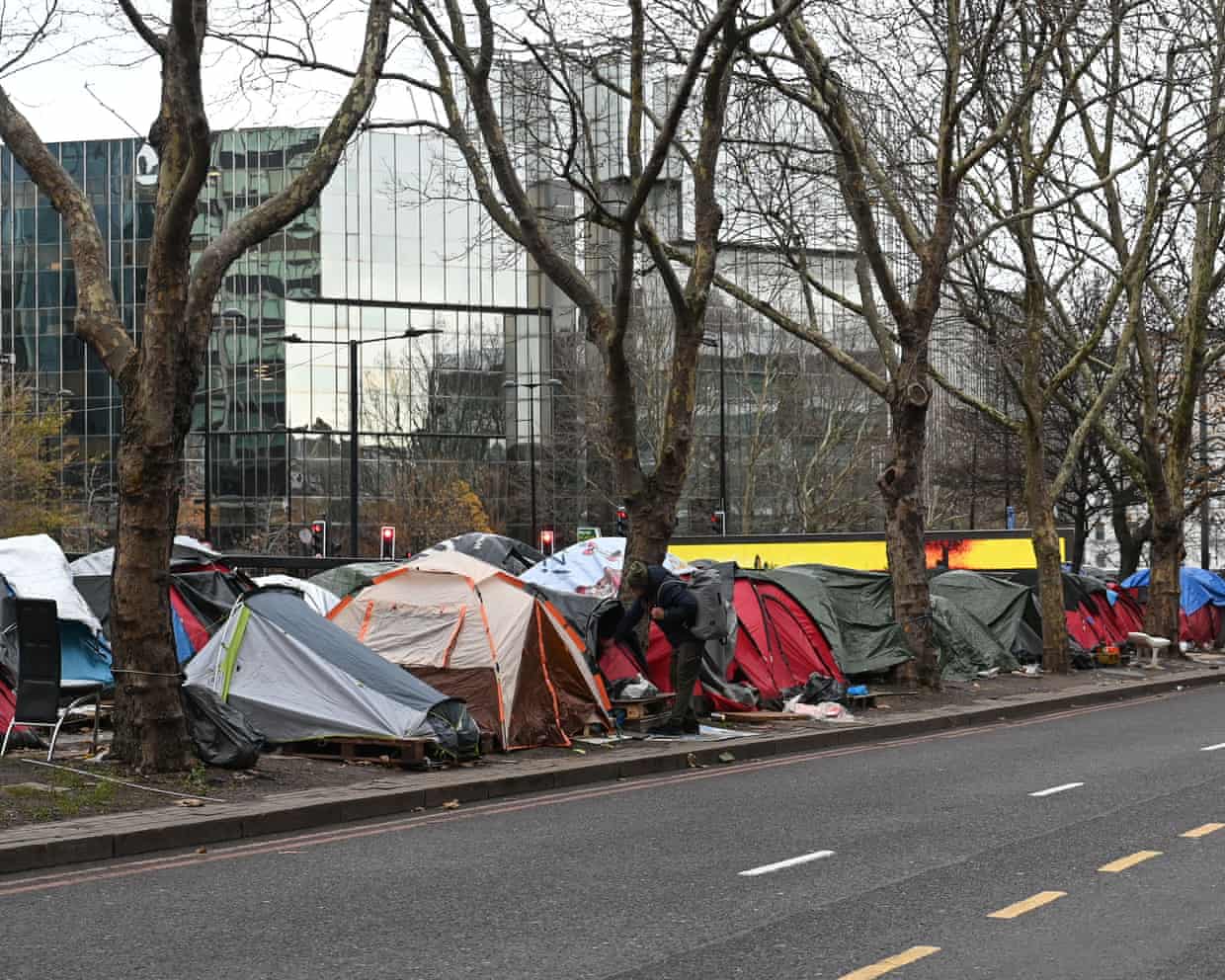
Record numbers of people slept rough on the streets of England last year, according to the latest official statistics.An estimated 4,793 people spent the night in tents, doorways and parks on a single night in autumn 2025, up 3% year on year, and overtaking the previous peak of 4,751 in 2017, though charities believe these figures underestimate the scale of the nation’s homelessness crisis.2025 was the fourth year in a row that rough sleeping numbers have risen. The figures also show that the number of children in homeless families living in temporary accommodation increased to the highest levels on record, up 12,020 in a year to 175,990.Charities said the recent upward trend in rough sleeping and temporary housing was unlikely to be reversed without government action to tackle the impact of high private sector rents and build more social housing
Jersey approves bill to legalise assisted dying for terminally ill adults
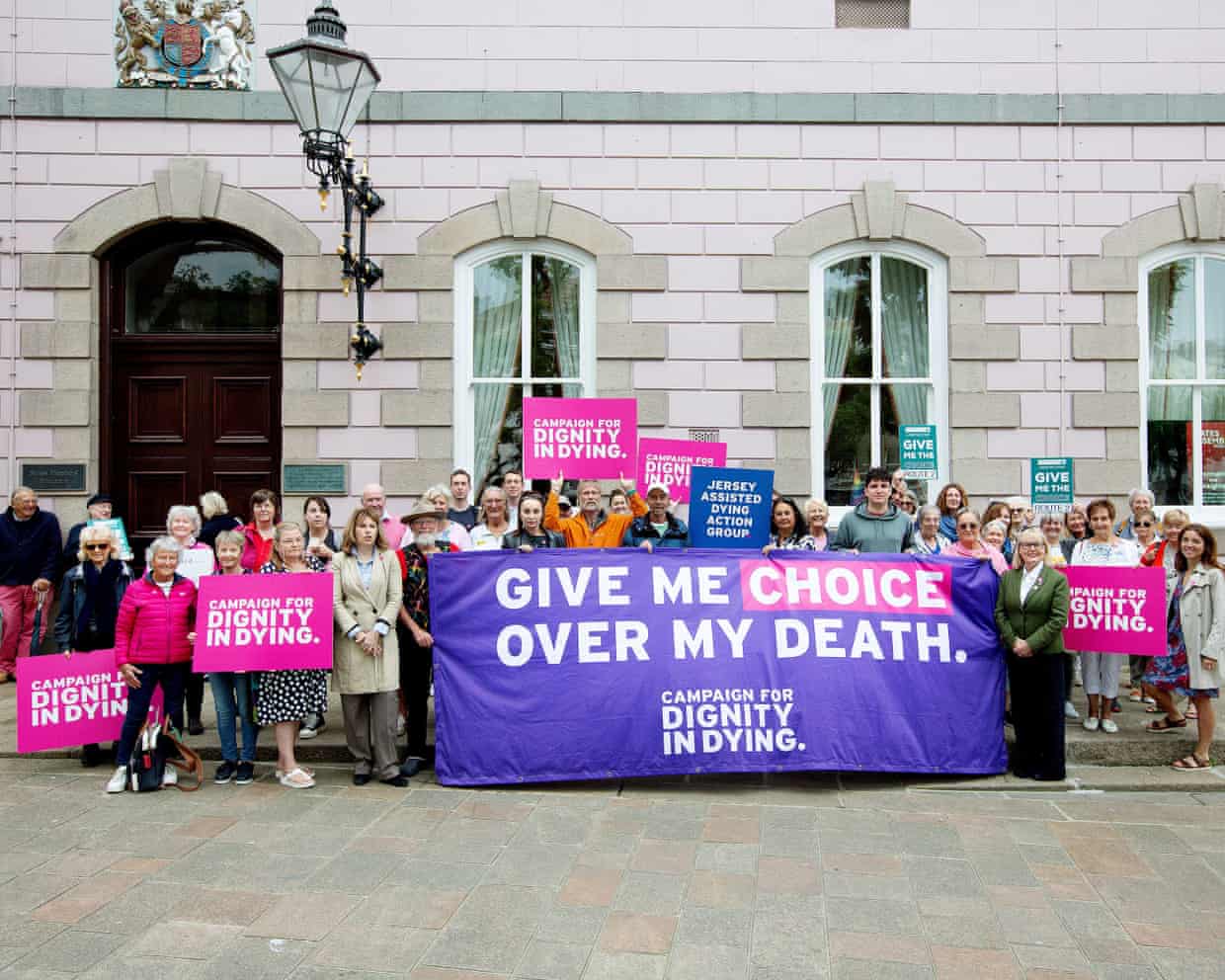
Jersey’s parliament has given final approval to a bill to legalise assisted dying for terminally ill adults who live on the island.Members of the States Assembly voted by 32 to 16 on Thursday in favour of the bill, which will now need royal assent before it becomes law.A private member’s bill to legalise assisted dying in England and Wales is being scrutinised by the House of Lords, with some campaigners accusing peers of obstructing its passage.The bill, introduced by the Labour MP Kim Leadbeater in October 2024, would allow adults with a prognosis of six months or fewer to live to have the option of an assisted death.It can become law only if both Houses of Parliament agree on its final wording
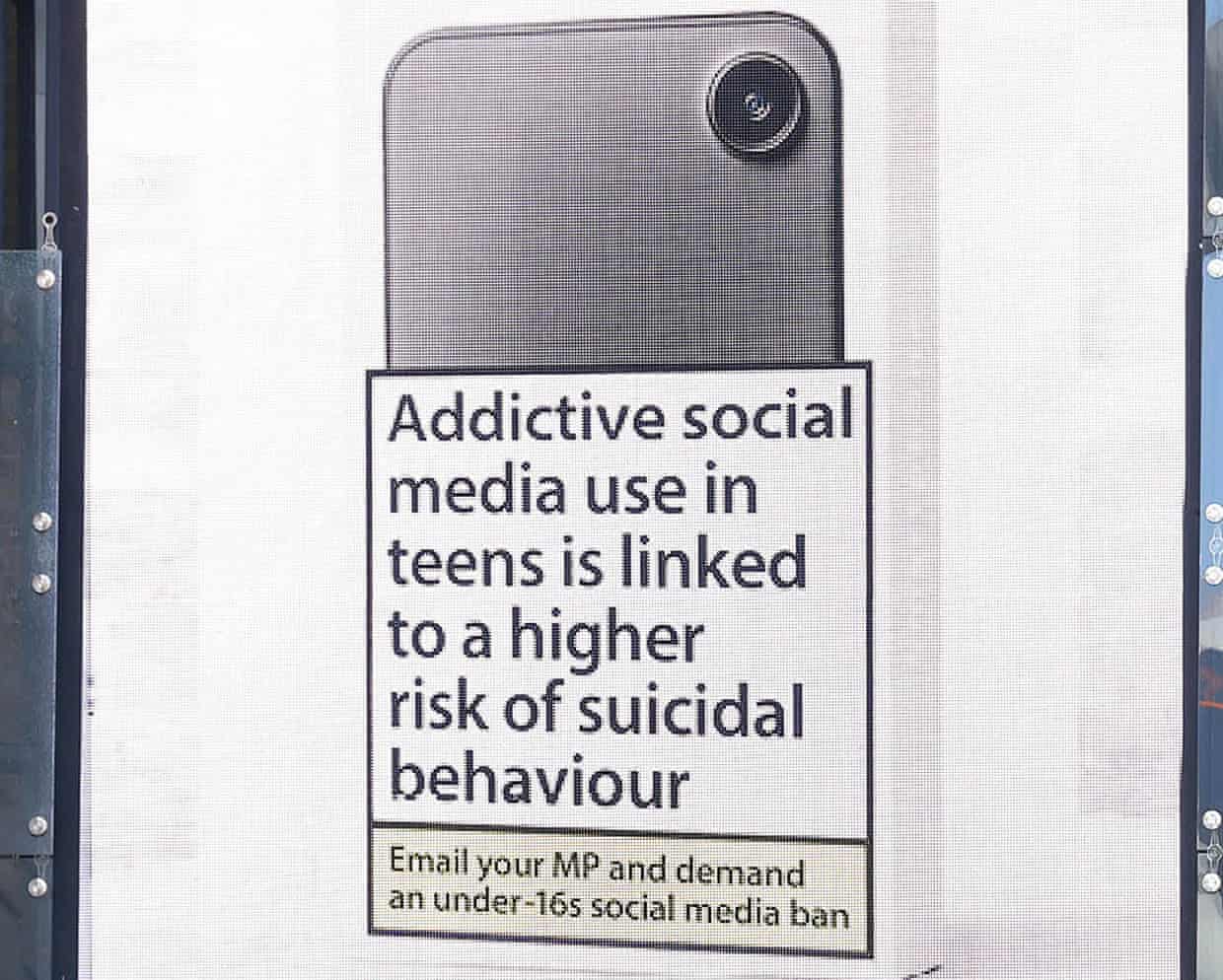
Mumsnet calls for under-16s social media ban with cigarette-style health warnings
Mumsnet has launched a campaign to introduce a ban on social media for under-16s featuring health warnings in the style of those on cigarette packets.The deliberately provocative national advertising campaign calls for all social media to be banned for children under the age of 16. The images on billboards and social media make a number of stark statements related to health.They claim that “three hours or more social media a day makes teens more likely to self-harm”, that teen phone addiction doubles the risk of anxiety, that social media use can increase the risk of eating disorders in young people and that addictive social media use in teens is linked to higher risk of suicidal behaviour.The ads request that people email their MP and “demand an under-16s social media ban”
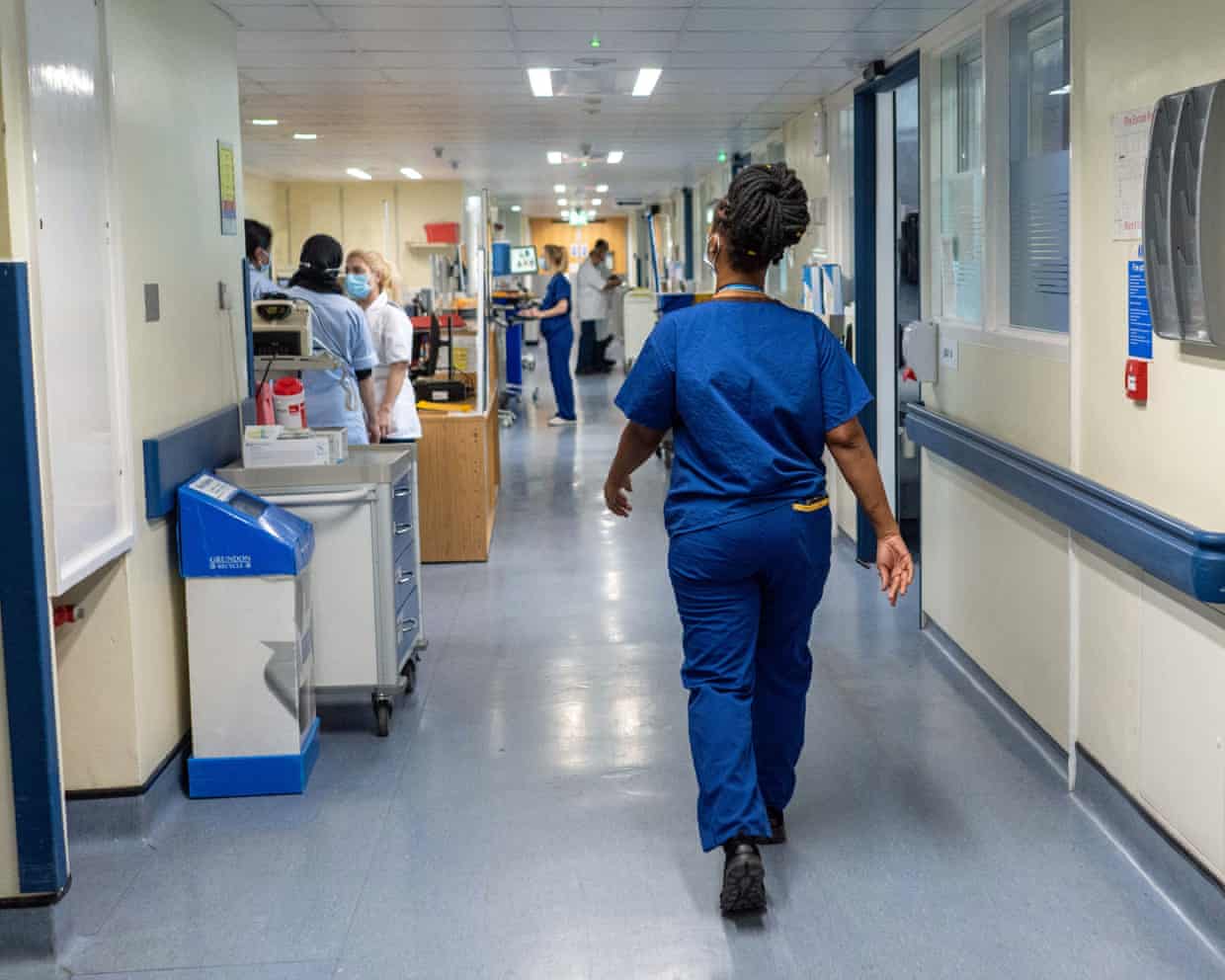
Cruel comments, racism and cover-ups: key findings from England’s maternity care report
A damning report published as a result of an investigation into England’s maternity care found instances of NHS Trusts covering up their failings and falsifying records to bereaved families, among a catalogue of several failings.Some of the most shocking examples given in the interim report included bereaved mothers facing cruel comments from maternity staff, shocking incidents of racism and discrimination, cover-ups and a lack of accountability from NHS trusts, alongside glaring structural and staffing issues within maternity wards.The report highlighted “unacceptable” instances occurring where staff made cruel or insensitive comments to families when they were most vulnerable, including after baby loss.In one example, a doula, supporting a bereaved mother who had waited a few hours after her waters broke before attending the ward, said the consultant “barked” at them.“They said, ‘Well, why didn’t you come sooner? Are you stupid?’”, the doula said

Sport for young people wins sustained investment – why not the arts? | Letter

Jimmy Kimmel on Trump’s State of the Union: ‘A nutjob wannabe king’

Jon Stewart on politicization of USA hockey win: ‘Is Kash Patel a Make-a-Wish man?’
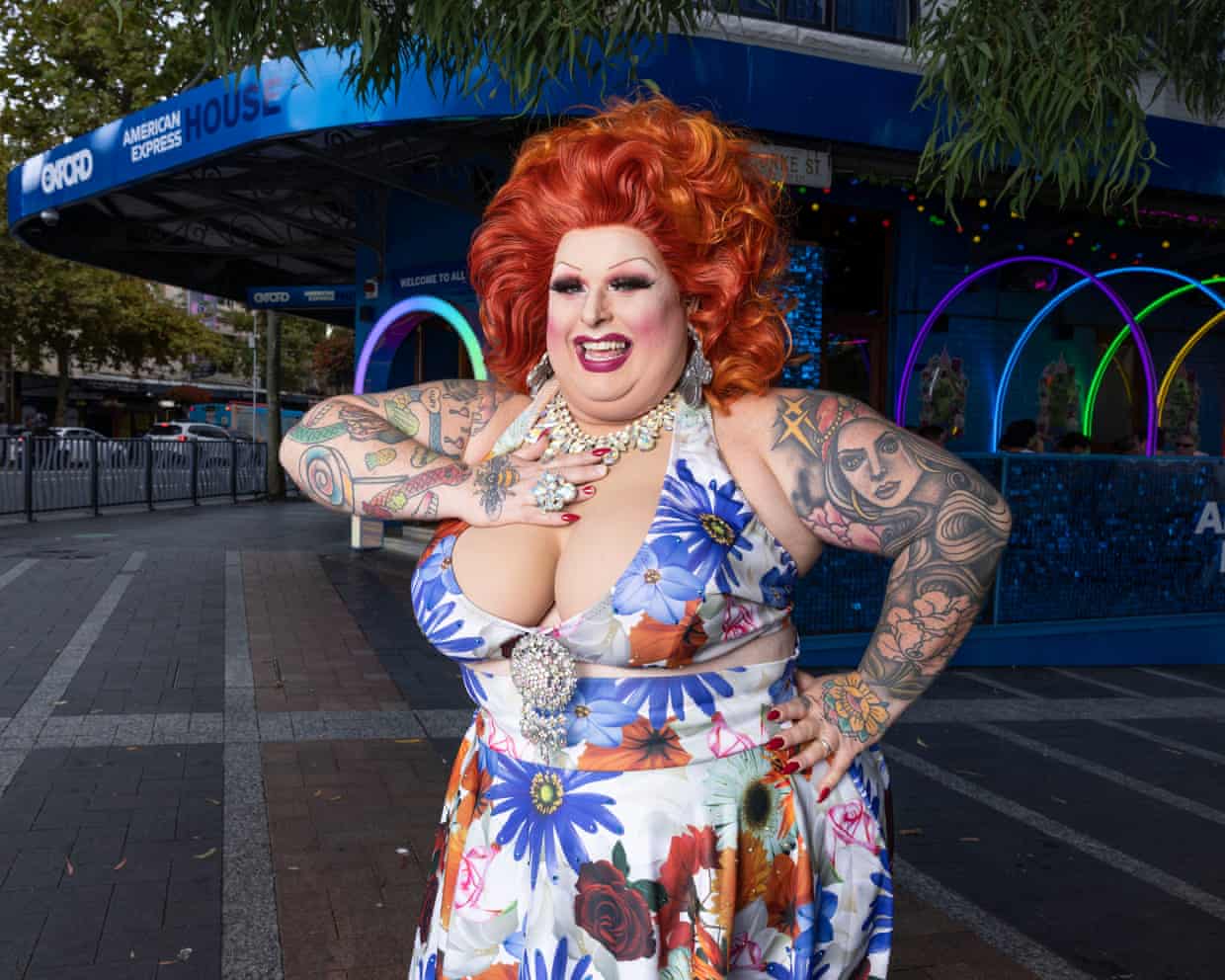
Maxi Shield, beloved Australian drag queen and Drag Race Down Under star, dies aged 51

Kenneth Williams and racist attitudes | Brief letters

Philippe Gaulier obituary