Fertiliser is in short supply. What does it mean for Australia’s farmers – and your bread?
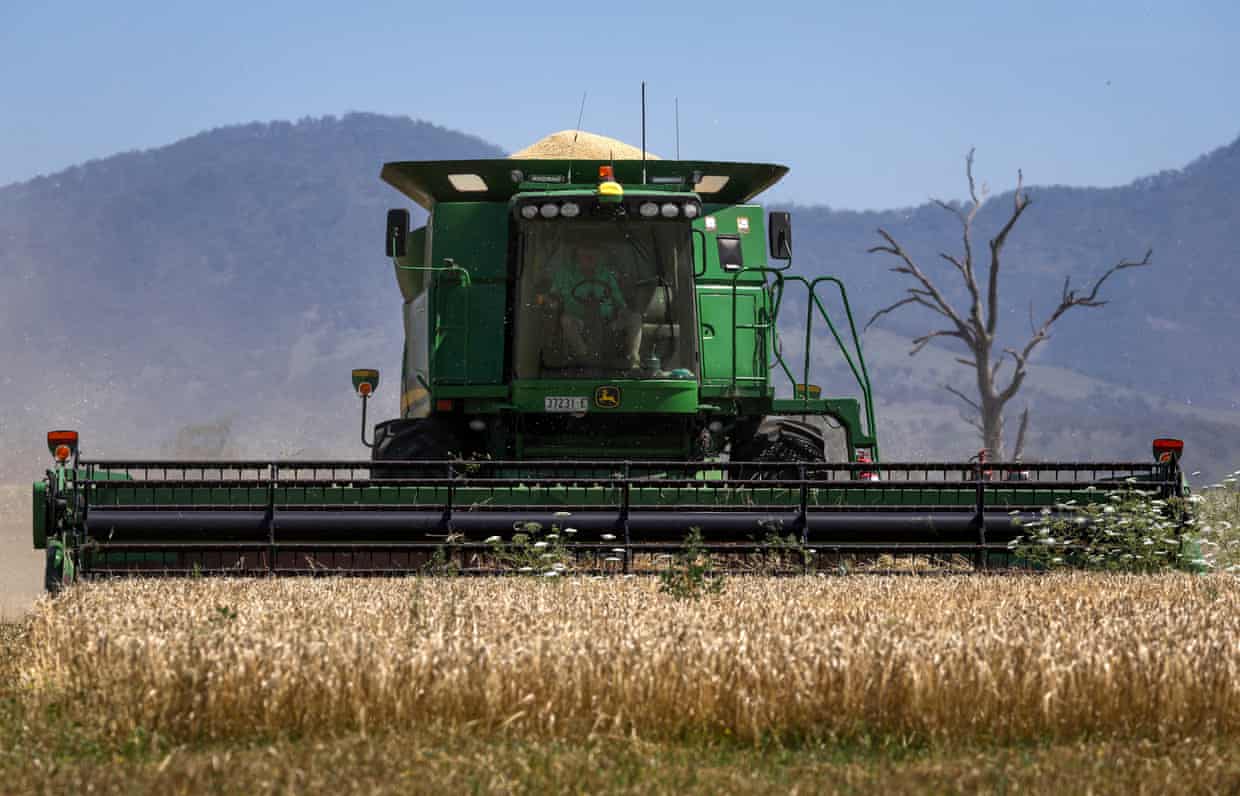
The US-Israel war on Iran is delivering a double blow to Australian farmers, who are being hit by the spike in diesel prices as well as an equally severe surge in the price of fertiliser,Soaring fuel costs are hurting almost every business and household but growers are now making decisions about planting that will affect the size of their crops come harvest time,So why are we experiencing this fertiliser squeeze, how much worse could it get, and what does it all mean for farmers and the price of food?A fifth of the world’s oil and liquefied natural gas shipments pass through the strait of Hormuz, which has essentially been shut since the US and Israel attacked Iran at the end of February,But the share of world supply of urea – the most popular commonly used fertiliser – that typically passed through the strait before the conflict was more than twice that, at 43%,For sulphur – used to produce phosphate fertilisers – the figure is 44%.
For anhydrous ammonia – another nitrogen fertiliser – 27% of global supply on average passed through the strait between 2019 and 2023.We are even more vulnerable to global fertiliser supply disruptions than fuel.Between 2019 and 2023, we imported all of our potash-based products, approaching 90% of nitrogen fertilisers and nearly 70% of our phosphate fertiliser needs.While all our fertiliser supplies have been disrupted, the impact on prices has been most dramatic when it comes to urea, which accounts for about two-thirds of nitrogen applied by farmers.Synthetic urea is produced in great quantities in Qatar thanks to an abundance of cheap gas used in its manufacture.
Iranian missile strikes on a major Qatari facility in March knocked out a major source of LNG and associated products, including urea.More than 60% of our urea imports come from the Middle East, with most of the rest from Asia.Since the start of this year, the price of urea from the Middle East has nearly doubled, in Australian dollar terms, and is up about 75% since the start of the Iran war.Australia hasn’t produced urea here since December 2022, when Incitec Pivot closed its Gibson Island fertiliser plant in Brisbane after failing to secure affordable long-term gas supply.Besides good weather, agriculture relies on fertiliser and diesel.
The closure of the strait of Hormuz has delivered an unprecedented shock to the global trade in these key commodities and Australian crop growers rely on synthetic urea as the most efficient way to provide extra nitrogen to help crops flourish,Fuel, fertiliser and road transport accounts for about 14% of the total costs for agricultural producers, according to CBA analysis, and all three have been directly affected by the closure of the strait of Hormuz,Diesel makes up about 6% of total agriculture costs, and fertiliser 5% – and the price of those two essential inputs are 79% and 67% higher than the five-year average,Analysis by the CBA suggests that skyrocketing costs driven by the Middle East conflict could slash a third off the agricultural sector’s income,Soaring fuel and transport costs will feed through to higher prices in supermarkets.
But, for now at least, farmers won’t be getting any of the benefit from higher prices, says David Ubilava, an associate professor in agricultural economics at the University of Sydney.Prices for crops such as wheat are set on the global market, and crops in the northern hemisphere have not been as affected by the Iran war.“What has been pointed out in this specific crisis is that input costs have gone up, but wheat and barley prices have effectively not moved,” Ubilava says.That means agricultural producers have to choose whether to swallow the higher costs.Dennis Voznesenski, an agricultural economist at CBA, says “farmers have not yet hit the panic button”.
Voznesenski says his discussion with the bank’s clients suggests that most had enough fertiliser for planting but many did not have enough urea bought or in store to apply post-planting,“The question for farmers is ‘do I buy expensive fertiliser, when on the other side of the ledger are pretty weak grain prices?’,”Ubilava says “farmers are probably running the numbers on a daily basis”,“It still makes sense to go ahead with planting but the impact will be far from homogenous,It’s smaller farmers who are going to stop first.
Larger farms, more productive farms, are more likely to keep going.”The decisions taken today and through the growing season around the use of fertilisers, here and abroad, will help determine how much smaller crops could become by harvest time.A worst-case scenario: wheat production in 2026-27 could fall by a quarter if farmers slashed their fertiliser use by 45%, according to CBA’s estimates, and barley and canola crops by more than 30%.A more modest 15% drop in fertiliser use would reduce crop sizes by 9% for wheat, 17% for barley and 10% for canola.If the supply disruptions last beyond June, Voznesenski projects “the most acute price increases” in grains will occur towards the end of this year and into 2027 – highlighting how the cost of the Iran war could be felt long after the strait is reopened.
“Typically these crises take a couple of years.Maybe the first year there’s a bit of an impact on the area planted but, if it goes into the second year, farmers might really make reductions.”Price is one thing, availability is another.So much hinges on how long the crucial Middle East waterway remains shut.Anthony Albanese has come back from his tour of the region with not just guarantees for extra fuel supplies but an extra 250,000 tonnes of Indonesian urea.
That’s enough for around a fifth of the remaining fertiliser needed for this cropping season.“We will have farmers willing to absorb the price shocks – so long as they can access fertiliser it’s their decision to make,” Ubilava says.A “worst case scenario” where farmers can’t access fertilisers they need would have more profound consequences.“If they cannot secure their fertiliser, then that is a guaranteed stoppage.Almost half of the yields that we get are artificially achieved by making soils productive through fertiliser.
“Remove that, then it will not be profitable to produce any more.”The better news is that our vulnerability to overseas shocks to fertiliser supplies may be severe now but in a few years we will be close to self-sufficient.In particular, five-and-a-half years after closing its Brisbane operations, Incitec Pivot in mid-2027 is due to open its Perdaman urea project in Western Australia’s Karratha – an operation that will produce 90% of the country’s urea needs.As worrying as these times are, Voznesenski says Australians can at least be comforted by the fact that we will always have enough to eat here.“We export significantly more than we consume,” he says.
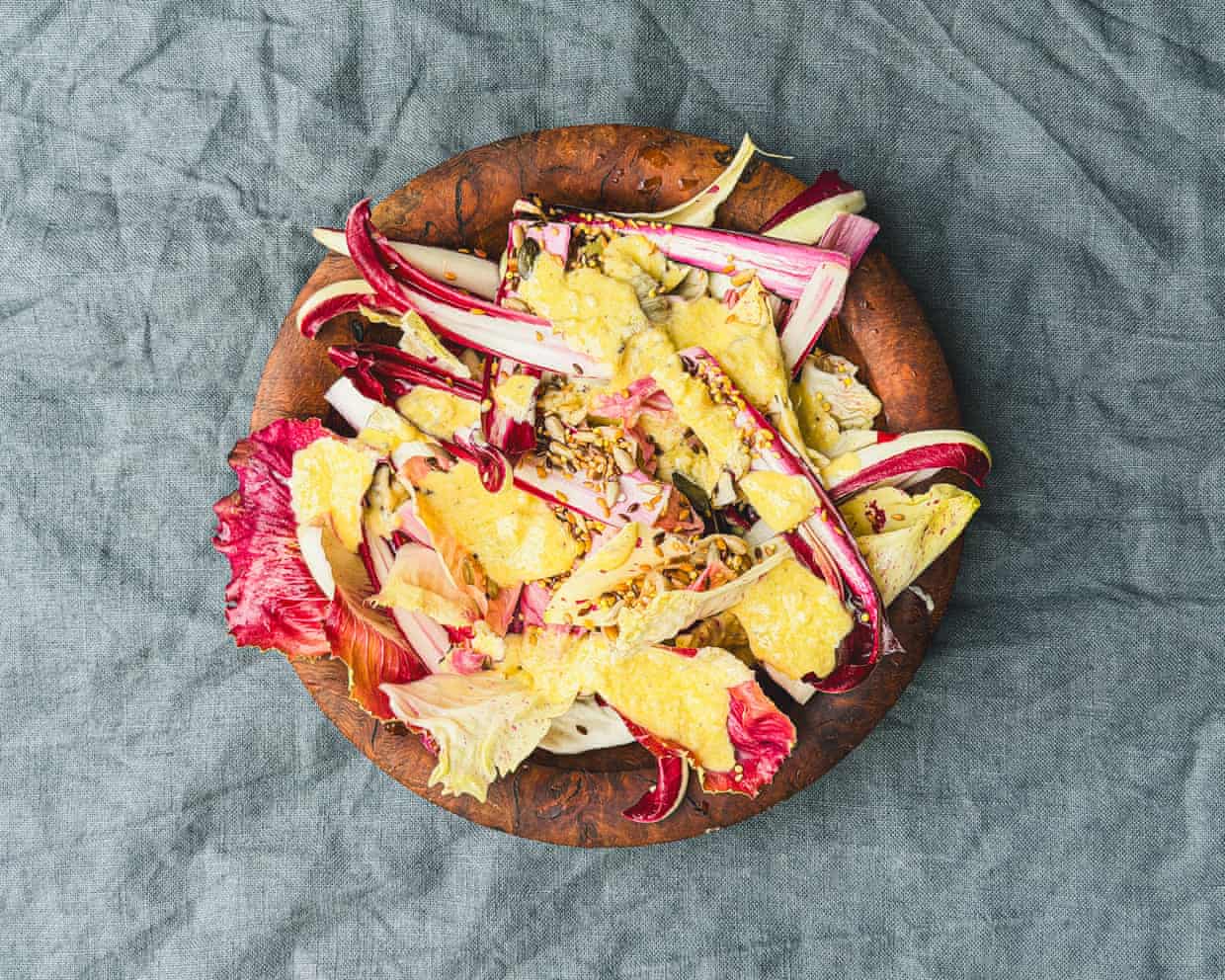
Save blue cheese rind for this unbeatable dressing – recipe | Waste not
On a single crumb of cheese rind there are more than 10 billion microbes: that’s more microbial cells than there are people on Earth. Cheese rind is an intensified expression of the cheese, with a powerful flavour and highly concentrated community of good bacteria, yeast and mould. But it is misunderstood and underrated, and often removed and discarded. Though it can be intense, it’s almost always edible, unless it’s grown new mould or contains synthetic plastic, wax or cloth, which should be removed.Like an apple or slice of bread, the skin, crust or rind add texture, flavour and nutrients to the eating experience
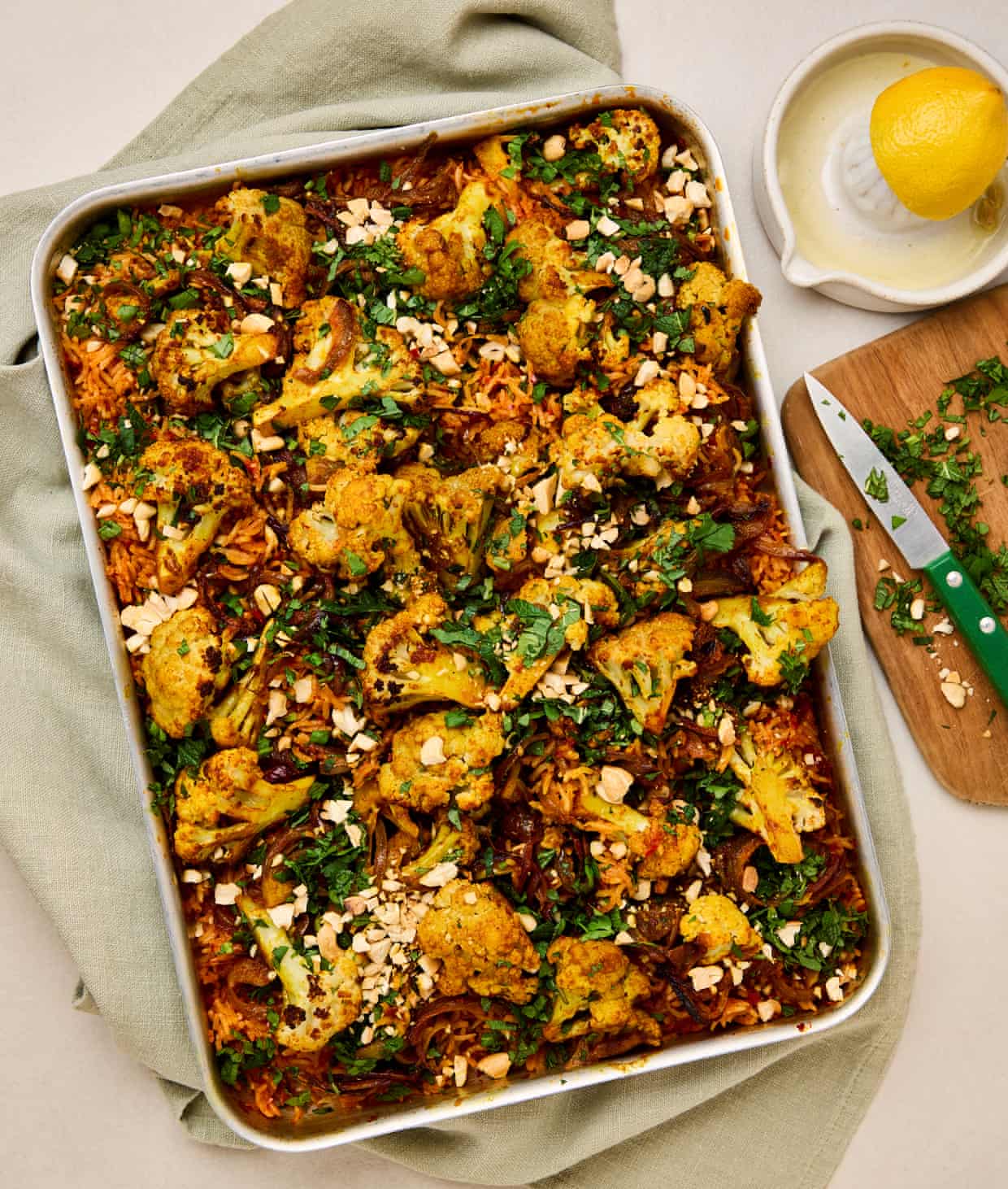
Head’s up: 12 main-course cauliflower recipes from easy to ambitious
Cauliflower looks like the ghost of broccoli, or a human brain that has been drained of blood. As is the case with many overlooked vegetables, boiling is the absolutely second-worst way to cook it (we do not talk about cauliflower rice), while roasting is best, to coax out its sweet and nutty flavours. A whole head is very good and affordable in Australia at the moment and can easily feed a whole family.Marrying florets with warm spices and fragrant baked rice, Meera Sodha’s vegan recipe is finished with a drizzle of fresh lemon juice to keep the flavour fresh. Pick a purple cauliflower and the acid at the end will flush the florets bright pink
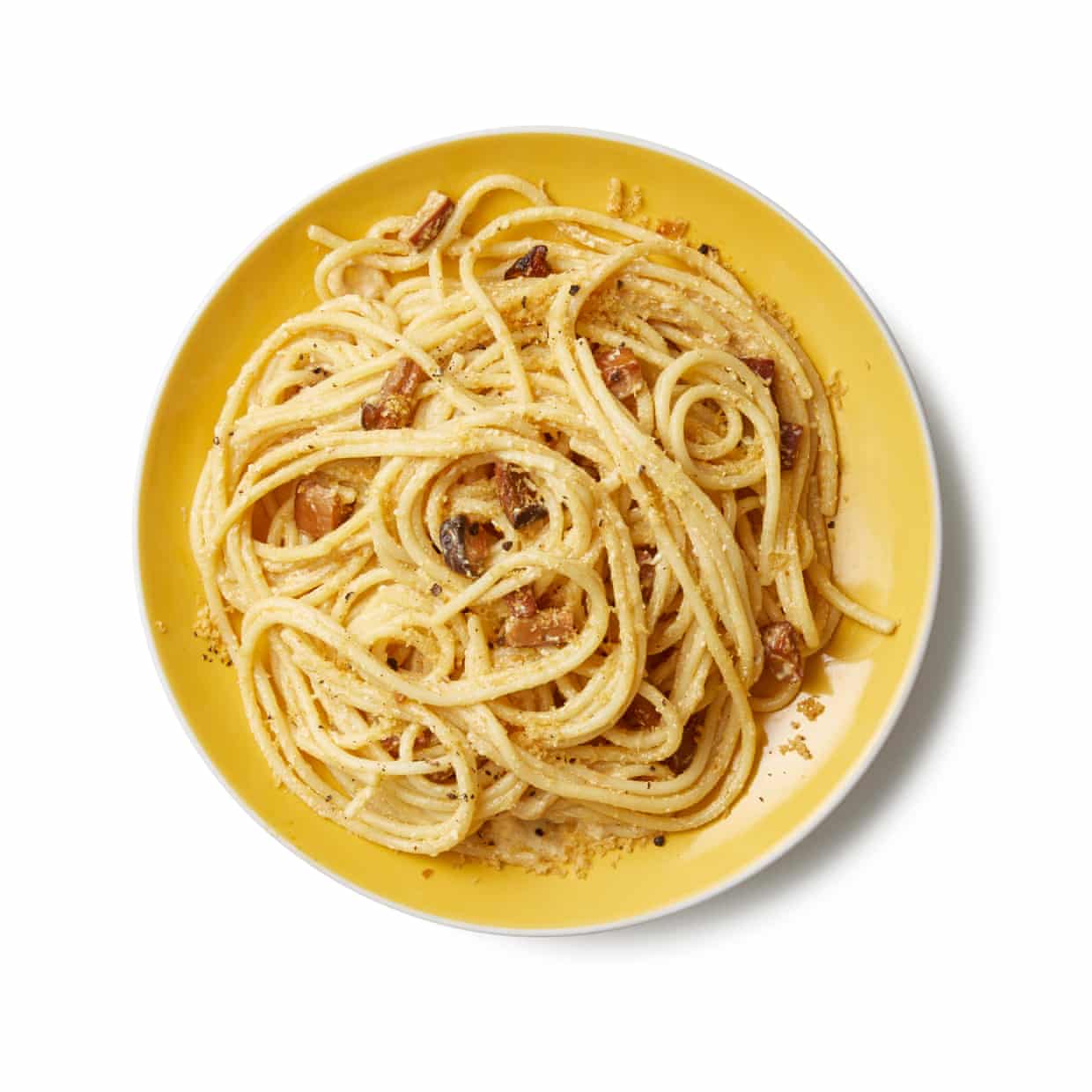
How do I get texture and that umami hit without meat? | Kitchen aide
I’ve recently given up eating pork, but I’m struggling to compensate for its umami. How can I recreate the taste and texture in, say, carbonara or my beloved chorizo dishes?James, by emailFor Joe Woodhouse, author of Weeknight Vegetarian, there’s just something about white beans: “Whether cooked from dried, then dropping chopped onion, garlic, sage and thyme into the broth, or just dumping a jar or tin into a pan with fried garlic and sage, the smell that fills the kitchen is like that of sausagemeat,” he says. “It tastes a bit like it, too – or at least the memory of it, bearing in mind I haven’t eaten the stuff for 30 years.”The quest for that umami savouriness could start with soy sauce, Woodhouse says (“or Slow Sauce’s oat shoyu”), while chef Mike Davies’ first port of call would be Totole’s Chinese mushroom seasoning powder: “It’s super-effective in replacing the richness and fattiness that comes from cooking with any meat, and especially pork,” says the chef-director of the Camberwell Arms, south London. “Honestly, it’s such a cheat-code ingredient
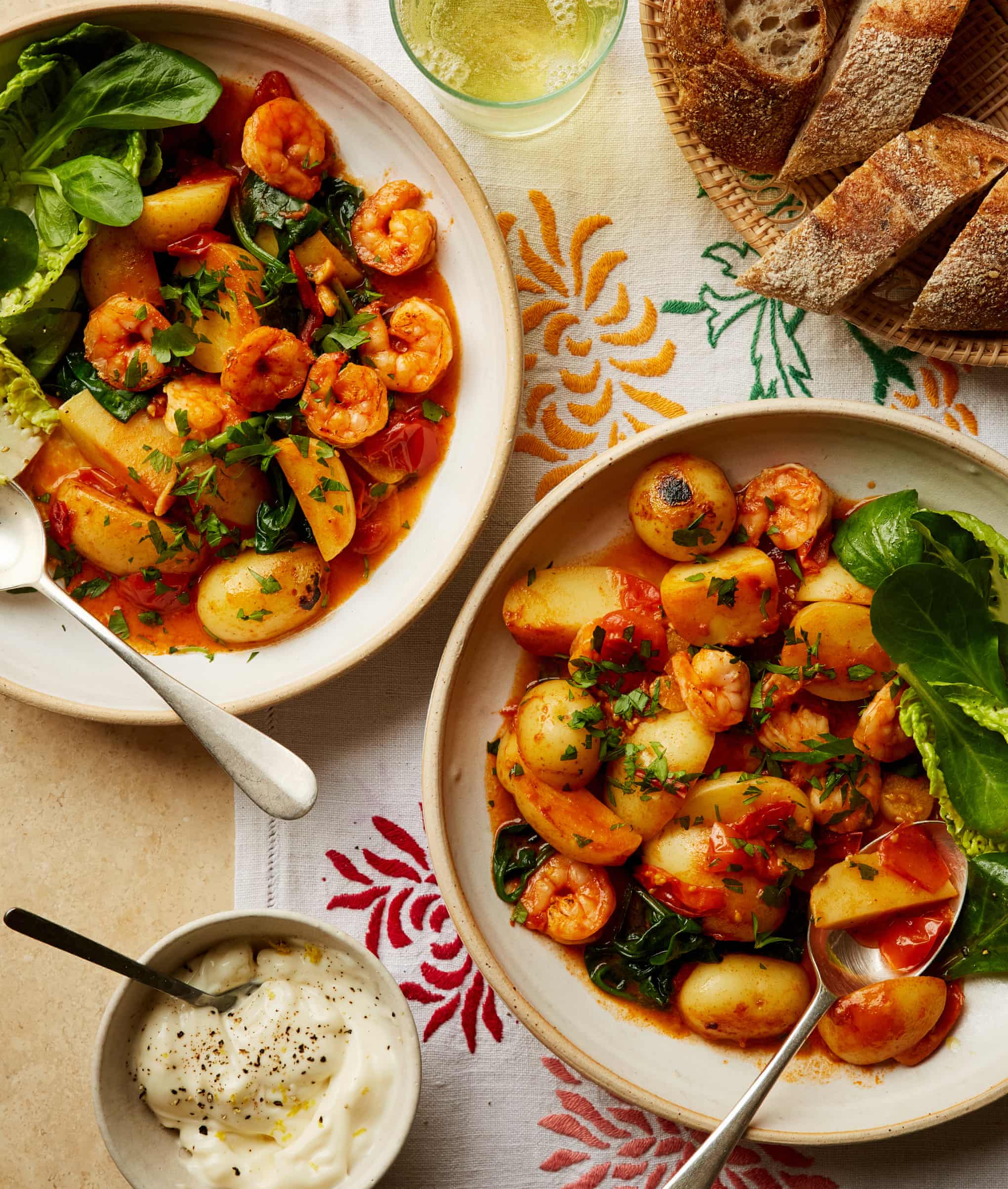
Georgina Hayden’s quick and easy recipe for smoky prawn, new potato and spinach stew | Quick and easy
This Spanish-style stew is a superb midweek dinner – it’s effortless but looks specialThis Spanish-inspired stew is a great weeknight dinner, particularly if you are having a few friends over, because it feels a bit special while actually being effortless and easy. If you want to take that effortlessness to the next level, make the potato base in advance, then finish off with the spinach and prawns just before serving (I like to do as little cooking as possible in front of guests, leaving me free to chat and pour drinks). Serve with a peppery, lemon-dressed salad on the side and hunks of crusty bread to mop up the juices.Prep 5 min Cook 35 min Serves 44 tbsp olive oil, plus extra for drizzling 5 garlic cloves, peeled, 4 finely sliced, 1 left whole½ tsp sweet smoked paprika ¼ tsp mild chilli powder 1 tbsp tomato puree 250g ripe tomatoes, choppedSea salt and black pepper 300ml fish stock 600g new potatoes, halved (or quartered if very large)1 lemon 150g baby spinach 350g peeled king prawns, deveined, if you like6 tbsp mayonnaise ½ bunch flat-leaf parsley, finely choppedPut a large, deep, ovenproof frying pan on a medium-low heat and drizzle in the olive oil. Add the sliced garlic, fry for a minute, then stir in the paprika, chilli powder and tomato puree
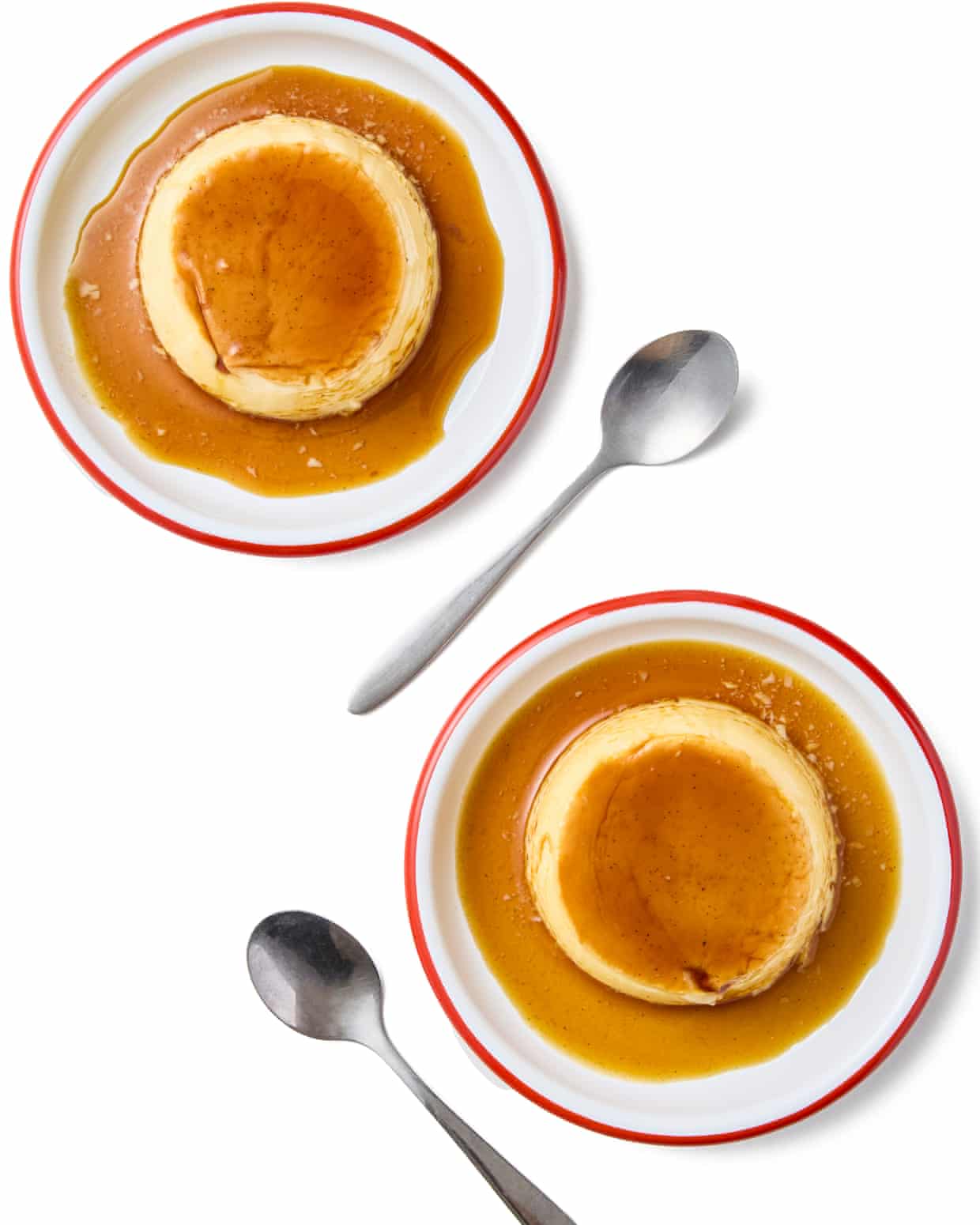
How to make creme caramel – recipe | Felicity Cloake's Masterclass
I don’t know why this classic French dessert isn’t more popular online, given how pleasant it is to watch a softly set custard jiggling seductively on screen, or to admire the way the light bounces off its glossy, caramel top. Worse still, it’s also increasingly hard to find on menus, too. Well, you know what they say: if you want something done well, do it yourself.Prep 15 min Cook 50 minCool 4 hr+ Makes 6For the custardSoft butter, or neutral oil (eg, sunflower, vegetable or groundnut), for greasing500ml whole milk (see step 2)1 vanilla pod, or 1 tsp vanilla extract 2 whole eggs 100g caster sugar 4 egg yolksFor the caramel60g caster sugar 40g soft dark brown sugar (see step 3)1 pinch saltLightly grease six dariole moulds, small pudding bowls or smooth-sided ramekins.Arrange these on a baking tray or shallow tin, preferably one just large enough to hold them all without too much room around the edge, and put it within easy reach of the hob
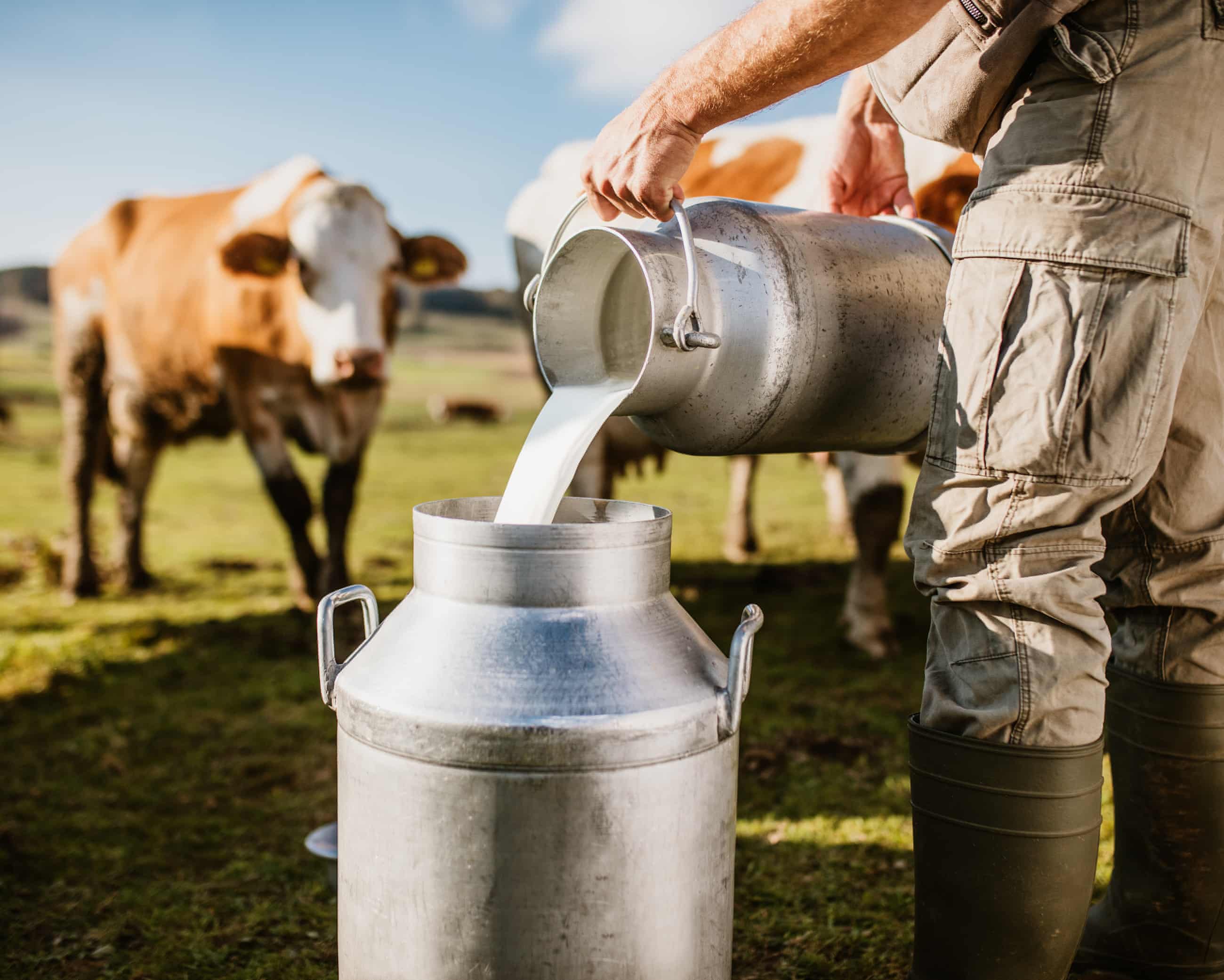
Making a splash: demand for raw and ‘brewed’ milk growing in UK
Farmers and delivery firms launch new options for those seeking alternative to traditionally pasteurised productRaw milk has long been popular, as well as controversial, in the US. While health authorities warn it can carry harmful bacteria, supporters argue it is more natural, and it has also become tied to anti-government and “natural living” movements.In the UK, it is now gaining popularity, particularly among younger consumers, farmers say, as a less processed option, with new products launching to meet demand.Raw milk comes straight from the cow (or sheep or goat) and has not been pasteurised, the process of heating liquids to eliminate harmful pathogens and make them safe to drink.Because it does not undergo this heat treatment, the Food Standards Agency warns that raw milk can cause food poisoning, posing particular risks to pregnant women, young children and people with weakened immune systems
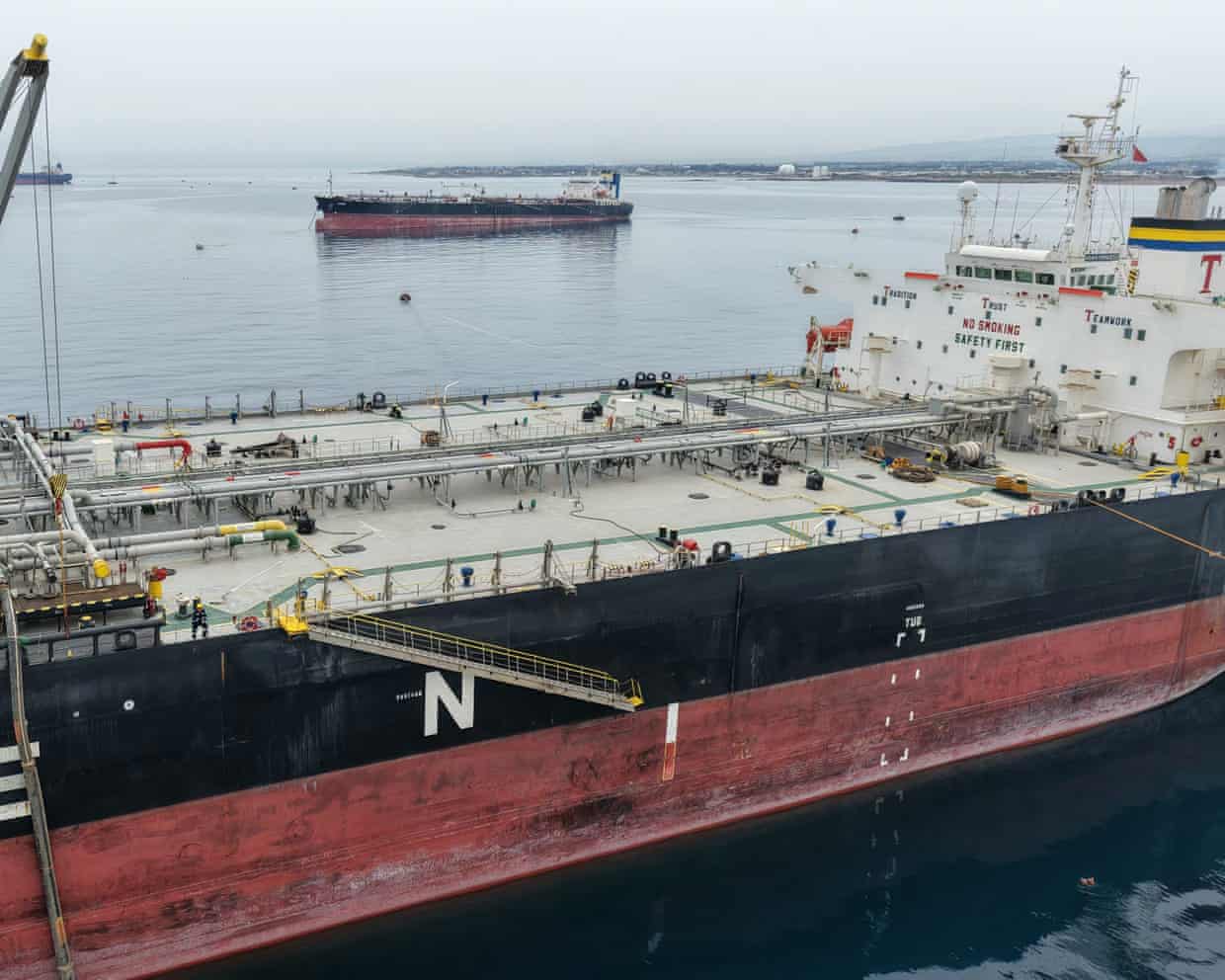
Iran war hurting UK economy as consumer confidence falls; BP’s new chair suffers investor revolt – as it happened

Simon Edye obituary
Private health records of half a million Britons offered for sale on Chinese website

Some Interrail travellers told to cancel passports as hacked data posted online

‘It has clearly exceeded expectations’: inside Red Bull’s F1 engine factory

Swiatek leads players’ surprise as WTA head Portia Archer quits after two years