Gina Rinehart has been forced to share her riches. But will she fight on or end the family feud?
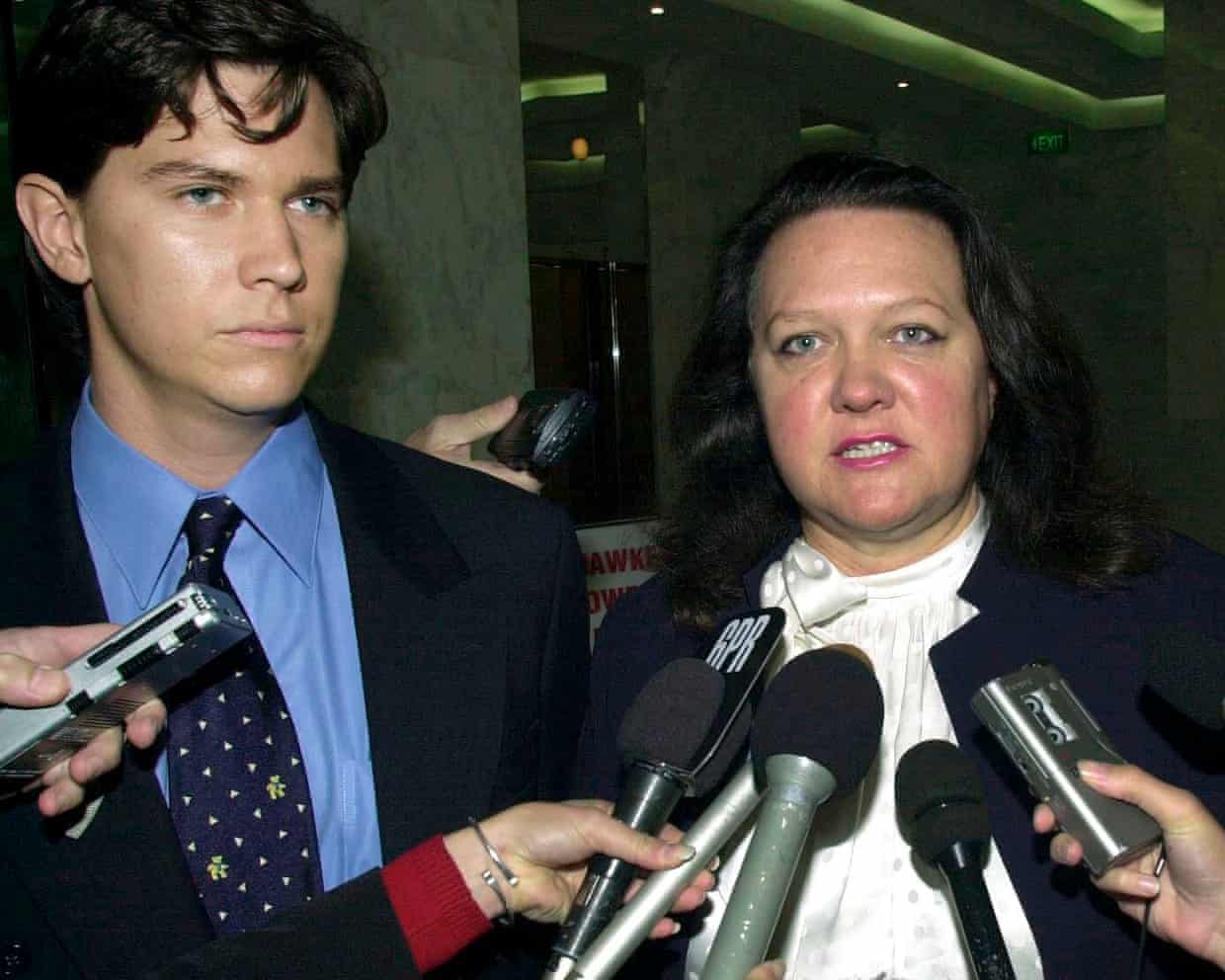
Gina Rinehart does not like to lose.Engaged in bitter legal battles for most of the past 35 years, Australia’s richest person has shown her propensity to fight tooth and nail to retain control of her family’s iron ore empire – and the riches that flow from it.Even as her own children were due to receive their inheritance from their grandfather Lang Hancock almost 20 years ago, Rinehart sought to block them in an ugly legal dispute that showed the lengths she was prepared to go to retain control.But as rain drizzled down on Perth’s central business district on Wednesday, Justice Jennifer Smith handed down a judgment that will force Rinehart to share.Not just hundreds of millions of dollars in royalty payments pocketed by Hancock Prospecting, but also some of the credit for the making of the Pilbara iron ore industry.
The atmosphere in the courtroom was tense as dozens of sharply dressed lawyers and the Western Australian media pack awaited a verdict that came almost two decades after the Wright family first launched a claim against Hancock Prospecting for its share of royalties from the Hope Downs mine complex,In a dry and cursory judgment, Smith read out a short summary of her findings, drawn from a 1,655 page judgment on the 51-day trial that saw 4,000 documents submitted in argument,In the front row of the courtroom, which had to be revamped to manage the trial in 2023, sat three of Rinehart’s most loyal lieutenants, Sanjiv Manchanda, Garry Korte and Jay Newby,In a sign of the case’s complexity – and the divisions within Rinehart’s family – the five-member clan had four separate legal representatives joining to hear the verdict via video link,At the crux of the dispute was whether an agreement between Peter Wright and Lang Hancock signed in the 1980s entitled the family to a share of the royalties flowing from the lucrative Rio Tinto – Hancock Prospecting joint venture project.
Smith upheld this claim.Wright Prospecting was unsuccessful in claiming an equity stake in other Hancock projects, but the verdict on royalties means Hancock and Rio Tinto are on the hook for hundreds of millions of dollars to the family of Peter Wright, going back to when the mine first began operating in 2007.The final amount will be determined in yet another trial and the decision may yet be appealed.The verdict is a blow to Rinehart and Hancock Prospecting who had dismissed the Wright claim as baseless, spending tens of millions of dollars and countless court hours fighting them.In another loss, Hancock will also be forced to pay a smaller share of royalties to the family business of the late Don Rhodes, another of the Pilbara pioneers who was instrumental in helping Hancock open up vast swathes of WA for development.
Following the verdict, Matt Keady, the current chief executive of DFD Rhodes, described the result as a win, saying Hancock Prospecting and Rinehart had been “formidable opponents”.“We are very, very pleased that the court has recognised the contribution of Don Rhodes to the iron ore industry,” Keady said.Within minutes of the verdict, Hancock Prospecting and Wright Prospecting were both claiming victory.As Smith noted when discussing costs, both parties had arguably “won half of its case and lost half of its case”.Hancock Prospecting was happy that Wright’s ownership claims had been dismissed, but reserved most of its glee for the court’s rejection of what it called the “abusive claims of serious wrongdoing” made against Rinehart by her eldest children, John Hancock and Bianca Rinehart.
Smith found that their claim to a share of the Hope Downs royalty stream “failed at the first hurdle”, blaming the “fraudulent” actions of Lang Hancock for shifting assets away from Hancock Prospecting in the first place and clearing Rinehart of the “egregious” fraud her children had alleged.Smith handballed most of the family dispute back to a separate confidential arbitration that is still to determine how billions of dollars of Hancock Prospecting shares are divided between the family.This matter is likely to be more consequential to Rinehart’s standing as Australia’s richest person given it may yet substantially reduce her stake in the company.Following the ruling, John Hancock took a conciliatory tone, asking his mother – with whom he has been feuding for more than two decades – for reconciliation.The Wright-Hancock trial has exposed the Hancock dynasty to be a family racked by intergenerational infighting, with no shortage of vicious claims made between the parties.
John Hancock’s challenge to his mother to bury the hatchet and return to a level of familial harmony has given Rinehart the ultimate challenge,Does she keep fighting to win? Or does she agree to share?If the family matriarch accepts the invitation from her son, then Wednesday’s judgment will be truly consequential – it will have forced a backdown from a woman who is notoriously unyielding,And while billions of dollars may yet be at stake, a decision from Rinehart to stop fighting – well, that would be priceless,
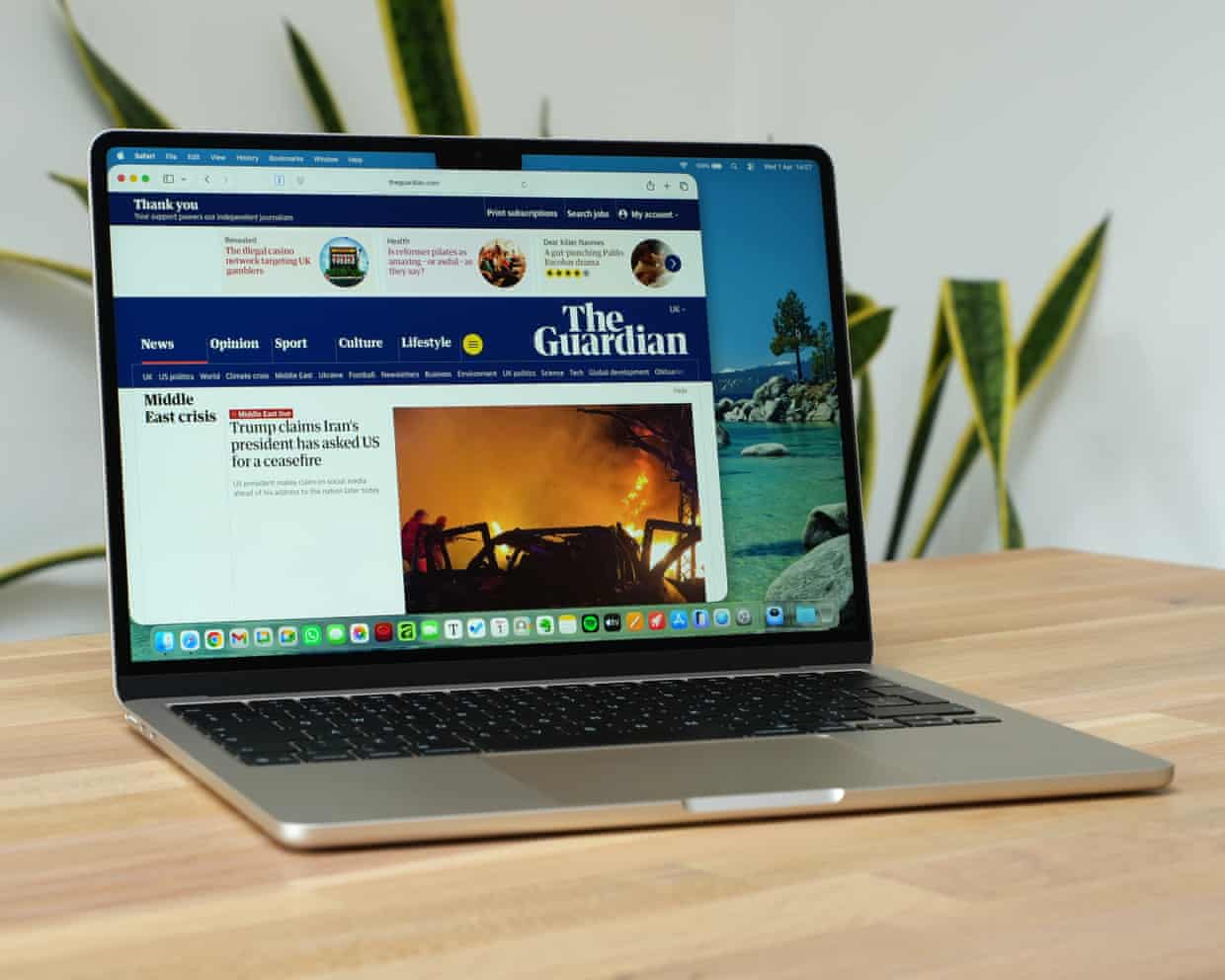
MacBook Air M5 review: Apple’s best consumer laptop speeds up
Apple’s latest MacBook Air is its most powerful yet, comes with double the starting storage and is better than ever for getting work done and as the benchmark for a consumer laptop. But this year the new lower-cost MacBook Neo has muddied the waters.The Guardian’s journalism is independent. We will earn a commission if you buy something through an affiliate link. Learn more

China now the ‘good guy’ on AI as Trump takes ‘wild west’ approach, MPs told
China is now the “good guy” on AI rather than Donald Trump’s US, where the technology is being pursued in a dangerous “wild west” manner, a former UN and UK government adviser has told MPs.Prof Dame Wendy Hall, who was a member of the UN’s AI advisory board and co-wrote a review of AI for Theresa May’s government, told the House of Commons business and trade committee that China was backing multinational attempts to introduce global governance of AI, in contrast to America, which had set up a race between profit-hungry companies that relied on hype.“China is doing some amazing work in AI, and in fact, at the moment they’re acting as the good guys because the US is totally against any regulation and talk about global governance,” said Hall, who is director of the Web Science Institute at the University of Southampton. “It’s all Maga. It’s all: we’re going to win at all costs

Bosses say AI boosts productivity – workers say they’re drowning in ‘workslop’
Ken, a copywriter for a large, Miami-based cybersecurity firm, used to enjoy his job. But then the “workslop” started piling up.Workslop is an unintended consequence of the AI boom. It’s what happens when employees use AI to quickly generate work that seems polished – at least superficially – but is in fact so flawed or inaccurate that it needs to be heavily corrected, cleaned up or even completely redone after it’s passed on to colleagues.For Ken, the problem started after his company’s CEO laid off several of his colleagues and mandated that remaining workers use AI chatbots, saying it would boost their productivity

AI companies make powerful tech – but they’re also savvy marketers
Hello, and welcome to TechScape. I’m your host, Blake Montgomery, the Guardian’s US tech editor, writing to you from my happy village in Pokopia.Artificial intelligence companies make powerful products. They also make outlandish claims.Last week, Anthropic released Claude Mythos, an AI model focused on cybersecurity, which has inspired widespread thrill and panic over how capable it is said to be

Don’t make Marshal Foch’s mistake on AI | Letters
Emma Brockes’ article struck a chord (It’s finally happened: I’m now worried about AI. And consulting ChatGPT did nothing to allay my fears, 8 April). I am reading Marc Bloch’s Strange Defeat, in which the eminent French historian and soon-to-be-executed resistance worker gives a first-hand account of the collapse of the French army in 1940. He attributes the debacle at least in part to a failure of imagination on the part of the French general staff, who were incapable of grasping that technology, and war, had fundamentally changed since 1918.Brockes’ article suggests that we, and our leaders, are suffering from the same inability to understand that a technology which is currently amusingly alarming will develop in less amusing ways – the future Marshal Ferdinand Foch had, according to Bloch, earlier dismissed aircraft as being a toy for hobbyists and not of any military interest
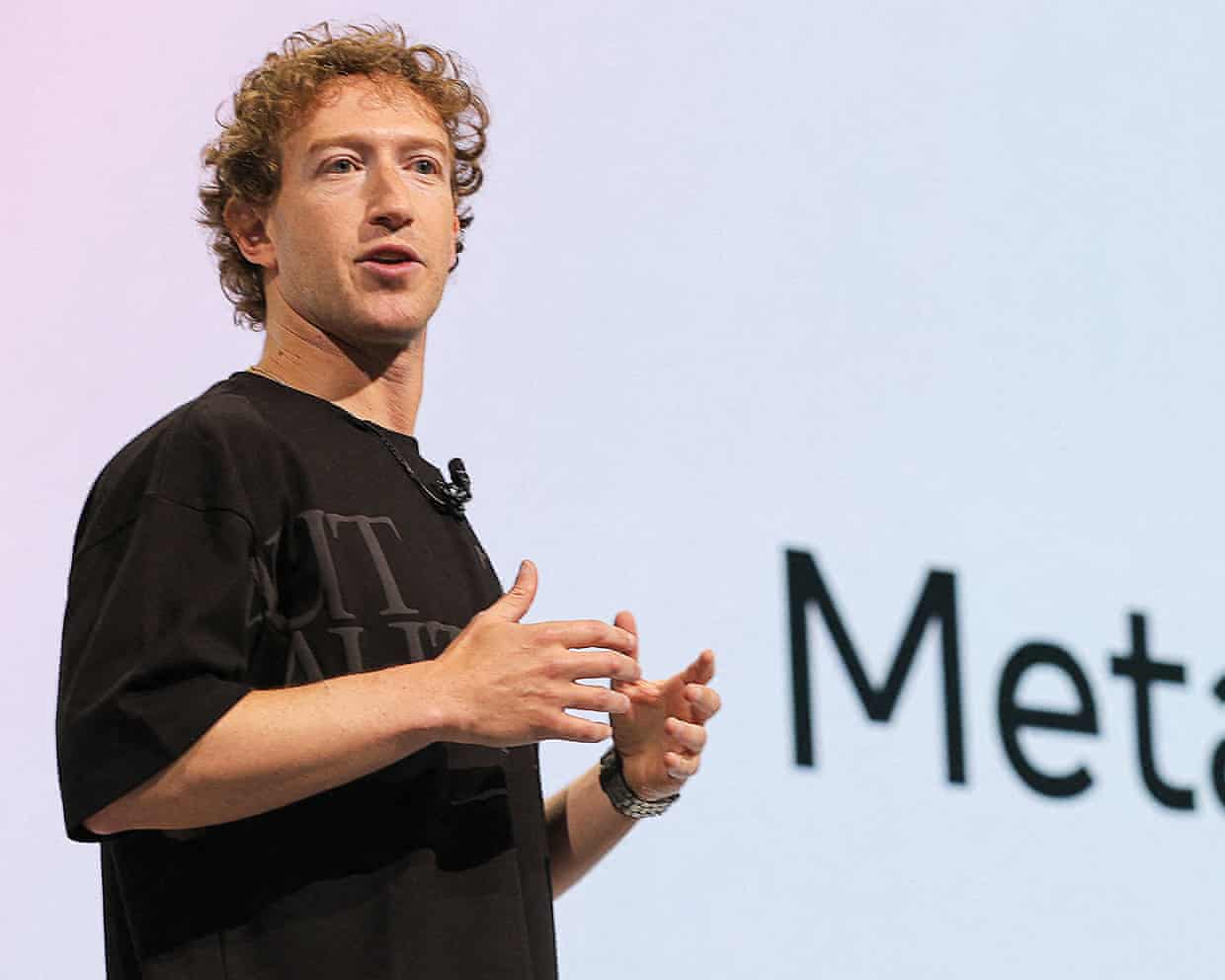
Meta creating AI version of Mark Zuckerberg so staff can talk to the boss
If you are one of Meta’s almost 79,000 employees and cannot get hold of the boss, do not worry. The owner of Facebook and Instagram is reportedly working on an AI version of Mark Zuckerberg who can answer all your queries.The AI clone of Zuckerberg, Meta’s founder and chief executive, is being trained on his mannerisms and tone as well as his public statements and thoughts on company strategy.The rationale behind the project, according to the Financial Times, is that employees could feel more connected to one of the most powerful people in Silicon Valley.The Meta chief has a history of creating and experimenting with digitalised versions of himself
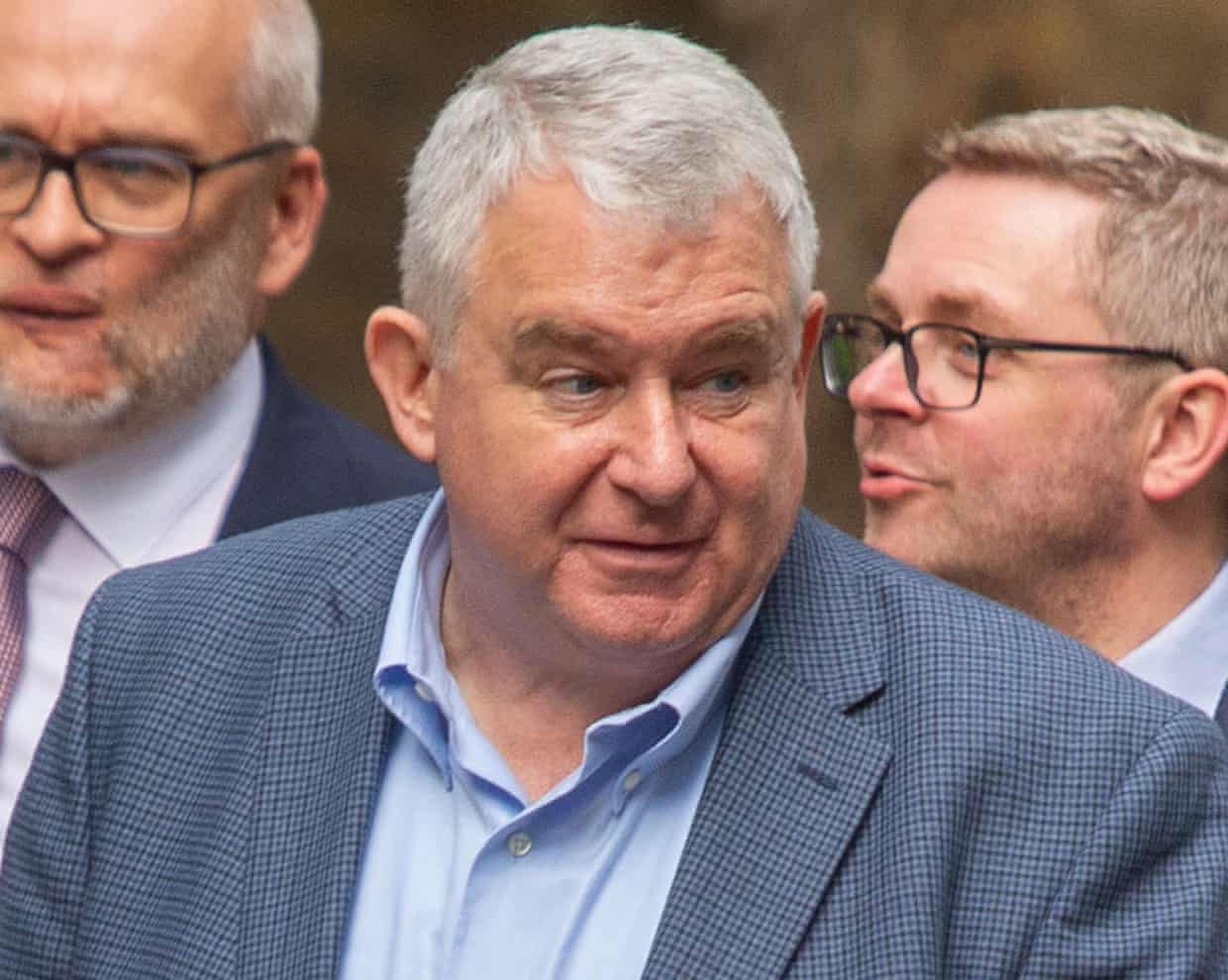
Metro Bank boss handed record £2.6m after slashing 1,000 jobs

Europe has ‘maybe 6 weeks of jet fuel left,’ energy agency head warns – business live
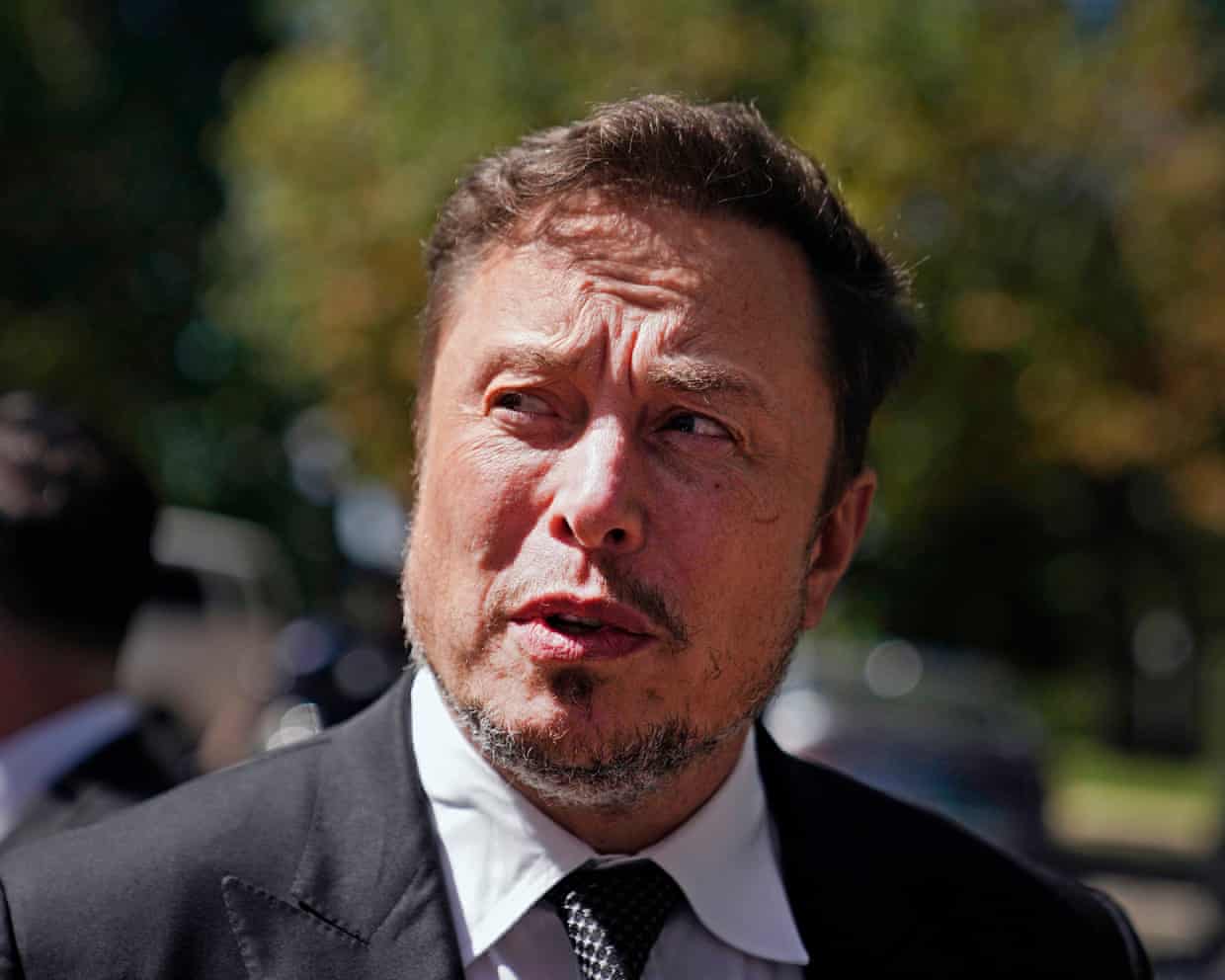
NAACP lawsuit accuses Elon Musk’s xAI of polluting Black neighborhoods near Memphis

Fisa surveillance vote sparks fierce debate as Congress splits on warrantless monitoring

Gout Gout may be bigger than Cathy Freeman, but he alone is not athletics’ elixir

LIV Golf insists season will go ahead ‘at full throttle’ amid doubts over future