Head of IMF says Iran war will permanently scar global economy even if peace is reached
The head of the International Monetary Fund has warned that the Iran war will permanently scar the global economy even if a durable peace deal in the Middle East can be reached.In a speech delivered as the ceasefire in the conflict threatened to unravel, Kristalina Georgieva said the “scarring effects” caused by the war to date would mean slower global growth this year than first anticipated.Had it not been for the outbreak of the conflict six weeks ago, the IMF would have upgraded its global growth outlook for 2026, Georgieva said.“But now, even our most hopeful scenario involves a growth downgrade.Even in a best case, there will be no neat and clean return to the status quo.
”Six weeks into the conflict, the fate of the conditional ceasefire announced late on Tuesday appears at risk as Washington and Tehran disagree on what was agreed,The global oil price rose on Thursday amid volatile conditions in global financial markets, underscoring fears over continued disruption to energy supplies through the strait of Hormuz that are key for fuelling the world economy,In a speech intended as a curtain-raiser for the IMF’s annual spring meetings in Washington next week, Georgieva said there was heightened uncertainty over the depth of the global slowdown triggered by the war,However, every scenario the body has produced for its flagship World Economic Outlook report – to be published on Tuesday – shows a permanent hit to living standards,Last autumn the IMF had forecast global growth of 3.
1% in 2026, in a modest slowdown from growth of 3,2% in 2025, as an AI-driven investment boom helped to power “unexpected resilience” despite Donald Trump’s tariff wars,Georgieva said the world economy had entered the Iran war with “considerable momentum” fuelled by tech investment and supportive conditions in financial markets,However, she said infrastructure damage, supply disruptions, losses of confidence, and other scarring effects linked to the war would inflict losses for the global economy regardless of whether a peace deal could be reached,Highlighting uncertainty over shipping in and out of the Gulf, and the amount of time it would take to restore production at bombed-out oil and gas facilities across the region, the IMF’s managing director said the world was braced for continuing disruption.
“The fact is, we don’t truly know what the future holds for transits through the strait of Hormuz or, for that matter, for the recovery of regional air traffic.” she said.“What we do know is that growth will be slower – even if the new peace is durable.”In a sign that there would be steeper growth downgrades for some countries than for others, Georgieva said net oil-importing nations, poorer countries and small-island nations would be hit particularly hard.However, she urged governments around the world to “reject go-it-alone actions” such as export and price controls.
“That can further upset global conditions: don’t pour gasoline on the fire,” she said.With many countries entering the crisis with elevated levels of debt and higher borrowing costs, the IMF chief urged governments to focus on targeted and temporary support measures for the most vulnerable households.Costly, blanket tax cuts or energy subsidies could risk stoking inflation while threatening to undermine fragile public finances, she said.Central banks should also tread carefully by keeping interest rates on hold, but stand ready to act to curb inflation.“All countries must deploy their limited fiscal resources responsibly, and most must move decisively to rebuild space after this shock.
I cannot emphasise this enough,” she said,Her comments came as the Bank of England governor, Andrew Bailey, said the global economy faced a “very big shock” from the war,Bailey, who also chairs the Financial Stability Board, an international body that monitors the financial system, told the EU parliament’s committee on economic and monetary affairs that risks remained while the Middle East situation remained volatile,“We’ve obviously had a very big shock in the last month or so, with the conflict breaking out in the Middle East, that has prompted, obviously, much greater market volatility,” he said,“I mean, we all have to get up in the morning and find out what’s gone on overnight.
At least we got up yesterday and found the world was still with us, but it obviously is very volatile.Yesterday was a good day in point to illustrate that.”
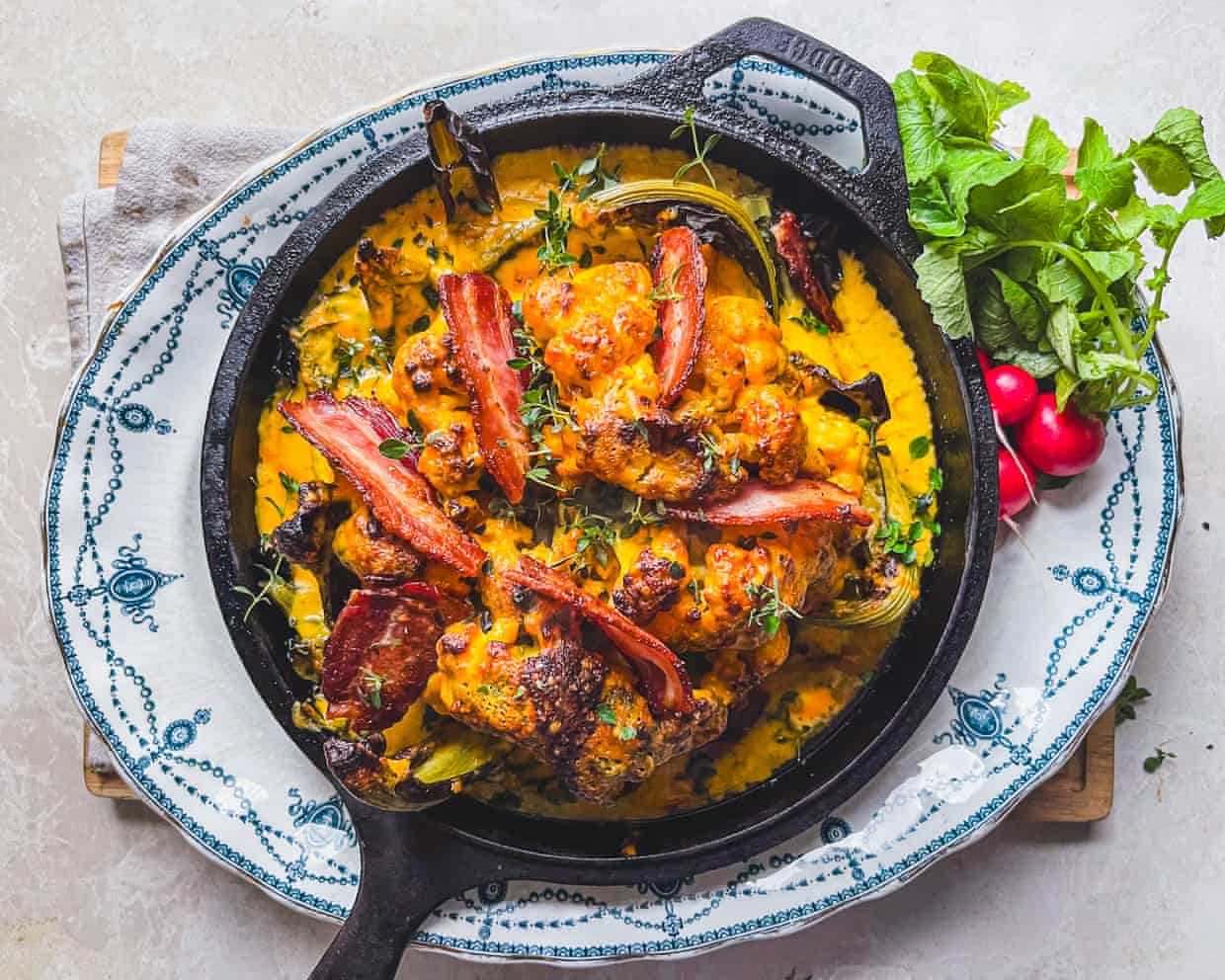
How to make cauliflower cheese using the whole plant – recipe | Waste not
This recipe, adapted from one in my cookbook, is a very elaborate way to serve humble cauliflower cheese. The whole plant, including the leaves and core, is seasoned with nutmeg and roasted, and it’s then dressed with a satisfying layer of rich cheese sauce and grilled until charred and bubbling. Choose a cauliflower with plenty of leaves, because they go deliciously crisp when roasted.This is perhaps the most decadent cauliflower cheese I’ve ever made. Inspired by an orange-coloured cauliflower I found sitting proudly in a box at my local Brockley Market in south London, I decided to make a vibrant and very orange cauliflower cheese using red leicester cheese and turmeric
A marmalade-dropper for Paddington Bear? | Letters
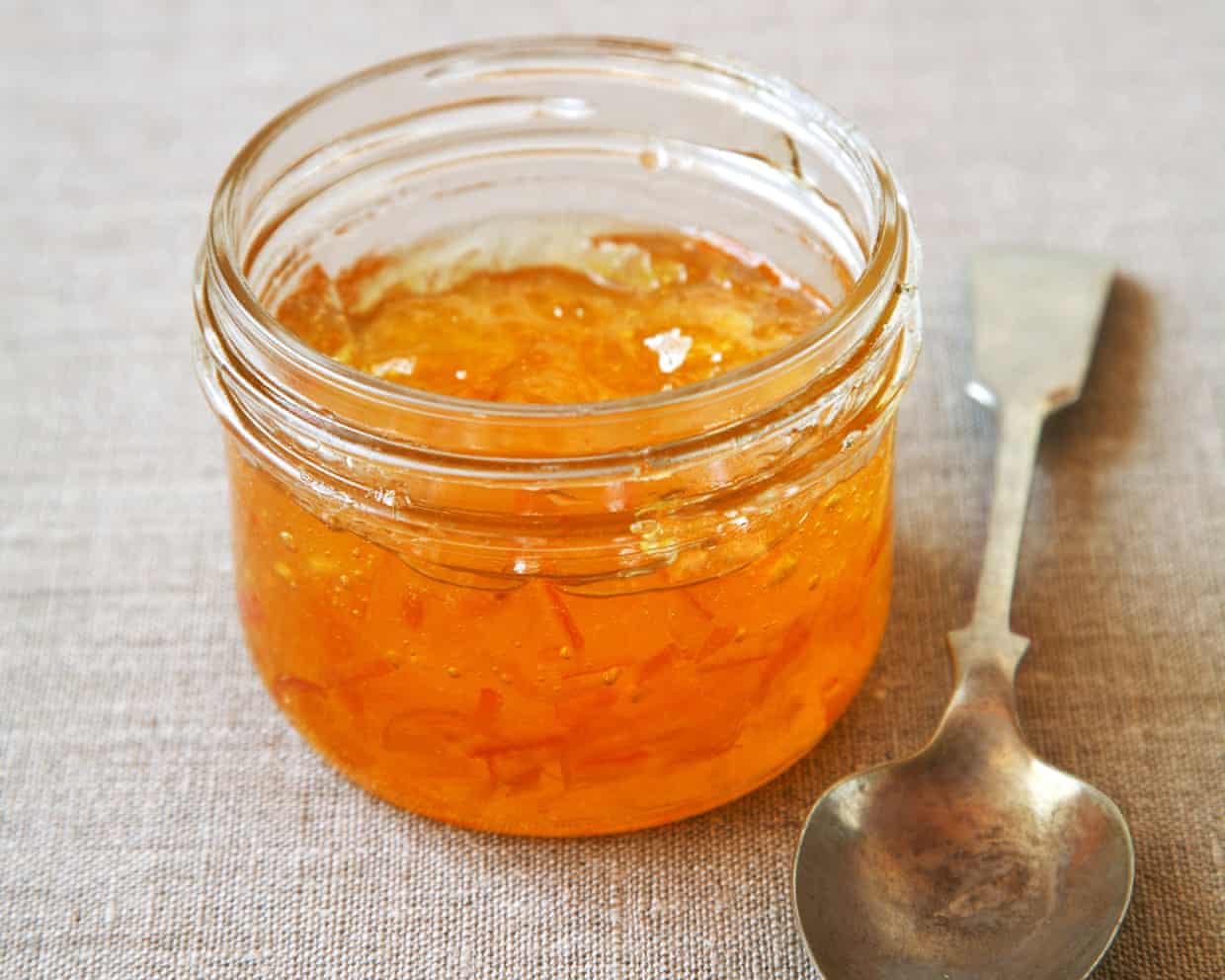
As a Portuguese-British citizen, I feel it is my duty to add to your explainer article (Keir Starmalade, anyone? Will marmalade really have to be rebranded in UK?, 4 April) and explain where the word marmalade originated from. Marmalade comes from the fruit marmelo (quince). And marmalade was and is quince jam in Portugal. This jam began to be exported to England at the end of the 15th century. Only in the 17th century did the English start to apply the word marmalade to orange jam
How to save limp herbs | Kitchen aide
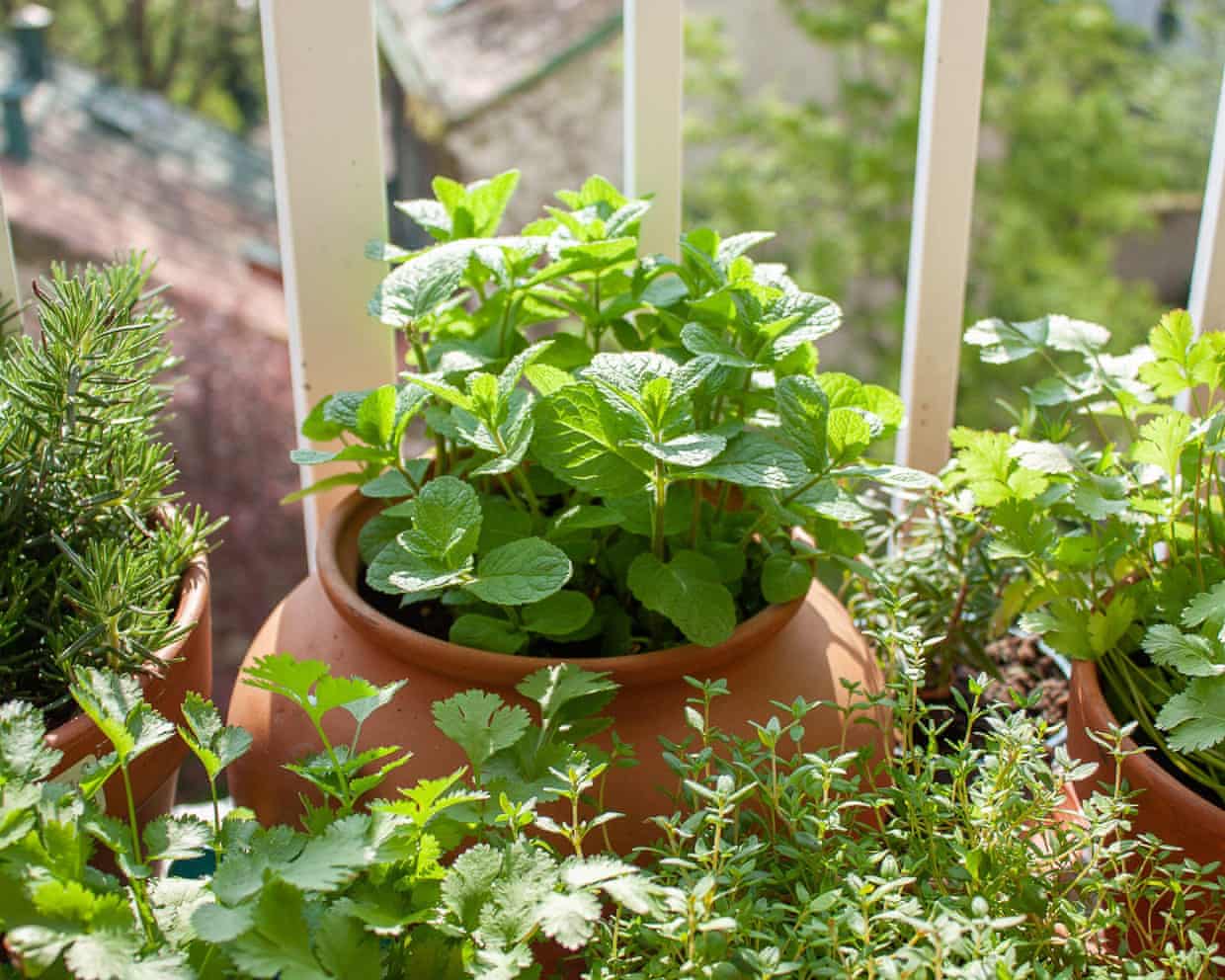
What can I do with herbs that are past their best?Joe, by email Happily, Joe and his on-the-turn herbs aren’t short of options. “The obvious choice for hard herbs is to chuck them in a sandwich bag and freeze them for future stock-making,” says Alice Norman, founder of regenerative bakery Pinch in Suffolk. Alternatively, Sami Tamimi, author of Boustany, would be inclined to dry his excess herbs. In summer, he’d simply pop them on a tray and put them outside in the sun, but right now he “dries them in a 60-70C oven, then packs in containers, ready for the next time you’re short of fresh herbs”.Norman’s current MO is to blitz languishing herbs (“rosemary and/or thyme work best”) with a 3:4 ratio of fine salt
‘Before I can stop her, my daughter is licking crumbs from the table’: my search for the perfect kids’ menu
Chips, fish fingers, pizza … restaurant food for children is depressingly predictable. Are there more adventurous options? I took my four-year-old daughter on a month-long mission to find outWe’re heading out for dinner. Before I tell my four-year-old where we’re going, she has already announced that she’s going to have fish, chips and lots of ketchup. It sounds delicious; a classic. But there’s the irksome feeling that the intrepid impulses of childhood should be met with food that expands palates rather than feeding into the well-trodden path to a beige meal
Can’t face another mouthful of chicken? You’re probably coming down with the ick
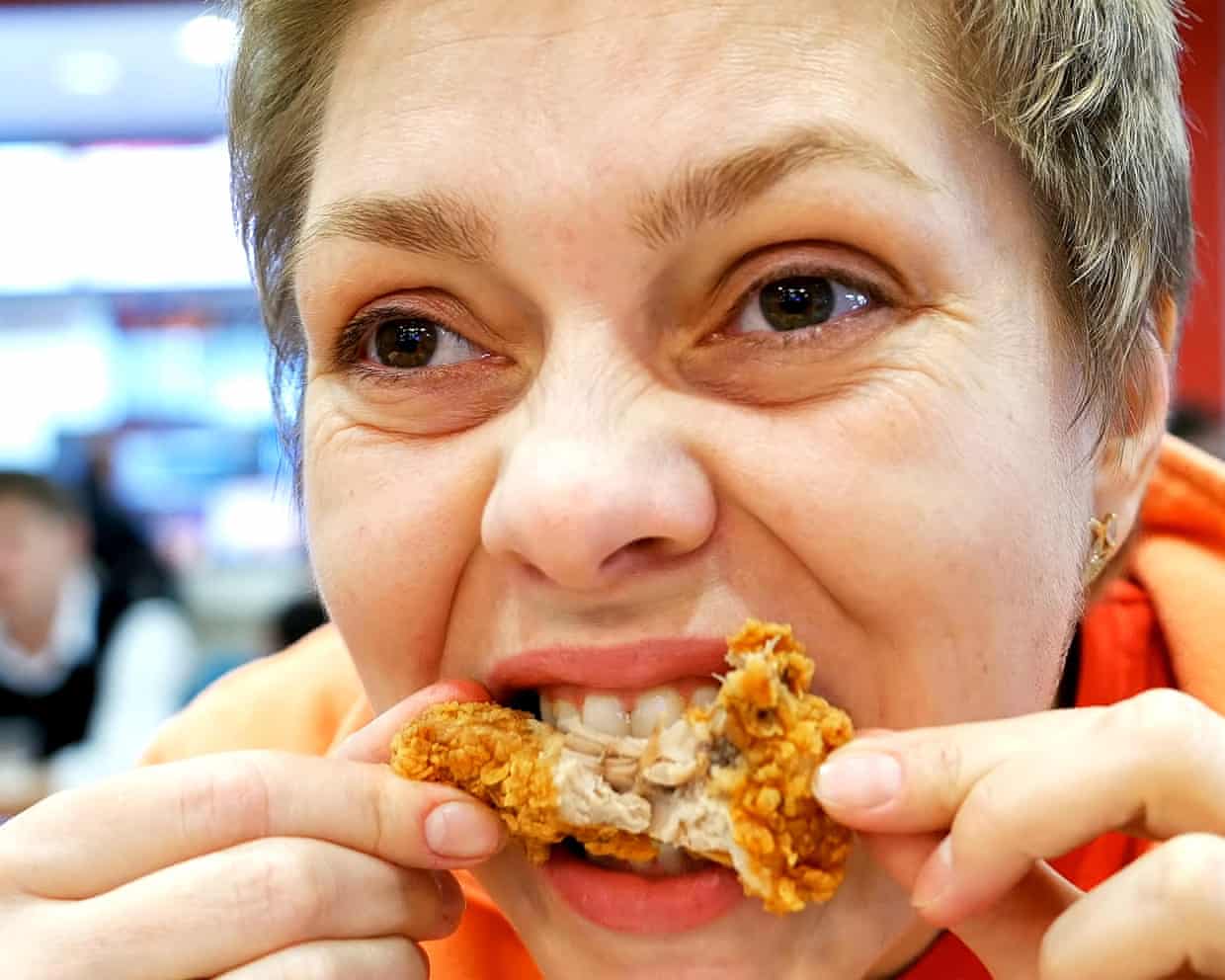
Name: The chicken ick.Age: Chickens have been around since, well, eggs …Unless it’s the other way round. Whatever. The chicken ick, on the other hand, is new.And what is it, please? You know when you suddenly feel disgusted by the chicken you’re eating, possibly mid-bite, despite previously enjoying it?Er, not really, to be honest
Georgina Hayden’s quick and easy recipe for gochujang butter salmon | Quick and easy
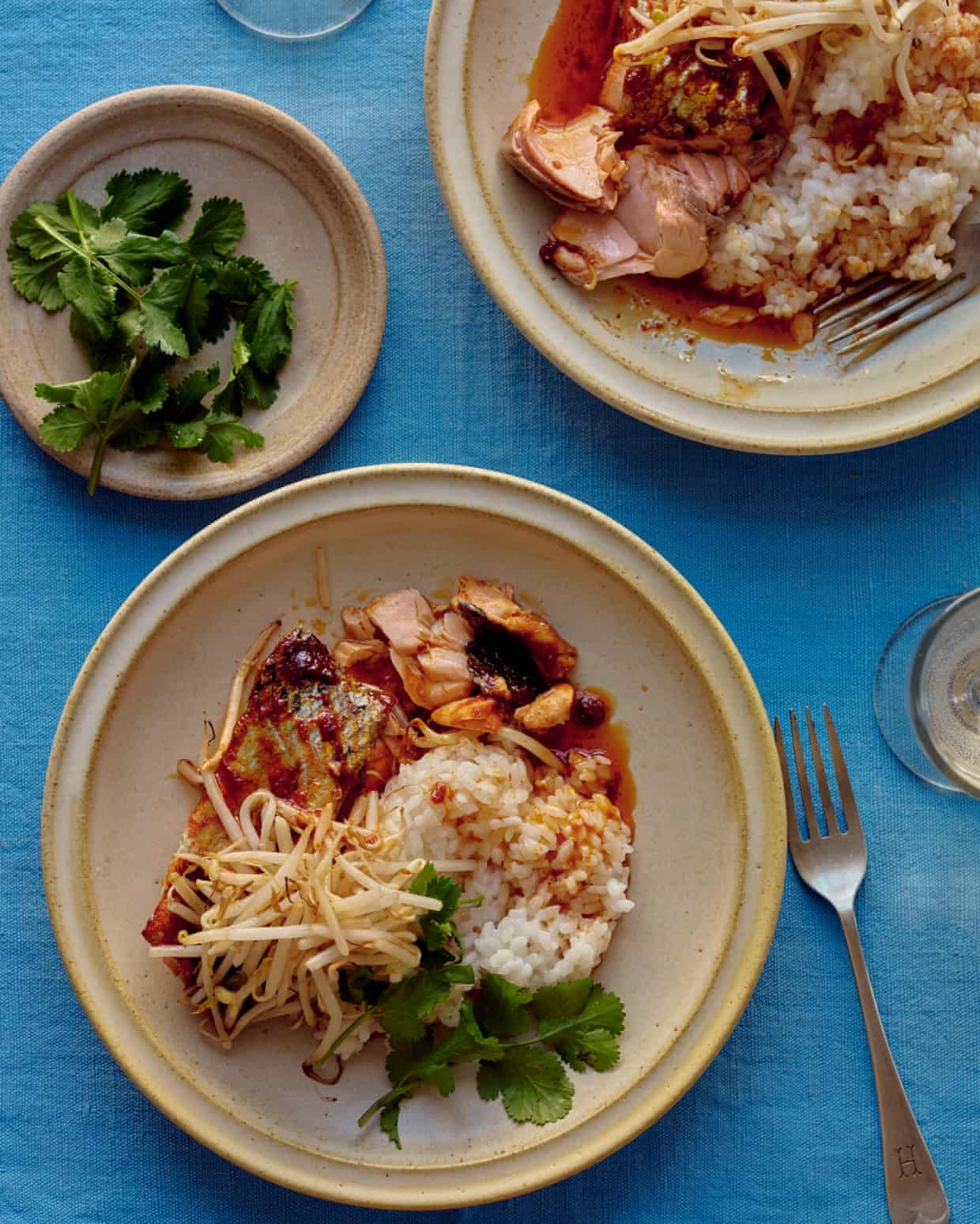
The classic combination of soy sauce and honey salmon is a staple in our house, and works for kids and adults alike. However, sometimes I want to change things up, so here I’ve elevated it slightly with a gochujang dressing – similar principle, but with a bit of heat and depth, as well as richness from the butter. Using butter might seem unusual, but it is often paired with soy sauce in Japan (shoyu butter) with an indulgent result. Serve the fish over sticky rice, to soak up all those spicy, buttery juices, with steamed greens on the side.Prep 10 min Cook 25 min Serves 41 tbsp sesame oil 4 tbsp soy sauce 2 tsp gochujang paste 2 garlic cloves, peeled and finely grated4cm piece of ginger, peeled and finely grated½ tsp caster sugar 4 sustainably caught skin-on salmon fillets Sea salt and white pepper70g unsalted butter 150g bean sprouts Sticky rice, to serveA handful of roasted peanuts, roughly chopped10g coriander, leaves pickedHeat the oven to 220C (200C fan)/425F/gas 7
UK to give £380m grant to Tata battery factory in Somerset
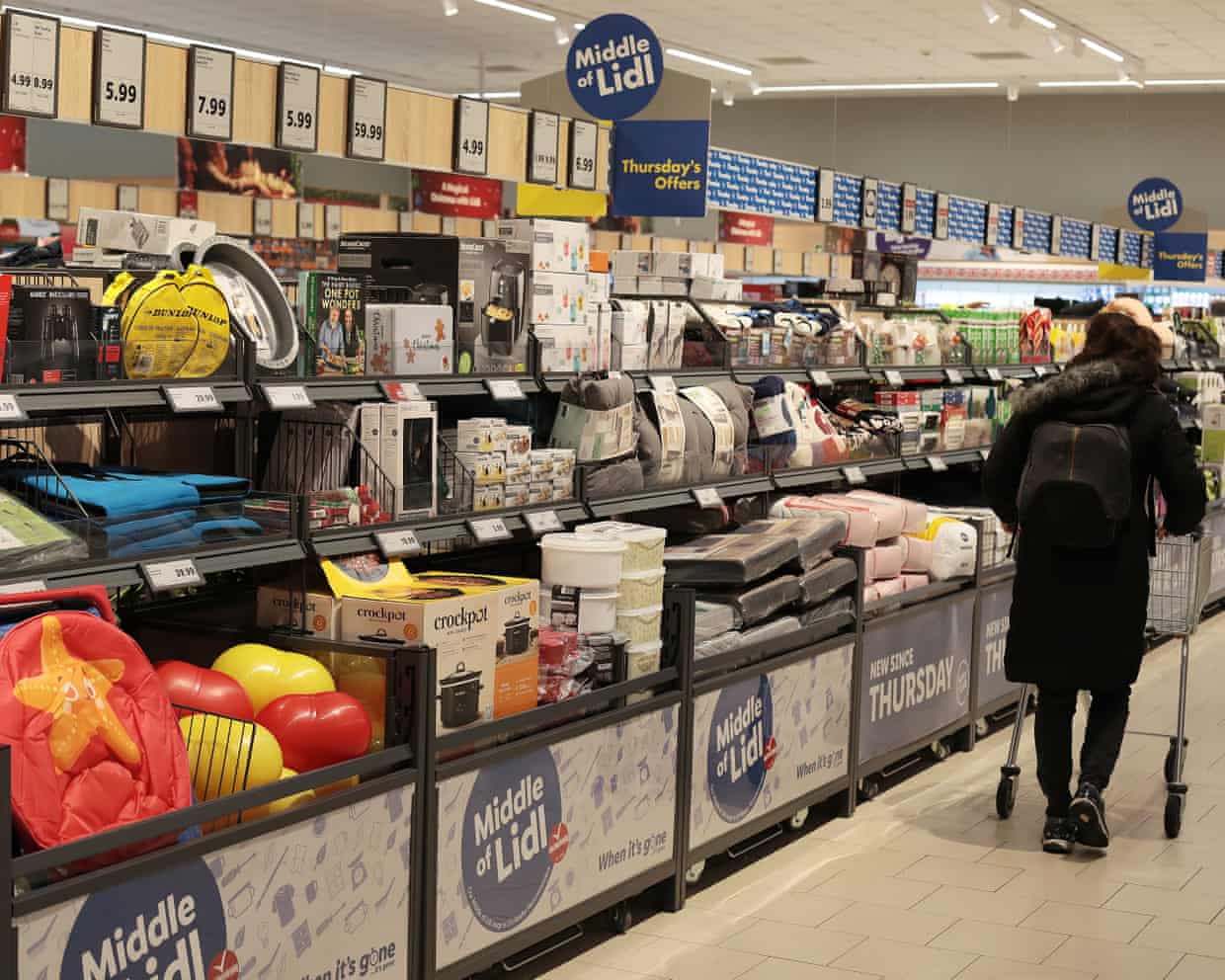
Lidl to open 50 UK stores in year ahead – and its first pub

British computer scientist denies he is bitcoin developer Satoshi Nakamoto

Britons warned about Russian hackers targeting internet routers for espionage
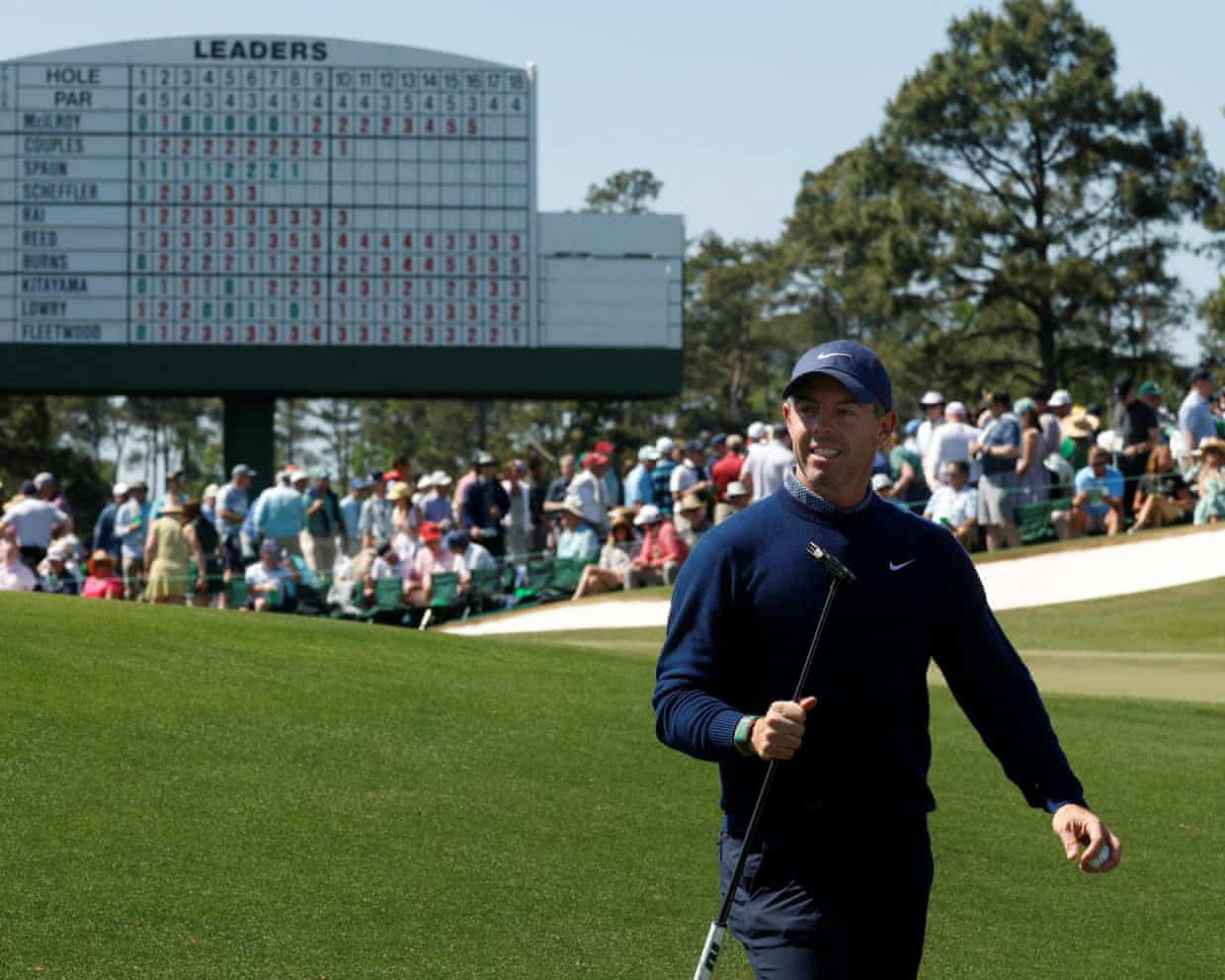
McIlroy attacks Augusta as champion with big grin and hell of a swing | Andy Bull

‘For the first time I’m the hunter’: Fury relishes return to face Makhmudov