‘Italy has the best benefits’: Milan takes on Dubai as home for the super-rich
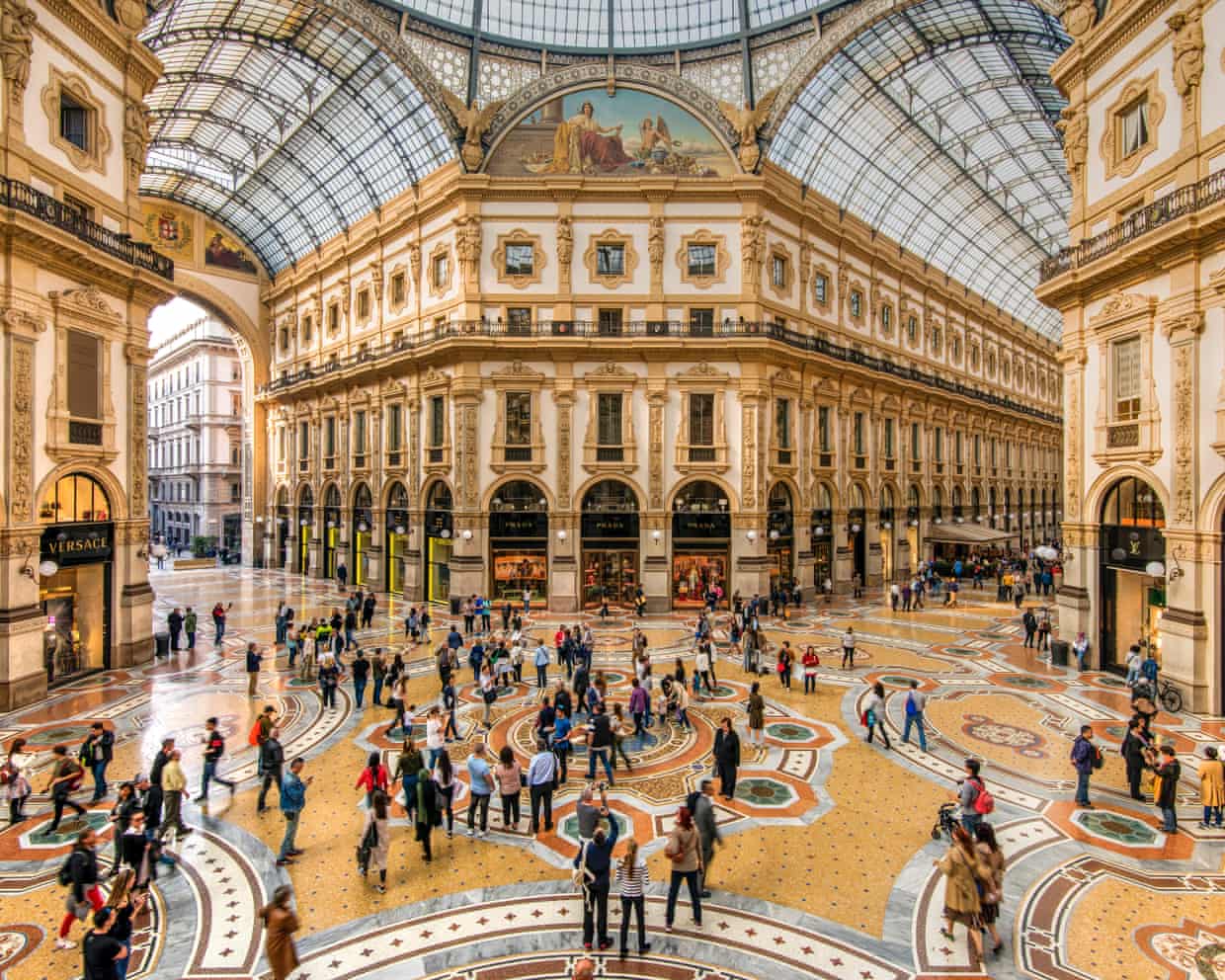
Just over a month ago, Dubai was the obvious destination for wealthy Britons in search of a new home.Few cities allow you to earn vast sums tax-free and spend them across any number of luxury hotels, restaurants and shops.But as the United Arab Emirates comes under Iranian fire, Dubai’s reputation – in part created by emigrant influencers – as a haven for the global elite is eroding.Super-rich UK nationals are now looking for a route back to Europe; and Milan, the financial centre of Italy, is climbing to the top of the list.“Italy has the best benefits: a flat tax and good quality of life,” says Armand Arton, a consultant who helps multimillionaire and billionaire families to relocate through investment citizenship schemes.
“People leaving the UAE can see themselves living in Rome or Milan quite easily as international, metropolitan centres.”It is not hard to see why Milan, which is already home to some of the richest bankers, lawyers and investors in Europe, has become such a popular choice.Under Italy’s flat-tax regime, foreign residents can pay €300,000 (£259,620) a year on all overseas income – small change for the world’s wealthiest.“We have always been an international city but it is changing,” says Diletta Giorgolo, who runs Sotheby’s residential real estate office in Italy’s economic and fashion capital.“We have had our special tax regime since 2017, but when the UK ended its non-dom status, we had a wave of new buyers coming to Milan.
”Now, as the next wave of wealthy migrants turns its attention to the city, can Milan become the new home of the ultra-wealthy?The war in the Gulf has already sparked an exodus of wealthy UK nationals, though not all are willing to return home,For many Europeans, Italy is the most strategic option,In contrast with the UK’s tighter rules, new Italian residents who have not paid taxes in the country for at least nine out of the past 10 years do not have to pay tax on theirforeign income, in exchange for the €300,000 annual flat tax,They are then taxed on their Italian income and capital gains from investments within five years of opting for the flat tax,Marc Acheson, at the financial planner Utmost Wealth Solutions, says Italy’s appeal has grown as the UK has become relatively less appealing for the super-rich.
Such is the chatter in Milan that the Italian rule is said to be called “svuota Londra” or “evacuate London”.“Even though Italy had its flat-tax regime in 2017, at €100,000 at the time, it was not attracting a deluge of people,” he says.“The abolition of the non-dom regime is what really spurred interest, and it came also just as Portugal was tightening its rules.”“The regime is simple and people love it,” Acheson adds.“Italy is a lovely country, Milan has a deep financial services sector – many of the things that make London attractive, Milan has too.
”Roberto Bonomi, a partner at the law firm Withers, adds that Italy has also shaken off its reputation as a politically unstable destination.Giorgia Meloni, its populist prime minister, who has been in office since 2022, arrived in power with overtly far-right policies, although appears to have dialled down her ideology.“At first there was some scepticism,” Bonomi says.“But after nine years we have shown that it is a stable system.Clients are no longer scared about Italy – and recent events show that uncertainty exists everywhere.
”About 5,000 people have joined Italy’s flat-tax scheme so far, according to estimates by Maisto e Associati, an Italian law firm specialising in tax.At first many applicants were Italians who had been based in London, says Marco Cerrato, a partner at the firm.“They typically worked in banking, insurance, asset management or for hedge funds.They had been in the UK the past decade and wanted to go back to Italy for personal and tax reasons,” he says.“But then, after the pandemic, more people started coming, there was an exponential increase, and then again especially after the Tories announced that they would abolish the non-dom agreement.
”Another wave of interest is now emerging from the Gulf, Arton says,“Italy is quick at processing applications,So it is mainly attracting people leaving the region who want to relocate to Europe who want the benefit of the flat tax and the quality of life,”The influx of a new, wealthy community is already driving up prices in Milan,Property prices have risen by 38% over the past five years, according to research by the estate agent Knight Frank.
Milan has recently overtaken Venice as the most expensive city in Italy, with an average price of €5,171 per sq metre in November 2025, according to the Italian property portal Idealista,The increases are even sharper in some of the most sought-after areas, such as Sant’Ambrogio, Brera, San Marco or the Cinque Vie, near the Duomo,Giorgolo estimates that there are now between 30% and 40% more international buyers in the market than just two years ago,“Before, international buyers were looking for a second home in Milan, or perhaps Lake Como, but now they are looking for residency in Italy,They want to be close to good international schools and major airports.
”Other tax breaks include Il rientro dei cervelli (“Return of the brains”), which allows new or returning residents of Italy who meet certain criteria to pay tax on only 50% of their income for five years.Some bigger reductions are available for some residents.But the million-dollar question is whether there is a ceiling on Italy’s flat-tax regime, Bonomi says, which has risen from €100,000 in 2017 to €200,000 in 2024, and to €300,000 at the start of this year.“The Italian government said they wanted to increase the flat tax because they want to build the country – we do not want unfair competition against other countries.”There are still questions about how far Italy can push its advantage.
Last year the former French prime minister François Bayrou accused Italy of “tax dumping”, claims that Meloni dismissed as “utterly baseless”.In the meantime, life is changing fast in Milan.Like Dubai, galleries, members’ clubs and hotels are proliferating: the Italian government cut VAT on sales and imports of artworks from 22% to 5%, one of the lowest rates in Europe, prompting galleries such as Thaddaeus Ropac to expand in the city.In 2024, the upscale Via Monte Napoleone overtook New York’s Upper Fifth Avenue as the world’s most expensive shopping streets.It ceded the top spot to London’s Bond Street last April, though its pedestrianisation in May means it is primed to regain the top spot this year.
Brands are following the fresh wave of money, including new outposts for the private members’ clubs Casa Cipriani and Soho House.The same shifts are unfolding in Rome too, Giorgolo adds.A Rosewood and Four Seasons hotel are due to open in 2026 and 2027 respectively.“The expat community has brought a lot of changes to Milan as well as Rome,” she says.“Milan has always been an international city during big fairs like fashion week, but now it’s about the expats actually living here and reshaping the city year-round.
”But whether the city will be able to dethrone Dubai as the centre for the global elite remains to be seen.“I’m positive Dubai will rebound from the current question of doubt around security,” Arton says.“It may no longer check the box for everyone, but there will still be certain groups that find Dubai very attractive because there are simply not many other places in the world that offer the same mix of opportunity and quality of life.”
UK City firms report fastest turnaround in fortunes in 30 years
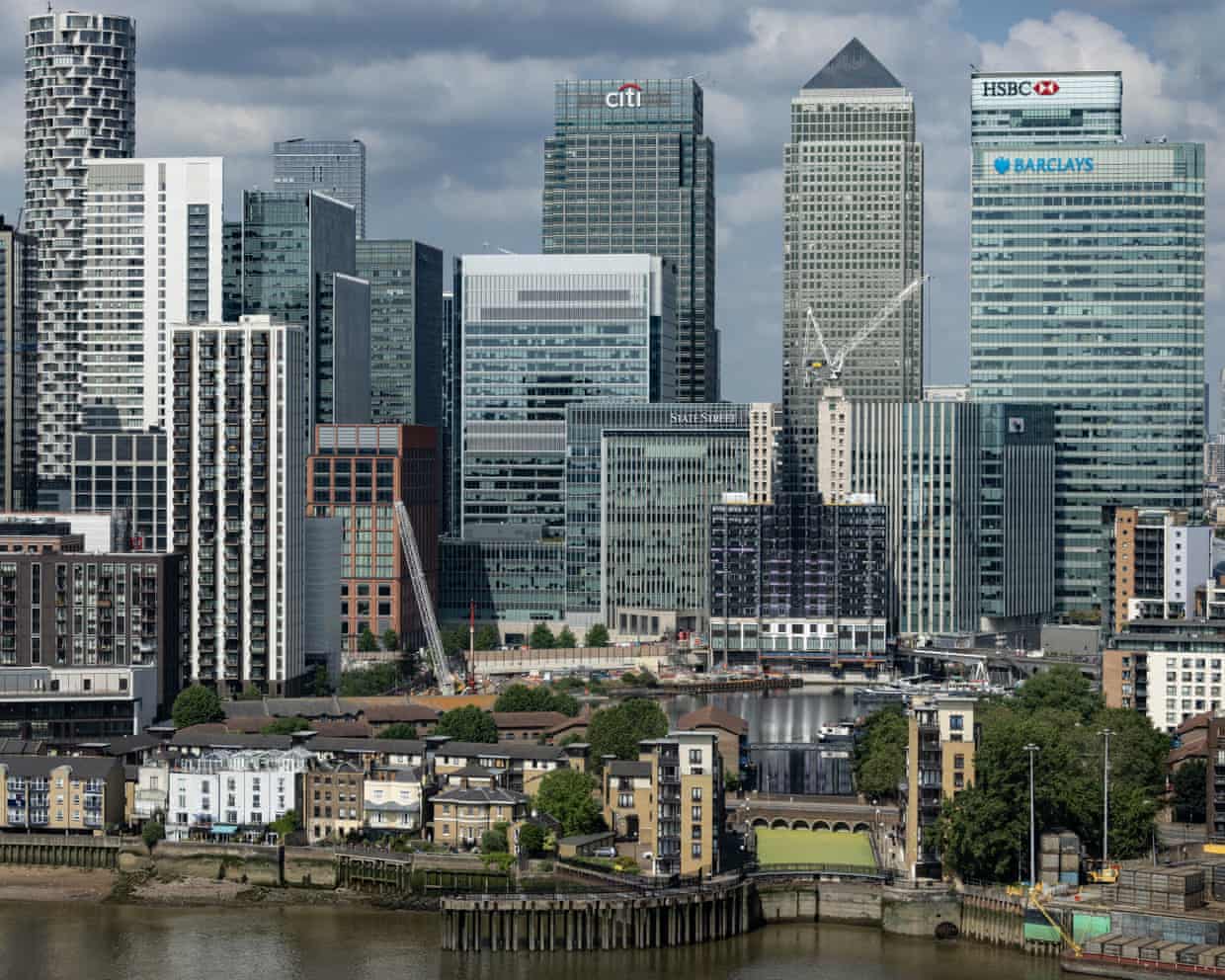
Britain’s financial services companies have reported a strong recovery in activity at the start of the year, in a surprise boost to the government after a gloomy end to 2025.Banks, insurers and investment managers said their businesses were growing, with a positive balance of nearly two-thirds noting an expansion, according to a long-running survey by the Confederation of British Industry (CBI), a lobby group. That contrasted with the negative balance of 38% in December, despite the start of the US-Israel war on Iran.It was the fastest turnaround in the sector’s fortunes in 30 years, since December 1996, the group said.Financial services companies such as banks, insurers and investors have been performing well in recent quarters

UK manufacturers ‘will pay £940m a year more in business rates due to Reeves changes’
British manufacturers have said they will have to pay an extra £940m a year in business rates because of changes by Rachel Reeves that come into effect this month.Manufacturers face a disproportionate business rates bill because they often have large factory floors, according to analysis by MakeUK, an industry lobby group. It said that factories accounted for a fifth of England and Wales’s property by rateable value, despite manufacturers only accounting for a 10th of economic output.The chancellor increased business rates at the budget in November. That included companies paying an additional surcharge on buildings of a rateable value of more than £500,000
UK’s leading AI research institute told to make ‘significant’ changes
The UK’s leading AI research institute has been told to make “significant” changes by its main source of taxpayer funding.The Guardian revealed last week that the board of the Alan Turing Institute was reminded of its legal duties by the charity watchdog after a whistleblower complaint.The UK Research and Innovation (UKRI) body, which awarded the ATI a five-year, £100m funding package in 2024 and is its largest single source of funds, said it had conducted a review of the institute and found it underperforming in terms of strategy and delivering value for money.“The review concluded that overall strategic alignment and value for money are not yet satisfactory,” the UKRI said.Last summer, the government made clear that it expected a strategic overhaul at the nominally independent organisation and indicated the need for management changes, adding that its funding could be reviewed
Google to tap into gas plant for AI datacenter in sharp turn from climate goals
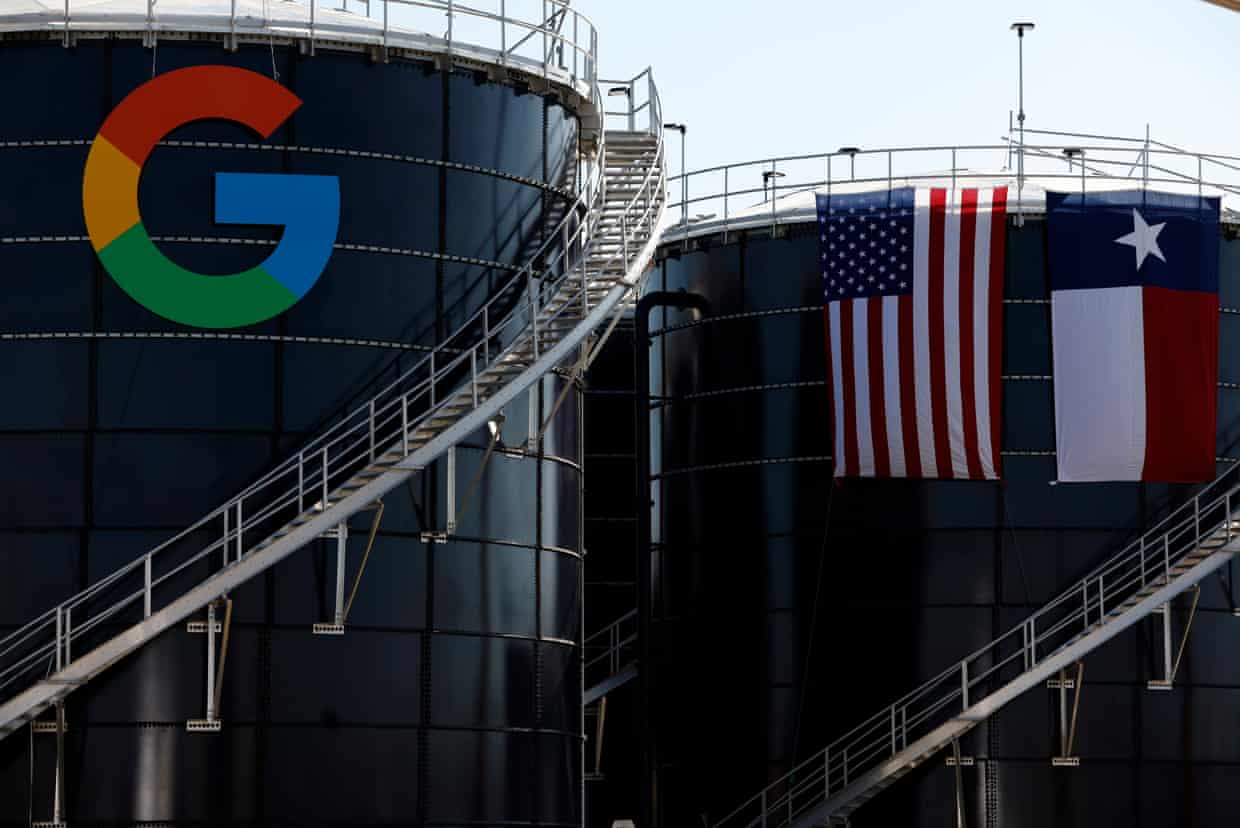
Google’s plan for a partnership with a natural gas power plant that could provide energy for one of its datacenters in Texas was unearthed by new research and confirmed by the company. The move is part of an ongoing about-face for the tech giant, which once pledged to be carbon neutral by 2030 and has long been seen as a pioneer in clean energy.The gas power plant is slated to be built in Armstrong county, a sparsely populated area in the Texas panhandle. According to a report by the research organization Cleanview, the project is being led by Crusoe Energy, which partnered with Google to develop the datacenter campus known as “Goodnight”, named after a nearby town.Crusoe filed for a permit in January to build the 933-megawatt power plant on the site of the Goodnight campus, which showed the facility would operate off the grid and provide energy to at least two buildings on the campus, according to Cleanview
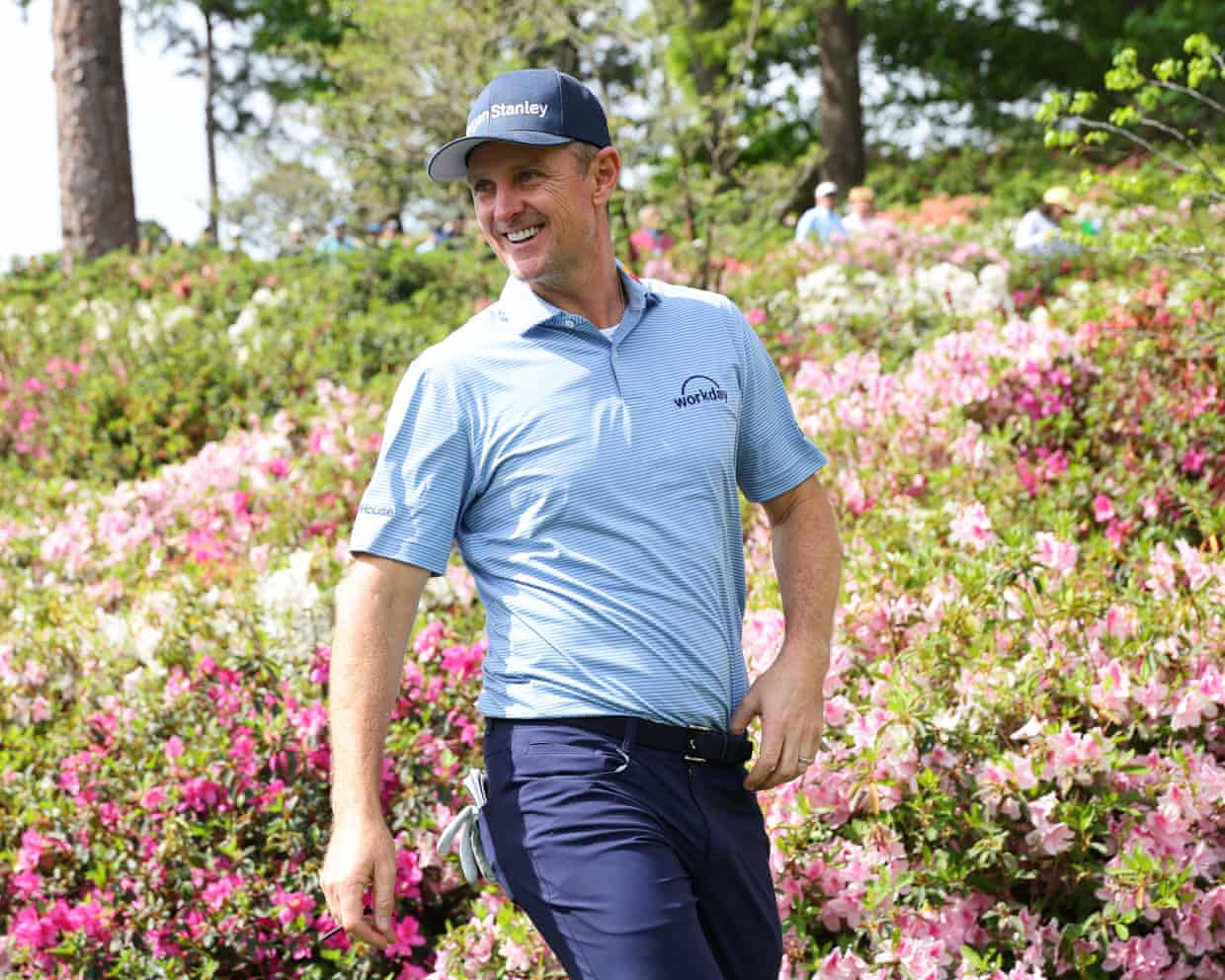
‘You have to have a bit of heartache’: Justin Rose on his bid to avoid being Masters nearly man
Squint and you will see Justin Rose’s name twice on the tournament record boards at Augusta National. It’s there on the big bronze winner’s list at the water fountain by the entrance, beneath the entries marking Sergio García’s victory in 2017 and Rory McIlroy’s eight years later, both, as it says in the small print underneath, won in a playoff that Rose lost. Only one other player in Masters history lost two playoffs, and that was Ben Hogan, who had the consolation of winning it twice outright, in 1951 and 1953, in between finishing second in 1942, 1946, 1954 and 1955.Throw in Rose’s second-place finish behind Jordan Spieth in 2015, when he finished four shots back, and he has come just about as close as any man can to the greatest prize in the game. The only player who finished second more often without actually winning the thing was Tom Weiskopf, who was runner-up four times in the space of seven years
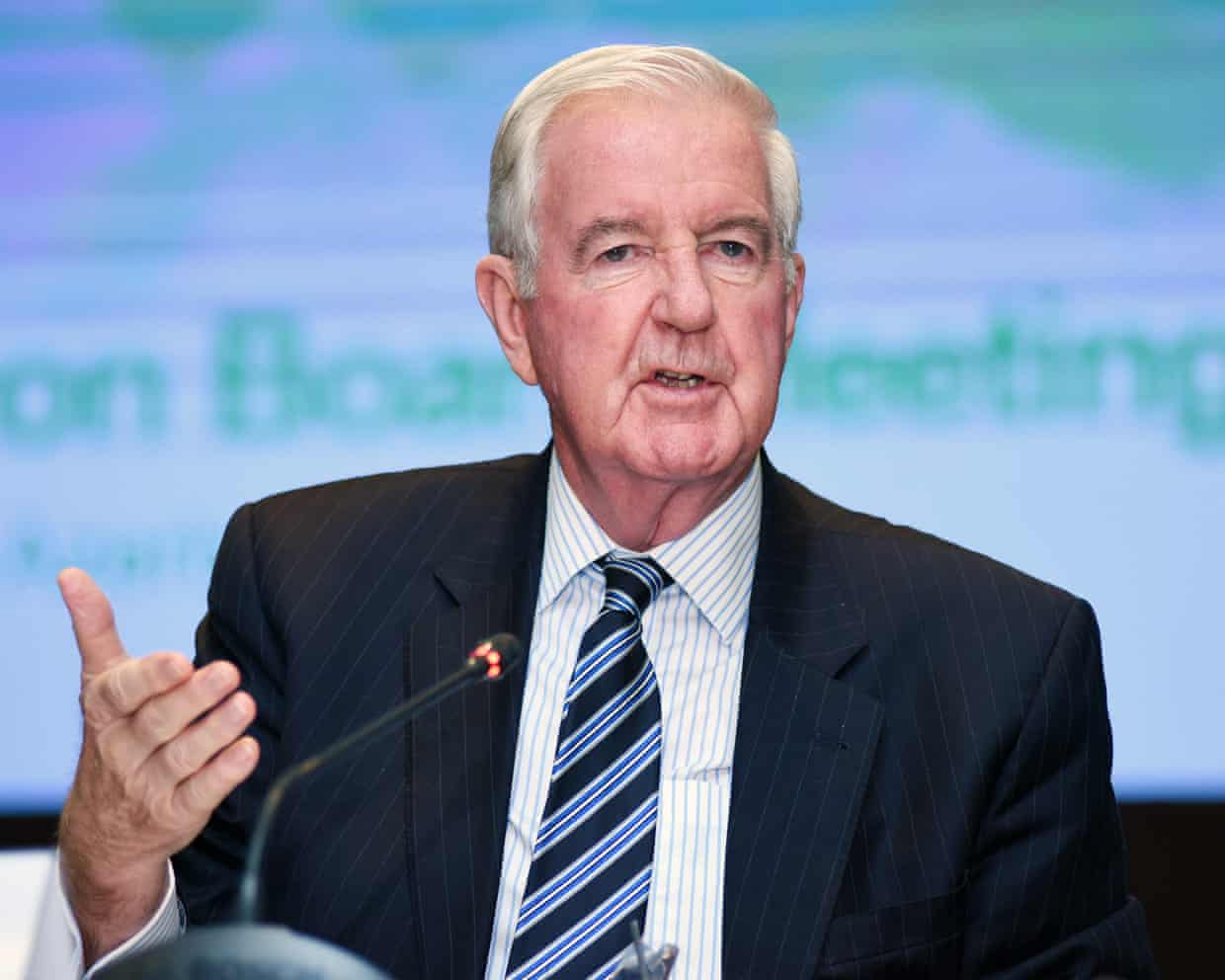
Sir Craig Reedie, key London 2012 Olympics figure and former BOA chair, dies aged 84
Sir Craig Reedie, a giant of the Olympic movement, who served as chair of the British Olympic Association for more than a decade and was instrumental in bringing the Games to London in 2012, has died at the age of 84.Tributes have poured in for the Scots-born Reedie, who was also president of the World Anti-Doping Agency (Wada) when Russia was found guilty of state-sponsored doping across “a vast majority” of winter and summer sports, including at the 2014 Sochi Olympics. During this tumultuous period, Reedie and Wada recommended that Russia be banned from the 2016 Rio Games – a call that was ultimately rejected by the International Olympic Committee.Reedie was vice-president of the IOC during part of his Wada tenure and a former badminton competitor who led the campaign for its Olympic inclusion starting at Barcelona ‘92.Sebastian Coe, the World Athletics president, who led the organising committee for the London Games on whose board Reedie sat, said: “I am devastated for his family
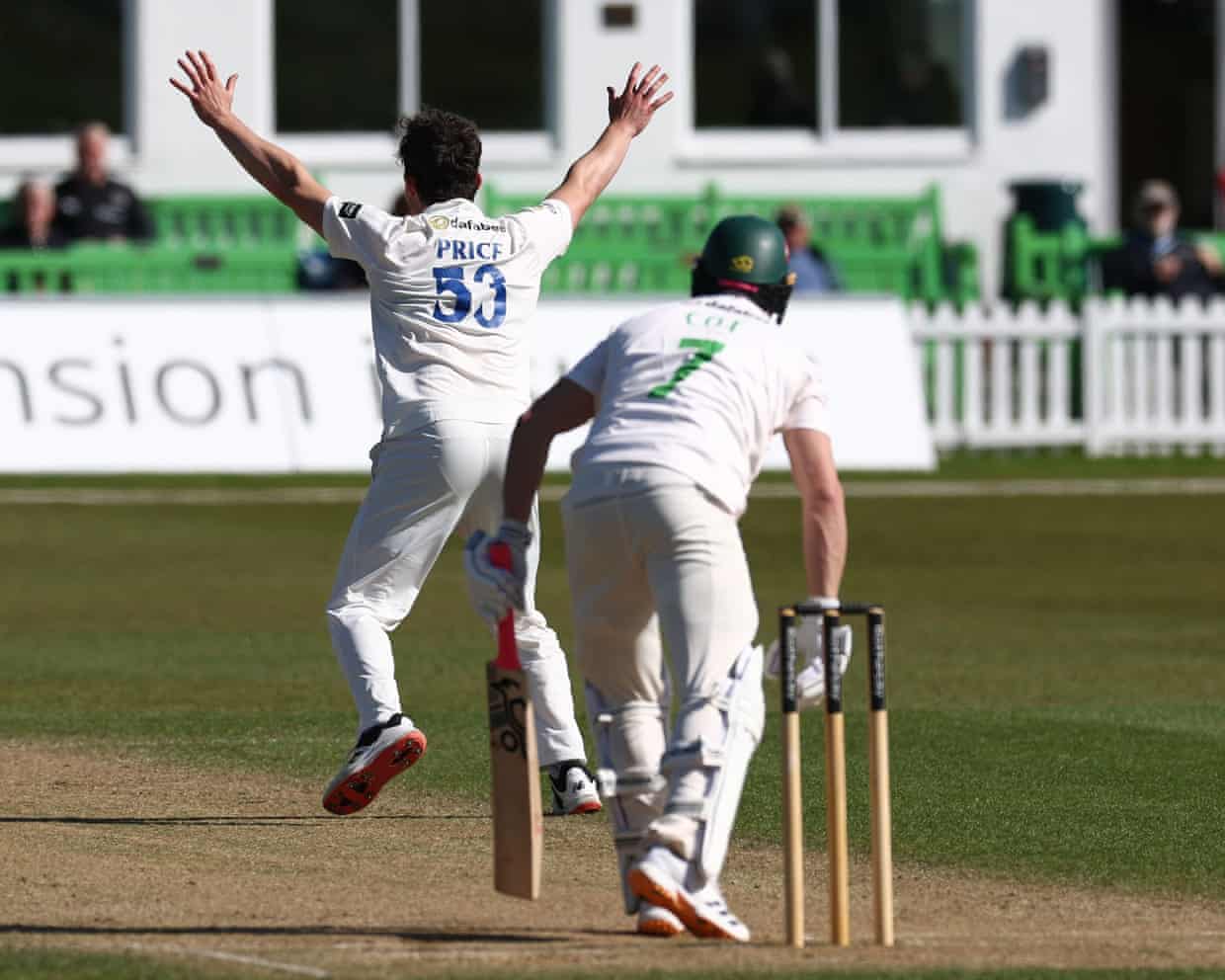
County cricket: Sussex beat Leicestershire, Yorkshire draw against Glamorgan – as it happened

Chicago Sky trade Angel Reese to Atlanta Dream in first major move of WNBA offseason
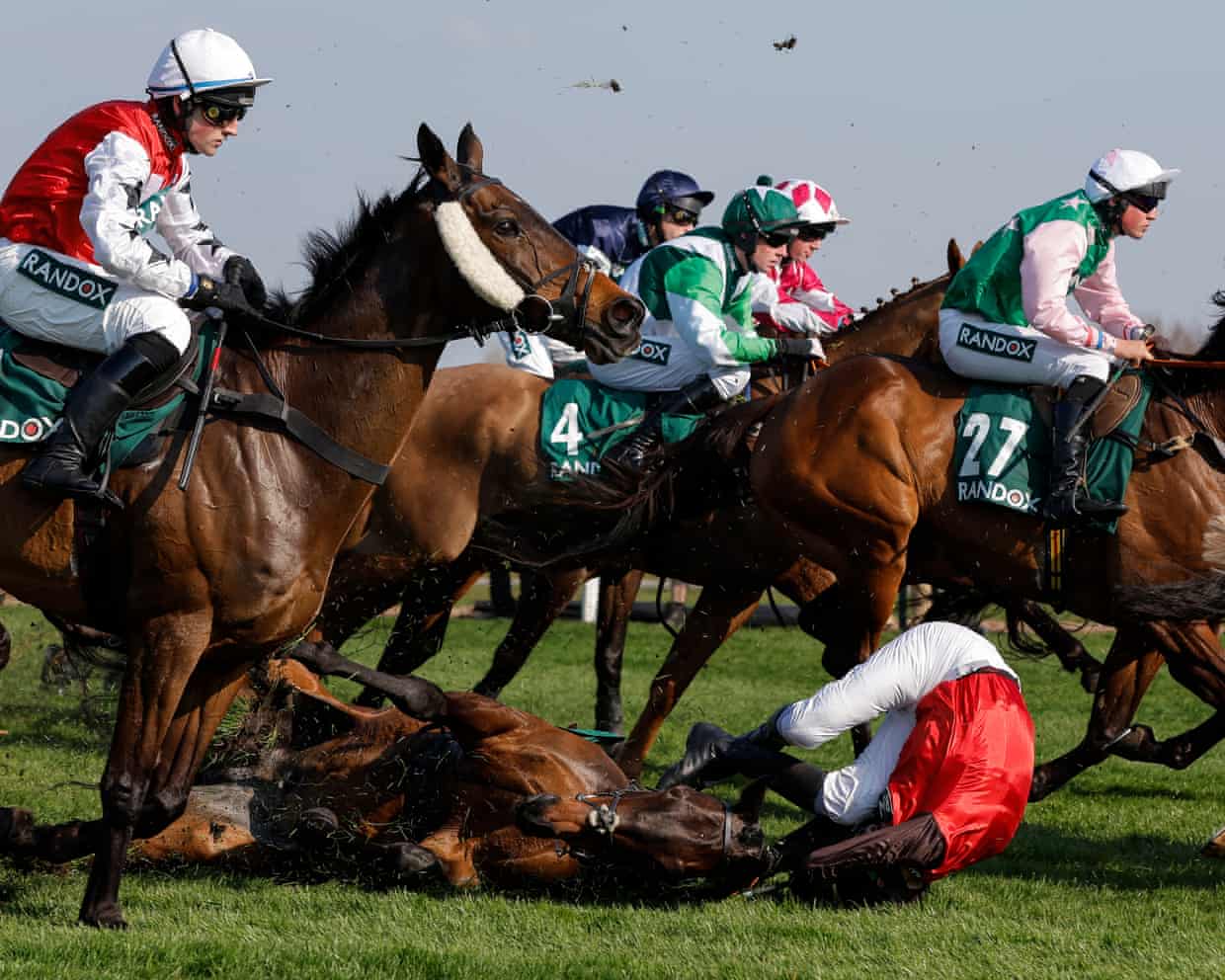
Horse welfare debate helps highlight Grand National’s unrivalled status

Sharper Hawks claim thriller over Cats with one mad minute of the utmost drama | Jonathan Horn

Courtney Lawes to return to Prem from Brive and would be again eligible for England
Retirement gnome? Masters miniatures rumoured to have short future at Augusta