Is gen Z’s love of fried chicken pushing Britain to ‘peak pizza’?
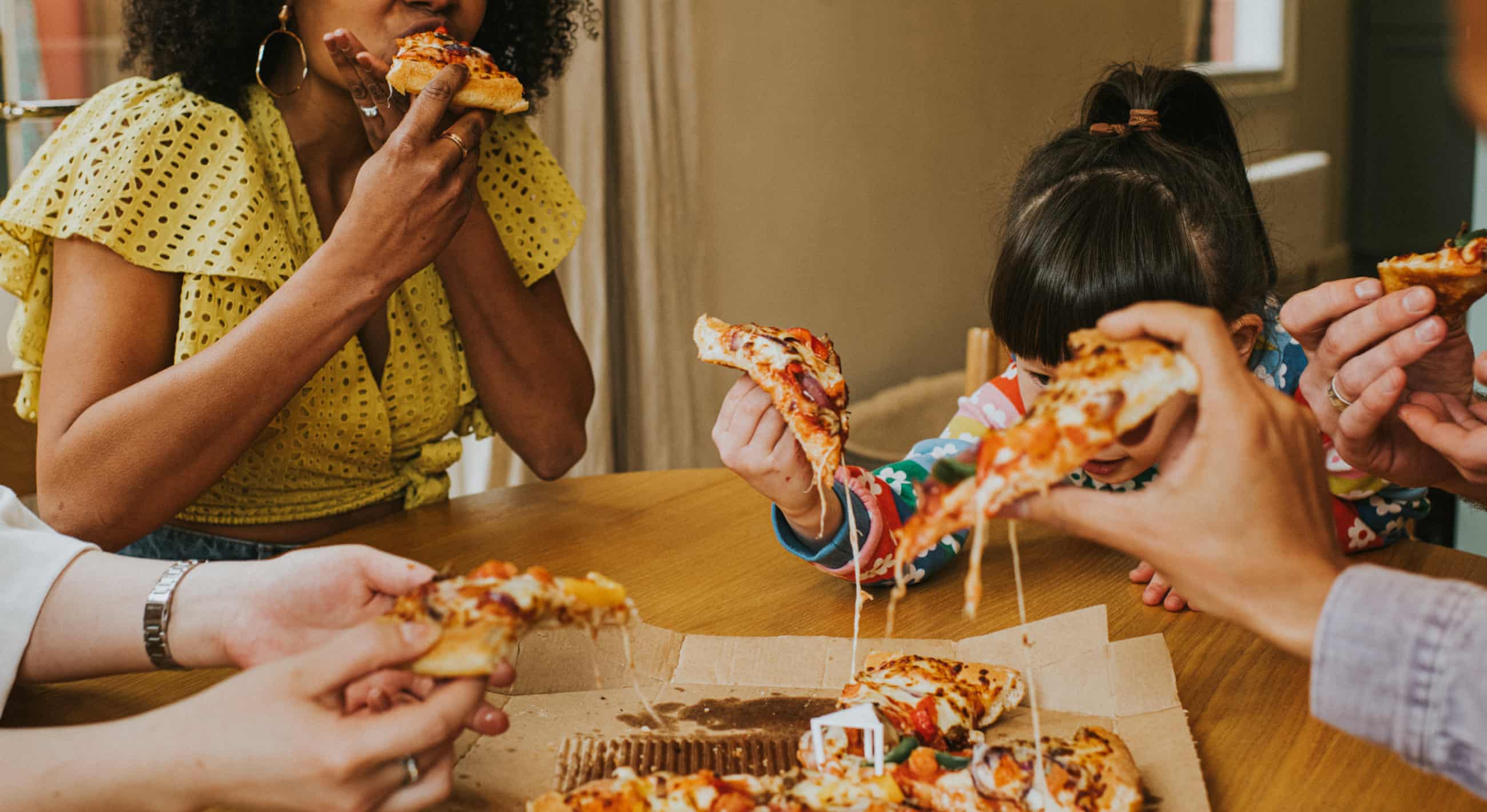
Competition intensifies as former chief of Domino’s says days of ‘massive growth’ are overPizza has become ubiquitous on British dinner plates, with chains such as Pizza Express, Franco Manca, Domino’s and Goodfella’s dominating the market – but is its popularity starting to cool?Domino’s Pizza Group announced this week that its chief executive of two years had stepped down with immediate effect, less than two weeks after he appeared to suggest the UK may be approaching “peak pizza”.Andrew Rennie – who worked for Domino’s for more than two decades and in the top job for just two – told the Financial Times this month there was not “massive growth” left in the UK’s pizza market.Given the fast-growing demand for fried chicken, he said it was “pretty obvious” the group should broaden its menu.Rennie’s calculations are borne out by the shrinking presence of pizza restaurants on UK high streets after a period of rapid expansion more than a decade ago.The number of chain pizza restaurants has fallen from 5,000 in 2015 to 3,750 today, according to the restaurant analysts CGA, with companies such as Pizza Express, Pizza Hut and Papa Johns closing outlets in recent years.
Pizza Hut announced the closure of 68 restaurants a month ago, after the company behind its UK venues fell into administration,Trish Caddy, the associate director of food service research at the market analysis company Mintel, says: “Pizza remains a cornerstone of UK fast food, with usage holding steady at around 45% of consumers from 2023 to 2025,”But she says this stability contrasts with chicken shops, which have edged up from 37% usage in 2023 to 39% in 2025,“On the surface, this two-point rise looks modest, but the underlying dynamics tell a bigger story: among gen Z, chicken shop usage hits 52%, almost matching pizza outlets at 56%,”She says the momentum behind chicken shops is being bolstered by aggressive expansion.
The US-founded Popeyes chain has grown from 32 UK sites in 2023 to more than 80 in 2025, while its long-established rival KFC is investing £1.5bn and adding more than 50 outlets this year.“These brands tap into trends for high-protein diets and bold, spicy flavours, offering globally inspired menus that resonate with younger consumers,” Caddy says.Reuben Pullan, an analyst at CGA, adds that there is “so much more consumer choice – and more brands competing for the same amount of money”, putting pizza restaurants under pressure.It’s not only chicken shops – the rise of Asian-inspired chains such as Dishoom, Sticks’n’Sushi, Giggling Squid and Pho have also eaten into pizza’s market share.
Caddy says pizza chains also face competition from supermarkets, which have upgraded their chilled and frozen ranges.Meanwhile, apps such as Deliveroo, Just Eat and Uber Eats have enabled many more restaurants to enter the home-delivery market.Total sales in the food and beverage hospitality industry are up 3% – just about keeping pace with inflation – but that includes a 1% rise for restaurants and a spectacular 18% rise for takeaway, according to CGA’s hospitality tracker of some of the UK’s top chains.Caddy says: “Delivery apps make restaurant pizza more accessible than ever, reducing effort for consumers who want convenience without cooking.For many households, fast food is a treat and a time-saver.
“Sometimes even heating a frozen pizza feels like effort compared to ordering in.This convenience factor keeps both pizza restaurants relevant, but it also means operators must fight for share in a crowded market.”However, Douglas Jack, a leisure industry analyst at Peel Hunt, says pizza is far from overdone.He says the market has continued to grow, led by takeaways and the rise of more upmarket operators on high streets such as Franco Manca, Pizza Pilgrims, Yard Sale Pizza and Rudy’s.Sales via pizza restaurants have risen from £1.
3bn in 2015 to about £2,3bn in 2024, growing every single year, even during the Covid pandemic, according to research from the industry consultant Peter Backman,He expects the market to keep expanding as pizza chains “embrace delivery in ways other sectors haven’t” and capitalise on comparatively low ingredient costs, which support healthy margins,“They offer good value and good fun,Pizza is so flexible you can stick a steak on top and still call it pizza,” Backman says.
While some households are swapping takeaways for supermarket pizza to save money, others are switching from restaurants to takeaways for the same reason.Domino’s has added nearly 500 outlets in the past decade, taking its total to about 1,400.Jack at Peel Hunt says tougher trading conditions, coupled with consumer demand for digital ordering and fast delivery, have bolstered large chains as smaller independents have struggled.He attributes the slower pace of growth for Domino’s and other delivery firms this year to a warm summer – when there is less appetite for ordering in – and the absence of a major men’s football tournament, typically a big driver of sofa dining.Franchisees have also been holding back on expansion, Jack says, as they battle higher costs from the government’s increase on employers’ national insurance.
He says these pressures have created a sharply split market, with larger, well-resourced players thriving while smaller operators struggle to keep up,“There is no evidence people are going to give up eating pizza,” Jack says,“There is polarisation, not the entire market going down,”
‘Premium but not ostentatious’: the best extra virgin olive oils to gift instead of wine
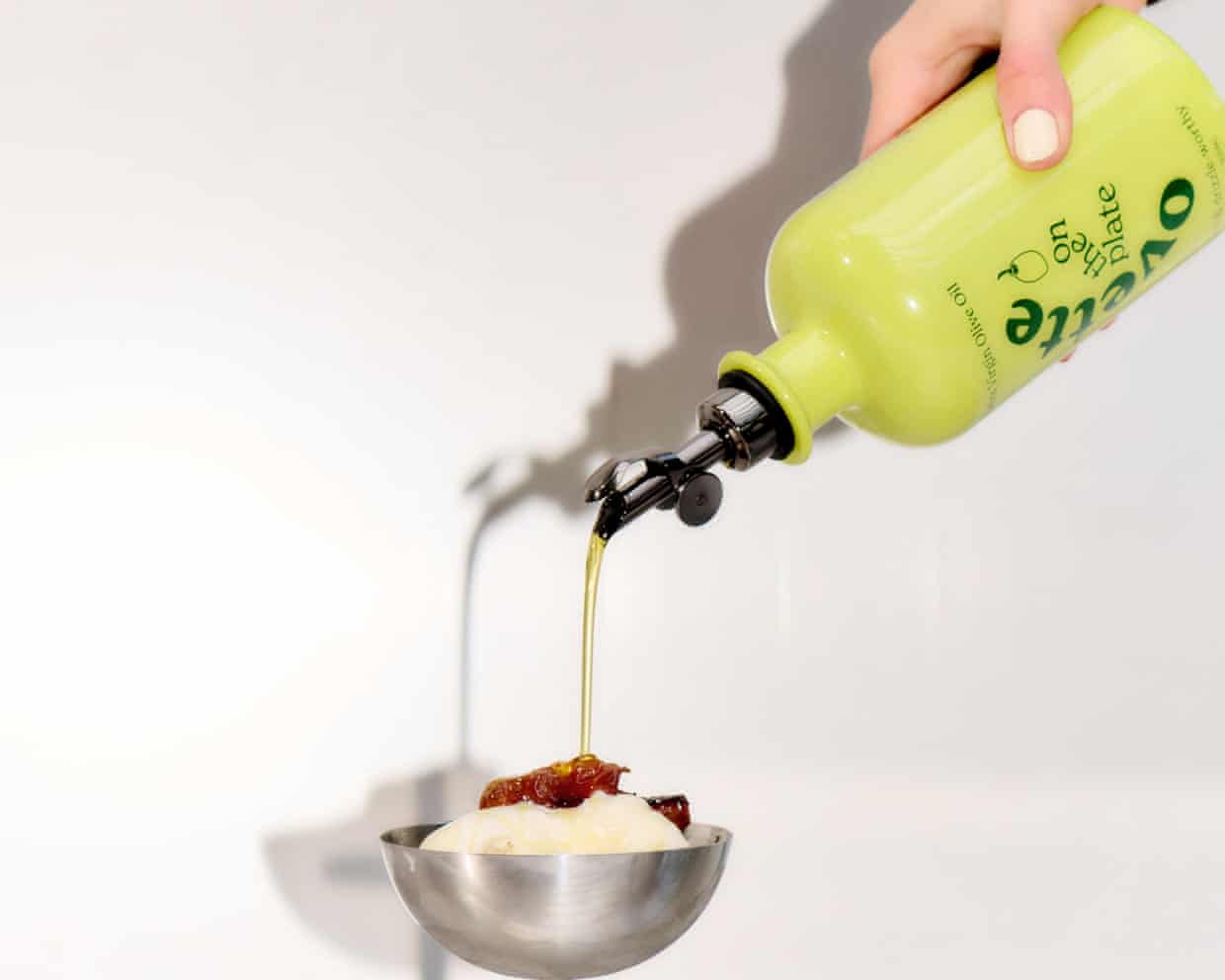
This festive season, olive oil is the new bottle of wine. If booze or a scented candle used to be a fail-safe gift option for a party, retailers and food experts are reporting a surge of interest in the kitchen cupboard staple.The Guardian’s journalism is independent. We will earn a commission if you buy something through an affiliate link. Learn more
Benjamina Ebuehi’s coffee caramel and rum choux tower Christmas showstopper – recipe
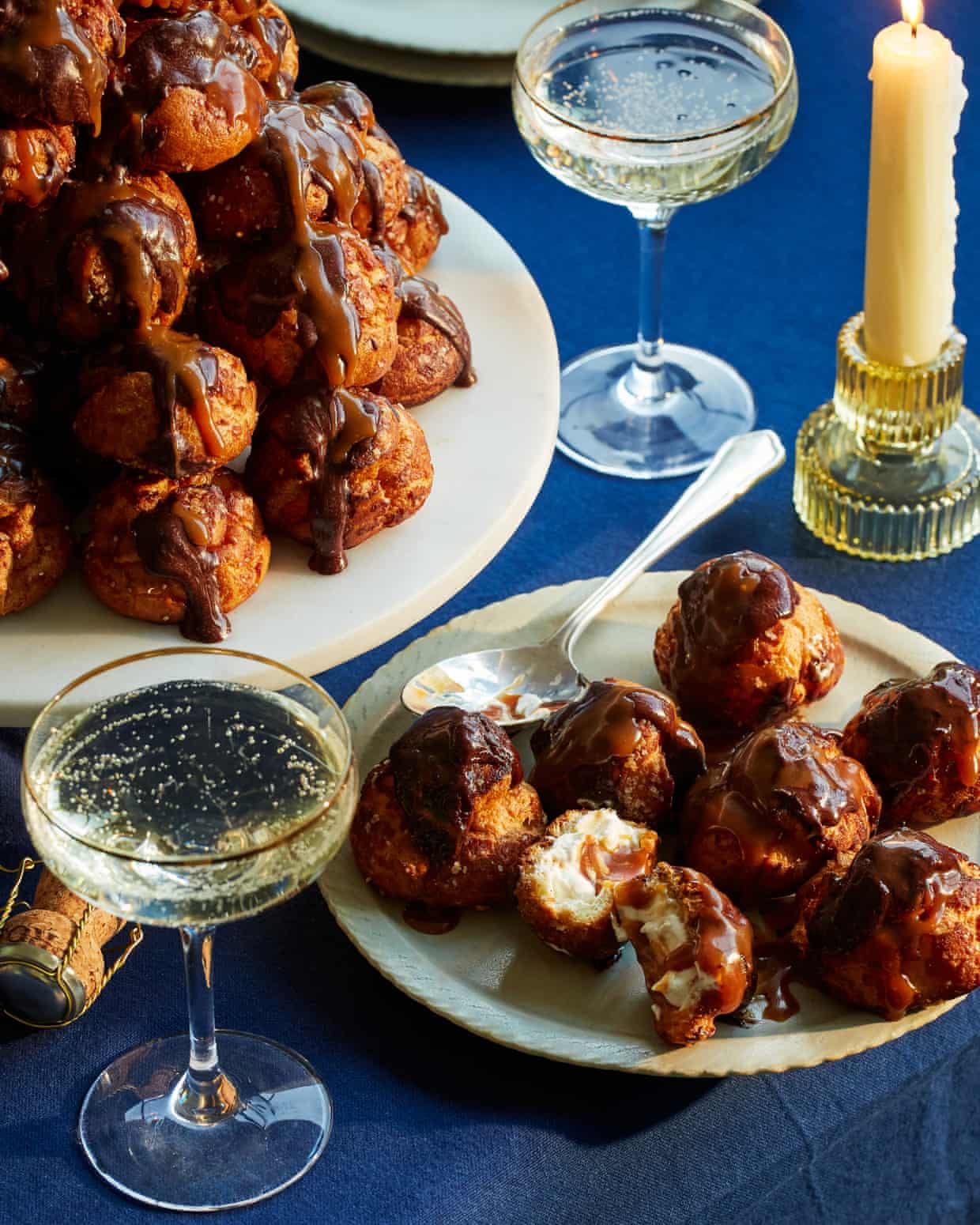
Christmas is the perfect time for something a bit more extravagant and theatrical. And a very good way to achieve this is to bring a tower of puffy choux buns to the table and pour over a jugful of boozy chocolate sauce and coffee caramel while everyone looks on in awe. To help avoid any stress on the day, most of the elements can be made ahead: the chocolate sauce and caramel can be gently reheated before pouring, while the choux shells can be baked the day before and crisped up in the oven for 10 minutes before filling.Prep 10 min Cook 1 hr 15 min Serves 10-12120ml milk 120g butter ½ tbsp sugar A pinch of salt 160g strong white flour 4-5 large eggs, beatenDemerara sugar, for sprinkling400ml double cream ½ tsp vanilla bean paste ½ tbsp icing sugarFor the coffee caramel140ml double cream 2 tsp instant coffee or espresso powder110g sugar 50g unsalted butter A big pinch of flaky sea saltFor the chocolate sauce 150g dark chocolate 1½ tbsp brown sugar 2-3 tbsp rum A pinch of saltHeat the oven to 210C (190C fan)/410F/gas 6½ and line two large baking trays with baking paper. To make the choux, put the milk, 120ml water, butter, sugar and salt in a saucepan and bring to a rolling boil

Facing burnout, she chased her dream of making pie - and built an empire: ‘Pie brings us together’
Thanksgiving may be a holiday steeped in myth and controversy – but there’s still something Americans largely agree on: there’s nothing wrong with the holiday’s traditional dessert. So says Beth Howard, expert pie maker, cookbook author, memoirist, and now documentary film-maker.The Guardian’s journalism is independent. We will earn a commission if you buy something through an affiliate link. Learn more
Yes, there are reasons to be cynical about Thanksgiving. But there’s also turkey …
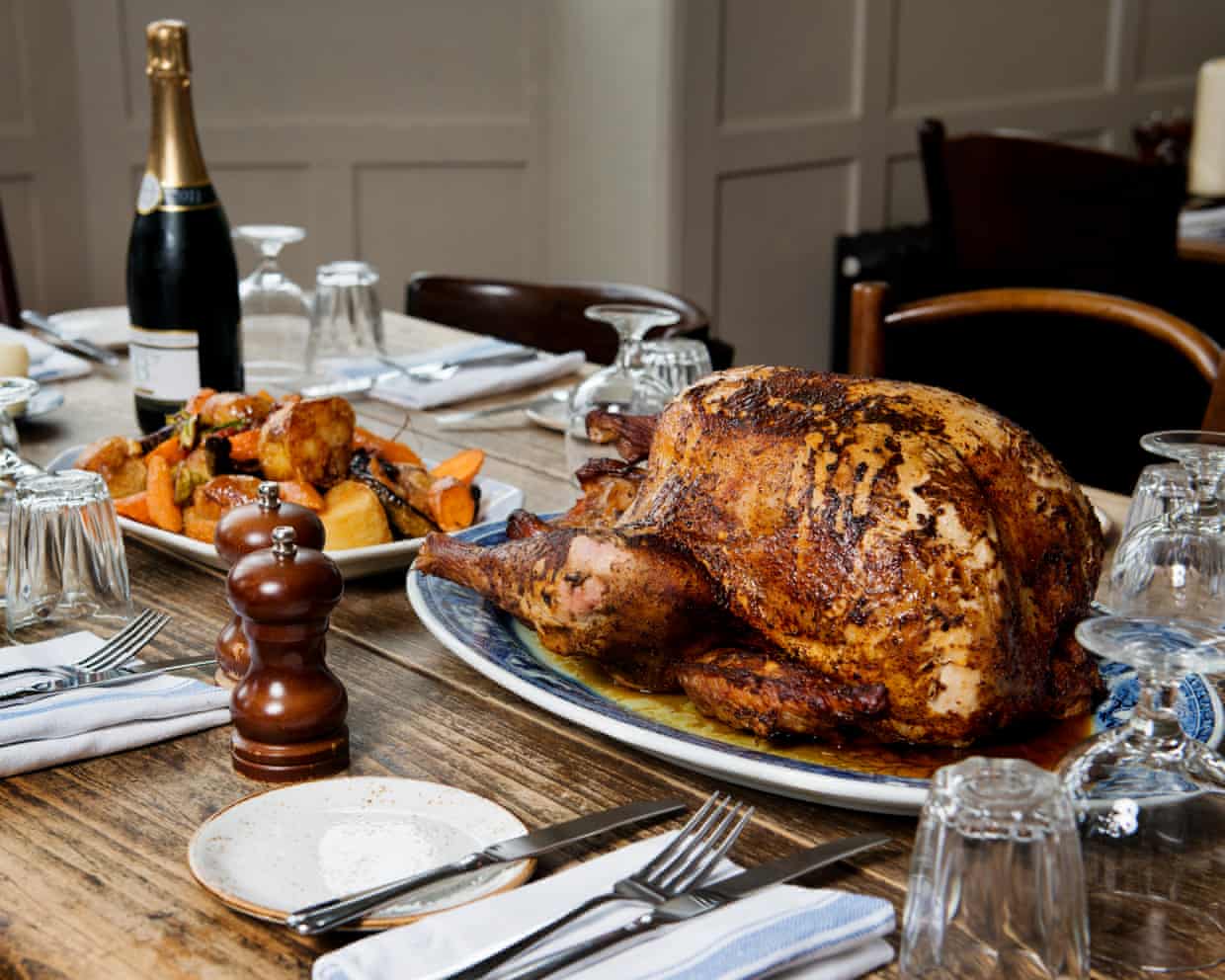
It’s easy to be cynical about Thanksgiving. The origin story that we’re all told – of a friendly exchange of food between the pilgrims and the Native Americans – is, at best, a whitewashed oversimplification. And then there’s Black Friday, an event that has hijacked one of our few non-commercialised holidays and used it as the impetus for a stressful, shameless, consumerist frenzy.The Guardian’s journalism is independent. We will earn a commission if you buy something through an affiliate link

Wine magnums aren’t just for Christmas – or even champagne
There are many reasons you may want to buy a magnum, and those reasons multiply and proliferate around this time of the year. Your usual night in with your partner becomes a party for six. Dinner with the family becomes an enormous pre-Christmas do, with thirsty adults and kids in the way everywhere. And watering the masses can get expensive, not to mention cumbersome.The Guardian’s journalism is independent
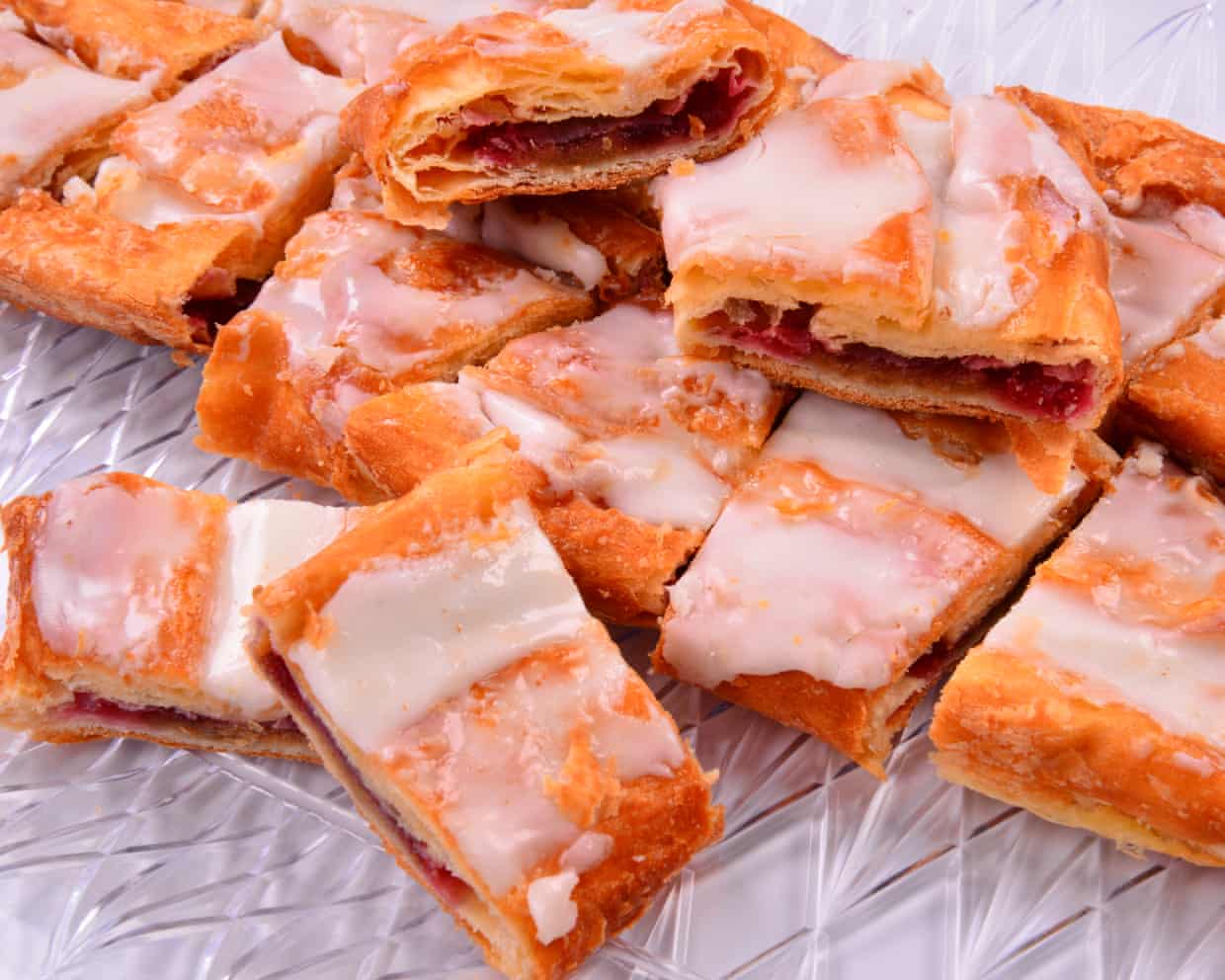
Danish delight: Tim Anderson’s cherry marzipan kringle recipe for Thanksgiving
Kringles are a kind of pastry that’s synonymous with my home town of Racine, Wisconsin. Originally introduced by Danish immigrants in the late 19th century, they’re essentially a big ring of flaky Viennese pastry filled with fruit or nuts, then iced and served in little slices. Even bad kringles are pretty delicious, and when out-of-towners try them for the first time, their reaction is usually: ”Where has this been all my life?”We eat kringles year-round, but I mainly associate them with fall, perhaps because of their common autumnal fillings such as apple or cranberry, or perhaps because of the sense of hygge they provide. I also associate kringles with Thanksgiving – and with uncles. And I don’t think it’s just me; Racine’s biggest kringle baker, O&H Danish Bakery, operates a cafe/shop called “Danish Uncle”

Duplantis wins top award and takes aim at Grand Slam Track’s exclusion of field events

Panthers shock Rams, Texans beat Colts and Bucs best Cardinals: NFL week 13 – as it happened

Norris and Piastri voice frustration at McLaren’s strategy as title race goes to finale

F1: Verstappen wins Qatar GP as three-way title race goes to Abu Dhabi finale – as it happened

Max Verstappen beats Piastri to take F1 title race to Abu Dhabi GP as Norris falters

Arundell crowns Bath comeback victory at Saracens to advance England claims