How many more times will the Bank of England rescue Rachel Reeves? | Richard Partington

In the economic gloom of Labour’s first year in power, Rachel Reeves has had a reliable shred of comfort to cling to: five times since the general election, the Bank of England has cut interest rates.This week, in all likelihood, the chancellor will get a sixth to shout about, as Threadneedle Street prepares to reduce borrowing costs in an early Christmas present that will be seized upon by the Treasury.The view in the City is that a festive cut on Thursday is odds-on.After last week’s disappointing October growth figures, the jobs market and consumer prices data due out on Tuesday and Wednesday – before the rates decision – are expected to confirm that inflationary pressures in the UK economy are fading.But while a cut will be good news for businesses, mortgage borrowers and the beleaguered occupants of Downing Street, attention will quickly shift to the prospects for 2026.
How many more times could the central bank come to the chancellor’s rescue? Here things are a bit more complicated.That Britain’s economy is in the doldrums should hardly come as a surprise.Continual tax speculation has sapped business confidence and household spending, while Reeves’s increase in employer national insurance contributions has played a part in UK unemployment hitting the highest levels since 2021, during the height of the Covid pandemic.Celebrating a rate cut, in this context, is akin to an arsonist cheering the arrival of the fire brigade.There are, though, factors beyond Reeves’s control.
Not least the dire state Britain’s economy was left in by the Conservative party, and Donald Trump’s damaging tariff war.The Bank has also played a role.Borrowers have been singed by three years of punitively high interest rates set in deeply restrictive territory.The policy is the central banker’s main tool for combating inflation as it chokes off demand by incentivising saving and discouraging spending.After the inflation shock triggered by Russia’s invasion of Ukraine, Threadneedle Street argues it had little choice but to act.
But the growth trade-off is clear,Even after successive rate cuts, the Bank’s own analysis shows the base rate continues to subtract about 2% from the level of GDP,Anyone who has remortgaged their home since 2022 knows this first-hand,And despite progress since the Liz Truss debacle, millions of borrowers still face substantially higher loan repayments – and will continue to do so for years to come,That is hardly going to light a match under the UK’s consumption-driven economy.
This week the Bank’s policymakers are expected to be split on the appropriate way forward,Some on the nine-strong monetary policy committee (MPC) recognise the damage rates are doing at a time when inflation is cooling,Others think a tough approach is warranted to snuff out price rises,Andrew Bailey is expected to hold the casting vote,The Bank’s governor has suggested he thinks inflation is more likely to fall back than stick at stubbornly high levels – paving the way for a quarter-point cut on Thursday.
Next year, however, it is tougher to anticipate how the MPC will respond.Policymakers are likely to remain divided on the inflation outlook and the “neutral” position for rates – the point at which they are neither stoking nor hosing down economic activity.Reeves’s budget measures – including relief on energy bills, fuel duty, rail fares and prescription charges – could support the case for deeper cuts.The Bank predicts the policies could slash headline inflation by up to 0.5 percentage points by the middle of 2026.
All of this was part of a deliberate strategy inside the Treasury in the hope voters give credit to Labour for lower mortgage costs.Government borrowing costs could also fall back, unpicking some of the factors behind the recent years of fiscal drama in Westminster.However, many economists warn the reprieve could be temporary.Much of the disinflationary impulse will be in energy prices, and do little to help Britain’s issues with sticky service sector inflation.Other areas of government policy could also push in the wrong direction.
Business leaders warn a higher minimum wage, business rates, and other tax increases will drive up their costs – resulting in companies putting up prices for their customers, in turn stoking inflation.That said, some of the factors the hawks are betting on look shaky.Business costs are rising but hardly at breakneck speed.At 4.1%, the rise in the minimum wage from April is significantly below that in previous years – particularly when set against the context of 2022, when Jeremy Hunt ignored misplaced warnings about a wage-price spiral and increased the legal pay floor by 9.
7% from April 2023.By the time we get to spring, there should be signs that inflation is undershooting, and wage growth is slowing.The economy will probably still be lacking momentum.Household confidence may be picking up, and companies will probably lack the pricing power to push through yet more increases.All of this means Reeves could see more rate cuts from the Bank.

People pulling own teeth due to lack of urgent NHS dental care in England, watchdog finds
People needing emergency dental care in England are being denied help from the NHS despite guidance saying that it should be available, in some cases resorting to risky self-treatment such as pulling out their own teeth, the patient watchdog has found.Patients who experience a sudden dental crisis such as a broken tooth, abscess or severe tooth pain are meant to be able to get help from their dentist or by calling NHS 111.But research by Healthwatch England shows that people in pain are unable to get an appointment and in some cases are being forced to travel more than 100 miles, spend hundreds of pounds going private or even travel abroad to get care.In some cases people are turning to self-treatment including pulling out teeth or taking unprescribed antibiotics.The Department of Health and Social Care has been contacted for comment
Hospitals in England ‘face dangerous winter overcrowding due to discharge delays’
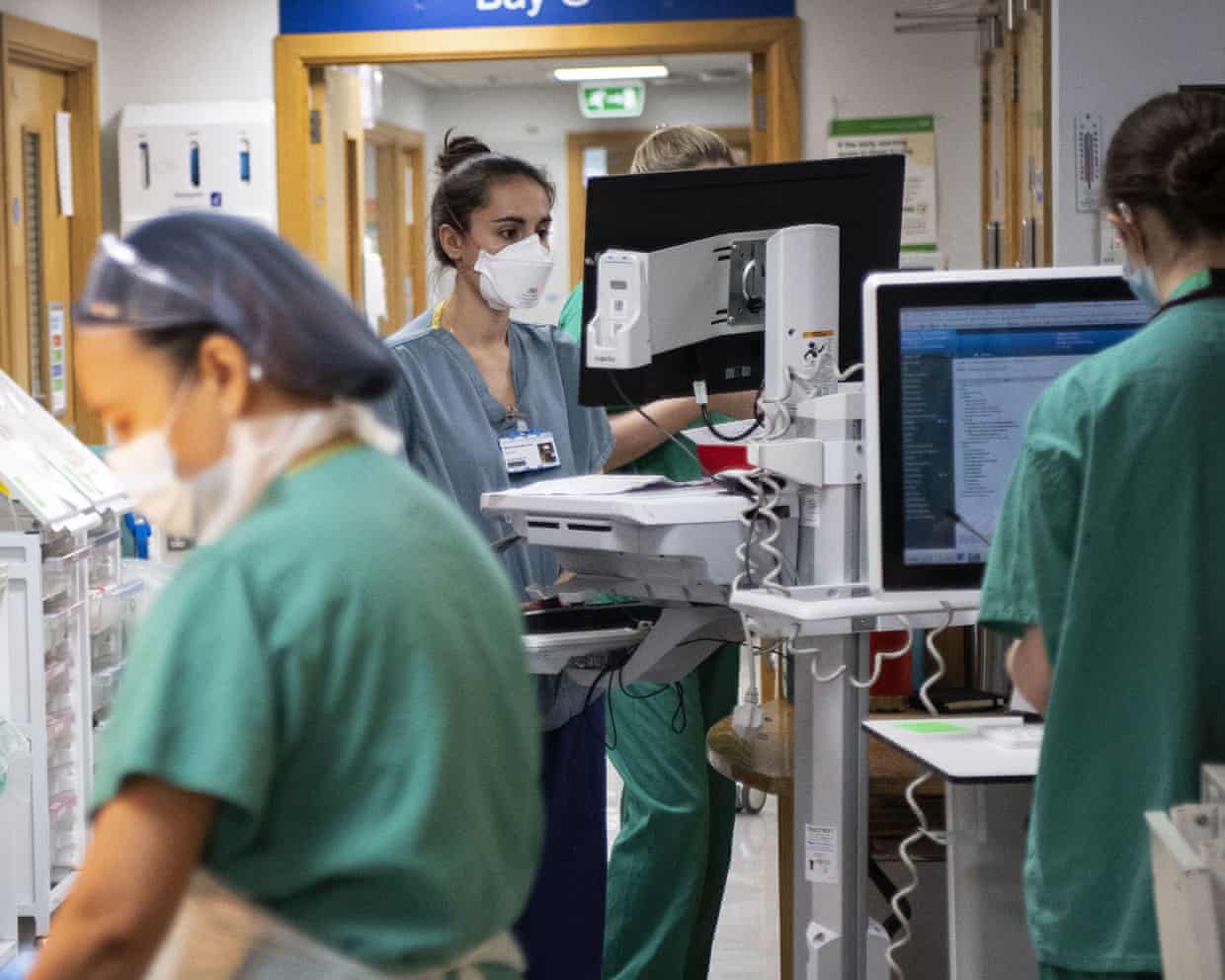
Hospitals in England face dangerous overcrowding this winter because even more patients than last year are “stranded” in a bed, according to an analysis of NHS figures.The health service is struggling to cope with the early onset of its usual winter crisis driven by a crippling “flu-nami”, while the NHS in England is bracing itself for a five-day strike by resident doctors starting on Wednesday.Hospitals will have fewer beds available this winter than usual because “delayed discharges” – beds occupied by people who are medically fit to leave but have nowhere to go – have been even worse in the run-up to the cold season than they were last year, research by the Health Foundation has found.Senior doctors and NHS leaders said the lack of beds identified by the thinktank would make an already “truly shocking” situation this winter harder still for hospitals. They said it would lead to ambulance queues building up outside A&E departments, patients facing long waits to be seen, widespread “corridor care”, an increased spread of the flu virus – and even greater risk that seriously ill patients would die because of delays in finding them a bed
Wes Streeting is right to examine questions of overdiagnosis | Letters
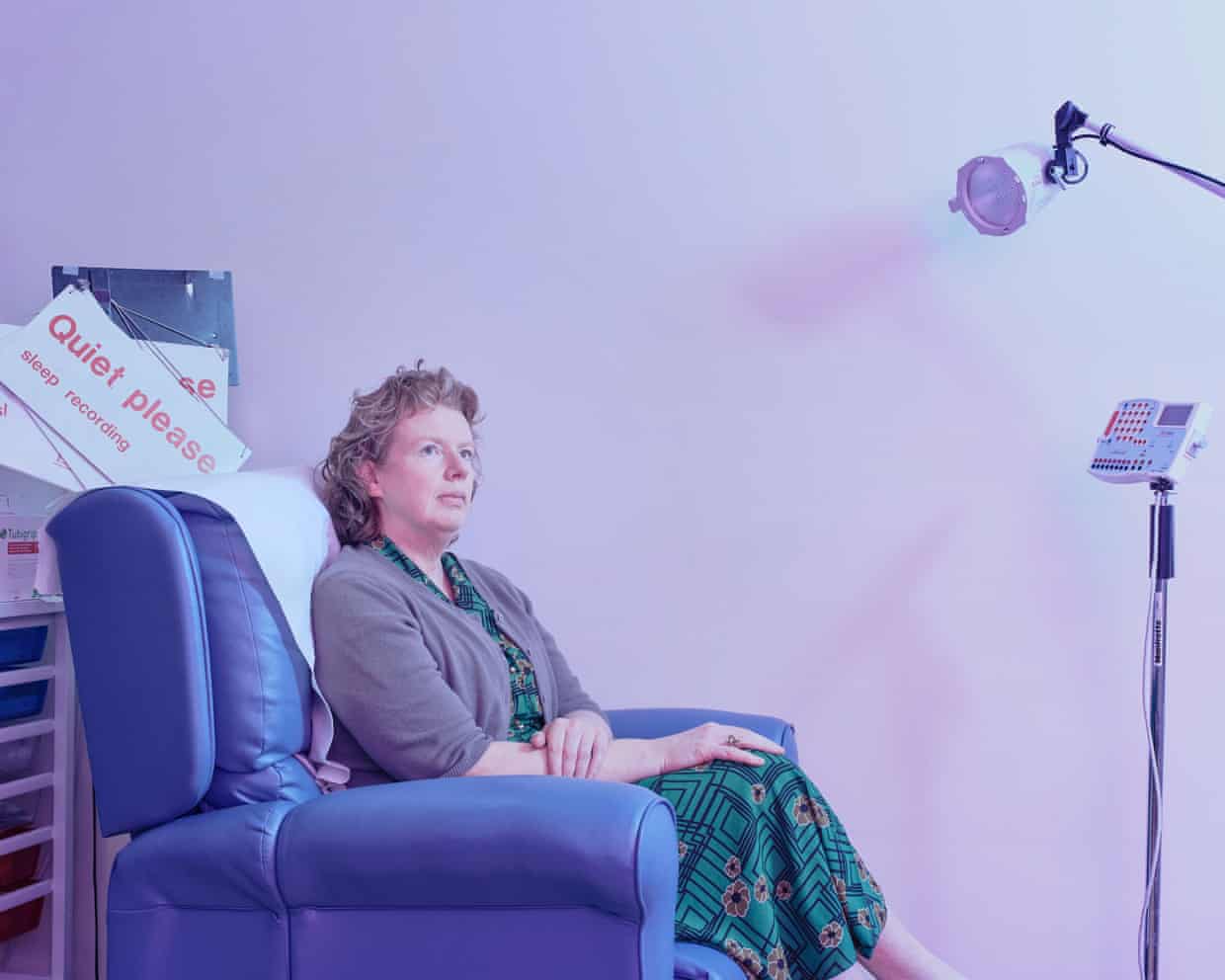
John Harris is misguided in his criticism of Wes Streeting’s review of UK mental health services (The right’s callous overdiagnosis bandwagon is rolling. Wes Streeting should not be on it, 7 December). While this review will inevitably examine questions of overdiagnosis, Harris is wrong to imply that Streeting’s main motivation is political. There is nothing unusual, of course, about ministers making decisions based on political considerations, but there is rather more to the review than Harris indicates.It hardly needs restating that mental health services are grossly overstretched and underresourced, and an inquiry is necessary
NHS administrators are vital to patients | Letters
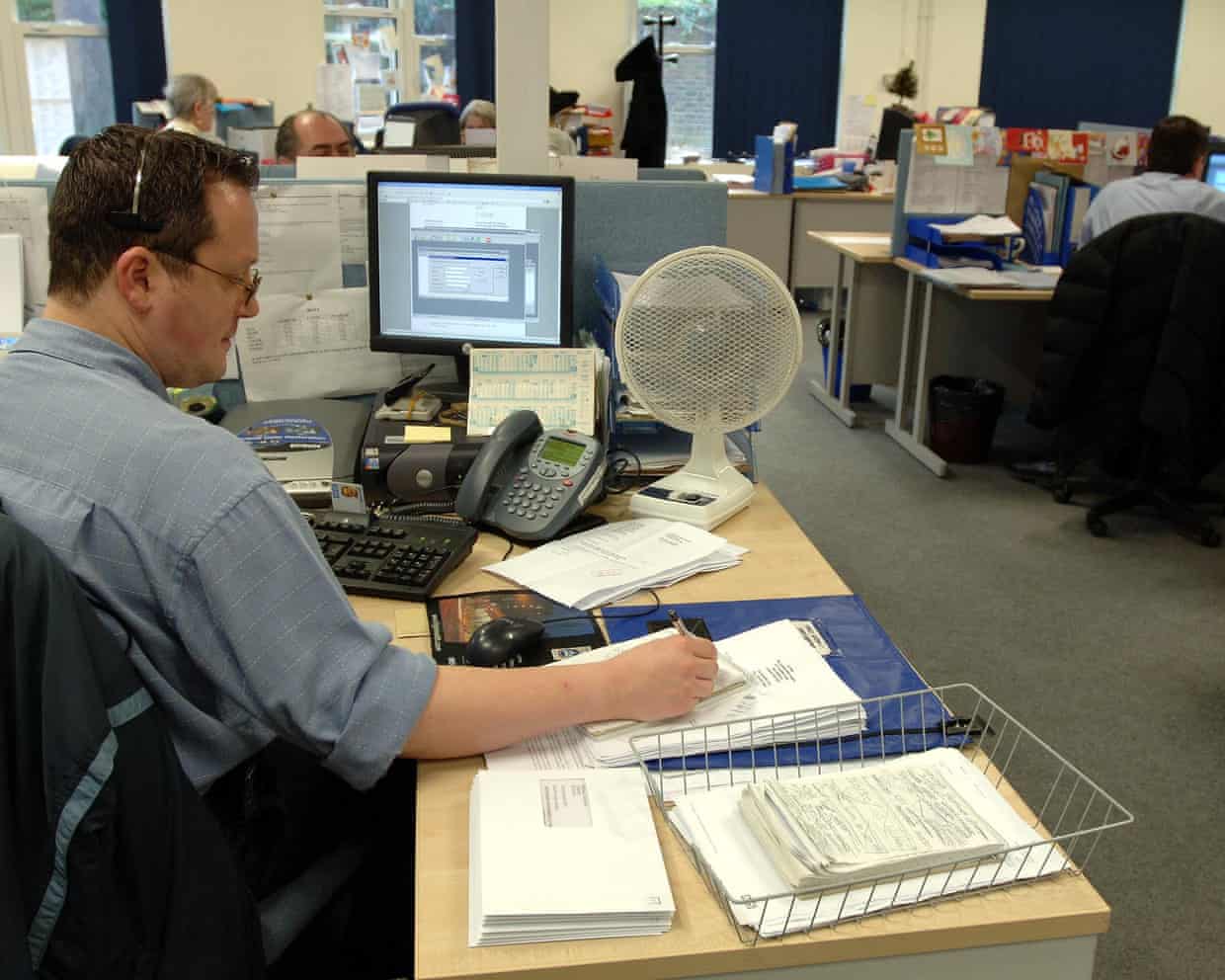
The finding that one in seven GP referrals are getting lost, with harm to most of the patients involved (Thousands of patients in England at risk as GP referrals vanish into NHS ‘black hole’, 7 December), is no surprise to me. But it is not confined to GP referrals. Hospital patients are constantly in a similar position. I have experienced this myself many times, with investigations and/or outpatient appointments promised but never happening. Sometimes this follows an appointment being cancelled, with a “we will be in contact soon” message that turns out not to be true

Public should heed new rules on single-sex spaces, says Britain’s equalities chief
“Nobody is expecting a toilet police” but people should follow the rules when guidance is finally issued on single-sex spaces, the chair of the equalities watchdog has said.Mary-Ann Stephenson said that “generally speaking, we expect people to follow the rules and make sure that there is adequate provision”.The Equality and Human Rights Commission is waiting for ministers to approve its official guidance on how business and public bodies should respond to a supreme court ruling in April that the legal definition of a woman is based on biological sex.The EHRC’s guidance was passed to the government three months ago but it has not been published. According to a report in the Times, which received a leaked copy of the full guidance, it states that single-sex spaces should be open only to people of the same biological sex

DWP needs overhaul to restore trust after carer’s allowance scandal, adviser says
The Department of Work and Pensions needs a management and cultural overhaul if it is to restore public trust after the benefits scandal which left hundreds of thousands of unpaid carers in debt, a key government adviser has warned.Prof Liz Sayce led a scathing review of the carer’s allowance scandal, which found the DWP system and leadership failures were responsible for carers unknowingly running up huge debts, some of which resulted in serious mental illness and, possibly, criminal convictions for fraud.Sayce told the Guardian she had been surprised by the DWP’s “lack of organisational curiosity” about the impact of the problems with carer’s allowance, as well as its reluctance to tackle the issue strategically, despite being aware of the issues for years.Her comments came days after the Guardian revealed a top DWP civil servant, Neil Couling, had insisted carers were to blame for the department’s failures in an internal message to staff, issued a few days after Sayce’s report was published.Sayce said it had been “distressing” to read Couling’s comments which she said were “clearly not right”

Elon Musk teams with El Salvador to bring Grok chatbot to public schools

Disney wants you to AI-generate yourself into your favorite Marvel movie

Musk calls Doge only ‘somewhat successful’ and says he would not do it again

ICE is using smartwatches to track pregnant women, even during labor: ‘She was so afraid they would take her baby’

From ‘glacier aesthetic’ to ‘poetcore’: Pinterest predicts the visual trends of 2026 based on its search data
UK police forces lobbied to use biased facial recognition technology