UK economy shrank unexpectedly before budget, data shows
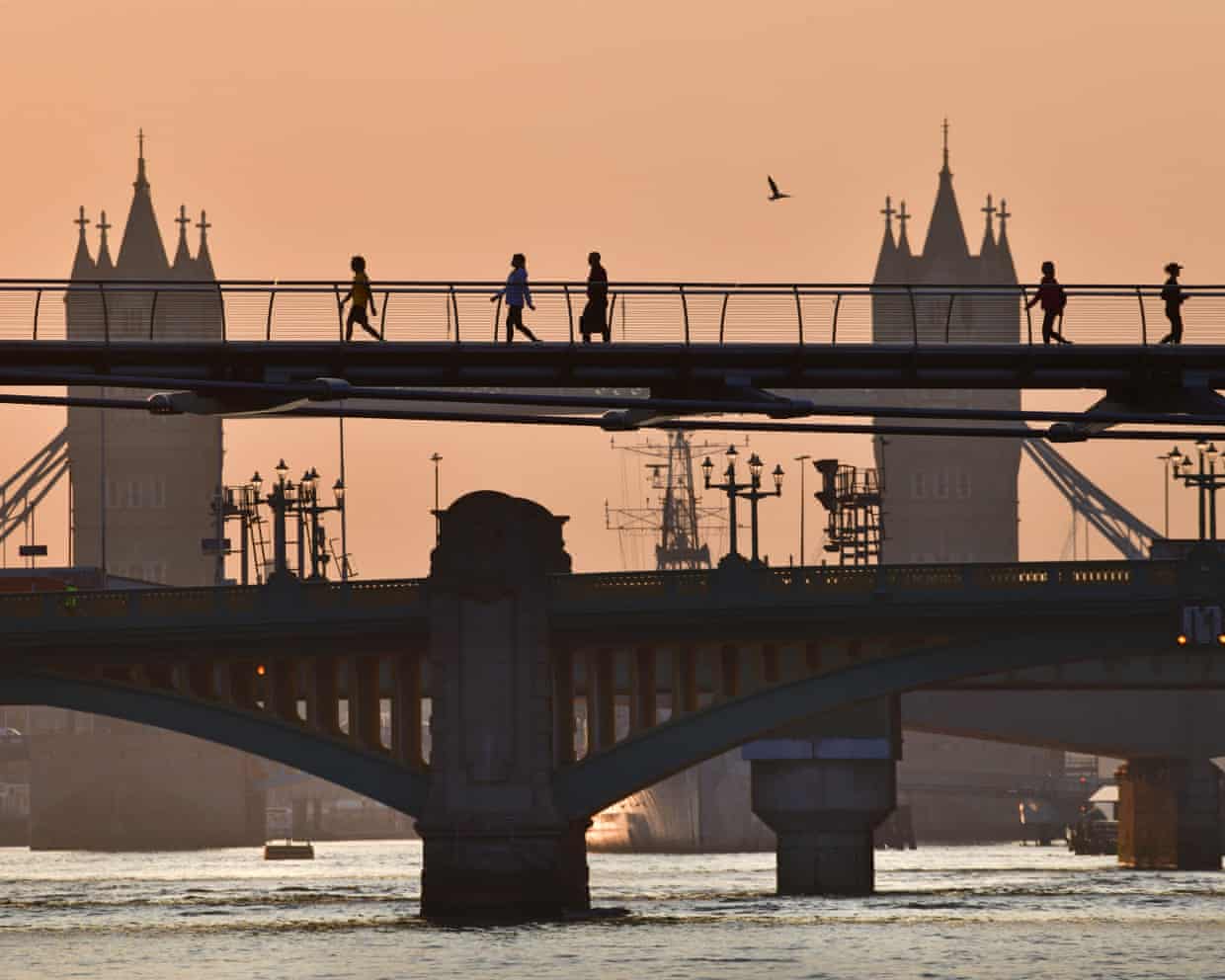
Britain’s economy shrank unexpectedly in October as consumers held back on spending before Rachel Reeves’s budget, and car manufacturing struggled to recover from the cyber-attack on Jaguar Land Rover.Figures from the Office for National Statistics (ONS) showed gross domestic product fell by 0.1%, after a 0.1% drop in output in September.City economists had predicted a 0.
1% rise in October.After a fourth consecutive month without growth, economists said the latest snapshot would probably cement a Bank of England interest rate cut next week amid fading inflationary pressures, fears over the sluggish outlook, and rising unemployment.The Bank is widely expected to cut rates by a quarter of a percentage point to 3.75% when it announces its latest decision on 18 December.“The UK economy has faltered more dramatically than we expected,” said Andrew Wishart, a senior UK economist at Berenberg.
“This loss of momentum will bring inflation down more swiftly than we previously anticipated, allowing the BoE to act.”Highlighting caution among businesses and households in the run-up to the chancellor’s tax-raising budget, the ONS said a sharp 0.3% decline in output in Britain’s dominant service sector contributed most to the fall.Much of the decline was driven by a weakness in car sales and broader retail spending, alongside a slump in computer programming and consultancy activities.Construction output fell by 0.
6%, while the production sector – which includes manufacturing – rose by 1.1% amid a recovery from the JLR attack that was weaker than hoped for.The ONS said businesses across all three main sectors of the economy – services, production and construction – reported that they, or their customers, were “waiting for the outcomes of the budget”.The biggest impact was felt by manufacturers, construction companies, wholesalers, computer programmers, real estate firms and employment agencies.Scott Gardner, an investment strategist at JP Morgan Personal Investing, said the chancellor’s budget had a “numbing effect” on the economy.
He said: “Budget speculation and uncertainty around potential tax changes dampened the mood among businesses and consumers, leading some to delay key decisions until the budget had been delivered.“With growth now firmly in the slow lane, there is a clear feeling that the economy this year has taken two steps forward and one step back.”Financial markets widely expect the Bank to cut interest rates for a sixth time since last summer at its next policy meeting on Thursday.Threadneedle Street has said Reeves’s policies – including relief on energy bills, prescription charges and fuel duty – could cut headline inflation by as much as half a percentage point next year.Mel Stride, the shadow chancellor, said the government’s “economic mismanagement” had directly contributed to the weakness in economic growth.
A Treasury spokesperson said: “We are determined to defy the forecasts on growth and create good jobs, so everyone is better off, while also helping us invest in better public services,”Over the three months to the end of October, GDP also fell by 0,1%, below City estimates for zero growth over the period,Economic output fell in September after hackers breaching JLR’s systems resulted in the country’s second-largest carmaker halting its UK production lines for several weeks,In an incident estimated to have cost the economy at large up to £1.
9bn, the halt crippled hundreds of smaller companies in the manufacturer’s supply chain, causing monthly output in the car industry to collapse by a third,However, the ONS warned there had only been a “small recovery” in output in October as activity rebounded by 9,5%, leaving the industry still 21,8% below the levels seen in August,Overall manufacturing output rose by 0.
5%, falling short of City estimates for a 1% recovery from the JLR attack.Sanjay Raja, the chief UK economist at Deutsche Bank, said the latest monthly fall in overall GDP increased the chances of a drop in fourth-quarter output.“The road to the new year will be bumpy,” he said.“Budget uncertainty combined with weak hiring and rising unemployment fear will likely see spending and investment more subdued to end the year.”
Tory transport culture wars risked making roads less safe, says minister
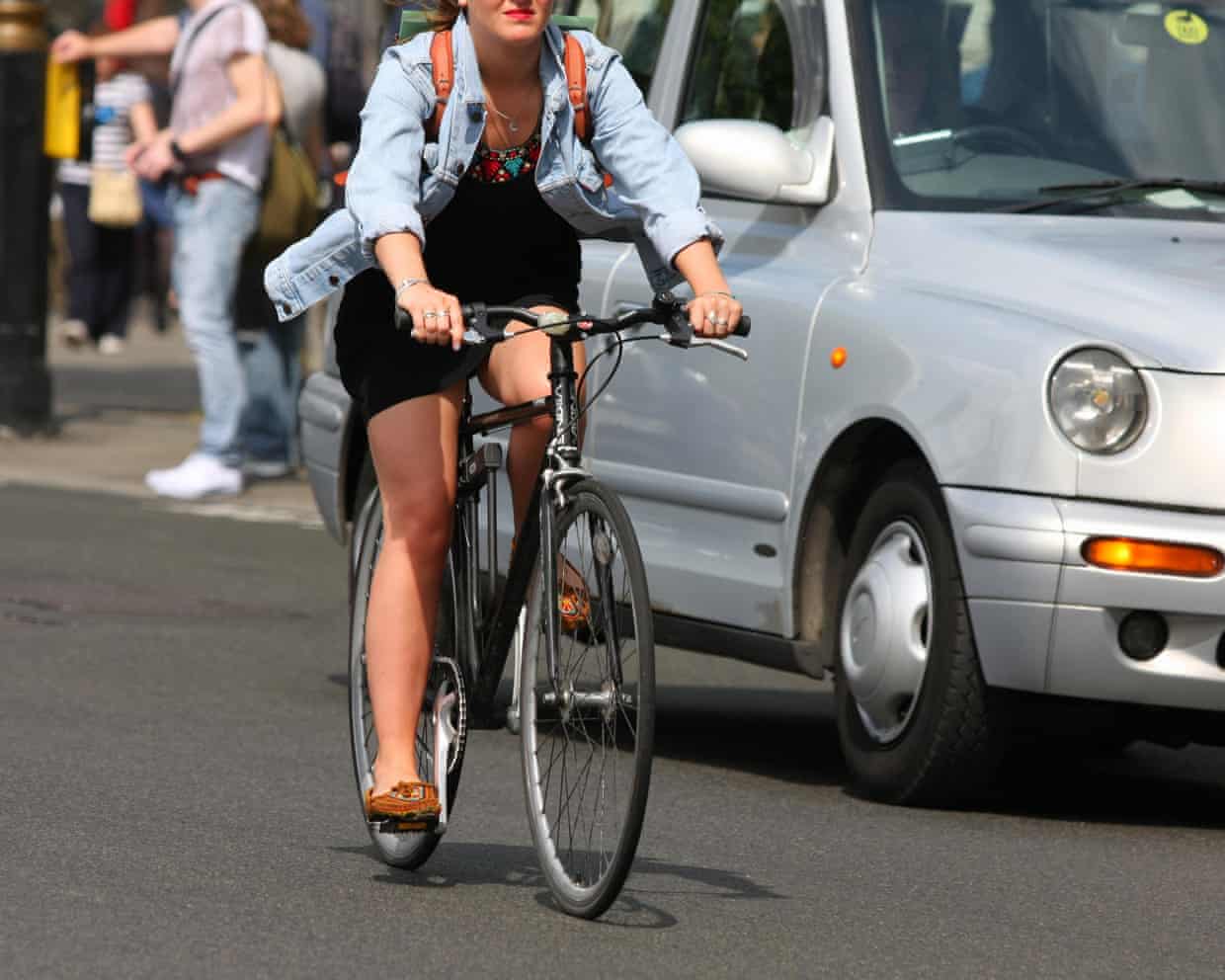
Conservative policies that pitted drivers against cyclists risked making the roads less safe by inflaming tensions, a minister has said, promising that the era of transport culture wars is over.Lilian Greenwood, whose Department for Transport (DfT) role includes road safety and active travel, said seeking to divide road users into categories was pointless given most people used different transport methods at different times.Speaking to the Guardian after the announcement of more than £600m for new cycling and walking schemes across England, Greenwood condemned the way Conservative governments had moved from boosting cycling under Boris Johnson to clamping down on active travel measures when Rishi Sunak was prime minister.Sunak’s government explicitly sought to present its transport policy as prioritising drivers over the needs of cyclists and others, a shift in tone accompanied by an occasional embrace of conspiracy theories about supposed efforts to limit driving.Such an approach was “infuriating”, Greenwood said, and had potential repercussions for safety
Reform councillors accused of ‘rash promises’ as council tax rises loom
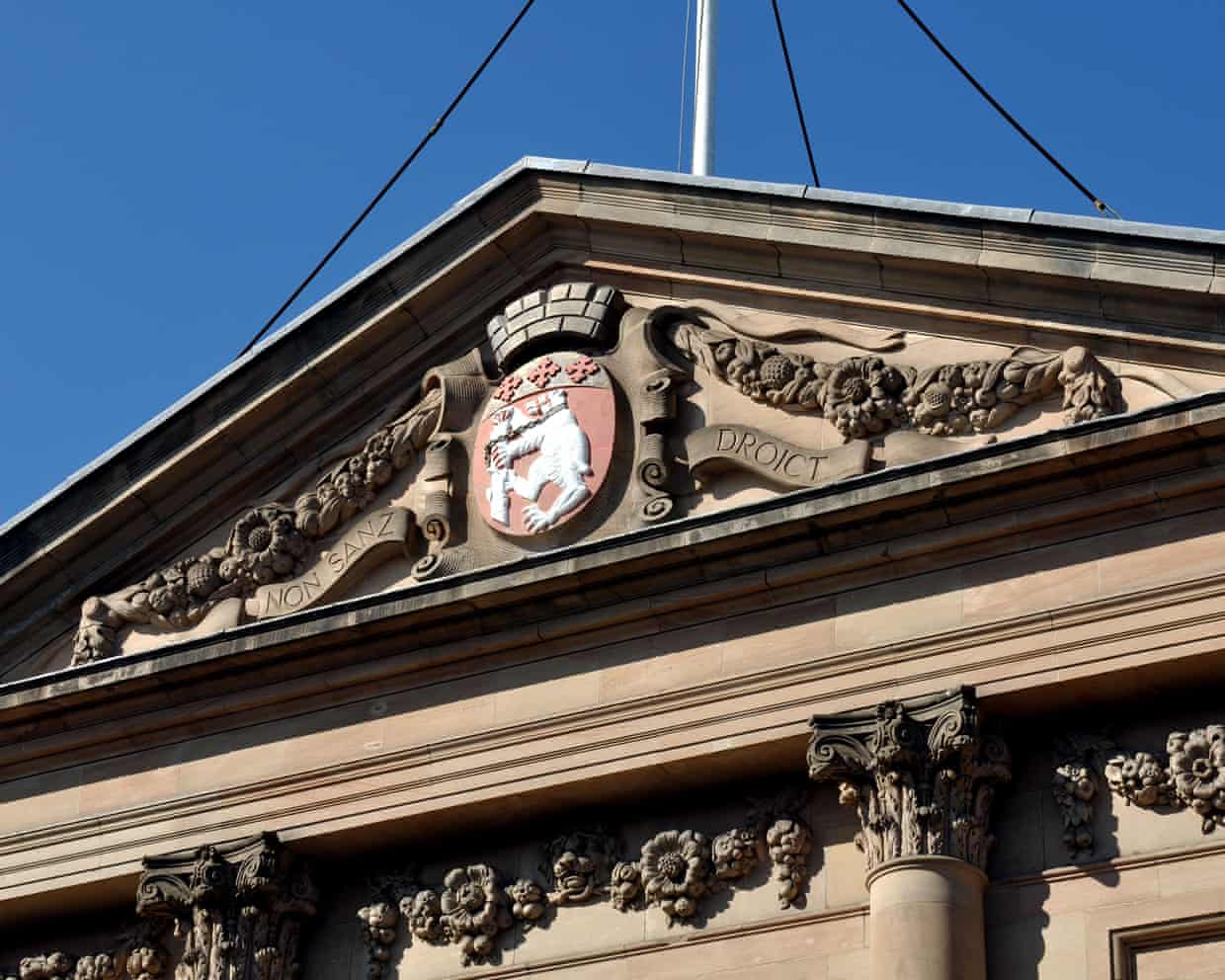
Reform UK council leaders have been accused of making “rash promises” after a local authority led by the party has been told it will have to increase council tax by the maximum amount, despite its election promises to cut costs.Warwickshire county council has been warned by its executives that anything less than a 5% maximum council tax increase will put its financial viability at risk.In a report published on Thursday, the council’s board said anything below a 4.99% council tax rise – the equivalent to a £1.75 a week increase on a band D property – is a “riskier financial strategy” that would threaten the medium-term sustainability of the local authority
Dulwich college head responds to claims of teenage racism by Nigel Farage
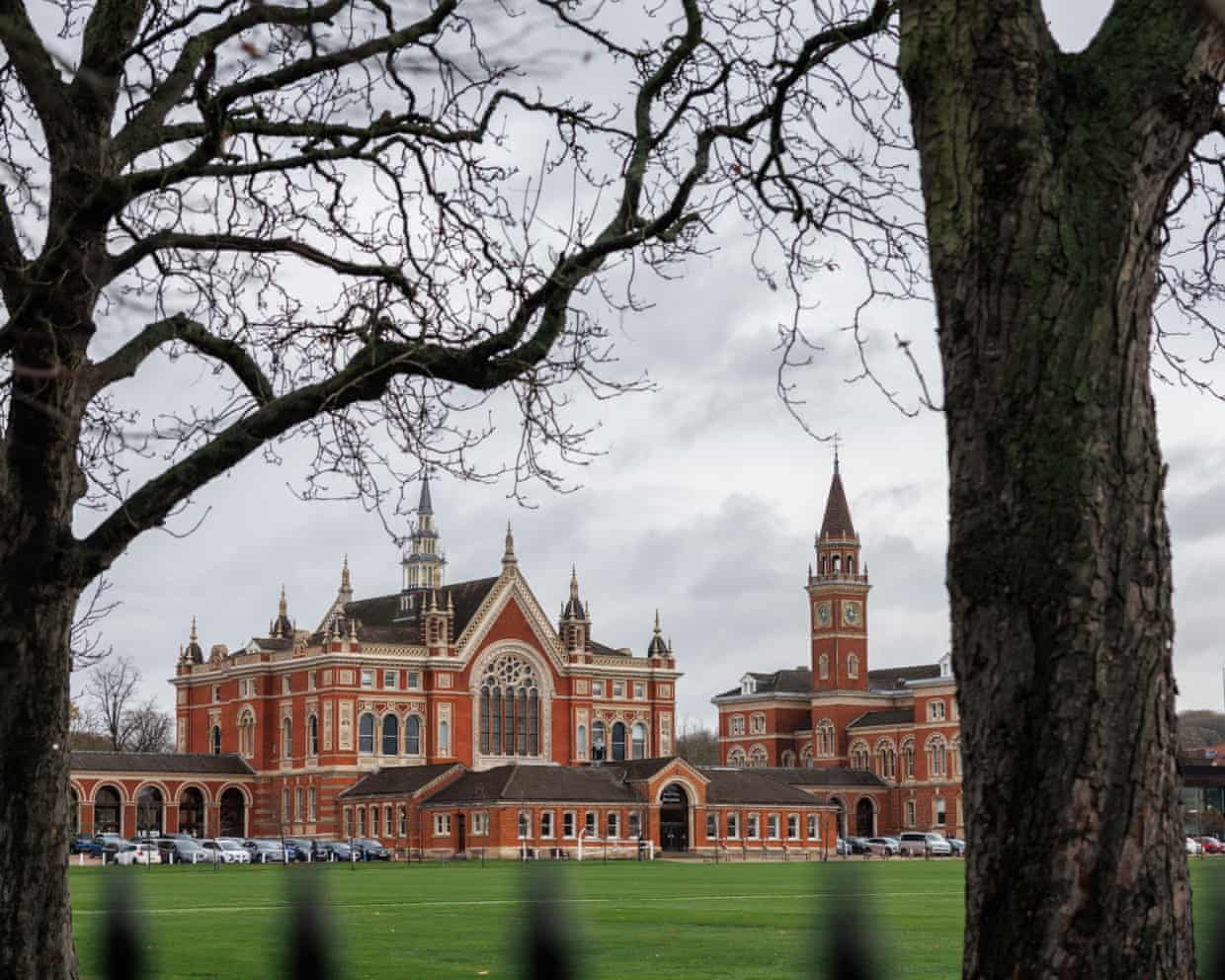
Dulwich college’s headteacher has responded to allegations of teenage racism by Nigel Farage by saying he recognised the “seriousness of the behaviours described in the media”.Robert Milne, who joined the school as its “master” this summer, said the alleged behaviour was “at odds” with the modern-day school in a letter in which he said he understood why 28 former pupils had felt compelled to speak out.Milne was responding to a letter from Jean-Pierre Lihou, a former friend of Farage’s at school, who claims he witnessed abusive chanting and the targeting of Peter Ettedgui, today a successful film director, with antisemitic abuse.Farage has denied “directly” abusing school contemporaries while adding that some of his “banter” may be interpreted differently today.The deputy leader of Reform, Richard Tice, went further by describing those who made claims as liars, although he appeared to backtrack on Wednesday by telling LBC “some recollections may vary”
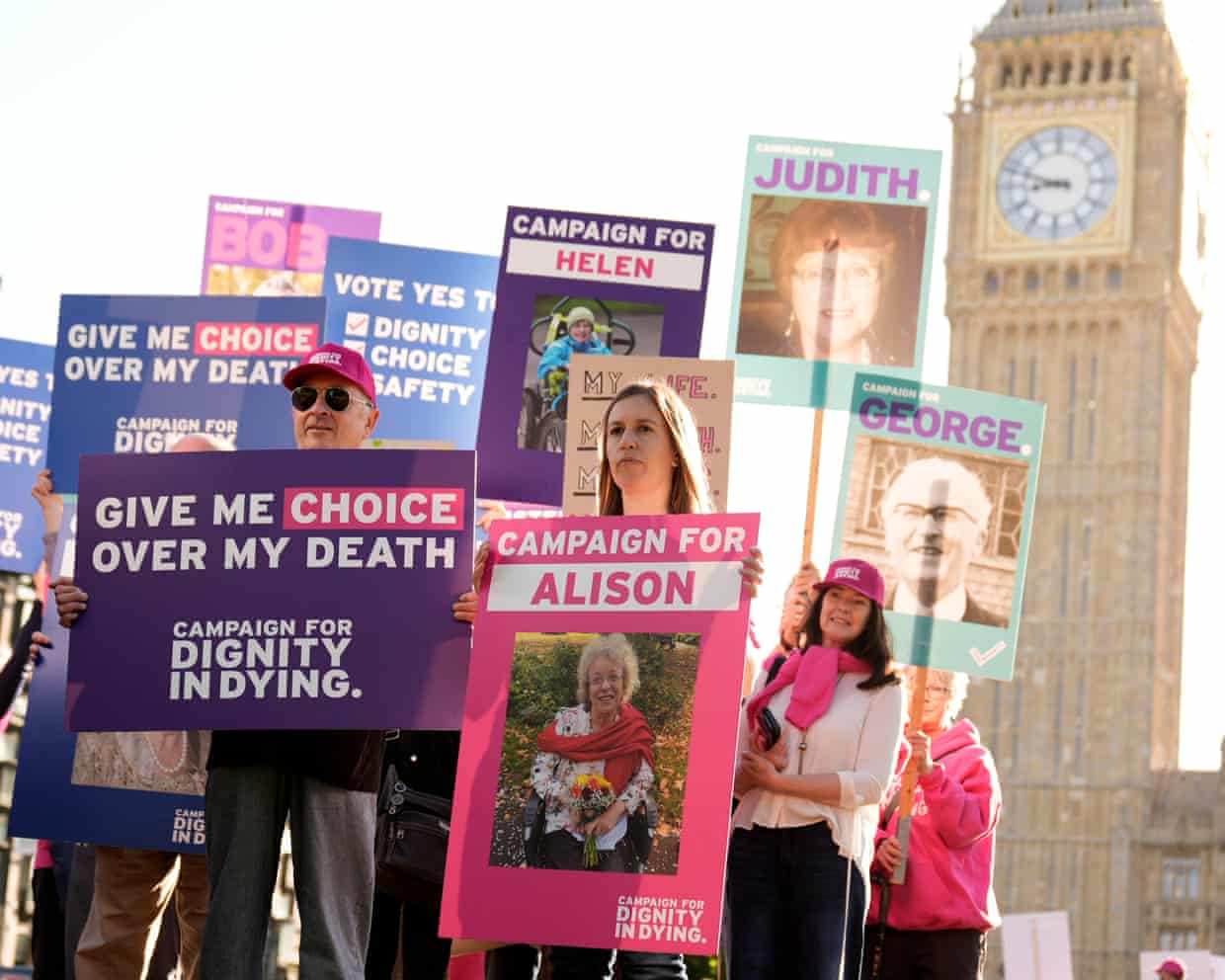
House of Lords’ block on assisted dying bill is a big risk | Letter
When visitors come to parliament, it seems incongruous to explain that, in our mother of parliaments, we have a second chamber – the House of Lords – which is unelected. Those who support its existence in its current or similar form justify it on the grounds that it performs a useful revising function which can improve the detail of legislation, and it undoubtedly does good work.But the fact that it is unelected can only be tolerated in a democracy provided its members accept that it is for the House of Commons to have the last word on what becomes law and what doesn’t in this country.If the Lords resort to blocking procedures, and impede the implementation of decisions taken in the Commons, this is effectively breaking this convention. So how long should we, as the democratically elected chamber, put up with it?Matters seem to be coming to a head with a private member’s bill currently in the House of Lords
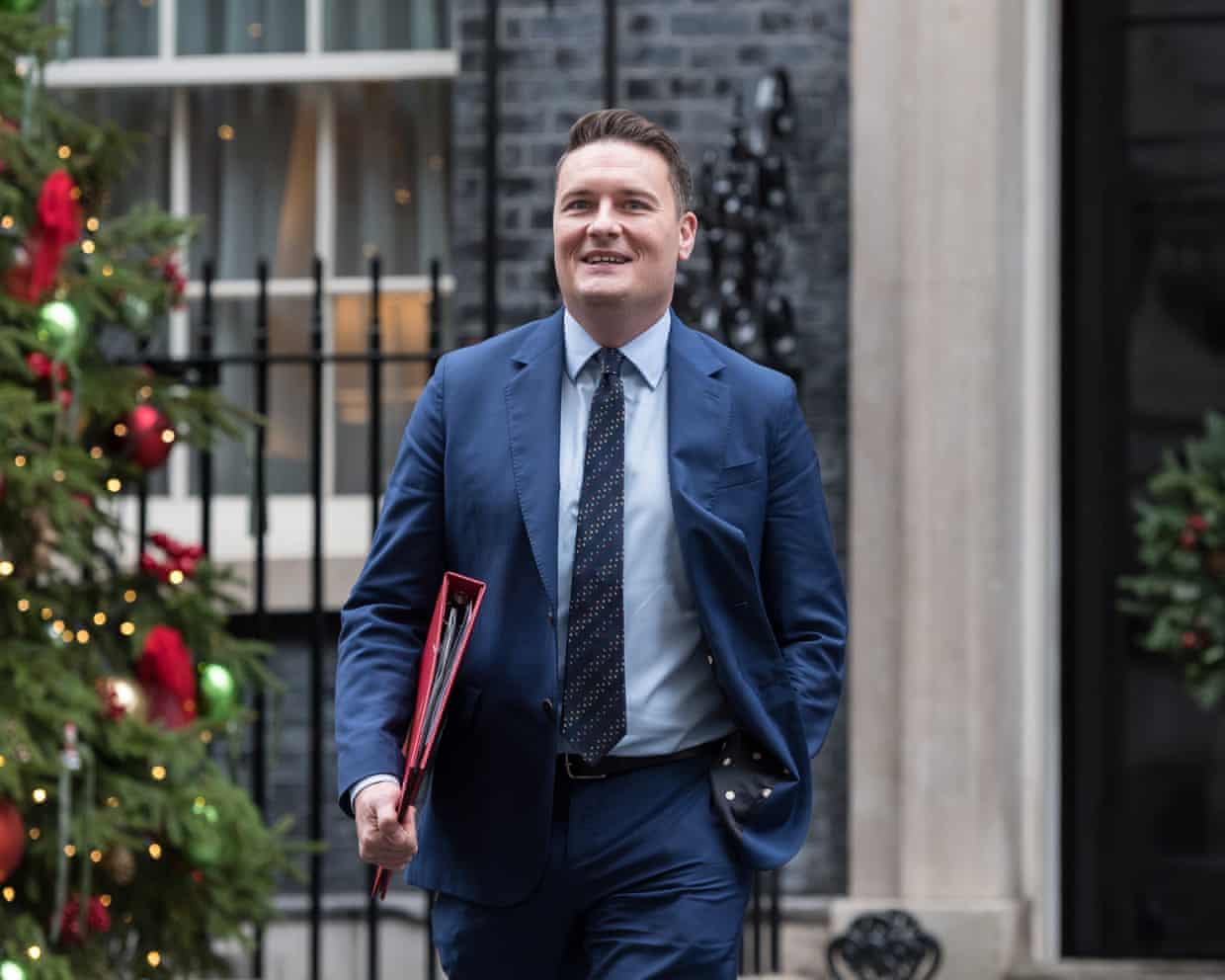
UK politics: No 10 brushes off claims Streeting’s criticism of ‘technocratic approach’ refers to Starmer –as it happened
The Trump security strategy paper contains language reminiscent of 1930s Germany, MPs were told.Liam Byrne, a former Labour cabinet minister and the chair of the Commons business committee, made the suggestion as he said the shift in US policy meant it was even more important for the UK to strengthen economic security links with the EU.Speaking during the urgent question, he said:The language of the US national security strategy was deeply regrettable and, frankly, it was not hard to see the rhymes with some extreme rightwing tropes that date back to the 1930s.Byrne said the publication of the document coincided with talks on the UK joining the EU’s Safe (Security Action for Europe) defence loans programme broke down. He said the government should adopt the recommendations in his committee’s report on economic security, and he said the UK should open talks with the EU on the sort of economic security union that could provide Europe with the growth “that rearmament is going to require”
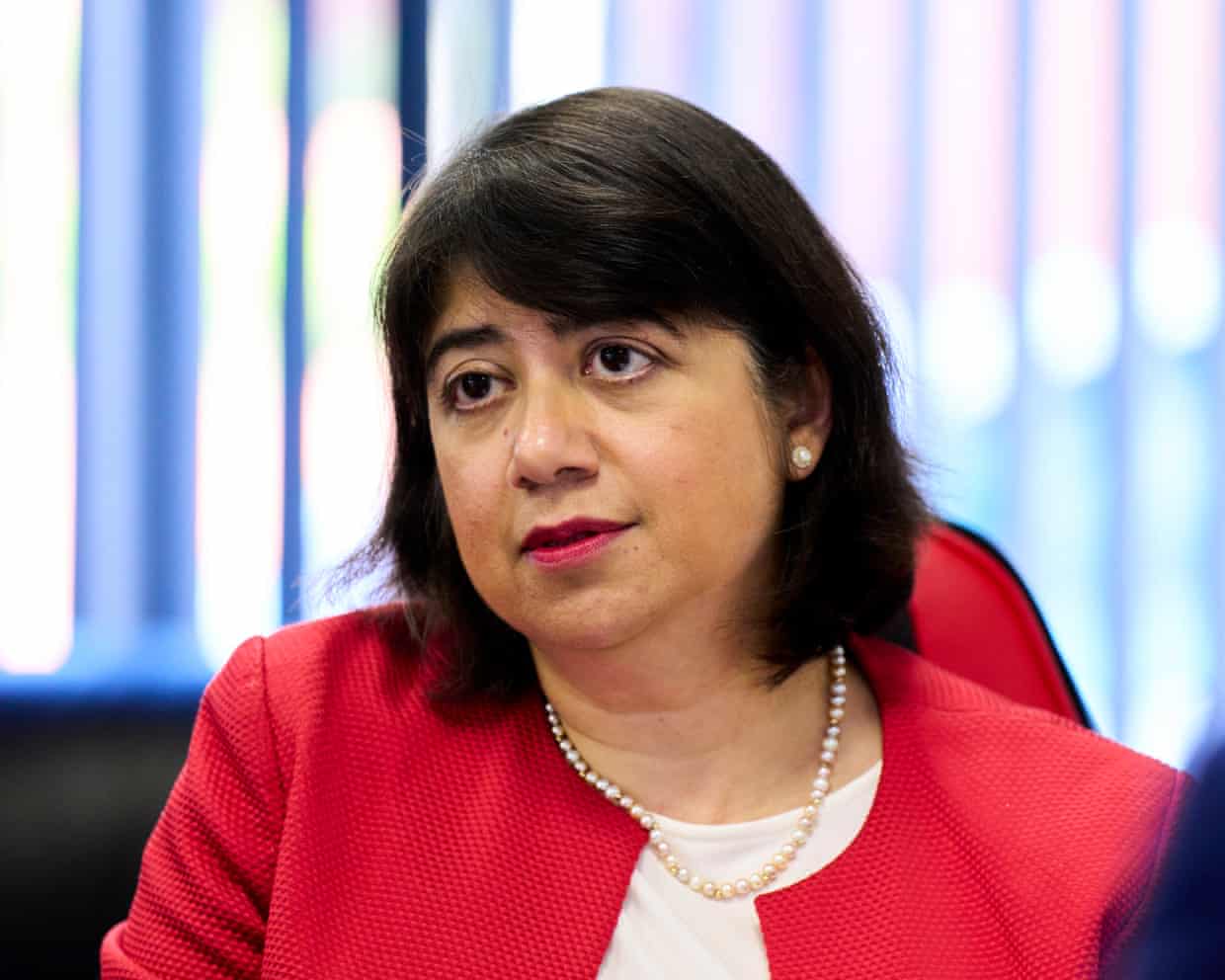
Trump wants to destabilise European democracy. Where on earth is parliament? | John Crace
’Twas the fortnight before Christmas and all through the house, not a creature was stirring, not even a mouse. Apart from a few exceptions. The Labour backbencher Matt Western had managed to secure an urgent question on President Trump’s new national security strategy and the Commons itself was remarkable for its absences. A roll-call of dishonour.Take Nigel Farage

Toffee Crisp and Blue Riband no longer called ‘chocolate’ after recipe change

How to use a spent tea bag to make a boozy, fruity treat – recipe | Waste not

Christmas food gifts: Gurdeep Loyal’s recipes for Mexican-spiced brittle and savoury pinwheels

Festive treats: Adriann Ramirez’s recipes for pumpkin loaf and gingerbread cookies

Nutcracker stocking fillers: Brian Levy’s recipe for sugar plum and coffee cookies | The sweet spot

How to make the perfect Dubai chocolate bar - recipe | Felicity Cloake's How to make the perfect …